Two Hating Drivers Lift One Donkey Together
Two donkey drivers share a road and a hatred. One beast falls. The enemy remembers a verse, turns back, and lifts the load. That night they eat as friends.
Table of Contents
 Click for full size
Hatred on the Same Road
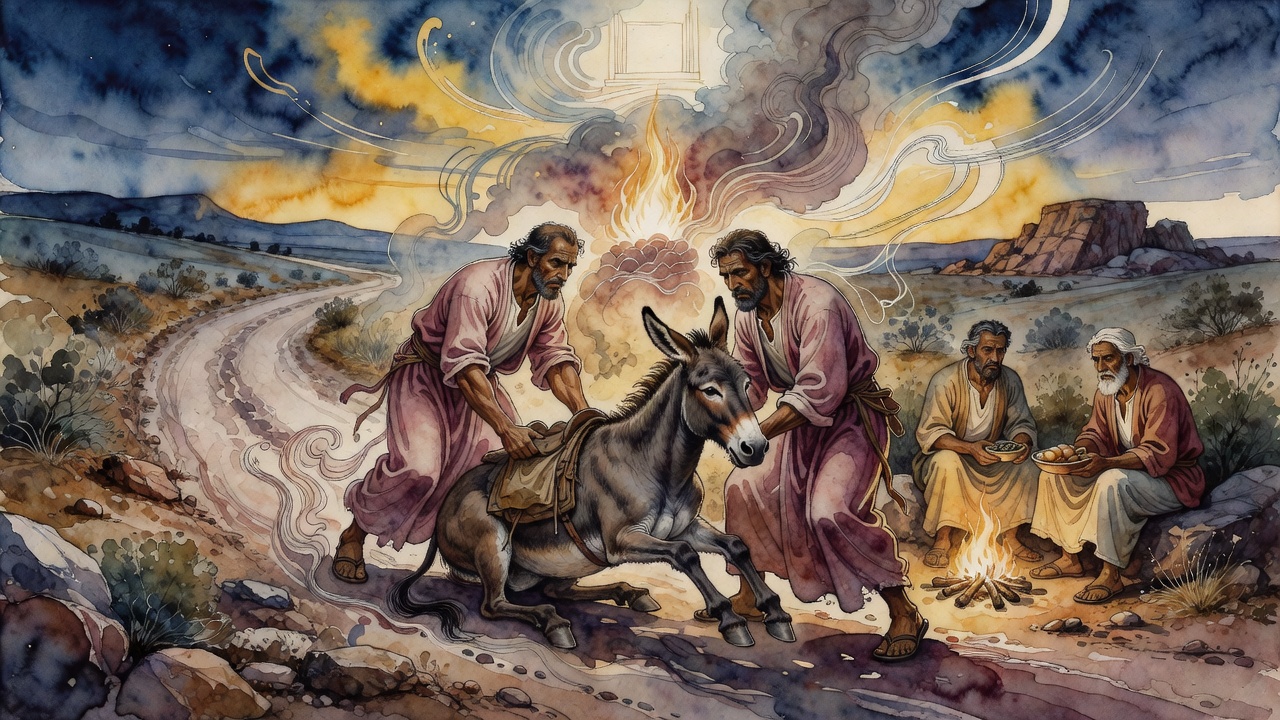
Two donkey drivers traveled the same road, and a hatred stood between them like a third animal. Dust, harness, heat. Neither needed a speech to remember why he despised the other. Then the beast of one buckled beneath its load and lay down in the dust. His enemy saw, and passed him by.
A few steps later a verse rose in the walker's memory, uninvited and exact. "When you see the donkey of one who hates you lying under its burden, you shall surely help with him" (Exodus 23:5). The words did not ask how he felt. They told him what to do with his hands. He turned back.
Shoulders Against a Common Weight
They lifted together. Strap, sack, swearing under breath, the donkey's legs finding the ground again. Side by side the work changed the air. A new thought stirred in the one who had almost kept walking: perhaps this man is no enemy at all, but a friend, and I never knew it. That night they entered an inn together and ate and drank as companions.
What made peace between two who hated each other? One man looked into the Torah. A mighty King loves justice. A man with a strong arm bends justice to his will, but the King of the kings of kings is mightier than all and still loves equity. Mishpat, justice, is not only courts. Sometimes it is two sweating men under one animal on a road that almost kept them strangers forever.
Moses Before Sihon
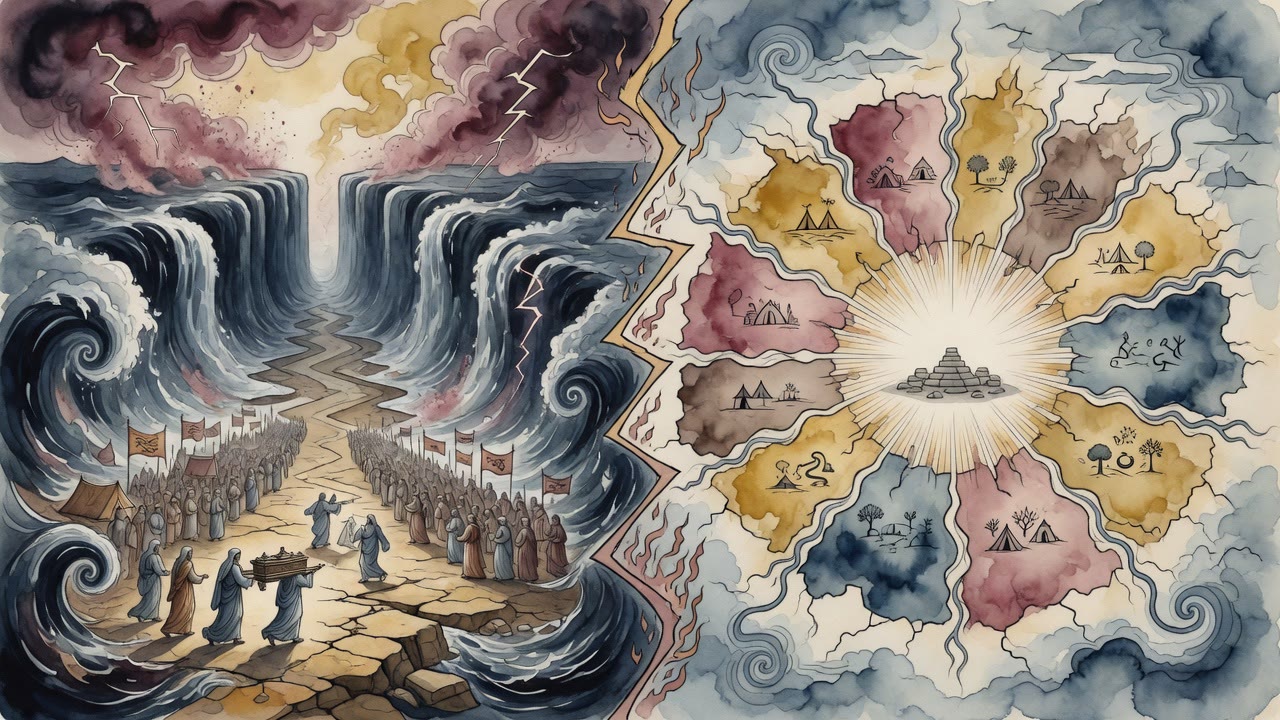
The same spine runs through war. Her ways are ways of pleasantness, and all her paths are peace (Proverbs 3:17). Everything written in the Torah is written for the sake of peace, even her sieges. The Holy One commanded Moses concerning Sihon, "You shall utterly destroy them." A plain word. A hard word.
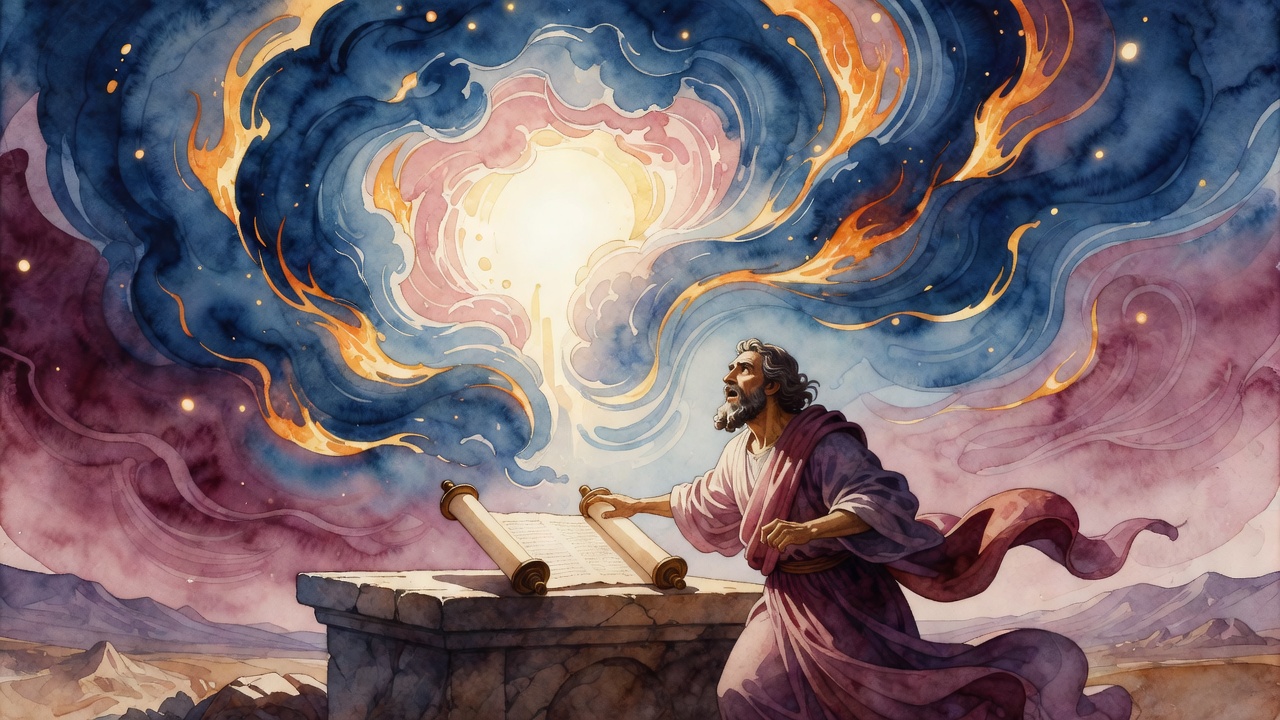
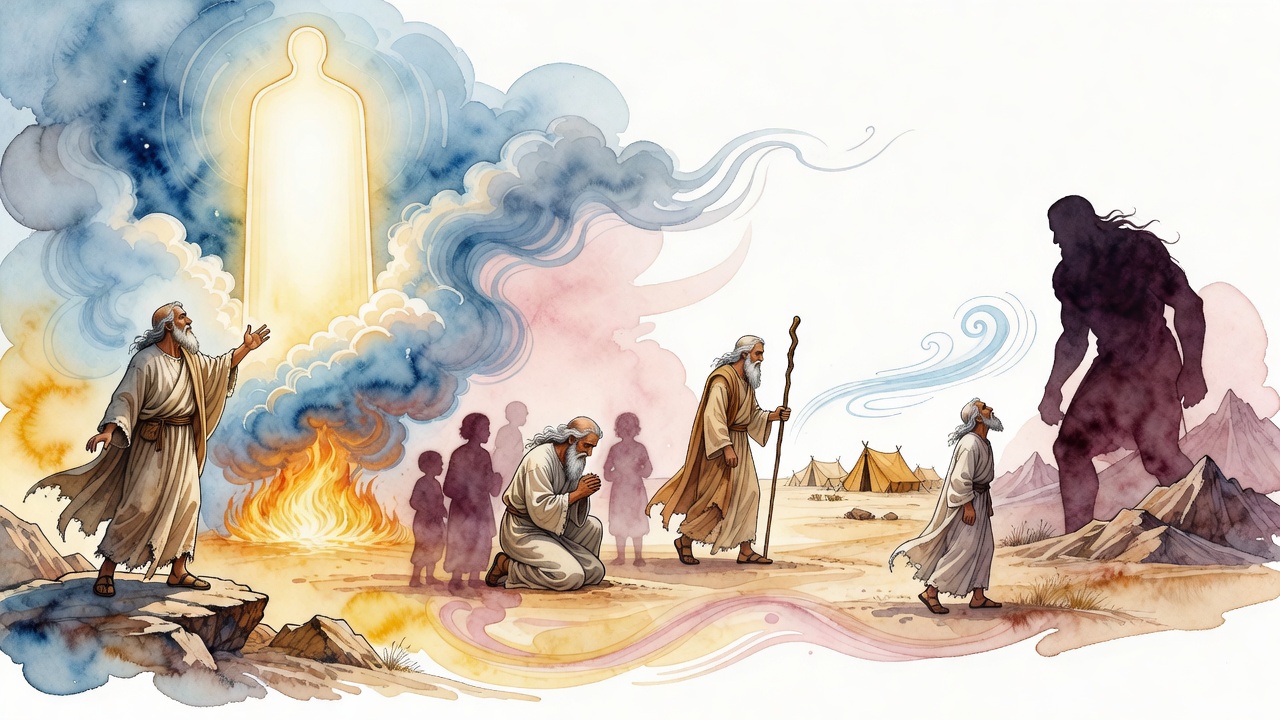
Moses did not rush to strike. He reasoned in his heart: I am going out to kill, but I do not know who among them has sinned and who has not. Shall I smite the innocent with the guilty? No. Let me first come to them in peace. He sent messengers from the wilderness of Kedemoth with words of peace. Only when Sihon refused did Moses strike him, his sons, and all his people.
Heaven Confirms the Pause
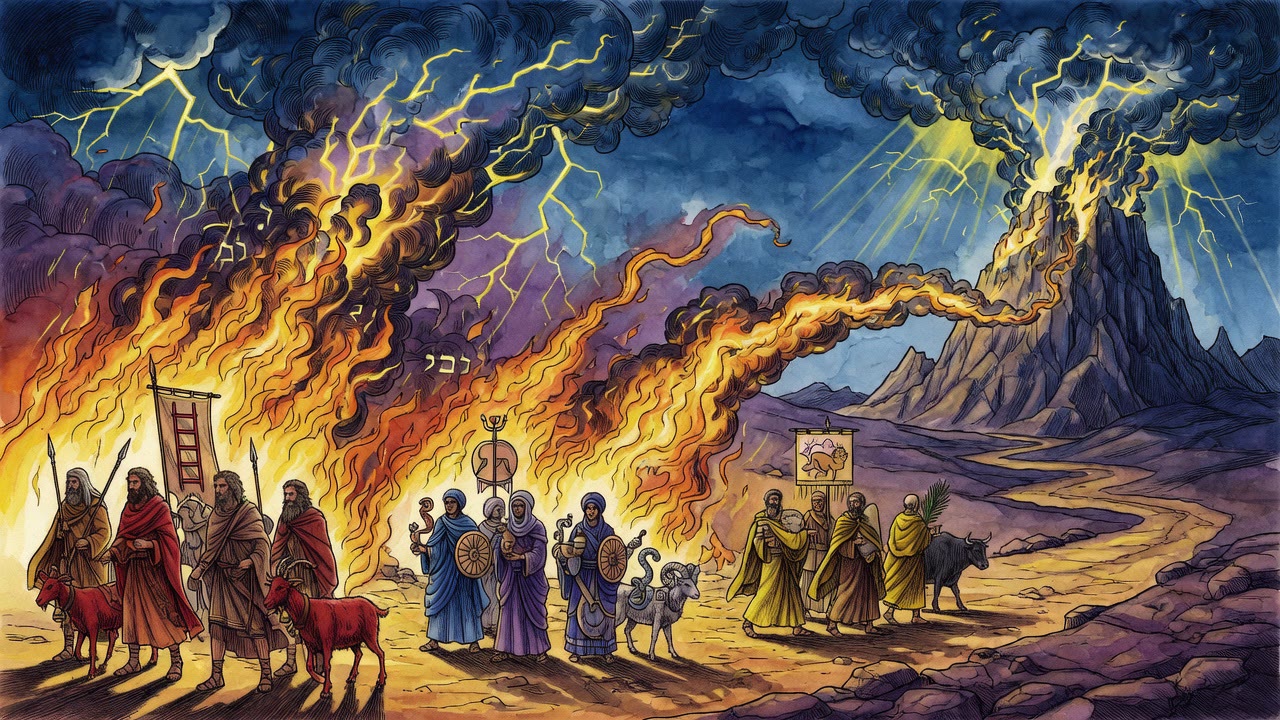
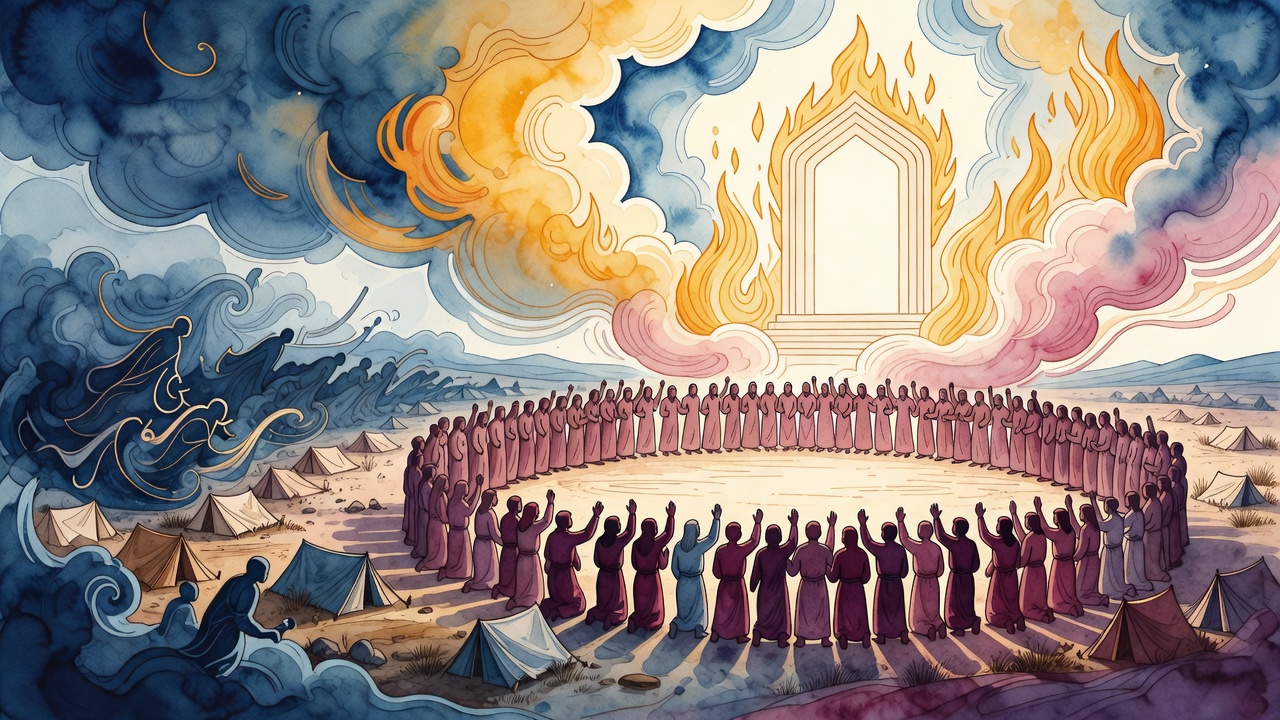
What did the Holy One say? I told you to destroy them, yet you offered peace first. By your life, as you have spoken, so I will establish it. From that hour the law was fixed: when you draw near to a city to fight against it, proclaim peace to it (Deuteronomy 20:10). Paths of peace are not soft paths. They are ordered paths. First the turned shoulder on the road. First the messenger to the enemy king. Only then the blow, if the blow must come.
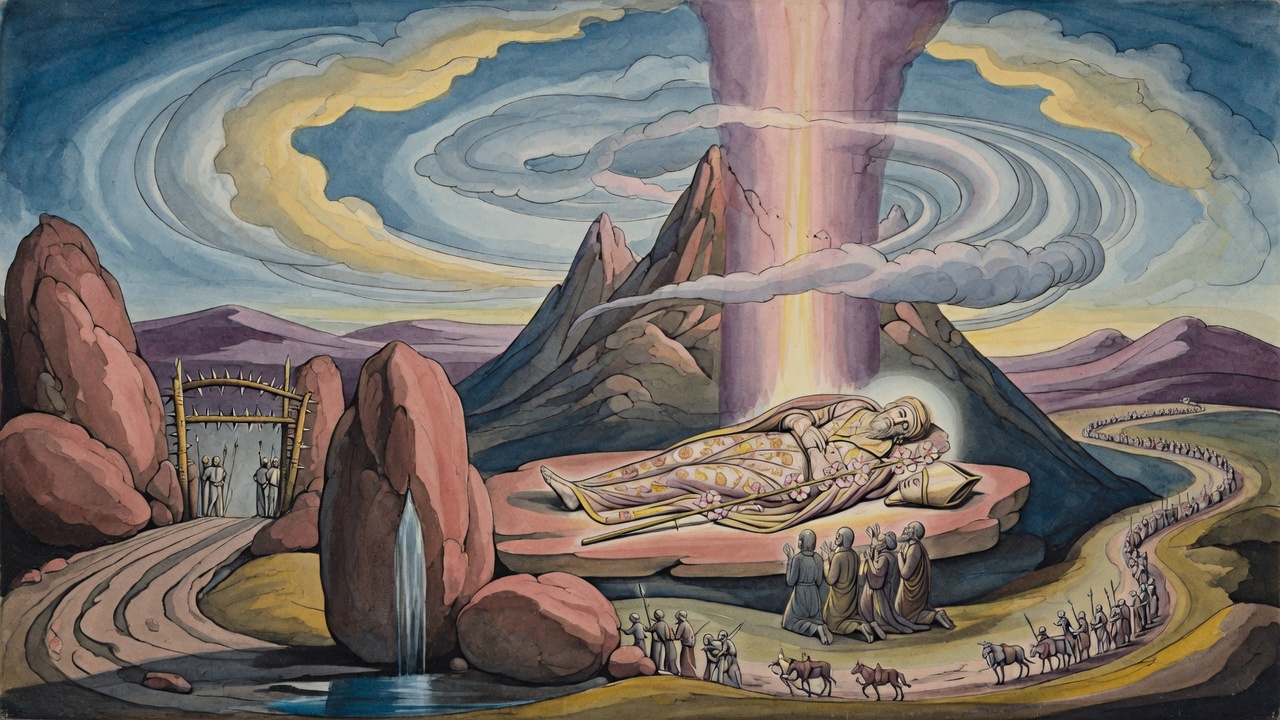
The donkey stood. The inn filled with two men who had hated each other at dawn. Far from that inn, another day, Moses' messengers walked toward Sihon with an offer the command had not required but Heaven would later write into law. Torah does not wait for fondness. It puts hands under a burden and mouths toward a gate, and lets friendship, if it comes, arrive as a consequence rather than a precondition.
Peace Before the Sword, Hands Before Fondness
The inn that night held no courtroom. It held bread, wine, and two men surprised by their own company. Torah had not asked them to like each other first. It asked for shoulders under a burden. Liking arrived as interest on obedience. That order matters. Many hatreds wait forever for a feeling that never comes. The verse short-circuits the wait and puts a body back on its feet.
Moses' messengers to Sihon work the same order at the scale of nations. Proclaim peace. Wait for the answer. Strike only if the gate stays shut. Heaven liked that sequence enough to legislate it. The donkey on the road and the king in his city are different sizes of one teaching: strength that loves justice does not confuse speed with righteousness. A turned step can be the most powerful motion on a road, and a delayed spear can be the most faithful reading of a hard command.
Sihon refused and fell. The drivers accepted and ate. Outcomes differ. The opening move does not. Help the burden. Offer the peace. Let the other side reveal what it is. A King who loves justice writes that patience into the scroll so later generations will not invent a holiness that only knows how to swing.
On the road the next morning the two drivers may still have argued about prices and water. They did not have to become the same man. They only had to remain men who had already proven they could share a weight. That proof travels farther than a speech about peace ever does.
← All myths