32 myths · Page 1 of 2
Each story names the sources it was written from.
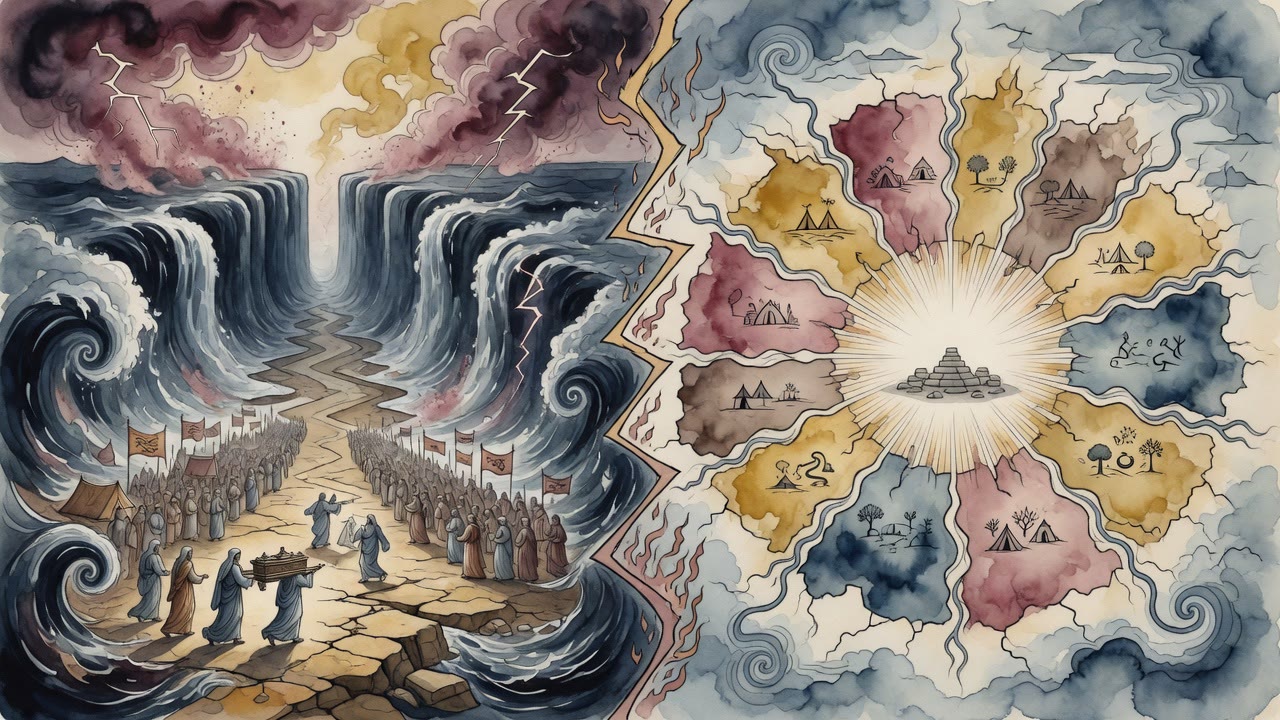
Fifty thousand men crossed the Jordan to fight for land they would never live on. When they went home and built an altar, Israel armed against them.
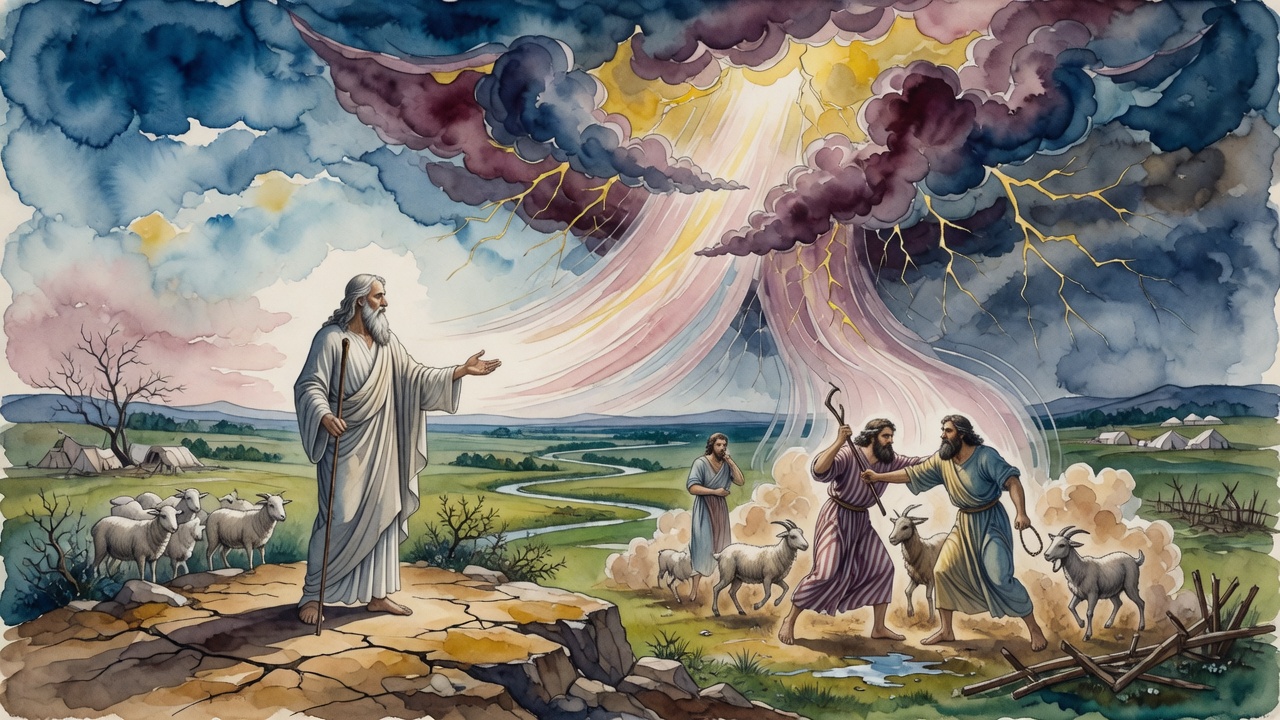
When Abimelech came seeking a covenant, Isaac agreed. But Jubilees records what the Torah omits. That night, Isaac said plainly he had sworn under constraint.
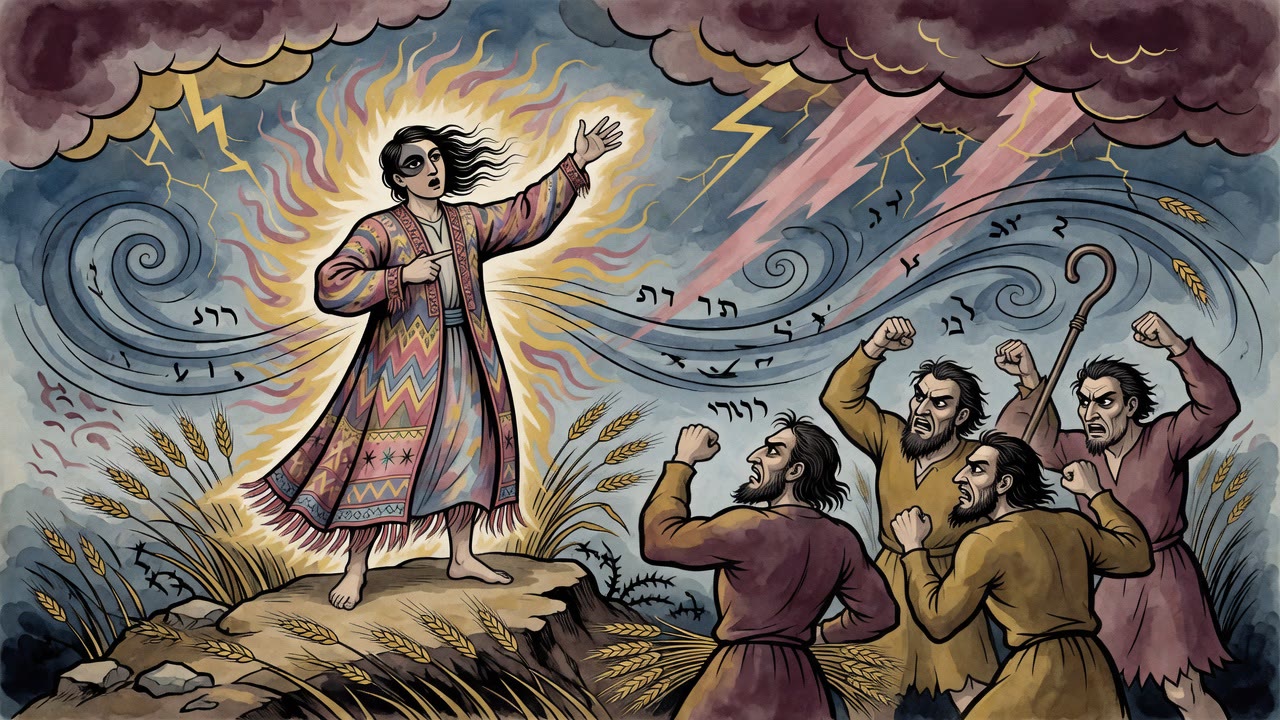
Gad pulled a lamb out of a bear's mouth and had to put it down. Joseph went home and told their father the handmaids' sons were eating the herd.
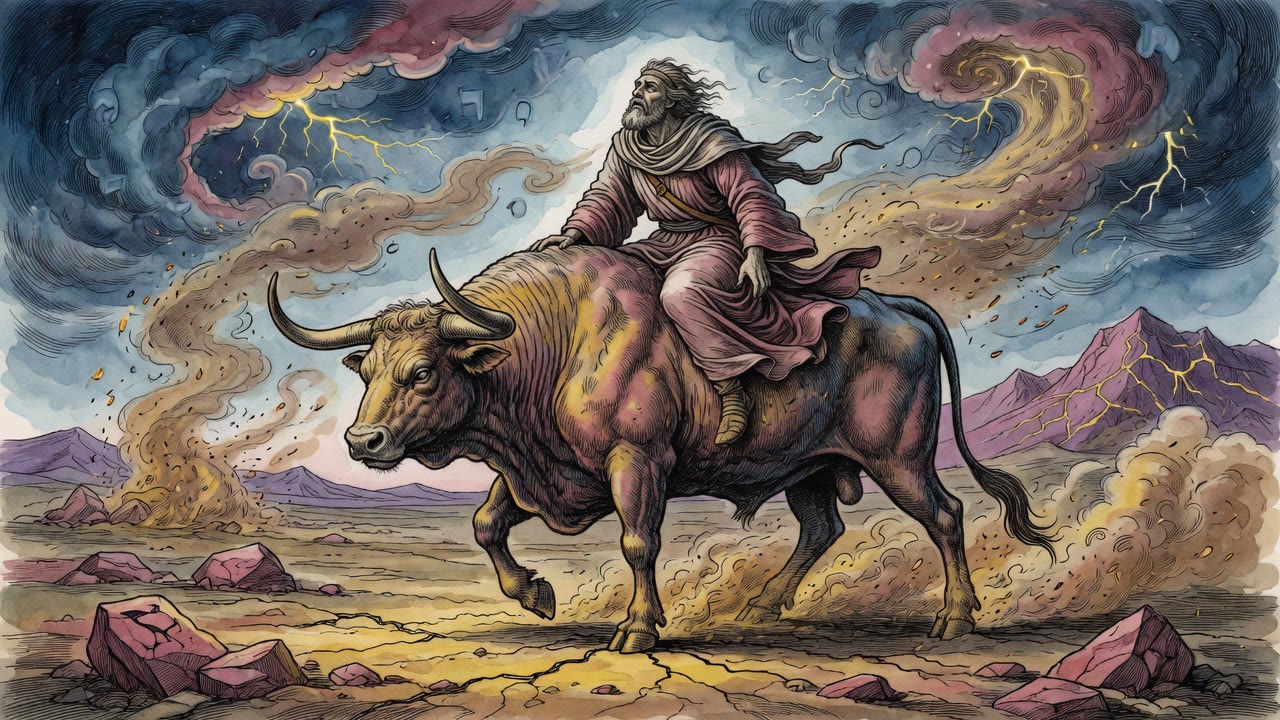
Word reached Canaan ahead of the army. Men pried up their own floors and packed silver into the walls. One nation harnessed its carts instead.
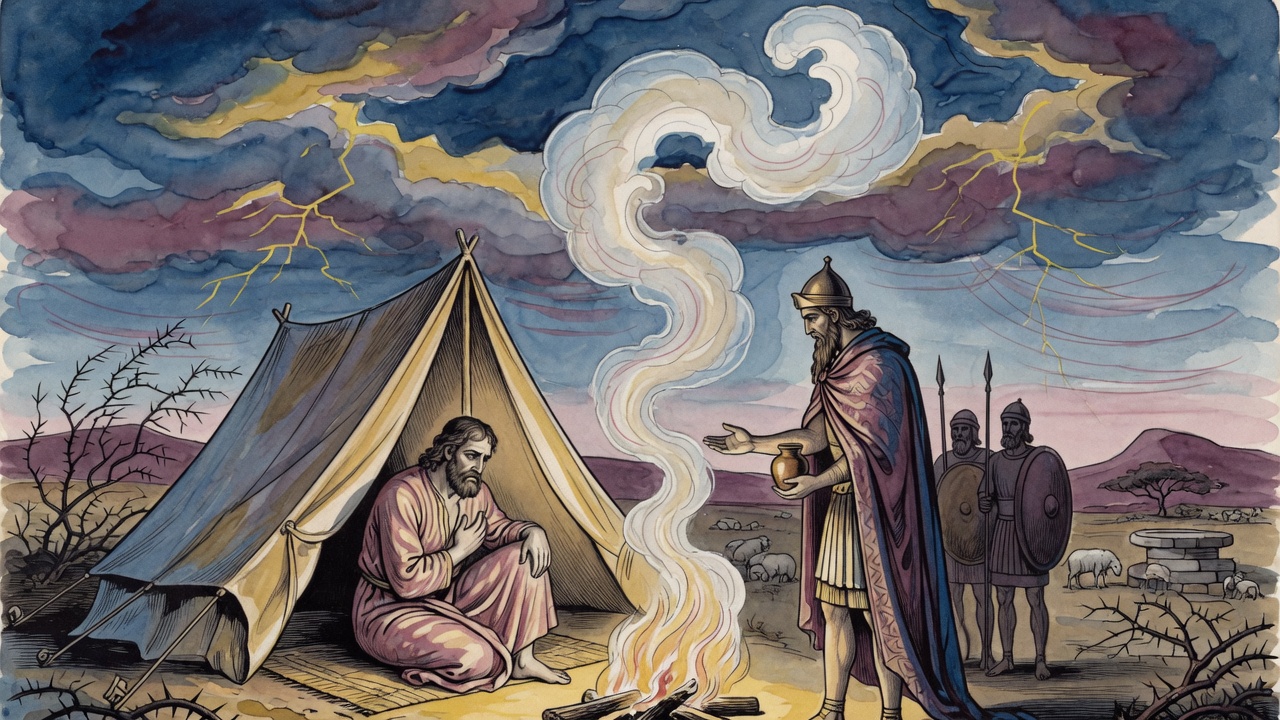
Abraham had every right to the pasture. He gave it to Lot. The sages traced every disaster that followed to the moment the herdsmen first quarreled.
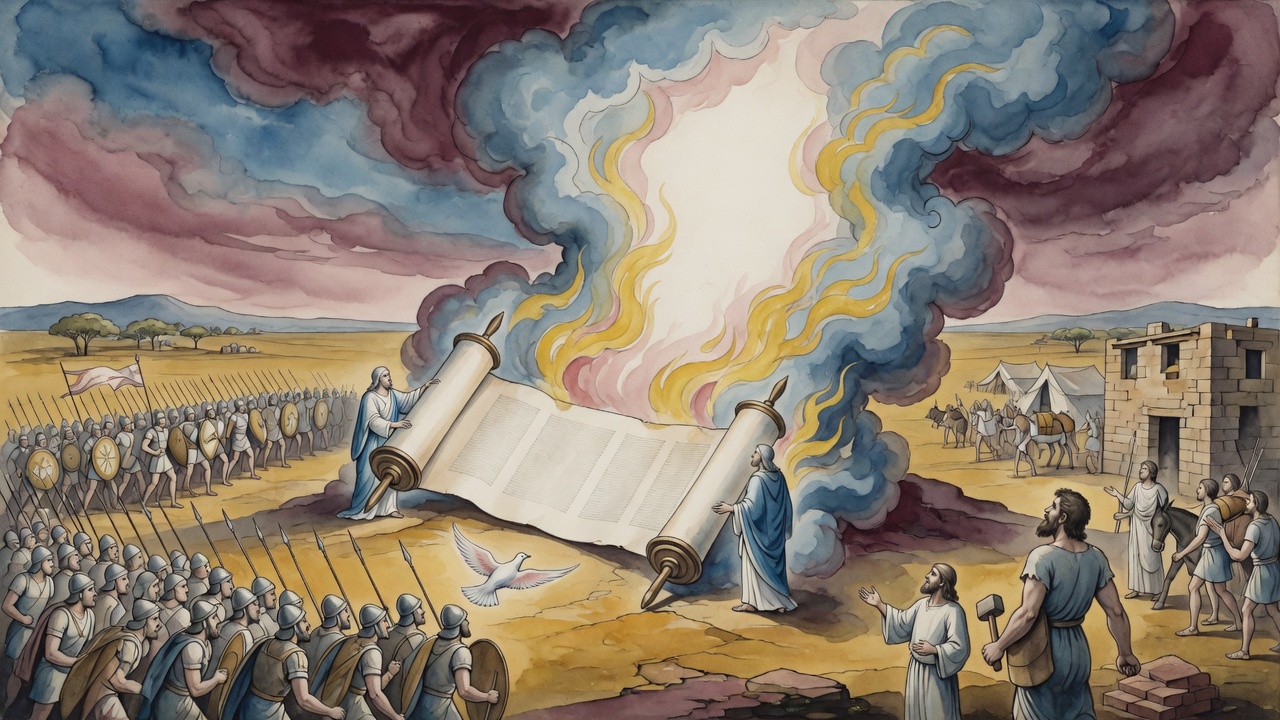
Israel marches to war and the Torah stops the column. Remember the desert, send home the man with an unfinished house, offer peace before drawing a sword.
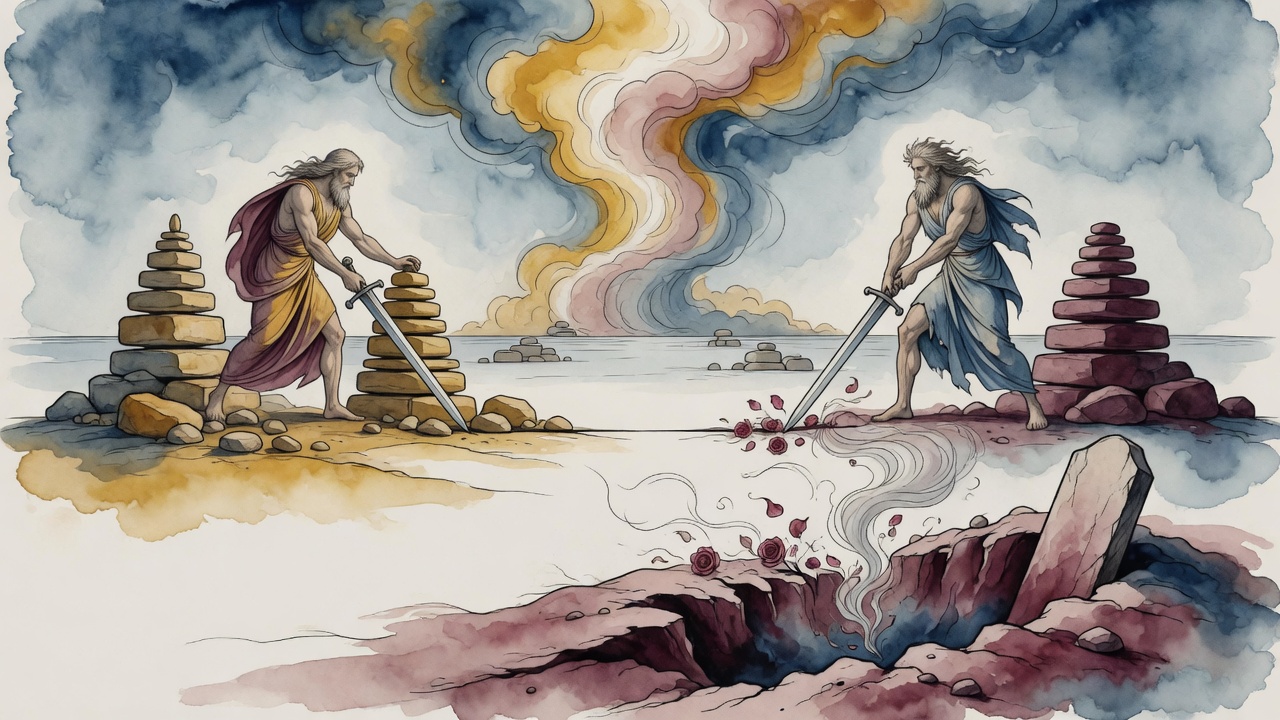
Isaac put a sword into Esau's hands and told him to keep it sheathed. Years later four hundred men waited on the road home.
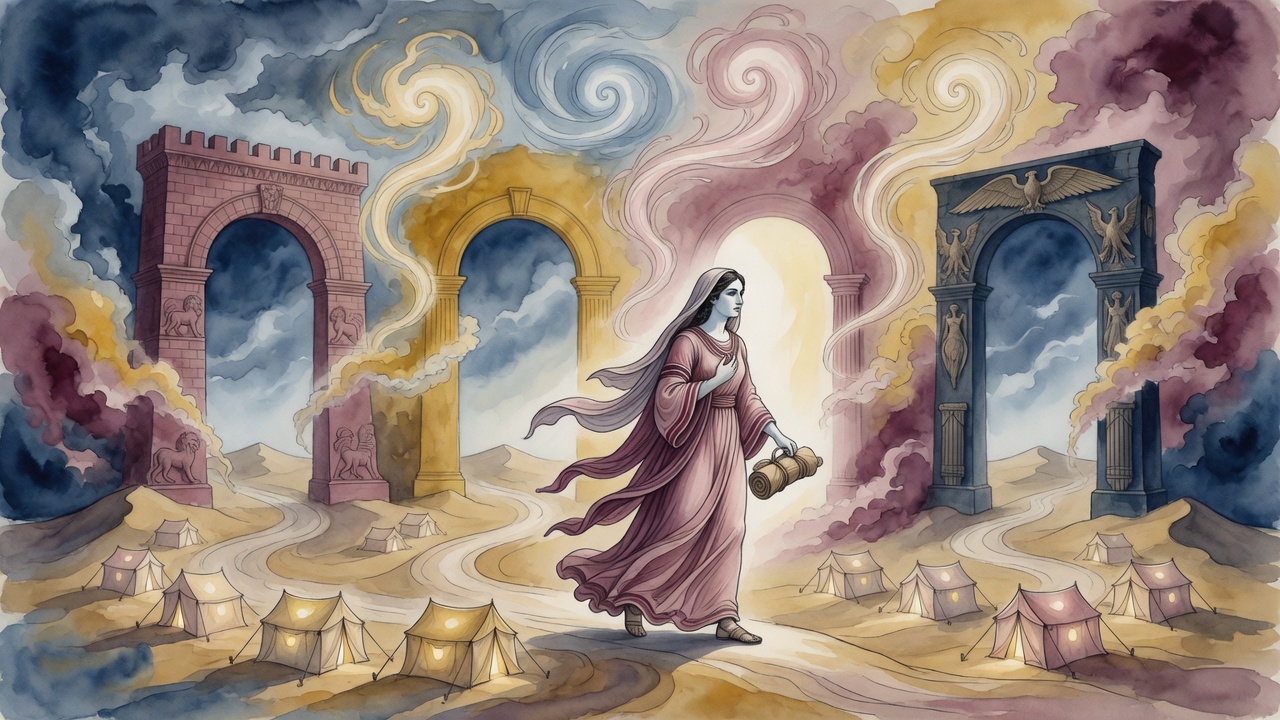
She brought two stones to her wedding and the king matched them with two of his own. Then she lost hers, and he quietly took his back off the table.
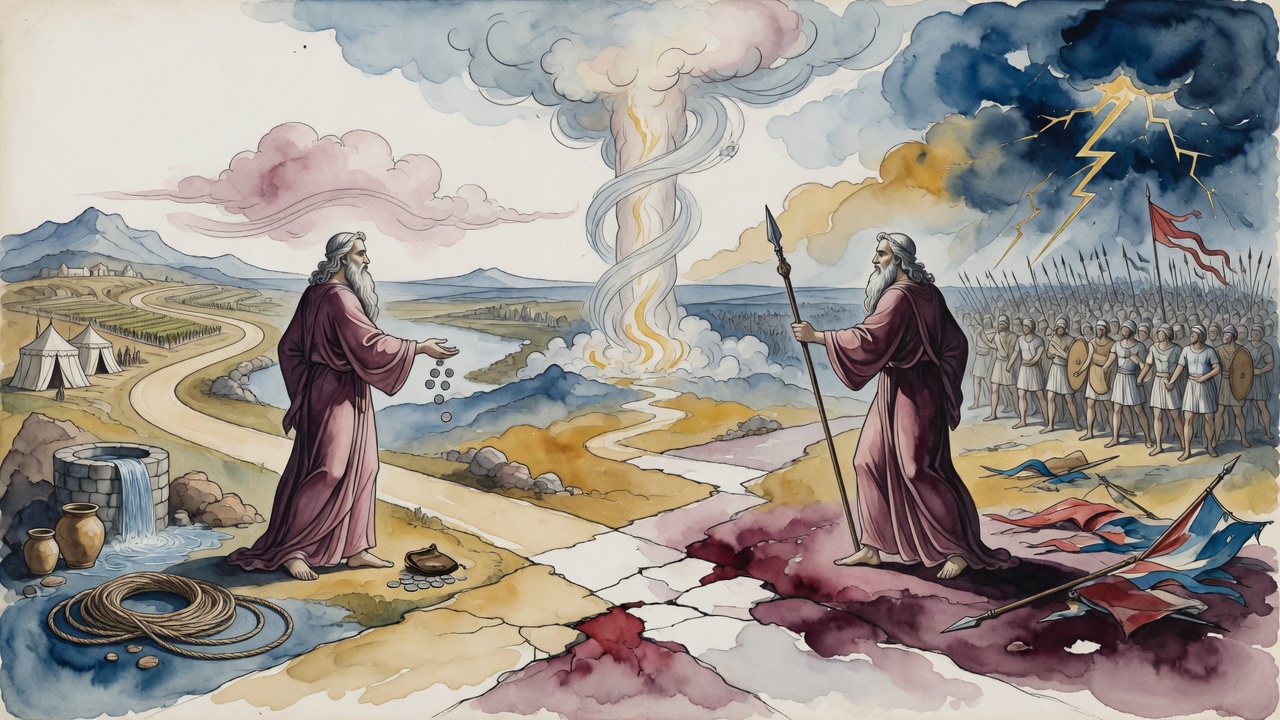
Moses asked Edom for a highway and paid for water he did not need. Against Sihon the same peace became war, and Moses equaled all Israel.
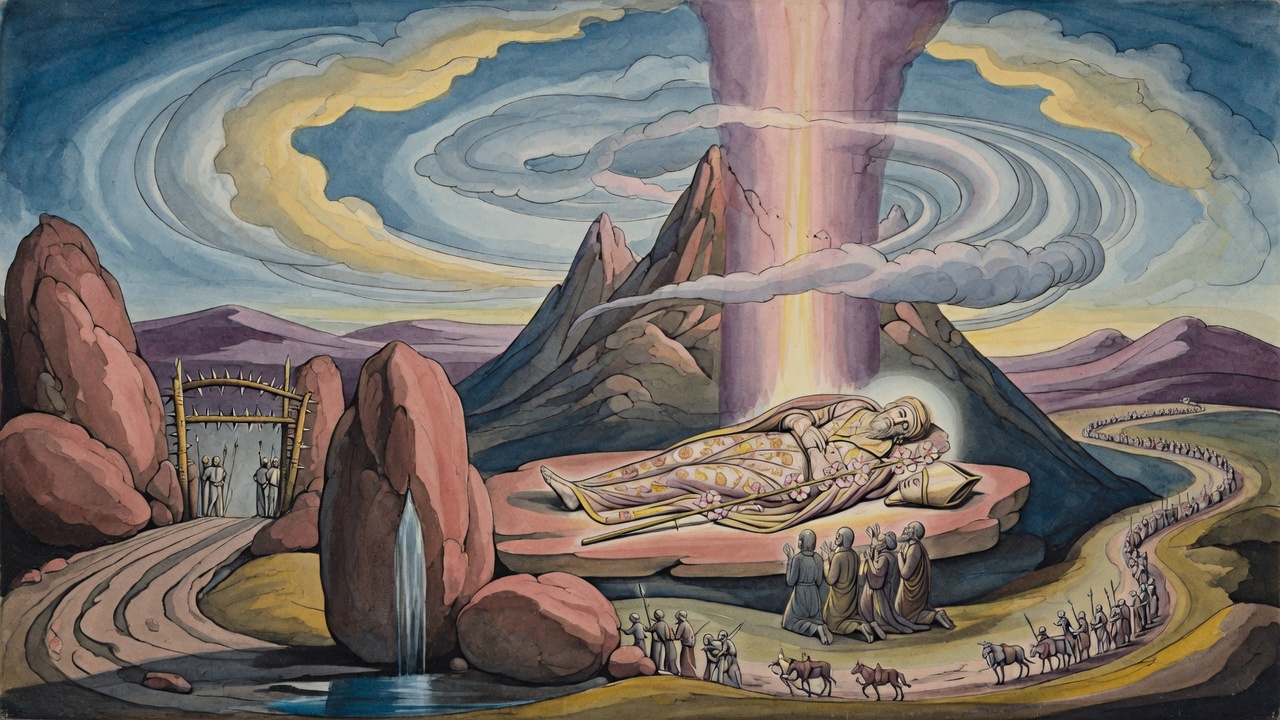
Edom would not open the road. Aaron climbed a mountain like a small apple on a large one. The garments left him while he stood.
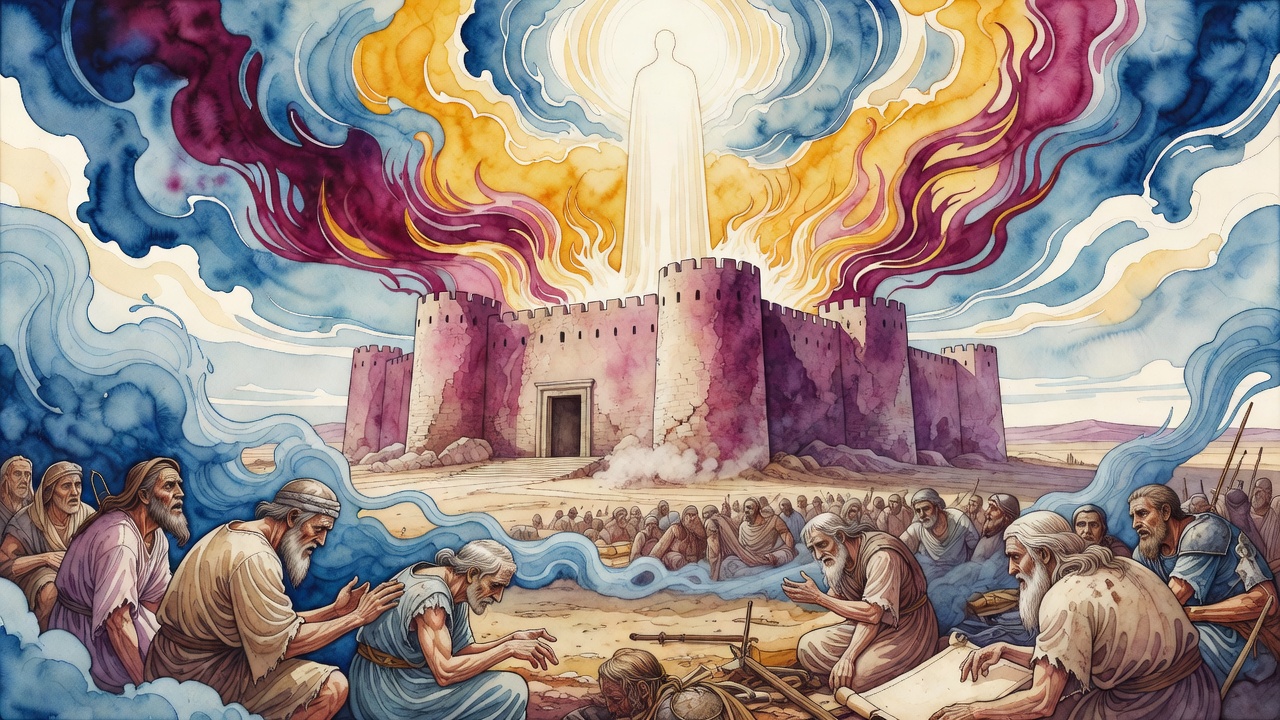
The siege starved the camp. The stronghold would not fall. An officer chose peace: let them live after their own laws.
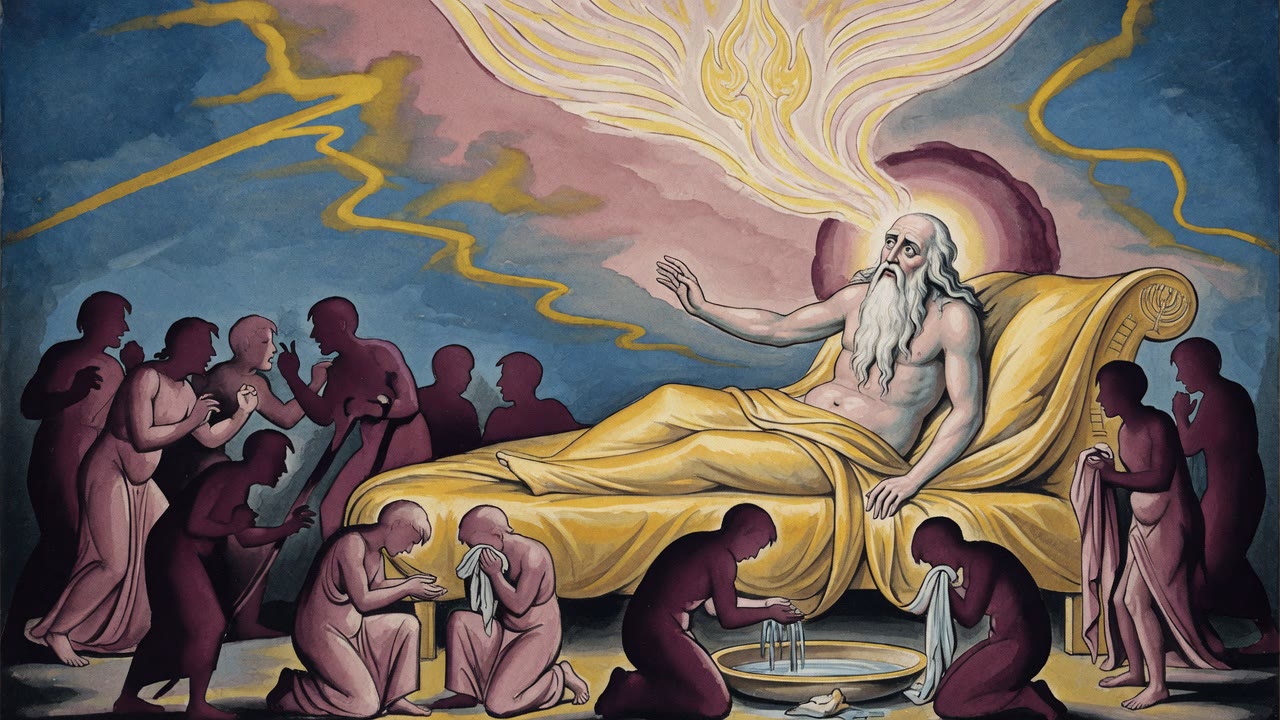
Levi's jaw tightened and Simeon's eyes found the floor. Their father opened his mouth to give them the date of the end, and the words left his head.
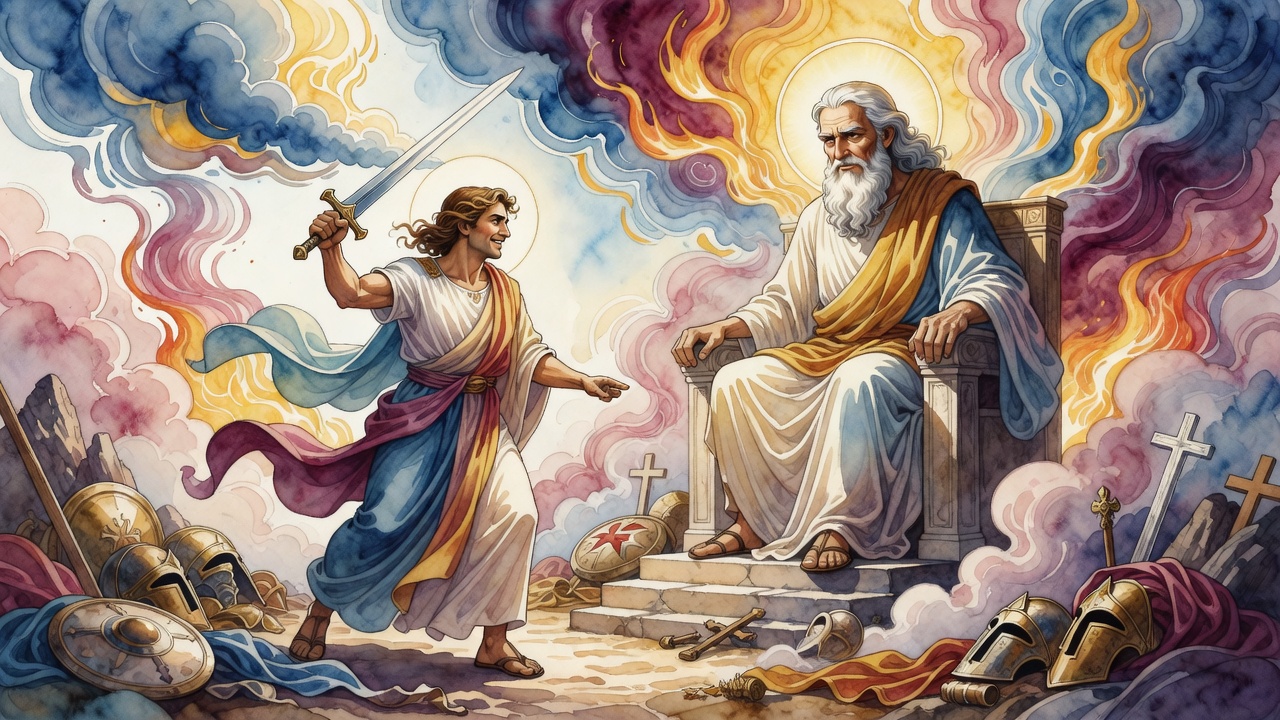
Judas's friends stood in a circle and named the gap. We have no man like him, they said. Bacchides was already hunting the next name.
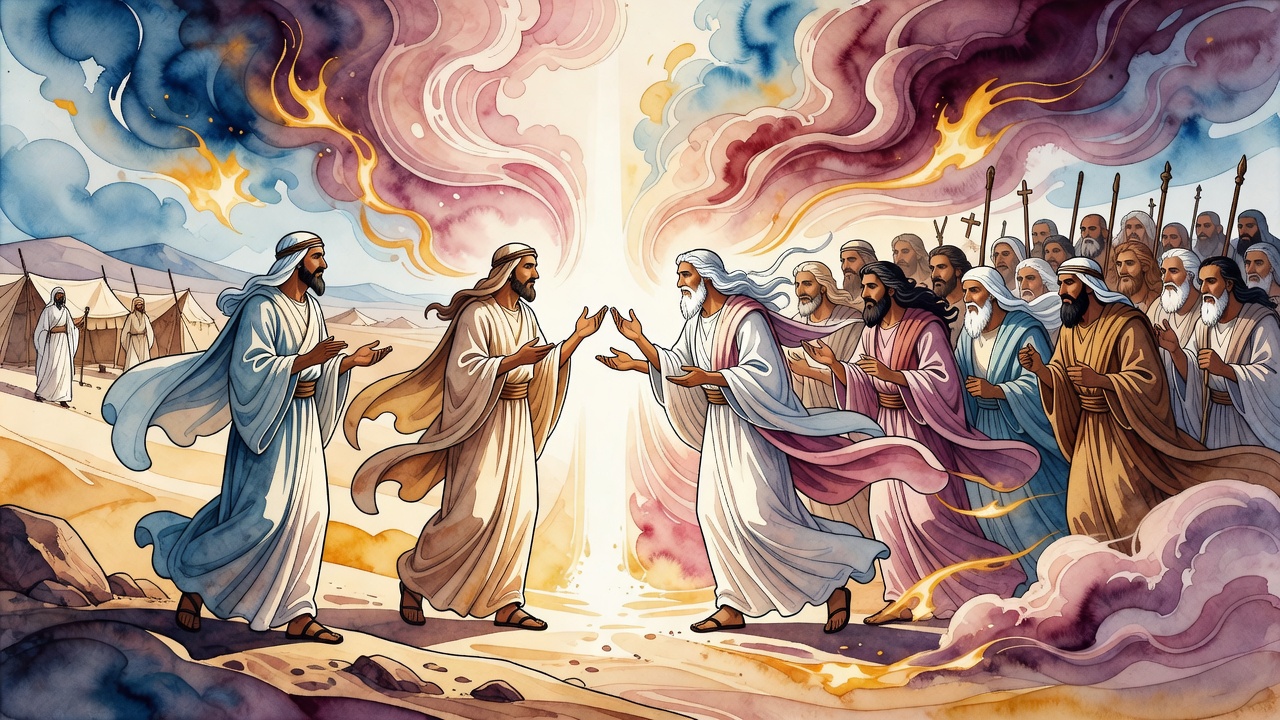
A Midianite priest nears the camp. Moses, Aaron, and seventy elders stream out. Before any miracle is told, two men ask after each other's peace.
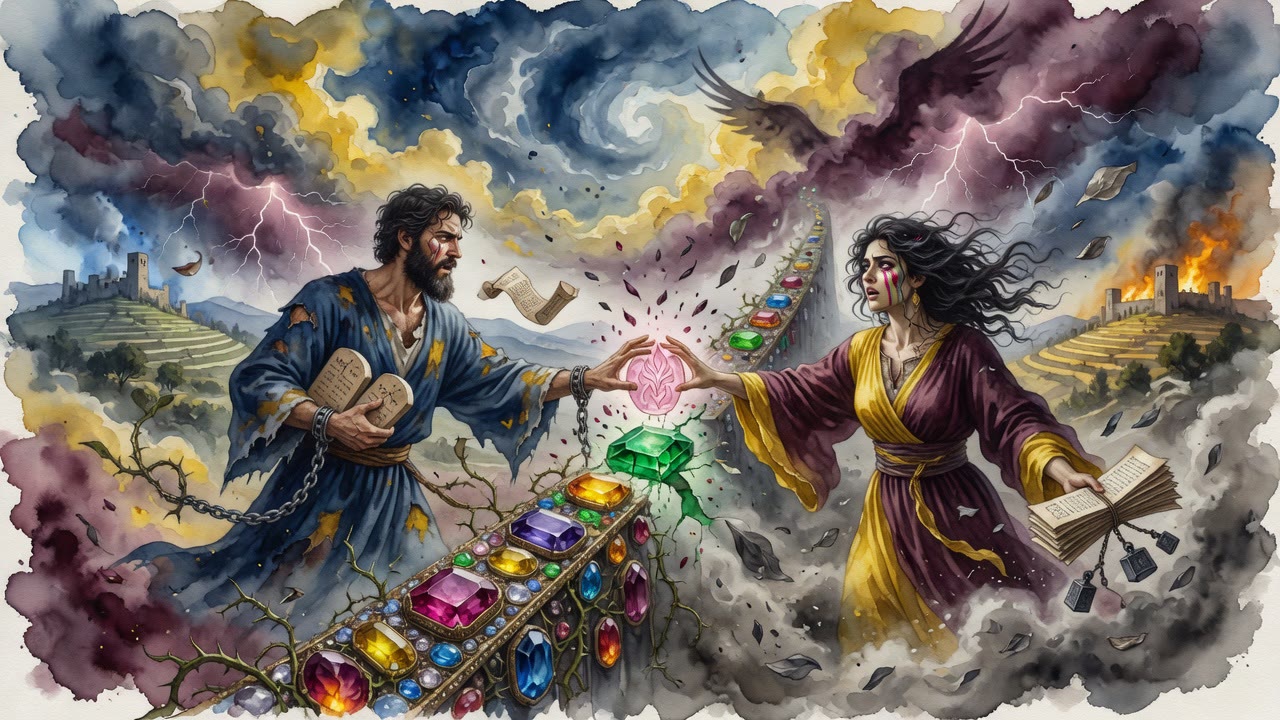
One man owed the other silver, so they walked to Jerusalem to find a judge. At the edge of the city they found gems lying loose on the ground.
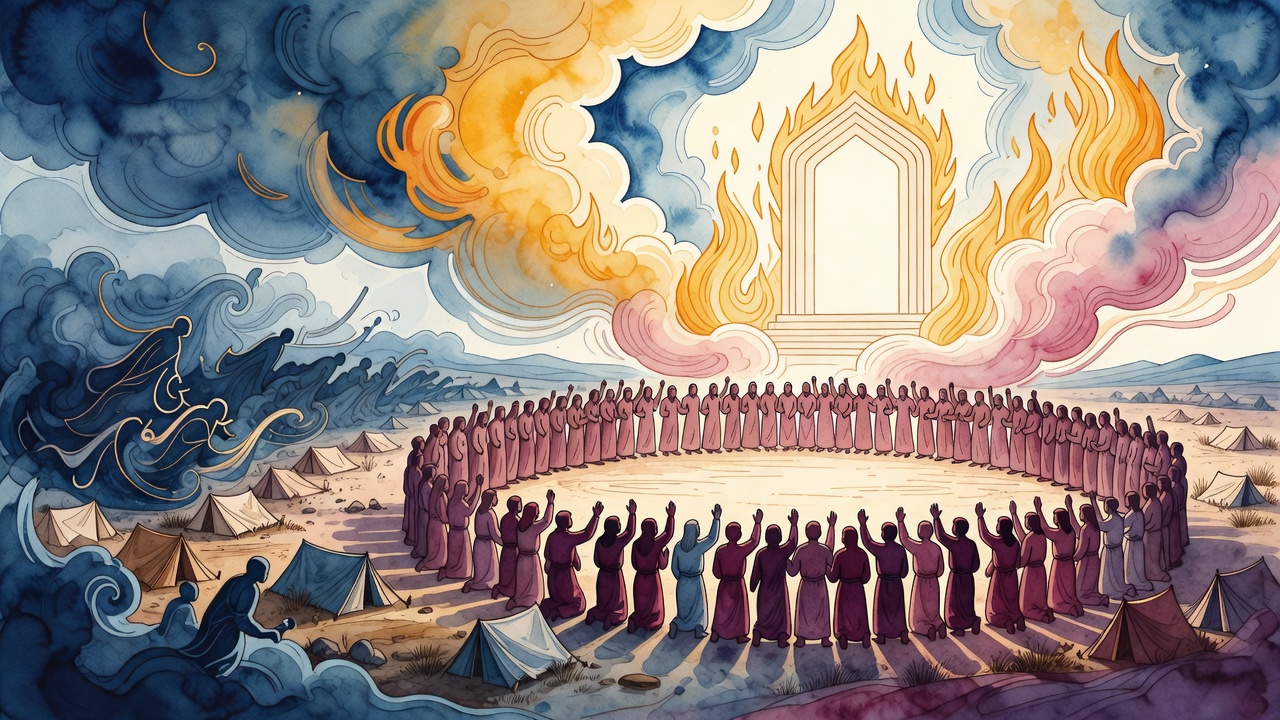
Quarrel followed them from Egypt to every campsite. Only when the nation camped as one body did Heaven open the wedding of Torah.
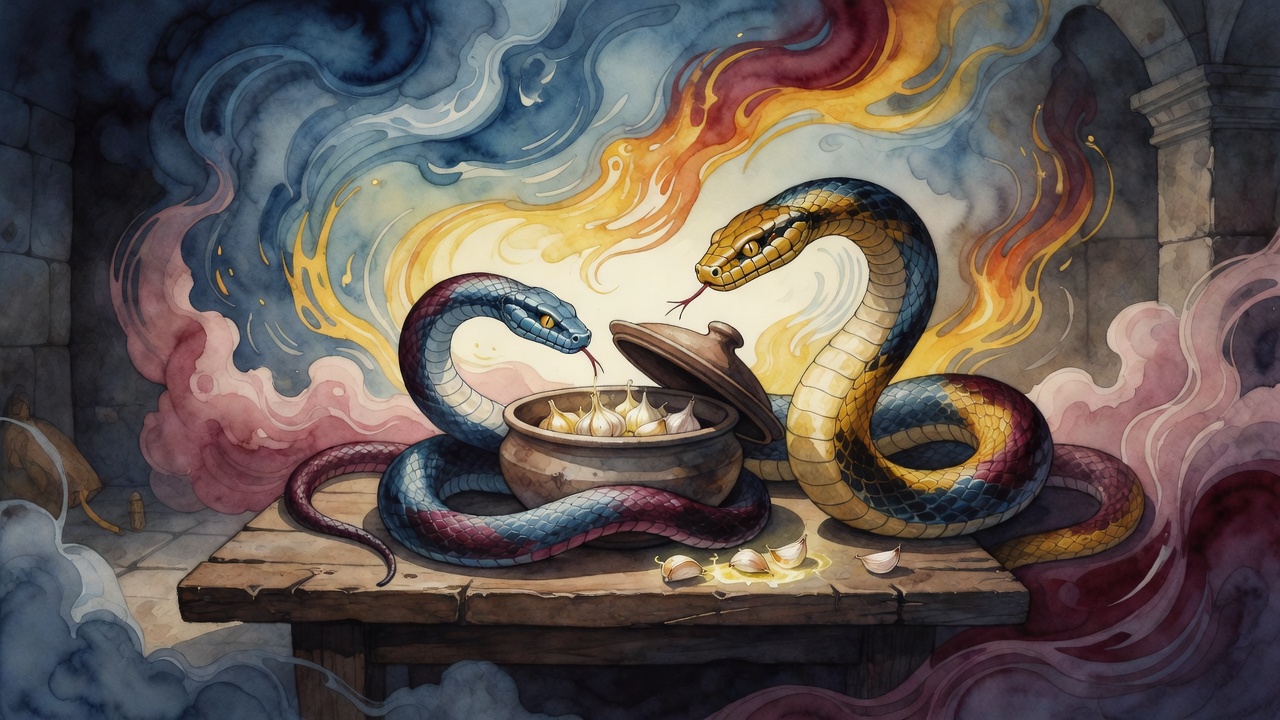
On Sabbath eve a field serpent poisoned a covered garlic bowl. The house serpent uncovered it so the family would pour the death out and live.
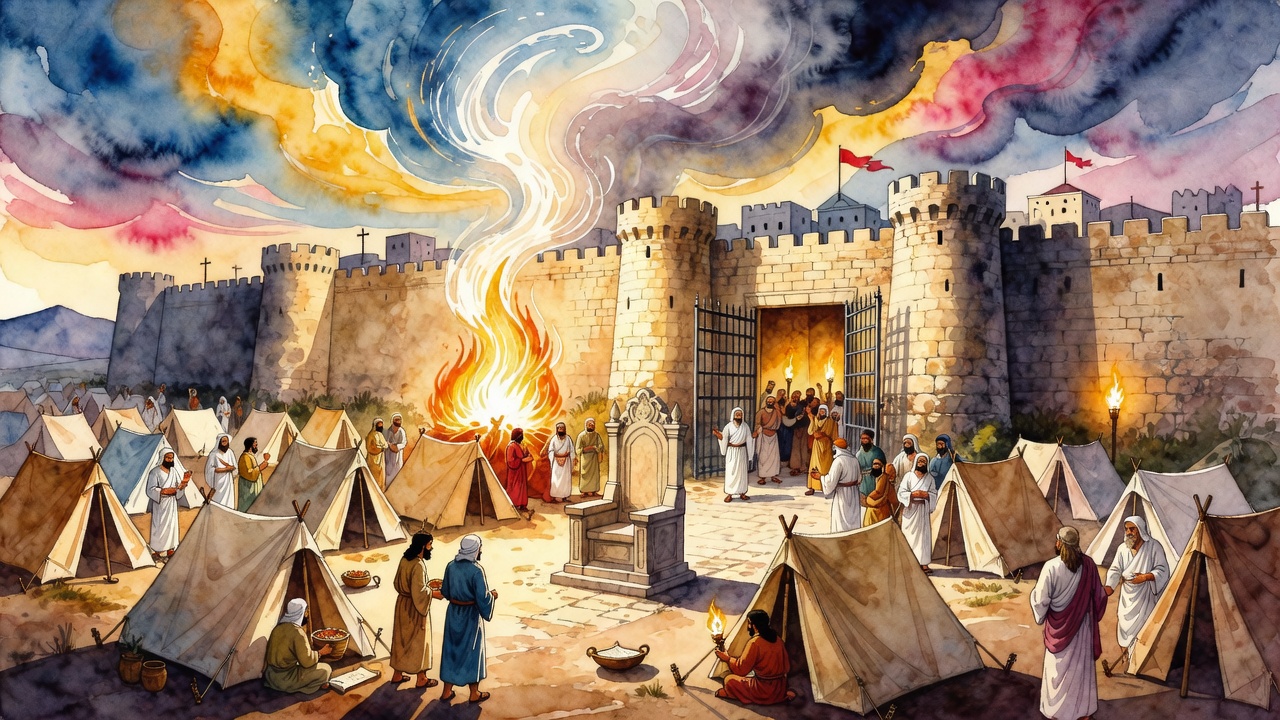
Israel camped before a walled city and spent two days offering terms, while inside the gates men argued whether tribute and service were better than the sword.
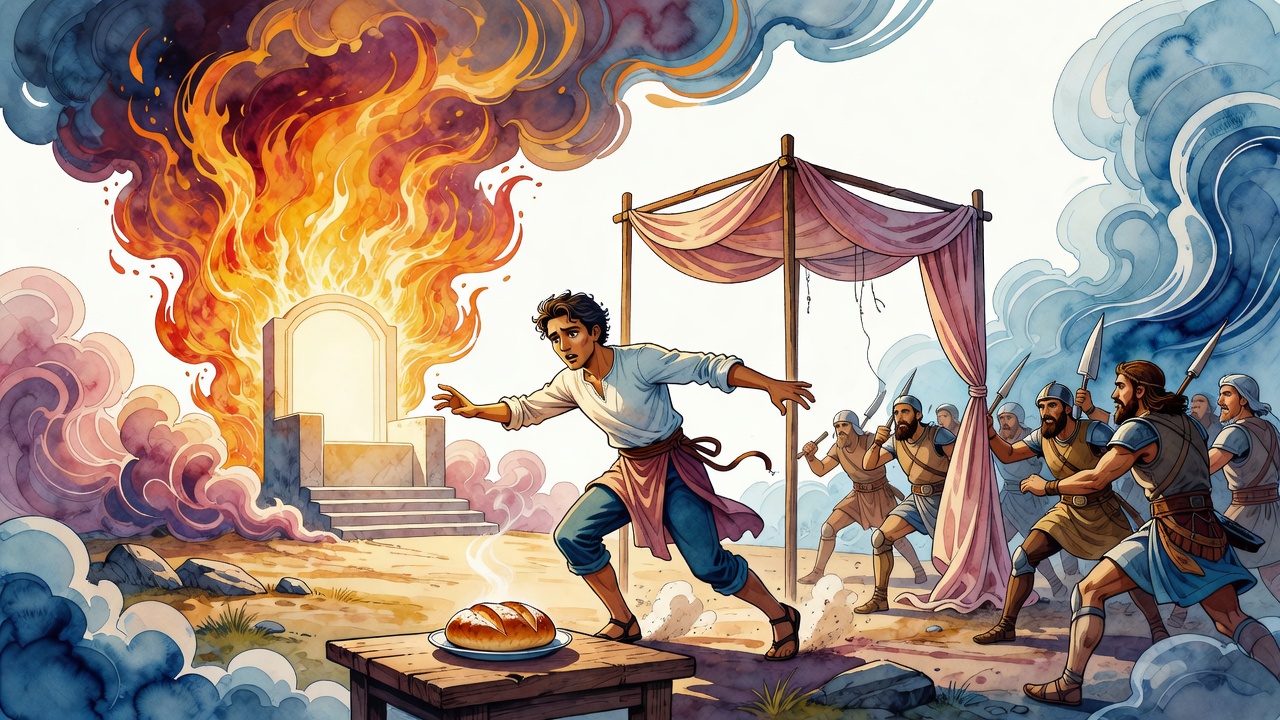
A man finishes the wedding canopy and is pulled toward muster. The Torah sends him home for a year. One battle begins at a table with warm bread.
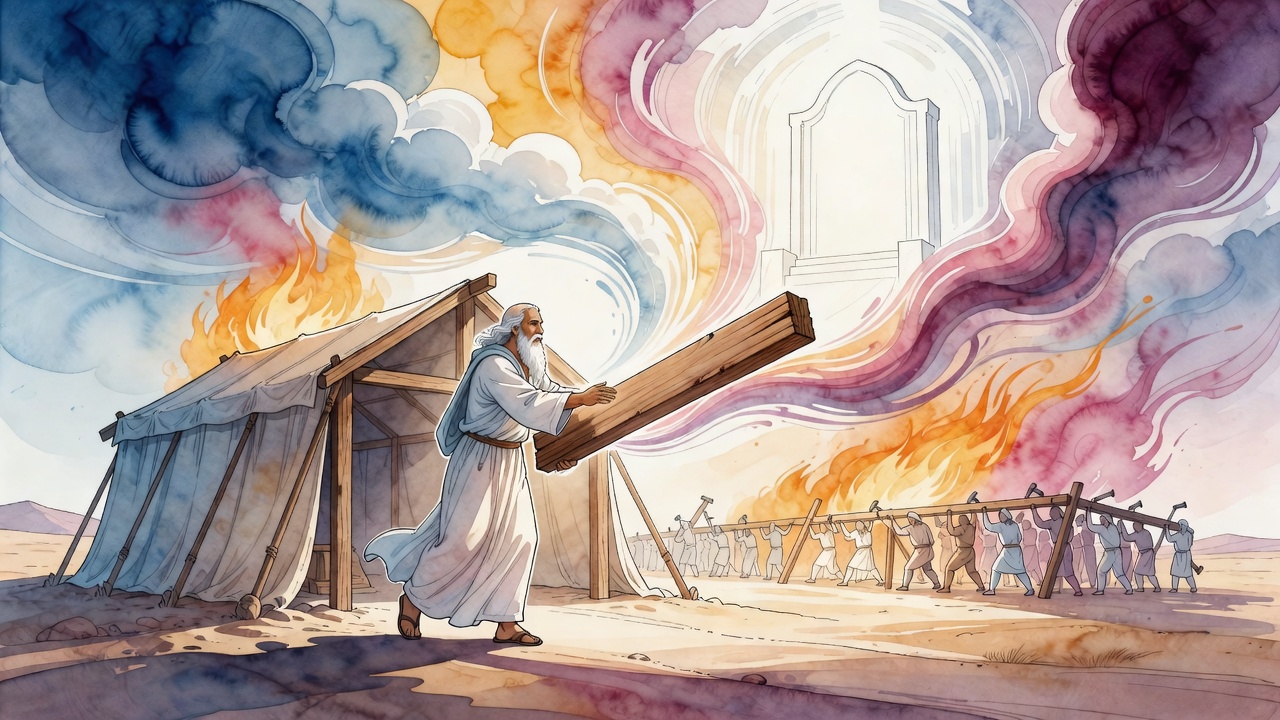
All Israel builds the Tabernacle, yet Scripture names only Moses at the finish. He steps inside and hears a voice that settles for peace, not judgment.
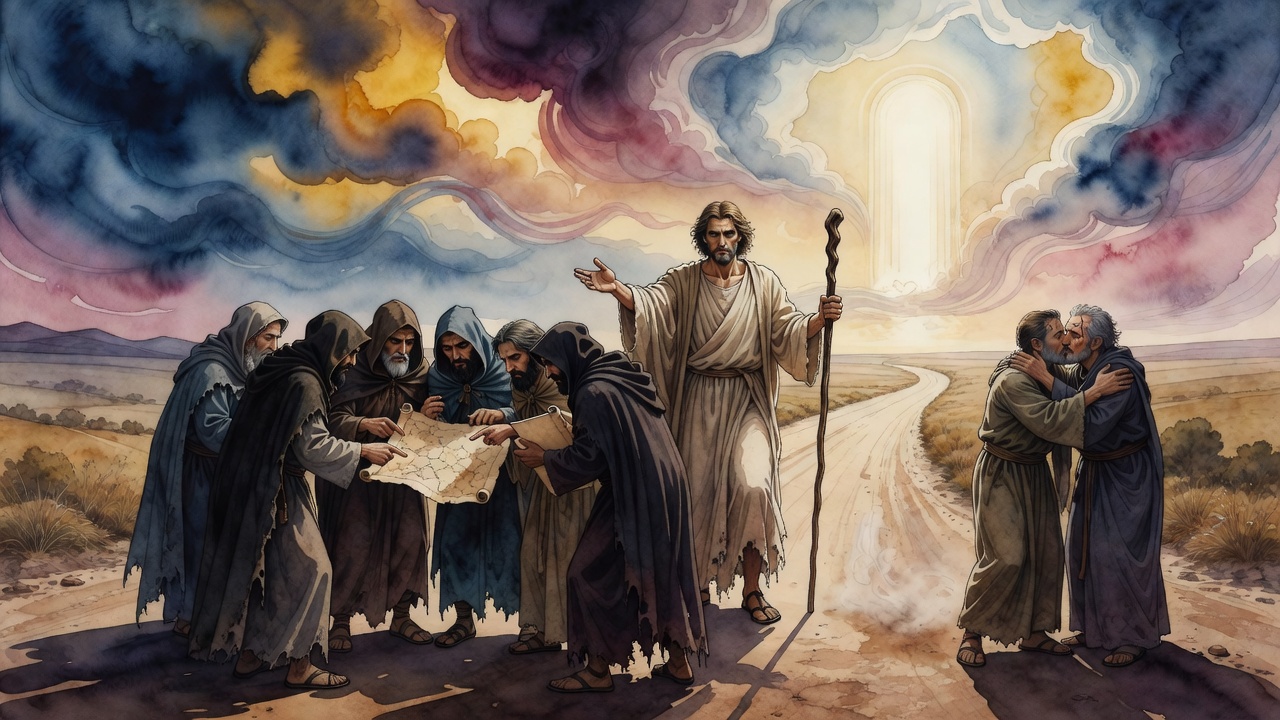
Aaron stopped on the road and greeted men planning sin that night. By morning shame held them, and two enemies kissed, never knowing who had lied for peace.
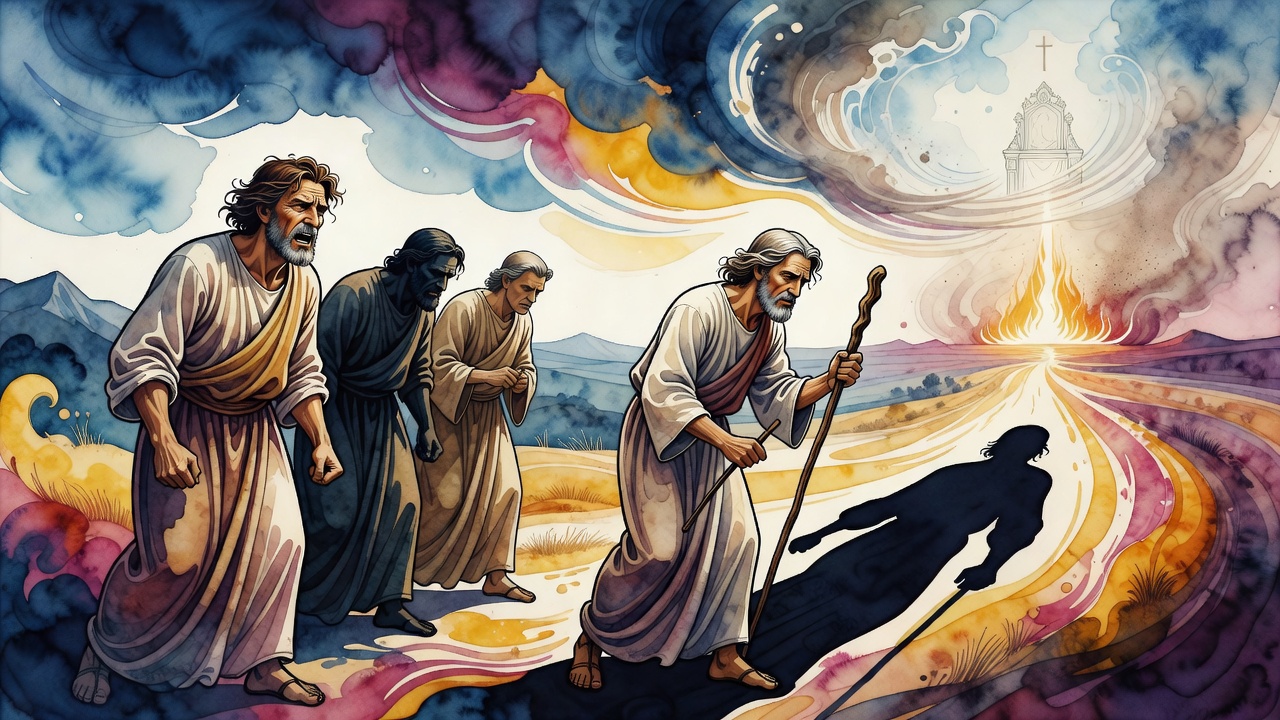
Esau dresses his loss as a crime, lining up with Cain and Manasseh. Jacob measures a whole life and finds only one day of peace under his brother's shadow.
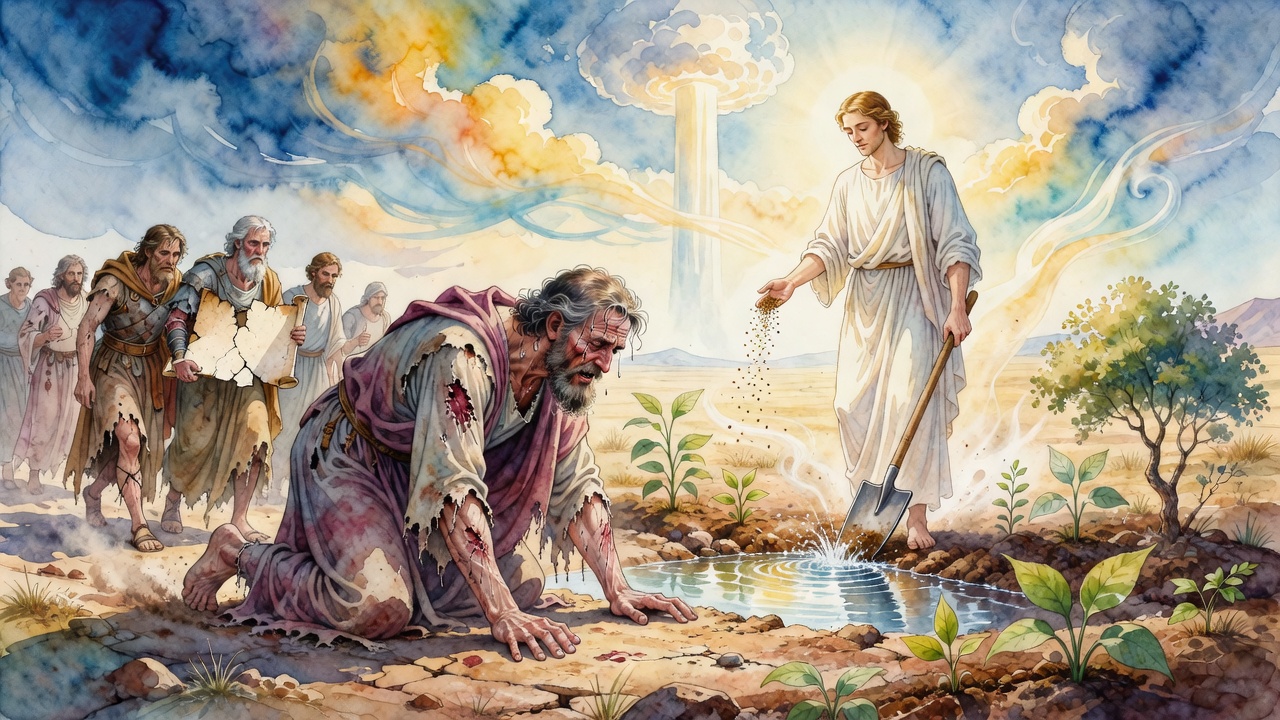
Robbers and sores empty Abimelech's pride. He comes to Isaac with captains and half a peace, while Isaac sows charity, digs living water, and outgrows Gerar.
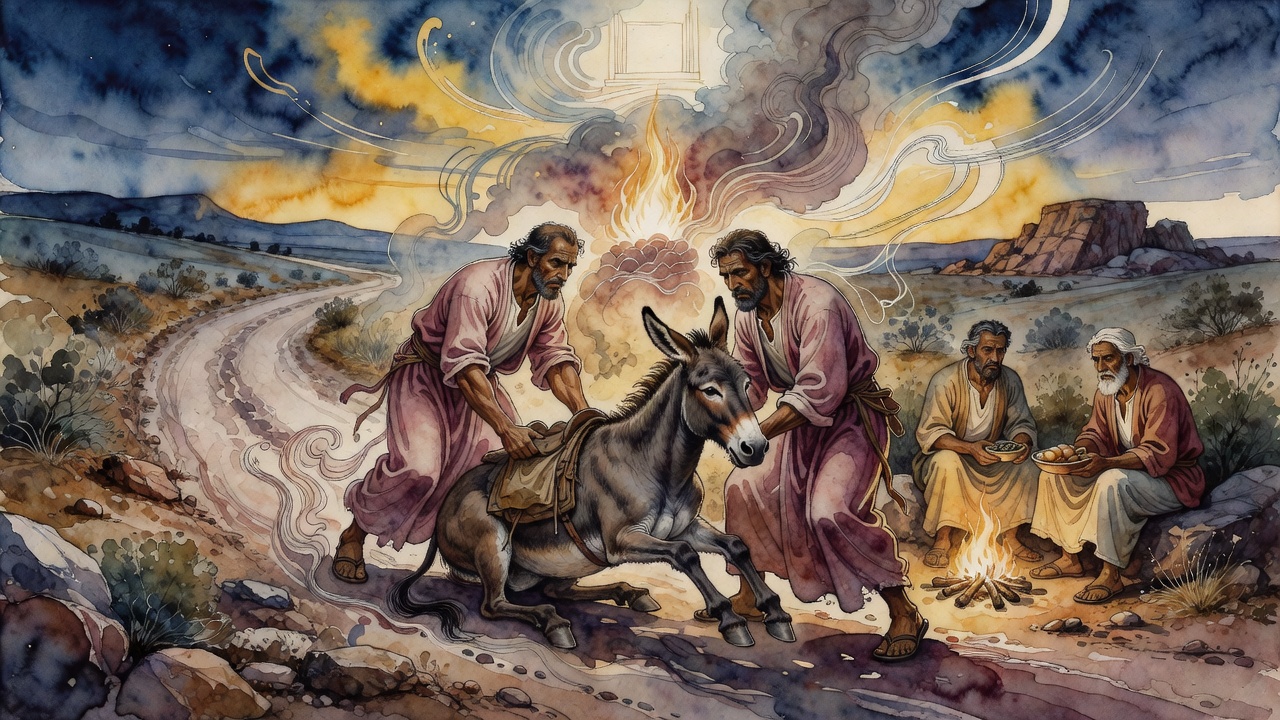
Two donkey drivers share a road and a hatred. One beast falls. The enemy remembers a verse, turns back, and lifts the load. That night they eat as friends.
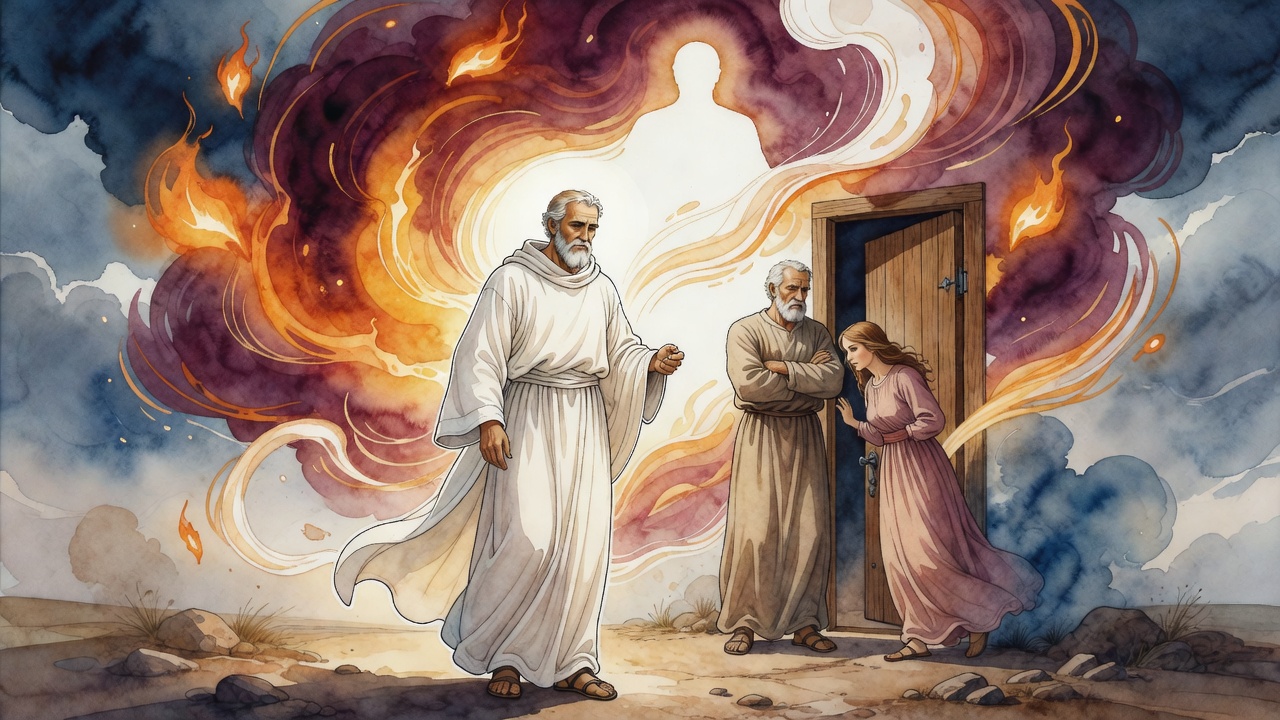
Her husband locked the door unless she spat in Rabbi Meir's face. Meir asked for seven doses, as if his eye were sick.
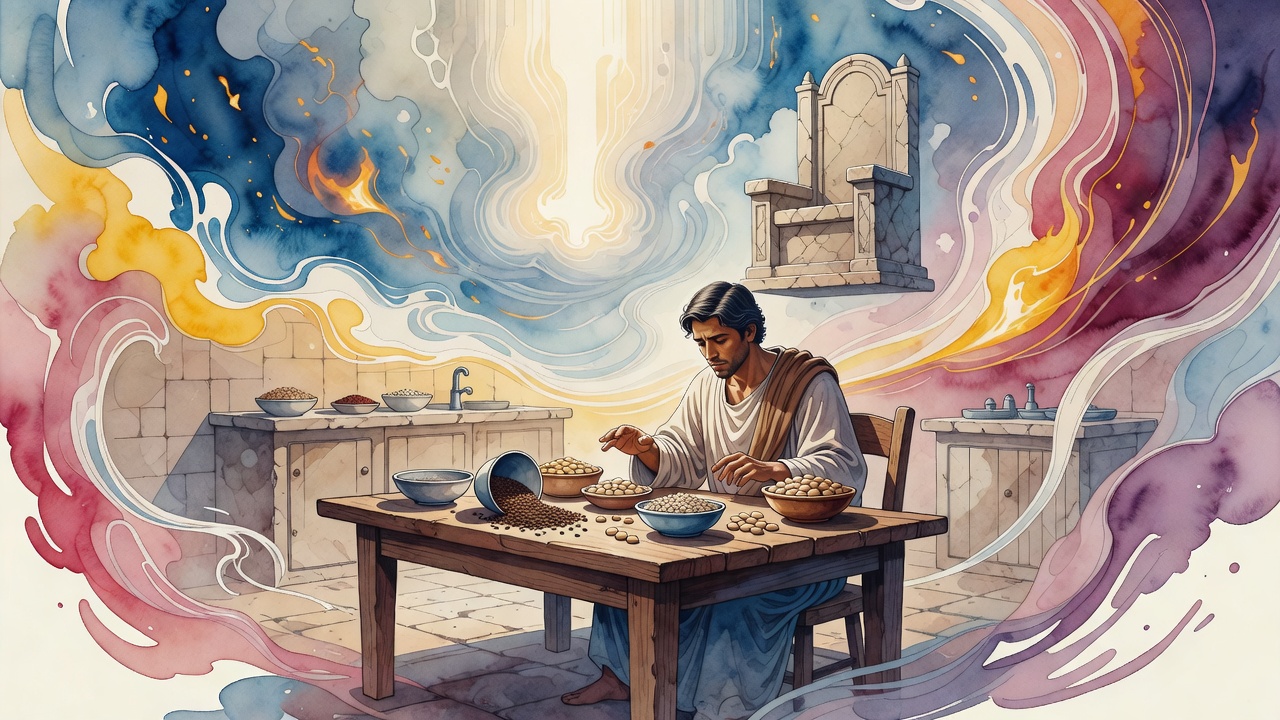
Rav asked for lentils and got beans until his son quietly reversed every order. Peace returned to the table, and Rav ordered the lying stopped.
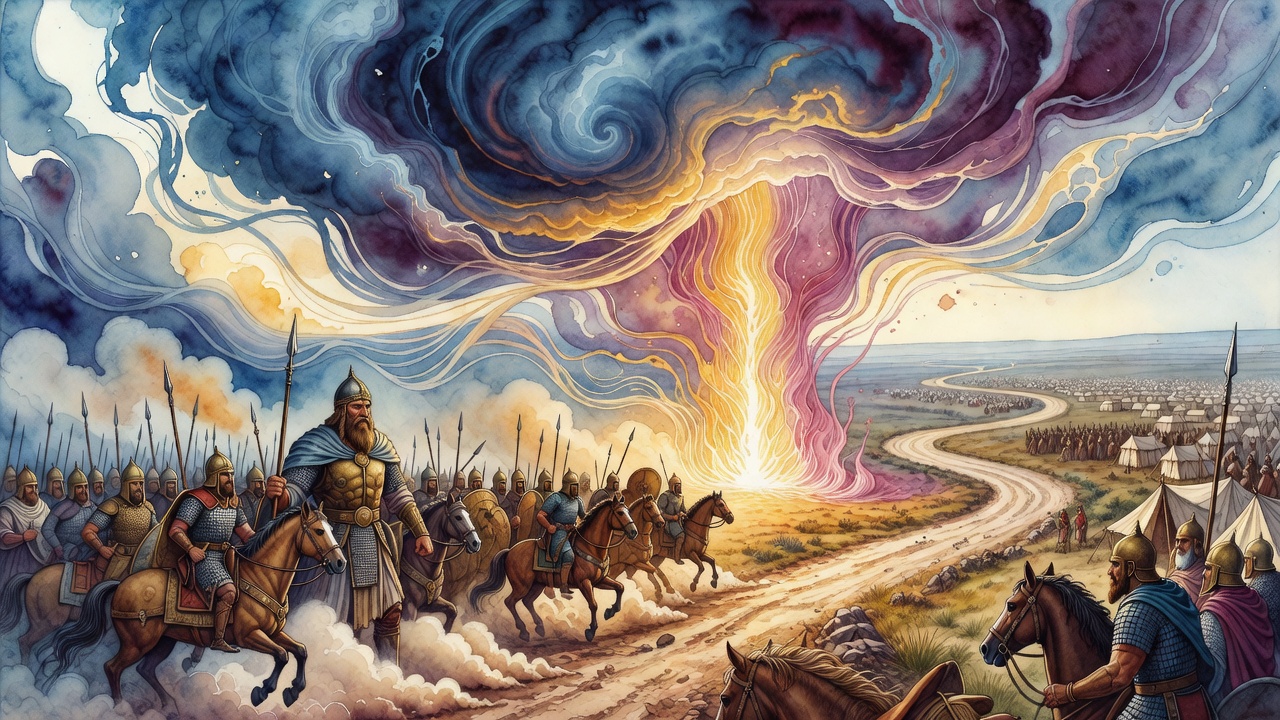
Hired to block Israel's path, Sihon gathered for war while the Torah still required a first word of peace at the gate.
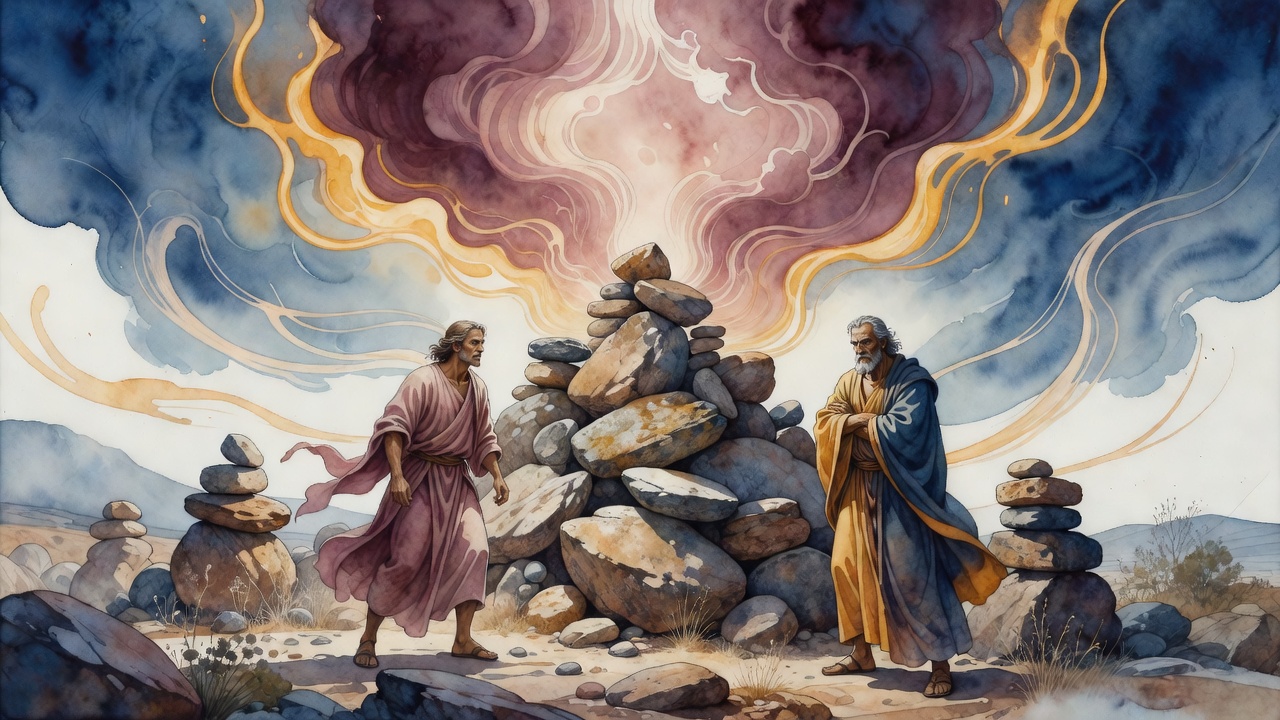
After twenty years they did not embrace. They stacked rocks until the line could speak, and each swore not to cross it for harm.
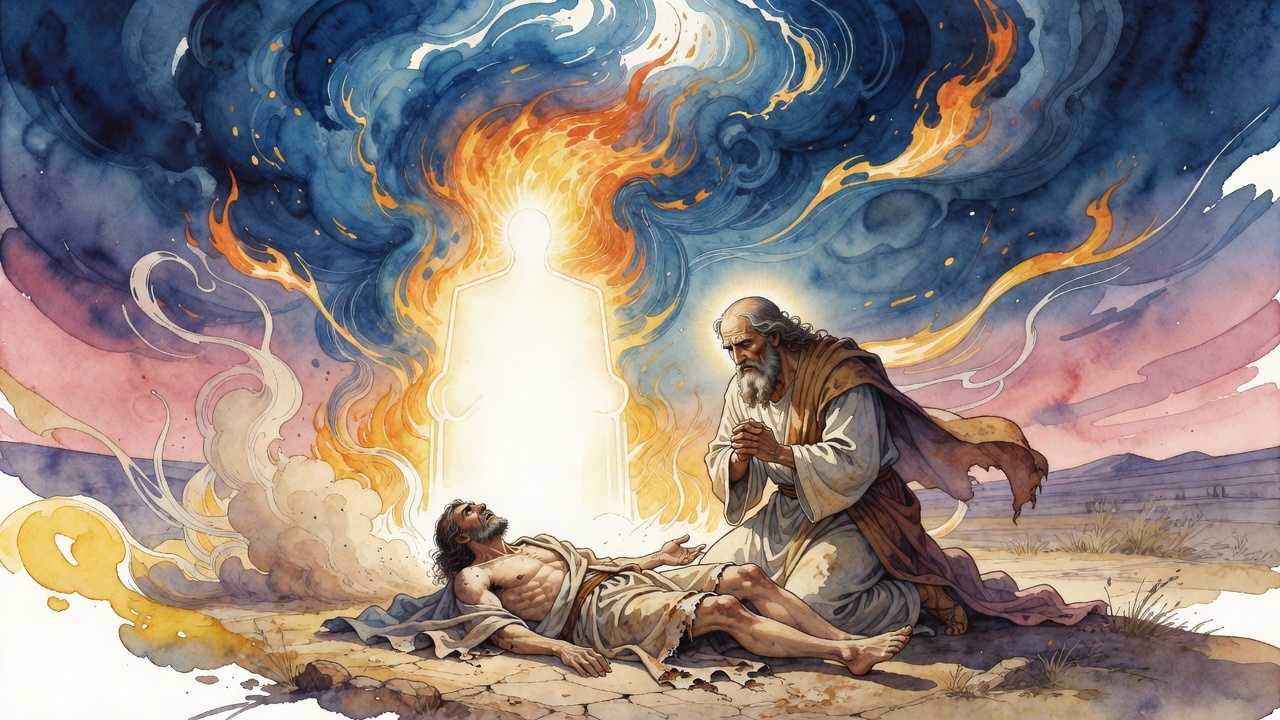
Abimelech's house had been shut because of Sarah. Abraham paid nothing that would finish it. He asked heaven to heal the man who took her.
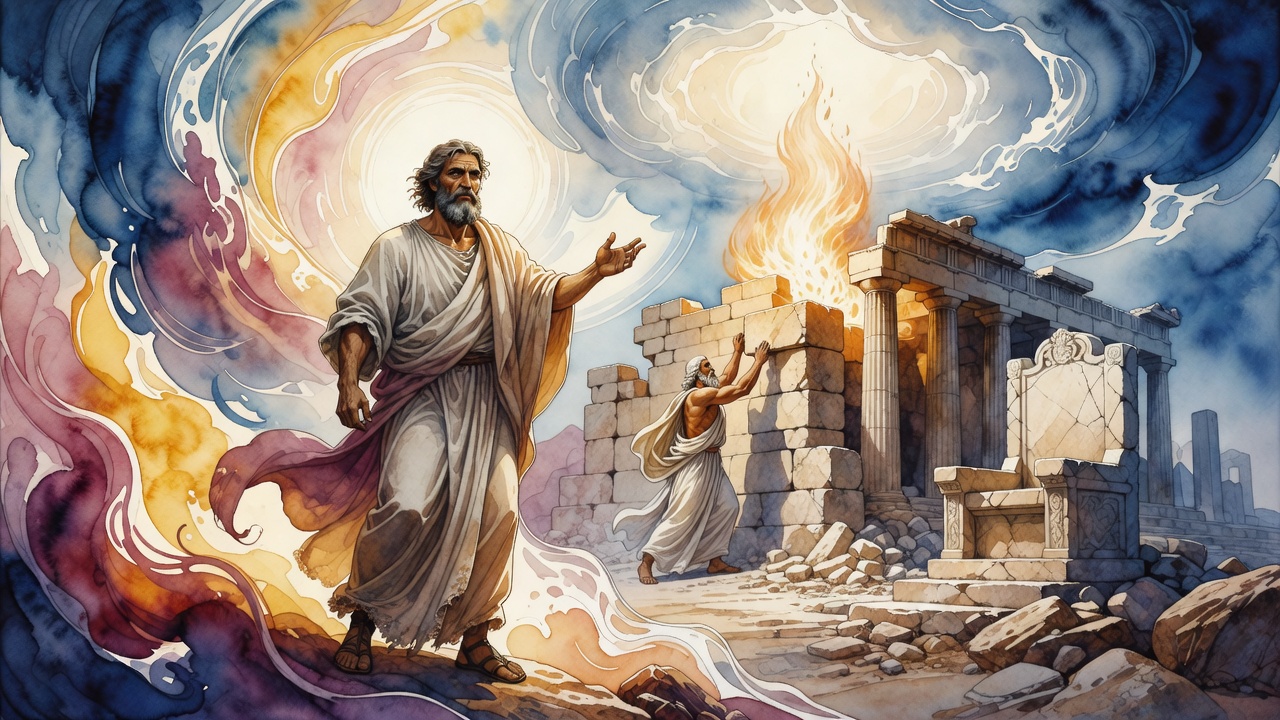
Solomon raised the last cedar. The dedication song still said of David. The king who would not go to bed had already paid for the fruit.
