God Walked to Esau, Ammon, and Moab Before Sinai
Before Israel ever said yes, God walked to Esau, then to Ammon and Moab, holding out the Torah. Each nation asked one question, then turned away.
Table of Contents
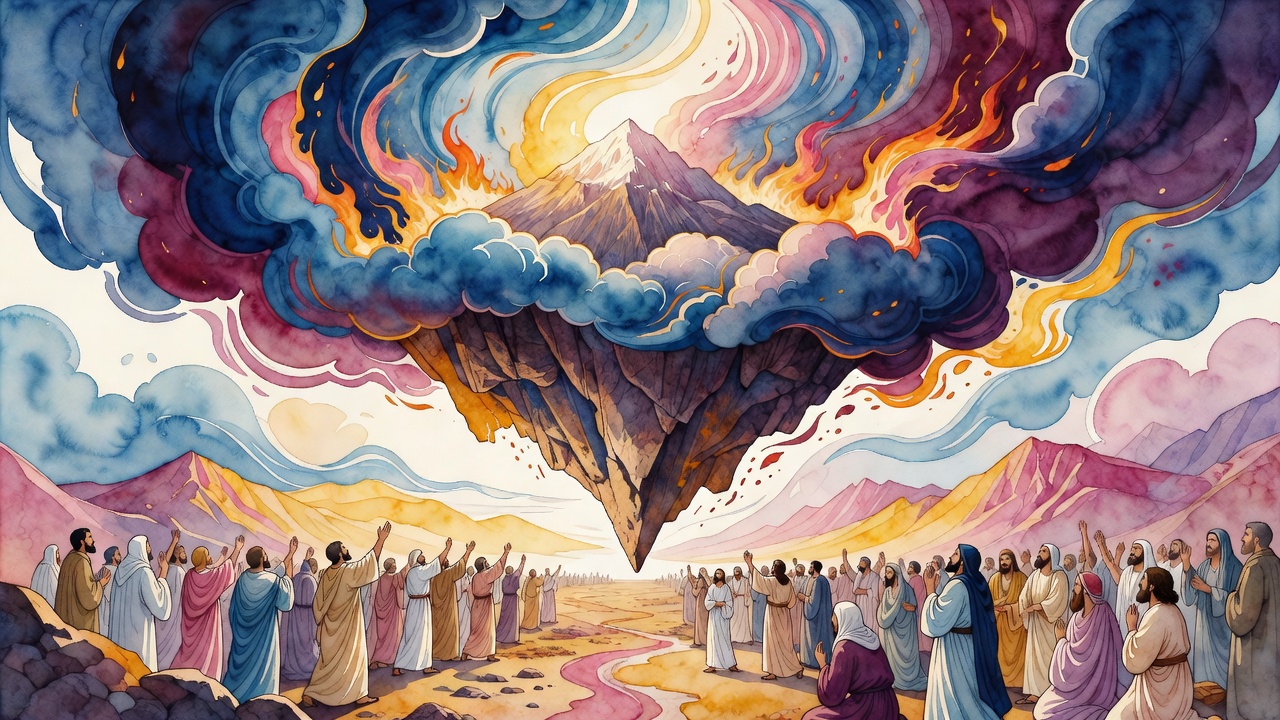
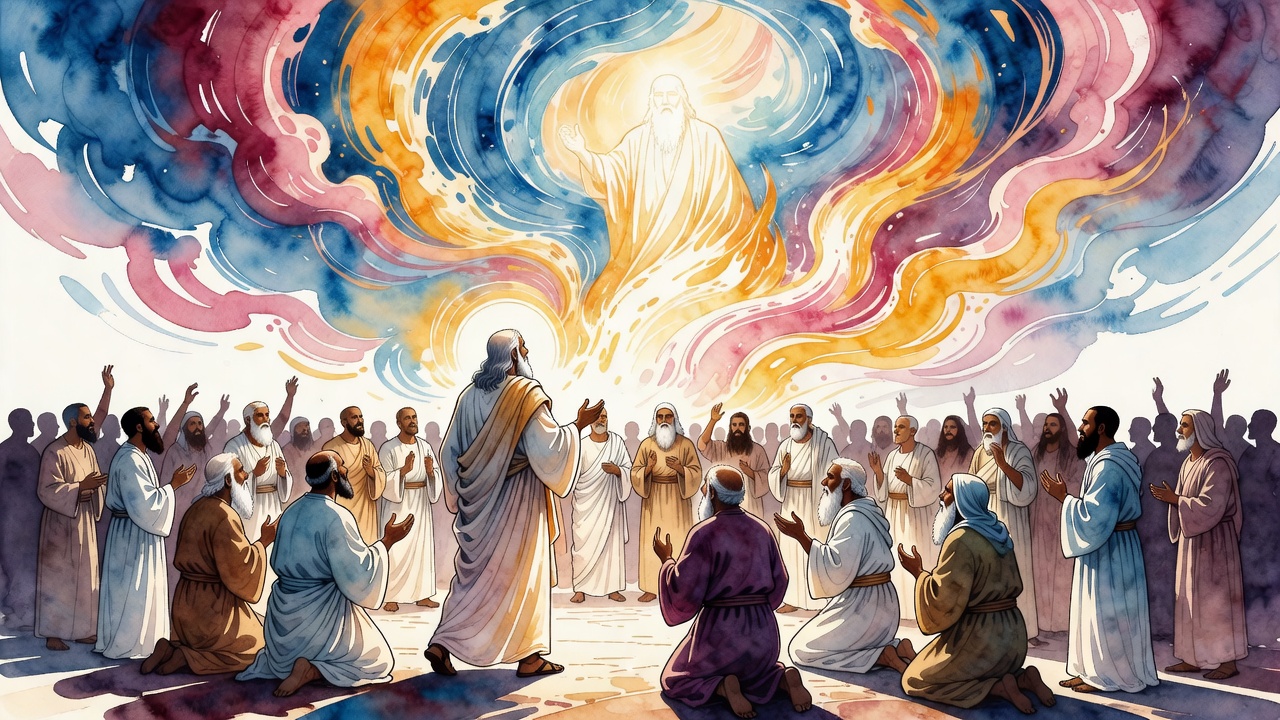
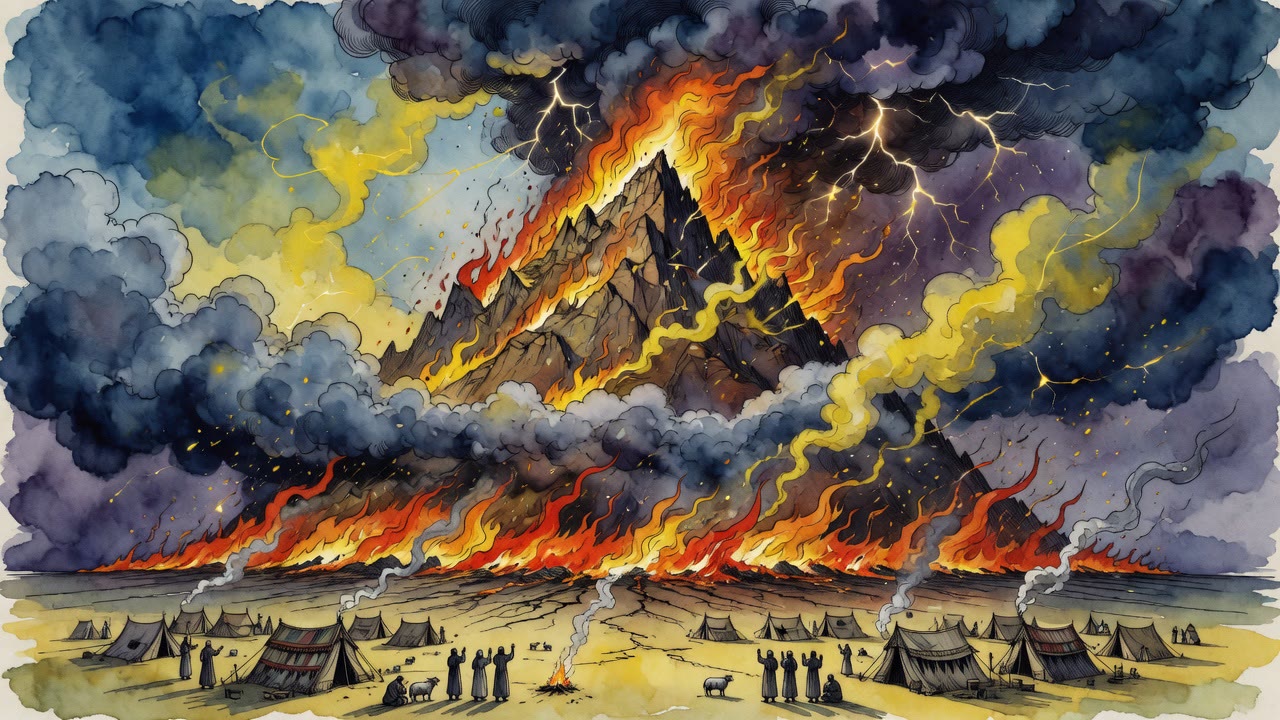
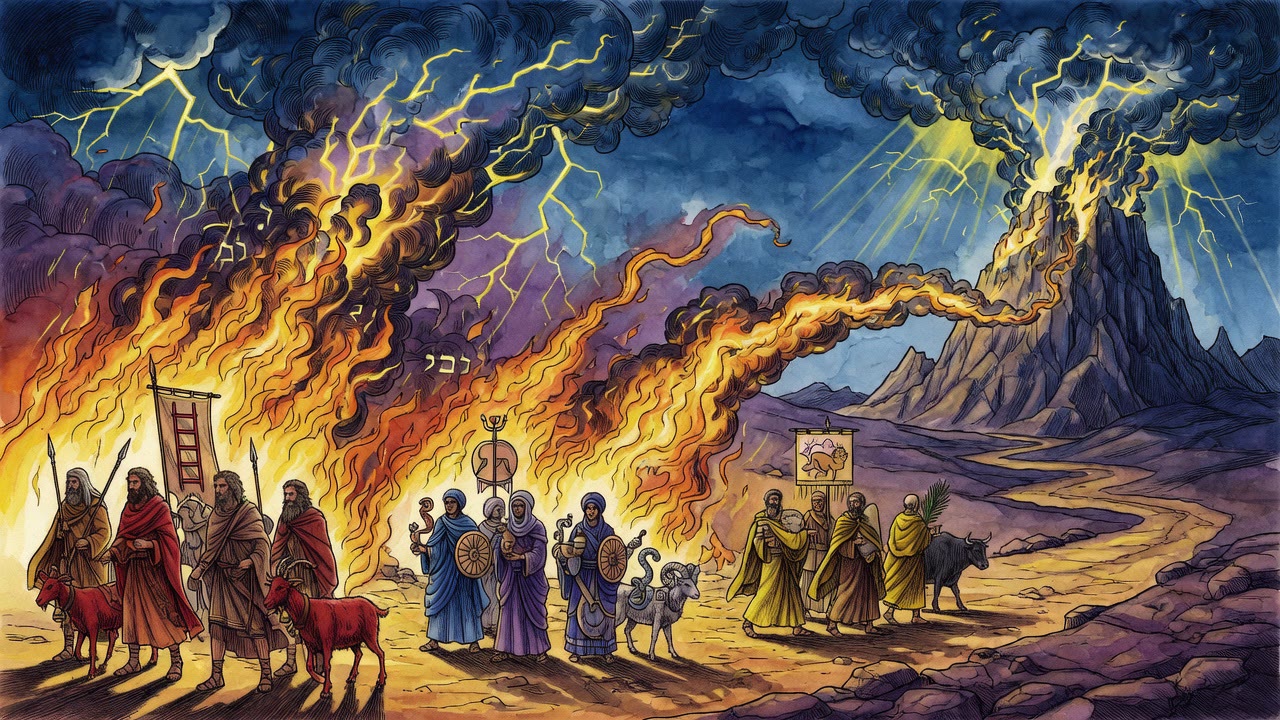
The wilderness floor was bare and ownerless, no nation's field, no king's road, and across it God came carrying something He meant to give away. He did not go first to the people waiting at the mountain. He turned aside, toward the red hills where the children of Esau kept their flocks and their grudges, and He held the Torah out to them like a man holding out bread to a stranger who has not yet decided whether to be insulted.
 Click for full size
God Comes First to the Sons of Esau
He revealed Himself to the sons of Esau and asked them plainly. "Will you accept the Torah."
They were not fools and they did not laugh in His face. They squinted at the offer the way a buyer squints at livestock, looking for the flaw, and they asked the only sensible question a careful people asks before signing anything. "What is written in it."
God told them one line. "You shall not kill."
That was the end of it. They did not argue the fine points. They did not ask to read further. The words landed and the men of Esau shook their heads, and one of them spoke for all of them with a kind of grim pride. "This is what we inherited from our father," he said, and he meant the blessing the old man Isaac had laid on Esau in the tent, the one that named the sword. By your sword shall you live (Genesis 27:40). The blade was not their habit. It was their birthright, handed down like a name. A law that forbade killing did not ask them to change a custom. It asked them to stop being themselves. So they handed the offer back, and God turned and walked on.
The Sons of Ammon and Moab Hear the Same Question
He came next to the sons of Ammon and Moab, and He did not soften the offer or sweeten it for a second hearing. The same words. "Will you accept the Torah."
The same caution answered Him. "What is written in it."
This time God named a different line. "You shall not commit adultery."
And these men flinched, because the commandment did not merely scold them. It reached back and pointed at the night they came from. They knew their own beginning. Their father was Lot, the nephew of Abraham, and after the fire fell on the cities of the plain Lot's two daughters had lain with him in the dark of a cave, sure the world had ended, and from that act both nations were born. The two daughters of Lot conceived by their father (Genesis 19:36).
So they did not say we would rather keep sinning. They said something harder. "The law you are offering forbids the very thing that made us. How, then, shall we accept it." To take the Torah was to call their own existence a crime. They could not sign a covenant that erased the cave they came from, and so they too gave the scroll back into the wind.
Why the Offer Had to Be Made at All
None of this was God shopping for a buyer. He knew the answers before He knocked. The walking, the asking, the patient repetition of one terrible line per door, all of it was a record being laid down in advance, so that no nation could ever stand up afterward and say it had been cheated. "Had You only come to us," they would have cried, "we would have said yes."
That door was now shut. He had come. He had asked. He had named the cost in their own language, the killing to one house, the forbidden bed to another, choosing for each the single commandment that struck where they lived. Every nation heard the offer in full. Every nation studied the terms and walked away of its own will, and the walking-away was theirs, not His.
The Caretaker Who Could Not Be Trusted With Silver
There were older grounds for doubt, and one of the teachers laid it out as a small bitter parable. The children of Noah, all the families of the earth after the flood, had been given only seven commands to keep, a light load, a handful of rules to live by. They had not kept even those.
Picture a king, he said, who set two stewards over his storehouses, one over the heaps of grain and one over the silver and the gold. The grain-keeper sulked that he had been handed the cheaper goods, and the keeper of the silver turned on him. "Empty man. If you betrayed the king with grain, how much more would you have robbed him of silver and gold." So with the nations. If they could not carry seven commands, how would they ever shoulder the six hundred and thirteen of the whole Torah. The refusals at the red hills and in the country of Lot's sons were not a surprise. They were the last proof of a thing already shown.
Why the Mountain Stood in No One's Land
And there was a reason the giving happened where it did, out on that ownerless ground, far from any nation's border and far from the fields of the tribes themselves. Had the Torah been handed down inside one people's country, the nations would have found their excuse at last. "It was given in their land," they would have said, "not ours. That is why we never took it." So God set the mountain in the open desert that belonged to no one, where no people could claim the law had passed them by, and no tribe among the children waiting below could boast that the fire had chosen its own soil.
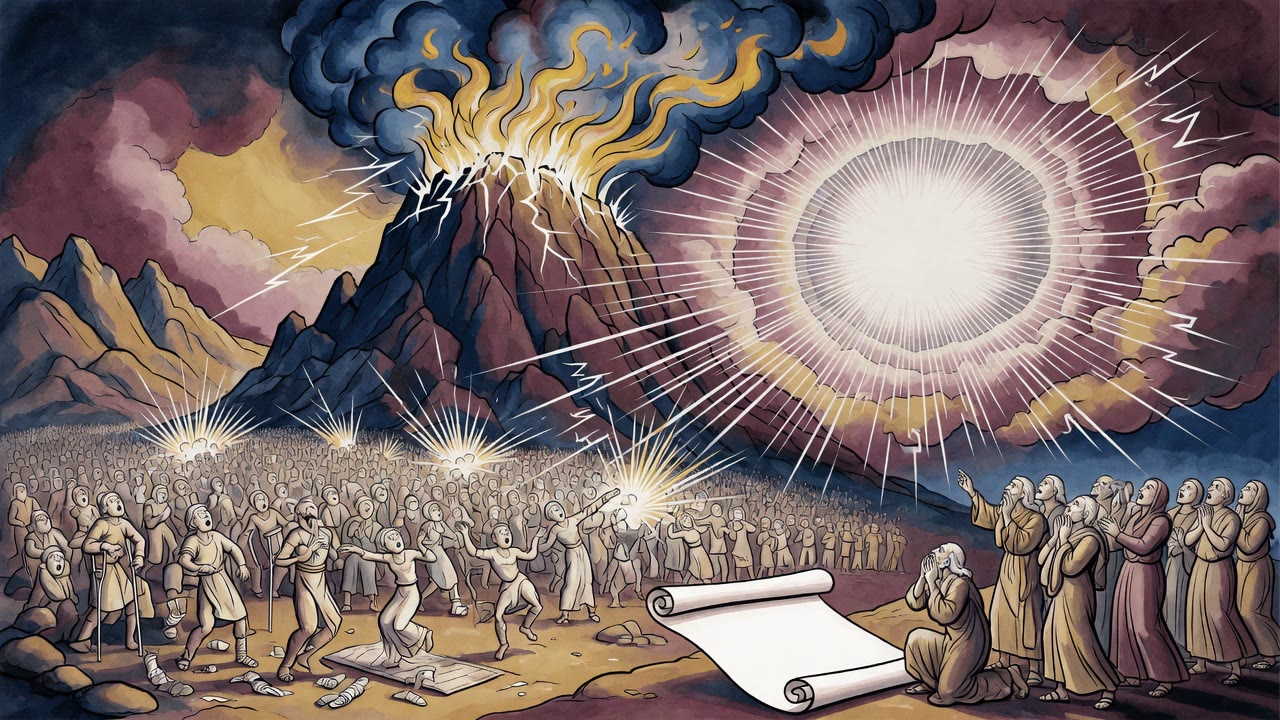
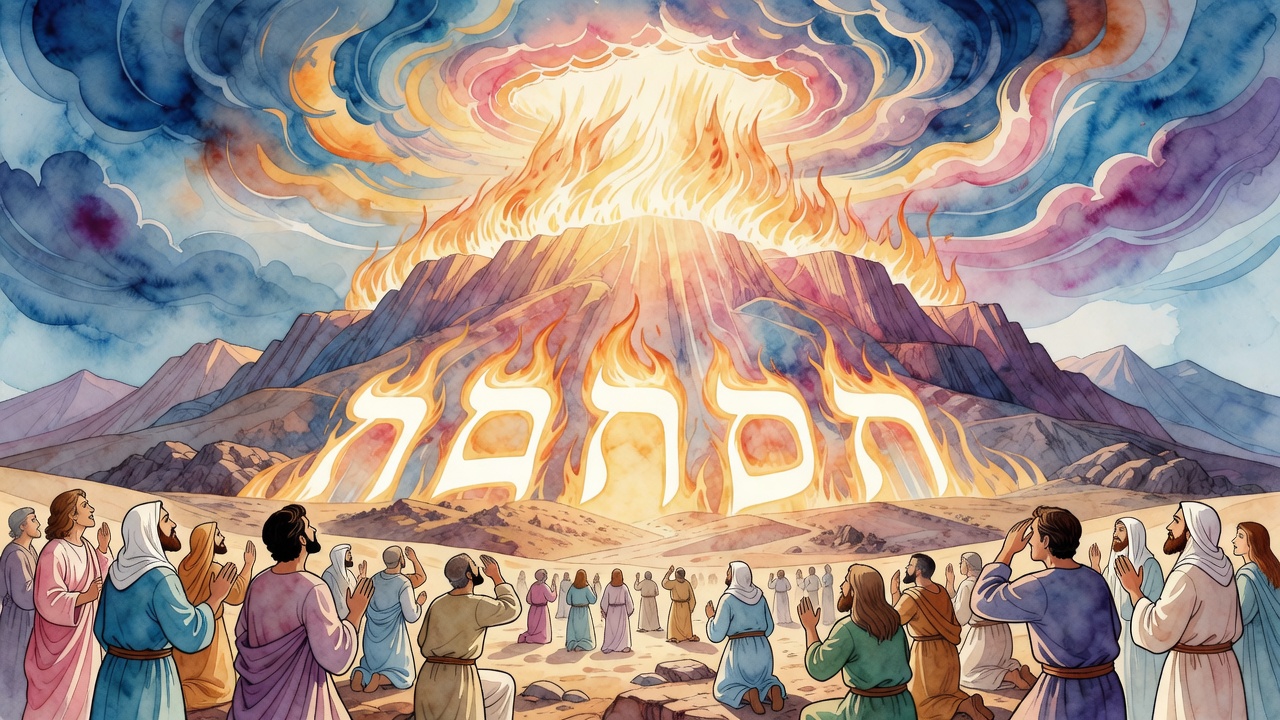
The ground was neutral. The offer had been universal. When at last the words came down in thunder, they fell to the only people left who had not yet said no.
← All myths