Israel Demands Spies and Moses Blocks Pestilence
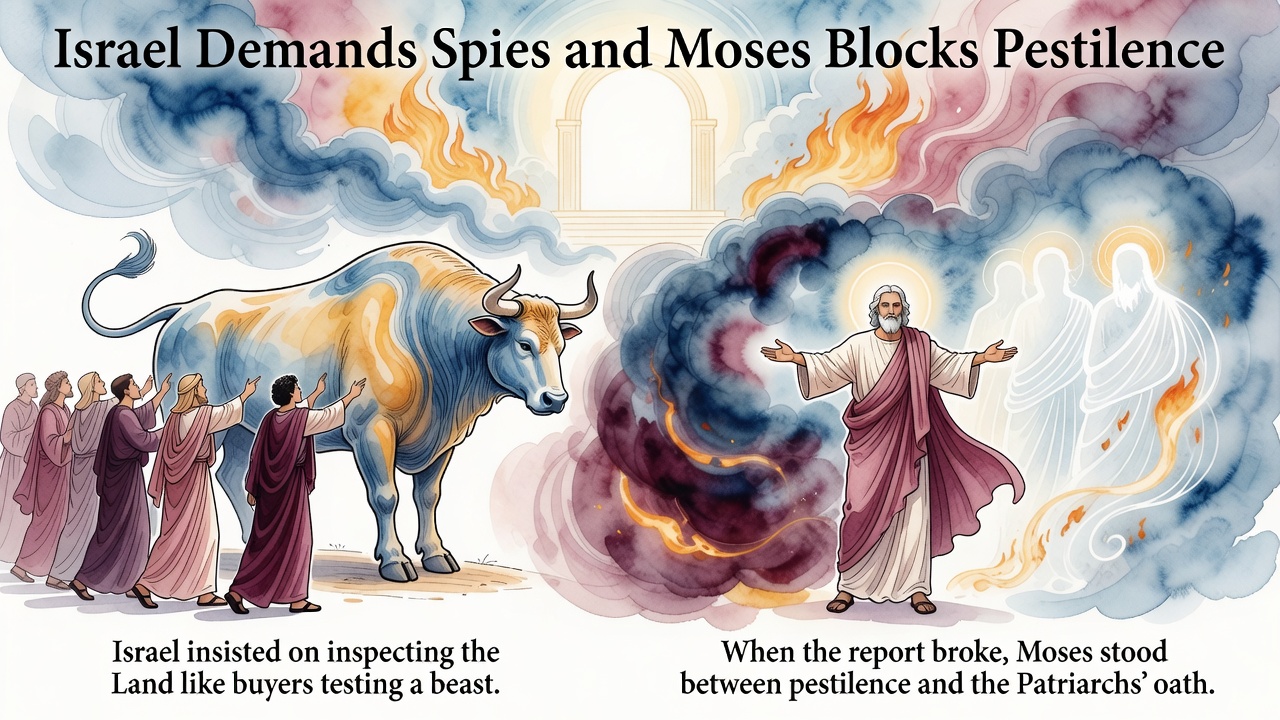
Israel insisted on inspecting the Land like buyers testing a beast. When the report broke, Moses stood between pestilence and the Patriarchs' oath.
Table of Contents
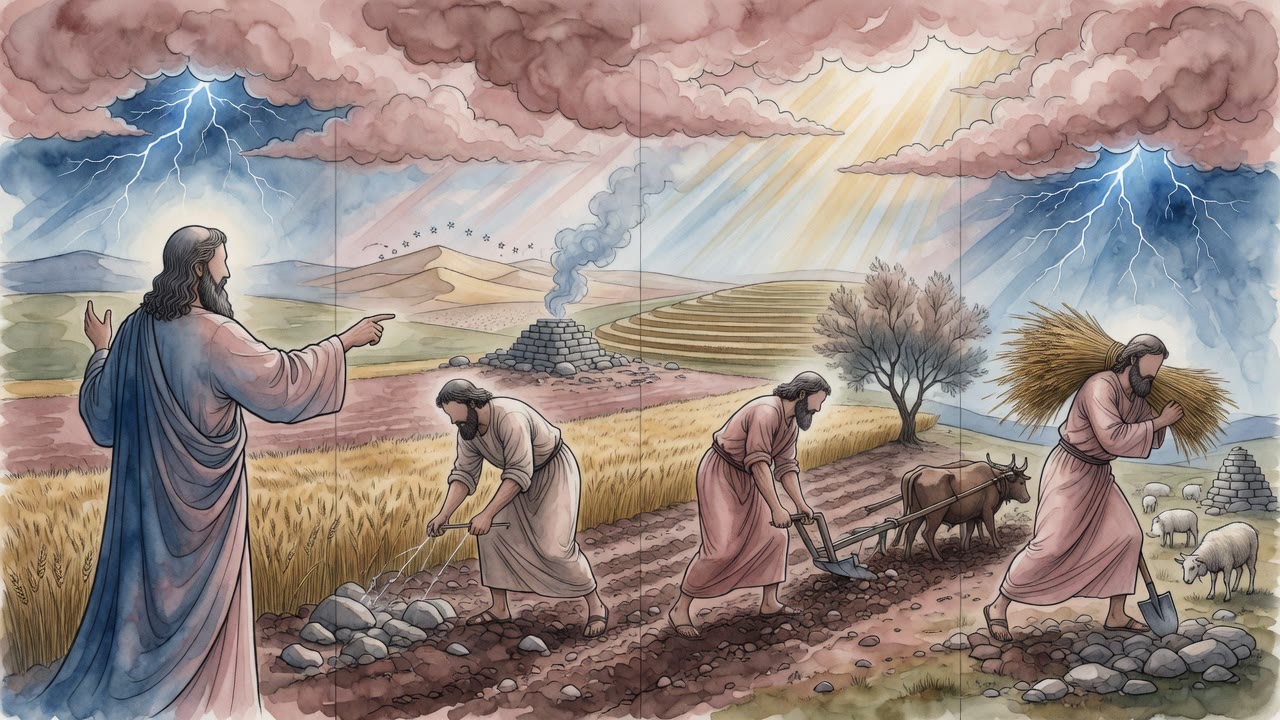
"Send men ahead of us," the people pressed. They wanted to scout the merchandise before they would trust the Seller.
 Click for full size
Moses heard the marketplace in their voices. A man sells a beast and says, inspect it on the mountain if you wish. When the buyer hears that open confidence, he often does not bother. The seller's plain word is warranty enough. Who hedges a thing he means to cheat you on?
Moses had already told Israel the Land was good in his eyes, good on the word of God Himself. That word should have been warranty enough. They should never have sent anyone to inspect it. They should have rested on his testimony and walked in.
They would not consent. "And so I did," Moses later said, "and I took from you twelve men." The demand itself was already the seed of the evil report.
The Inspection That Betrayed the Heart
"And the thing pleased me well," Moses recounts in Deuteronomy, and the words hide their own wound. He agreed because a leader sometimes yields to a fear he cannot talk down. Agreement is not the same as approval of the doubt underneath.
They wanted eyes on the hills before feet on the promise. They wanted proof that would sit heavier than the Voice from Sinai. The twelve went out carrying that hunger, and hunger for proof is a poor guide in a holy land.
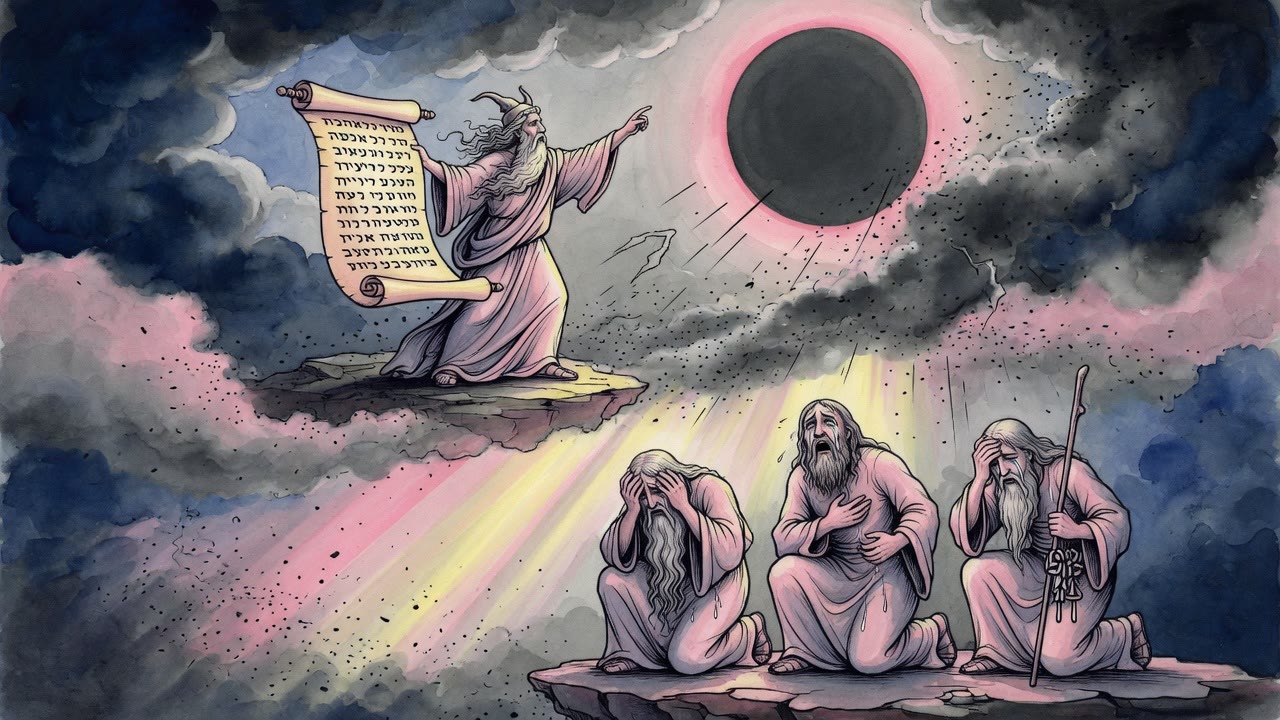
When they returned, the camp cracked. Fruit in their hands. Giants in their mouths. Night fell on a people who had decided the Seller cheated them. Weeping rose like smoke. The Land, which had not yet been entered, was already rejected.
Moses heard the old Egypt in that weeping: better the known brick than the unknown vineyard.
Pestilence at the Door
The Holy One declared, "How long will this people spurn Me? I will strike them with pestilence."
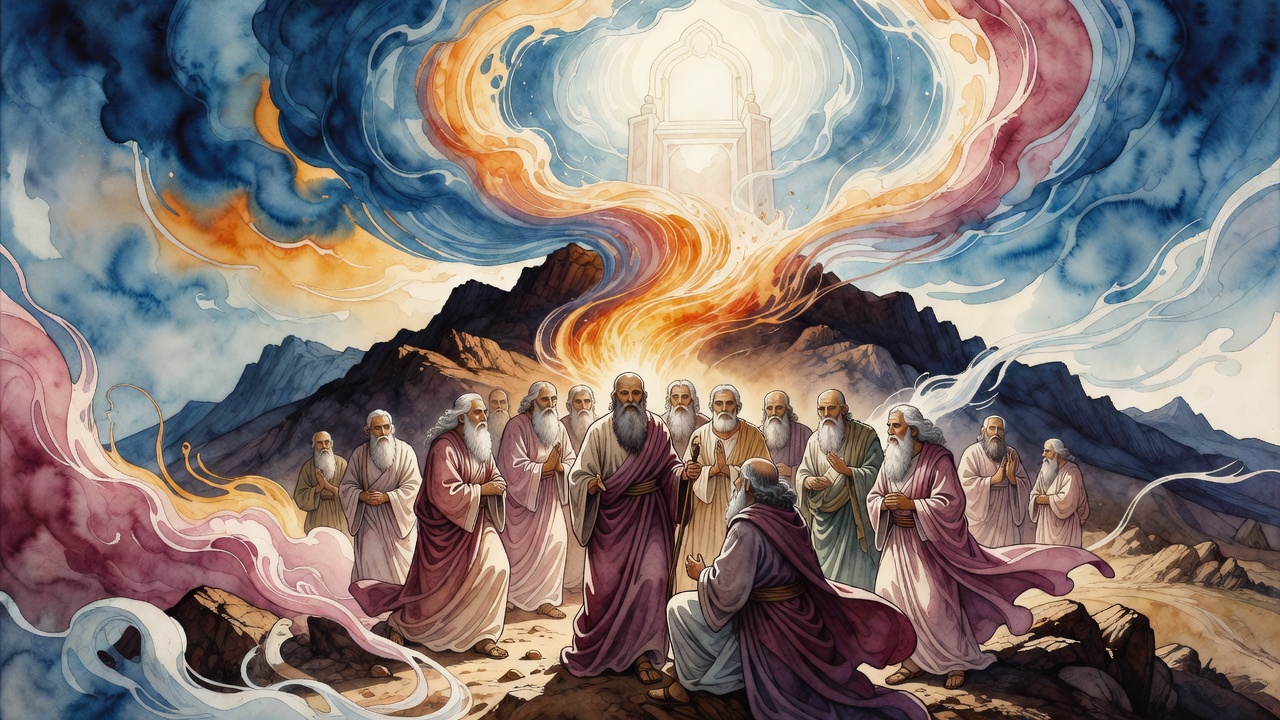
Moses did not retreat into silence. He stepped forward like an advocate who knows his Master's own words and is willing to spend them in public, even when the client is guilty.
"If You kill them," he pressed, "what will become of the oath You swore to the Patriarchs? You promised to multiply their seed like the stars of the heavens. Will You let Your own vow fall to the ground?"
Here was Moses turning God's promise into a shield for a sinning people, binding the Holy One to the covenant with Abraham, Isaac, and Jacob. He did not argue that Israel was innocent. He argued that Heaven's own speech still stood.
Pestilence waited like a held breath. The stars overhead did not blink.
The Answer That Disarmed the Plea
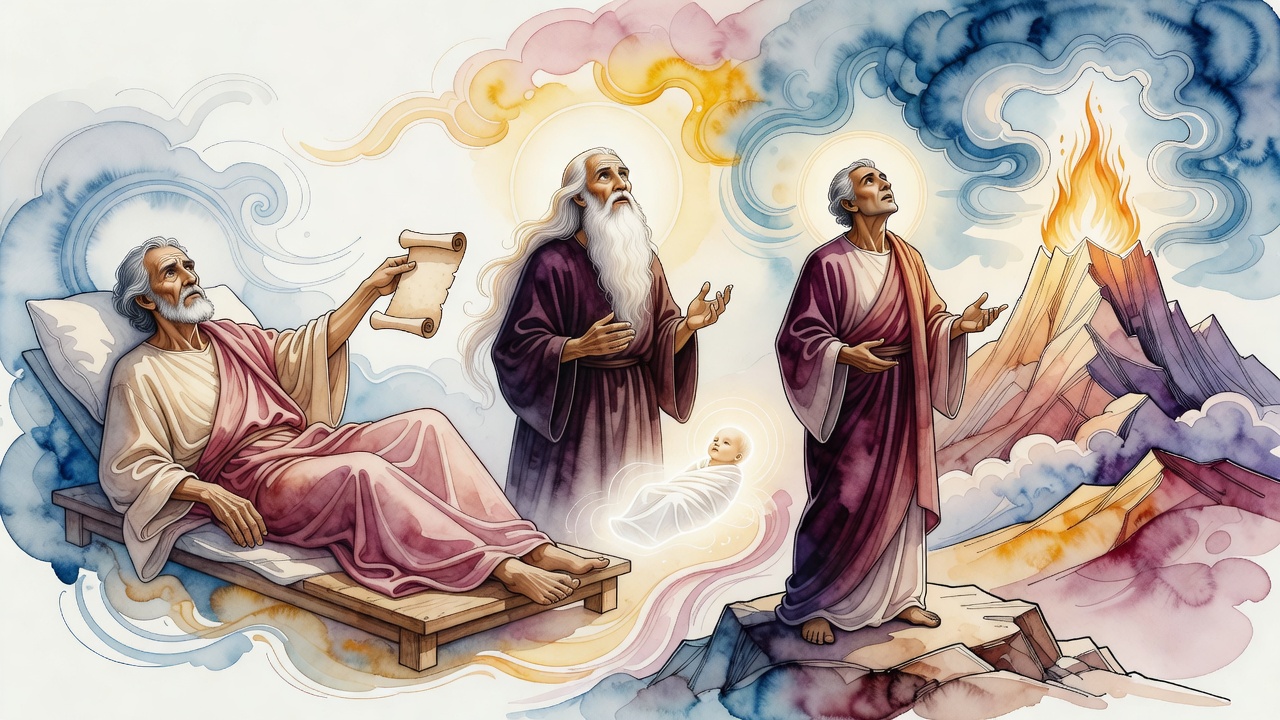
The Holy One answered with a turn that nearly broke the advocate's stance. "But are you not yourself among their descendants? From you alone I will raise up a great nation." Through Moses the oath could still stand. Through Moses the stars could still be numbered.
Behold, I have fulfilled the very oath I swore to the Patriarchs.
The argument meant to save Israel circled back to Moses himself. The covenant remained unbroken either way. Pestilence still hung in the air as a real possibility. Mercy still had to be fought for sentence by sentence. Heaven would not be trapped by a clever brief, and still Heaven listened to the man who filed it.
Moses stood in that strange place where the lawyer is also the remnant, where saving the people and being the people blur into one stubborn body before the Throne.
Between Doubt and Decree
First the people treated the Land like a beast in the market. Then they treated the report like a verdict. Then Heaven treated their spurning like a final refusal.
Moses stood in the middle of all three, the man who had yielded to the demand for spies and the man who would not yield to the decree that would erase the camp. The same mouth that took twelve men from the tribes now held up three names: Abraham, Isaac, Jacob.
The stars above the wilderness had not moved. The question was whether Israel would still be counted among them, or whether a single prophet's children would inherit the promise alone.
He kept arguing until the plague of erasure stepped back, until a generation was marked to die in the sand rather than be wiped as if the Patriarchs had never been spoken to. That was not comfort. It was survival with a price.
In the night after the report, men spoke of Egypt's meat pots as if slavery had been a kitchen. Moses heard them and still chose the Patriarchs' names over the easier path of silence. An advocate who loves a guilty client has only the court's own prior rulings to spend, and he spent them without shame.
← All myths