Moses Demanded to Know Which Angel Would Walk Beside Him
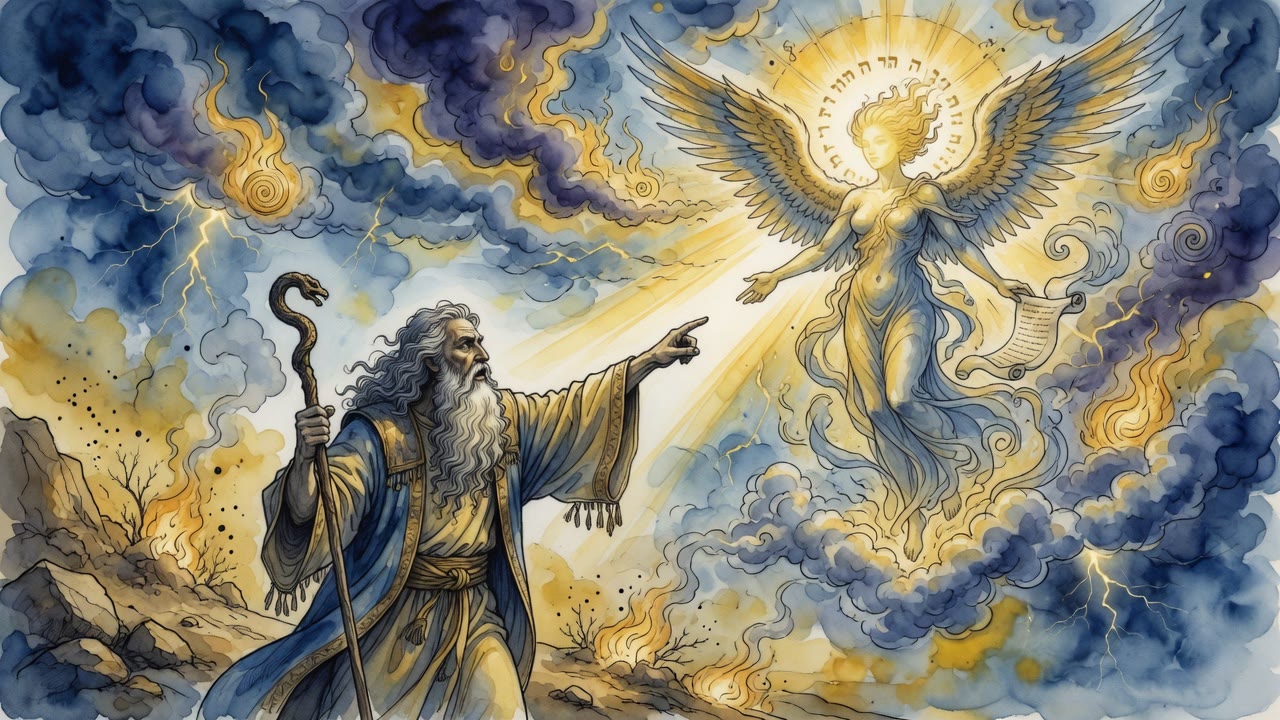
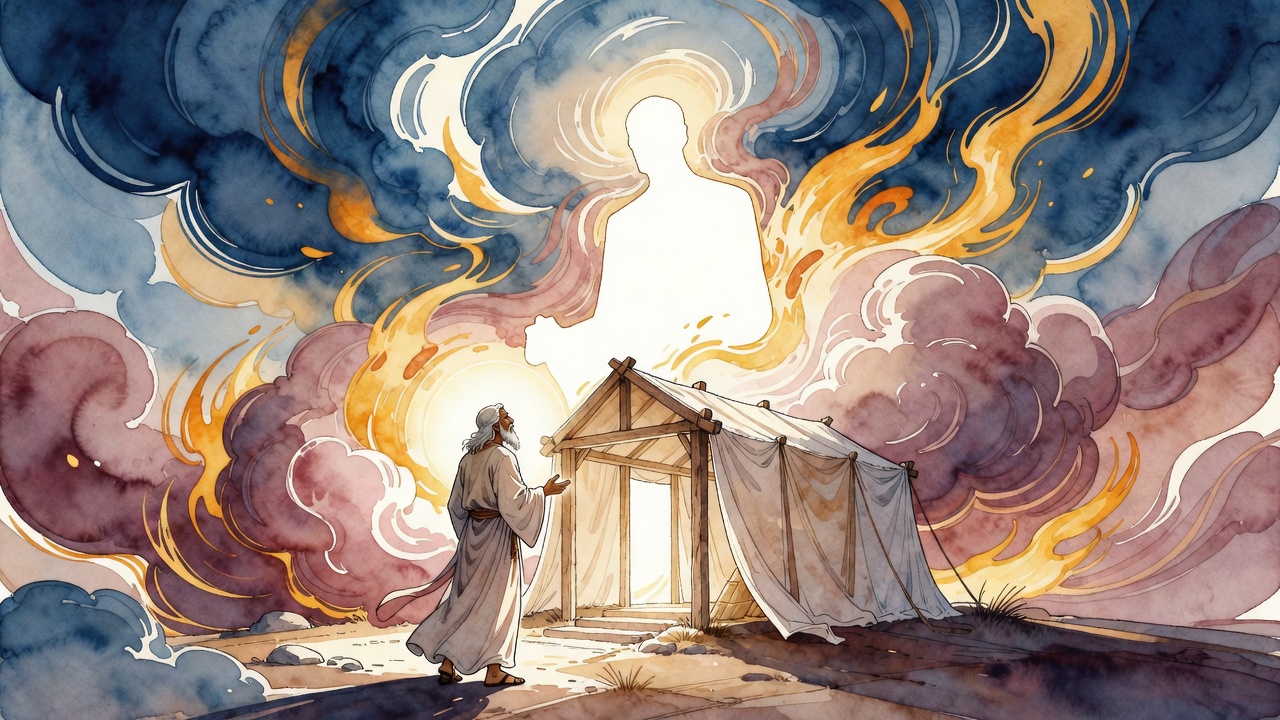
The calf was still cold metal behind him. Moses would not march the people on a rumor of protection. He asked Heaven for a name.
Table of Contents
Moses did not lower his voice. The calf was cold metal behind him. The people still breathed. God had said, take this people up, and had not said who would walk beside the prophet on the road.
 Click for full size
Moses stood in that silence and pressed. "You have not made me know whom You will send with me." He wanted a name, not a fog of comfort.
He Wanted a Name, Not Fog
By the Word he had been ordained with a goodly name and found favor. A man registered by name in the heavenly court will not accept an anonymous escort. He listed the facts as a man lists debts. You told me to bring them up. You gave me a goodly name. You said I found favor. Then fill in the missing line. Who walks with us when the next panic starts and the next idol looks easier than trust?
The silence after a calf is the worst place for vague promises. Moses had already learned that a people can melt gold into a god when the mountain goes quiet. He would not march them on a rumor of protection.
Heaven had called him by name. He asked for names in return. Jewish prayer at full strength is not only kneeling. It is bargaining when the road is dark and the people are still soft from sin.
Who Walks in the Cloud
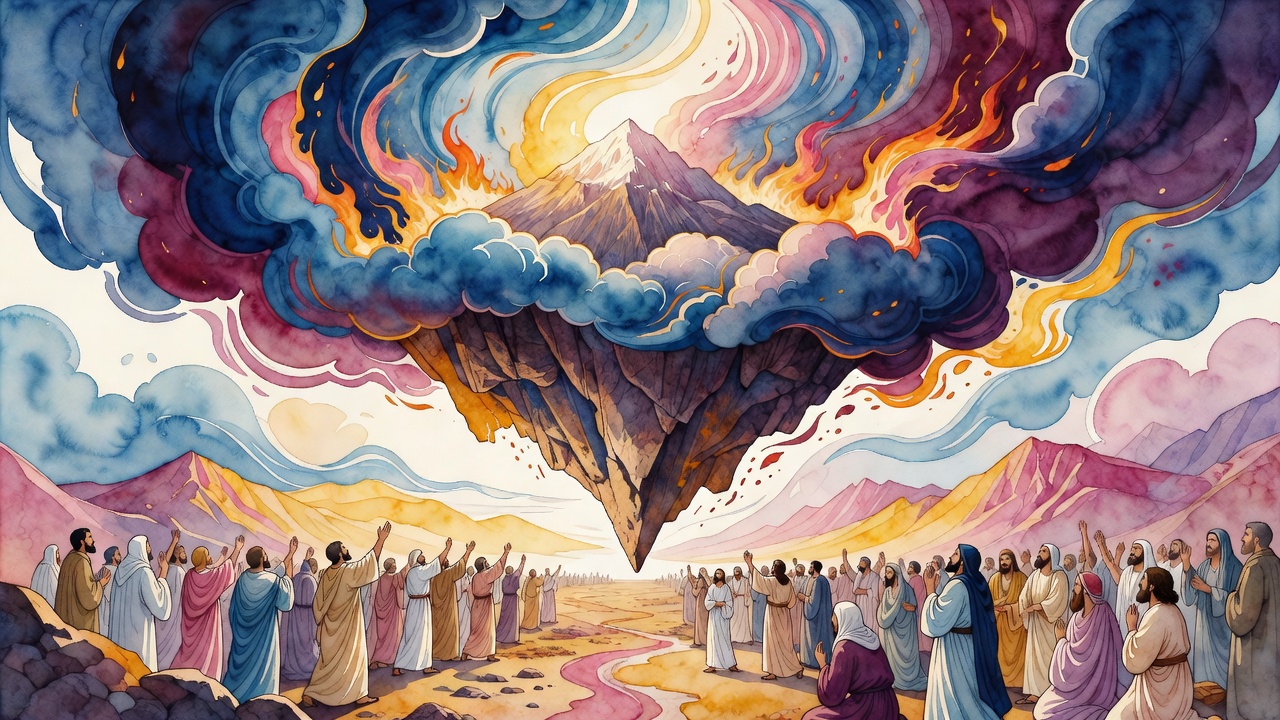
The demand had teeth. Who is the angel? What face will ride the column of cloud? If Israel is to move, the leader who carries them must know whether he walks with a messenger or with the Presence itself.
He had seen what a faceless hour does to a camp. Aaron had stood in that hour and the gold had run. Moses would not take the next mile on the same terms. Name the escort. Show the face that will be there when the water fails and the people start counting their jewelry again.
He did not ask this as a man collecting honors. He asked it as a man who had to walk down the mountain into a camp that still smelled of the calf. An unnamed angel is a rumor. A rumor will not hold a people who have already built one god with their own hands.
The Mark He Asked For Was Speech
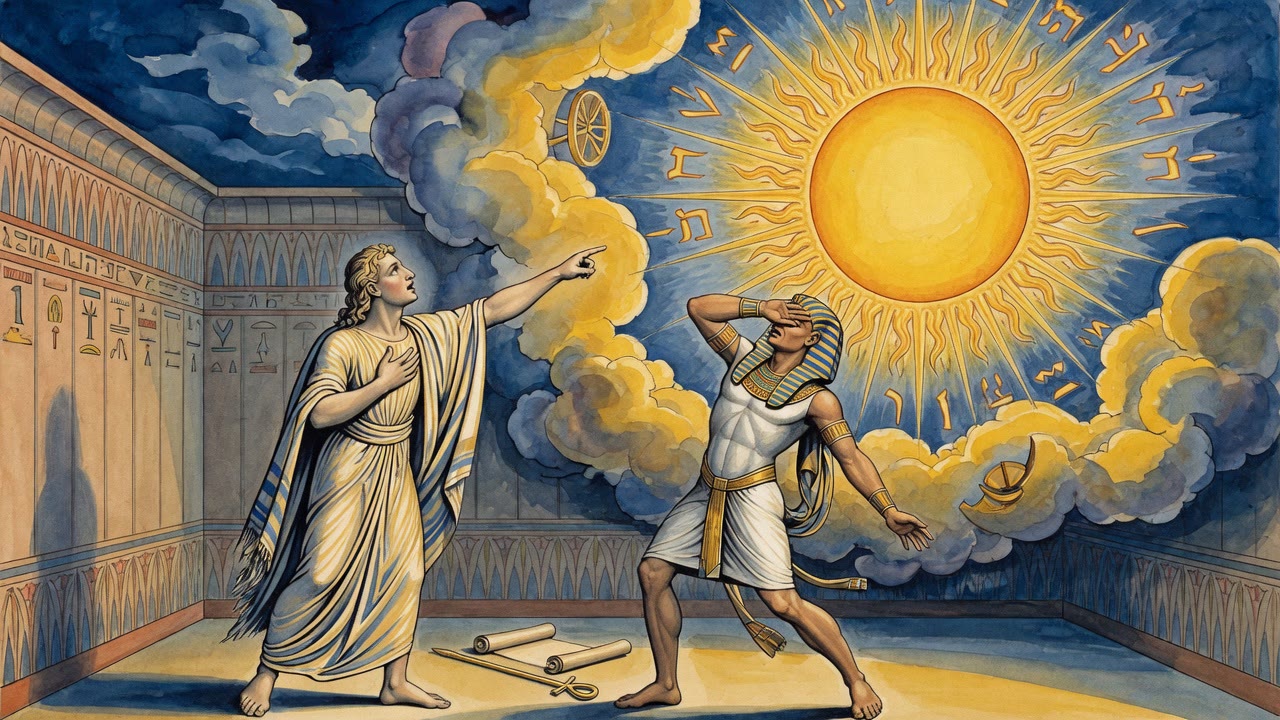
Moses pressed further. How will it be known that he has found mercy? Not by land, not by silver, not by the width of a camp. "In the converse of Your Shechinah (שכינה), Your presence, with us," he said, "and in the withholdment of the spirit of prophecy from the nations."
The real seal of the covenant, in his mouth, was speech. God talking to Israel. God holding that same mode of speech back from every other people on the face of the earth. He named the mechanism out loud: ruach nevu'ah, the spirit of prophecy, restricted. Distinguishing signs. Holy Spirit speech to Moses and to the people.
As long as that conversation ran one way toward Israel, the people remained marked. Armies could fail. Borders could move. The voice was the inheritance he would not trade for a safer angel.
He wanted the people to be known by the conversation, not by the jewelry they could melt when afraid. Distinction is not military swagger. Distinction is whether Heaven still speaks in this particular mode, and whether that speech is withheld as a sign.
A Measure, Not the Face
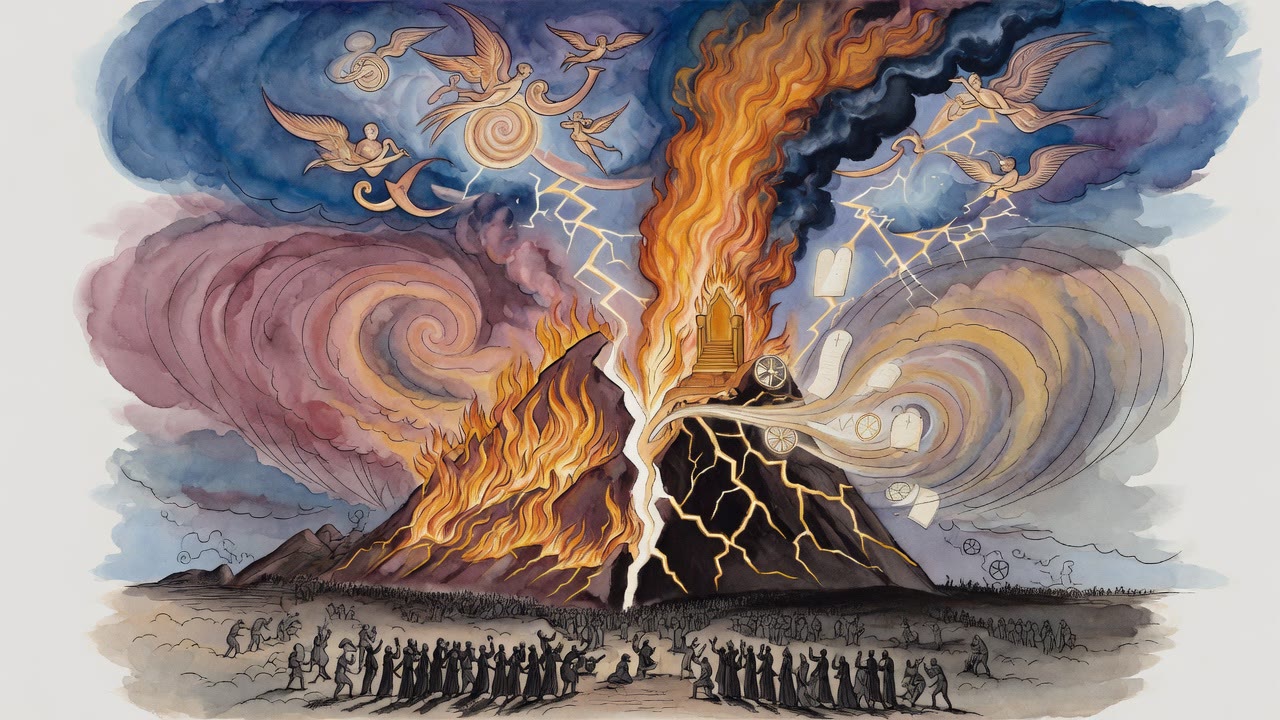
Then Moses asked to see glory, and the answer reshaped what a body can bear of God. "I will make all the measure of My goodness pass before you," Heaven said, "and I will give utterance in the good name of the Word before you." Not the Essence. A measure. A portion of goodness released to pass before human eyes like a procession that can be witnessed without consuming the witness.
Mercy stayed sovereign. "I will have compassion upon whom I see it right to have compassion." Even the chief advocate could not dictate the list. What he could receive was a measured share of goodness and the Name spoken aloud, the seed of the attributes Jews still recite when they need the gates of compassion to open a hand's width wider.
He stood where a man stands when he has asked for too much and been given exactly enough. The rock cleft. The passing. The proclamation. No map of God's face. A dose of goodness large enough to steady a leader and small enough to leave him human.
What He Carried Down
Moses came away without a total unveiling and with three hard prizes: a demand that escorts be named, a claim that prophecy is the true distinguishing mark, and a measured parade of goodness that a human spine could survive. The people waiting below still smelled of gold. He carried back enough covenant to keep them moving.
He had refused a faceless road. Heaven had refused an unmediated blaze. Between those two refusals, Israel got a road, a voice, and a measure of mercy large enough to live on. On the descent he did not advertise the bargain. He simply walked as a man who knows who is with him, and who knows that "with him" has a Name even when the full face stays hidden.
In the camp, someone would still ask for a safer god they could see. Moses now had an answer shaped like a demand. We move with a known escort. We are marked by speech. The goodness we can bear is a measure, not a theft of heaven.
That answer would have to be taught slowly. The calf had taught them how fast a people can invent substitutes. The negotiation on the mountain taught him how hard a people must fight for the real Presence without grabbing it like loot.
← All myths