Before the Midwife Came, the Women Looked Up
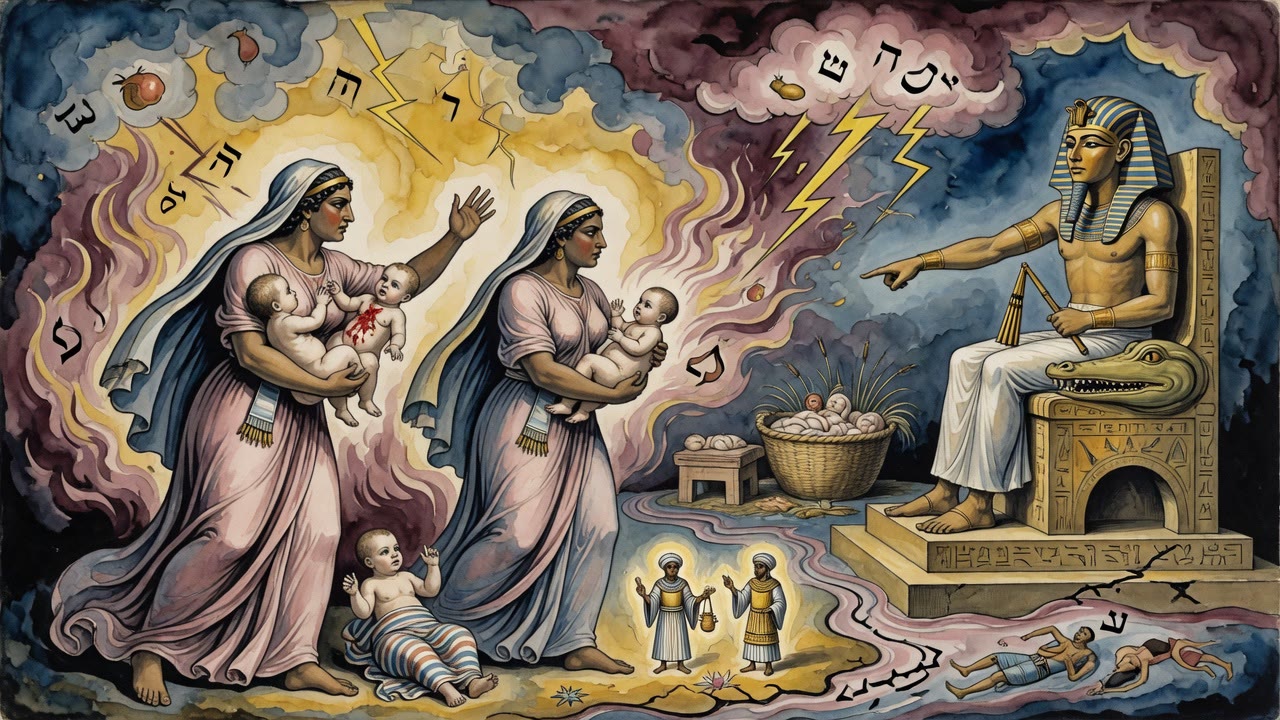
Pharaoh demands dead boys. Jokheved and Miriam answer with prayer, not biology. A princess draws a living child from the river and names him for the rescue.
Table of Contents
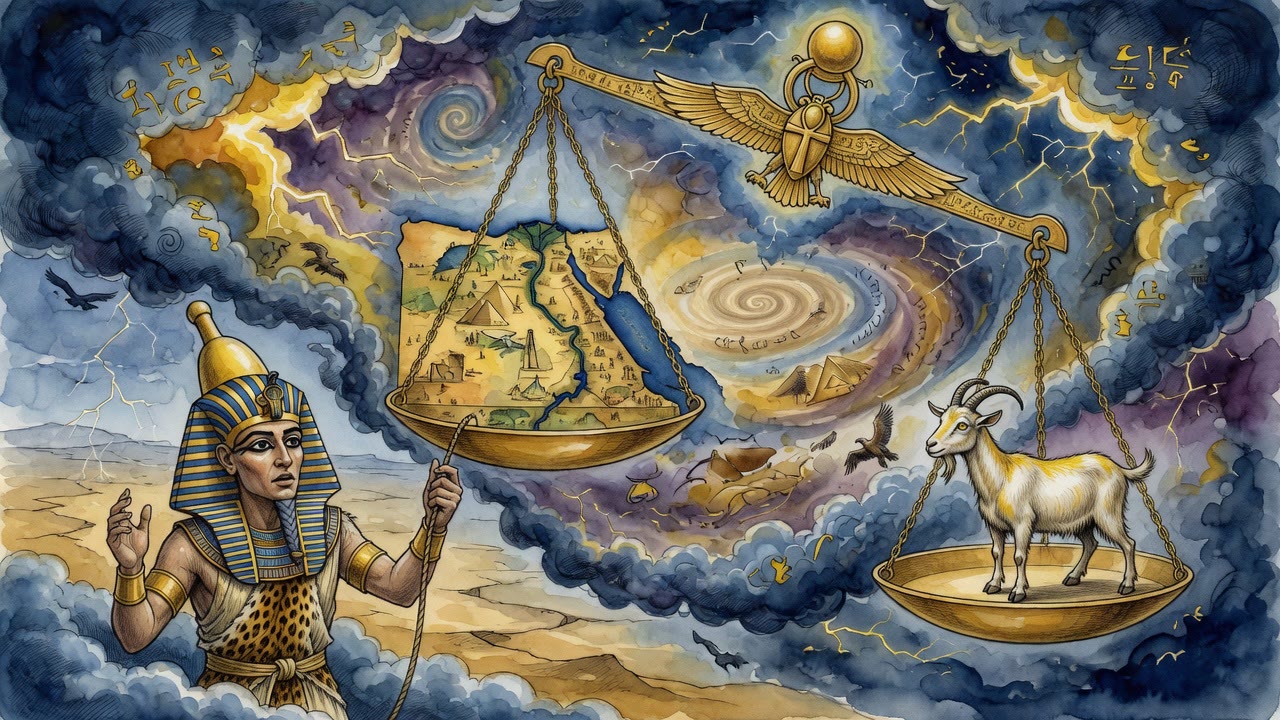
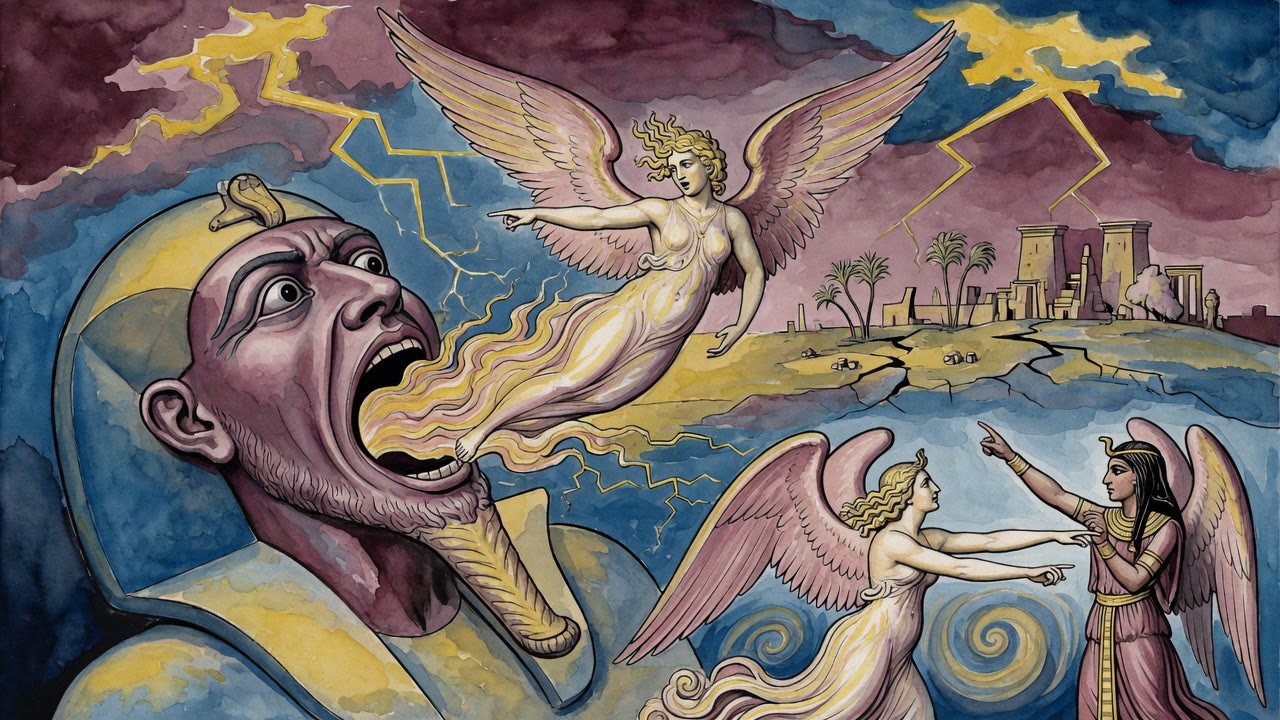
Pharaoh slammed the question down like a brick. Why are the boys still breathing?
 Click for full size
Shifra and Puah, named in the Aramaic tradition as Jokheved and Miriam, did not flinch toward apology. Guards stood at the door. The smell of the river drifted even into the throne room. They gave him an answer so bold it walked the edge of theology. The Jewish women, they said, are not as the Egyptian women. They are sturdy and wise-minded. Before the midwife arrives they lift their eyes in prayer, pleading mercy before their Father in heaven, who hears the voice of their prayer. At once they are heard. They bring forth. They are delivered in peace.
The throne wanted a medical report he could punish. They handed him a report of answered prayer and left the decree looking foolish in its own house.
Labor Faster Than the Law
The Hebrew text already calls the women vigorous, quick in birth (Exodus 1:19). The fuller telling replaces bare biology with a scene inside every birth room the midwives never quite reached in time. A Hebrew woman in pain looks up. Sweat runs into her eyes. She does not wait for palace staff. She does not trust the state that wants her son dead. She calls on the One who sits above bricks and river law, and the child comes while the official path is still half a street away.
That is why the boys live. Not because the midwives are clever liars alone, though courage still runs through their answer like iron, but because heaven answers before the woman with the bag of tools can cross the threshold. Pharaoh's system depends on timing, on catching a birth while the infant is still soft enough to throw. Prayer breaks the timing. The census of corpses never fills.
Jokheved and Miriam stand between a king's command and a people's future. They speak as if the Father in heaven is a character in the labor, not a distant idea for free people. Under that speech, every secret birth becomes a small exodus, and every living boy is already an argument against the river.
A Basket and a River
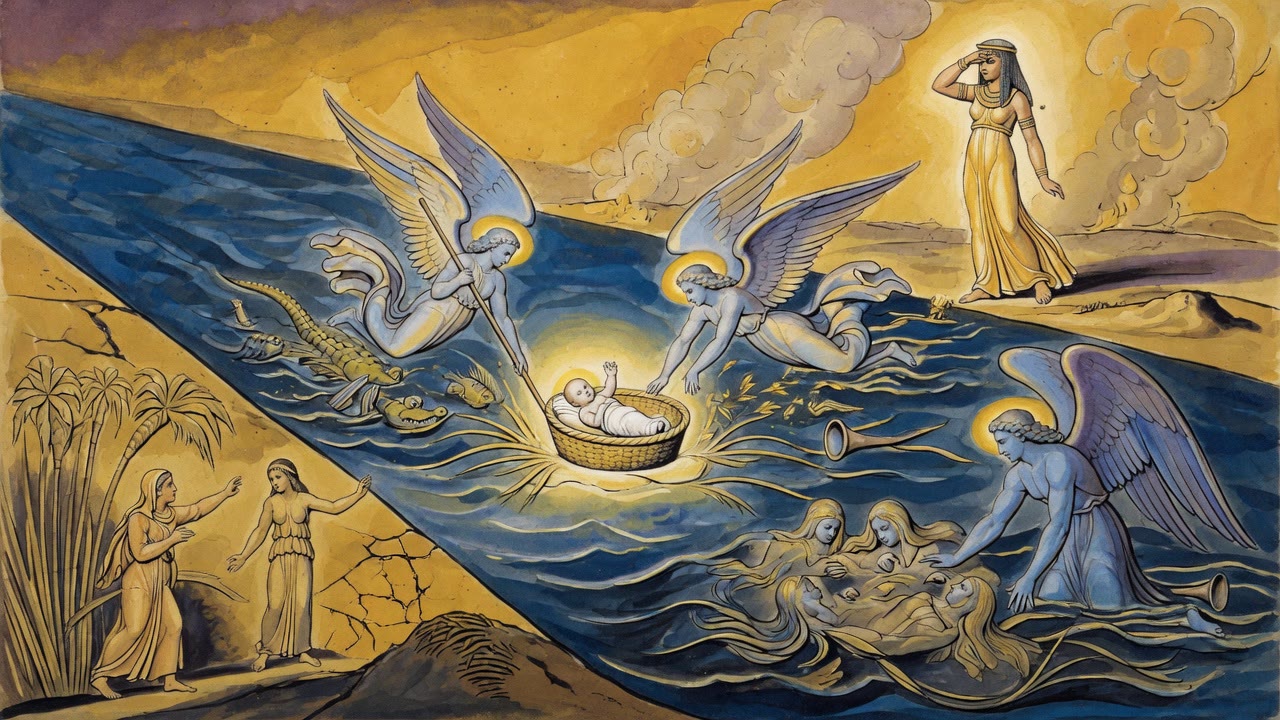
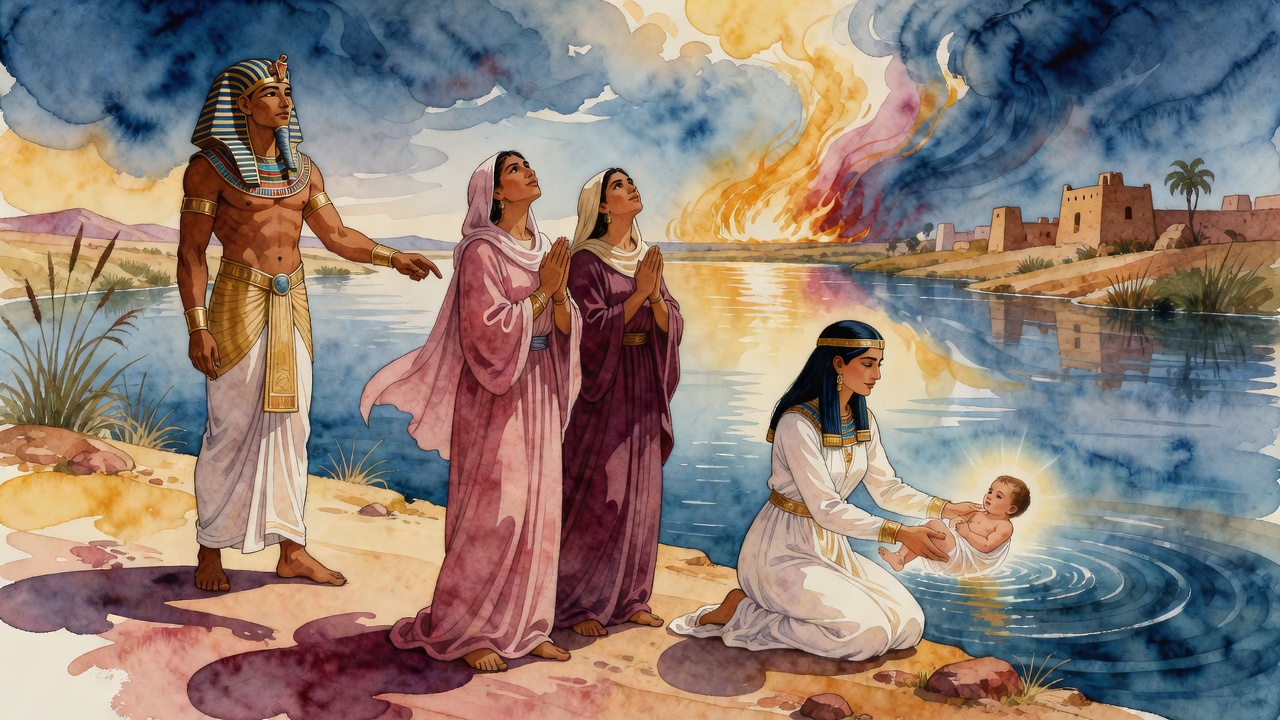
One of those living boys is set among the reeds when the house can no longer hide him. The same river meant for drowning becomes a road of pitch and hope. Pharaoh's own daughter finds him, and the Targumic line is careful with her heart. The child grew and was brought to her, and he was beloved by her as a son. She did not collect a curiosity from the water. She loved him as her own under the roof of the man who had ordered Hebrew sons killed.
She called his name Mosheh, because, she said, I drew him out of the water of the river (Exodus 2:10). The name sounds at home in Egypt, where royal names often end in a form of "mose," yet it speaks Hebrew meaning as well, mashah, to draw out. She names the rescue out loud in a court that had named only death. History will later name the rescuer by the same word.
Nurses are arranged. Miriam, watching from the reeds, engineers the return of the child's own mother as wet nurse. The decree cracks in practice even while it still stands in law. Palace milk and Hebrew milk mix in one body that should not have survived the week.
Drawn Out to Draw Out
She pulls one infant from water. Decades later he will pull a nation through water. The princess cannot know that when she dries his skin and chooses the name. She only knows the weight of a child who should already be dead and is not. The midwives' prayer and her arm are two different instruments of the same refusal. The decree said the river would end Hebrew boys. Prayer and pity make the river a beginning instead.
Moses grows between two houses, Hebrew blood and Egyptian training, and the name the princess gives him will never let him forget the water. Every time someone calls him, they call the act that saved him. When he later stands at another shore with a staff raised, the name he has worn since childhood is already a prophecy of the crossing, spoken first by a daughter of the house of bondage.
Two Women Against One Decree
First come the midwives who will not kill. Then comes the princess who will not drown. Between them the Hebrew women who pray in labor keep producing sons the law cannot catch. Pharaoh builds policy on fear and drowning. The story answers with lifted eyes, a beloved child in a palace, and a name that means extraction from death.
No trumpet sounds in these rooms. There is only sweat, prayer, a basket sealed with pitch, and a royal woman who chooses love over her father's program. That is how the liberator enters history, not as a general with banners, but as a boy the system failed to erase, carried from prayer-filled birth rooms into a princess's arms and out again toward the mountain that will send him back.
The boys keep breathing. The question Pharaoh slammed down never gets the answer he wanted. It gets a people.
← All myths