Moses Named the Burden He Could No Longer Bear
Under Pharaoh, Jochebed vanished from hunters. In the wilderness, Moses stood in a court that never ended and finally said he could not lead alone.
Table of Contents
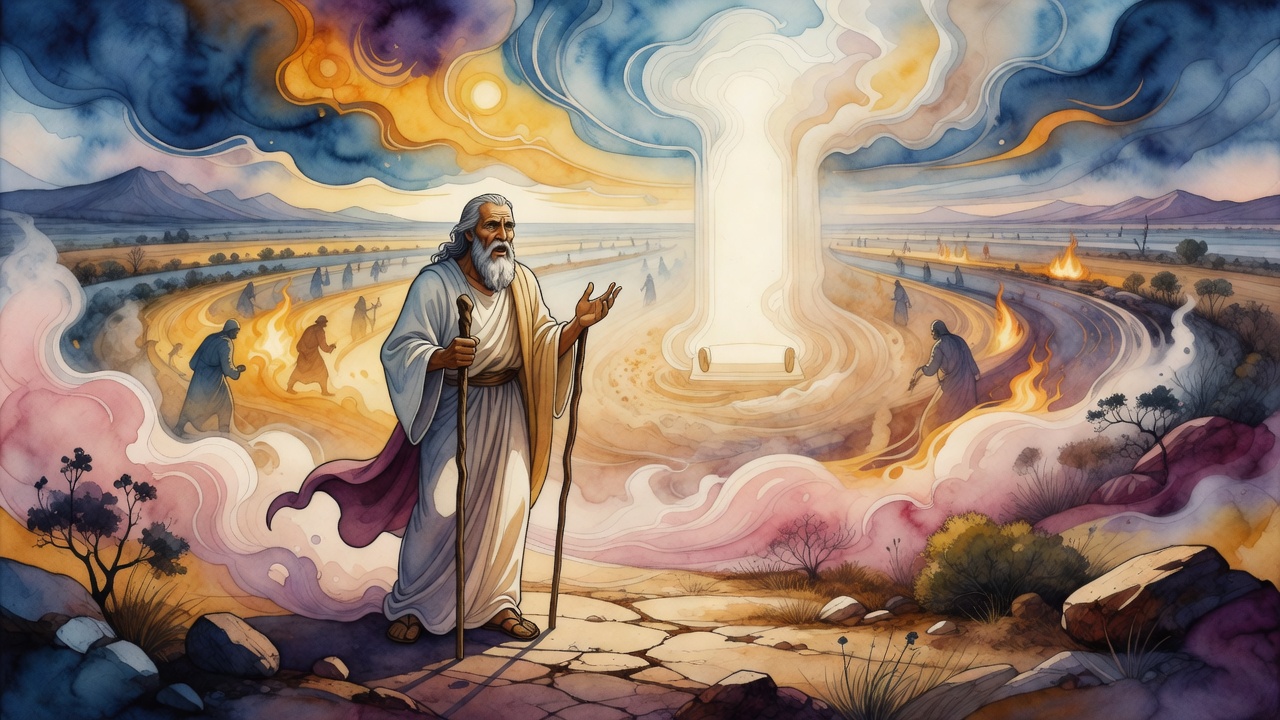
Moses stepped into the morning crowd before the sun had dried the manna on the tents, and the accusations started while his sandals still held night damp. If he went out early, they said he hunted the largest grains. If he went late, they said he walked the rows for honor. If he took a side path, someone hissed that he had denied Israel the benefit of a sage's shadow.
 Click for full size
He heard each charge the way a man hears water testing a seam. He kept walking toward the place of judgment, because judgment did not wait for clean mouths.
The Court That Ate a Day
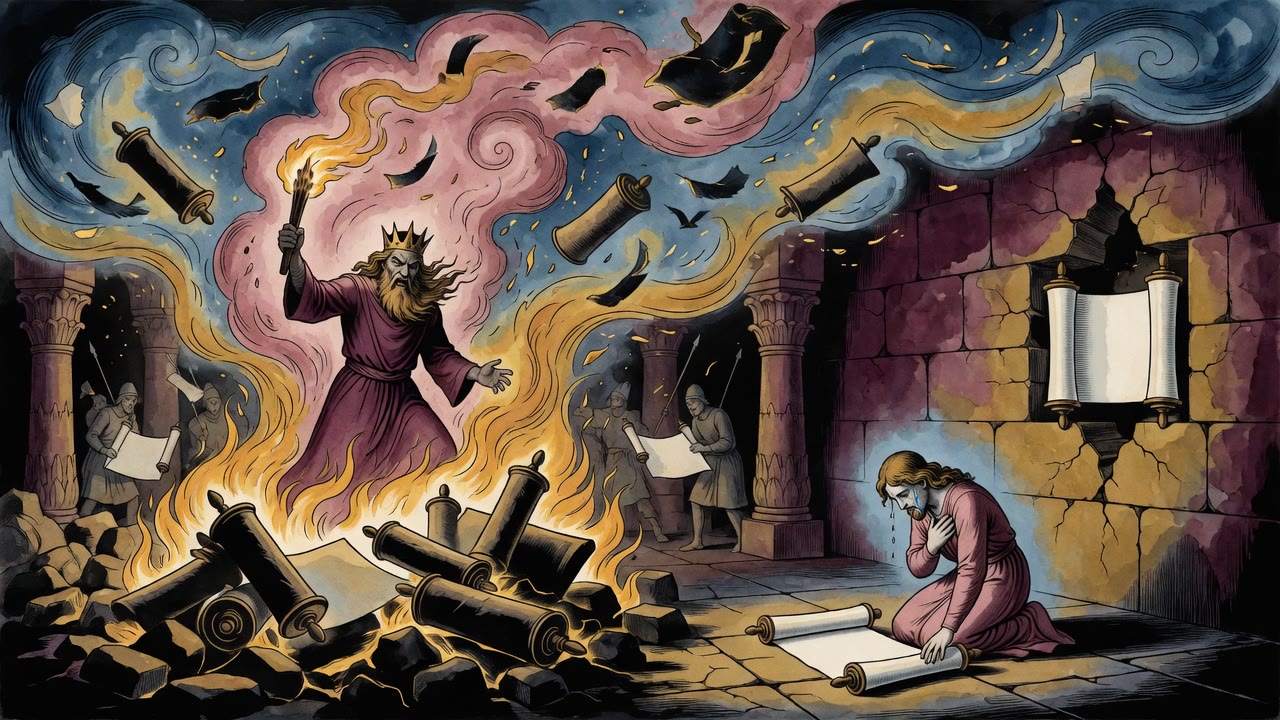
The people came fierce in argument. A man would spend seventy silverlings in court costs to wrench one silverling from a neighbor, and call the expense justice. Cases did not end when the facts ended. When a litigant felt Moses tipping against him, he asked for delay and promised fresh witnesses next time, more proofs, another angle. Stubbornness put on the clothes of procedure and sat down as if invited.
Moses ruled. Moses listened. Moses rose early and stayed late. The line did not thin. By noon his throat was raw from speech. By evening the next dispute already stood in the first man's footprint. He could feel the weight in his shoulders the way a porter feels a load he cannot set down without crushing what is under it.
If he did one thing, they were not content. If he did another, they were not content. The camp had learned how to turn every motion into a grievance, and the grievances all pointed at one body.
Blood That Learned to Disappear
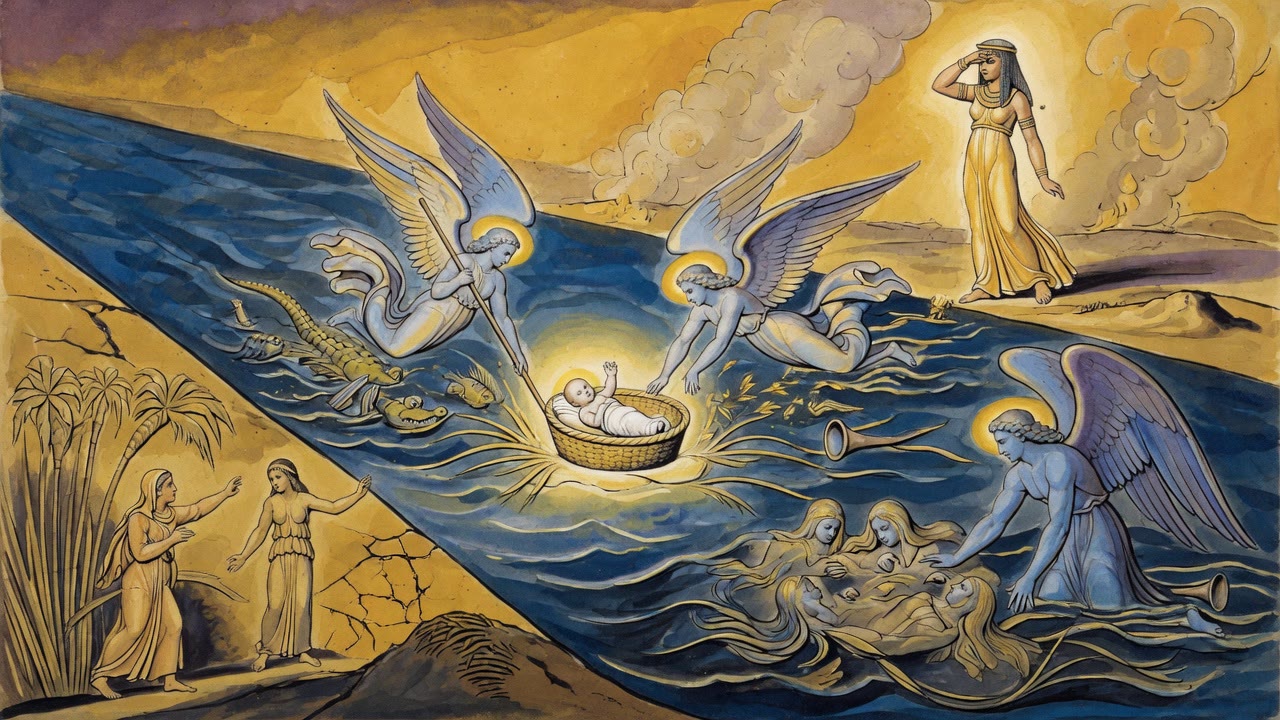
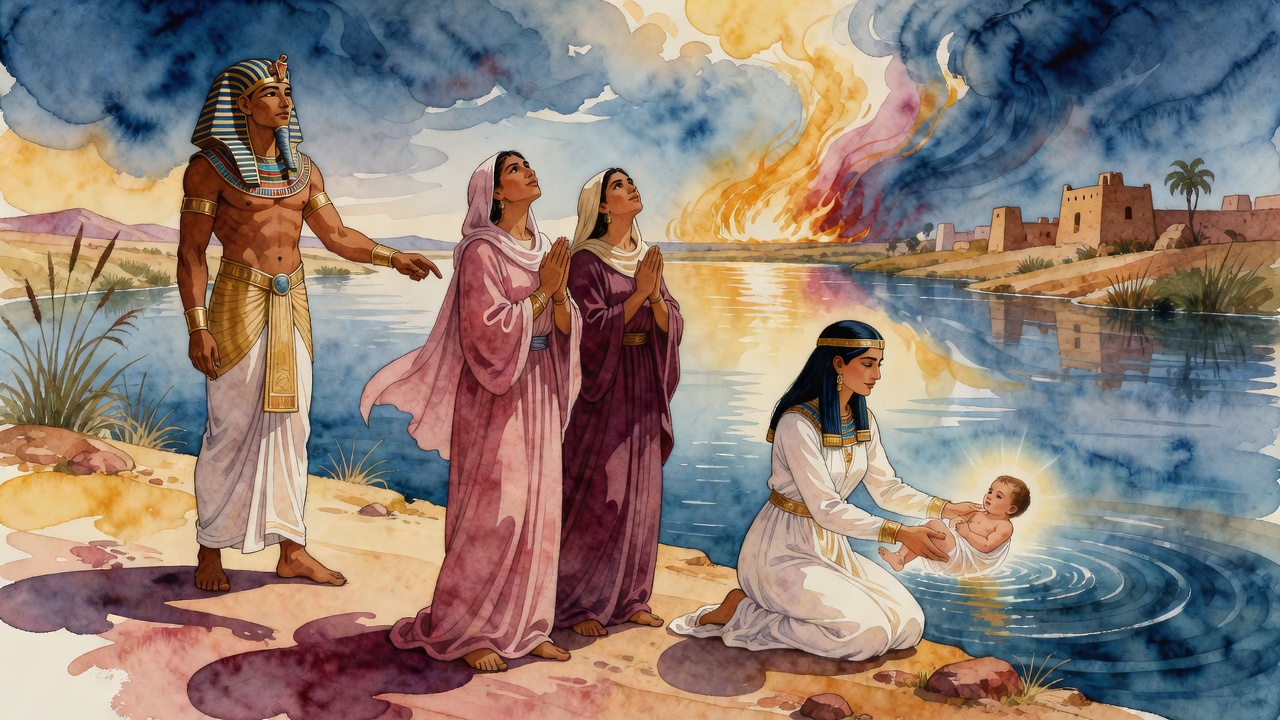
That body had been born into a house that already knew pressure measured in spears. Amram had taken as wife his aunt Jochebed, born on the same day he was. Her name meant divine splendor, and light rode her face the way heat rides a forge. She was a daughter of Levi, and she was more than birthright. She stood as a true partner, an ezer kenegdo, the kind who does not step aside when a king writes death for infants.
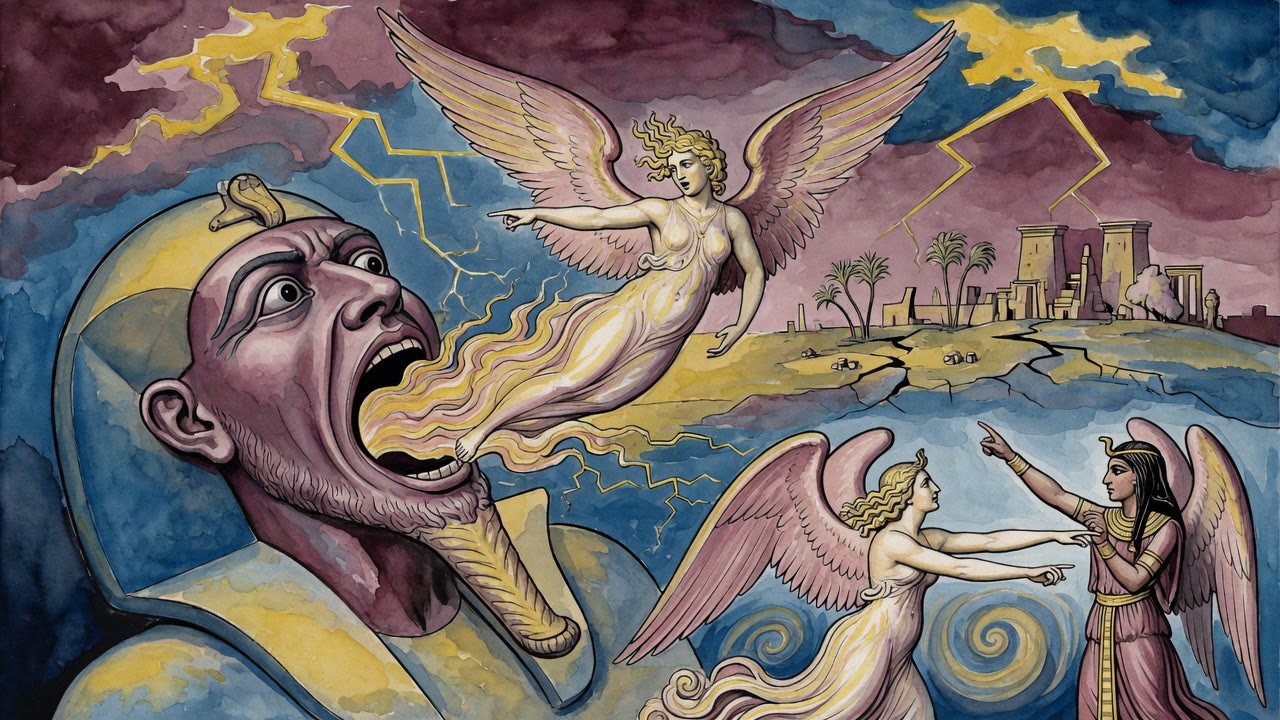
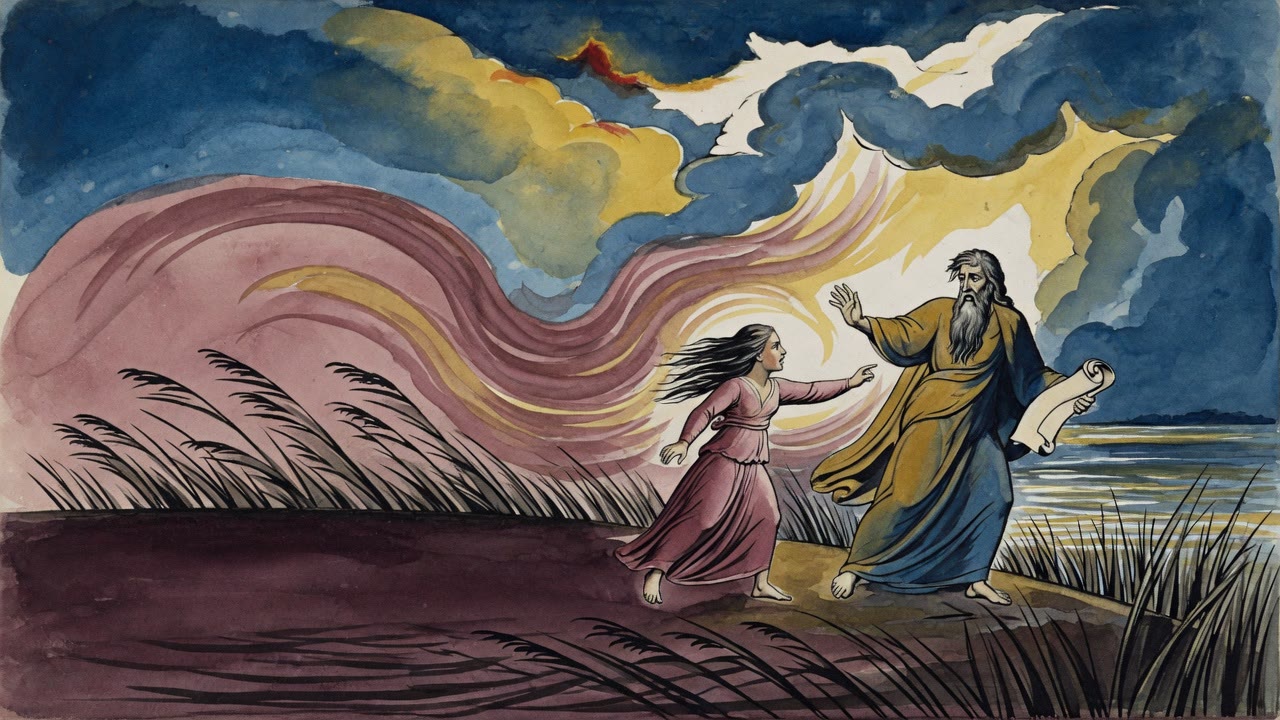
Jochebed was one of the midwives who refused Pharaoh's decree. She chose living children over royal orders. Pharaoh's rage sent henchmen to seize her and her daughter Miriam. The men entered the streets with warrants in their mouths. God made the two women invisible. The hunters returned empty-handed. Rooms that should have held prisoners held only air. Moses grew up knowing that survival in Egypt had once been a miracle of absence, not a negotiation with the throne.
Now he stood among free people who still treated him like a target. Freedom had not made their tongues gentler.
Jethro Names What Moses Already Knew
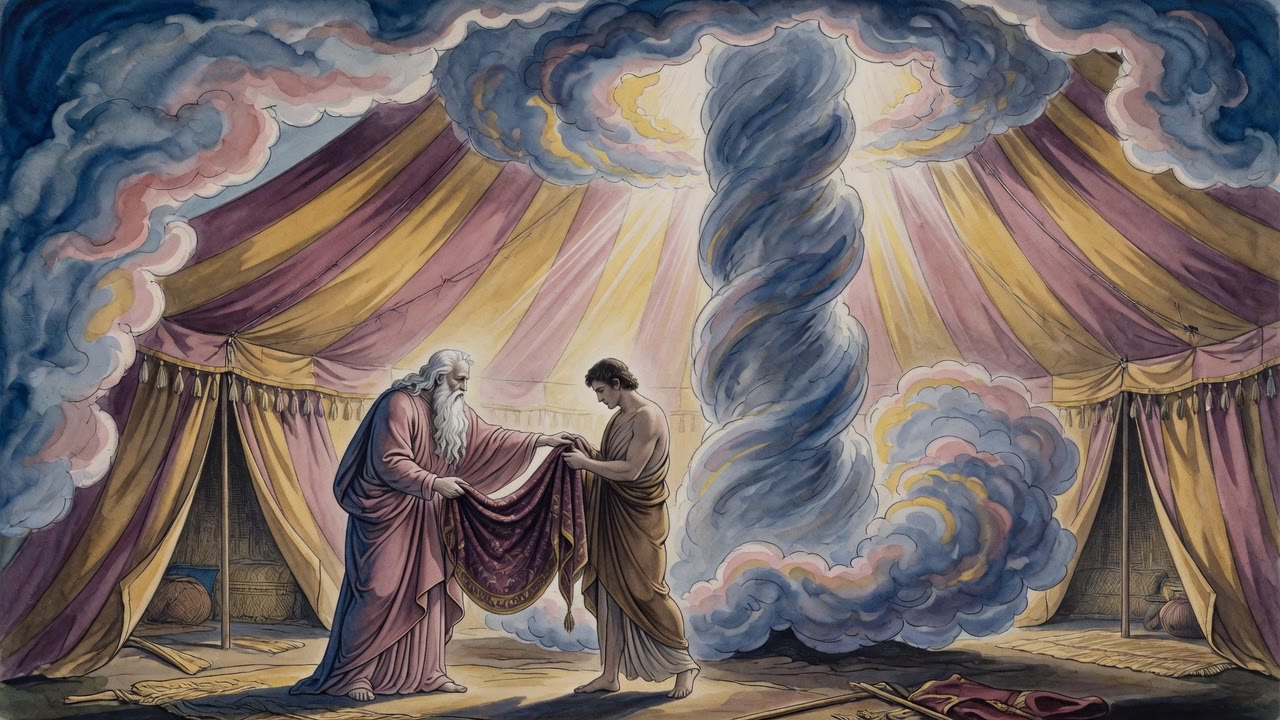
Jethro watched the crush of bodies and the endless file of cases. He did not flatter. He told Moses what the day already proved: one man cannot hear every quarrel of a nation that multiplies like the stars and still keeps his strength. The counsel landed because the wound was already open. Moses did not need less devotion to Israel. He needed a structure that would let devotion survive contact with their daily fury.
Moses accepted the words the way a drowning man accepts a hand, without theater. He had already measured the strain. He had already felt the camp turn irritation into accusation no matter which path he chose between the tents. Jethro's advice only gave shape to a truth Moses had been carrying alone until his legs shook under it.
The Blessing Inside the Collapse
Even then, when Moses named the impossible burden, his speech turned toward blessing. The Eternal had multiplied Israel like the stars of heaven. Moses asked that God make them a thousand times more and bless them as promised. He did not curse the people who had worn him thin. He admitted he could no longer bear them alone, and in the same breath he asked for their increase.
That was the turn that could not be walked back. The man who had stood between Israel and every threat now stood between Israel and his own limit. Judges would rise under him. Cases would move through other mouths. The single throat that had tried to hold a nation would no longer pretend it was enough.
In the quiet after the admission, Moses could almost smell Egypt again: the empty room where henchmen found no midwife, the light on Jochebed's face, the day God chose invisibility over surrender. His mother had survived by vanishing. He would survive by sharing the load. Different miracles. Same refusal to let a single body be crushed for the sake of pride.
Night settled on the camp. Somewhere a dispute still simmered. Somewhere a man still counted silverlings. Moses unbound the strap of his sandal and felt the dust of the wilderness stick to the damp left from morning. Tomorrow the court would open again. It would not open on his shoulders alone.
← All myths