Moses Grows Twice and Walks Out to the Brickfields
Palace food had run his body ahead of his years. He left the painted rooms without a decree and stood in dust where men carried brick.
Table of Contents
At five years old the boy already stood like a child of eleven.
 Click for full size
He grew up in Pharaoh's house, on palace food, under painted ceilings, and his body ran ahead of his years the whole time. Nobody in those rooms had any reason to ask why.
The Frame That Ran Ahead
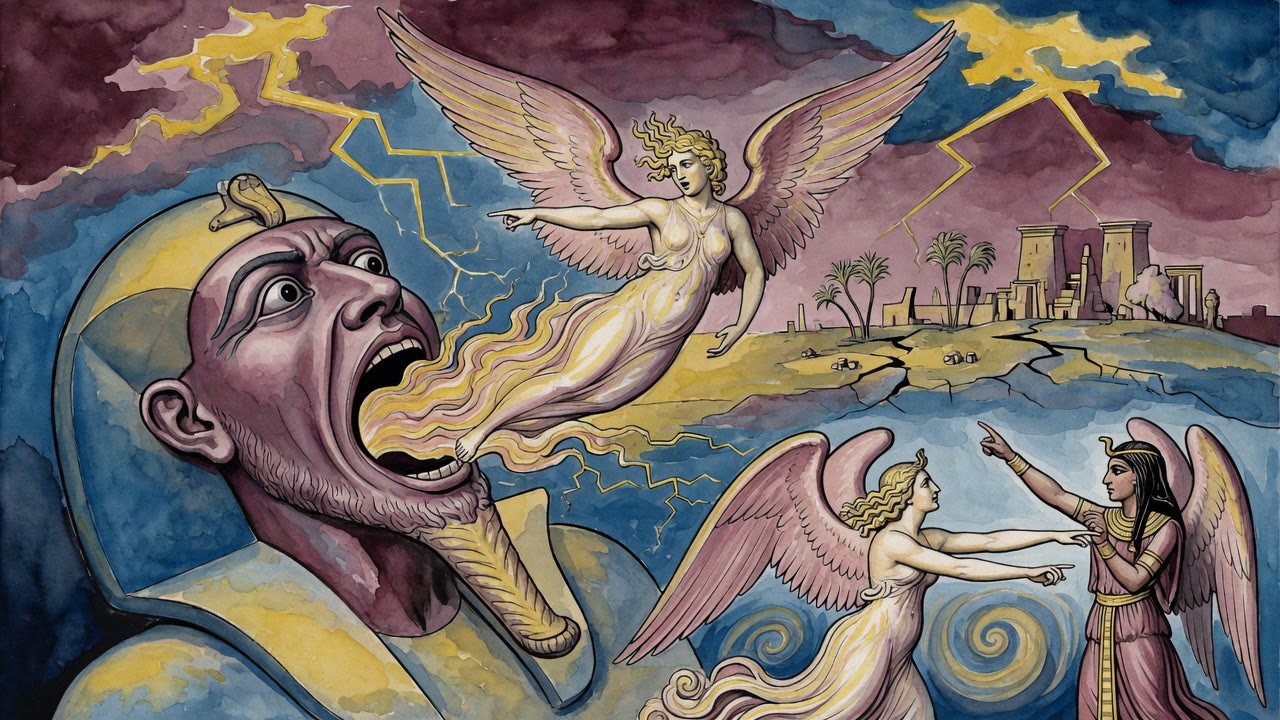
The first growing was easy to see. Shoulders too wide for the age they were told. A stride that ate the corridor. Nurses moved around him as if he might knock a jar from a shelf without meaning to. He ate what princes ate. He slept where princes slept. The house measured him by height and called the measuring done.
Every child grows. Scripture does not usually stop to mention it. The record stops twice for this boy. Once as a child. Once as Moses.
The second growing had not started. It would not start in a painted room.
A Sister Named for Bitterness
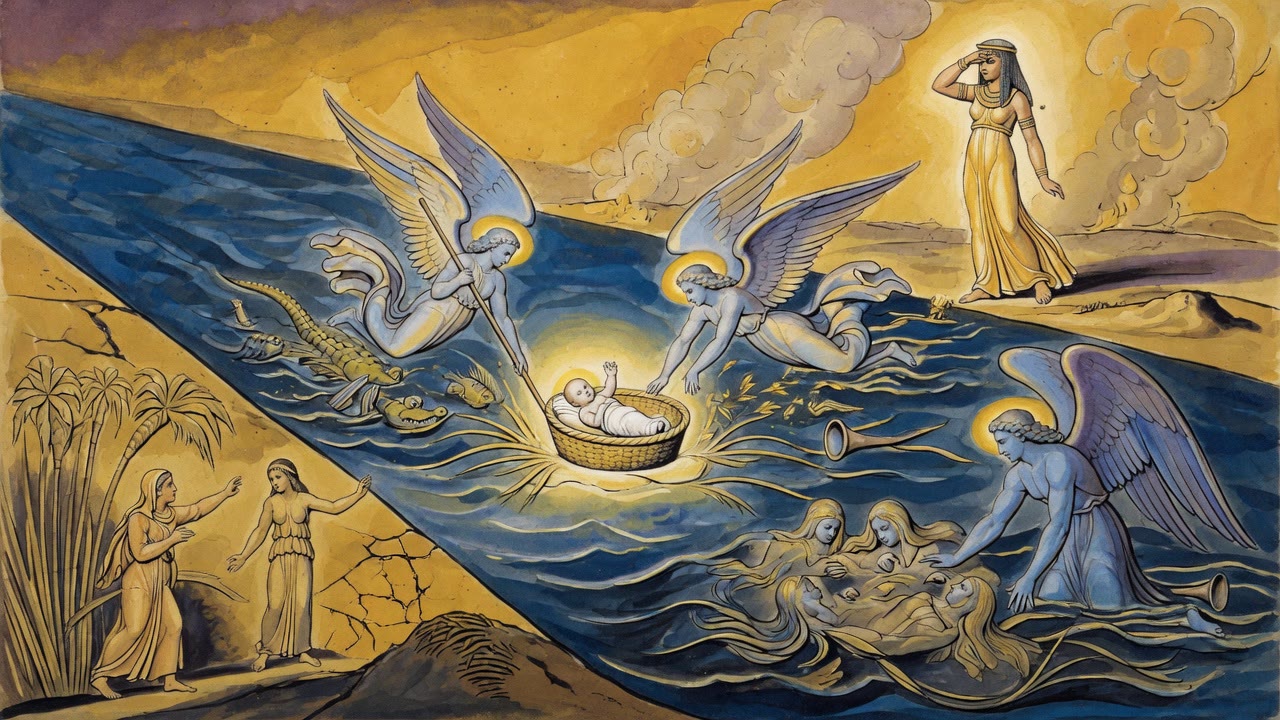
He had a sister who had been born into the worst of it.
Israel had been in Egypt two hundred and ten years, the number read out of the letters of RaDU. Inside that long winter sat a shorter and harder stretch, eighty-six years when the yoke pressed down hardest, and it began on the day Miriam was born.
Her parents named her for it. Miriam, from merur (מרור), bitterness, so that the cruelest portion of the servitude had a girl's name on it and could be spoken in an ordinary sentence. Every time somebody in that house called her, the years answered.
Moses grew up too far away to hear it. The palace swallowed sound. Brick dust did not cross the gate. He learned other names first: Pharaoh, nurse, tutor, river from a window. The name that meant the bondage waited outside, in a house he had been pulled from as an infant.
He Went Out to His Brethren
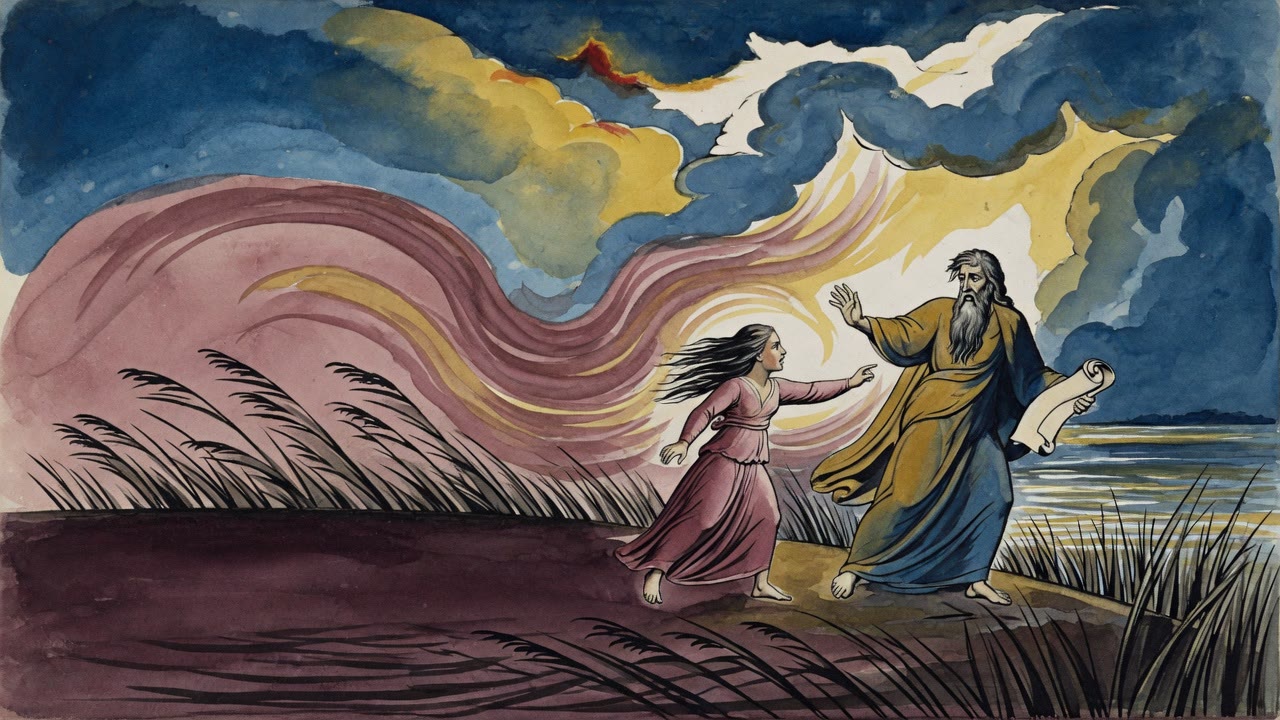
Then one day he walked out.
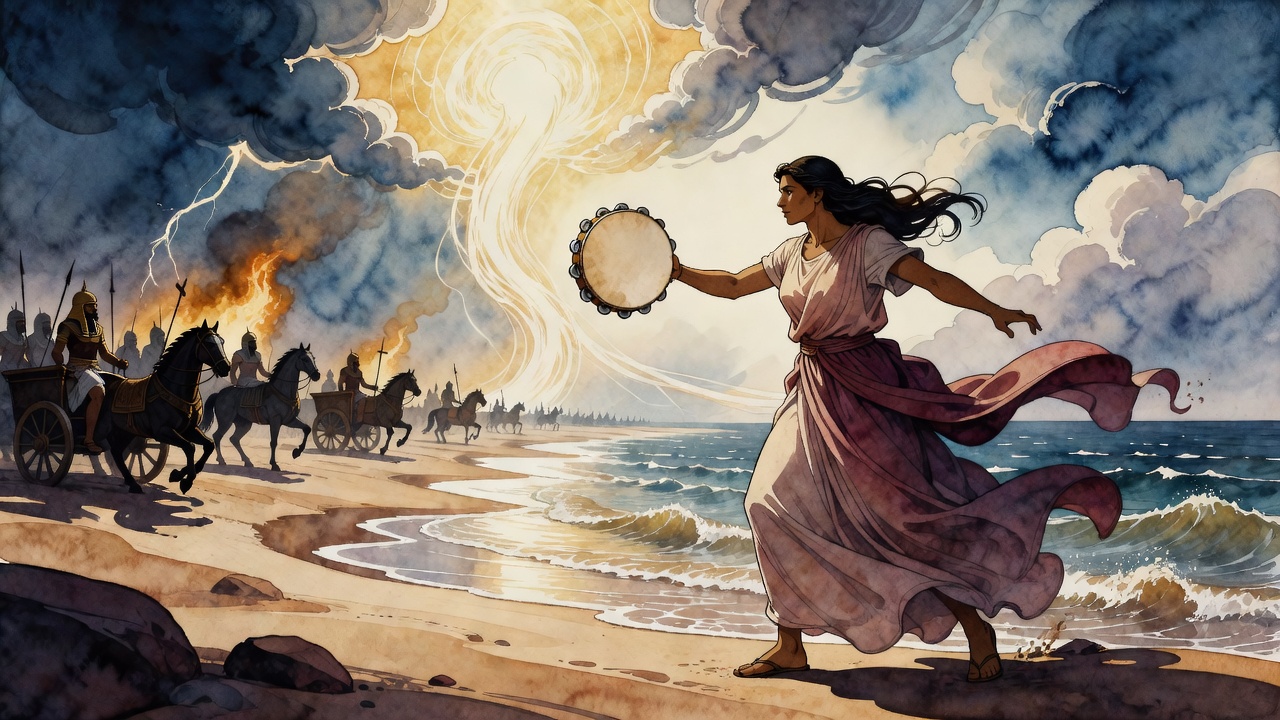
Out of the corridors, past the gate, into the heat where the work was. The loads were bigger than the men carrying them. Somebody was coughing in the line and did not stop. An overseer's voice went out across the field and the pace picked up. Children who should have been chasing each other dragged weight instead.
Moses stood in the dust and looked at them until he understood whose they were.
Nothing in the palace had required this of him. No decree sent him out. He went, and he looked, and the looking was the whole event. A man can tower in a throne room and still be a child. The brickfields did not care about his shoulders. They asked whether he would turn his face away.
He did not turn it away.
The Second Growing
Greatness is not measured across the shoulders. The second growing was the walk to the brickfields, and the refusal to look away once he got there.
He took a step closer to the line. Heat came off the bricks. A man shifted a load and almost fell, then caught himself and kept moving because stopping was more dangerous than staggering. Moses's hands hung empty at his sides. In the palace those hands had never been asked to carry. Here emptiness was a kind of shame.
He learned his sister's name that afternoon the way a man learns a bruise, by pressing it. Bitterness had a face. It had a cough. It had children in the dust. The eighty-six hard years were not a number in a scroll. They were the field in front of him.
A proverb about a man diligent in his work found him there (Proverbs 22:29), in a piece of work the court preferred not to see. Diligence, for Moses, began as standing still where nobody had told him to stand.
What He Carried Back
He walked back toward the gate with brick grit in the folds of his clothes. The painted ceilings looked smaller. The body that had grown too fast now had somewhere to take itself.
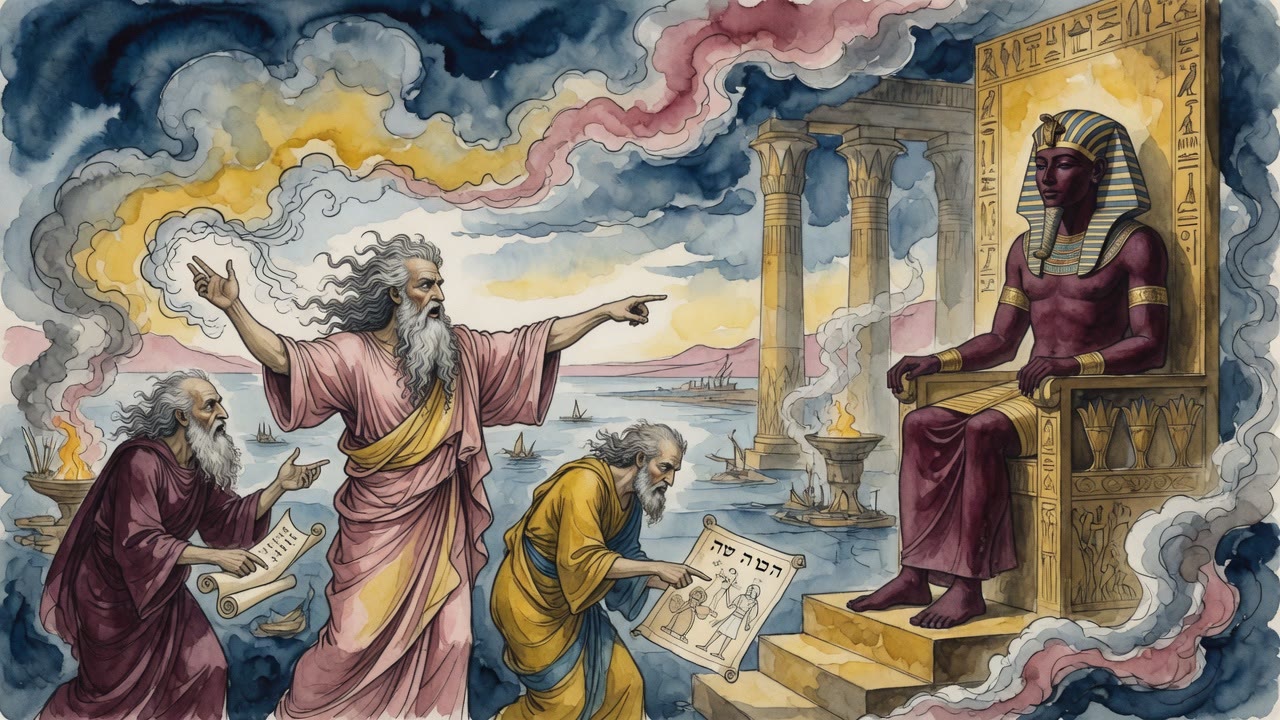
Everything else came afterward. The killing, the flight, the sheep, the bush, the staff. Whatever he would eventually carry back into Pharaoh's court, he picked it up here first, in the heat, in front of men carrying brick, somewhere in the eighty-six hard years that had started the day his sister was born.
He grew twice. The first time anyone in the palace could have measured with a string. The second time only the brickfields could have measured, and they do not keep string. They keep the memory of a prince who came out, stood, and did not look away.
← All myths