Parshat Shelach6 min read

Caleb Climbs the Bench When the Spies Return

Ten scouts spill slander and the camp freezes. Moses and Aaron go slack. Caleb climbs a bench, hushes the roar, and names the land exceedingly good.

Curated by Arthur · Told by Maggid ·
Table of Contents
  1. The Camp Stops Breathing
  2. Men Who Made Themselves Fools
  3. Send for Yourself
  4. A Letter for Hoshea
  5. Heaven Counts One Companion
Caleb Climbs the Bench When the Spies Return Click for full size

The Camp Stops Breathing

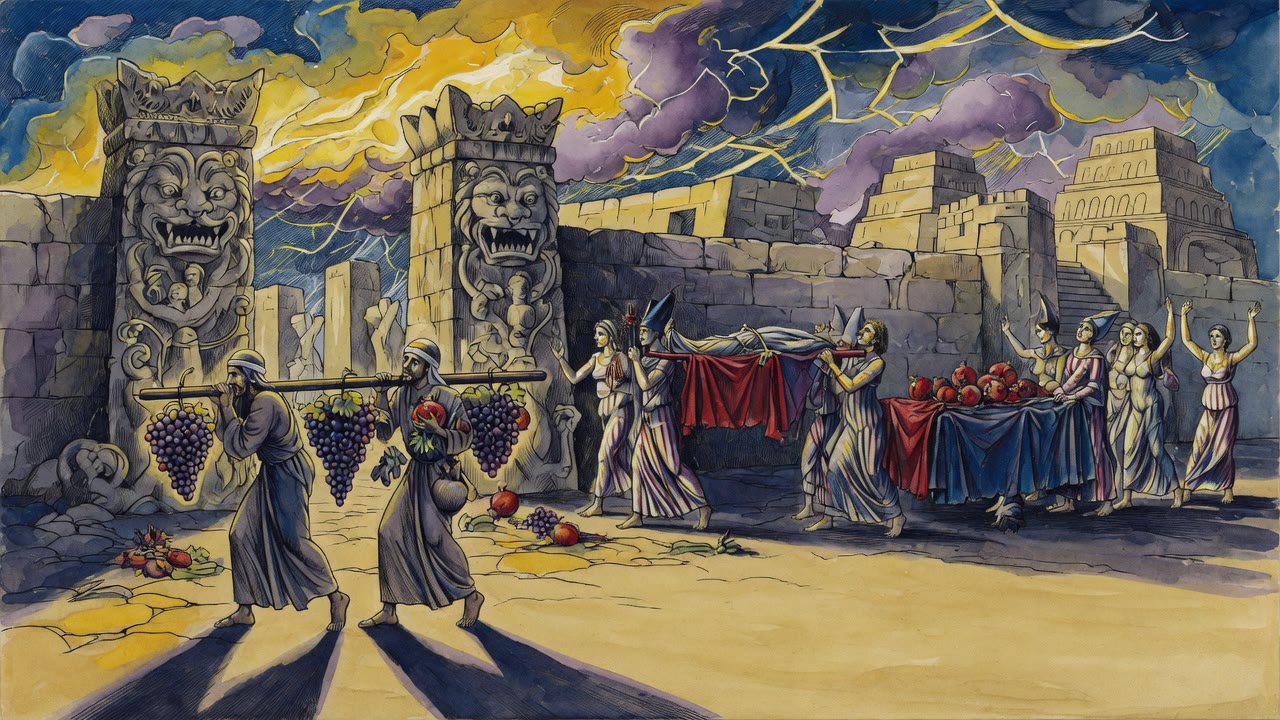
Moses heard the ten before he saw their faces. The pole of grapes came first, heavy enough to need two men, and the camp surged for glory. Then the mouths opened. Giants. Walls. We were grasshoppers in our own eyes. The land eats its dwellers. Dust from the Negev still clung to their sandals while panic climbed the tent ropes.

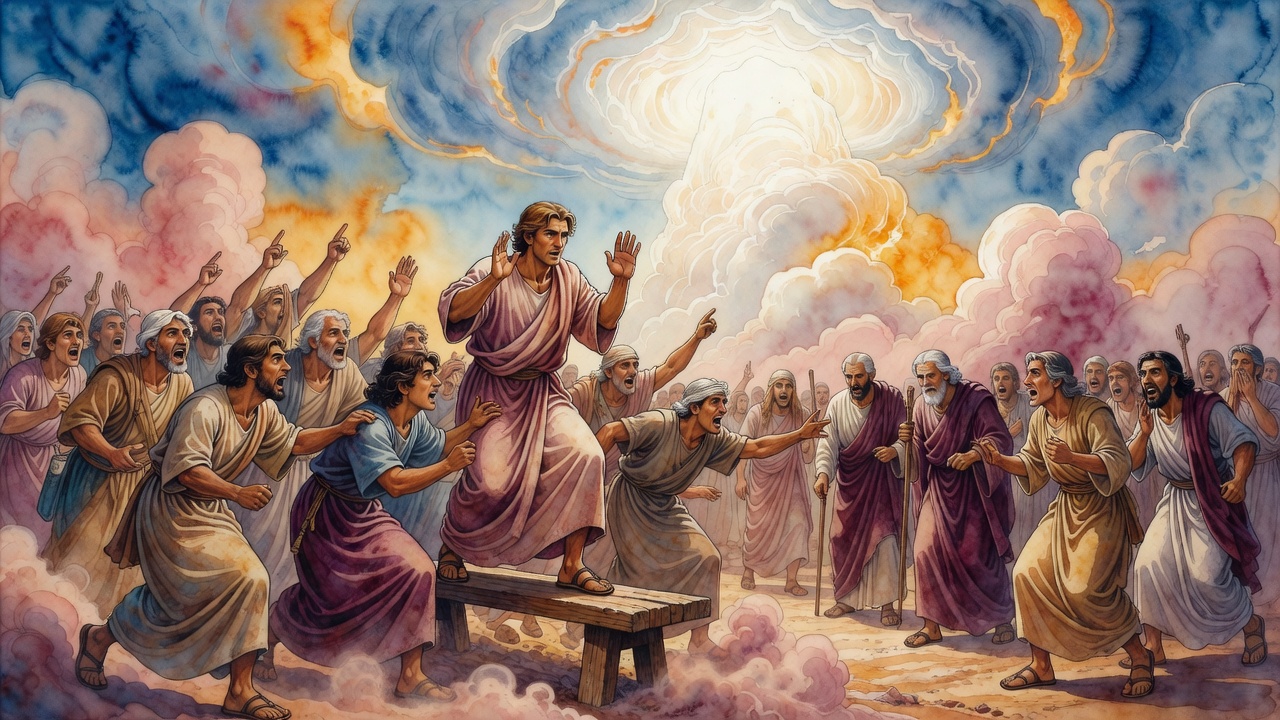
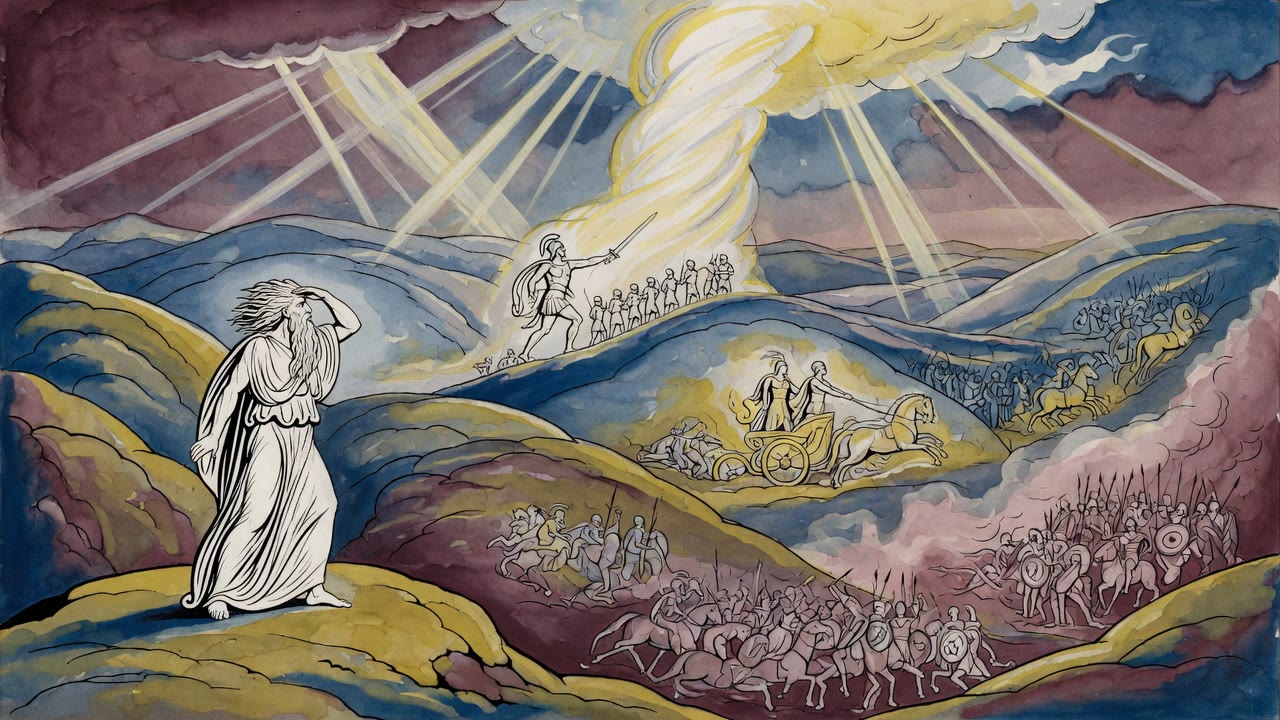
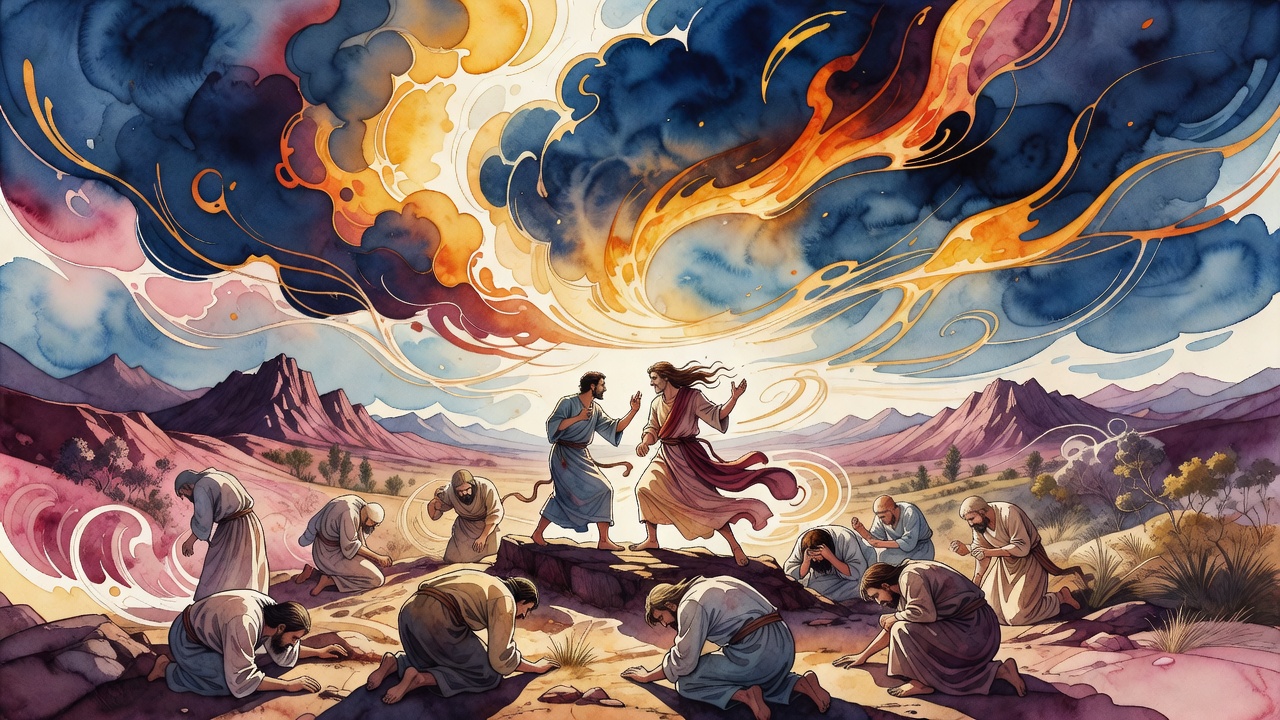
Aaron stood beside Moses with courage asleep in his chest. The men who had faced Pharaoh and the sea did not know what to do with a rumor. Shoulders slumped. A water jar cracked on stone and no one scolded the waste. Children stopped mid-run. Into that slack hour one man climbed a bench.

Caleb rose above the seething multitudes and hushed them, not with rank, but with a voice that expected to be answered. "And is it only this," he cried, "that the son of Amram has done for us?" The roar broke. Silence opened under him like a path. Into that silence he drove the sentence no fear could shake: "The land is exceedingly, exceedingly good."

Men Who Made Themselves Fools

They had not begun as fools. Wherever the Torah says anashim, men, it often means the righteous. Joshua chose men. Jesse stood among men. Hannah prayed for offspring of men. These twelve had been chosen name by name. Moses would not send a single scout until he had taken counsel above, tribe by tribe, and been told they were worthy. Righteous in Israel's eyes. Righteous in Moses' eyes. Their names had been spoken in Heaven and not rejected.

Forty days turned them. A generation of reversals. They had been proven, then they bent their tongues and brought a plague of panic upon their own house. Great men who made themselves into fools by carrying slander. One who brings forth a slander is a fool, the proverb warns, and one who sends words by a fool's hand cuts off his own feet. The pole of grapes became a prop for a lie. The fruit said one thing. Their mouths said another.

Send for Yourself

The people had clamored first. "Let us send men ahead." Moses did not answer at once. He stood troubled in the heat and refused to decide alone. He went up and laid the demand before the Holy One. The answer came plain and cold with knowledge. "This is nothing new in them. Even in Egypt they practiced mockery. I have no need to test them. Darkness holds no secrets from Me. Light dwells with Me. I already know what they are saying."

Then the choice was left in Moses' hands. "If you wish it, send them for your own sake. Not for Mine." Picture a king with a vineyard. Sweet wine goes into the royal house and bears the king's name. Vinegar stays in the tenant's rooms, kept far from the seal. When seventy elders were gathered, the word was "Gather to Me." When these scouts were weighed, the word was "Send for yourself." Heaven would not put its name on a mission already souring on the vine. Moses sent them, and Scripture records the names as men whom Moses sent, not whom God claimed.

A Letter for Hoshea

Before they left, Moses paused over one name. Hoshea son of Nun became Joshua, a single yod pressed into the word like a shield. The letter's count is ten. The portions the ten would squander would not vanish into dust. They would gather into one faithful man. Another reading sits beside the first. Moses saw the wickedness already working in the company. He bound the divine Name into his disciple and declared over him: "May Yah save you from this evil generation." Reward and prayer in one stroke of ink.

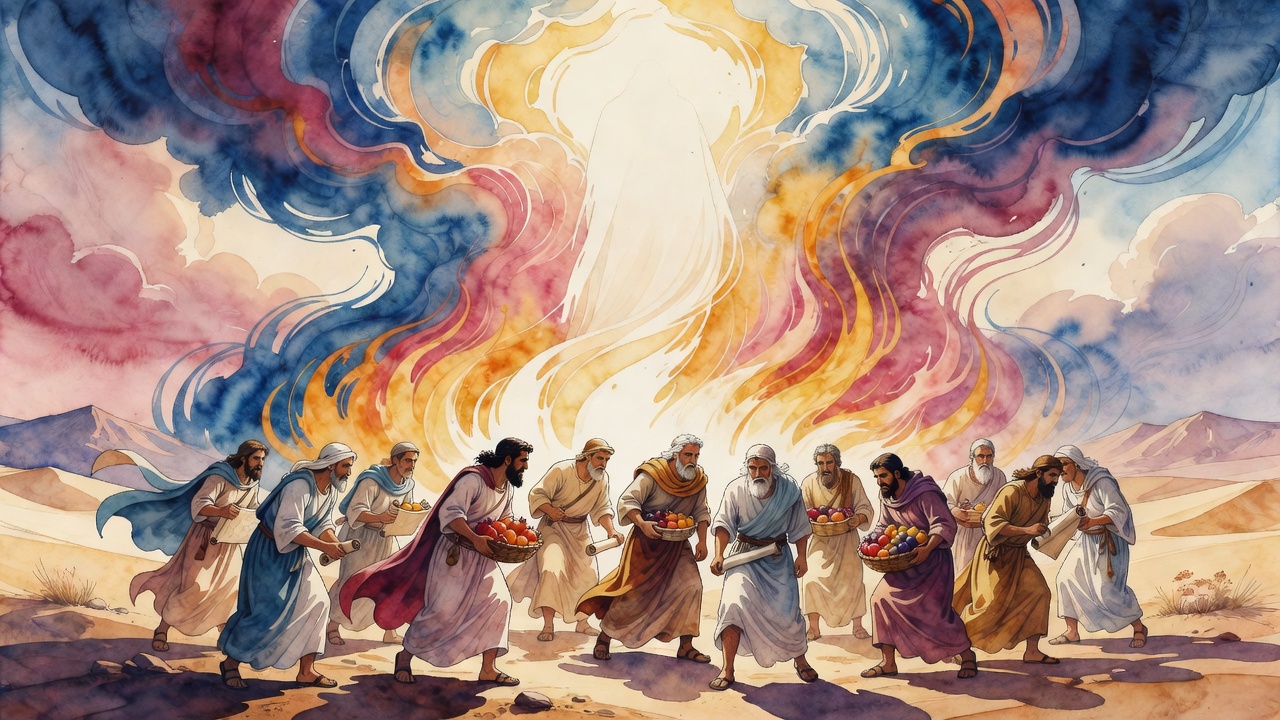
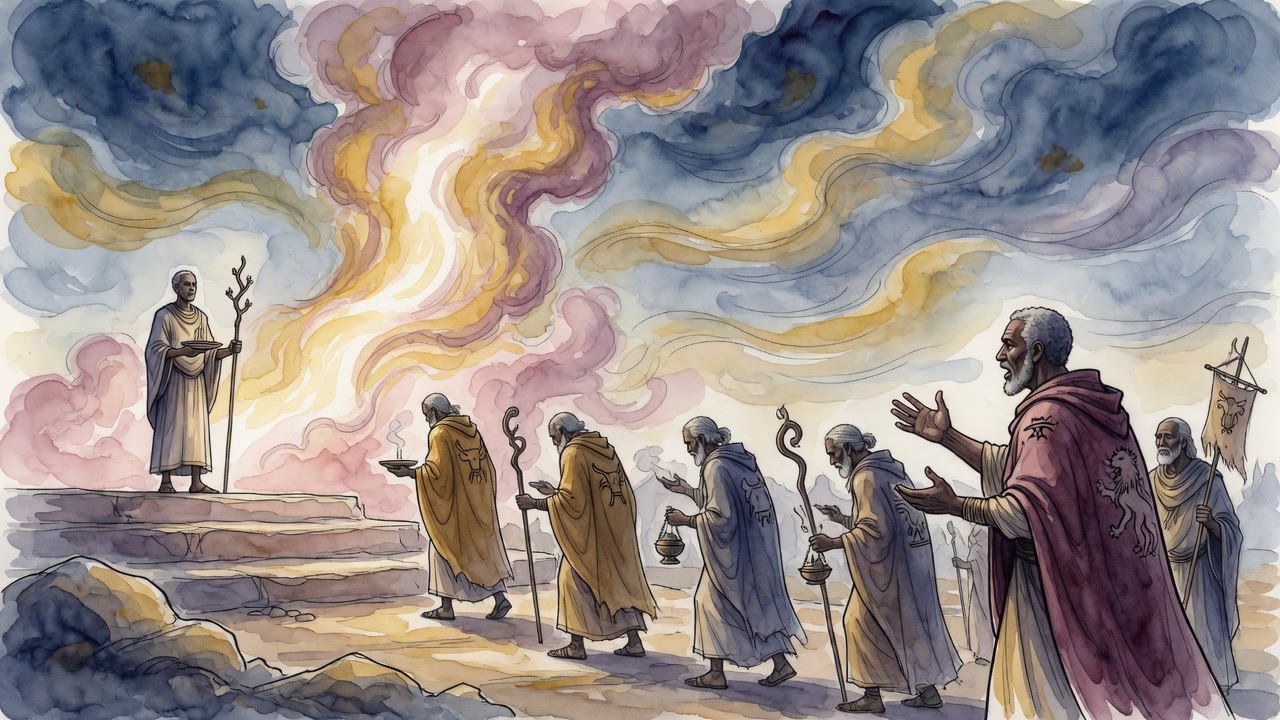
He had also tutored them like a merchant laying out wares. "Go up through the Negev first," he said, the parched strip, the least of the land. Taste the worst soil before the glory, so the heart does not faint when the good fields open. Read a people by its camps. Men who sleep in the open trust their strength. Men who huddle behind walls are already half beaten. Flint underfoot means fat earth. Crumbling clay means lean. They went up in the season of first ripe grapes, and that calendar itself became a witness against them when they returned with fruit in hand and poison in their mouths.

Heaven Counts One Companion

Caleb would later take soil under his own feet as inheritance. Joshua would carry the letter that the ten threw away. Between them stood the camp on the day of return, the bench, and the man who would not let Moses and Aaron finish their silence alone. The Holy One spoke of Caleb with a tenderness reserved for companions. Great goodness waited for him. Scripture would carve an exception around his name. The sages heard inside that "except" another sound: this one accompanied Me. One faithful soul walking beside God outweighed six hundred thousand who could not find their hands when fear spoke first.

The grapes still hung from the pole. The walls of the land still stood far away. The ten still had their mouths. Women clutched children. Old men covered their ears. The bench creaked under Caleb's weight. He did not argue maps. He argued the goodness of the land itself, twice over, exceedingly, until the word had more body than the giants in the ten men's stories. Somewhere at the edge of the crowd, a man ready to turn back toward Egypt found his feet rooted. Not everyone was convinced. Enough were stopped to make the moment count. For a breath the camp heard a different report, and the man on the bench did not climb down until the truth had room to stand.


← All myths
From the tradition

Sources

5 sources

The texts behind this telling. Some cards carry a translation of the source; others are our own retelling of it, and each card says which. Every card links out to the original.

Midrash Tanchuma Buber, Sh'lach 2:1Midrash Tanchuma Buber, Sh'lach

Translation of the source text.Midrash Tanchuma (Buber), Public Domain, on Sefaria · CC-BY-SA

(Numbers 13:2:) "Send men that they may scout out the land," and so forth. This is what Scripture says (Psalms 76:6): "The stout-hearted were despoiled; they slumbered their sleep; and none of the men of valor found their hands." "The stout-hearted were despoiled", this refers to Moses and Aaron. After they sent out the spies, and these came and spoke slander against the land, they did not know what to do; rather, even Moses and Aaron grew slack in the matter. Immediately Caleb stood up and silenced all those multitudes, as it is said (Numbers 13:30): "And Caleb hushed," and so forth. He stood upon the bench and was silencing them, and he said to them: "And is it only this that the son of Amram has done for us?" And they fell silent to hear from him. He said to them (Numbers 14:7): "The land is exceedingly, exceedingly good." The Holy One, blessed be He, said to Moses: "I hold great goodness in store for Caleb," as it is said (Deuteronomy 1:36): "Except Caleb son of Jephunneh." What is "except" (zulati)? This one accompanied Me (zeh lavah iti) more than the six hundred thousand of you. You did not find your hands; therefore you grew slack. Thus it is said: "The stout-hearted were despoiled," and so forth. Why all this? Because the agents were foolish. [Concerning them Solomon said (Proverbs 26:6):] "He who sends words by the hand of a fool cuts off the feet, drinks violence."

Full source
Midrash Tanchuma Buber, Sh'lach 5:1Midrash Tanchuma Buber, Sh'lach

Translation of the source text.Midrash Tanchuma (Buber), Public Domain, on Sefaria · CC-BY-SA

[(Numbers 13:2:) "Send for yourself men ( anashim )."] In every place where "men" ( anashim ) is stated, they are righteous, [for so it says (Exodus 17:9): "And Moses said to Joshua: Choose for us men ( anashim )."] And so it says (1 Samuel 17:12): "And the man in the days of Saul was old, advanced among men ( anashim )." And so too Hannah says (1 Samuel 1:11): "And You will give to Your handmaid offspring of men ( anashim )." Yet these you call fools, (Proverbs 26:6:) "one who sends words by the hand of a fool!" And they were called fools only because they brought forth an evil report against the land, as it is said (Proverbs 10:18): "And one who brings forth a slander is a fool." And even so they were great men, but they made themselves into fools. And concerning them Moses says (Deuteronomy 32:20): "For they are a generation of reversals," and so forth, for they were chosen from all Israel by the word of the Holy One, blessed be He, and by the word of Moses, as it is said (Deuteronomy 1:23): "And the matter was good in my eyes, and I took from you," and so forth. [From here] you say that they were righteous in the eyes of Israel and in the eyes of Moses. And Moses too did not wish to send them until he had taken counsel with the Holy One, blessed be He, about each and every one, [and he said:] "So-and-so [of such-and-such a tribe]," and the Holy One, blessed be He, said to him: "They are worthy," as it is said (Numbers 13:3): "And Moses sent them from the wilderness of Paran by the word of the Lord, [all of them men, heads of the children of Israel were they]." And afterward, at the end of forty days, they turned about and wrought all that distress, and they caused that generation to be struck with that plague, as it is said: "For they are a generation of reversals", for they had been proven righteous [and then they reversed]. Therefore it is said: "Send for yourself men."

Full source
Midrash Tanchuma Buber, Sh'lach 8:1Midrash Tanchuma Buber, Sh'lach

Translation of the source text.Midrash Tanchuma (Buber), Public Domain, on Sefaria · CC-BY-SA

[(Numbers 13:2:) SEND MEN FOR YOURSELF.] When they said to Moses (in Deuteronomy 1:22), "Let us send men," Moses began standing and wondering. He said: It is impossible for me to do anything until I take counsel with the Holy One, blessed be He. He went and took counsel. He said to Him: Such-and-such Your children are requesting. The Holy One, blessed be He, said to him: This is not the beginning for them. While they were in Egypt they mocked Me, as it is said (Hosea 7:16), "This was their derision in the land of Egypt." They are accustomed to this. I have no need, as it is said (Daniel 2:22), "He knows what is in the darkness, etc." The Holy One, blessed be He, said to Moses: I know what they are [saying]; but if you wish, send [men for yourself], for your own sake. From where? As it is written (Numbers 13:16), "These are the names of the men whom Moses sent to spy out the land."

Full source
Midrash Tanchuma Buber, Sh'lach 4:1Midrash Tanchuma Buber, Sh'lach

Translation of the source text.Midrash Tanchuma (Buber), Public Domain, on Sefaria · CC-BY-SA

"Send for yourself men" (Numbers 13:2). This is what Scripture says: "Like vinegar to the teeth and like smoke to the eyes, so is the lazy one to those who send him" (Proverbs 10:26). The spies were recognizable as those who would speak slander against the land, as it is said: "And they bend their tongue, their bow of falsehood; and not for truth have they grown strong in the land" (Jeremiah 9:2). To what is the matter comparable? To a king who had a vineyard. When he sees that the wine is good, he says to his tenant-farmers, "Bring it into my house"; and when he sees that it is vinegar, he says to his tenant-farmers, "Bring it into your houses." So too here: when the Holy One, blessed be He, saw that the elders were worthy, He called them by His own name, as it is said: "Gather to Me, etc." (Numbers 11:16). When He saw that the spies were destined to sin, He called them by Moses' name, as it is said: "Send for yourself."

Full source
Midrash Tanchuma Buber, Sh'lach 9:1Midrash Tanchuma Buber, Sh'lach

Translation of the source text.Midrash Tanchuma (Buber), Public Domain, on Sefaria · CC-BY-SA

(Numbers 13:16:) "AND MOSES CALLED HOSHEA BEN NUN JOSHUA." And what did Moses see to add a yod to the name of Joshua? Rather, Caleb took his reward from the land, as it is said (Joshua 14:9): "SURELY THE LAND ON WHICH YOUR FOOT HAS TROD ," and so on. And Joshua the reward of the ten spies, so that a yod, ten, was added to his name. "AND MOSES CALLED HOSHEA BEN NUN JOSHUA." [Another interpretation:] When Moses saw that they were very wicked, Moses said to him: May Yah save you from this evil generation.

Full source