Pharaoh Stripped Levi of Its Redemption Scrolls
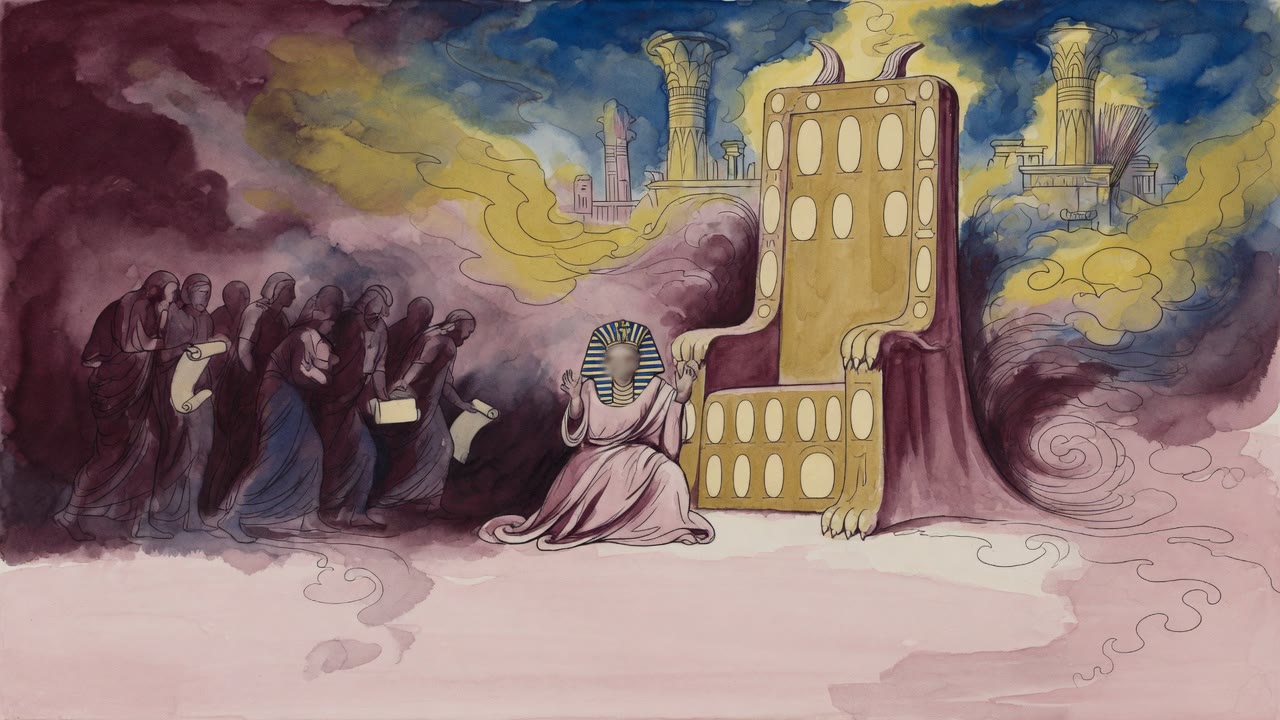
Pharaoh tore the Levites scrolls of hope and drove Israel to bleed in the clay, while the people cried like a lamb between wolf and shepherd.
Table of Contents
 Click for full size
Idle Hands, He Said
The tribe of Levi had been spared the forced labor that crushed the rest of Israel, and Pharaoh resented their freedom. You only ask to go and worship because you have time on your hands, he charged Moses and Aaron. Get back to your burdens.
Then he aimed at something deeper than muscle. The Levites kept treasured scrolls, and from Sabbath to Sabbath the people would read them aloud, comforting themselves with the promise that the Holy One, blessed be He, would redeem them. Let them not lean on these lying words, Pharaoh ordered. Strip away their rest, their study, and their hope.
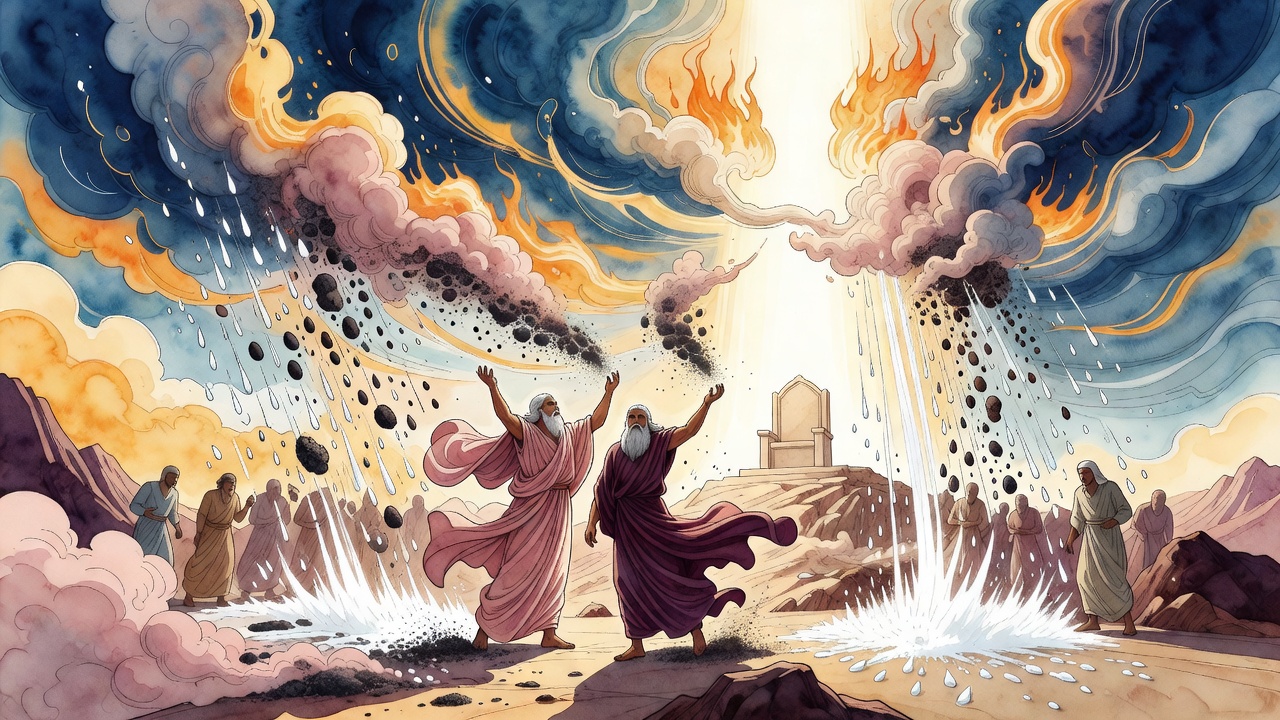
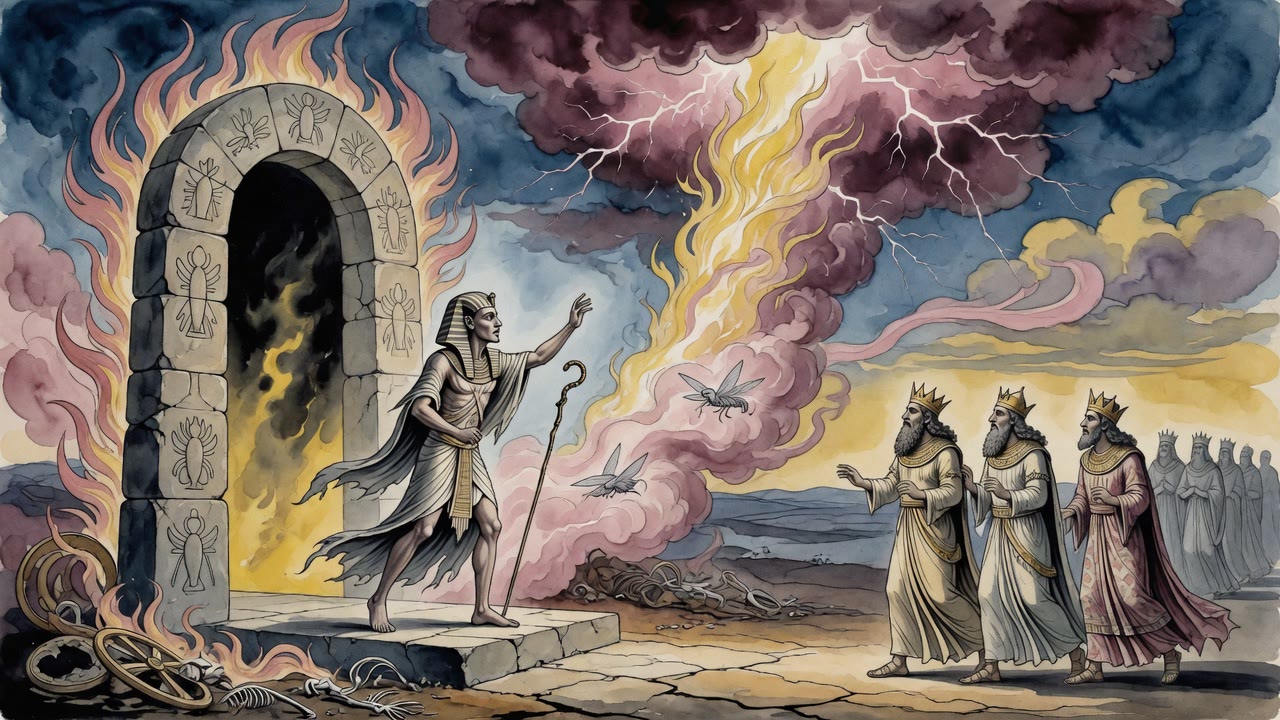
God answered the cruelty with a verdict. Tomorrow the plagues begin.
Blood in the Clay
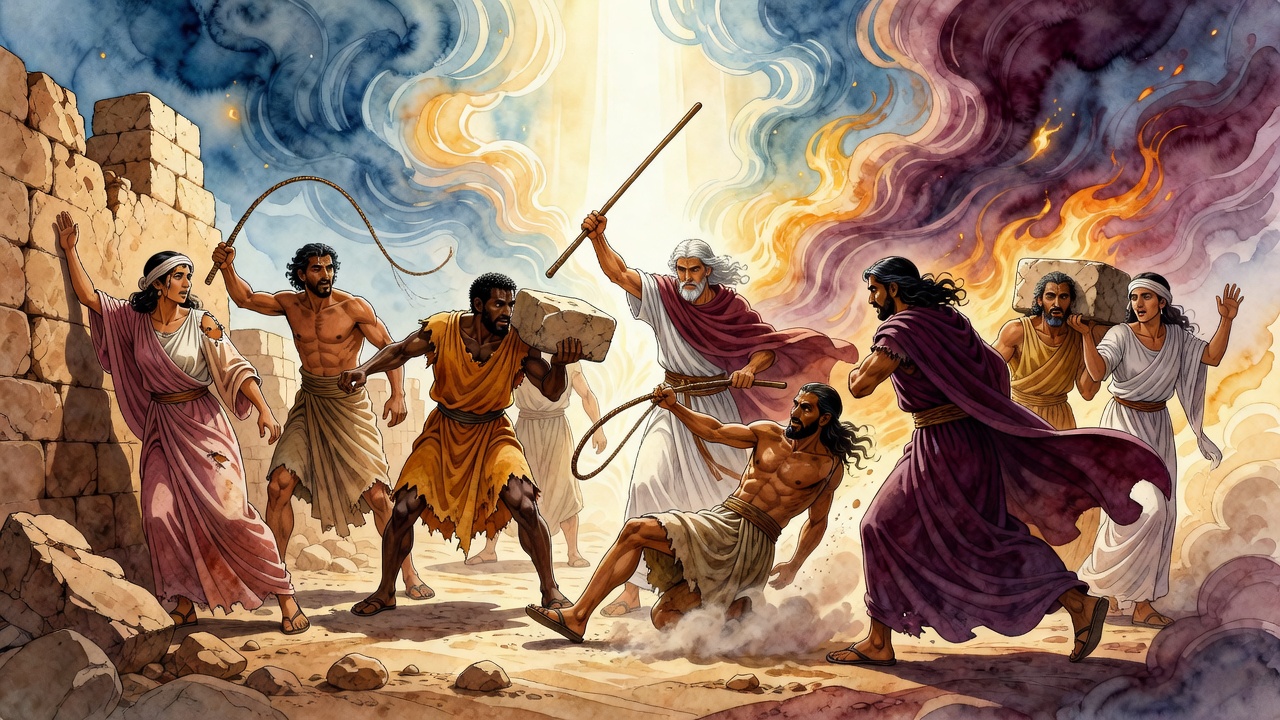
The taskmasters drove the Israelites into the fields to scavenge stubble for bricks, and any Egyptian who spotted a Hebrew on his land would beat him, so the people scattered across the whole country in search of straw. The midrash records a horror from the brickyards. The stubble tore open their heels, and their blood ran into the wet clay.
A pregnant woman named Rachel, descended from Methuselah, trod the mortar beside her husband until the infant slipped from her womb and was crushed into the brick mold. The angel Michael came down, lifted that child before the Throne of Glory, and that same night every firstborn of Egypt was struck dead.
Pharaoh had torn paper hope from Levi. Heaven answered with a ledger written in firstborn blood.
The Lamb Between Wolf and Shepherd
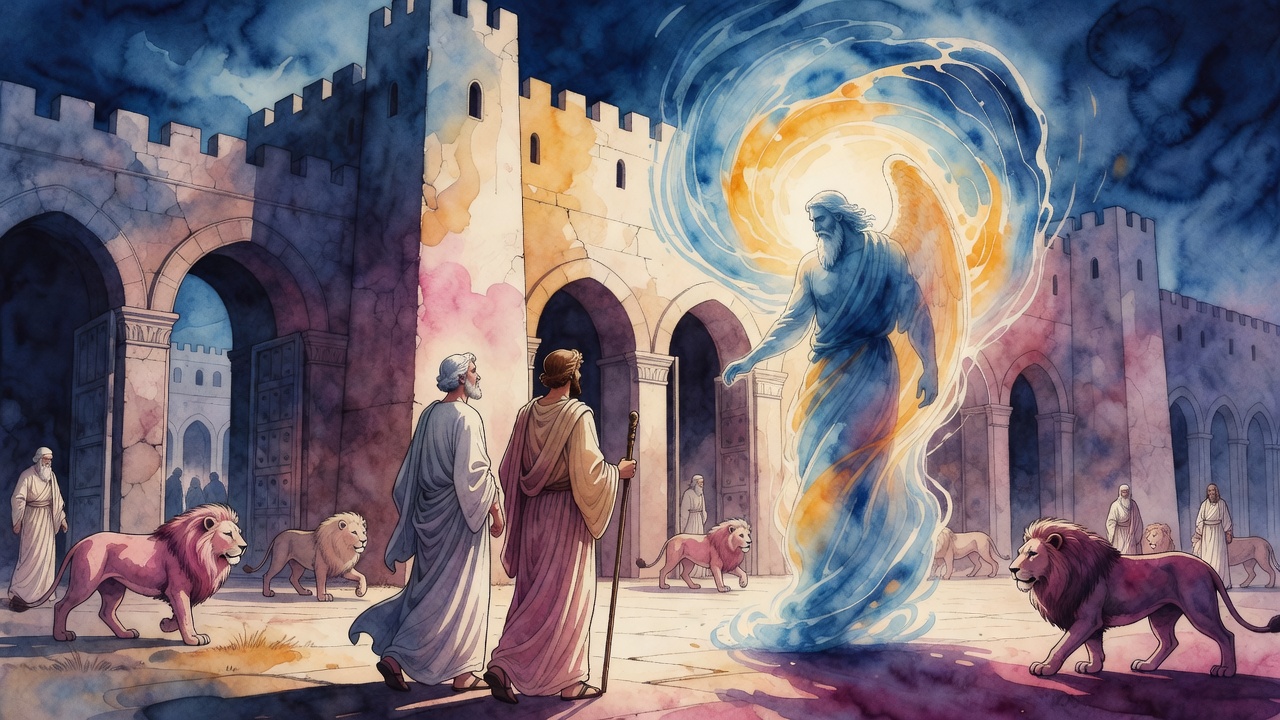
The first sign of deliverance felt instead like betrayal. As Moses and Aaron left Pharaoh's court, two men stood waiting for them, Dathan and Abiram, the same pair who would later rise up with Korah. May the LORD look upon you and judge, they spat. You have only made our slavery worse.
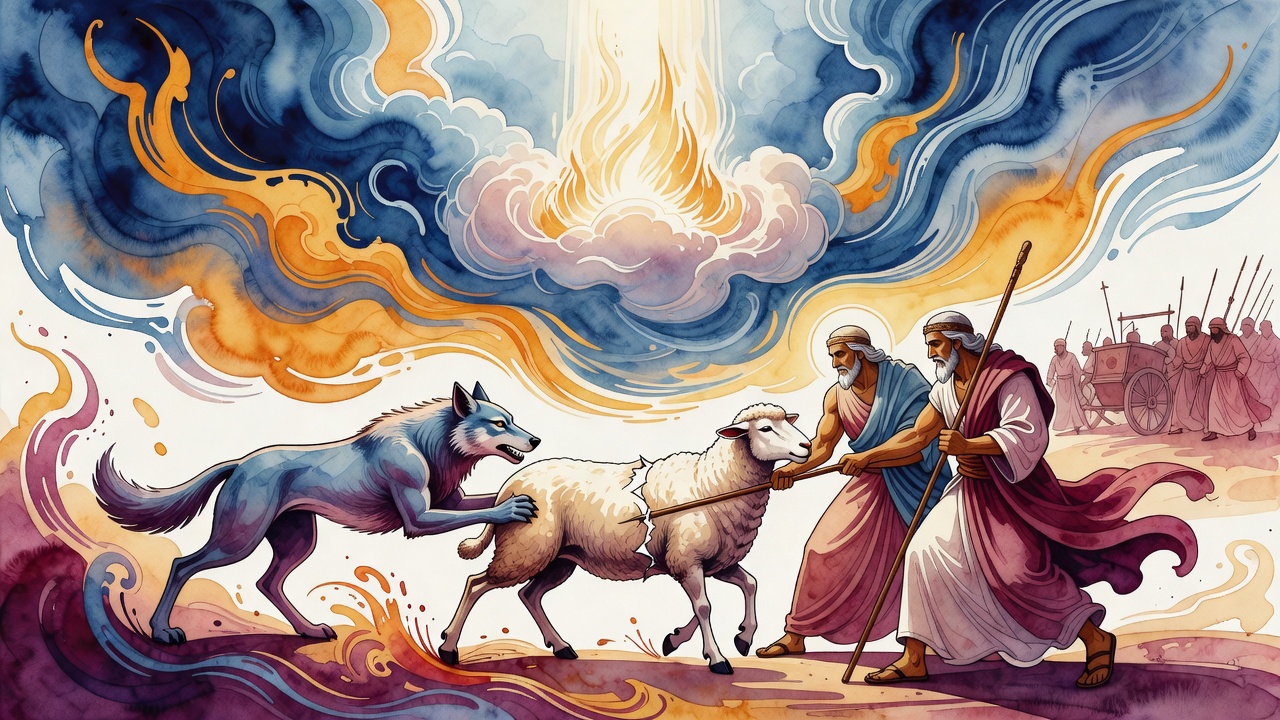
Rabbi Yehudah the Levite gives the people a parable to voice their anguish. We are like a lamb caught between the wolf and the shepherd, they said. The wolf snatched the lamb from the flock, and the shepherd ran after to rescue it, but the wolf clung to its prey and dragged it the other way. Pulled between the two, the poor lamb was torn apart.
That is us, the Israelites cried. Trapped between Pharaoh's fury and Your demands, we are the ones being crushed.
Moses Carries the Complaint Up
Moses carried the complaint straight to heaven. Why have You brought harm on this people? he asked. Their bitter words echoed the warning they had given back in Egypt: leave us alone, let us serve the Egyptians in peace. But God answered with a promise of imminent rescue. Now you shall see what I will do to Pharaoh, for with a strong hand he will send them out, and with a strong hand he will drive them from his land (Exodus 6:1).
A Charge With No Flattery
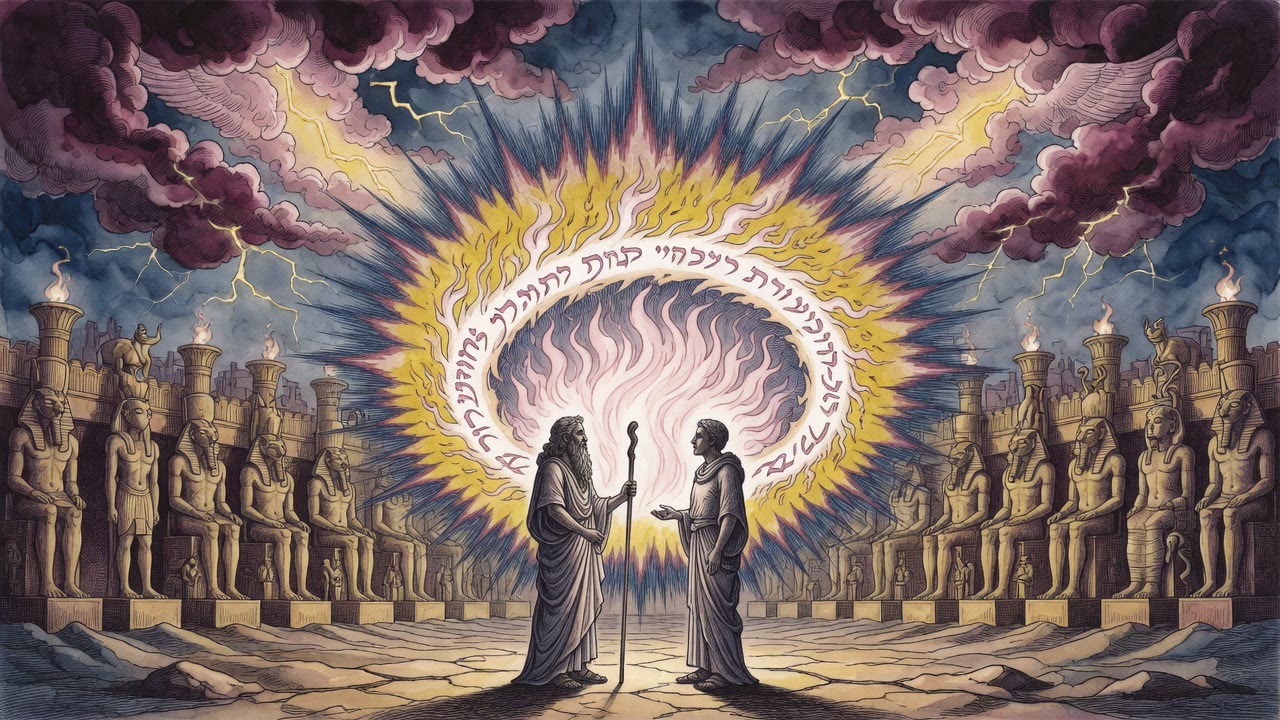
When God first handed Moses and Aaron their commission over Israel, the rabbis hear something blunt in the words that gave them a charge. This is no ordinary appointment. It is a warning attached to the job. Know this, He tells them: My children are stubborn and difficult, and you must take them on with your eyes open.
The people may curse their leaders. They may even take up stones. Moses and Aaron are not promised gratitude. They are told the truth in advance, and asked to accept the burden anyway. The lamb's cry is part of the contract. So is the shepherd's refusal to let the wolf keep the meat.
Pharaoh thought he could erase redemption by confiscating scrolls. He only proved why the plagues had to start, and why leadership of Israel would never be a soft appointment.
The scrolls had been soft power, read aloud when muscles failed. Pharaoh understood that hope is a kind of rest, and rest is a kind of rebellion. He went after the Levites' books the way he went after straw, stripping the week of its comforts until Sabbath itself felt like a crime. Moses and Aaron watched a people scatter into fields to scrape stubble, heels cut open, blood ribboning into clay that would harden into empire.
Rachel's child disappeared into a mold, and Michael's ascent with that small body made the Throne a witness no brick could hide. That night Egypt's firstborn learned what it costs to crush hope into mortar. Still, the morning after Moses first confronted Pharaoh, the streets filled with a different sound: not gratitude, but the bleating of a lamb pulled two ways.
Dathan and Abiram named the tear. Wolf. Shepherd. Us in the middle. Moses took their spit and their parable upstairs and demanded an answer. God had already warned him the flock would be stubborn. The charge had never promised applause. It promised truth. Lead them anyway. The scrolls would return as plagues, as a sea, as a song. First they returned as a prophet willing to stand between an angry heaven and an angrier brickfield.
← All myths