Zelophehad's Daughters Climbed Every Court Until Heaven Answered
Women refuse gold for the calf and never sit in the spies counsel. Five sisters climb every court until Moses lifts their case to Heaven and the Land answers.
Table of Contents
 Click for full size
Gold That Stayed on Women's Hands
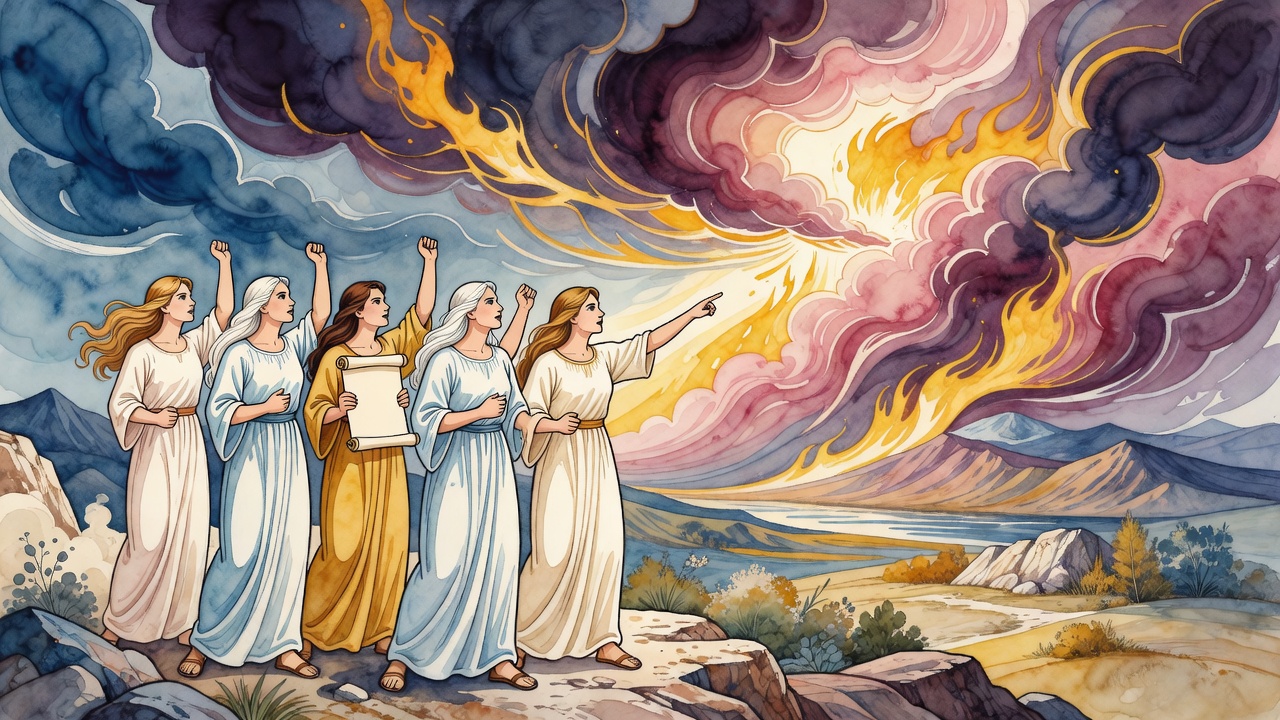
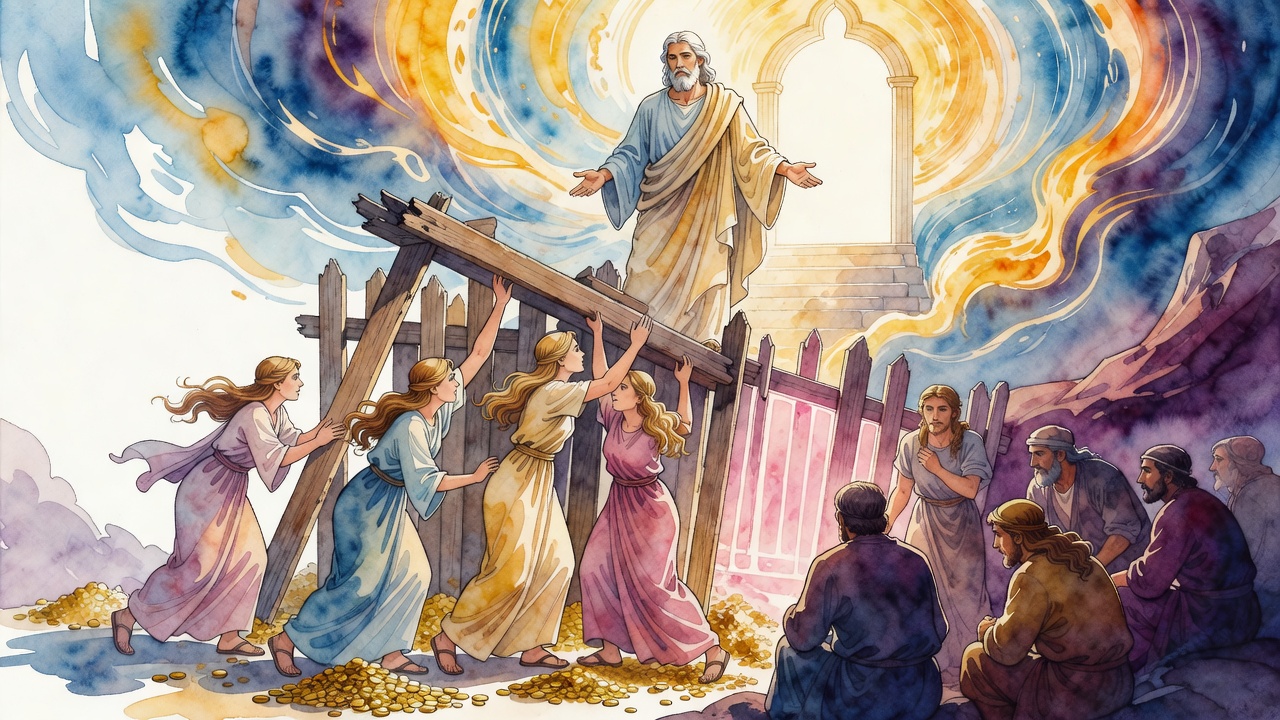
When Aaron said, "Take off the golden rings," the men gave theirs gladly. Earrings hit a pile. Necklaces followed. The women of that generation argued and held back. No woman's hand went into the calf. Fingers closed on gold and would not open for a lie. Where the men tore a fence, the women built one.
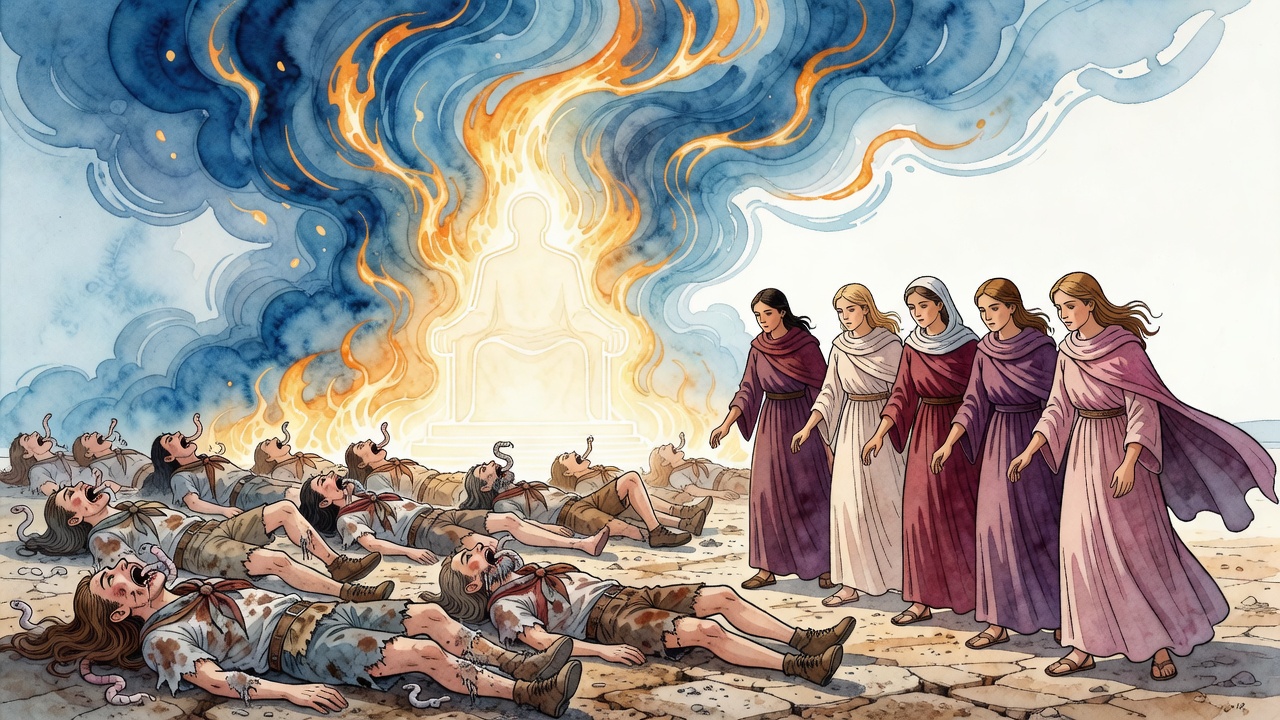
So too with the spies. The men who brought the evil report cried, "We are not able to go up," and the decree of death in the wilderness fell upon them. The women were never seated in that fearful counsel. When the verse declares they shall surely die in the wilderness, and there was not left a man of them, mark the word. A man, and not a woman. The men refused the land. The women yearned for it. That is why five sisters drew near to ask their portion. Their feet carried a hunger their fathers had thrown away.
Mahlah, Noah, Hoglah, Milcah, and Tirzah did not come as petitioners begging a favor. They came as heirs refusing erasure. Their father's name was about to vanish from the map for want of a son, and they would not let the wilderness finish what the spies had begun.
The Climb Through Every Court
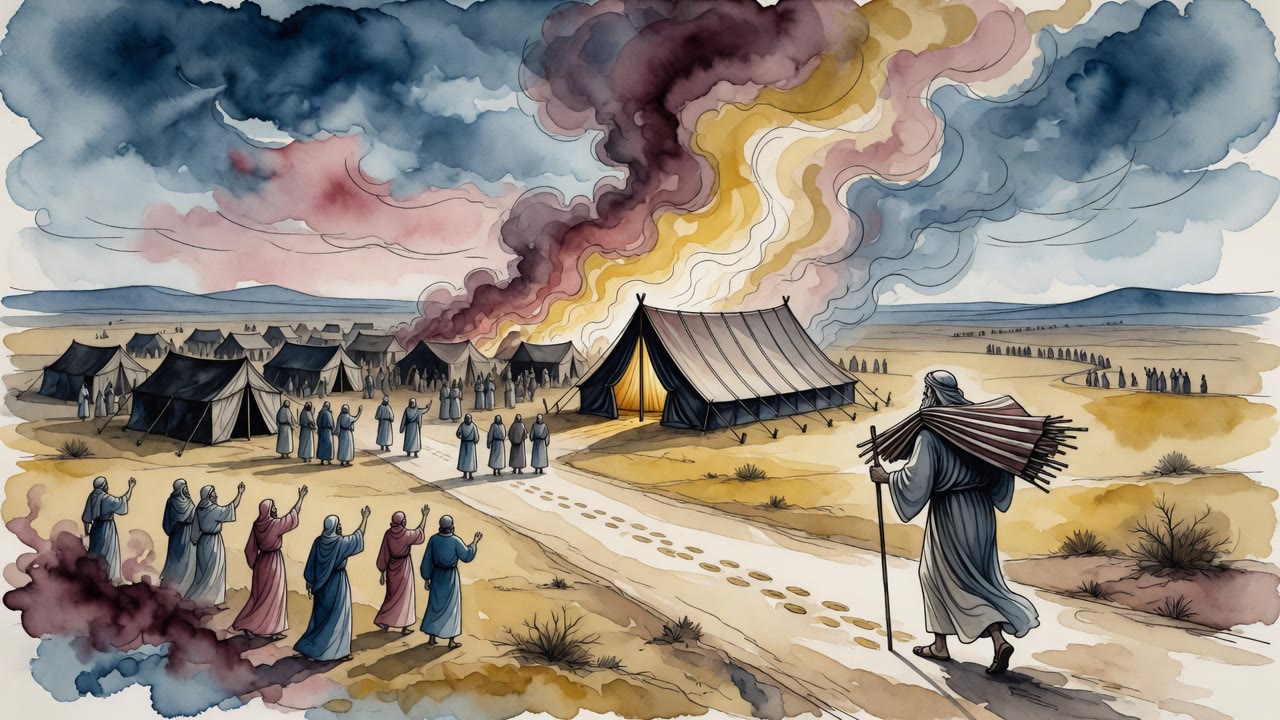
The daughters of Zelophehad stood first before the chiefs of tens. Dust of the assembly stuck to their hems. "This is inheritance," the chiefs said, "too weighty for us. Go to those greater." Up they went to the chiefs of fifties, who had watched the deference and repeated it. So too the chiefs of hundreds, the chiefs of thousands, the princes of Israel. Not one would open his mouth before a man greater than himself. The case rose like a ladder built of refusals that were also honors.
The case reached Moses. Here is the wonder one master taught: Moses already knew the ruling. He could have spoken and closed the matter. He reasoned otherwise. If I decide here, I strip every one of these men of the honor they showed in deferring upward. For me too there is One greater than I. He carried their plea higher still, before the Holy One. Humility became the last rung of the climb.
They Speak Rightly
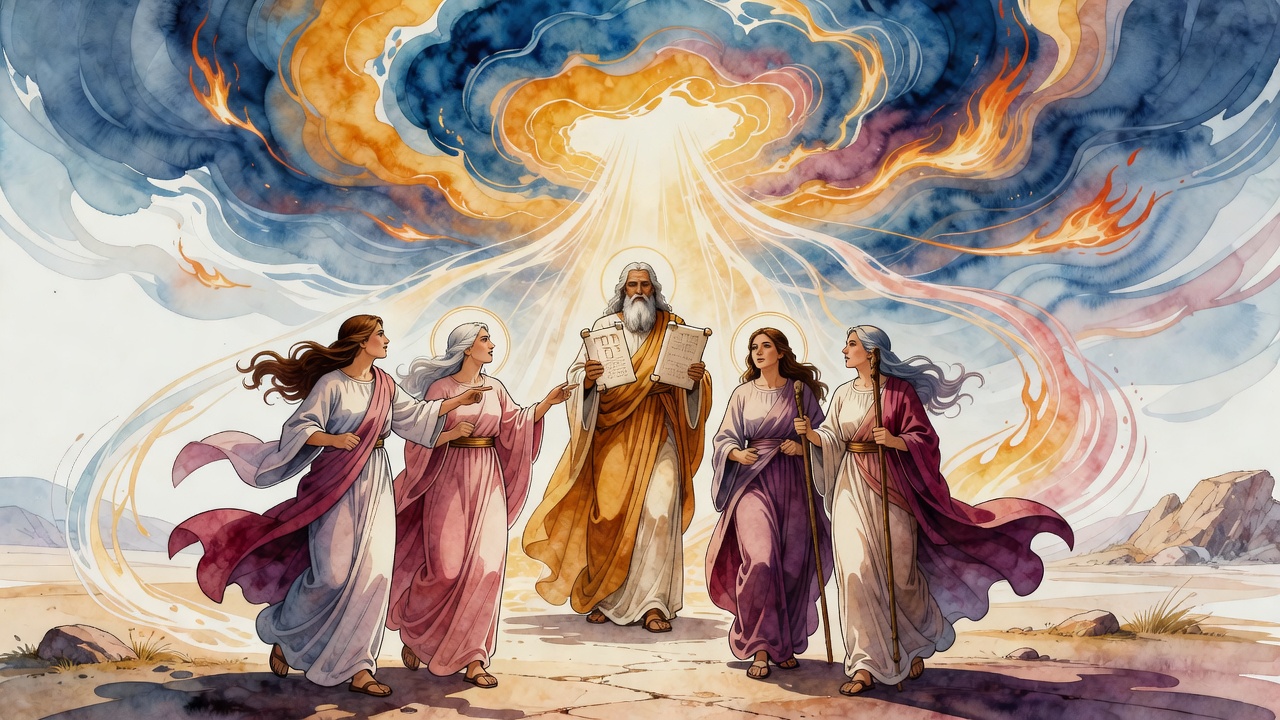
The answer came down clear. "The daughters of Zelophehad speak rightly." Heaven conceded to the words of these sisters, confirming that humility, even in the lawgiver, can walk truth all the way home. "You shall surely give them a possession among the brothers of their father." The camp heard a verdict that sounded like relief and like justice at once.
The doubled verb opened like a gate on both hinges. Movable property of the household. Their father's share among those who came up from Egypt. His portion in the estate of Hepher, their grandfather. Because their father was a firstborn, a double measure. Three portions gathered into living hands so a dead man's name would not be erased from the map of the land. Chattels. Birthright. Firstborn's extra. The ledger of the dead became the living sisters' ground.
Hope That Must Not Cling
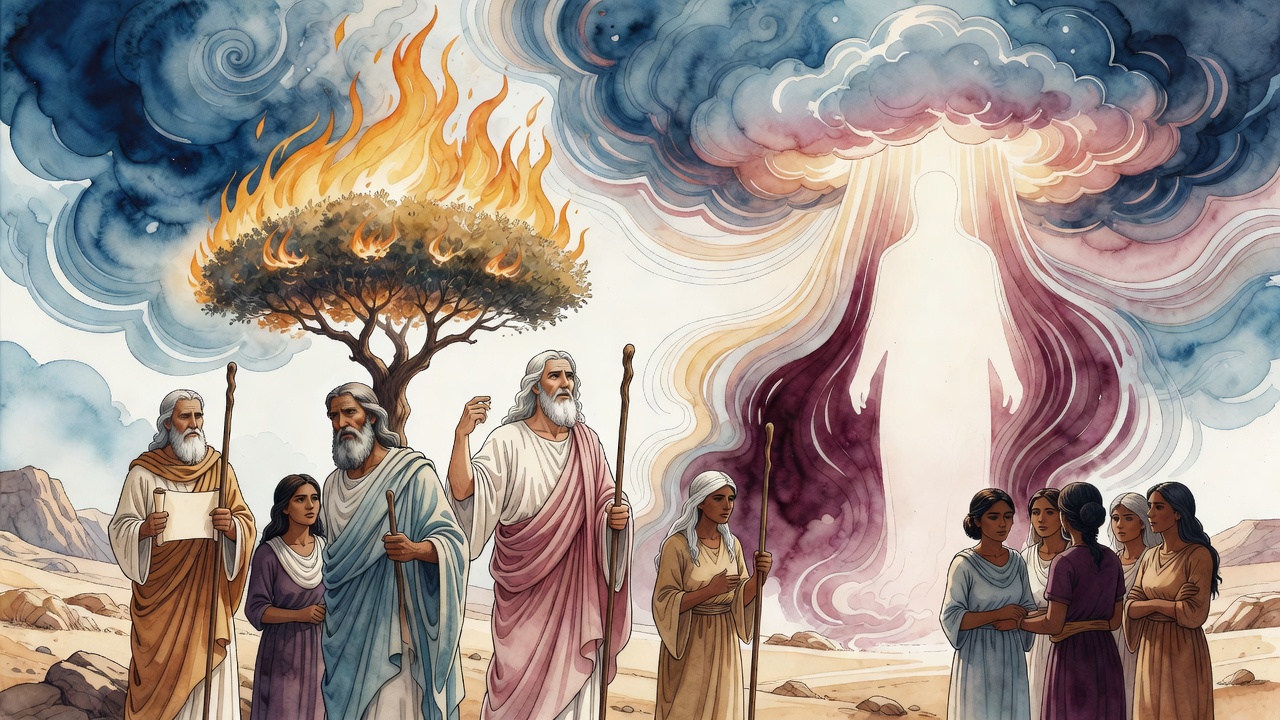
Moses heard "give" and his heart lifted. He had pleaded so long to enter the Land. Now he was the one apportioning hills and valleys to every tribe. "If I divide the Land, surely I will walk in it." Maps unrolled in his mind. Borders took shape under his tongue. The Holy One saw the hope rising and would not let him cling to a false comfort.
"My decree stands in its place. It has not moved. Settling the inheritance of Israel is one thing. Entering the Land is another. Go up onto Mount Abarim and see the Land from afar, then be gathered to your people as your brother Aaron was gathered. You are no finer than your brother." The mercy that let Moses divide also reminded him he would not cross. He could give what he could not keep.
Over the Wall of the Jordan
The sisters received twice over: a share on the eastern side of the Jordan in the days of Moses, and a share within Canaan itself when they came again before Eleazar, before Joshua, and before the princes. Jacob had already glimpsed it when he blessed Joseph. Daughters stepped over a wall. The wall was the Jordan that rose like a barrier before Moses. Over that water the daughters of Joseph's line would step, taking inheritance on this side and on that.
What Moses could not cross, these righteous women crossed. The promise reached across the river, and prophecy had seen them stride over it generations before they were born. Where the men of the wilderness broke through and were lost, the women built a fence and lived, then walked into the land their fathers refused. Five names became a path across water Moses would only see from a mountain. The sisters left the assembly with a verdict in their ears and a map not yet drawn under their feet.
← All myths