A Needle of Iron Sent Him Running for Refuge
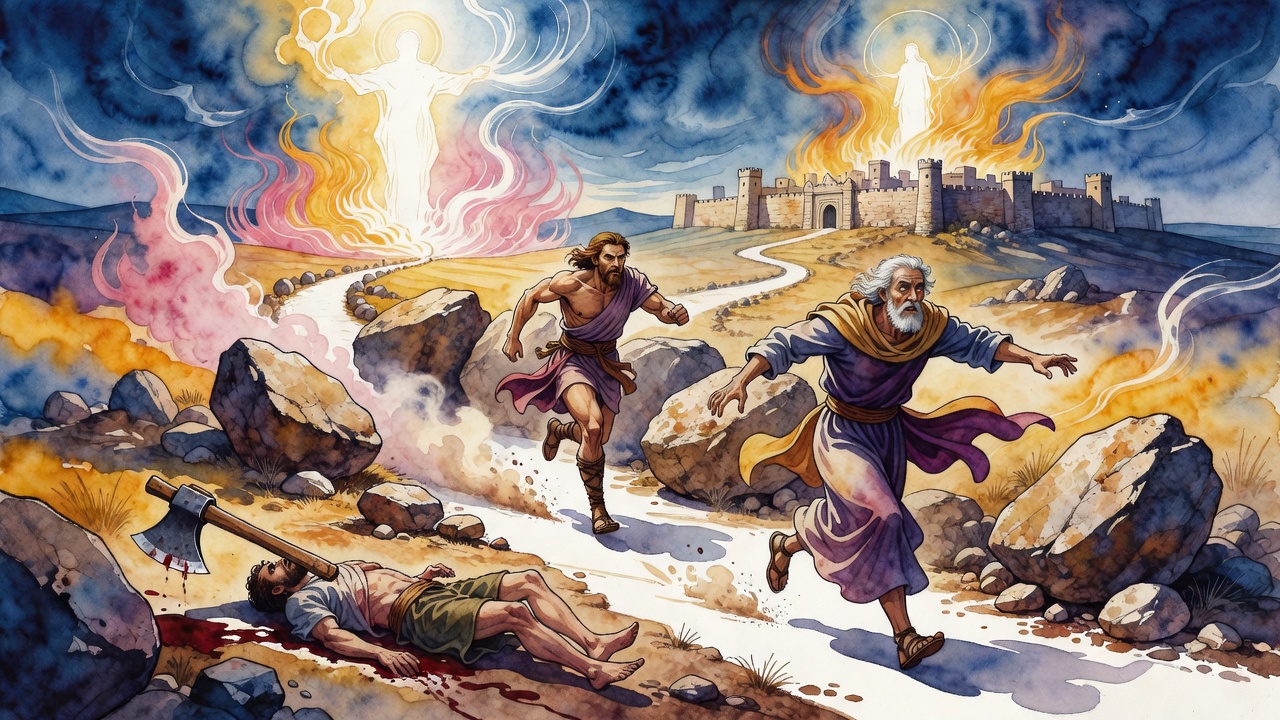
The iron was a leather needle, no longer than a finger. It slipped into a man's throat, and the man holding it ran for the nearest city of refuge.
Table of Contents
 Click for full size
Smaller Than a Knife
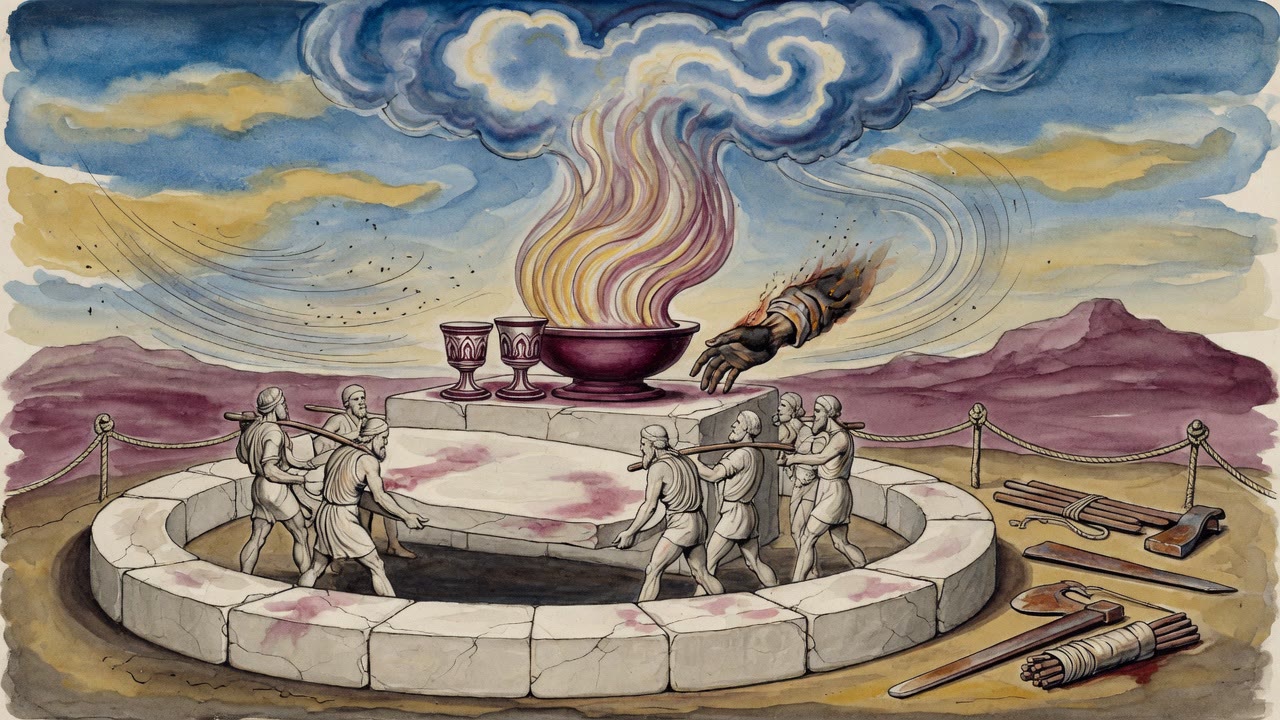
The iron was no longer than a finger, a needle meant for leather, not for war. It slipped. It entered a throat. The man who held it watched blood answer a tool that had never been forged as a weapon. Stone and wood, the Torah measures by what fits in a hand. Iron needs no such measure. A point is enough. Samuel's reading would later say what the runner already knew in his legs: iron kills in any size, and the law names it so no one can hide behind thinness.
He ran.
Roads Before the Crossing
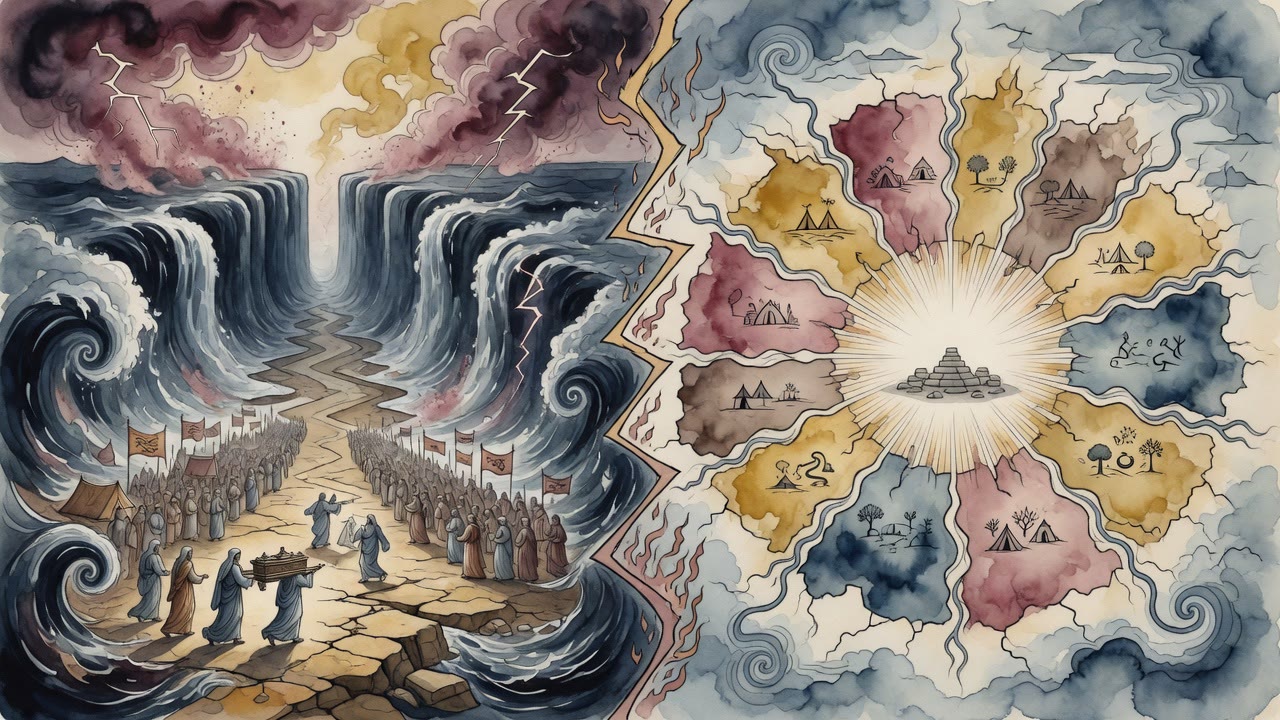
East of the Jordan, Moses had already set three cities of refuge. He also commanded Joshua to prepare the western three once the people crossed, because "you shall designate cities for yourselves" waits for inheritance as well as for urgency. The roads to those cities had to be clear. Signs had to speak. A killer who did not hate, who killed by error, must find the gate before the blood-avenger found him.
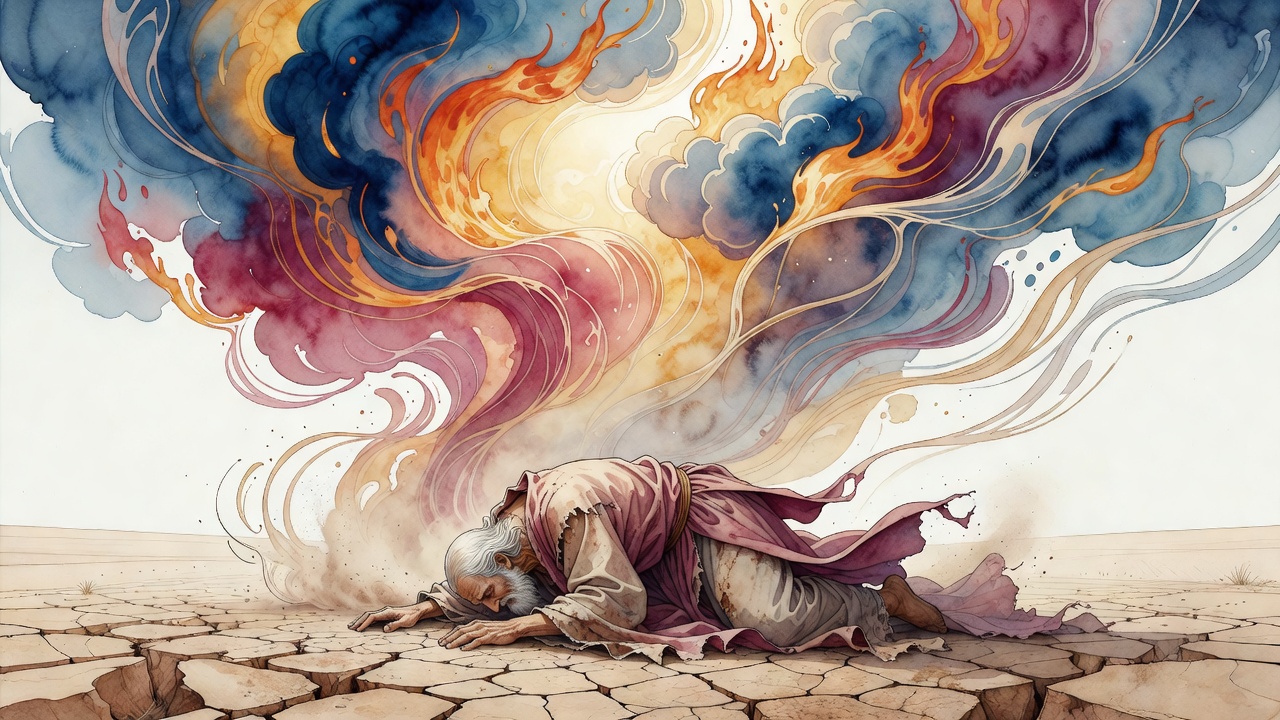
The runner's lungs burned. Behind him a cousin of the dead man took a weapon with a cleaner purpose. Ahead, the nearest refuge city lifted its walls like an answer that might still be too far.
Enmity, Fire, and Water
The same legal air asks harder questions. If you force a person into water or fire and they cannot climb out, you are liable; "or in enmity" opens that door. Confinement can kill as surely as a blade. Damages and murder do not always share rules; sages argue where the analogy stops. The runner had not confined anyone. He had only held iron badly. Still the categories chased him as he ran: accident, instrument, intention, the thin line between exile in a refuge city and a death that settles nothing.
Who Hears First When Law Is Heavy
When vows and tribal order needed speech, Moses spoke to the heads of the tribes first in one verse's staging, and the tradition worries the sequence of hearing: chiefs and congregation, trumpet blast and single blast, who gathers at the tent door and in what order. In a crisis of blood the order simplifies. The accidental killer needs a city, not a committee. The avenger needs restraint more than he needs a speech. Still the structure of listening matters, because a people that cannot order its hearings cannot order its mercies.
The Gate
He reached the gate at dusk. The elders took his account. The needle was shown, ridiculous and absolute. They gave him a place inside the walls where the avenger's hand could not finish what accident began. He would wait for the death of the high priest, that strange clock of atonement, before he could walk free roads again.
Moses, already near his own end east of the river, had made sure such gates existed before the people finished arriving. Joshua would complete the map west of the Jordan. Between them the law refused to let iron's smallness become innocence, and refused to let error become a free hunt. The runner slept on a stranger's floor and dreamed of leather that never needed a needle, and of a throat that stayed closed, and of roads marked so clearly that even panic can read them.
Halfway there he fell and cut his palm on gravel. The blood on his own skin made him gag harder than the blood at the accident. He rose and ran with a wet hand, marking the road in small dark spots the avenger could have followed if the avenger had been calmer. Luck, or mercy, kept the cousin delayed by a neighbor who grabbed his arm and screamed reason into his face long enough for the gap to open.
At the gate the elders asked whether he had hated the dead man. He said they had shared bread two nights before. They asked about the needle. He said leather, only leather. They measured nothing, because iron does not need measure, and they wrote his name among those who would live inside until a high priest's death reset the clock of blood.
In the refuge city he learned a trade that used bone awls instead of iron points. He still flinched at metal flashes in the market. On clear days he looked west and imagined Joshua's crews clearing roads he might never walk. Moses' map had already saved him once. The rest of the map would save others. That thought was the first non-panic thought he had held since the throat opened under his hand.
He learned the names of the gate guards and the hours when the walls felt least like a prison and most like a second chance written in stone.
← All myths