The Ten Scouts Died With Worms While Five Sisters Claimed Their Land
Ten scouts died with worms from their mouths. Five sisters of Menashe waited forty years, then claimed their share of the soil.
Table of Contents
 Click for full size
The Report That Ate Its Speakers
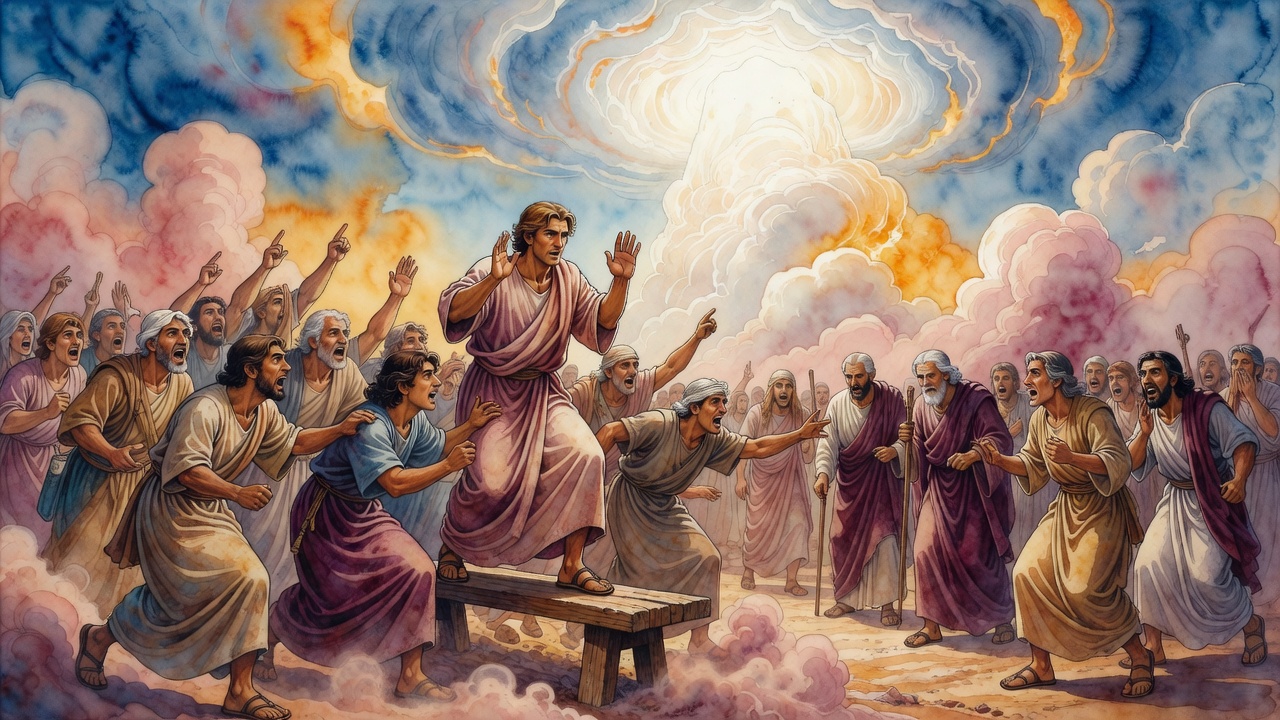
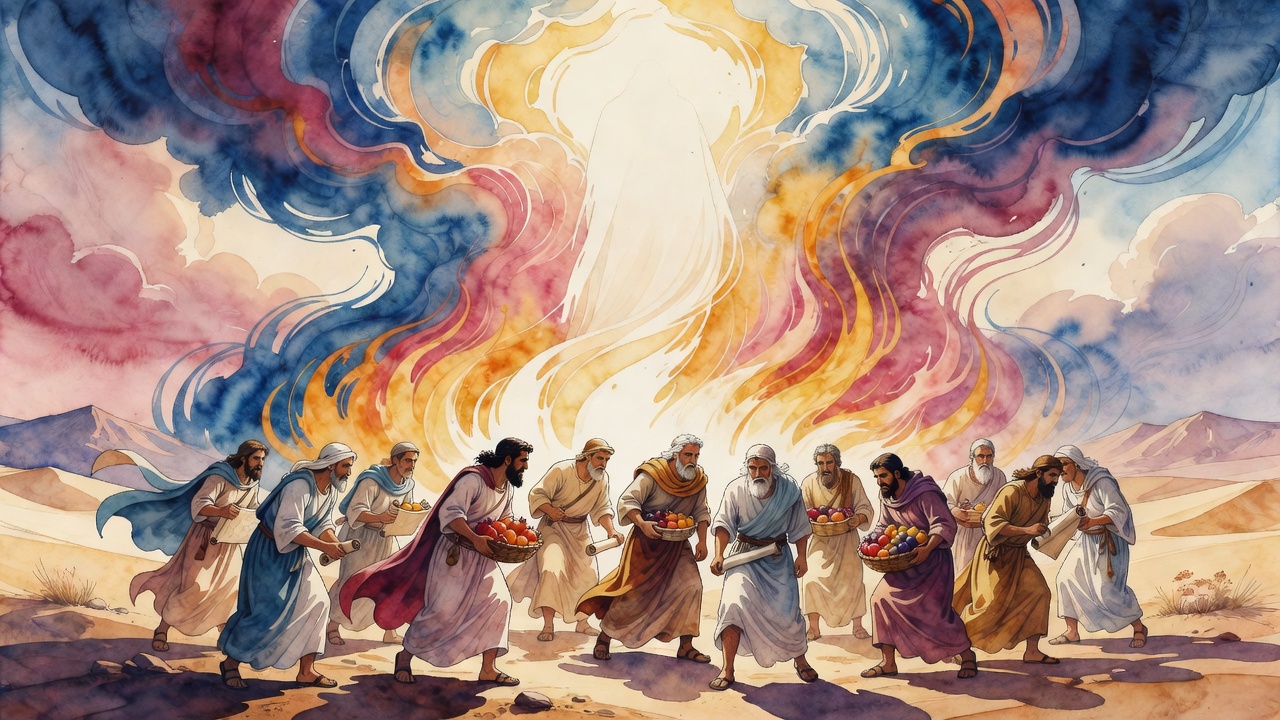
The ten men who had walked Canaan returned with fruit too heavy for one pole and with a sentence that undid the gift. "The land eats its inhabitants," they said, and the camp of Israel folded in on itself like cloth in a fire. Fear ran faster than the grapes. Night fell on tents that had already decided to turn back toward Egypt in their hearts.
The Holy One did not grant them a long illness. A tongue that had tried to devour the land would not be given patience. They died of plague "before the LORD," not as men who never knew His power, but as men who knew it and still chose the story that broke the people.
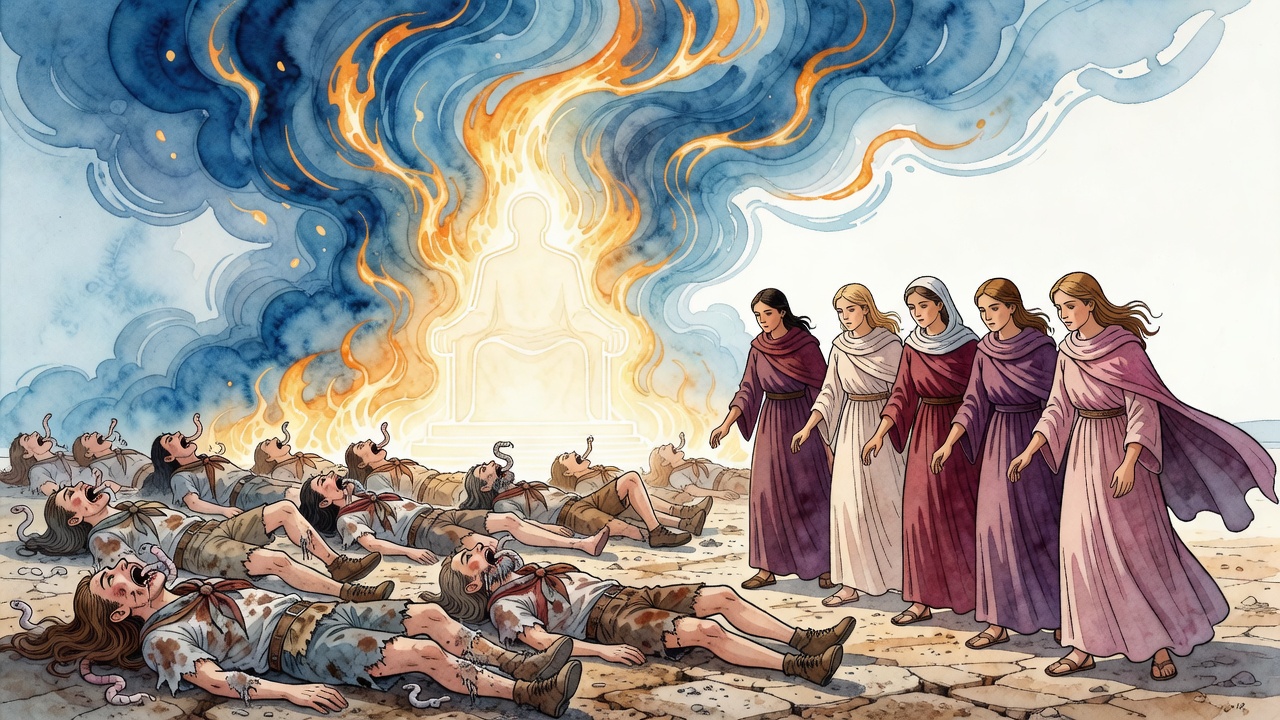
Worms came out of the mouths that had spoken evil and entered their navels. The camp watched measure for measure written on living bodies. With the tongue they had lied; by the tongue they were stricken. The evil trap of Ecclesiastes found them like fish on a hook, suddenly, in the middle of a life that still smelled of desert travel.
What the Camp Learned From the Bodies
Slander is not only words against a neighbor. It can be words against a promise. The land had been called good by the Holy One. The scouts renamed it a mouth that eats. Their own mouths became the site of judgment so that no one could pretend the matter was abstract.
Some later masters spoke of choking disease. Others of limbs falling away. The shared image is simple: the body that carried the report becomes the report's last page. Israel stood and saw. Children hid their faces. Elders did not look away, because the lesson had to sink deeper than argument.
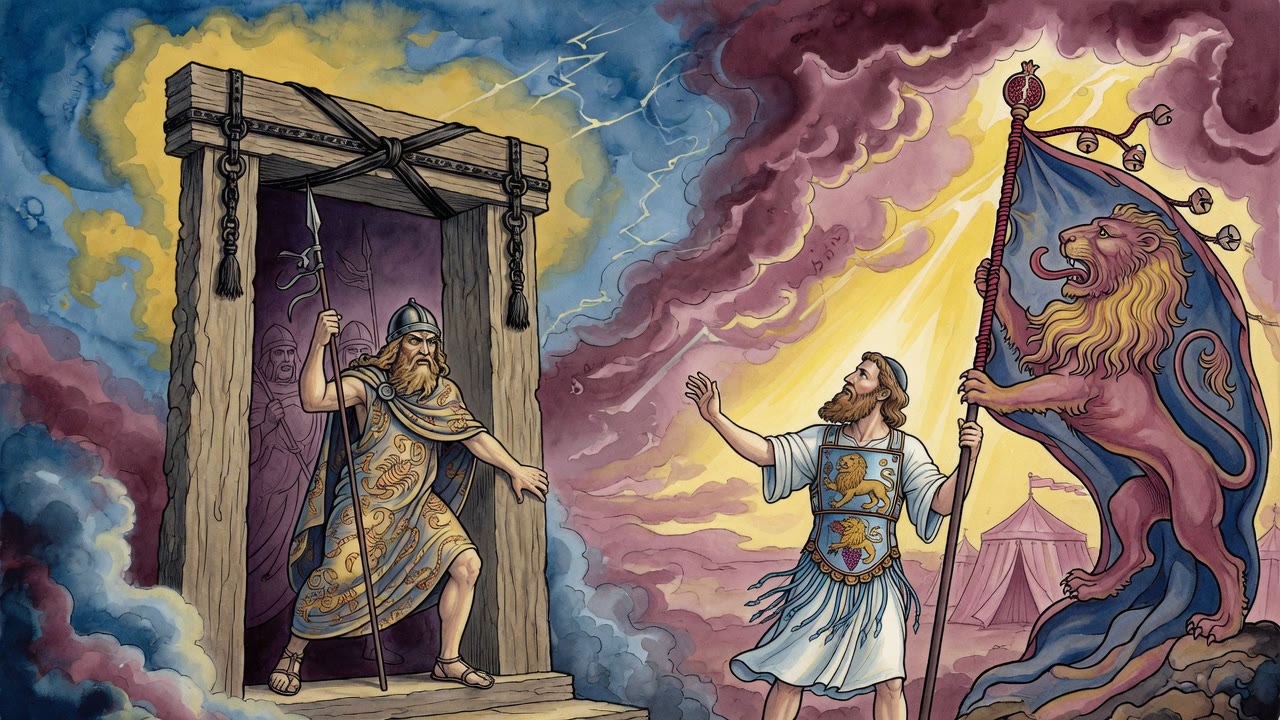
Moses and Aaron fell on their faces. Joshua and Caleb tore their clothes. The plague did not take the two who had spoken for the land. The distinction was public, and it was terrible.
By the next morning the camp moved carefully around the places where the ten had fallen. No one scraped their names from memory, but no one repeated their sentences either. Mothers who had wept for fear of giants now wept for a different reason: they had believed a report that Heaven answered with plague. Caleb still walked among them with dust on his clothes from the land he refused to curse.
The grapes from Eshkol hung in memory like a rebuke. Fruit that large does not grow in a mouth that hates its soil. The people learned, slowly, that loving the land is not the same as being fearless. It is the refusal to turn fear into slander and call the slander wisdom.
Five Sisters Who Waited for a Different Speech
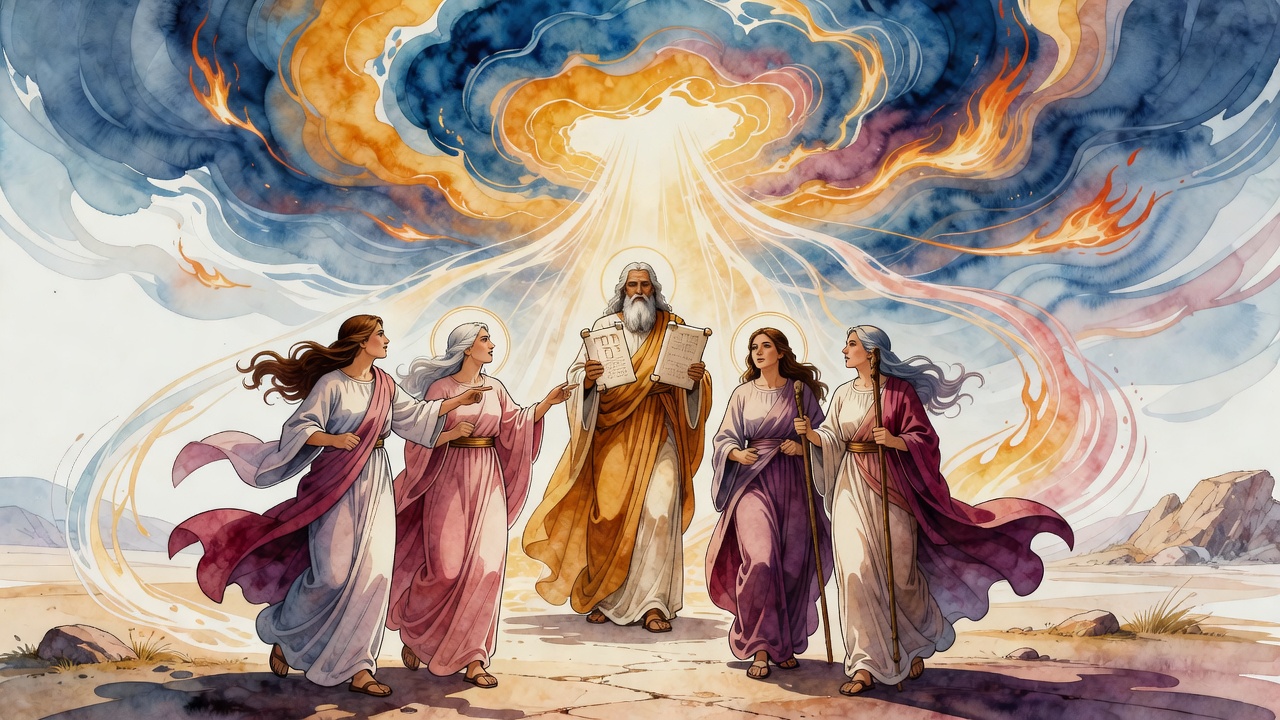
A generation later, when Aaron had gone up Mount Hor and died, five women of Menashe son of Joseph stood before Moses, Eleazar, the princes, and the whole congregation. Their names were Mahlah, Noah, Hoglah, Milcah, and Tirtzah. The Torah lists them in one order here and another order elsewhere so that no one will rank them. All five were equally righteous.
They did not come in the year of the spies. They waited until the generation that hated the land had thinned and died. Then they asked for a holding in the land their father would have received had he lived and left sons. They spoke as people who wanted soil, not as people who wanted to flee it.
The midrash hears Joseph's love of the land in their blood. Joseph had made Israel swear to carry his bones up from Egypt. From his loins came a claim that treated Canaan as home, not as a rumor of giants.
Two Tongues, One Soil
Set the scenes side by side. Ten men return from the land and unmake it with speech. Five sisters never yet walk their inheritance, and still they speak as if the land is already theirs to honor. The same wilderness hears both voices. Heaven answers both.
Plague closes the mouths of the scouts. A legal petition opens a path for daughters to inherit. The Holy One tells Moses the sisters speak rightly. What the spies called a devouring country becomes, in the sisters' mouths, a place worth fighting for in court.
The camp that once wept all night over a bad report later learns that love of the land can stand in the doorway of the Tent of Meeting and win. The worms and the petition are not the same story, but they answer the same question: what will you say about the ground under your feet?
In the fortieth year the sisters' petition was recorded as law for generations who would never see the wilderness. Children of daughters would hold land because five women loved a country they had not yet farmed. The spies had loved their own fear more than the soil. The difference still walks through every Jewish argument about home.
← All myths