31 myths · Page 1 of 2
Each story names the sources it was written from.
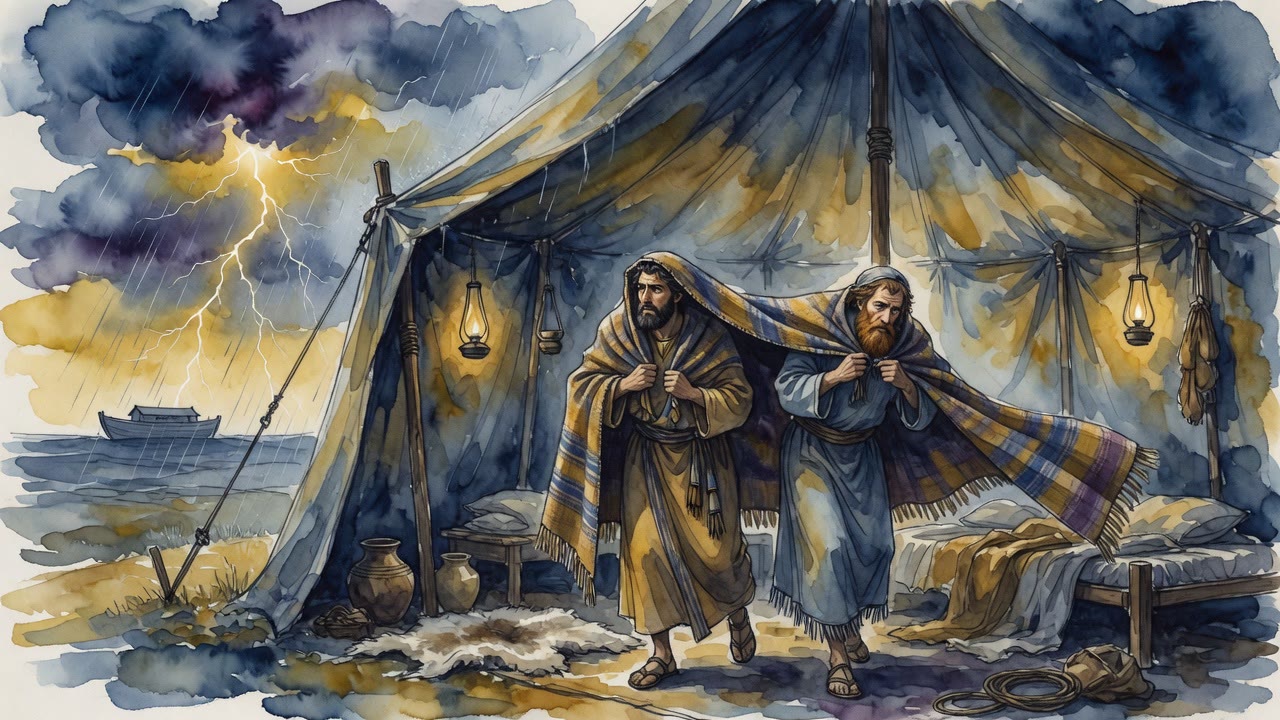
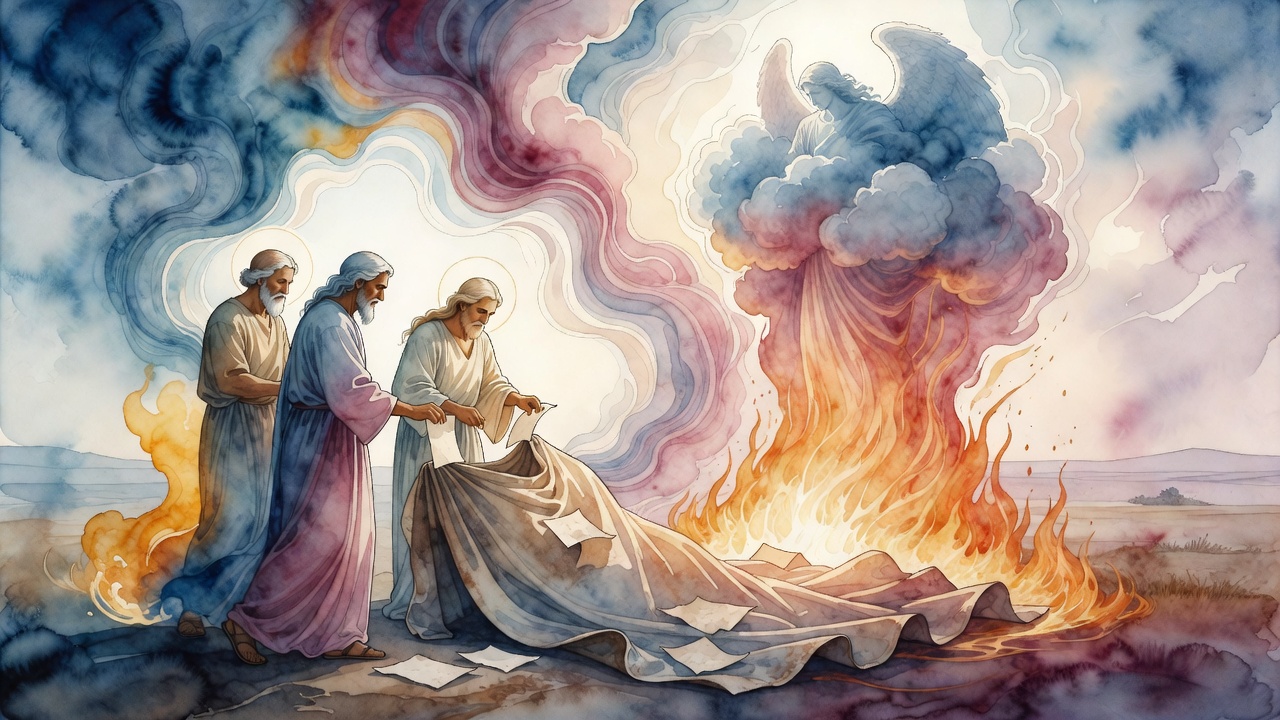
Noah lay uncovered in his tent. Ham laughed and called his brothers. Shem lifted a cloak and walked in backward, his face turned away.
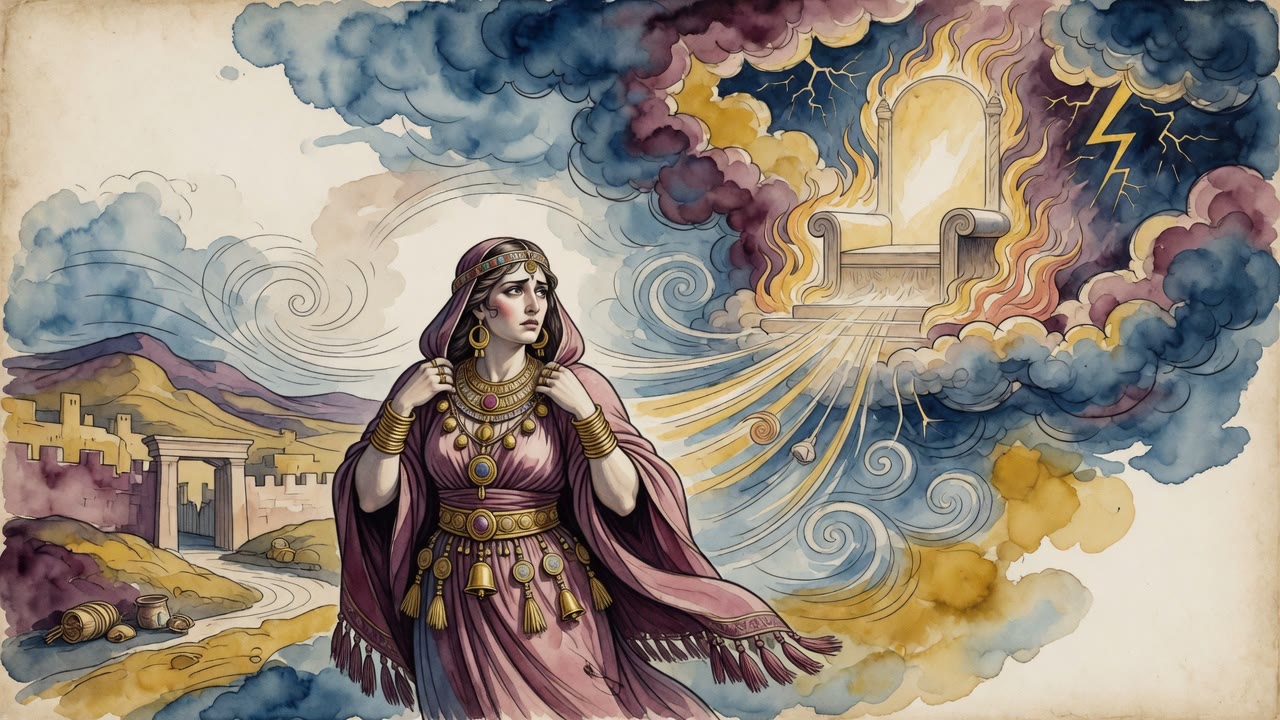
Reuben was Jacob's firstborn and should have led the tribes. The Book of Jubilees records the night that ended that possibility and what it cost him forever.
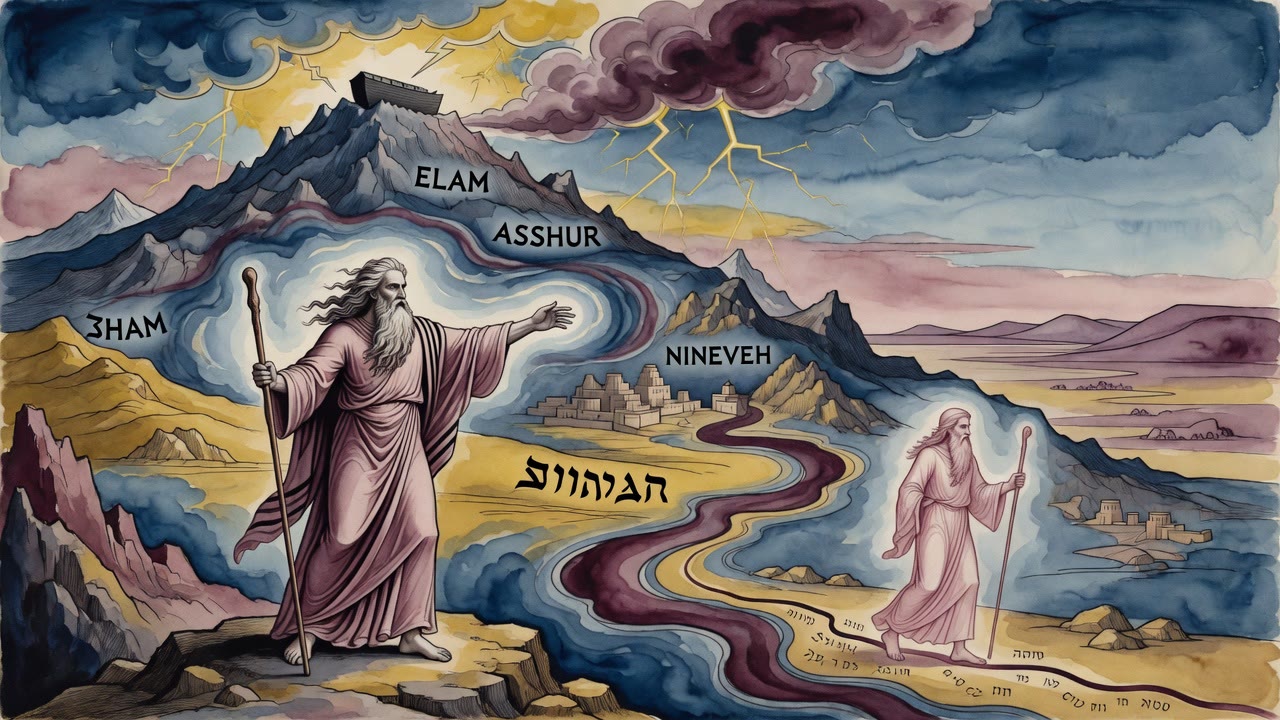
On the mountain of Ararat the lots were read aloud: Elam, Asshur, Nineveh, Shinar. Shinar was where the tower would rise. Nineveh would come for Israel later.
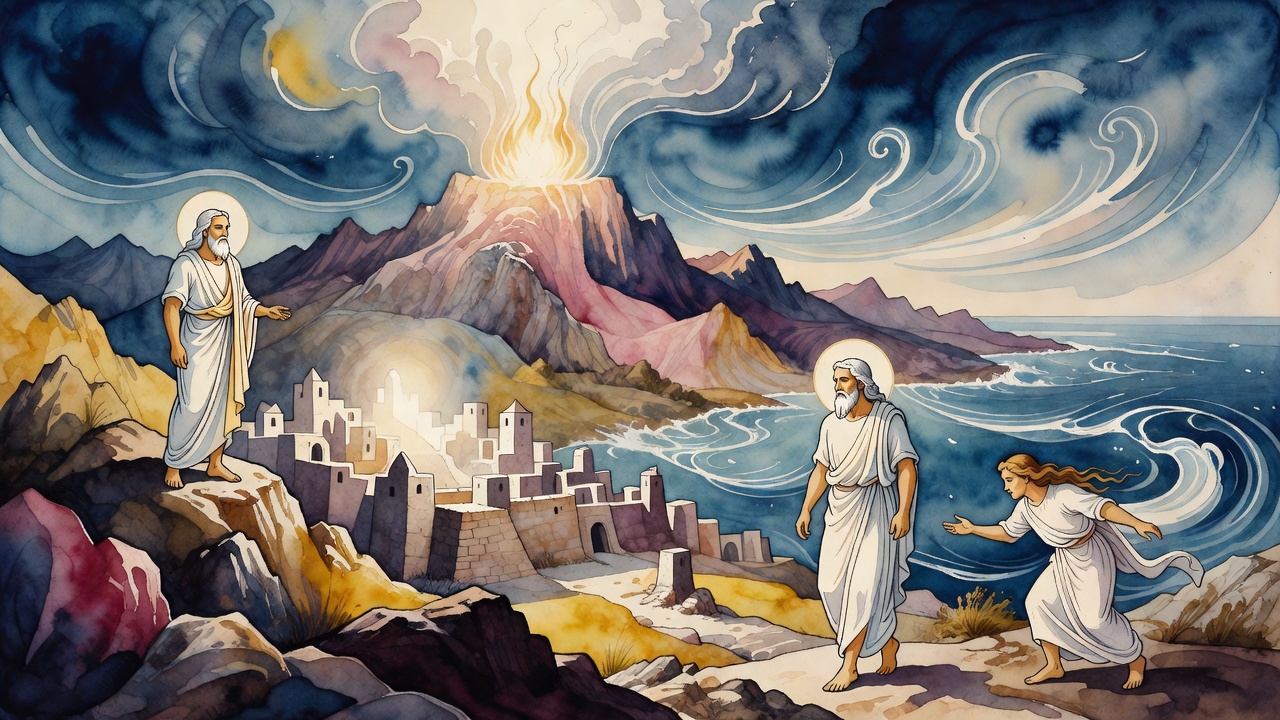
Shem named his city for his wife on the mountain of the ark. Madai came back later and asked Noah to change his lot.
In year 1569 after creation, Noah's sons each drew a slip from their father's robe before an angel. The world was divided and given away forever.
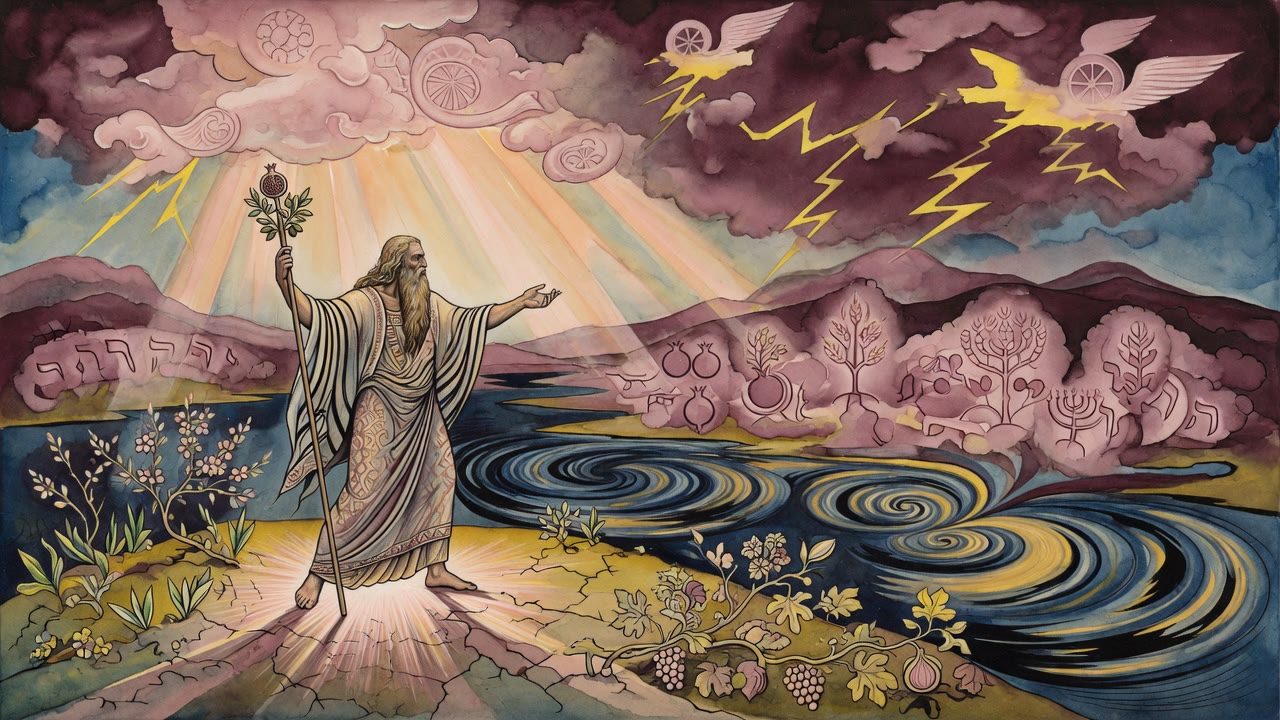
Ten spies talked about walls and giants. The camp wept all night. By morning someone was already weighing a stone.
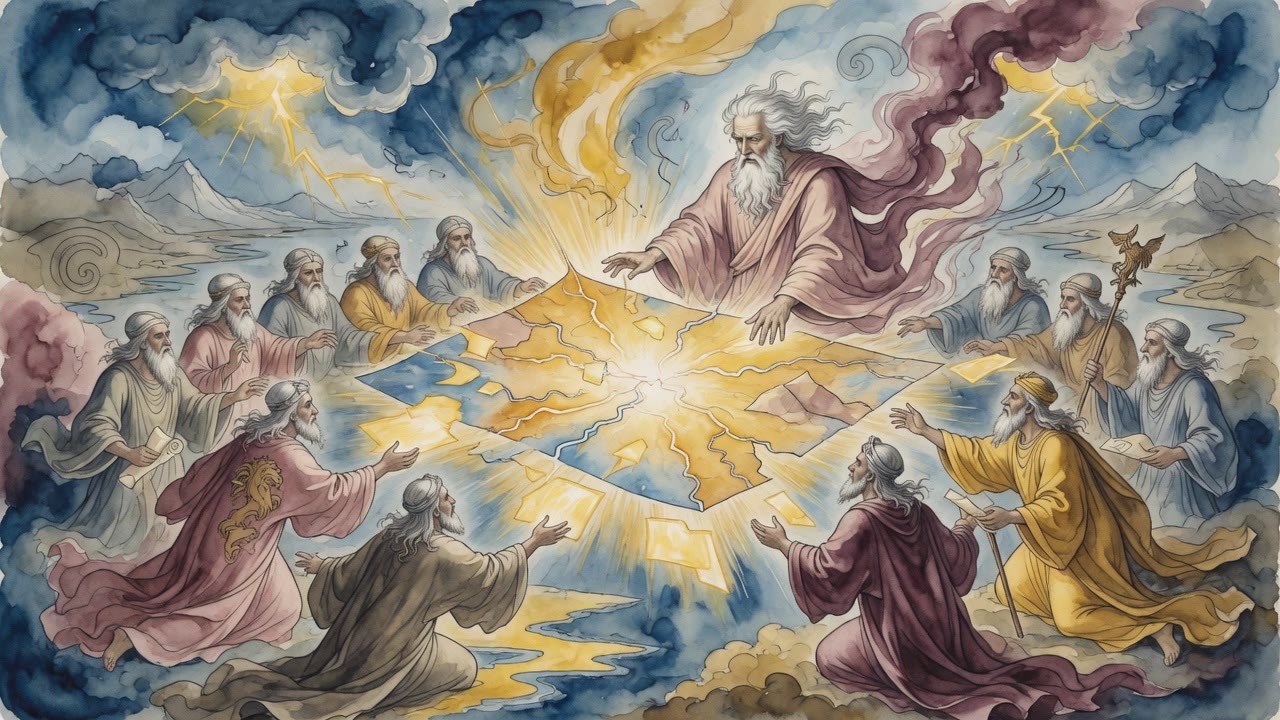
Seven years of war ended with a harder problem than any battle: the lots spoke aloud and each tribe received the land prepared for it.
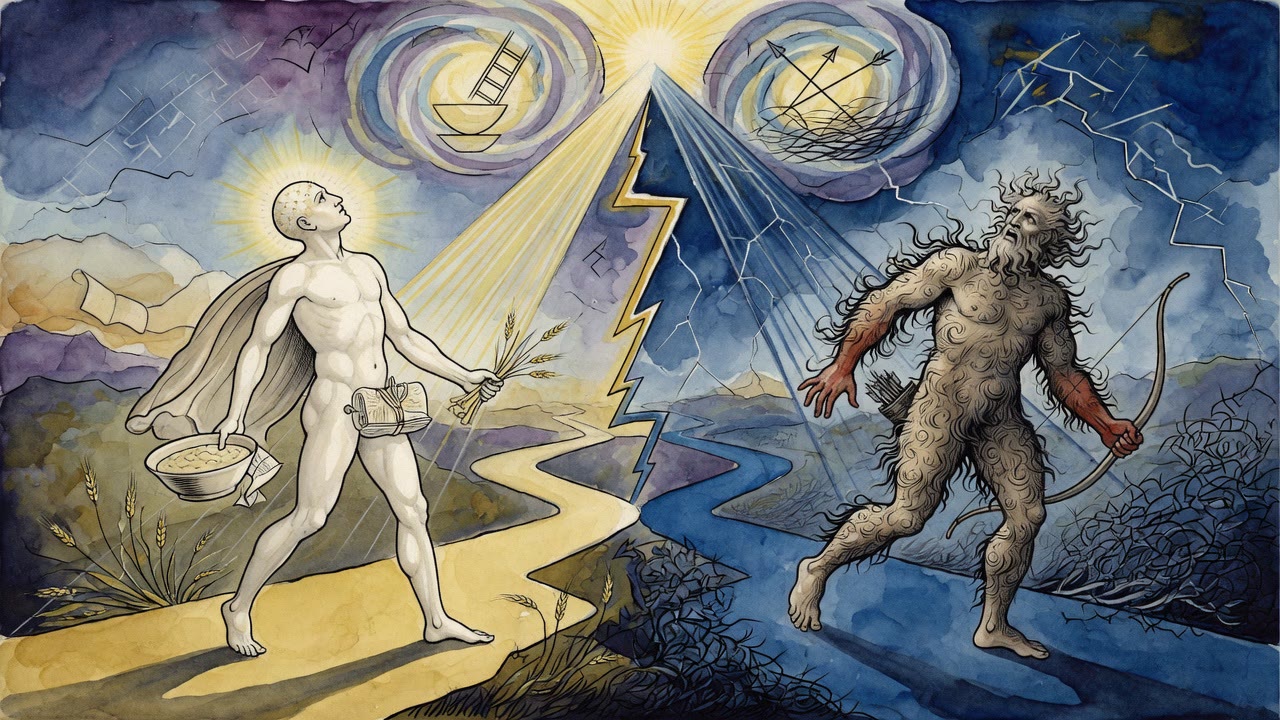
Jacob's skin and Esau's arms were more than a disguise. Two words sorted two brothers into two eternities before either one knew it.
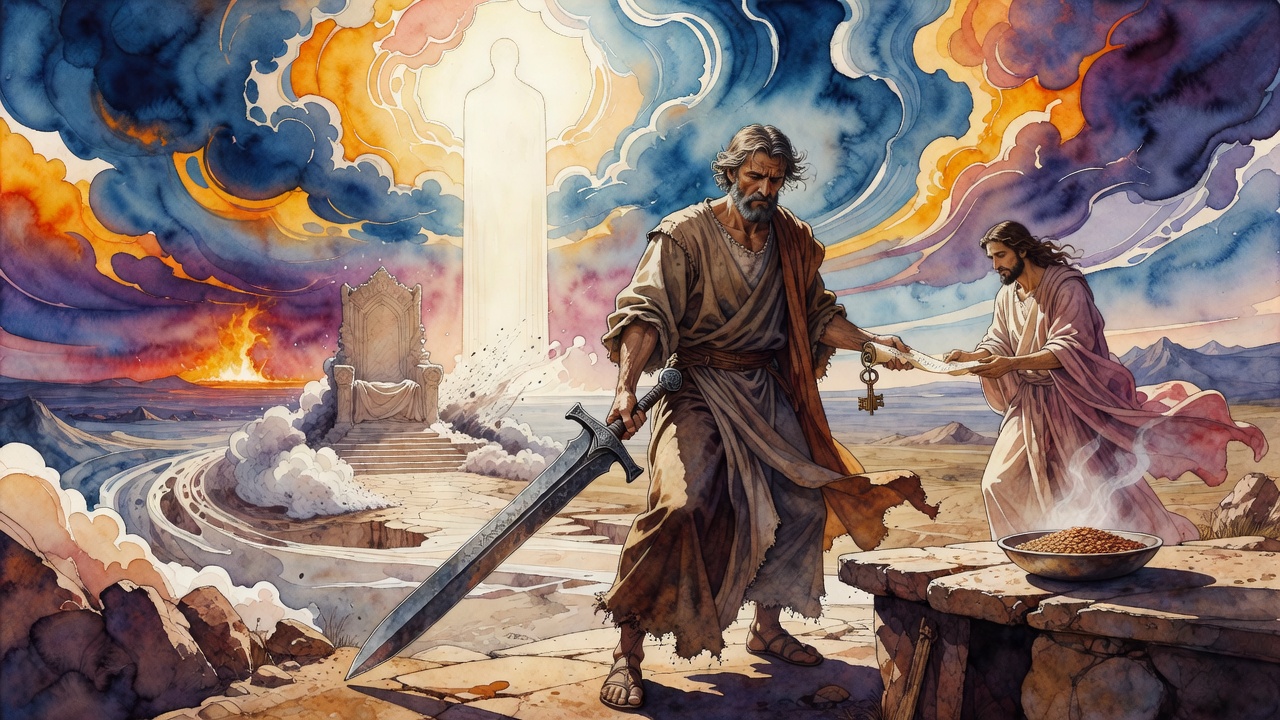
Esau sold the birthright for lentils and Methuselah's blade, then deeded the land and Machpelah to Jacob. Heaven repaid him with provinces ending at Rome.
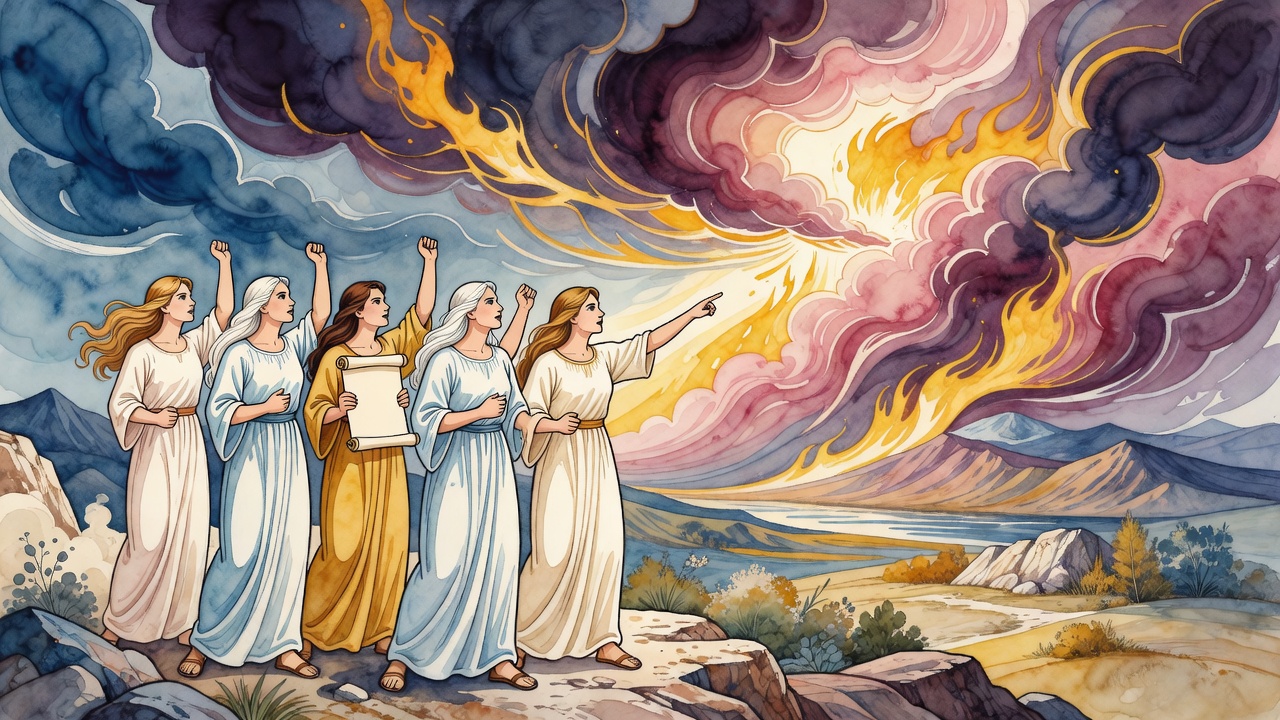
Zelophehad died without sons, his daughters forced a ruling on inheritance, and the women of the Exodus loved the land more than the men.
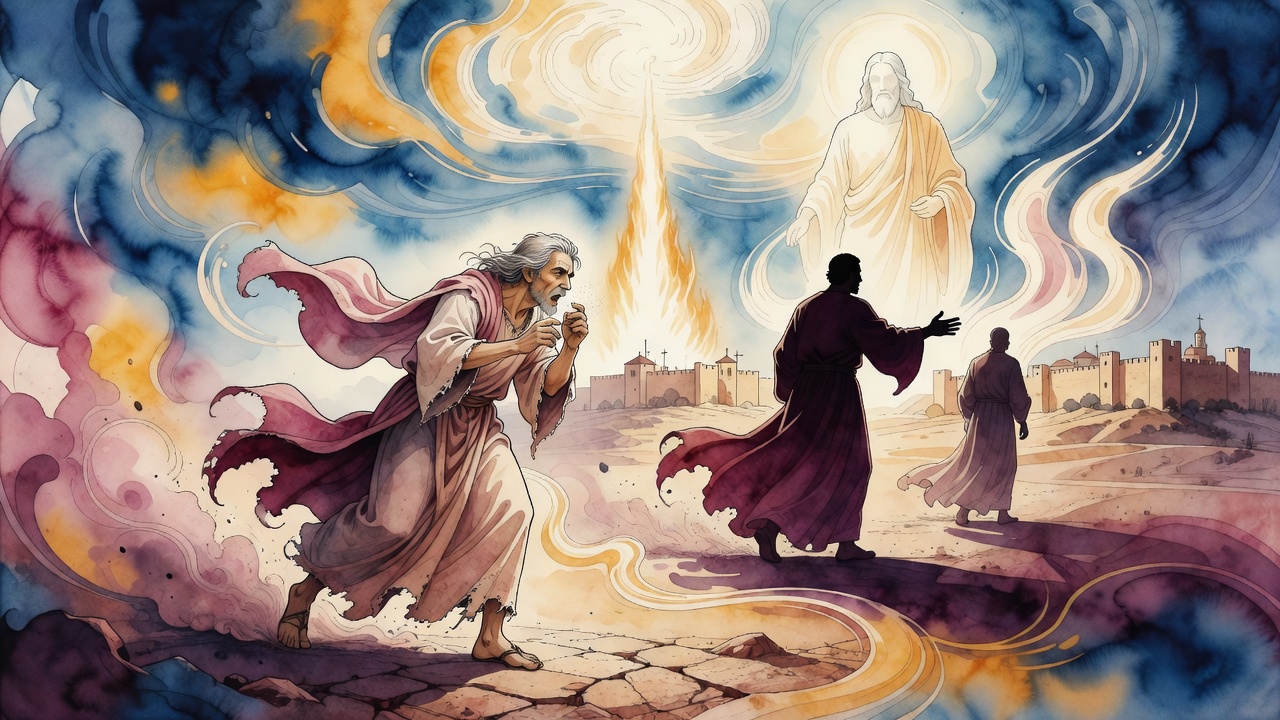
Eliezer left his father's herds to study Torah in Jerusalem. He had no bread, so he ate dust. His father came to cut him off and gave him double.
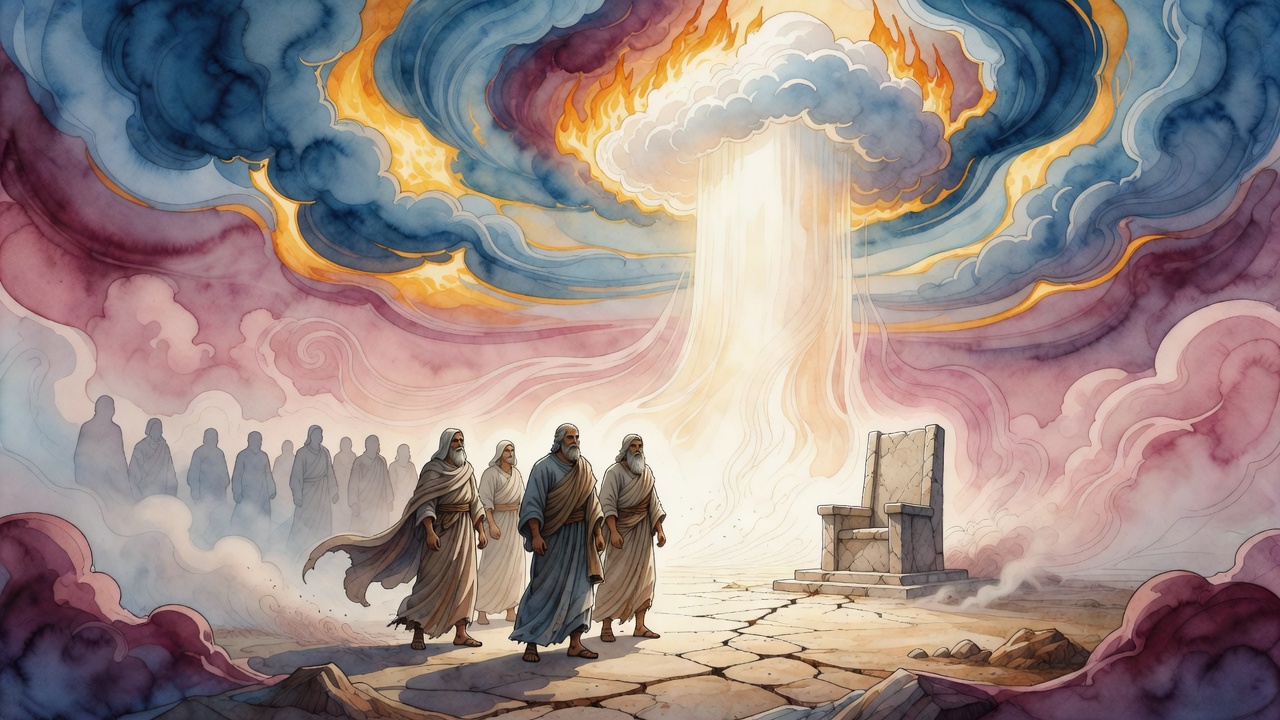
Six families vanished before the lots. God apportioned Canaan to the ones still standing, then retold every stage like a father naming a sick son's road.
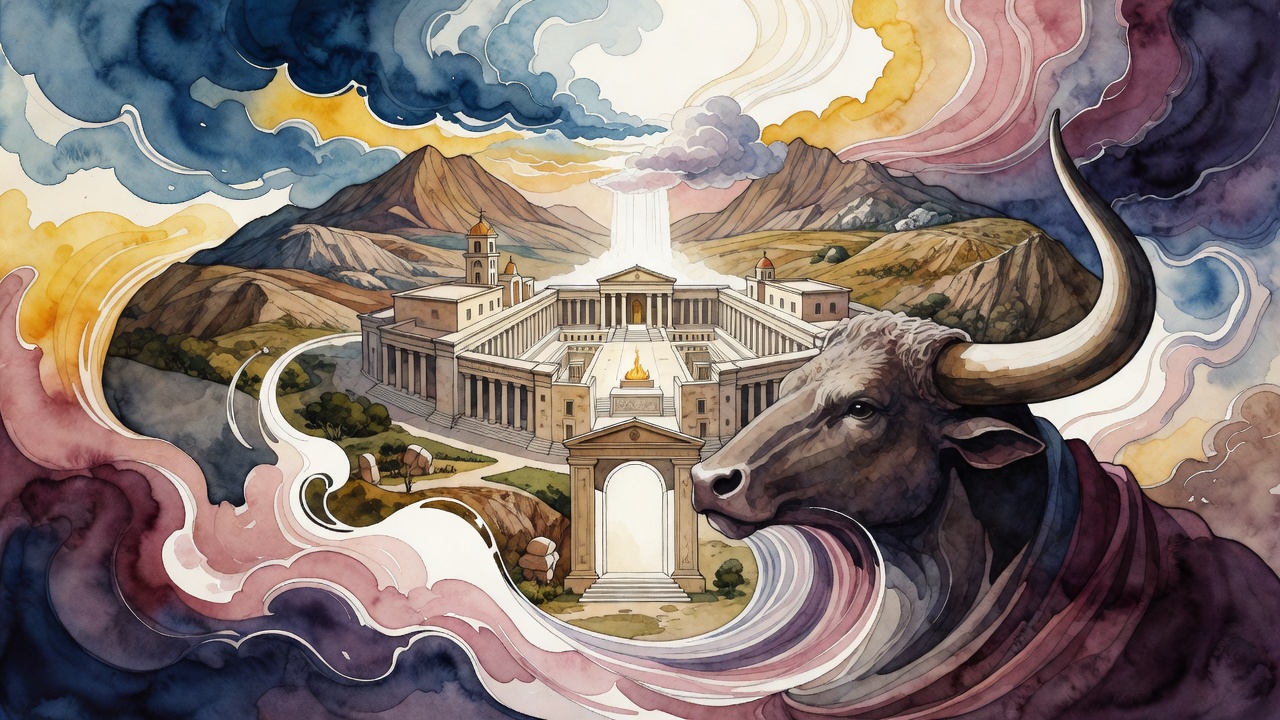
The sanctuary nested in Benjamin's land like a head between shoulders, while Judah's portion pressed the courts like an ox's horn.
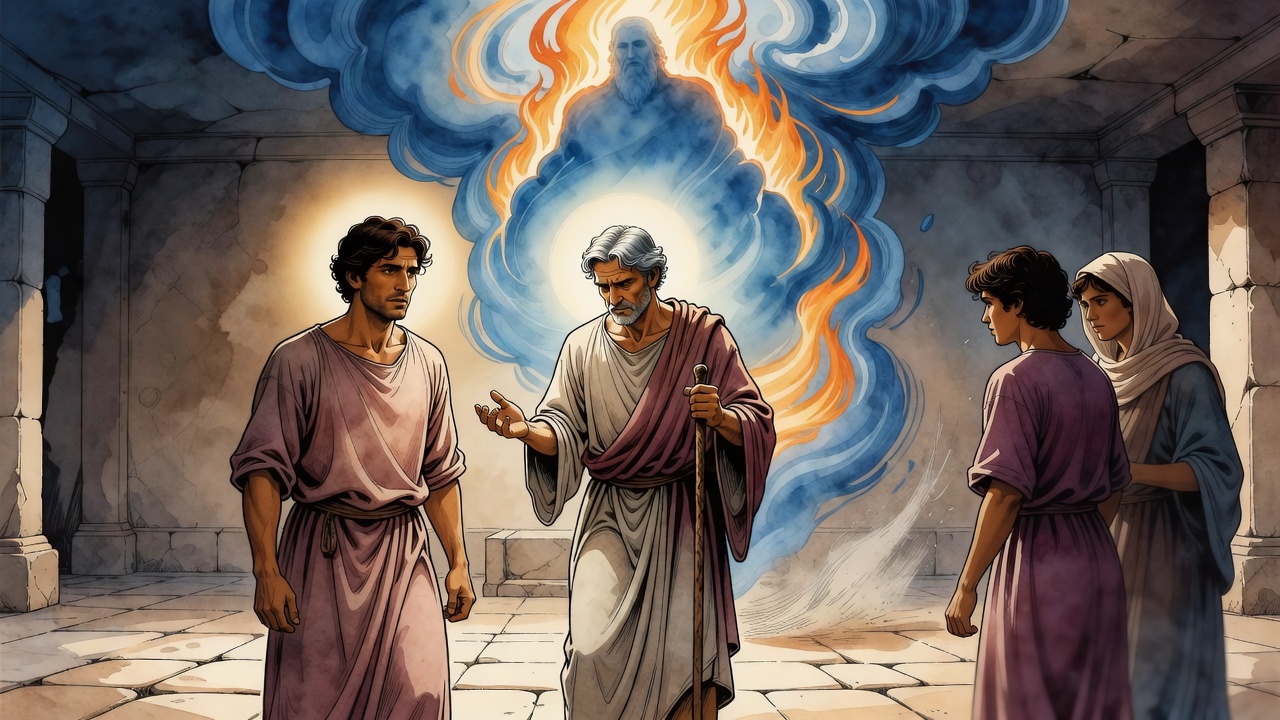
A father favored the second wife's son until the law forced him to stand and name the firstborn of the wife he loved less.
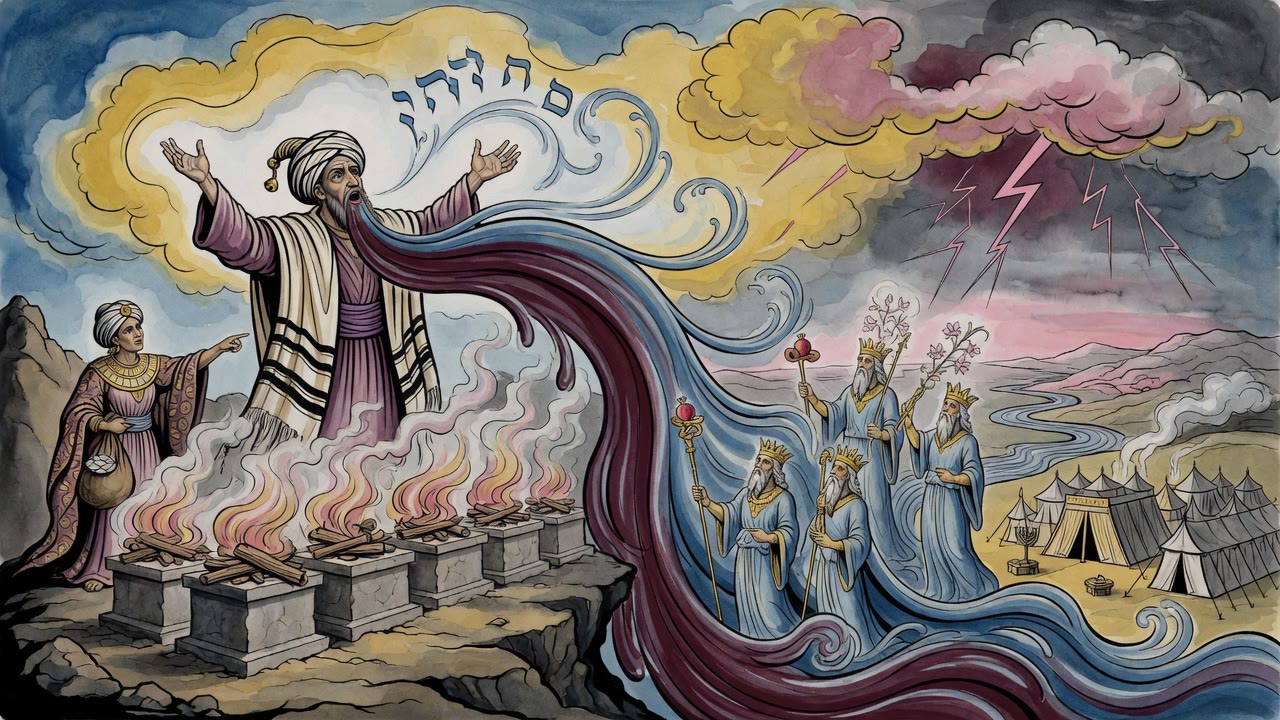
Balak hires a mouth to ruin Israel. Heaven bars the journey, the curse, and even the blessing. Balaam learns Jacob is the Kings own sealed portion.
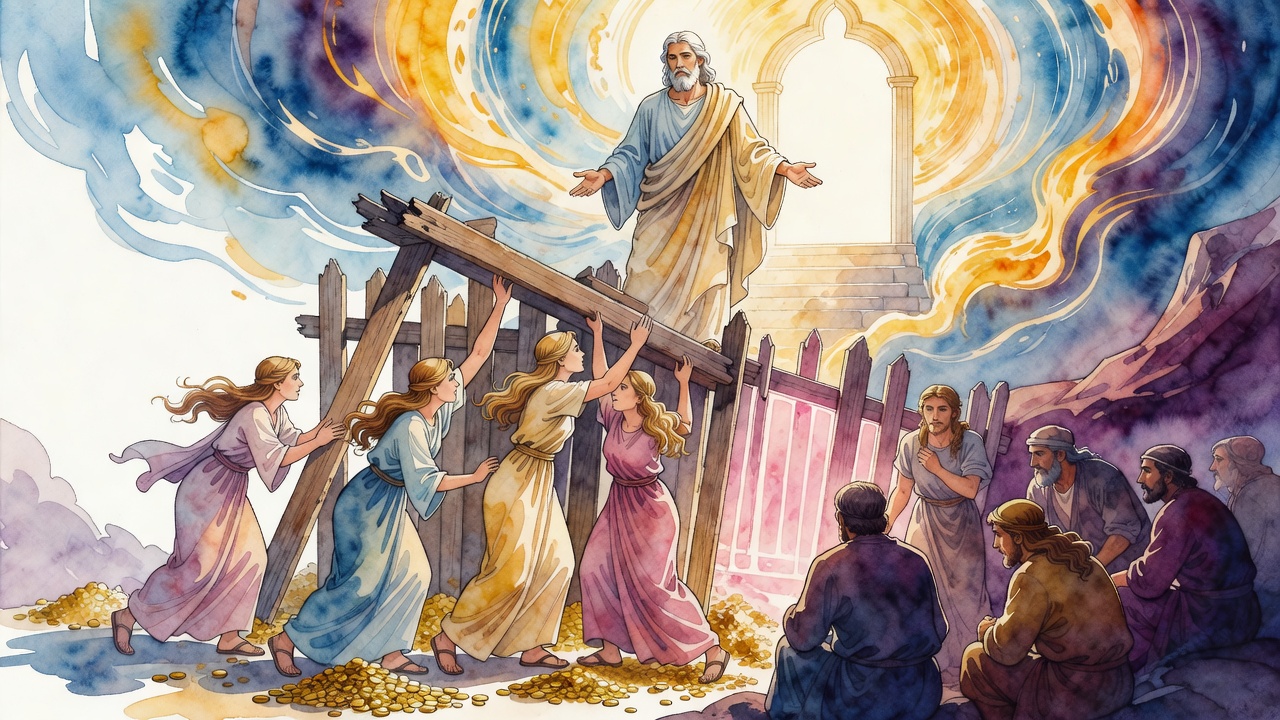
Women refuse gold for the calf and never sit in the spies counsel. Five sisters climb every court until Moses lifts their case to Heaven and the Land answers.
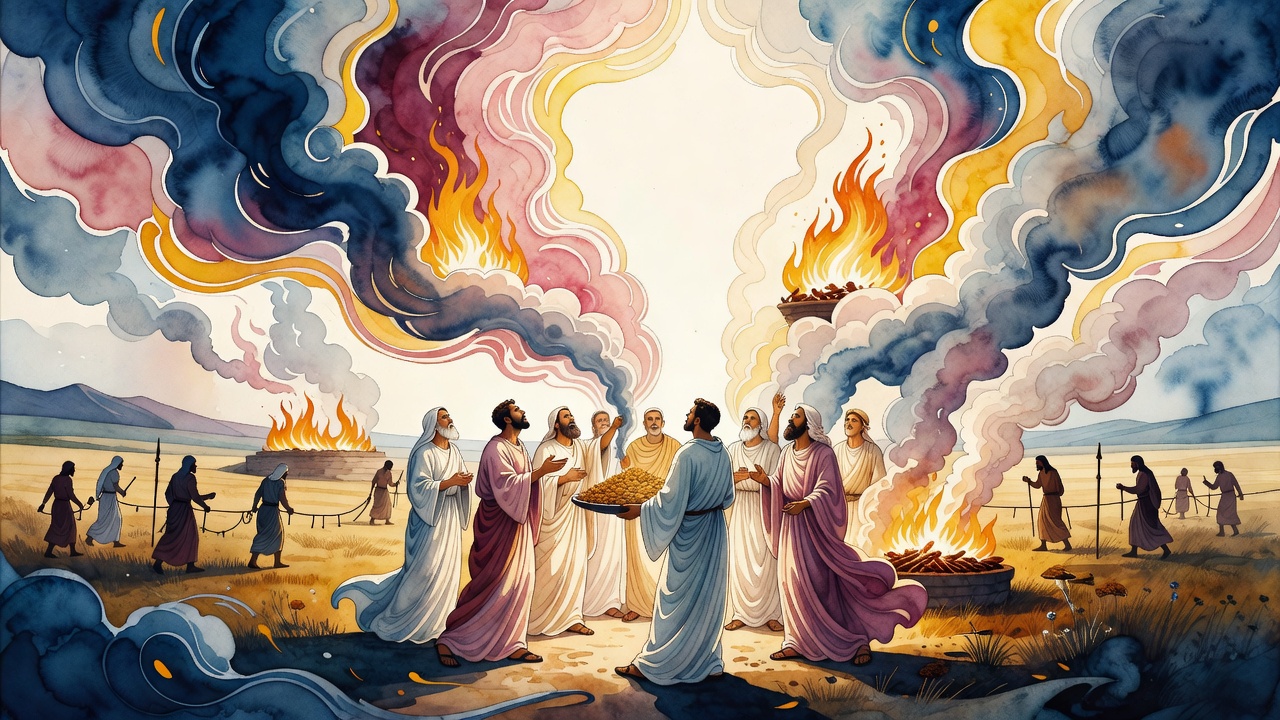
A rich man brought his own logs to finish a burnt offering. Priests stacked public wood, and his animal met a flame he did not own.
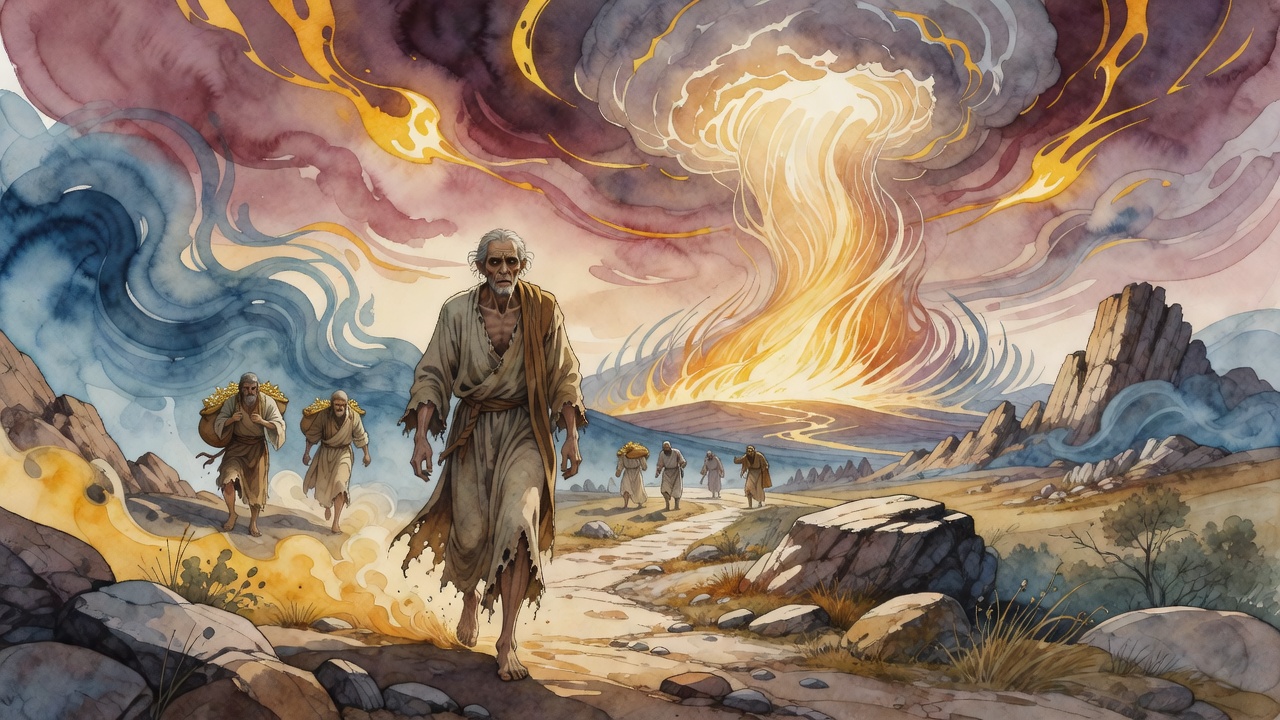
His brothers loaded the family silver and ran from the Romans. Eliezer walked the other way, to a study house in Jerusalem, and went hungry there for days.
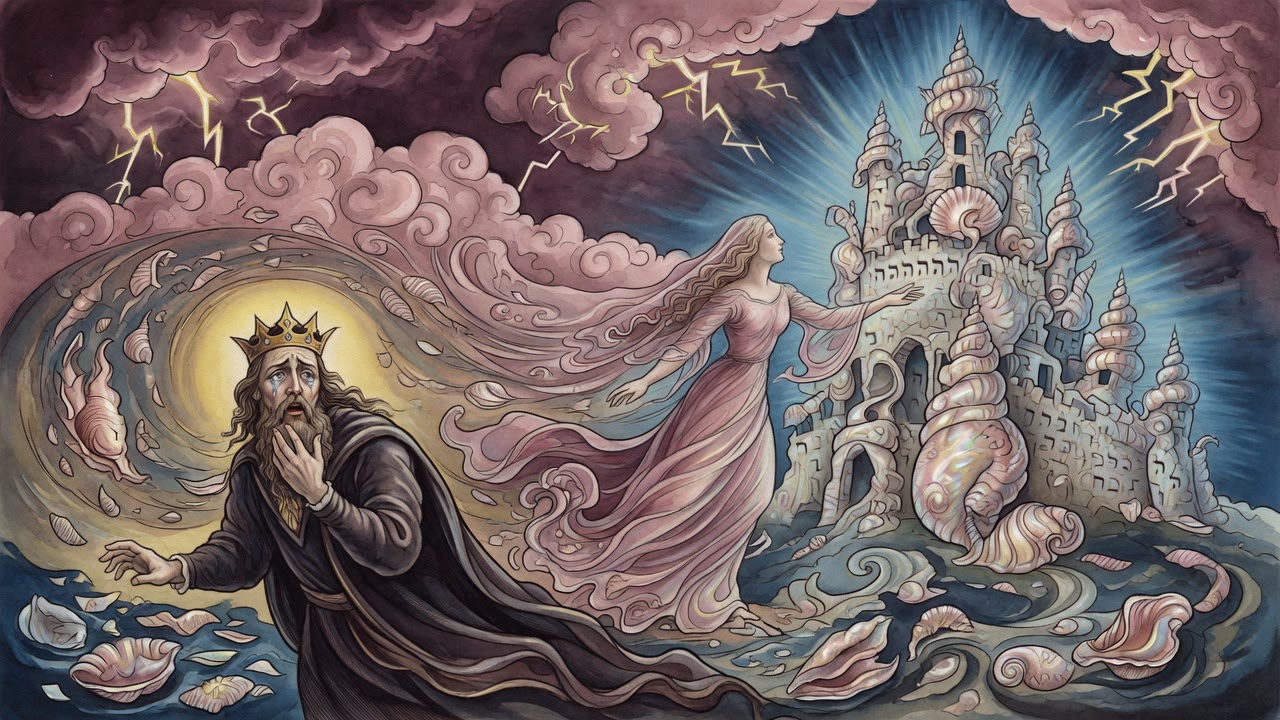
A merchant's son sent a woodcutter into an inn before him, then divided pigeons at a table where greed and a sealed dream of swapped fortunes both waited.
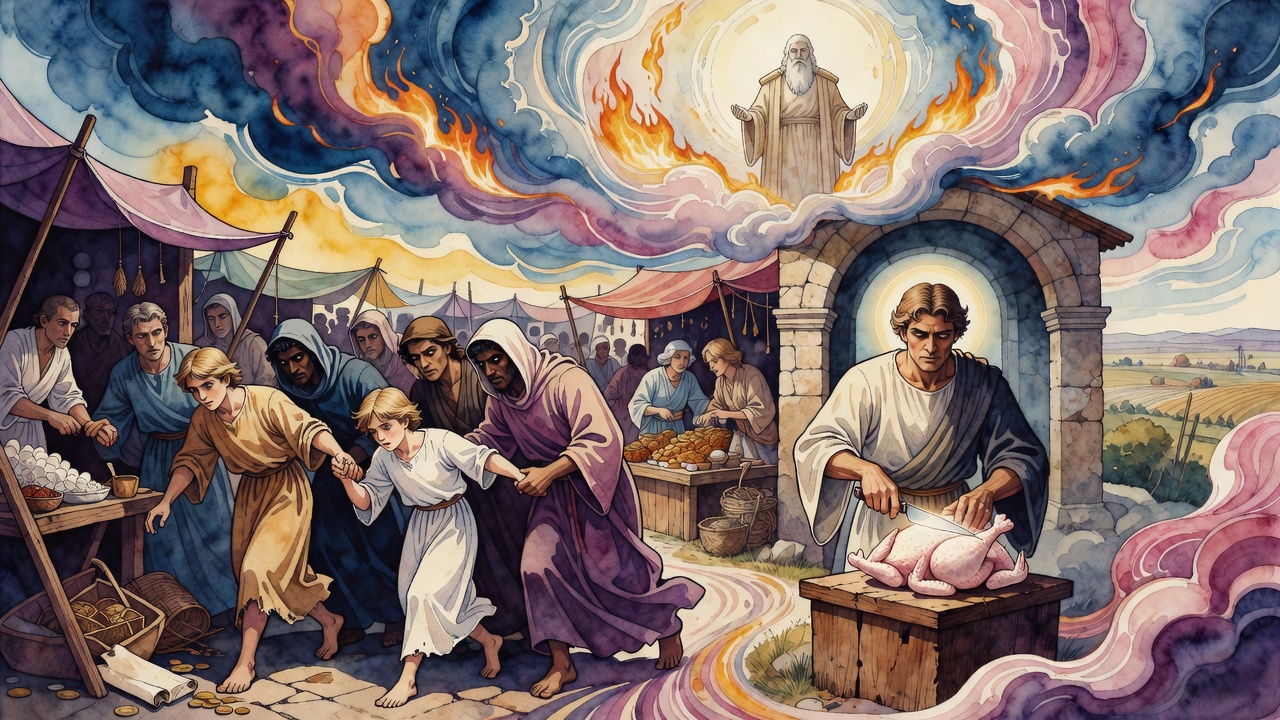
A scholar raised his son indoors. The father's students took the boy to sea and left him there, and he came home with a princess hidden in a ship.
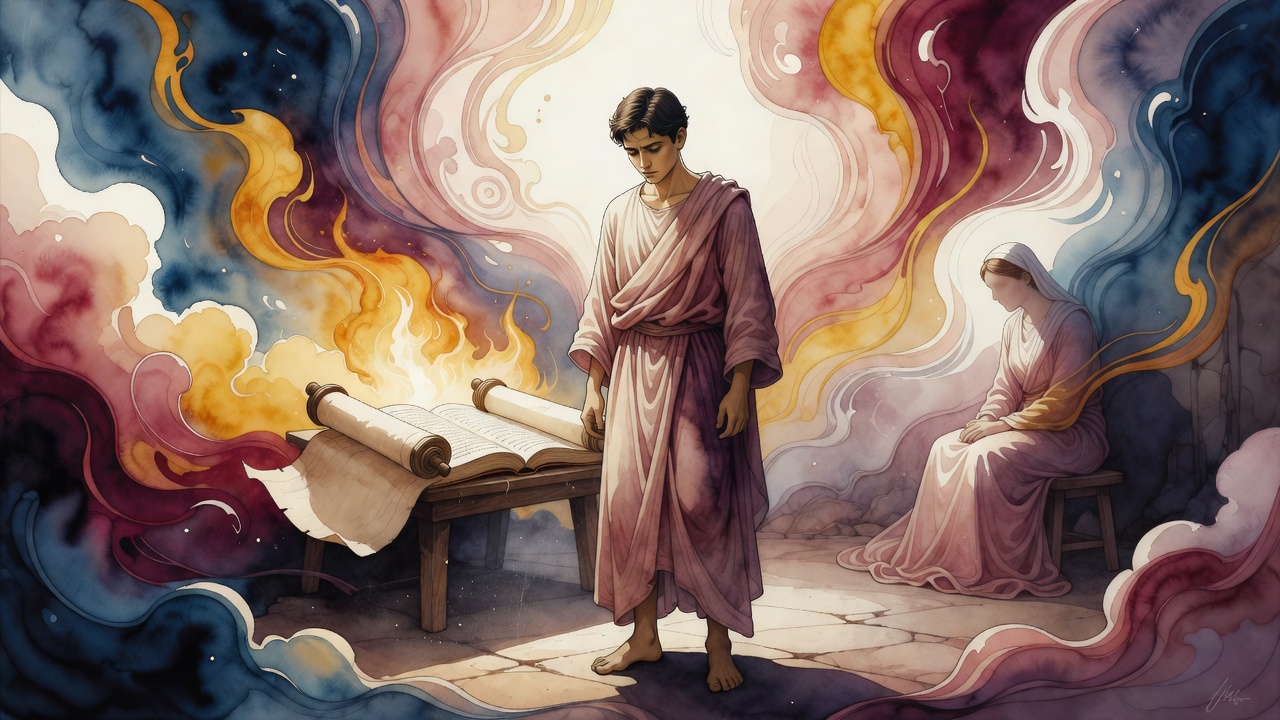
On his wedding night Rabbi Akiva's son asked for sandals, opened Torah, and left his bride to keep pace until dawn.
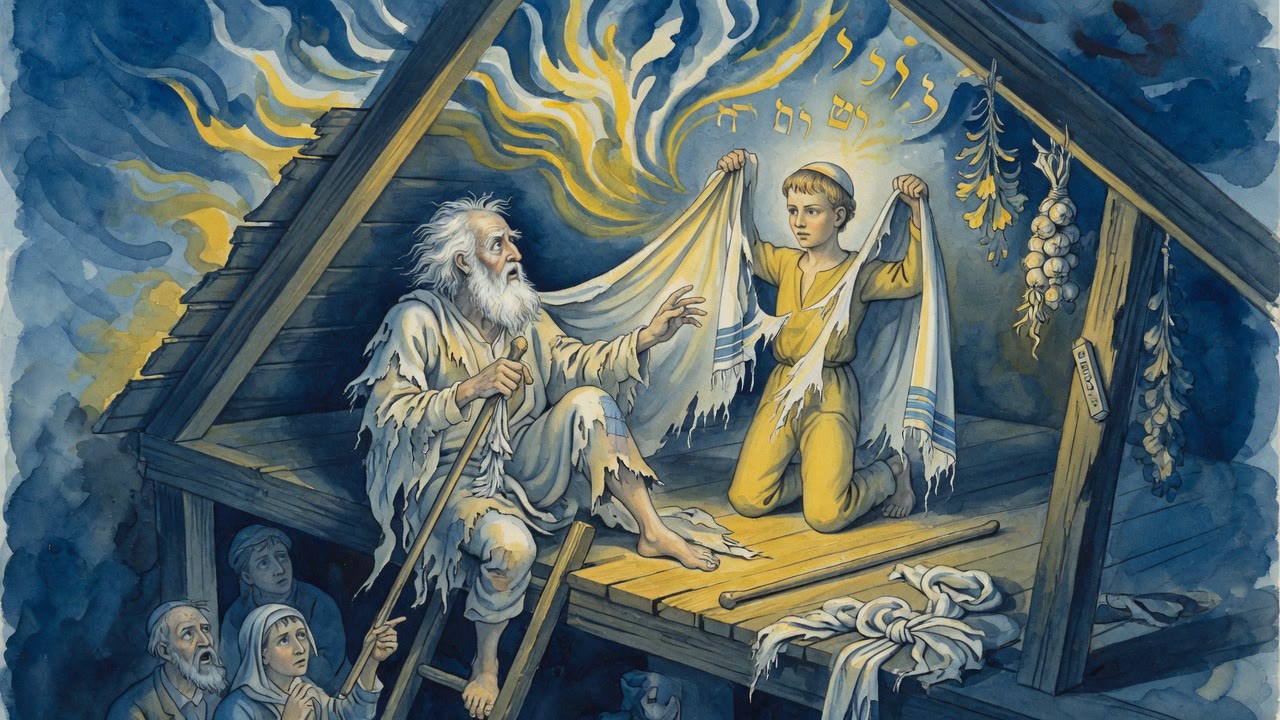
A father cast his own father into rags. In a loft a boy cut a mantle in half, and the house learned what honor costs.
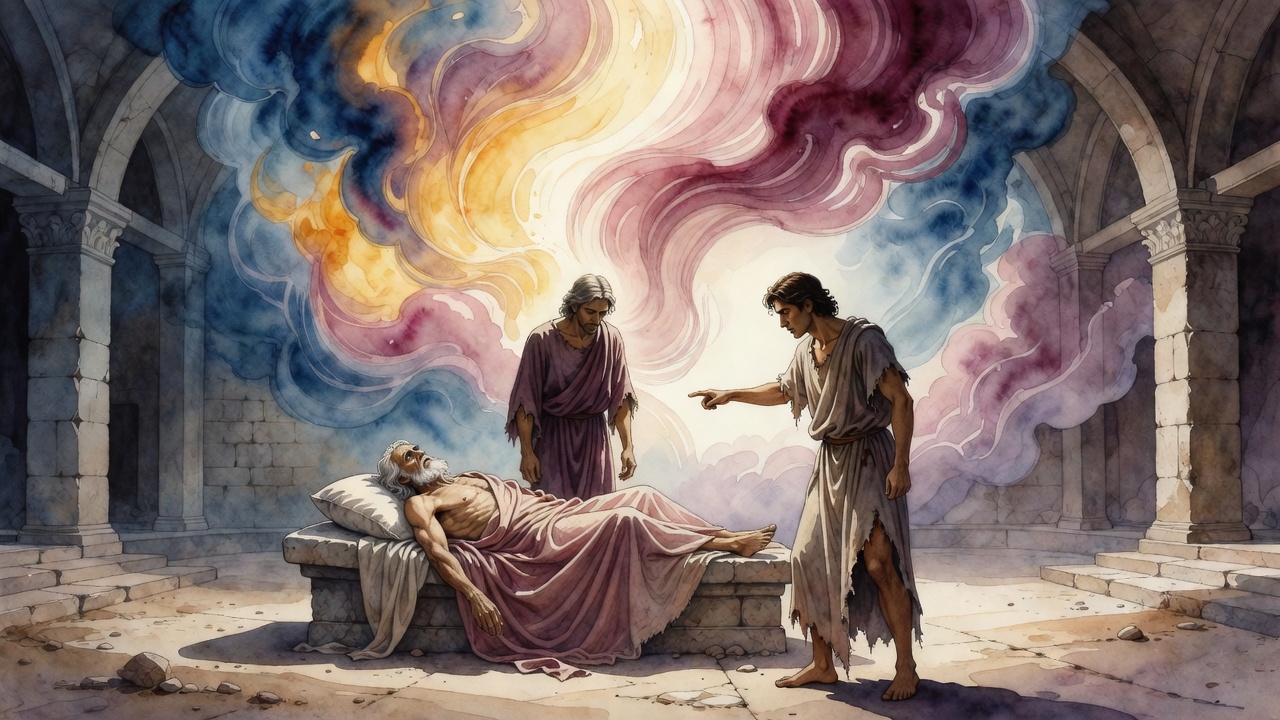
A father's will leaves everything to his slave and one choice to his son. In court the son names the slave himself, and the whole estate follows.
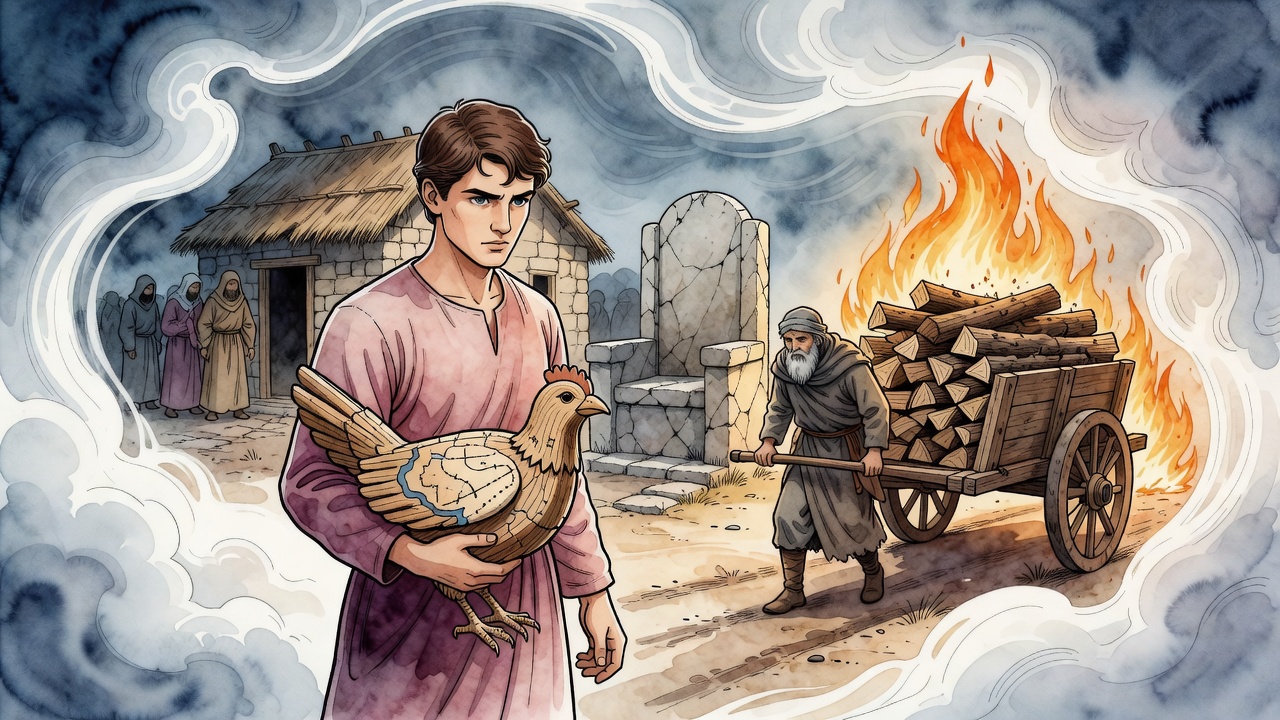
No door would name his father. He paid for a cart of wood and walked behind it. The house appeared when the load stopped.
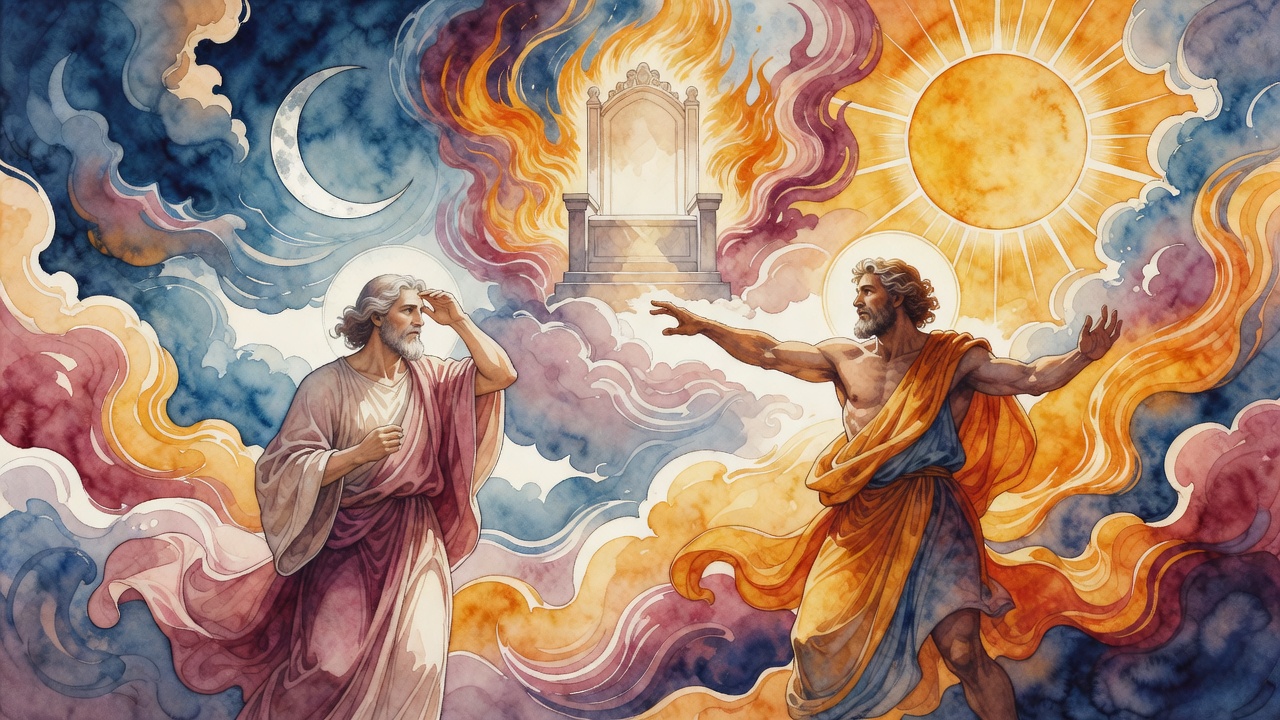
Moses tipped his head back over Egypt and found no moon. A finger came out of the dark and pointed at a hairline of light.
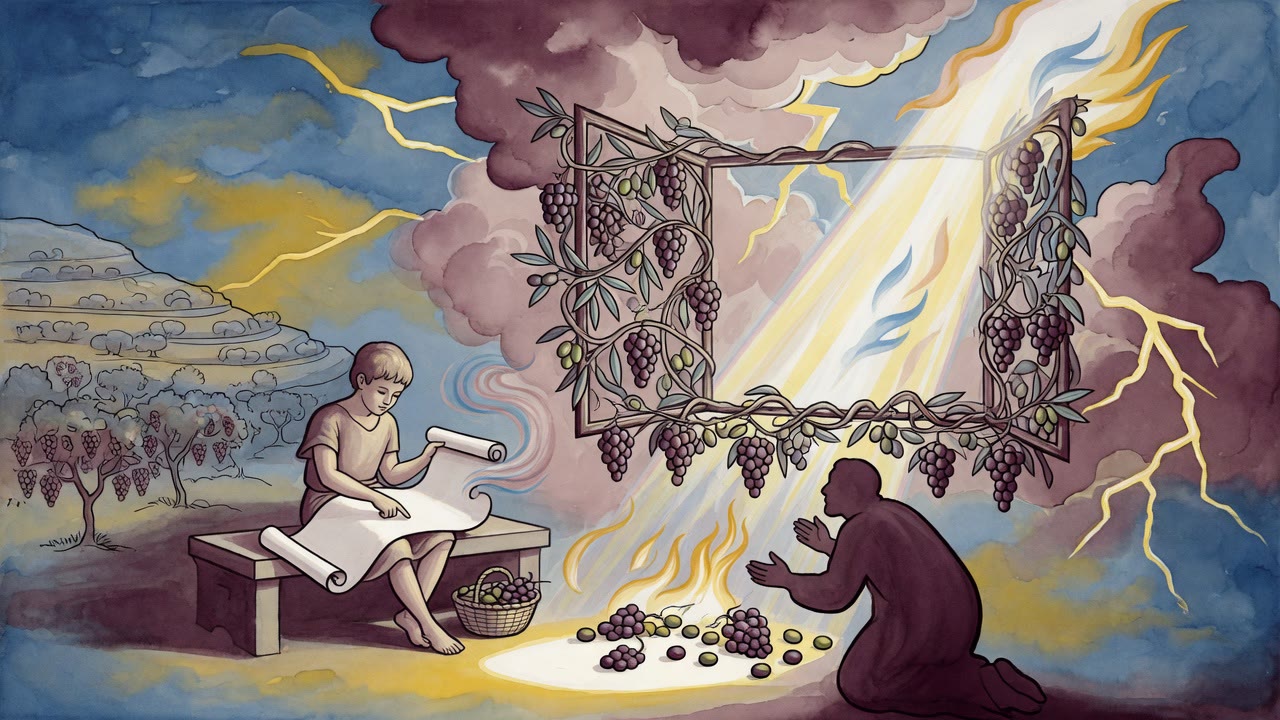
A philosopher mocked Malachi, saying Edom still builds. Rabbi Eliezer said the verse targets schemes, while Israel remains a fourfold inheritance.
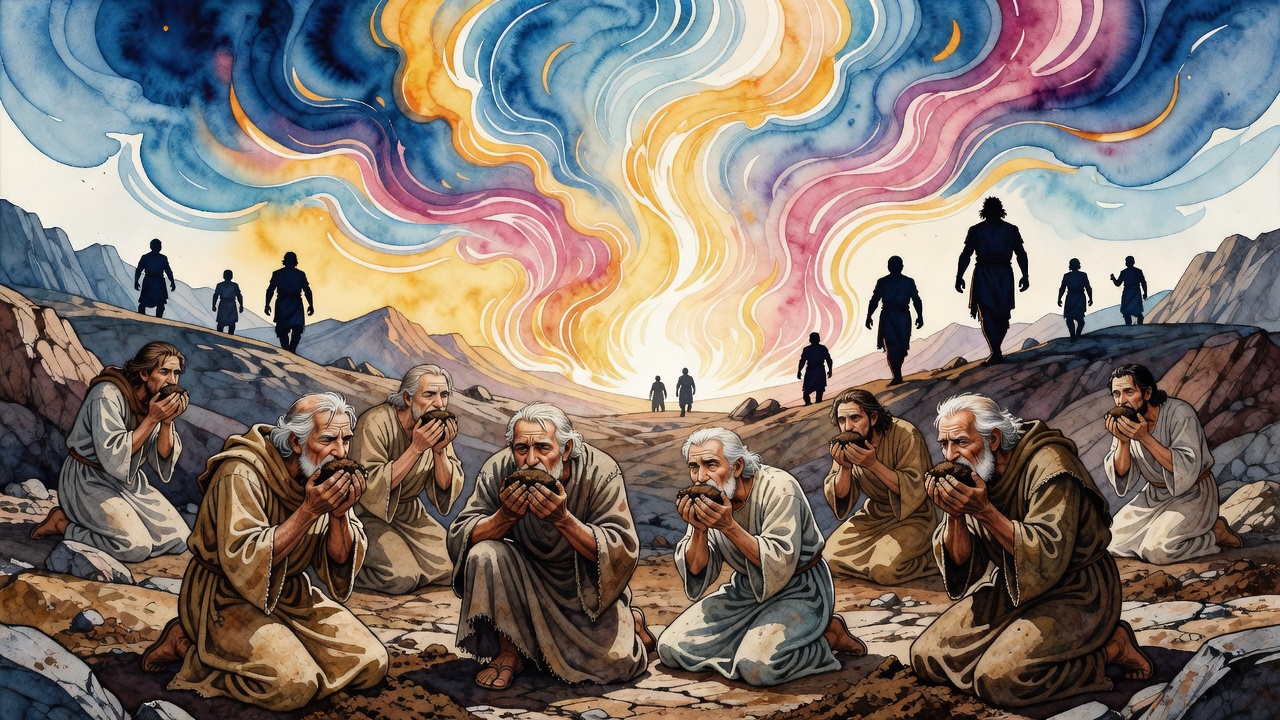
They pressed soil to their tongues and named each field by taste. When Esau's children took the ridges, mastery of the ground meant nothing.
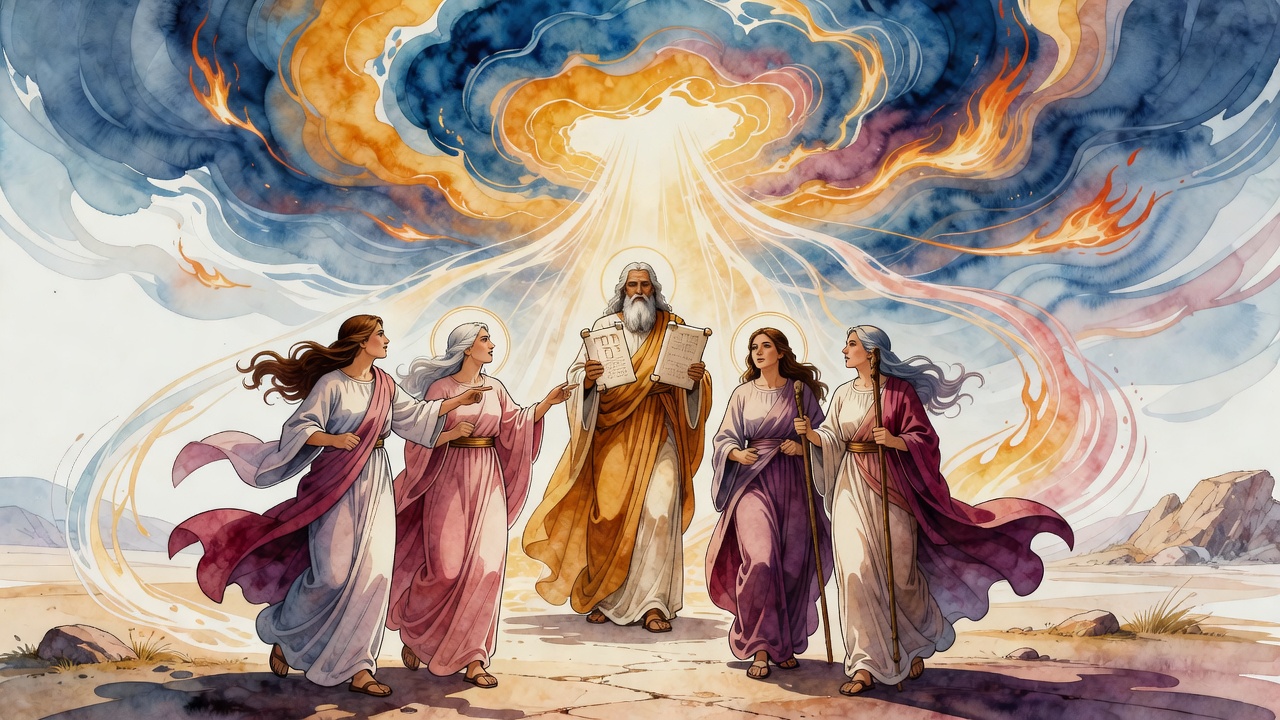
Five sisters walked into the law with no brother to speak for them. They demanded land, and heaven answered through Moses.
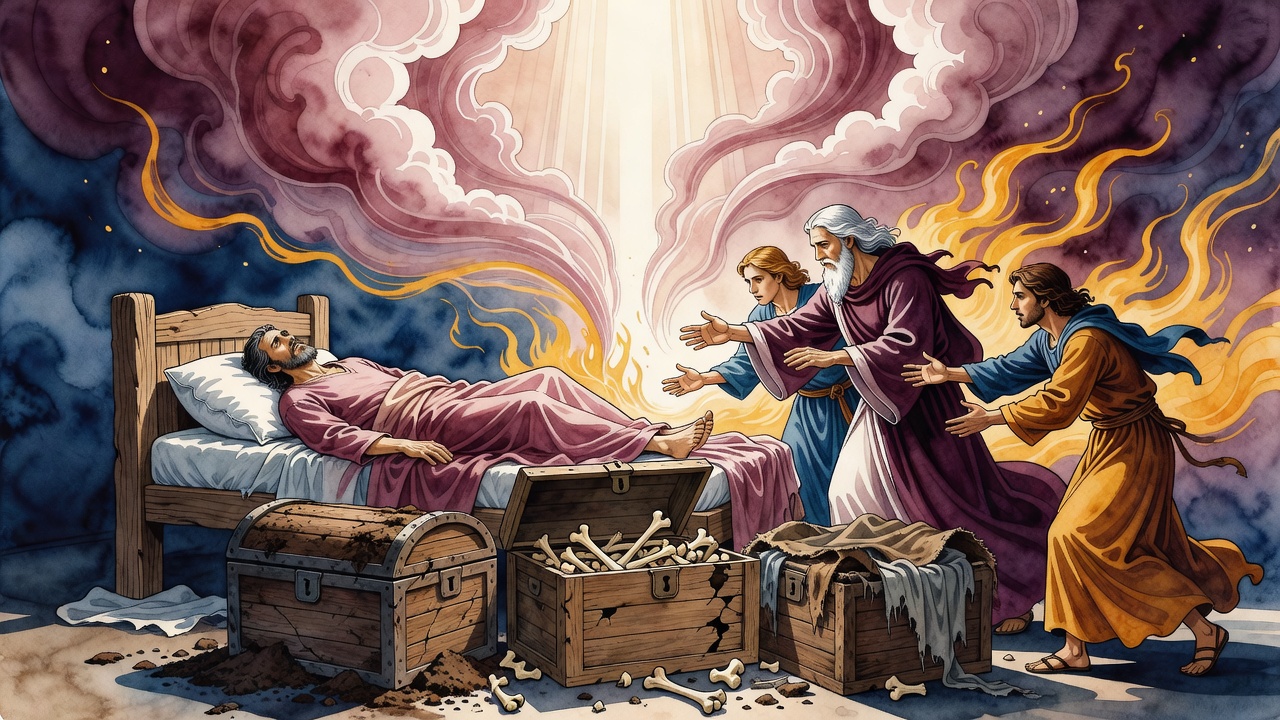
Three brothers stood around a bed that still held their father's shape. The will was three wooden chests that smelled of dust.
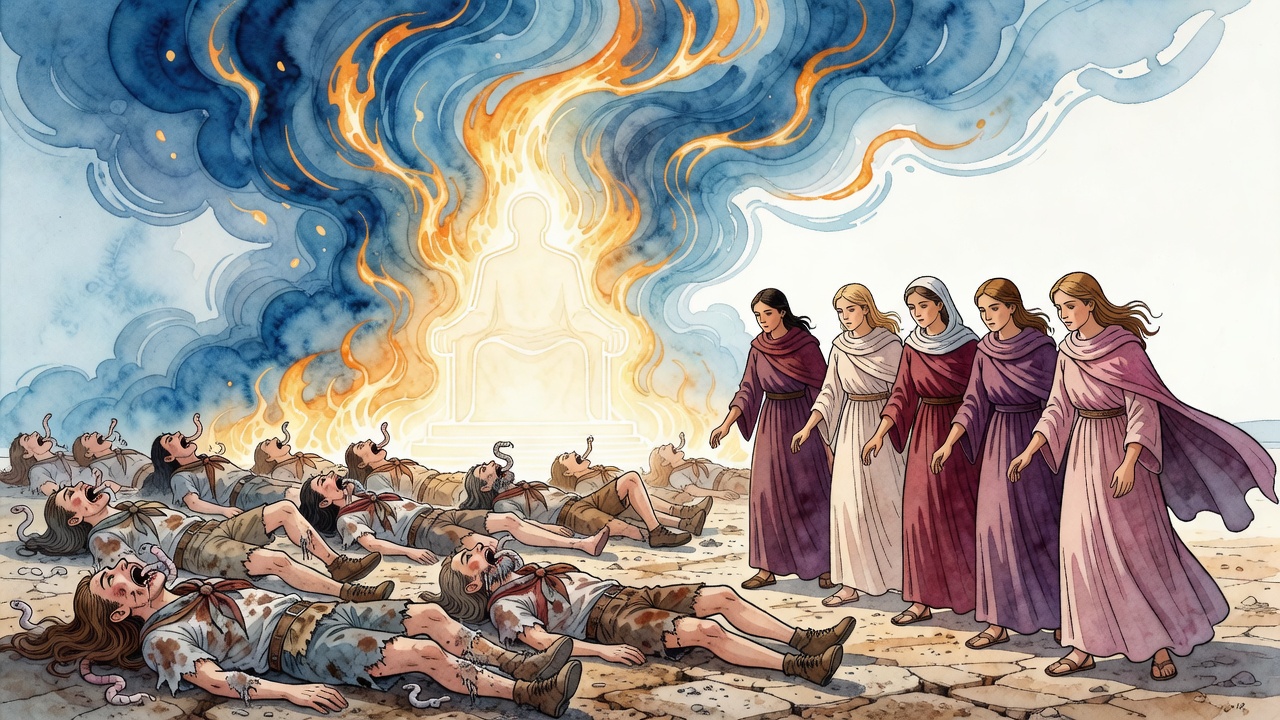
Ten scouts died with worms from their mouths. Five sisters of Menashe waited forty years, then claimed their share of the soil.
