The Philosopher Watched His Plots Fall to Dust
A philosopher mocked Malachi, saying Edom still builds. Rabbi Eliezer said the verse targets schemes, while Israel remains a fourfold inheritance.
Table of Contents
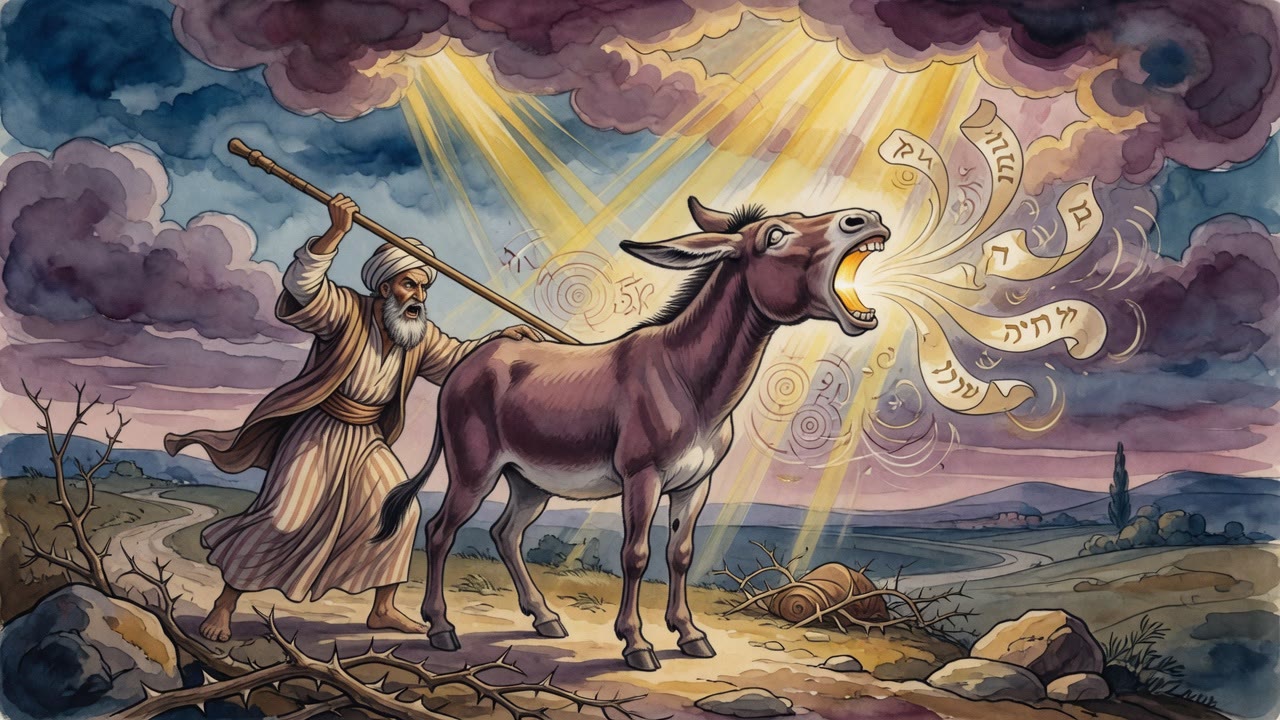
Rabbi Eliezer sat where students could hear every breath of a challenge. A philosopher walked in with a verse and a smile, certain he had caught Jewish prophecy in a simple lie that any street could disprove.
 Click for full size
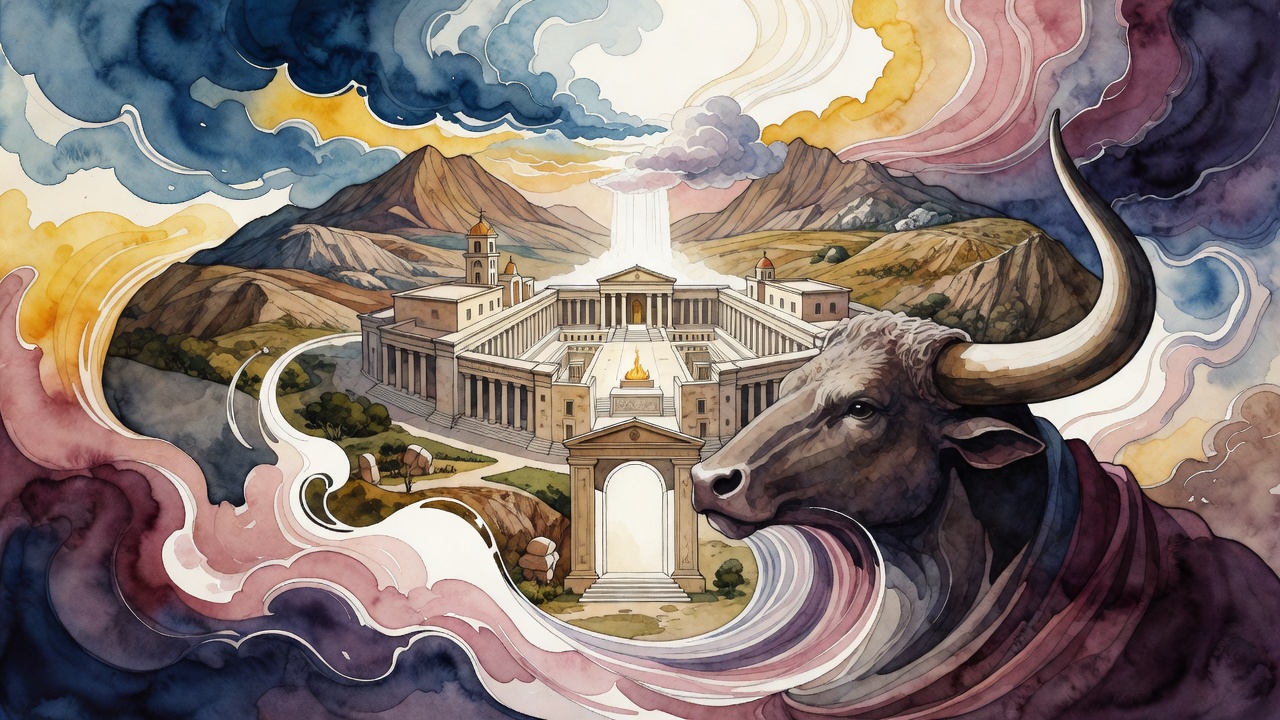
He pointed at the world of stone around them. Cities still stood. Towers still threw shade at noon. Edom still built.
Buildings Are Not the Point
"They shall build, but I will throw down" (Malachi 1:4), the philosopher quoted. Then he gestured at walls that had not fallen on schedule. The prophet, he said, is obviously wrong. Prophecy that cannot match a skyline is only poetry with airs.
Rabbi Eliezer did not flinch. The prophet is not speaking of buildings made of stone. He is speaking of the schemes of designers. Every year you gather and plot to make an end of us. He throws those counsels down before they harden into monuments. Your plots accomplish nothing that lasts against the people you meant to erase.
The philosopher went quiet. Then he admitted, by your life, it is even so. We do meet annually for the purpose of... The record trails off in the Hebraic Literature anthology, as if the confession itself could not finish in public without naming too much. What survives is the principle. Prophecy does not always deal in bricks. Sometimes it deals in blueprints that never become monuments no matter how many meetings approve them.
Four Things Called Inheritance
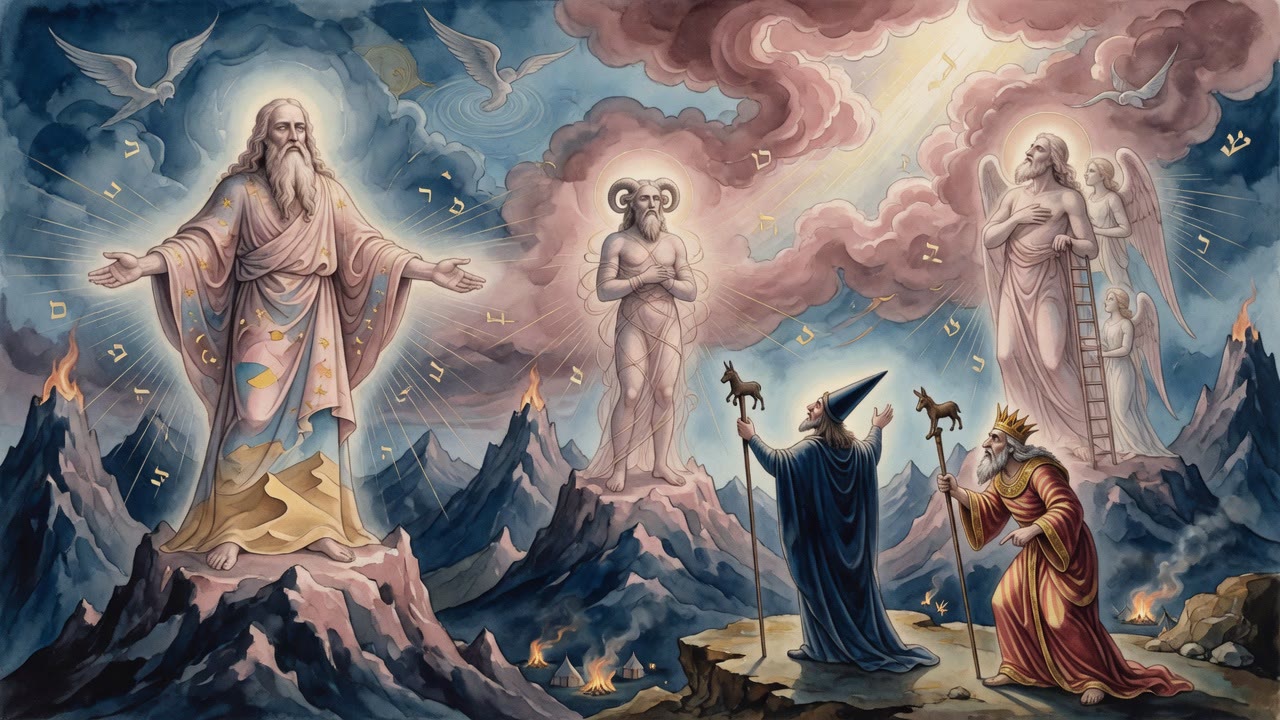
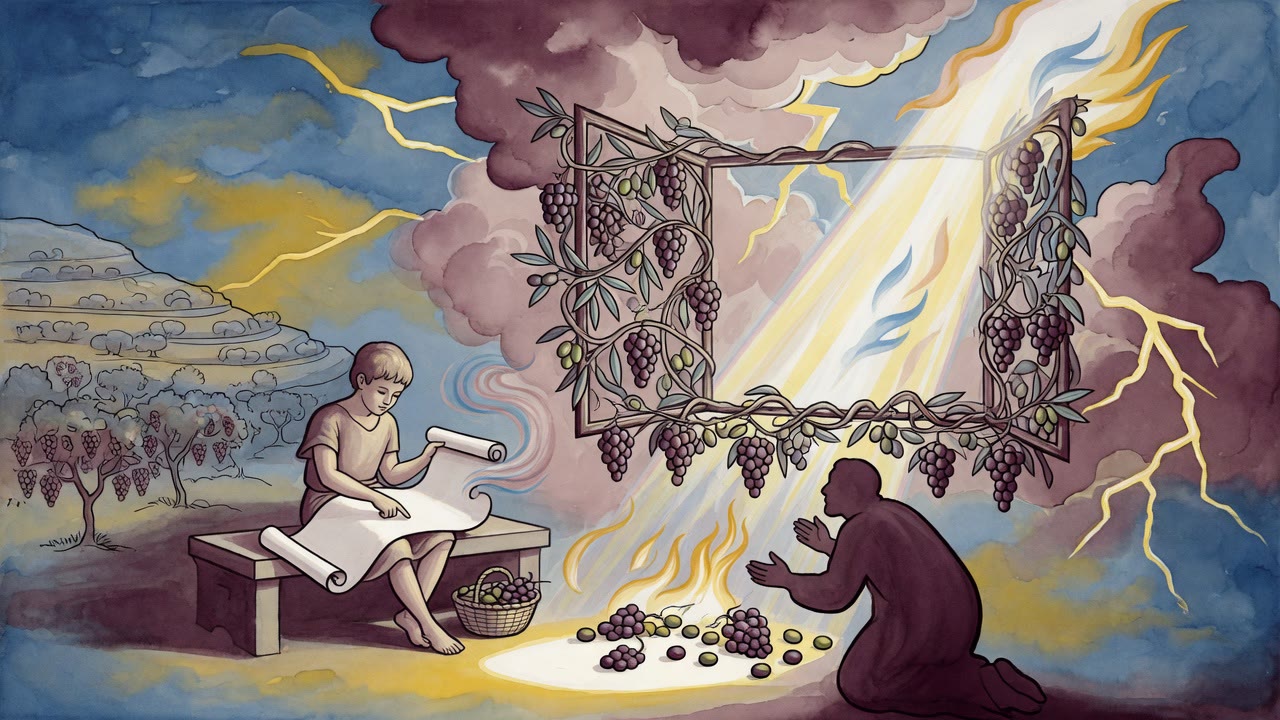
Why do the schemes keep failing when the schemers are many and the people are few? The Mekhilta gathers four sacred things Scripture names with one word, inheritance. The Temple is inheritance, "the mountain of Thine inheritance" in the Song at the Sea (Exodus 15:17). The Land is inheritance given by the Lord. The Torah is inheritance, read through the wilderness stations from Matanah to Nachaliel as gift leaning into God's portion. Israel itself is inheritance, "My people and My inheritance Israel" (Joel 4:2).
God's own voice, in the midrash's weave, binds the four into one rope. Let Israel, who are called inheritance, enter the Land called inheritance, build the Temple called inheritance, all sustained by the Torah called inheritance. A bequest with four names is hard to erase with a yearly meeting of clever enemies who think a wall is the same as a destiny.
Stone can fall. The linked inheritance does not depend on one skyline remaining pretty. Throw down a wall and the people who carry Torah still stand in study. Throw down a plot and the plotters discover that inheritance is not only real estate you can seize with a season of soldiers.
What the Philosopher Finally Saw
He had measured prophecy with a surveyor's chain and a calendar of expected rubble. He wanted towers on the ground by a date he could mock in the marketplace. Rabbi Eliezer measured prophecy with the long failure of hate. Empires redesign their tools against Israel and still find the tool broken in the morning, the counsel scattered, the unity of enemies thinner than their speeches claimed when the wine was still poured.
That is a colder miracle than a tower collapsing on cue for a crowd that came to watch disaster. It is also a harder one to mock, because the mocker must admit his own committees and their repeated disappointment. The philosopher's silence was more honest than his opening smile. Honesty is the first crack in a scheme that needs confidence more than it needs stone and hired labor.
Students later asked whether any wall of Edom had ever fallen in a single night as proof. Rabbi Eliezer's answer stayed with the failed meeting, the plot that never reached a hand on a Jewish throat. History would supply rubble enough in other ages. The verse he defended did not need to wait for rubble to be true in the room where schemes are born.
Schemes and Stones
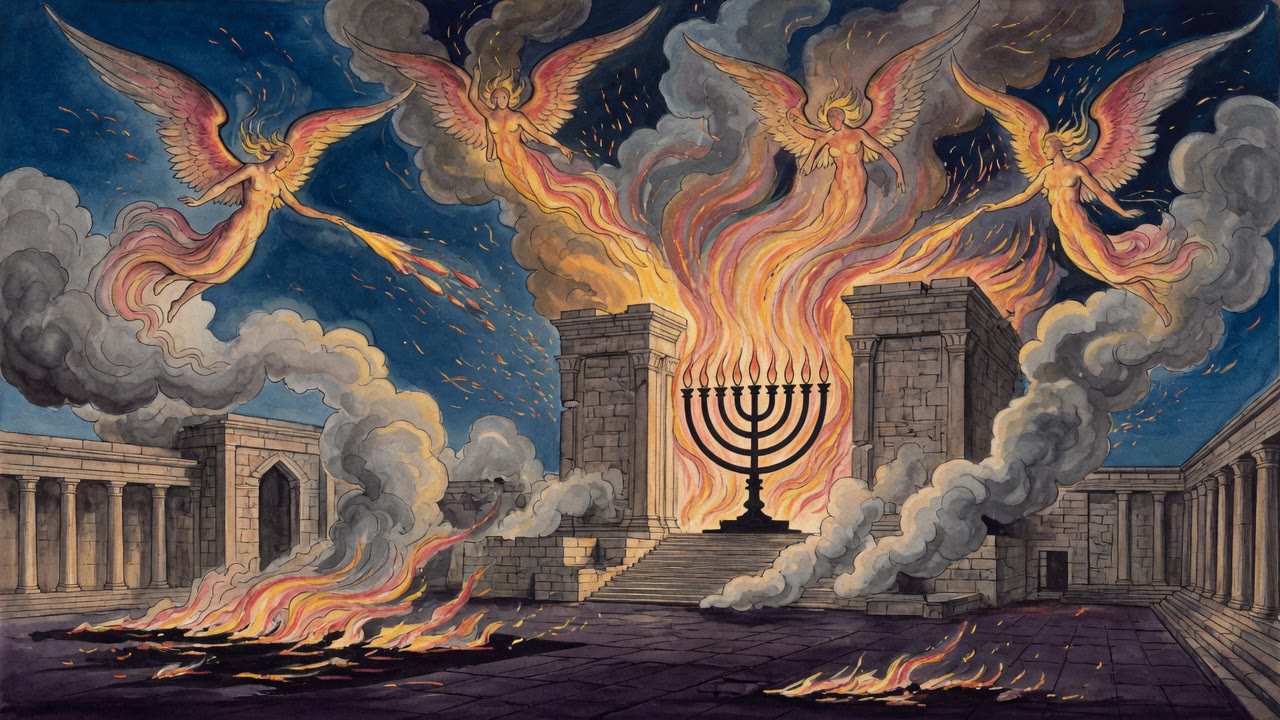
Build if you must. Design if you must. The verse does not ban architecture or industry. It bans the fantasy that architecture against Israel is destiny written in mortar. Edom may raise walls and hire engineers. Heaven raises a wind against the counsel that lives inside those walls when the counsel's true aim is erasure.
Israel's task is not to count enemy bricks each morning like a frightened clerk. It is to keep the fourfold inheritance braided: people, land, sanctuary, teaching. Drop one strand and the rope frays in the hand. Keep the braid and the yearly plots remain dust that never quite becomes a statue in the square where children play.
When the Temple later fell to other empires, the braid still had three strands left to grip. When exile scattered the people, Torah travel with them and inheritance kept a name. The philosopher's test of standing cities was always too thin for a covenant that had already survived more than masonry.
Rabbi Eliezer sent the philosopher out with less certainty and more truth. The students kept both, and the verse about building and throwing down never again looked to them like a simple bet on masonry that any traveler could settle with a glance at a skyline.
← All myths