Eliezer Starved in Jerusalem and Won Double Share
His brothers loaded the family silver and ran from the Romans. Eliezer walked the other way, to a study house in Jerusalem, and went hungry there for days.
Table of Contents
 Click for full size
The Road the Brothers Did Not Take
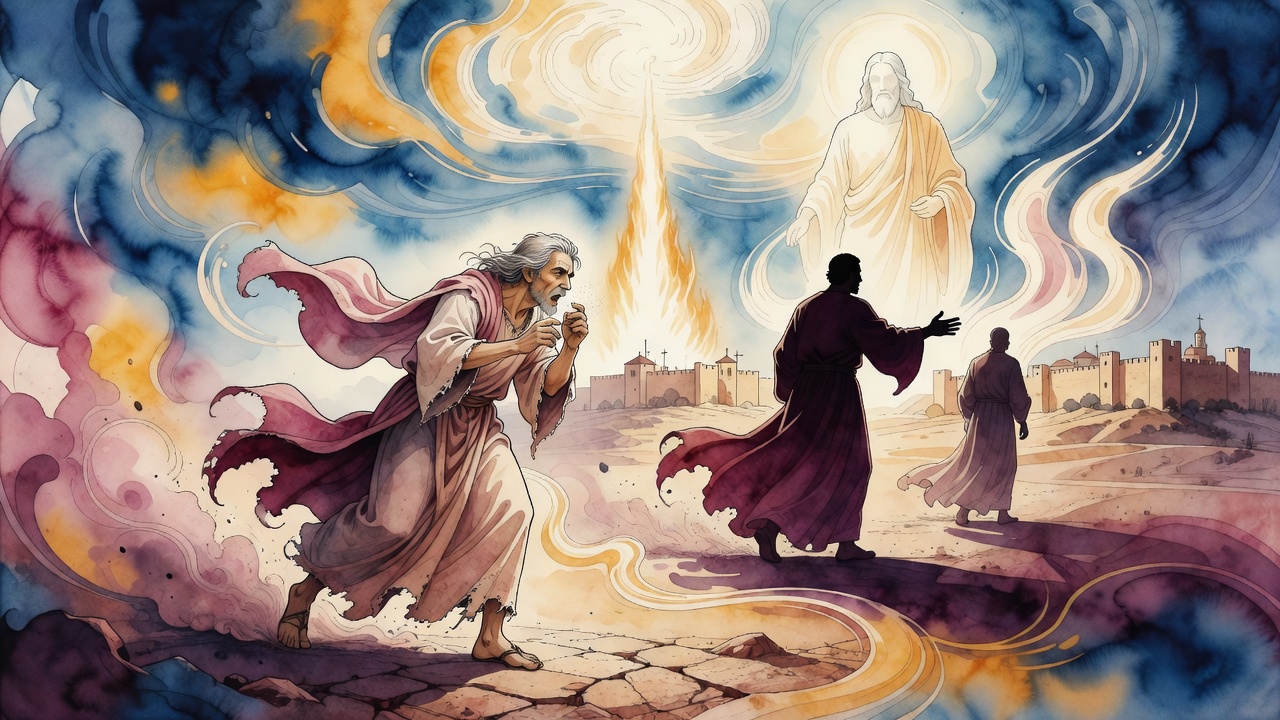
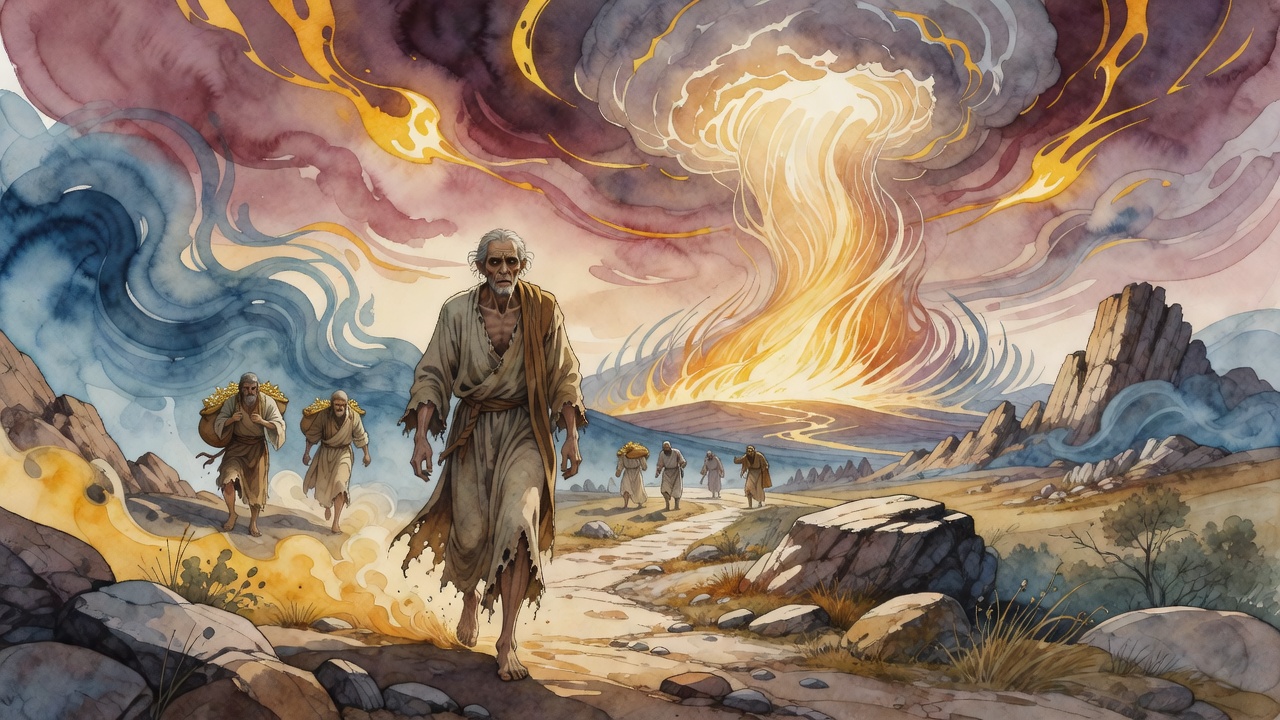
Roman soldiers pressed the fields, and the house of Hyrkanos broke into motion. Brothers gathered what silver they could lift. Carts groaned under sacks and chests. Dust rose in a pale column that marked the family's flight for anyone watching from a ridge. Everyone fled with the family's wealth toward safety that could still be bought, measured, hidden under floorboards in some cousin's village.
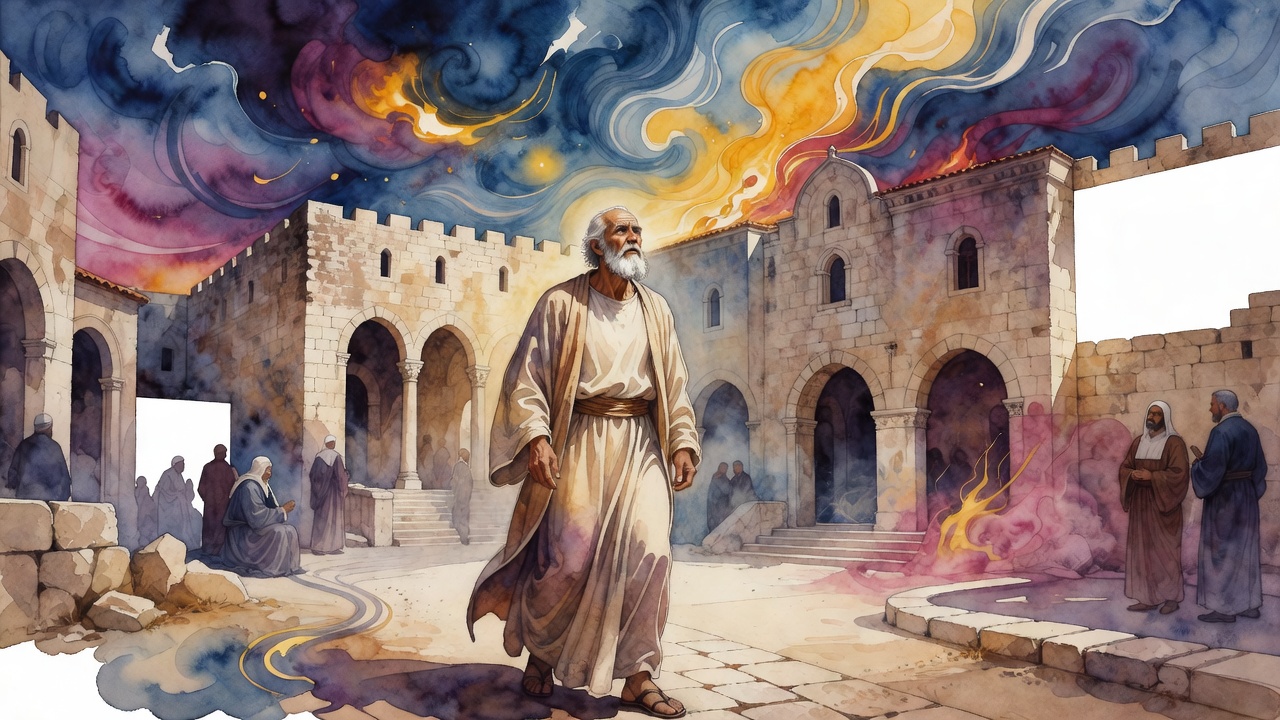
Eliezer turned the other way. He walked toward Jerusalem with empty hands, not because he hated land, but because the study house had already claimed him. While the estate ran for cover, he ran for the only inheritance that could not be sacked in a single afternoon: Torah under a living teacher. His brothers shouted that he was a fool. He kept walking until their voices became weather behind him.
Hunger He Would Not Name
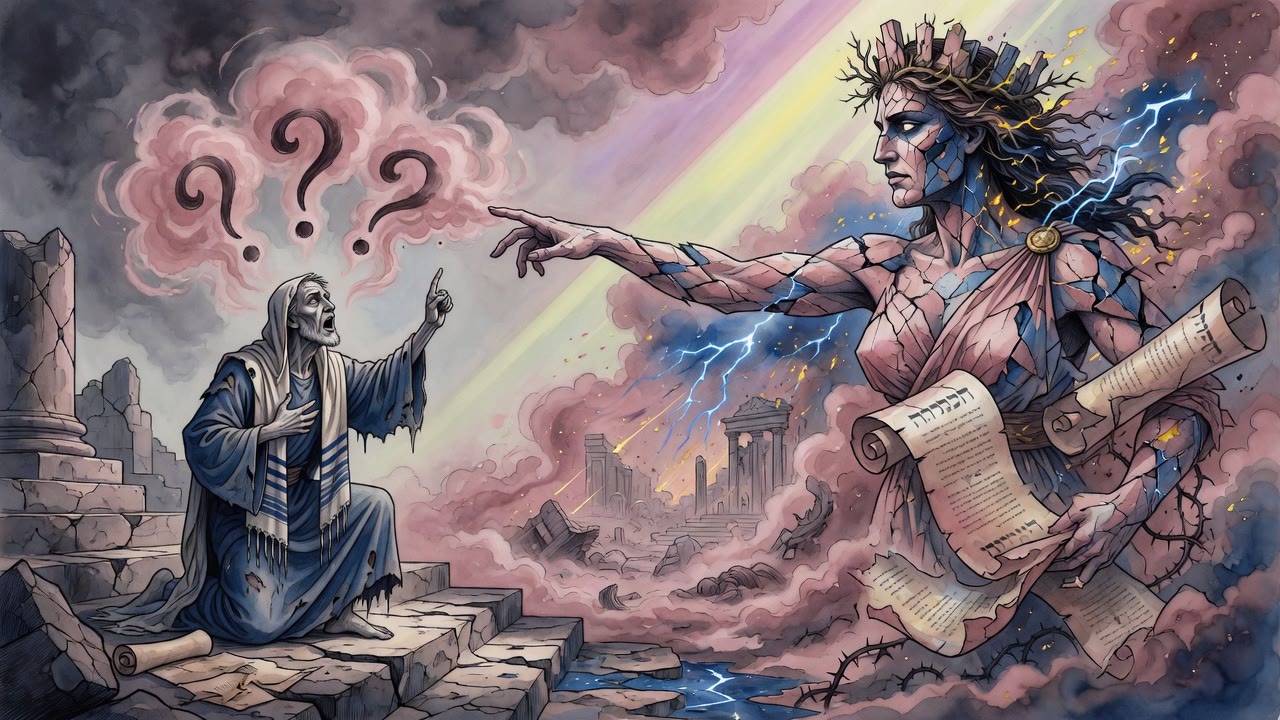
In the city he found Rabban Yohanan ben Zakkai and a place on the floor among students. He did not find bread. Days emptied. His face thinned until the other learners began to glance and look away. When the master asked whether he had eaten, Eliezer would not answer honestly. Pride and shame braided into silence. He could not say the word hungry to the man whose table he most wanted to earn by merit rather than by pity.
Yohanan ordered a check. The truth came out in the kitchen, not from Eliezer's mouth: the boy had been going days without food, lips cracked, attention still sharp enough to cut a legal knot. Help arrived in the form of meals that no longer required him to invent excuses. Study continued. The body that nearly failed became the vessel that would later fill a hall with speech so full the sages stood.
Night in Jerusalem smelled of smoke and bread he could not buy. Eliezer lay on the study house floor and counted the hours by the breathing of other students who had mothers nearby and coins for the market. He pressed his palm to his ribs and felt them like a list of debts. Still, when dawn put light on the scroll, his eyes opened first.
The Disinheritance on the Road
Back home the brothers argued their case over whatever wine the flight had left them. A son who left the fields for Jerusalem was no son. He had abandoned the carts, the silver, the blood-duty of salvage. Hyrkanos agreed with the anger of a father who measures love in continuity of land. He packed for the capital not as a parent seeking news, but as a landowner ready to cut a name from a will before the assembled sages. The legal knife traveled with him in his satchel, cold and ready.
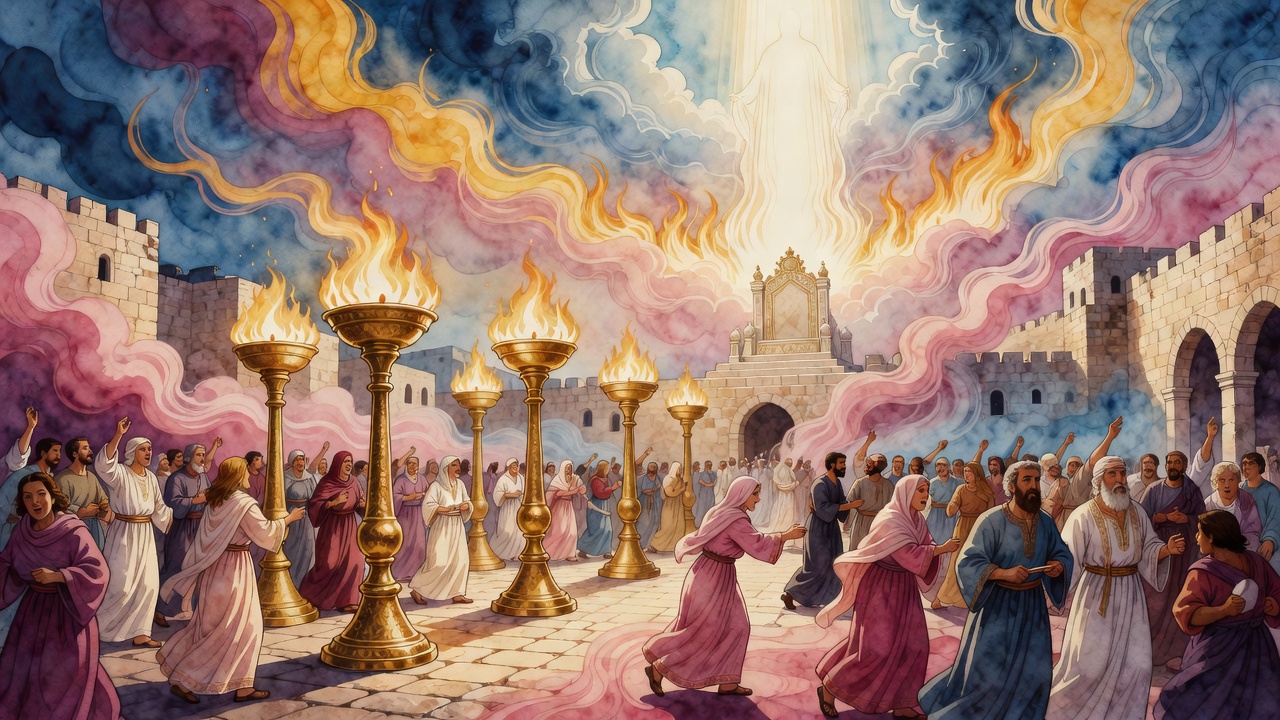
He entered the academy on a day of lecture. Dust of the road still on his hem. Yohanan saw the old man at the door and pressed his starving student to speak. The timing was not accident. Eliezer rose. What left his mouth was not a beginner's stammer. It was Torah swallowed whole and returned with force, argument stacked on argument until the room itself seemed to lean forward. The sages of Jerusalem stood when he finished. Hyrkanos forgot why he had come. The satchel suddenly felt ridiculous in his hand.
Double Share
The father who had planned to erase his son announced a new decision in the same room. Eliezer would not be cut off. He would receive a double share, more than any brother who had fled with carts and called that flight wisdom. The disinheritance that had ridden into Jerusalem rode out as a promotion. Brothers would hear the news later and taste metal. Eliezer heard it and did not smile much. He had not walked to the city to win a larger field. The field had followed him anyway.
Outside, Rome still owned the roads. Inside that hall, a different empire had already decided the ranking: the boy who chose study over salvage had become the measure of the family name. Hyrkanos left with his satchel lighter of vengeance and heavier of a pride he had not packed for the journey.
What Starvation Bought
Eliezer's hunger was not a romantic pose. It was the price of a door that would not open for a pampered heir. The silence about his empty stomach was stubborn and almost foolish, yet it marked a will that would not trade Torah for comfort even in the telling. When later generations called him a father of learning, they were naming a man who had first been a son willing to be disowned.
Poor students would lean on his example when the cupboard failed and the landlord knocked. Temporary starvation in Jerusalem. Permanent claim on the house of study. The field can be seized by soldiers and by brothers. The double share of learning cannot. That is the math Eliezer did with his feet when the carts went one way and he went the other.
← All myths