The Horites Who Tasted Dirt and Lost Seir
They pressed soil to their tongues and named each field by taste. When Esau's children took the ridges, mastery of the ground meant nothing.
Table of Contents
 Click for full size
Dirt on the Tongue
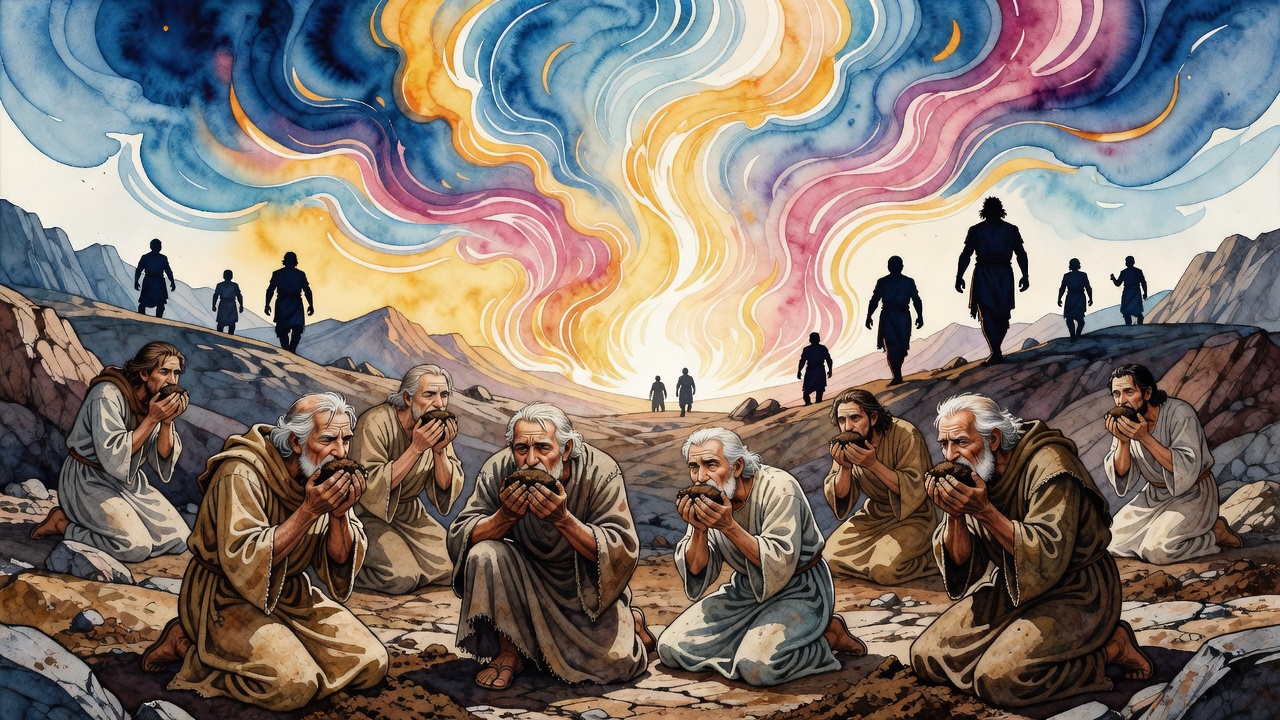
A Horite knelt on the ridge of Seir and pressed a pinch of earth to his tongue. He closed his eyes and let the grit dissolve. Olives, he said at last. Two ridges west the taste went sharp and thin, good for vines that would grip stone. Another stretch held the cool bitterness of grain waiting for the first serious rain. His sons watched the way other sons watch a scribe write contracts, because this was how their people read the land, not by map but by mouth and nose and the color of wet clay under a thumbnail.
The Torah later calls the sons of Seir the inhabitants of the land, and the phrase is not idle. They did not merely live on top of the soil. They lived inside its habits. Rav Yonatan would say their skill was like a serpent's, the same intimacy with dust that marked the snake after Eden, a gift that looked like mastery until the day the gift turned against them and left them tasting fields they no longer owned.
Travelers hired them to walk a new valley before a purchase. Plant here. Leave that strip alone. The fee was small next to a ruined harvest. Reputation ran ahead of their flocks. Children learned to smell rain on limestone and know which crop would forgive a late planting.
Names Written in the Field
They marked boundaries with the care of priests. One strip for oil. One for wine. One left fallow so the next year would not starve. At dusk they sat above their terraces and counted the dark shapes of animals moving home. No one below imagined those fields belonging to anyone else. Knowledge feels like ownership when it has never been challenged.
The Horites named themselves by the ground, and the ground answered them for a long time. A man could point to a slope and recite three years of yields without looking at a tablet. Women sorted seeds by the stories their husbands brought back from tasting tours. The land was a library, and they were its librarians, sure the shelves would always open for them.
Free of the Fields
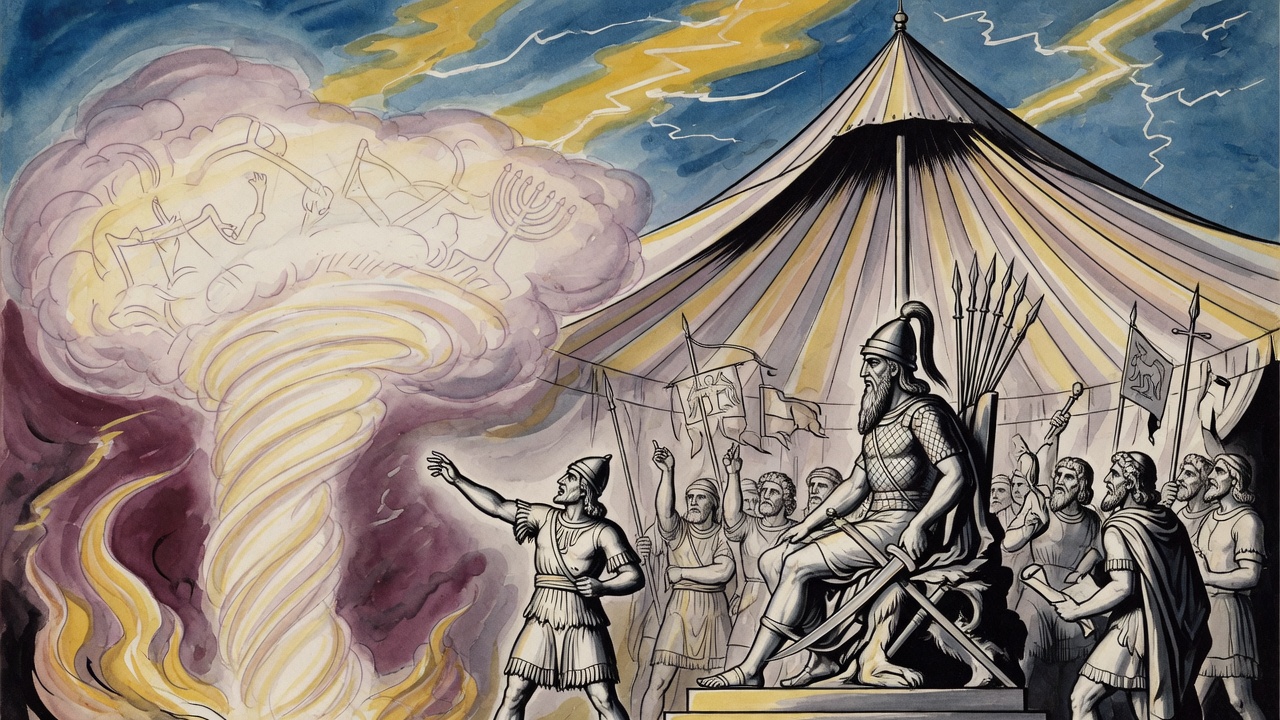
Then the children of Esau came with swords and claims older than any terrace wall. The Horites who could taste a field's future watched strangers harvest what their tongues had chosen. Fires burned on ridges that had never needed guards. Rav Acha bar Yaakov heard bitterness in the name Chori itself, a pun that turns free men into men freed of their land. They walked away with their skill intact and their inheritance gone, hands still remembering the feel of good dirt that would feed someone else's children.
That is the wound the midrash refuses to soften. Knowing a place better than anyone else does not guarantee you will keep it. The ones who understood Seir most deeply were the ones who lost it most completely. Expertise without covenant becomes a museum of lost farms, and the museum has no roof.
Boundaries Drawn from Above
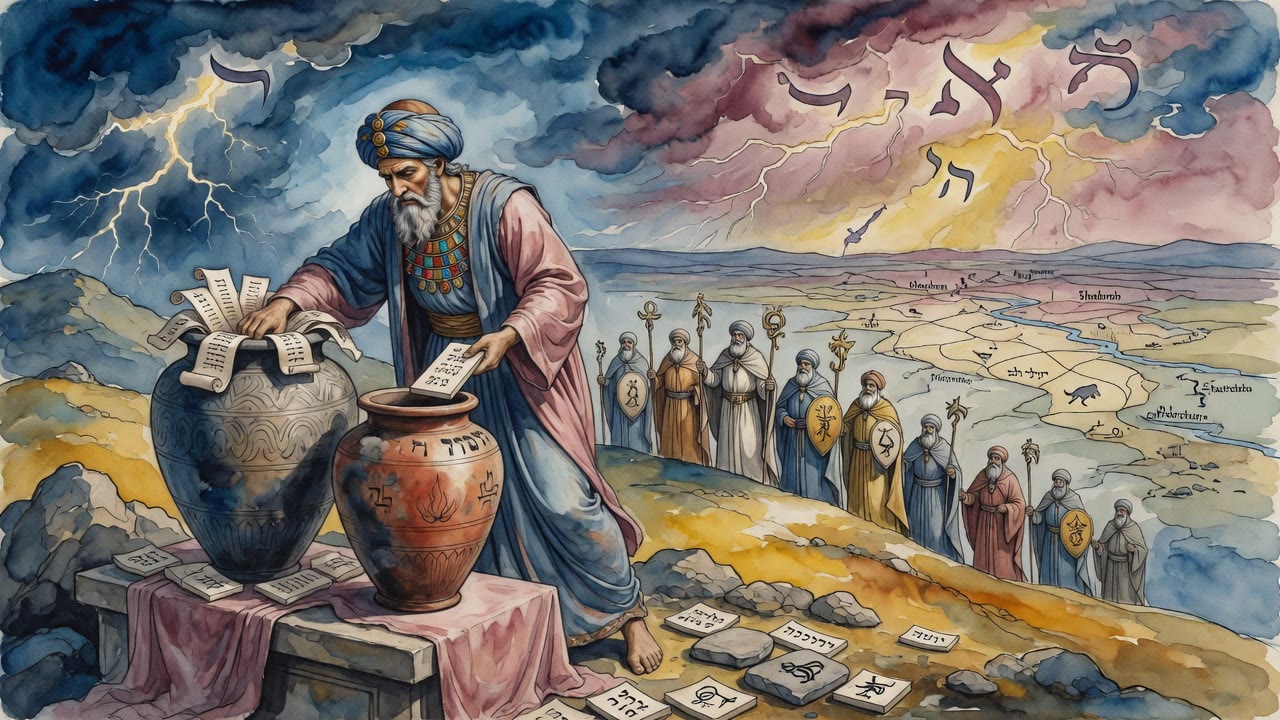
Far above those ridges, another story of borders was already moving. When the Most High caused the nations to inherit, He did not toss lots at a blank map. He set the bounds of the peoples according to the number of the children of Israel, fencing Gomer to Gomer, Magog to Magog, Greece to Greece, so that the herds of nations would not trample one another into chaos. The world received addresses before it received empires.
And more than order was at stake. The boundaries were drawn so the nations would not simply flood into Eretz Yisrael as if it were common pasture. The land set apart needed borders the way a sanctuary needs walls. What looked like geopolitics was also a fence around a promise, a quiet refusal to let every tongue that could taste soil also claim the mountain of inheritance.
Six Goods Told to Yitro
Generations later, when Yitro heard what God had done for Israel in the wilderness, he rejoiced over all the good. Rabbi Eliezer insisted the good was not only manna and water. It was the land waiting ahead, and with it five more measures folded into the same praise: the world to come, the house of David, the renewed creation at the end of days, the priesthood, and the Levites' service. Four compressed words in the verse opened into six gifts.
On Seir the Horites had read dirt like scripture and still lost their fields. Israel was promised a land that would not rest on tongue-skill alone, but on a covenant that named six goods and refused to treat the homeland as a prize for the cleverest farmer. Knowledge of soil is a gift. Inheritance under oath is another kind of gift entirely, and the two should not be confused when swords appear on the ridge.
← All myths