The Levites Ate From Fire and Owned No Field
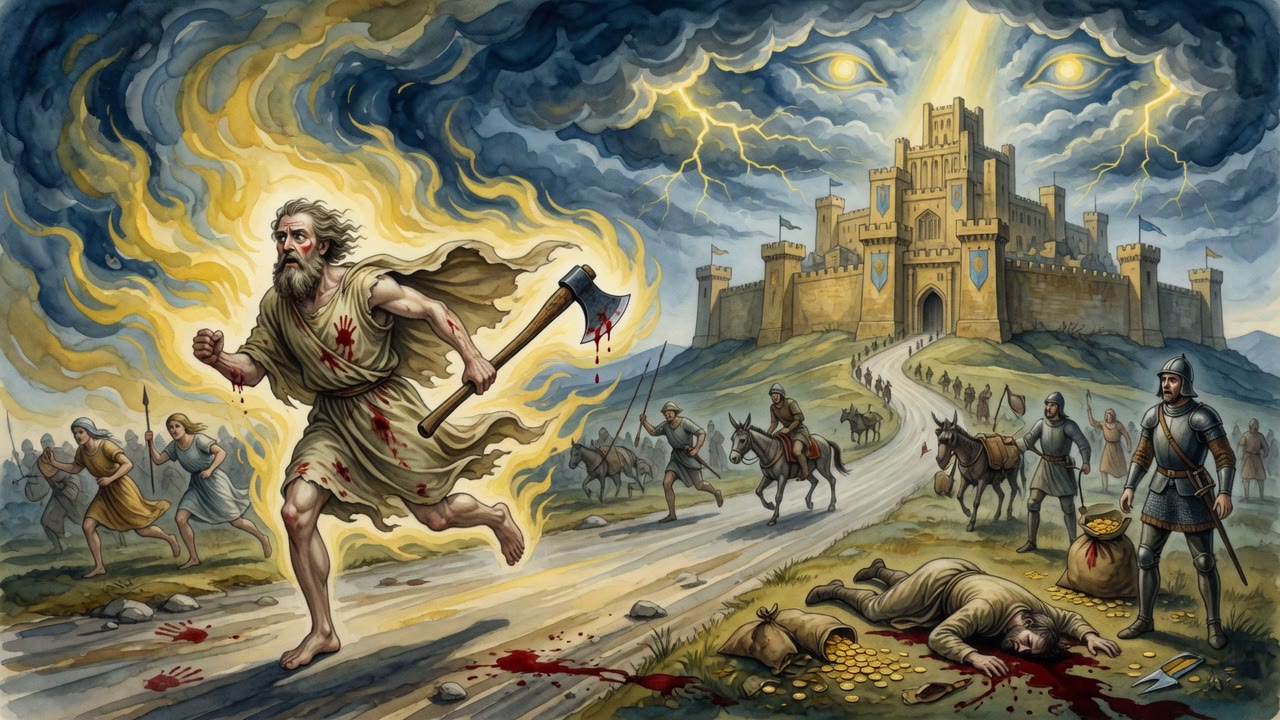
A rich man brought his own logs to finish a burnt offering. Priests stacked public wood, and his animal met a flame he did not own.
Table of Contents
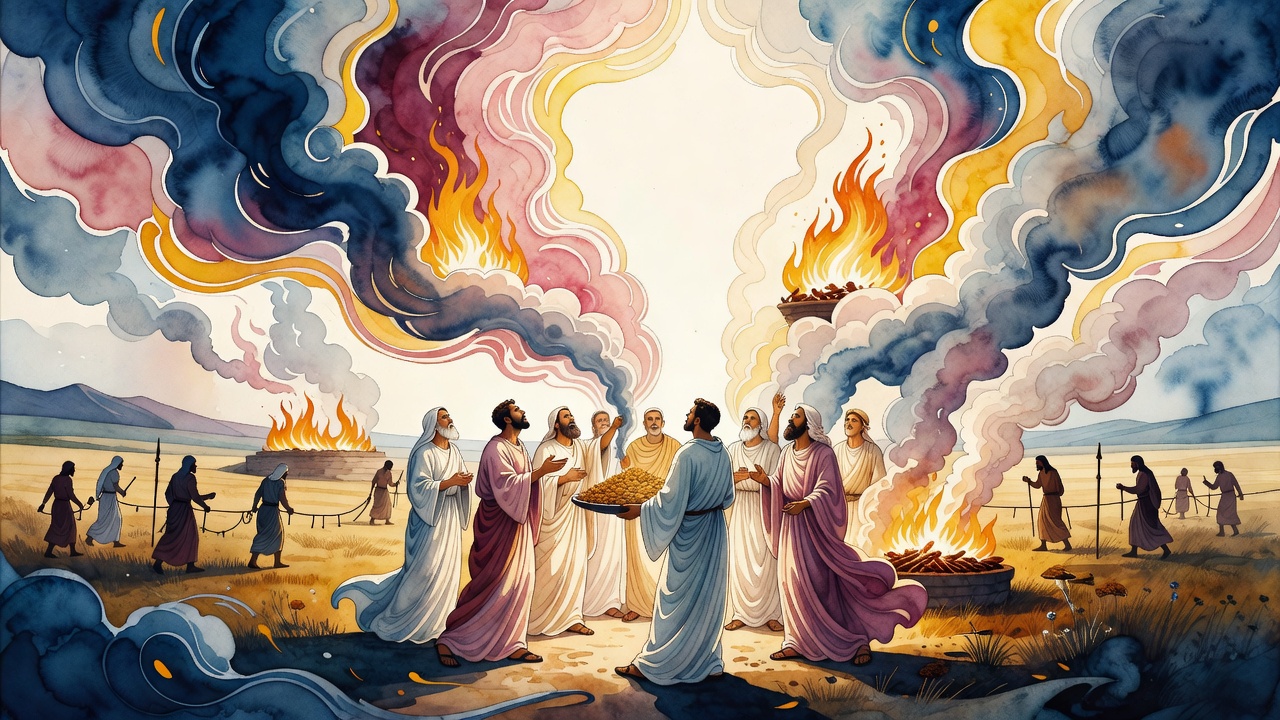
The Levite stood at the edge of the survey and watched the ropes go past his tents.
 Click for full size
Other tribes watched lines fall across hills and named their furrows. He watched smoke. His stomach learned a calendar of offerings before it learned a map of private soil. The surveyors coiled their ropes and walked on. No boundary stone would ever carry his name.
A Share in Everyone's Harvest
"They shall eat the fire-offerings of the Lord and His inheritance," the verse said, and the young Levite who heard it tasted both comfort and exposure (Deuteronomy 18:1). Food that depends on other people's devotion is a risky plate. It is also a clean one.
He walked home past fields he would never own. A neighbor joked about eating smoke. The Levite did not joke back. Smoke had become bread.
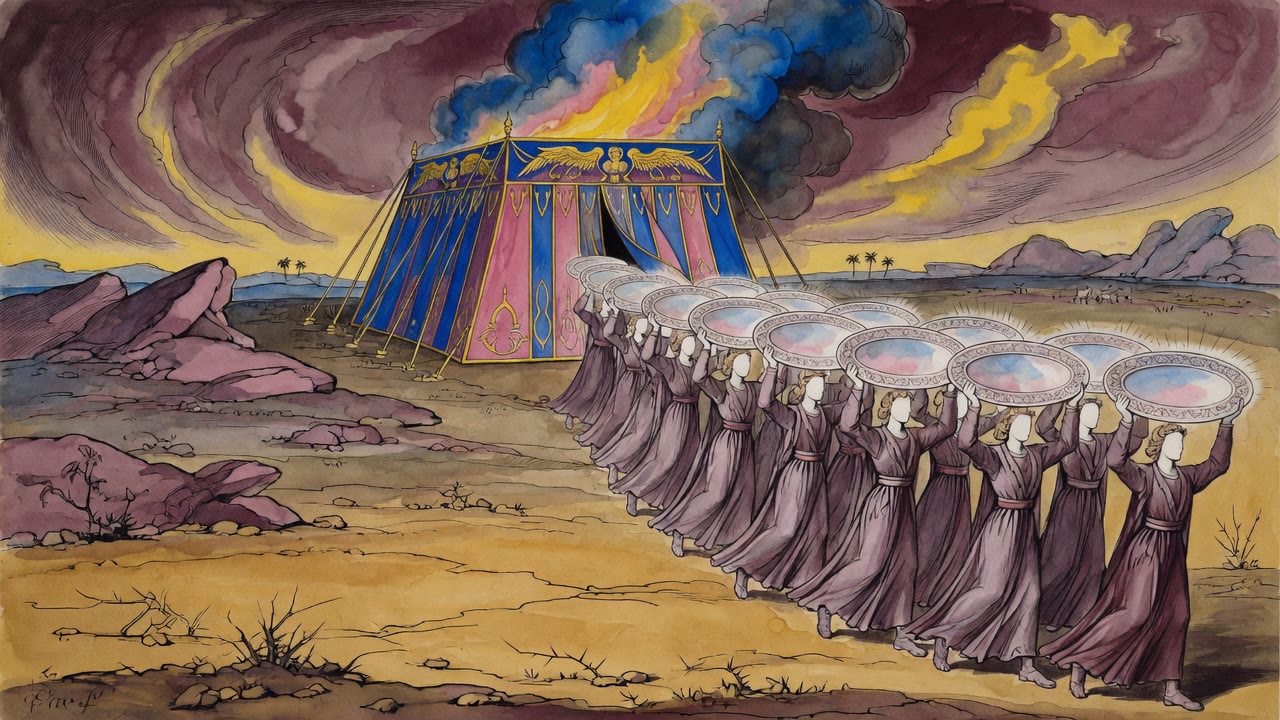
Temple offerings were the obvious table. Boundary gifts widened it. Terumot (תרומות), the priestly portions from the land's edge and yield, also fed those who served. "His inheritance shall they eat" meant the land still supported Levi, not as deeded acres under one name, but as a share in everyone's harvest aimed at heaven first. He carried a portion home and felt the weight of a whole tribe's choice in a few measures of grain. No field of his own meant no illusion that holiness was a side job after plowing.
The Logs That Could Not Climb
A rich man arrived with a freewill burnt offering and a stack of his own logs, eager to complete the picture with personal flame. He had chosen the beast. He had chosen the wood. He wanted the fire to be his as well.
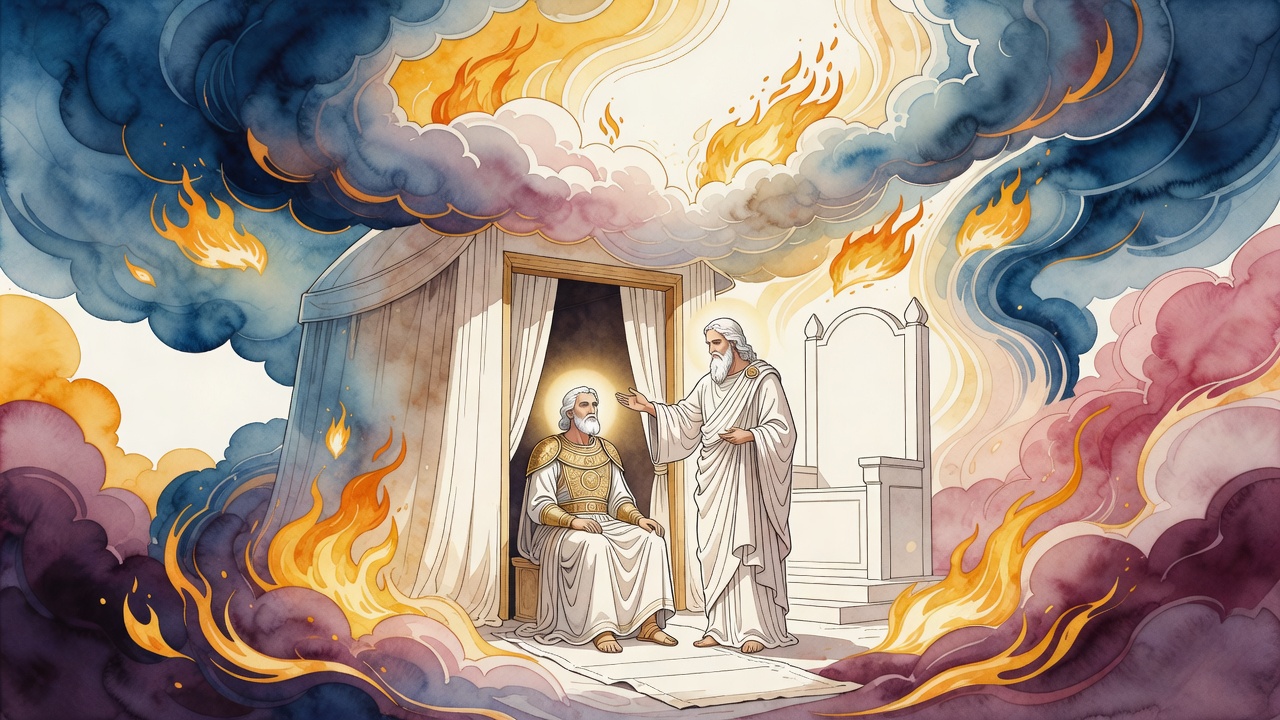
The priests blocked the gesture. Wood and fire bind to the altar, and the altar was never a private hearth. It stood from the public chamber. Rabbi Elazar son of Rabbi Shimon made the line sharp. The worshiper brings the beast. The fire that eats it belongs to the nation.
The Levite stacked communal logs and felt, for a moment, like a steward of a fire no single donor could brand. The rich man flushed, then nodded, then watched his animal meet a flame he did not own. Ownership had been his favorite prayer. Today he learned a quieter one.
Ash settled on the Levite's sleeve. He brushed it like a badge. Wood that had served a layman's hearth did not climb. The public flame kept the rite from becoming a rich man's theater.
Ox, Bird, and the Same Smell
Rav Yehudah stood in the court while smoke rose and named the intentions that can fail an offering from the inside. Right species. Live fire. Aroma intact. Contentment intended. Dedication to the One who spoke the world into being. Wrong aim at any point, and the gift misses.
Ben Azzai pointed at the Name on the section and would not let it be swapped. The Torah writes the Lord here, not a title a heretic could twist toward lesser powers. The smoke goes to the One. No other address.
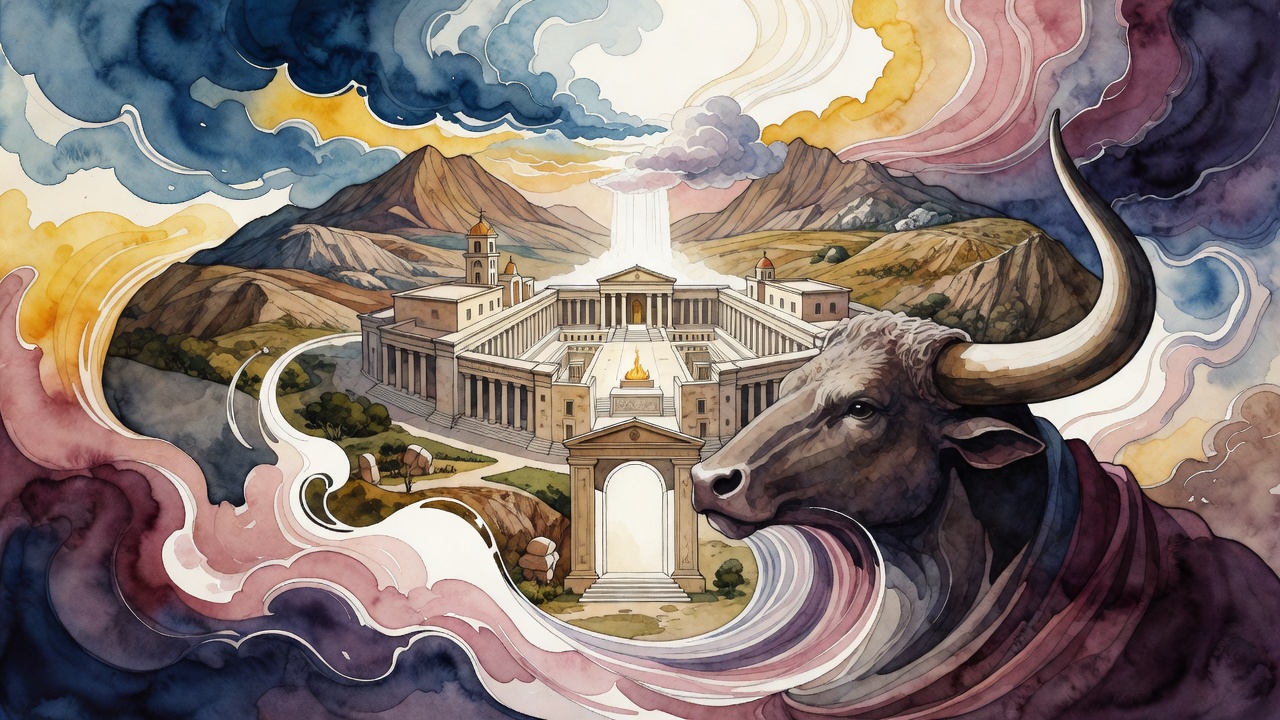
Then the same words over three gifts. A pleasing aroma for the costly ox. A pleasing aroma for the cheap bird. A pleasing aroma for the humble meal. The one who brings much and the one who brings little stand on one scent if the heart's aim is true. The cattle on a thousand hills are already His. He does not hunger. The sacrifice was never for His appetite.
The Levite, who ate from all of them in turn, caught himself preferring the ox's week for the leftovers. He took the bird's week with extra care and fasted from that preference. A private ranking is a field of the mind. Levi was not meant to own those either.
An Inheritance Without Stones
Years on, the same Levite buried a father who had owned no field and left no boundary stones. The estate was a memory of service and a community still willing to bring portions. He stood by the altar at dusk and watched public wood catch. The flame did not know his name. It knew the work.
"We own no field," he told a student. "We own the nearness, and the nearness feeds us if we do not sell it."
Smoke rose. Somewhere a small meal offering and a great ox were equal in the only court that counted. The student looked at his own empty hands and, for the first time, did not see poverty. Night came. The surveyors' ropes of other tribes lay coiled in other tents. Levi slept inside the smell of a public flame, fed without fences, rich without acres.
← All myths