Balaam Cannot Curse Jacob's Royal Portion
Balak hires a mouth to ruin Israel. Heaven bars the journey, the curse, and even the blessing. Balaam learns Jacob is the Kings own sealed portion.
Table of Contents
 Click for full size
Neither Honey nor Sting
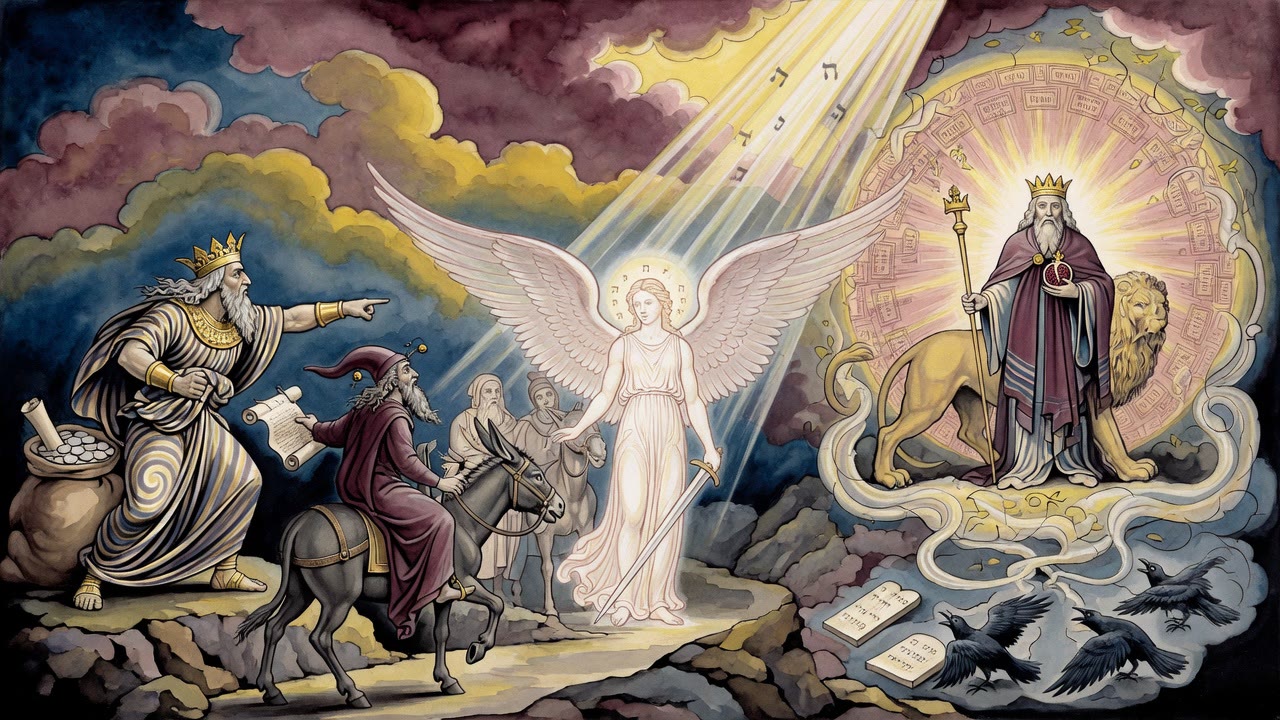
Balak's envoys reached Balaam, and Balaam turned to God for leave. Night sat on the house. The answer was flat. "You shall not go with them." Greed tried to bargain around the verse. "If I cannot travel to Moab, I will curse them from my place." That door closed at once. "You shall not curse the people."
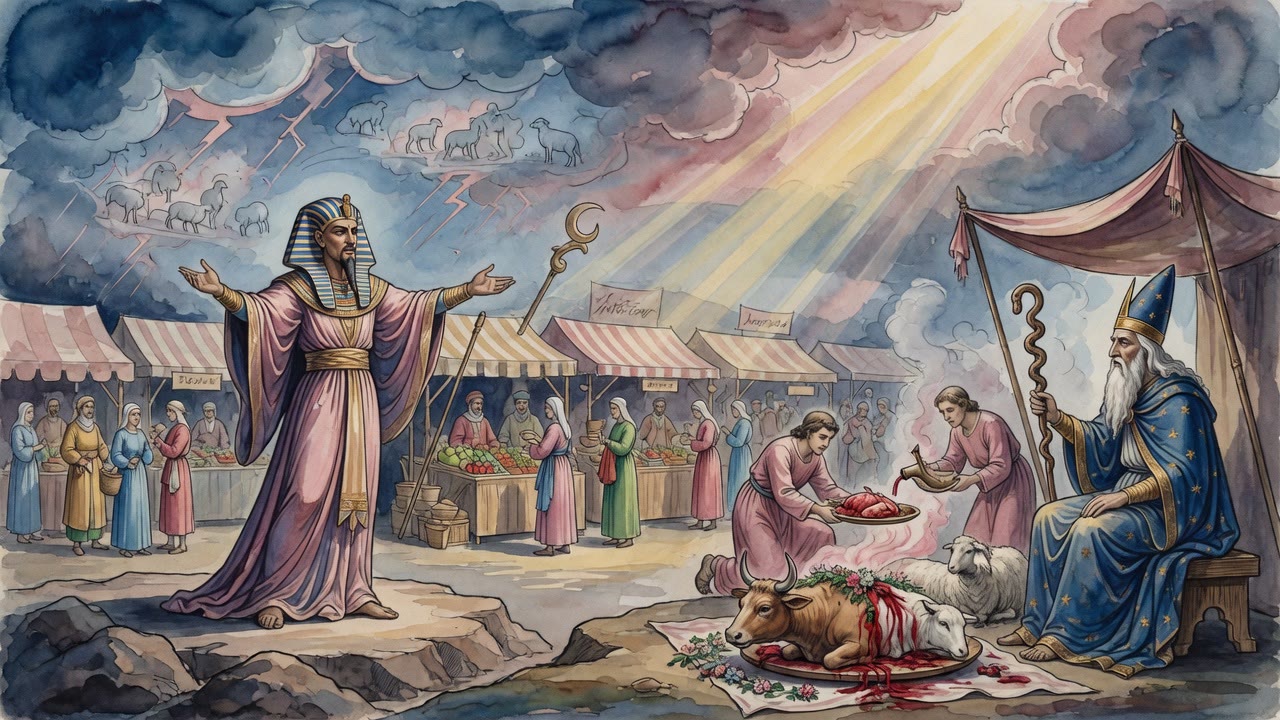
He shifted ground. "Then let me bless them." Heaven wanted nothing from this man, neither malice nor favor. "They have no need of your blessing. They are already blessed." Israel's good came from a higher source and required no help from a hired prophet of the nations. The sages sealed it with a hard parable. One says to the hornet: neither from your honey nor from your sting. Keep your sweetness and keep your poison both. From a creature whose nature is to wound, even kindness is unwanted. Balaam learned he was not needed as friend or as enemy.
Permission That Is a Verdict
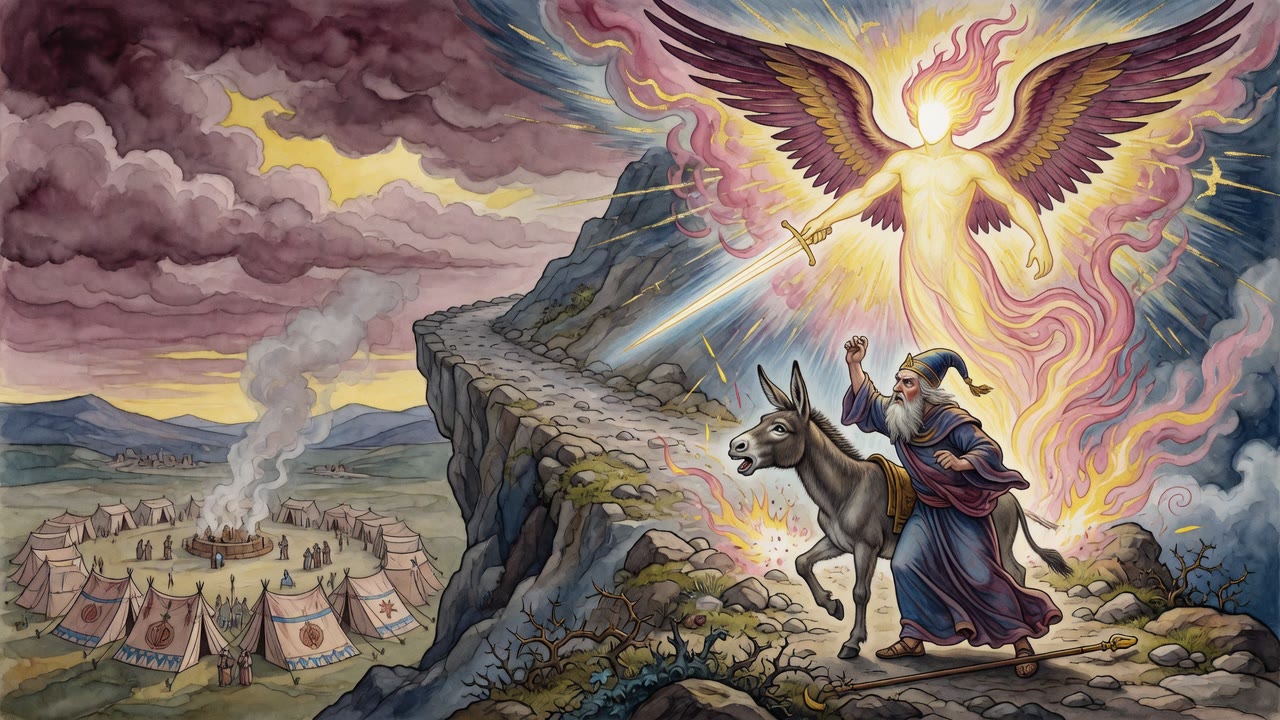
Still Balaam pressed. The princes came a second time with gold in their voices. In the night God said, "Arise, go with them." It was not a blessing on the road. It was the loosening of a man's grip on a ledge he refused to leave. Afterward the verse declares that the anger of God kindled because he was going. How can anger meet a permitted journey? Because the permission was mercy turned against itself.
"Wicked one, I take no pleasure in the death of the wicked. I would have held you back. But since you are determined to be lost from the world, since you crave the road that ruins you, then go." Heaven does not drag a man to his destruction. It steps aside when he insists on walking there himself. The saddle was permission. The anger was truth. Balaam rode both.
The King's Own Portion
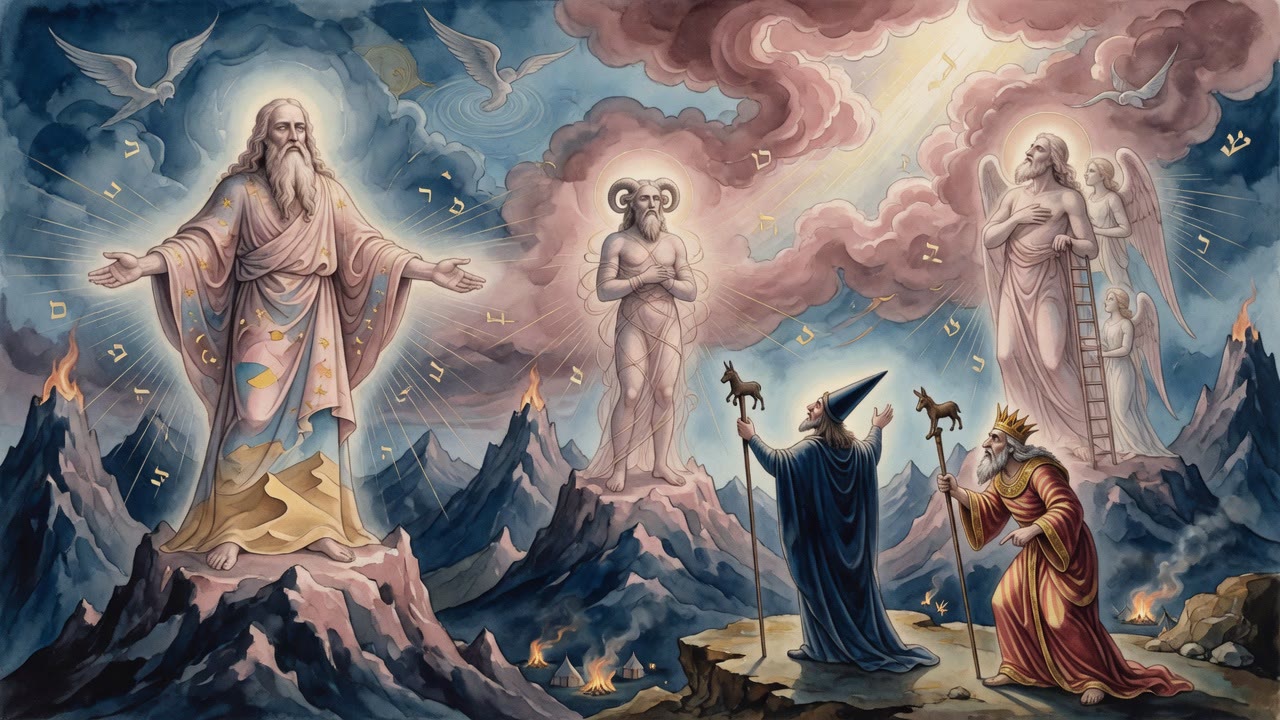
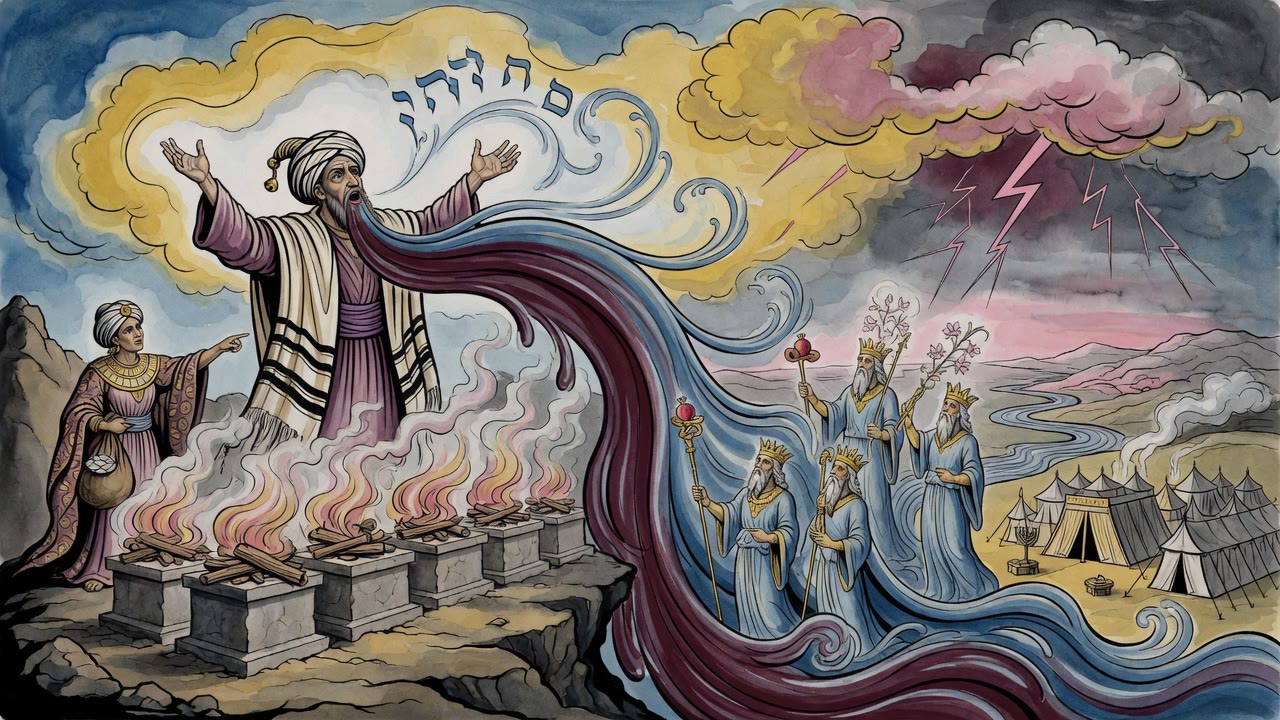
On the high places Balak said, "Come, curse Jacob for me." Wind moved the smoke of offerings. Balaam felt the limit of his tongue. Some nations lie open to a curse. Even children of Abraham and Isaac, in another telling, might have offered a crack. Jacob was different. The name itself stiffened against hire.
Picture a king who sets aside one choice portion of all his wealth for himself alone. A stranger strides up to mock that very portion. Does such a man walk away whole? The king strikes for the insult. So stands Israel. They are the Holy One's inheritance, His allotted portion, His treasured possession. For the Lord's portion is His people, Jacob the lot of His inheritance. To curse Jacob is to insult the King to His face. A hired mouth, for all its fee, could not do it. The insult would rebound before the word finished leaving the teeth.
How Shall I Curse
From the heights of Moab the confession tore out of him. "How shall I curse whom God has not cursed?" The sages heard in that cry a memory from Isaac's tent. When Jacob entered wrapped in goat skins and answered, "I am Esau, your firstborn," a falsehood left a human mouth. Such a one might seem fit for a curse. What came instead was blessing. Isaac himself, trembling, declared he shall also be blessed. The room that should have broken Jacob sealed him instead.
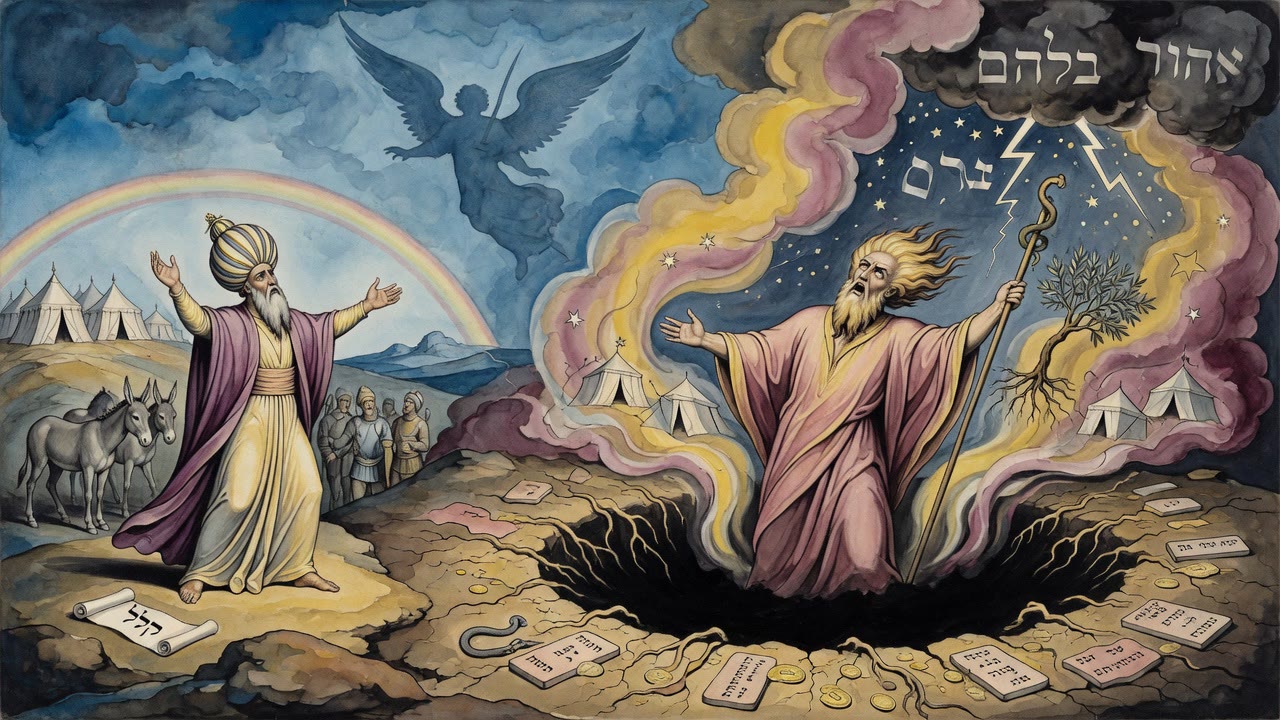
If even that disguised hour drew blessing rather than curse, the seed stands sealed against the curser's tongue. Balaam looked out over Israel and knew it in his bones. These are a people God has not cursed, and what God has not cursed no prophet for hire can bind. Tents below him looked ordinary: smoke, goats, laundry on lines. The seal on them was not ordinary.
Blessing Signed, Curse Unclaimed
Why the helplessness? Because the Holy One never made Himself the master of cursing Israel. On the day Moses set tribes upon two mountains, blessing claimed its beloved object: these shall stand to bless the people on Mount Gerizim. For the curse the verse turns its face. These shall stand for the curse on Mount Ebal, and Israel is not named as Heaven's target in the same breath. Grammar itself kept a distance.
In the great covenant the pattern holds. When Israel obeys, God reaches down with His own hand. The Lord will set you on high. The Lord will command the blessing. He signs the good Himself. When Israel strays, He does not say that He brings the curse. He says only that they shall come upon you, of their own accord. Curses arrive like weather a man walks into. Blessing arrives like a gift placed in the hand. Therefore Balaam stood empty-mouthed on the ridge. One cannot curse a people whom God has never set out to curse. Balak's silver bought a journey and a confession, not a ruin.
← All myths