Balaam Rode to Curse Israel and Could Not Stop Blessing
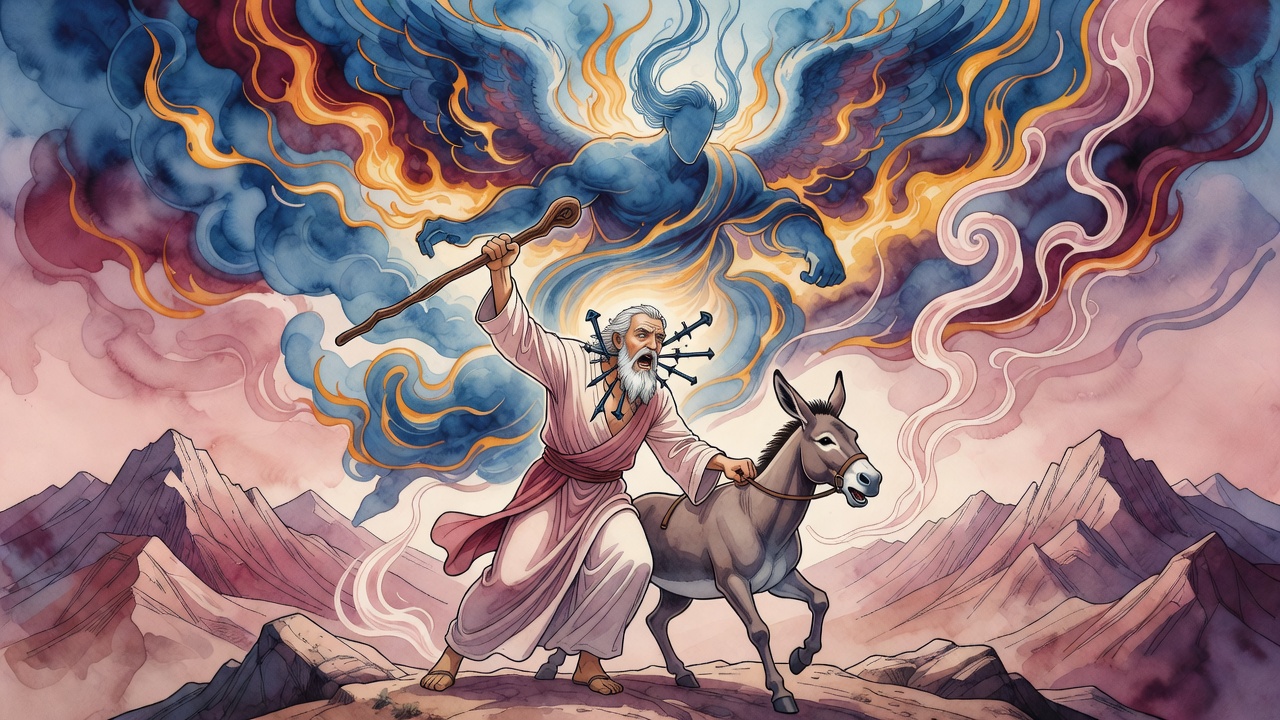
Balaam saddled his donkey before dawn, eager to curse Israel for Balak's money. The donkey saw the angel blocking the road. Balaam saw nothing.
Table of Contents
 Click for full size
The Donkey That Preceded Him
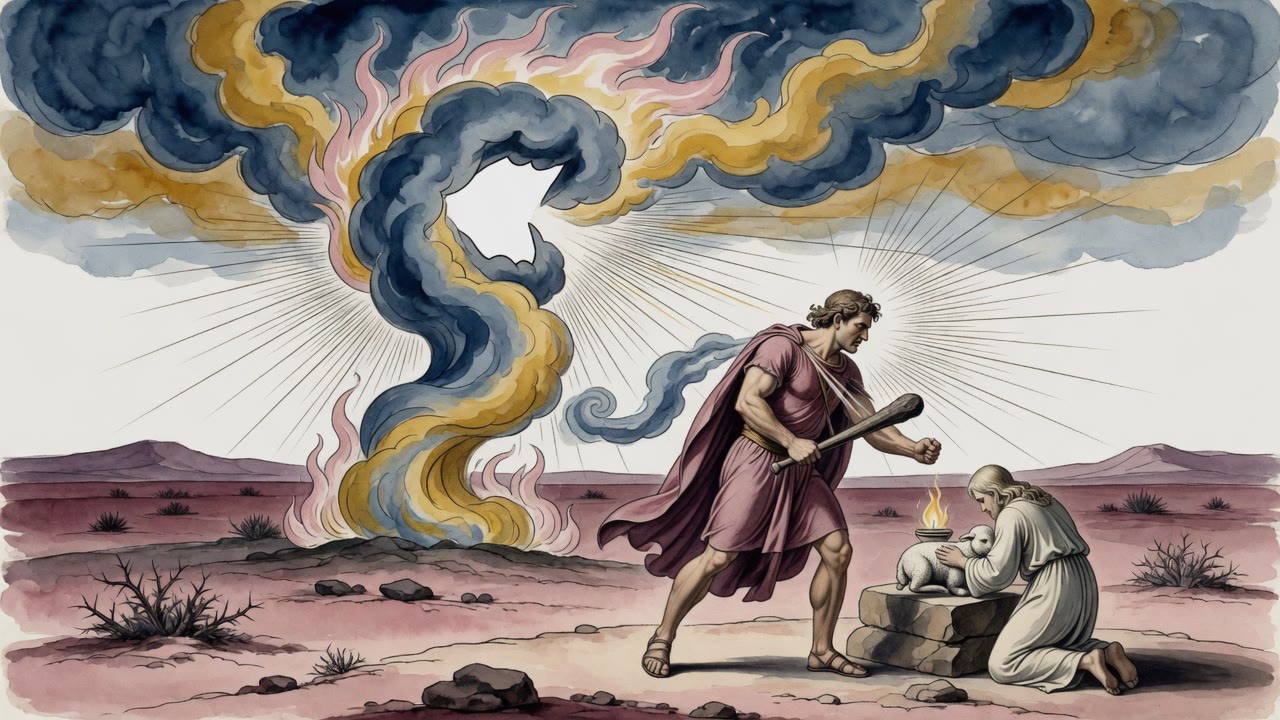
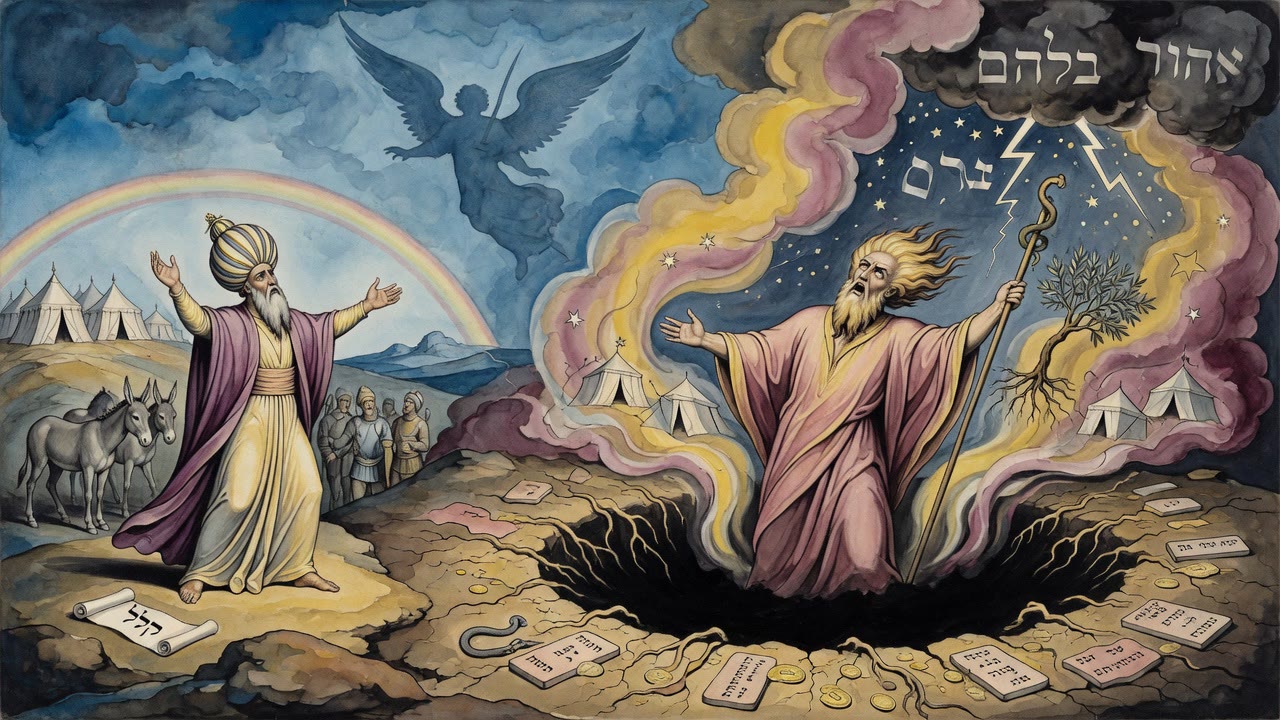
The donkey Balaam rode to Moab had been in the world longer than Balaam had. It was one of the things created in the final moments of the sixth day, when God completed the physical world and added to it a handful of objects and creatures whose purpose would only become clear later in history: the rainbow, the manna, the first set of stone tablets, and this specific donkey. According to the Legends of the Jews, it had been a gift from Jacob to Balaam, intended, with an irony that would take centuries to unfold, to prevent Balaam from giving bad advice about Jacob's descendants to the rulers who would later try to destroy them.
Balaam had already used his gifts to advise Pharaoh about how to manage the growing Hebrew population in Egypt. That advice had contributed to the enslavement. Now Balak, king of Moab, had sent for him with a different commission: come and curse the people camped on his border, because Balak had seen what happened to the Amorites and he was afraid.
The Permission and the Eagerness
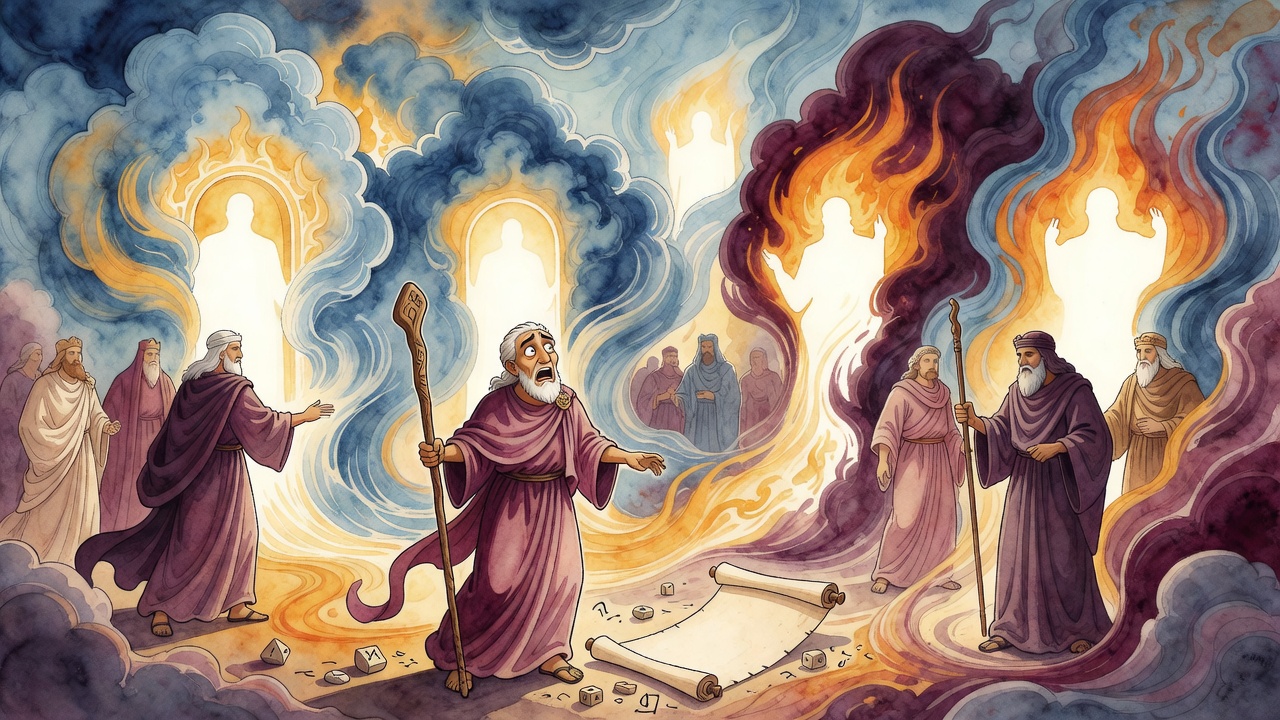
God had said no first. Balaam went back to Balak's messengers with the answer and they returned with more impressive ones and better offers. God relented, conditionally: go, but speak only what I tell you. Balaam should have heard the condition as the whole of the instruction. Instead he heard the permission and woke up early.
He saddled his own donkey. This was not what wealthy prophets with servants did, and the Legends of the Jews noted it. His eagerness had gotten ahead of his dignity. He was racing toward the assignment before the assignment's terms had settled in him, saddling the animal himself because his servants were not moving fast enough, because he could already see the silver Balak had promised and could not afford to lose a moment of the head start God had grudgingly given him.
What the Donkey Saw
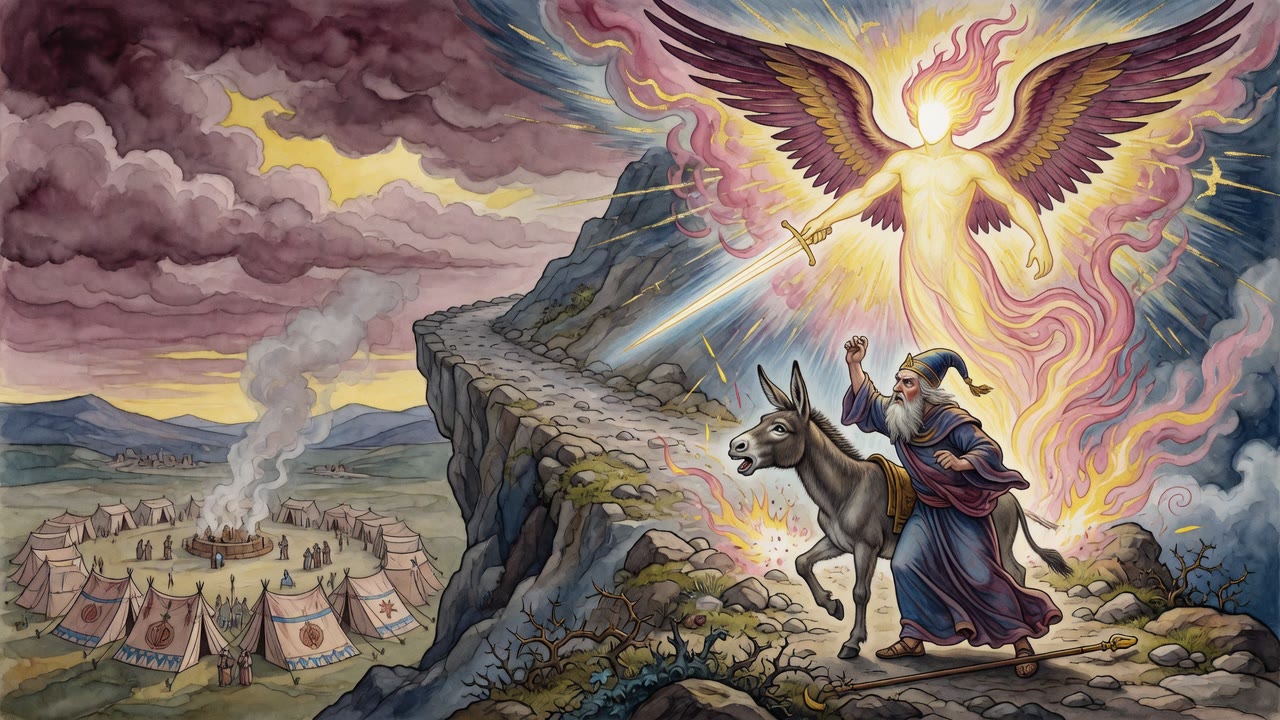
Three times the angel of the Lord stood in the road, sword drawn. Three times the donkey stopped or veered or pressed against a wall. Balaam, the prophet who heard the voice of God and could read men's fates, saw nothing. He beat the donkey each time. When the donkey finally spoke, the voice coming out of the animal's mouth with the flatness of someone who has been patient long enough, it said only: "have I ever done this to you before in all the years you have ridden me?" And Balaam, extraordinarily, answered the donkey directly: "no. You have not."
Then God opened Balaam's eyes and he saw the angel. He fell on his face. The angel told him what the donkey had already known: the road was blocked because the mission was wrong from the beginning, and only the donkey's intelligence had kept Balaam alive long enough to have his eyes opened.
The Blessing He Could Not Stop
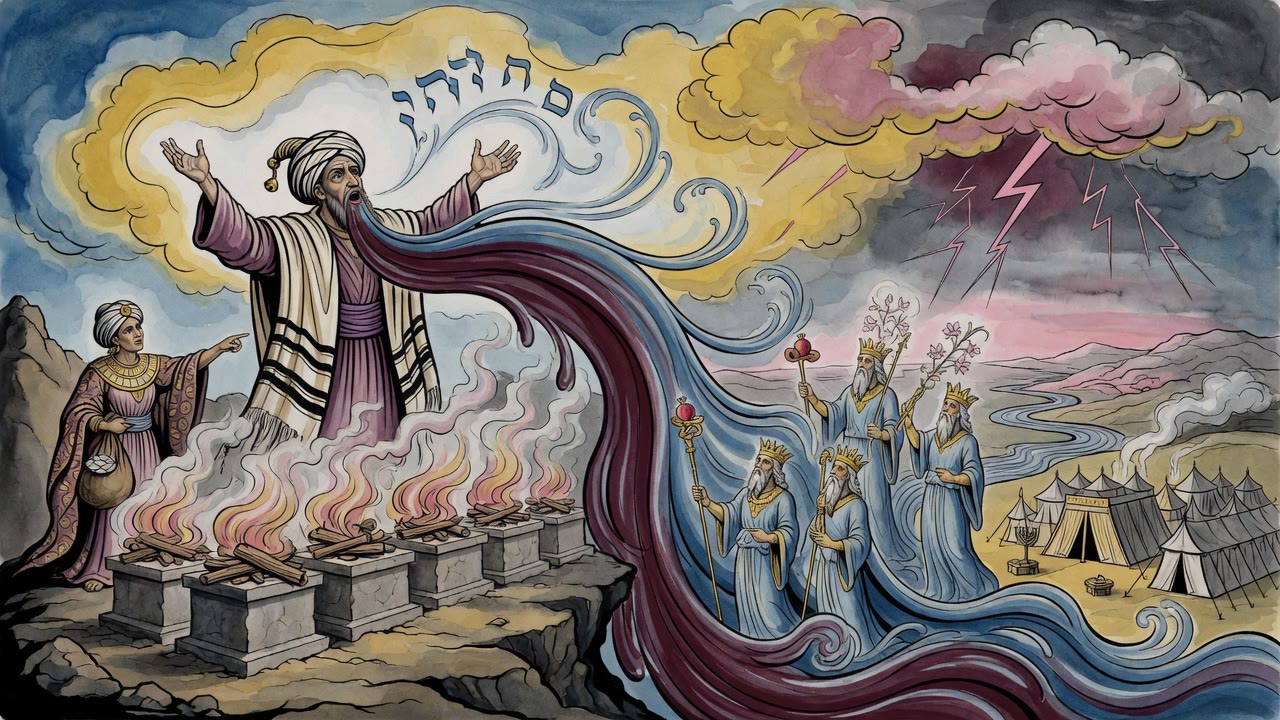
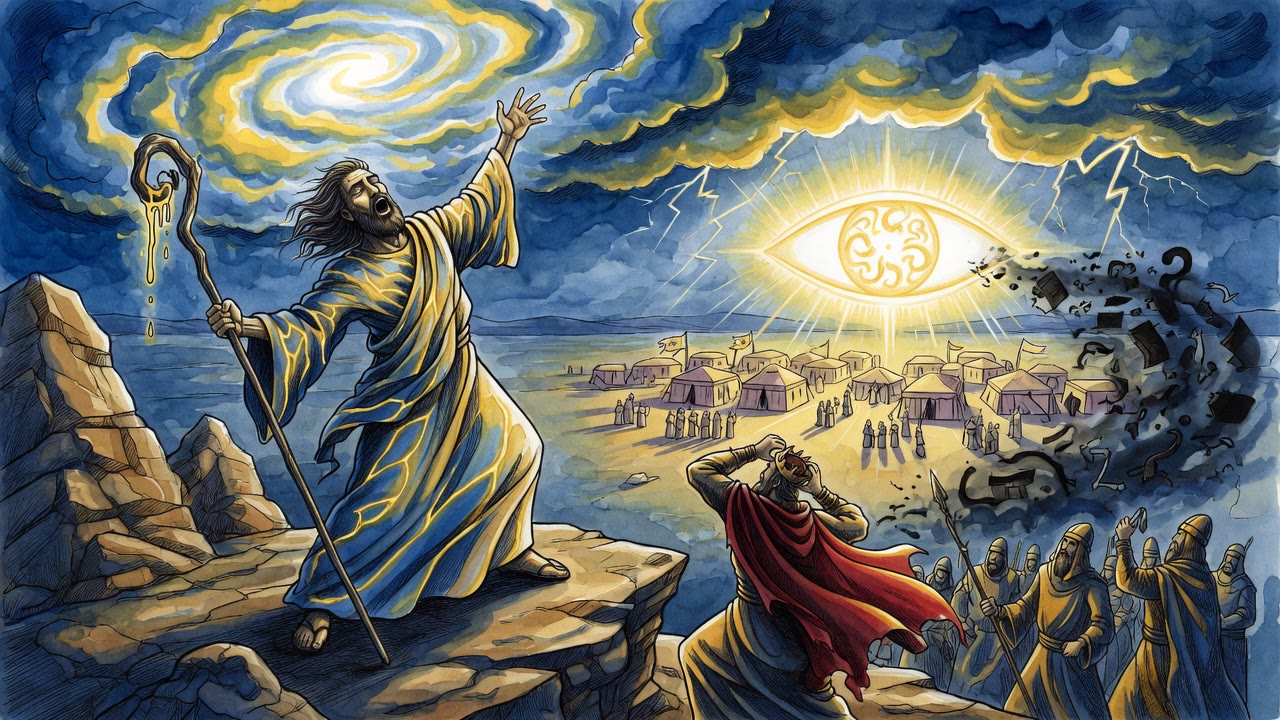
Balak brought Balaam to three high places overlooking the Israelite camp and waited for the curse. Each time, what came out of Balaam's mouth was a blessing. He could not help himself. His mouth opened, the words of God came through, and the people camped below were declared indestructible, beloved, destined for greatness. Balak moved him from hill to hill hoping the angle would change the result. It did not.
Balaam's most famous oracle spilled out against his will: "how goodly are your tents, O Jacob, your dwelling places, O Israel." He called them a people that dwells apart, not reckoned among the nations. He said their king would be greater than Agag. He said a star would come from Jacob. Everything Balak had hired him to prevent, he proclaimed instead, on three different hilltops, in the clear air of Moab, while the Israelite camp stretched out below him in the morning light.
The Admission
After it was over, after Balak had dismissed him in fury, after the blessing had been spoken three times and could not be unsaid, Balaam admitted what he had finally understood. He said, according to the Legends of the Jews: "I was in error when I believed Israel could be easily attacked, but now I know that they have taken deep root in the earth, and cannot be uprooted." He named the reason specifically: God forgave them their sins out of consideration for the covenant sign they had preserved from Abraham, and because their prayers rose up to heaven with the smell of frankincense.
He fled to Egypt afterward, as a man who has failed his client and knows his client will not forgive him. He arrived to honors and elaborate receptions, his reputation had preceded him, but the people who had not been cursed were still out there, and eventually the armies of Israel would find Balaam among the Midianites and put him to the sword.
← All myths