Dathan Raised a Fist Then Sold His Own Kin
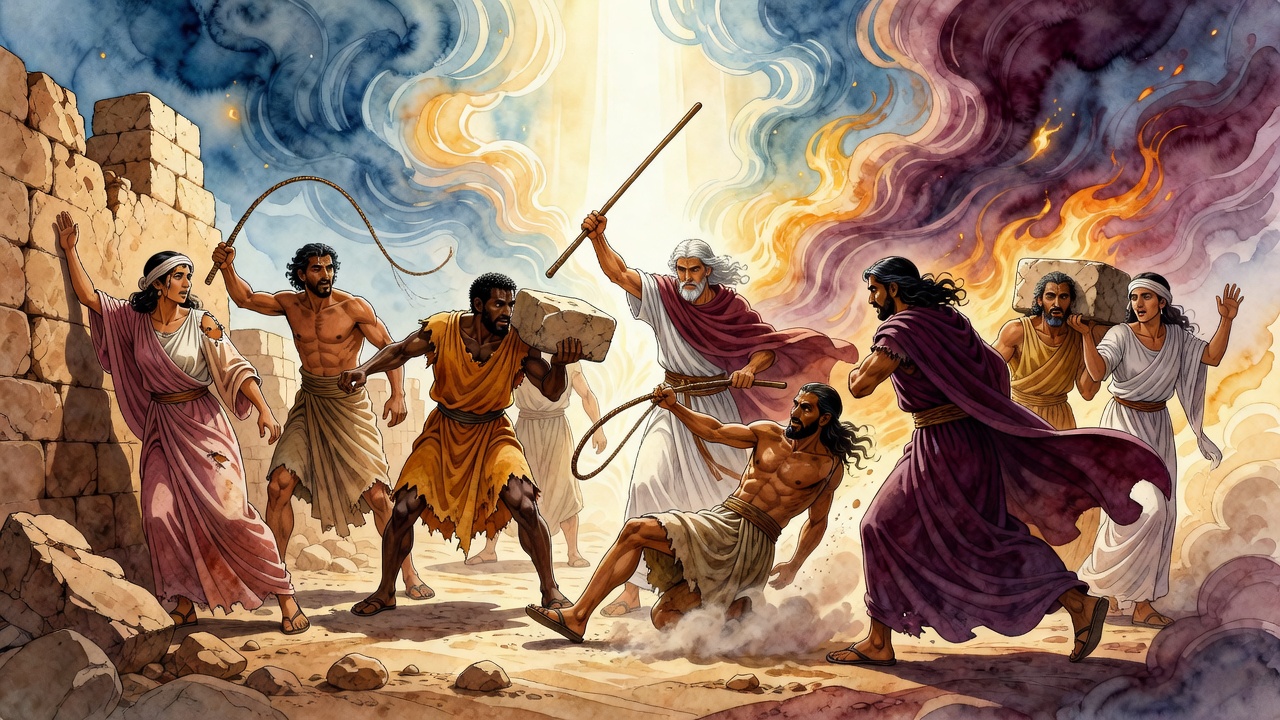
Young Moses breaks up a fight between Dathan and Abiram. Years later the same pair stay in Egypt and feed Pharaoh news so he can hunt the freed slaves.
Table of Contents
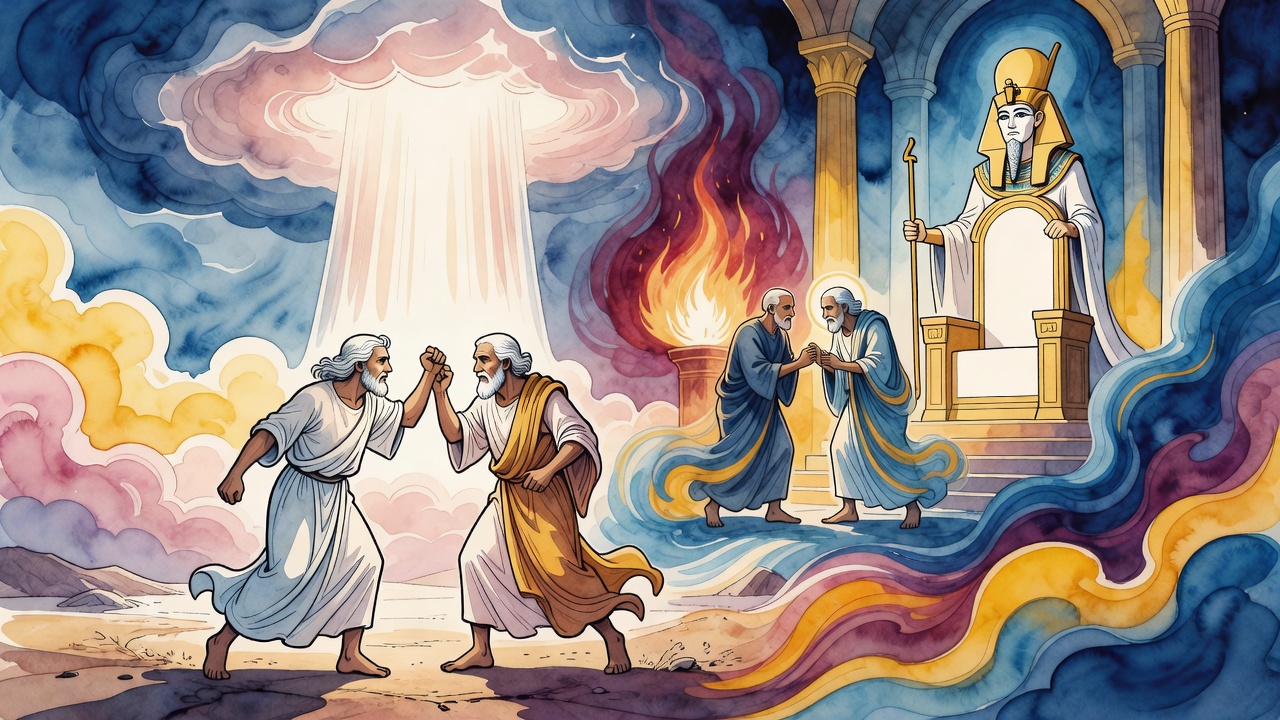
Dathan cocked his arm and drove it toward Abiram's face while dust from the brickworks hung in the air.
 Click for full size
Young Moses had come out on the second day looking for his brothers' pain. He found Hebrew hands raised against Hebrew flesh instead. The plain text says only "two Hebrew men." The fuller telling names them. Dathan and Abiram, men of the Jehudaee, contended, and Dathan put forth his hand to smite. Knuckles whitened. A crowd of slaves half turned, half pretended not to see. Moses stepped into the swing with empty hands and a mouth still learning Hebrew anger.
"Wherefore dost thou smite thy companion?" he said (Exodus 2:13). He still believed a shared slavery could make shared mercy. He had not yet learned how long a fist can wait to become a conspiracy.
The Fight That Names the Future
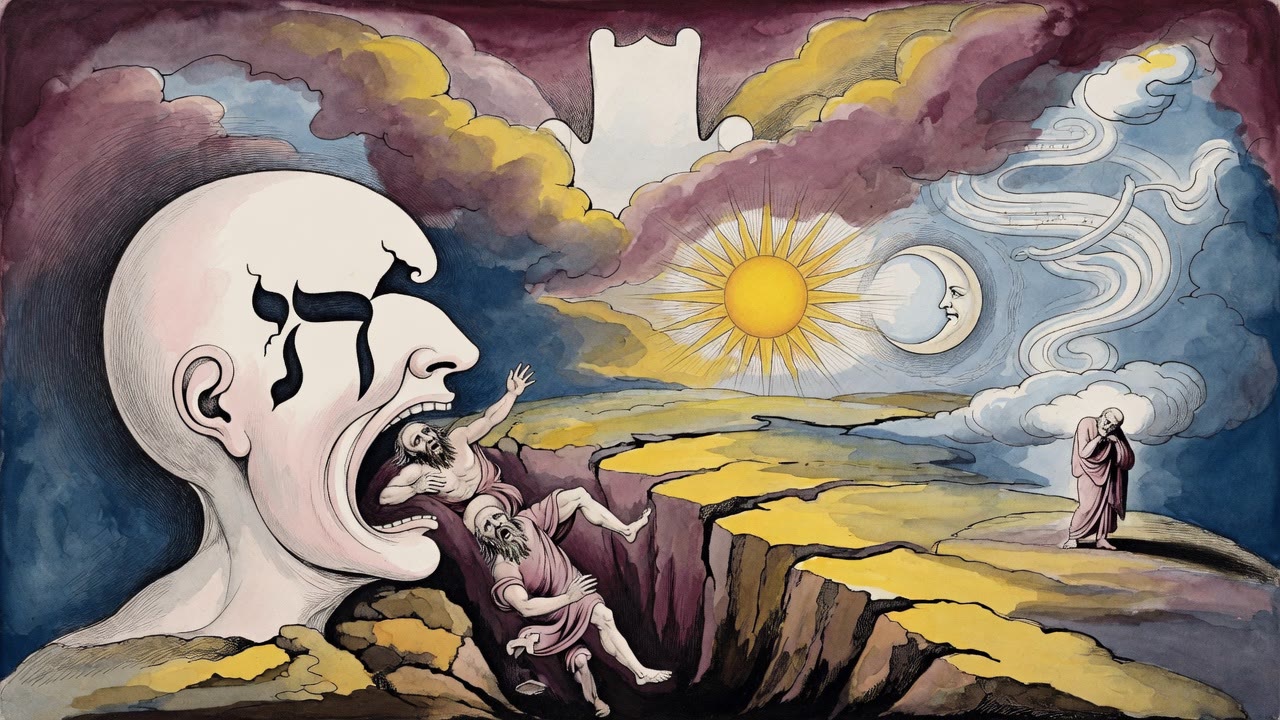
Those names are not decorative. Decades later, in the wilderness, Dathan and Abiram will stand with Korach against Moses and be swallowed by the ground (Numbers 16). The tradition that names them in Egypt casts a long shadow backward over the later rebellion. Moses tries to save one and restrain the other. Both will one day turn the same stubborn energy against the man who once risked himself between them.
He flees after the Egyptian's death and the quarrel's exposure. Someone talks. The palace hears. Dathan and Abiram remain in the mud and the quotas, nursing whatever grievance the interrupted blow left in them. The fist freezes in memory as the first public sign that some Israelites will fight their own harder than they fight Pharaoh. Peacekeeping fails on day two of Moses' adult life among his people. The failure will echo for forty years across sand and tent pegs.
Who Stayed When the Night Broke
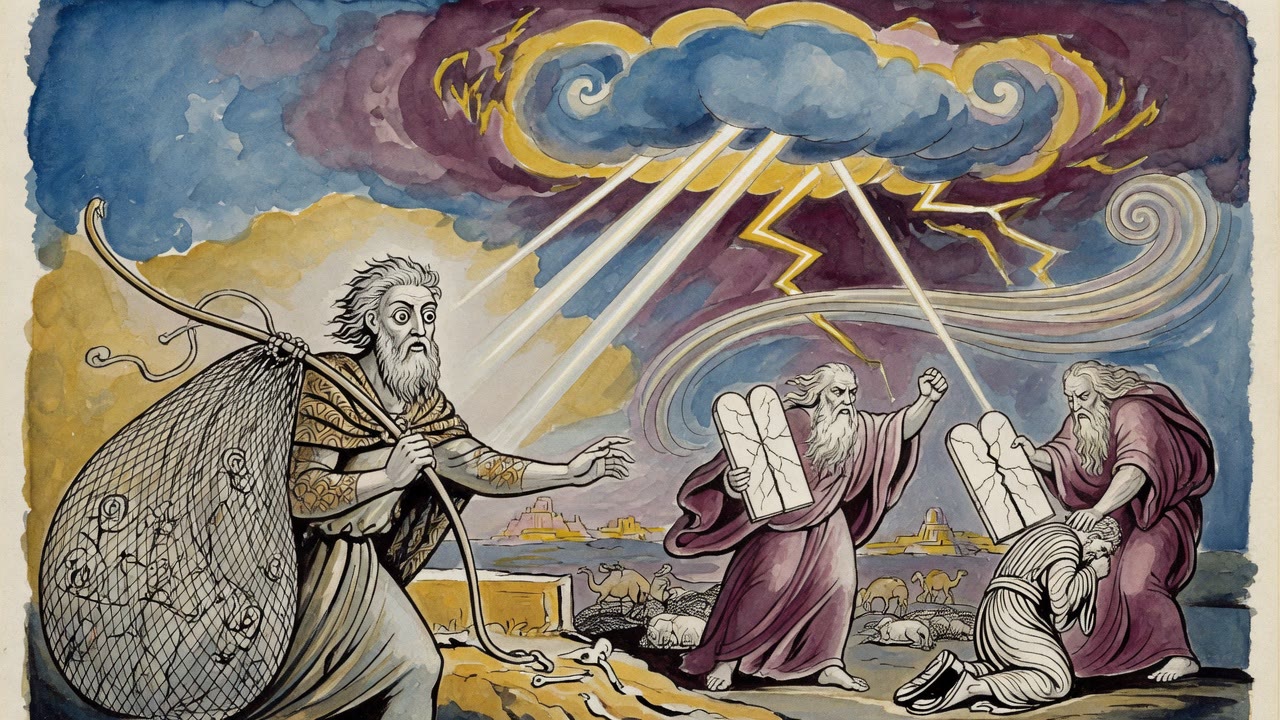
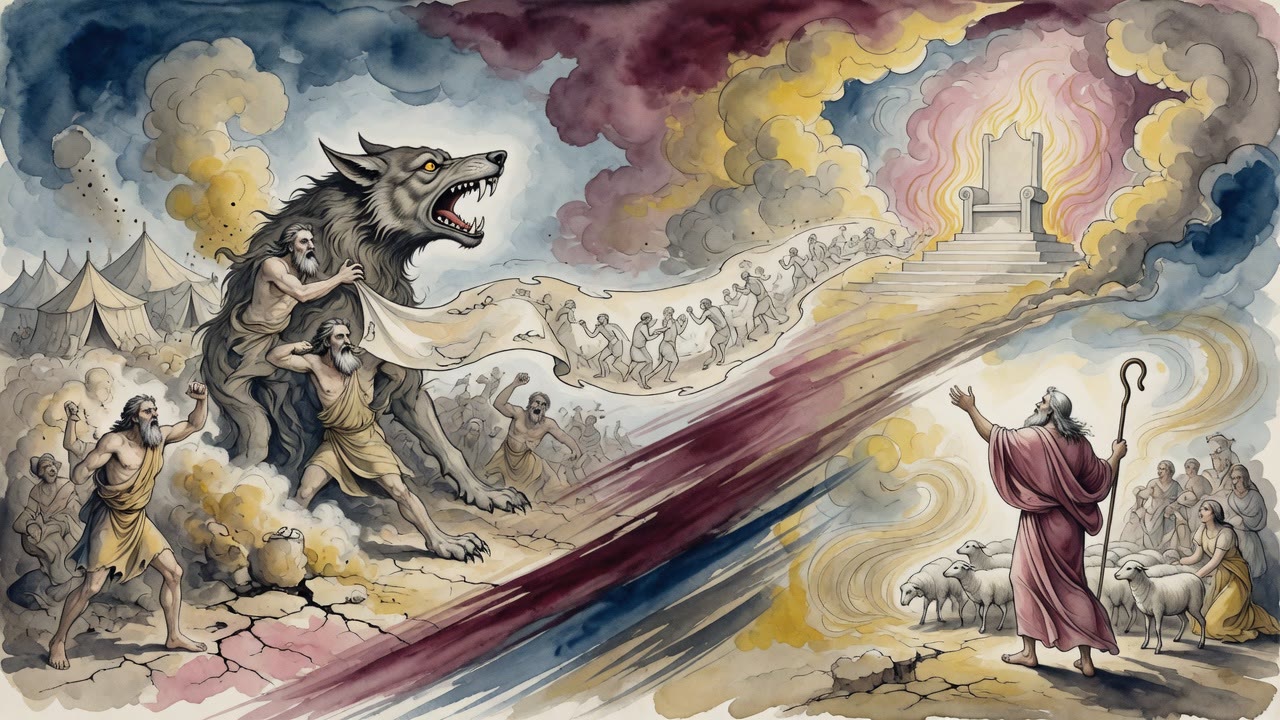
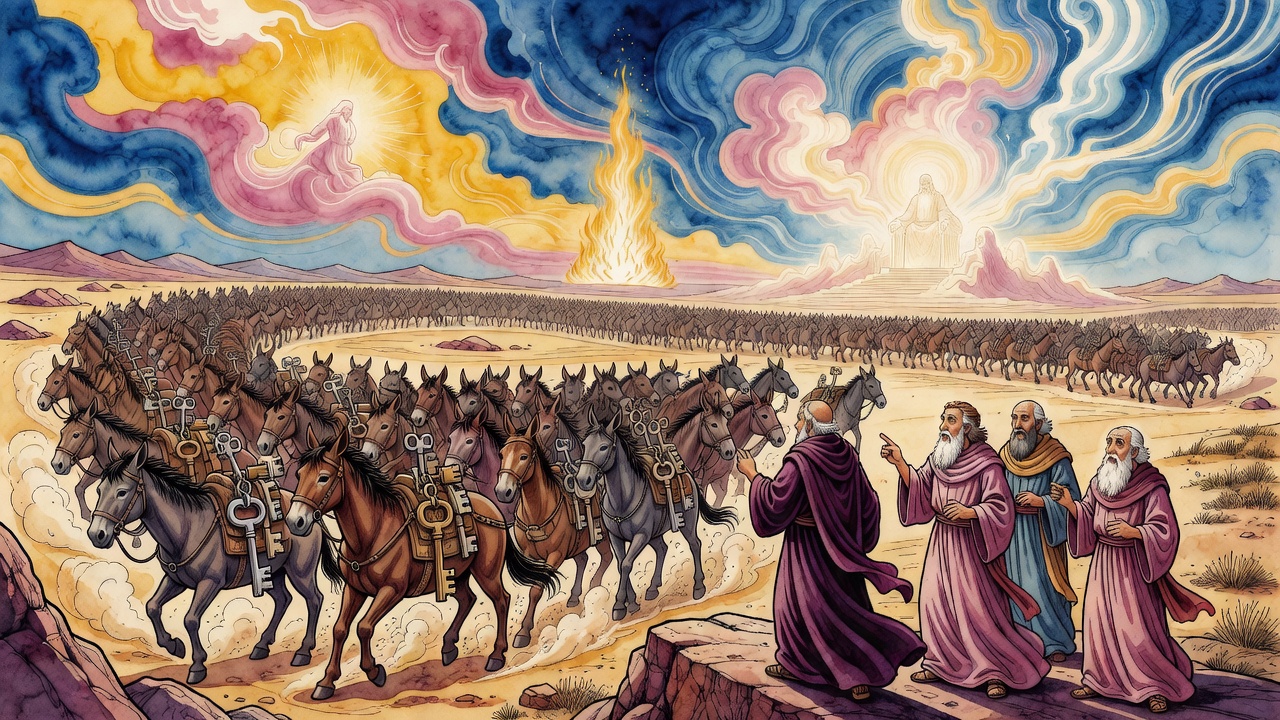
When the people finally leave under blood and haste, the Targumic memory drops a second shock into Pharaoh's court. The king needs intelligence on the escaping Hebrews. Who supplies it? Dathan and Abiram, sons of Israel who had remained in Egypt. They did not walk out under the blood of the lamb. They stayed, collaborators with warm beds and useful tongues, and fed the palace the map of their brothers' confusion in the desert edge.
Their report is cold with irony. The people of the house of Israel are bewildered in the land, they say. The idol Zephon has shut them in close upon the desert (Exodus 14:3). Jewish mouths explain Jewish distress by an Egyptian god's power. They have worn the master's worldview so long that betrayal sounds like analysis, and analysis sounds like loyalty to the throne that once ordered their nephews drowned.
Pharaoh saddles the chase partly on their words. Chariots roll because two men who once traded blows now trade their kin for a place nearer the granaries of empire.
From Companion to Prey
Moses once called Abiram "thy companion" while blocking Dathan's blow. Now the pair treat the whole camp as prey for Pharaoh's horses. The arc is brutal in its simplicity. First they cannot keep peace with each other. Then they cannot keep faith with the people. Later they cannot keep faith with the altar. The same names thread from street fight to spy report to wilderness rebellion, a career of refusal dressed in different costumes of the same no.
Pharaoh listens because traitors are useful and cheap. He rides out because their words make pursuit seem wise and holy on Egyptian terms. The sea will answer that wisdom with a wall of water. But the tradition insists the chase had Hebrew informants, men who preferred Egypt's certainty to the risk of freedom, and who would rather explain their brothers' fear by Zephon than admit the God of Israel had opened a road through night and blood.
Moses Between Two Fists Forever
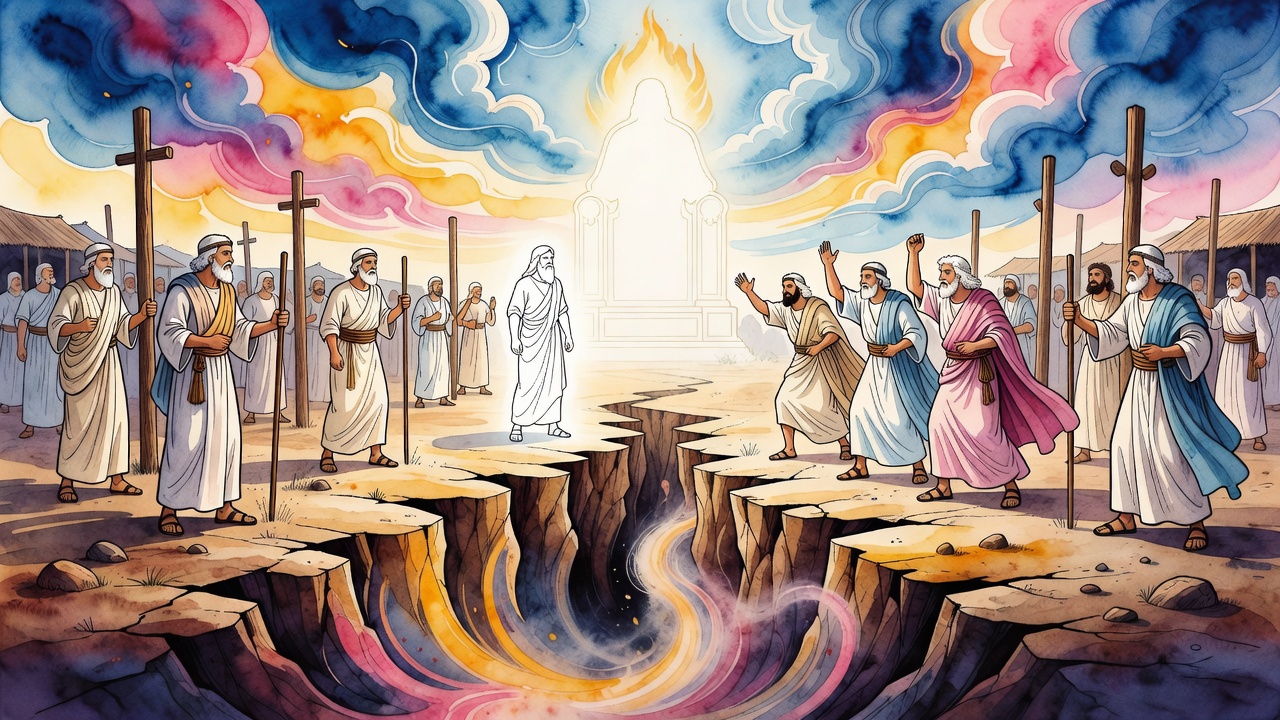
Every time Moses later faces their insolence in the desert, the first day of the fight still stands behind the scene. He tried once to make peace with his hands empty of weapons. They answered across the years with information sold to a tyrant and a claim that holiness itself was a fraud. The ground that opens under them is not a random miracle. It is the end of a long argument that began when one Hebrew tried to strike another and a third Hebrew said stop.
He will remember the dust, the cocked arm, the word companion. They will remember the interruption and call it arrogance. Between those memories the people march, and the sea closes, and the desert waits with a mouth of earth. The raised fist in the brick dust becomes a report in the palace becomes a challenge to the priesthood. Moses keeps meeting the same two men until the ground itself answers for him, swallowing the fists that never learned to open.
← All myths