Parshat Vaera4 min read

Dathan and Abiram Met Moses at the Brick Pits

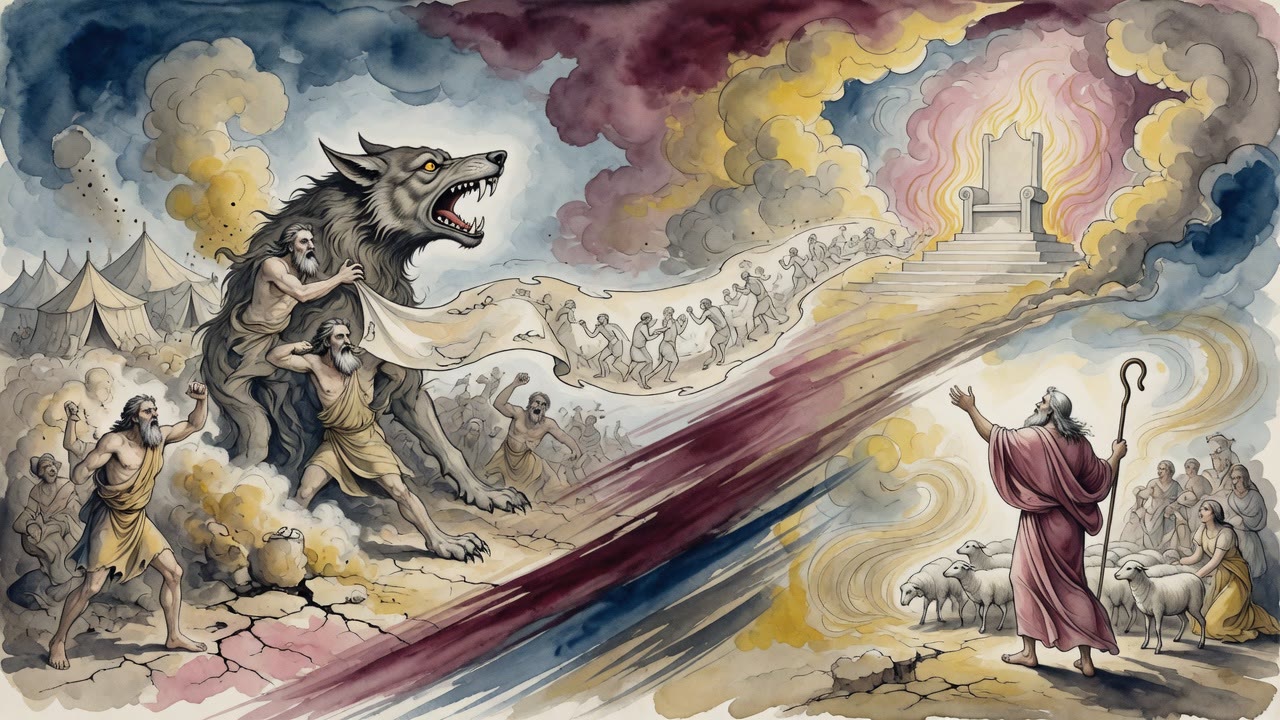
Dathan and Abiram curse Moses after Pharaoh's new decree. Israel is a lamb torn between wolf and shepherd until mercy overrides judgment.

Curated by Arthur · Told by Maggid ·
Table of Contents
  1. That Day Pharaoh Did Not Wait
  2. Men Standing in the Path
  3. A Courtroom Opens Over Moses
  4. The Lamb Still Breathing
Dathan and Abiram Met Moses at the Brick Pits Click for full size

That Day Pharaoh Did Not Wait

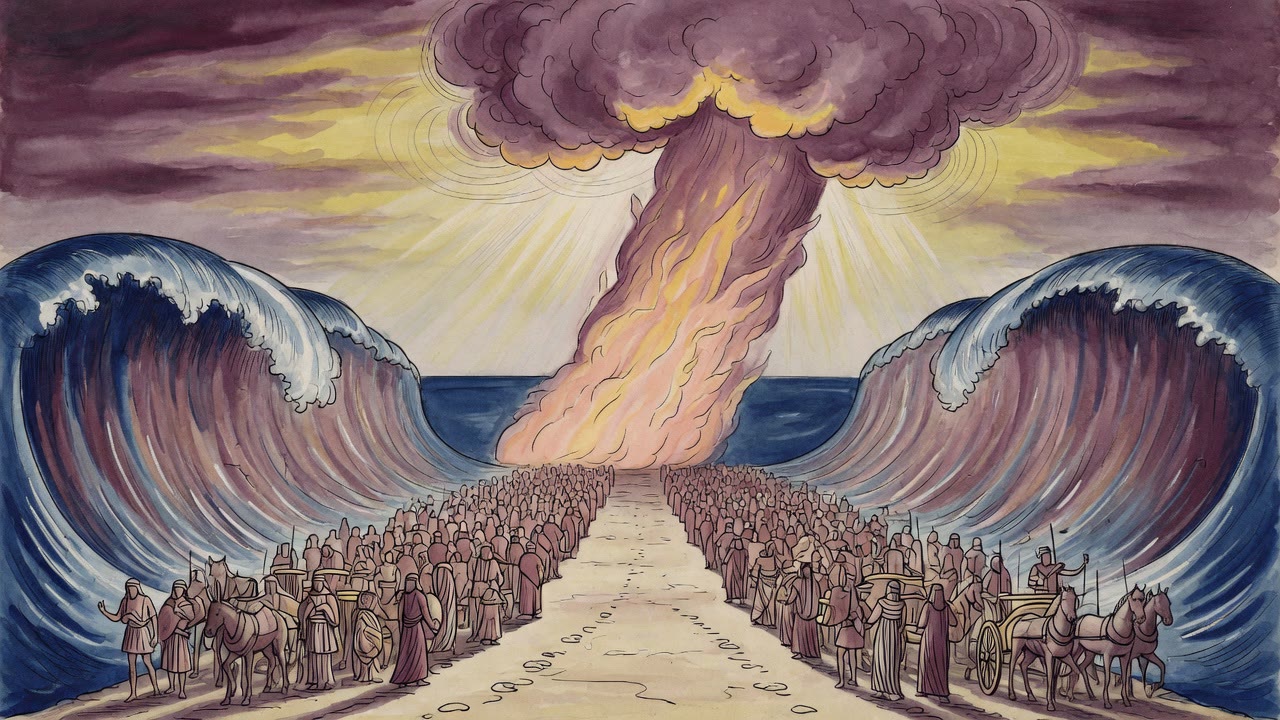
Moses and Aaron delivered the message. "Let my people go." Pharaoh did not wait for morning. "That day, Pharaoh commanded the taskmasters of the people, and their foremen." Shemot Rabbah teaches he did not delay harming them. This was the fourth decree.

No more straw. Gather it yourselves. Keep the same quota of bricks. "They are lazy; therefore they cry, saying, Let us go and sacrifice to our God." The lash found a new angle on the same backs the same afternoon the brothers spoke.

Speed is its own cruelty. Hope rose with the message and fell with the decree, and the gap between those hours was measured in missing straw.

Men Standing in the Path

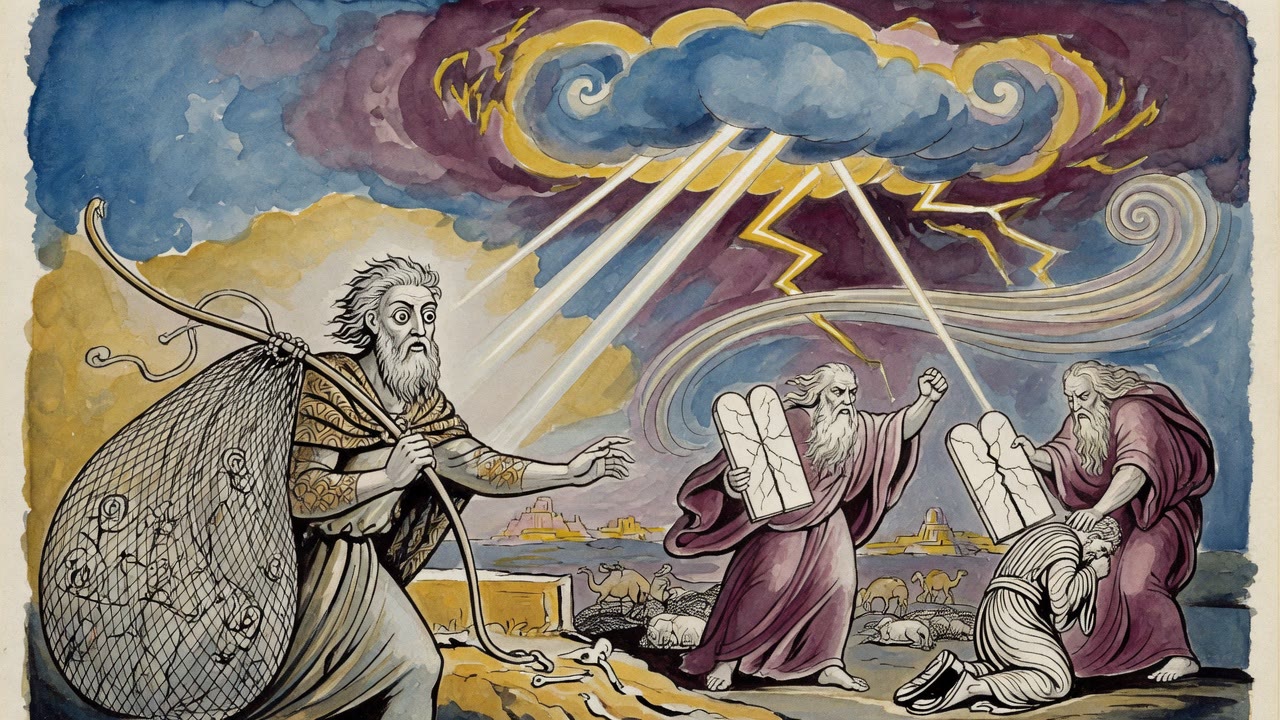
When Moses and Aaron came out from before Pharaoh, men stood in their path. Dathan and Abiram, of whom Scripture later says, "They came out standing." They flung bitter words. "May the LORD look upon you and judge!"

Rabbi Judah the Levite taught what Israel was saying through that rage. A lamb seized by a wolf is torn when the shepherd pulls one way and the wolf the other. The creature stands in deadly danger between them.

So it was with the children of Israel. They were the lamb. Pharaoh was the wolf. The Holy One was the shepherd. Moses lifted their cry. "Between Pharaoh and You we are dying." Dathan and Abiram gave the cry a sharp tongue and pointed it at the messengers.

A Courtroom Opens Over Moses

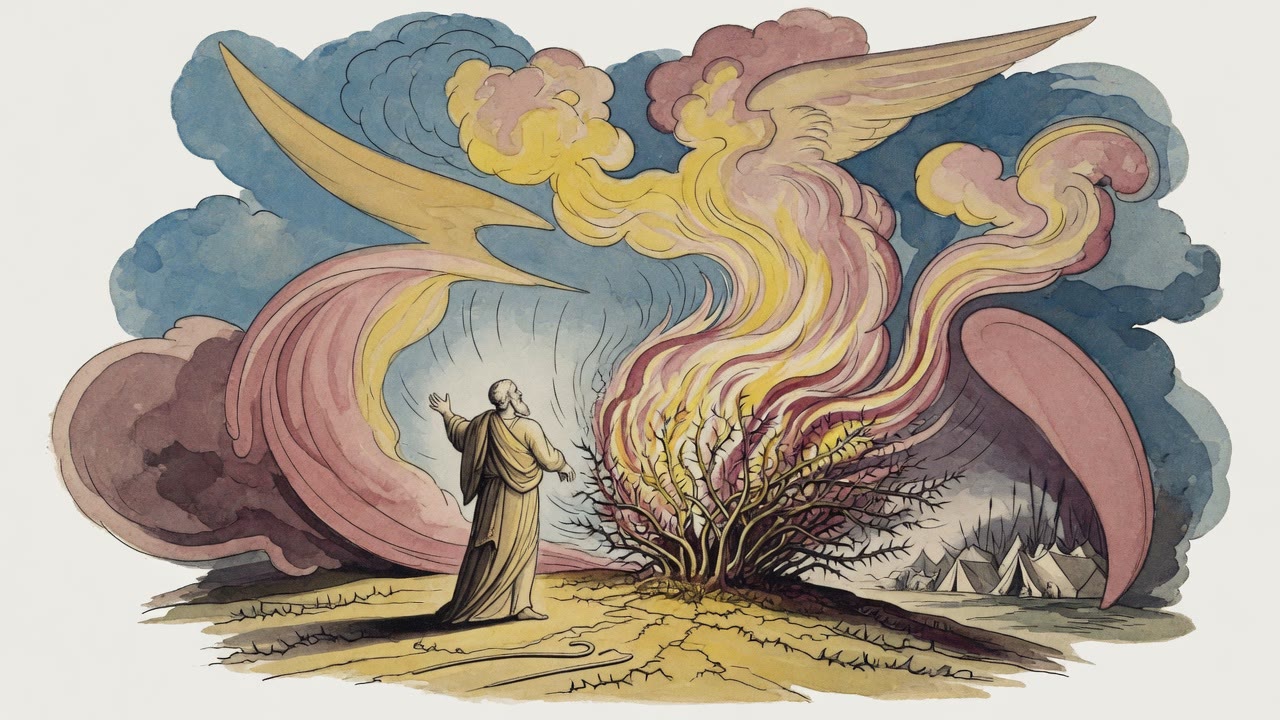
Moses cried out. "Why have You brought harm upon this people? Ever since I came to Pharaoh, things have only grown worse." The answer was promise and warning. "Now you shall see what I do to Pharaoh." But the thirty-one kings of the land he longed to enter, those he would not see.

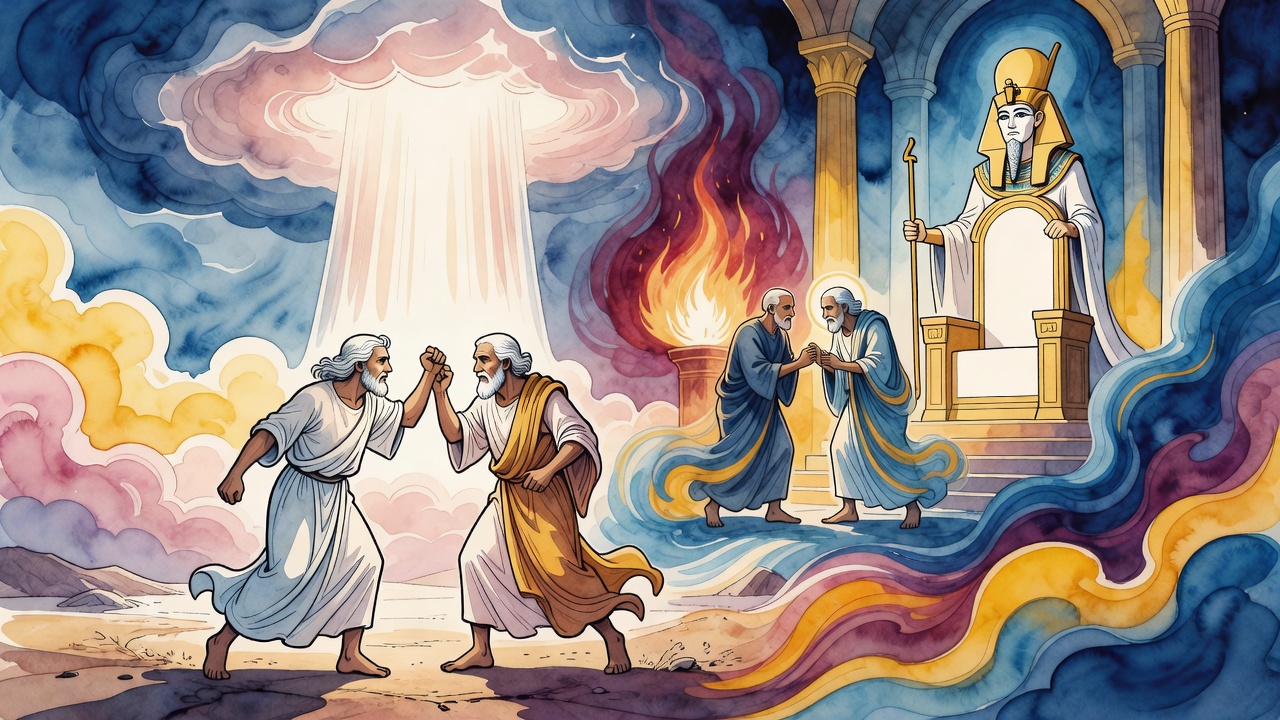
The sages heard a courtroom. "And Elohim spoke unto Moses." Elohim signals the Judge. The charge is that he spoke as if Heaven had done the people wrong.

The verdict did not fall. "And He said unto him: I am the LORD," and the four-letter Name is mercy itself. Strict justice rose to judge. Tender mercy rose to acquit. The prophet who carried the people's complaint almost became a defendant, and the Name of compassion closed the case.

The Lamb Still Breathing

Dathan and Abiram wanted a scapegoat. Pharaoh wanted quiet slaves. Heaven wanted a people free. Moses stood in the middle of three pressures, judged and then covered by the Name of mercy.

The brick pits did not soften that day. The quota did not drop. The wolf still pulled. The shepherd still pulled. The lamb still lived between them.

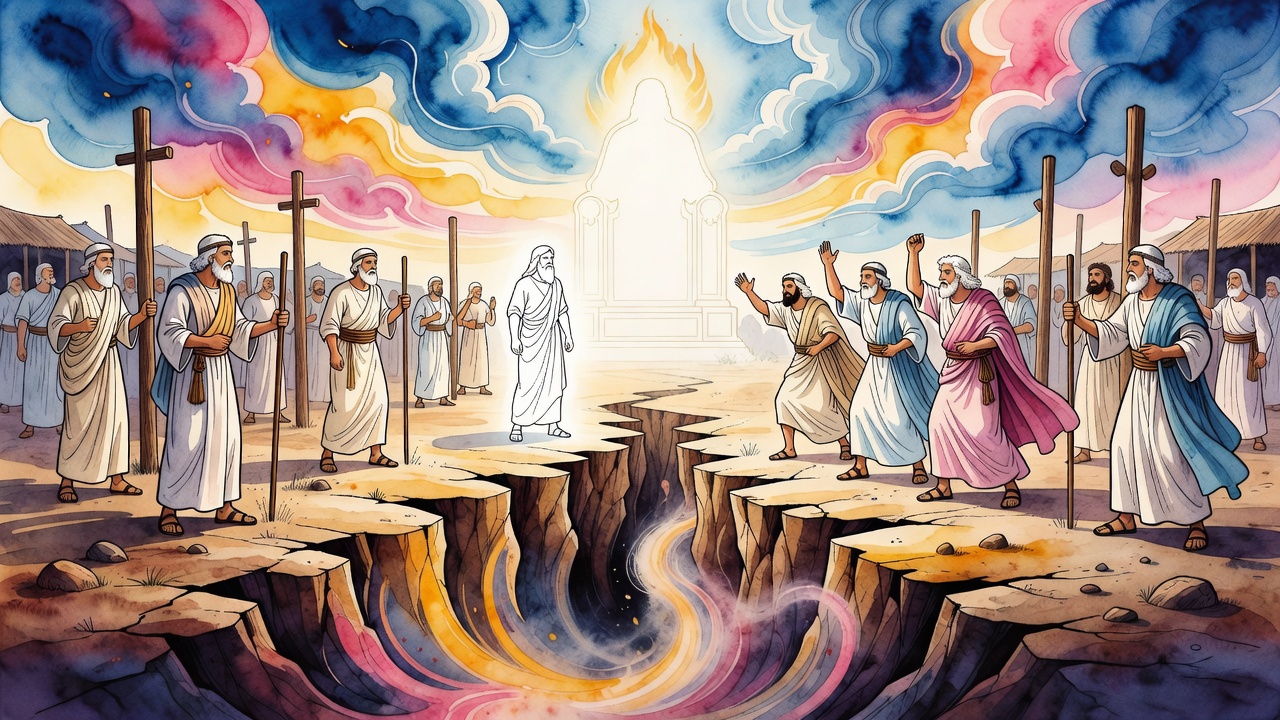
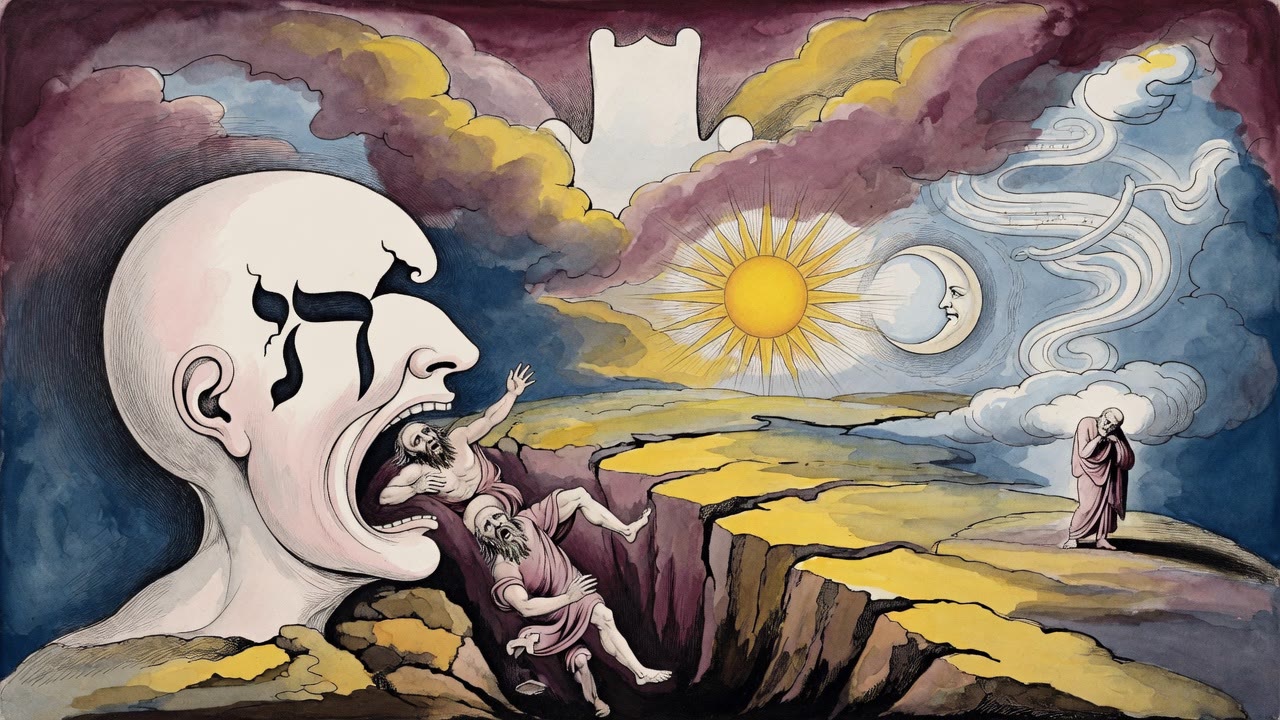
Mercy does not pretend the tearing is gentle. It refuses to let the tearing be the last word. Years later Dathan and Abiram will open their mouths again and the ground will answer them. Even here, their words capture a real pain Heaven does not deny.

The lamb between wolf and shepherd is the bruise of a people who feel Heaven pulling one way and empire the other while straw disappears and quotas stay fixed. Moses carries that bruise into prayer and nearly stands trial for the honesty of his cry.

Mercy acquits him without softening Pharaoh's same-day decree. The story holds both truths: the pits grow harder, and the Name of compassion still covers the prophet who will not lie about the tear.

Redemption begins with a people who feel torn and a prophet who nearly stands trial for saying so out loud. The fourth decree will not be the last decree, and the Name of mercy will not be the last mercy, but both are already on the field the day the straw runs out.


← All myths

From the tradition

Sources

3 sources

The texts behind this telling. Some cards carry a translation of the source; others are our own retelling of it, and each card says which. Every card links out to the original.

Midrash Tanchuma Buber, Vaera 4:3Midrash Tanchuma Buber, Vaera

Translation of the source text.Midrash Tanchuma (Buber), Public Domain, on Sefaria · CC-BY-SA

"And they met Moses and Aaron standing to meet them" (ibid. ibid. 20). These are Dathan and Abiram, of whom it is written, "They came out standing" (Numbers 16:27). "And they said to them, 'May the LORD look upon you and judge'" (Exodus 5:21). Rabbi Judah the Levite, son of Rabbi Shalom, said: Israel said to him, To what are we like? To a single lamb that the wolf came and took from the flock, and the shepherd came after it. What did the wolf do? He sought to tear the lamb apart from between the shepherd. The lamb came into danger. So too Moses said before the Holy One, blessed be He: Between Pharaoh and You we are dying, as it is said, "in that you have made our odor abhorrent" etc. (ibid.).

Full source
Midrash Tanchuma Buber, Vaera 4:4Midrash Tanchuma Buber, Vaera

Translation of the source text.Midrash Tanchuma (Buber), Public Domain, on Sefaria · CC-BY-SA

"And Moses returned unto the LORD and said: My Lord, why have You done harm to this people, etc. For ever since I came unto Pharaoh, etc." (Exodus 5:22-23). "And the LORD said unto Moses: Now you shall see, etc." (Exodus 6:1), what I do to Pharaoh and to the Egyptians; but what I do to the thirty-one kings you shall not see.

At that hour the Holy One, blessed be He, sought to sit in judgment over him. From where do we know this? As it is said, "And God (Elohim) spoke unto Moses" (Exodus 6:2). And Elohim means nothing other than a judge, as it is said, "You shall not curse a judge (Elohim)" (Exodus 22:27).

An advocate for the defense entered and pleaded merit on his behalf, as it is said, "And He said unto him: I am the LORD" (Exodus 6:2). And "the LORD" means nothing other than mercy, as it is said, "The LORD, the LORD, a God merciful and gracious, etc." (Exodus 34:6).

Full source
Shemot Rabbah 5:18Shemot Rabbah

Retold in our words. Read the original at the link below.The Sefaria Midrash Rabbah, 2022 · CC-BY

It wasn't pretty. And it certainly wasn't subtle.

Our story picks up right after Moses and Aaron deliver their fateful message: "Let my people go!" (Exodus 5:1). Pharaoh, predictably, wasn't thrilled. In fact, Pharaoh was so enraged that he immediately retaliated.

"That day, Pharaoh commanded the taskmasters of the people, and their foremen, saying" (Exodus 5:6). The Shemot Rabbah (Exodus Rabbah), a classic collection of rabbinic interpretations on the Book of Exodus, points out the immediacy of Pharaoh's response. "That day, Pharaoh commanded" – it teaches about this wicked one that he did not delay harming them. This, according to the Rabbah, was the fourth decree against the Israelites. A swift, brutal response.

The taskmasters, Egyptians, and the foremen, elders of Israel, were then given their orders. "'You shall no longer give the people straw to make bricks, as previously; they will go and gather straw for themselves. And the quota of the bricks that they made previously, you shall impose upon them; you shall not diminish from it; for they are lazy; therefore they cry, saying: Let us go and sacrifice to our God. Let heavier work be imposed upon the men, and they will labor in it; and let them not regard false words.'" (Exodus 5:7–9).

No more straw, the key ingredient to bind the bricks. But still expected to produce the same impossible quota.

The Shemot Rabbah highlights the insidious nature of Pharaoh's plan. "'You shall no longer give the people straw… and the quota of the bricks' – from here you learn that each and every one had a quota of how many bricks they were to make daily." Initially, he "enslaved them with gentle persuasion" to gauge their maximum output. Then, he cruelly enforced that peak performance as the new standard, regardless of the conditions.

And the accusation that they were "lazy" (nirpim)? Rabbi Shimon ben Yohai didn't mince words. The Rabbah recounts, "He began clenching his teeth and saying: You are nirpim, which is an expression of filth... May his bones be crushed, as they [Israel] are sacred." Ouch. That's some serious condemnation of Pharaoh's words and actions!

What fueled Pharaoh's anger even more? According to the Rabbah, the Israelites had scrolls and delighted in them every Shabbat, the Sabbath. These scrolls prophesied their eventual deliverance. So, Pharaoh saw their day of rest, their connection to something beyond their suffering, as a threat. "'Let heavier work be imposed upon the men, and they will labor in it; and let them not regard [yishu]…' – let them not delight [mishtaashin], and let them not rest on the Shabbat day."

Pharaoh's aim was clear: crush their spirit, break their connection to their faith, and extinguish any hope of freedom. It's a chilling reminder of how oppression often targets not just the body, but the soul.

This passage from Shemot Rabbah offers a stark glimpse into the darkness of slavery and the resilience of the human spirit. And sometimes, that's the most powerful form of resistance.

Full source