God Refused Comfort Over What Egypt Had Done
In the pit of the dead Pharaoh found company among fallen kings, but God refused to be comforted for the suffering Egypt had forced on Israel.
Table of Contents
 Click for full size
Pharaoh Among the Uncircumcised Dead
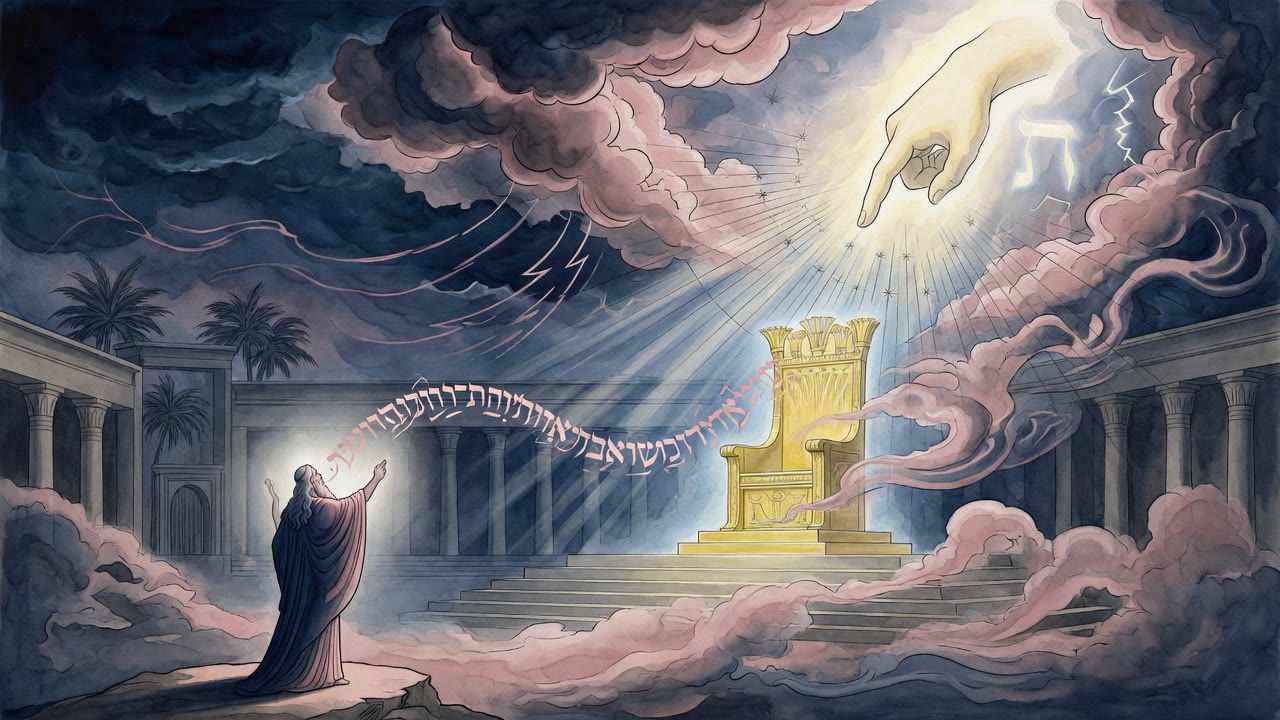
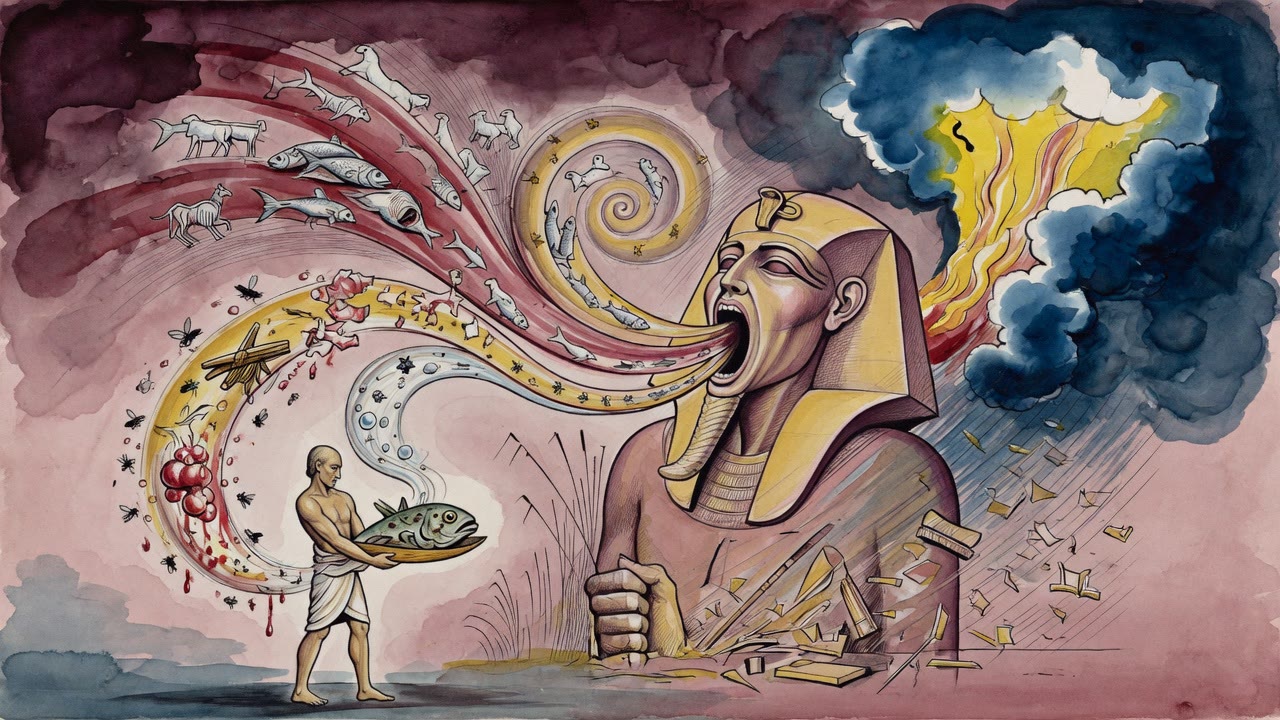
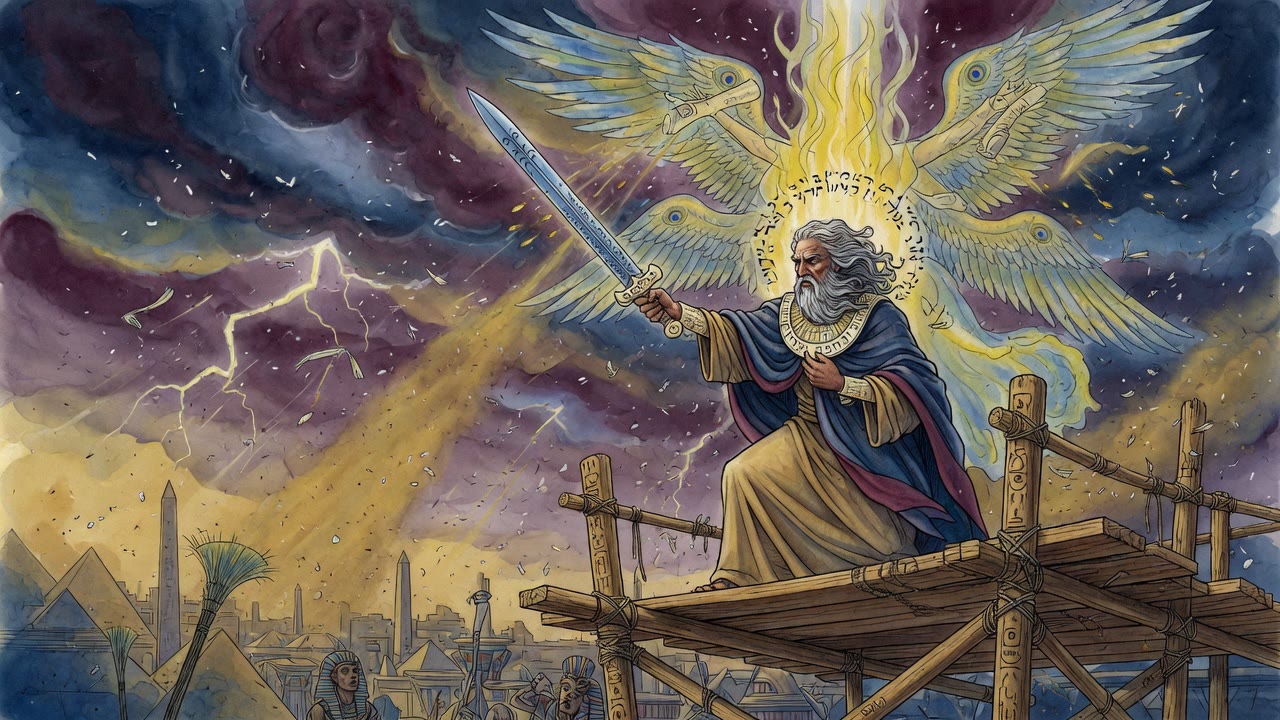
Pharaoh heard his doom and tried to dress it as company. In the midrashic rereading of a verse usually translated as "God did not lead them," the teachers hear instead that God was not comforted, and they stage a confrontation in the realm of the dead. The prophet Ezekiel is told to wail over Egypt and bring its multitude down to the pit. Pharaoh, hearing the sentence, puffs himself up as if descent among the fallen were still a kind of rank.
"I will go down among the slain," he says, as if the underworld kept a guest list for distinguished failures.
The Roll Call That Soothed Him
God answers with a cutting question. Whom do you outshine? Are you more beautiful than the king of Assyria, or the rulers of Tyre and Sidon? Then comes the grim inventory of nations already lying among the uncircumcised dead: Assyria and her hordes, Elam, Meshech and Tubal, Edom and her kings, the princes of the north. The names pile up like broken spears.
Strangely, the sight consoles Pharaoh. Misery finds its comfort in crowded ruin. He is not alone in defeat. The pit has peers. Empires that once made the earth shake now share the same dark shelf. Pharaoh takes that fellowship as balm. If the great ones fell, his fall is only fashion. He almost smiles with the dead.
I Am Not Comforted
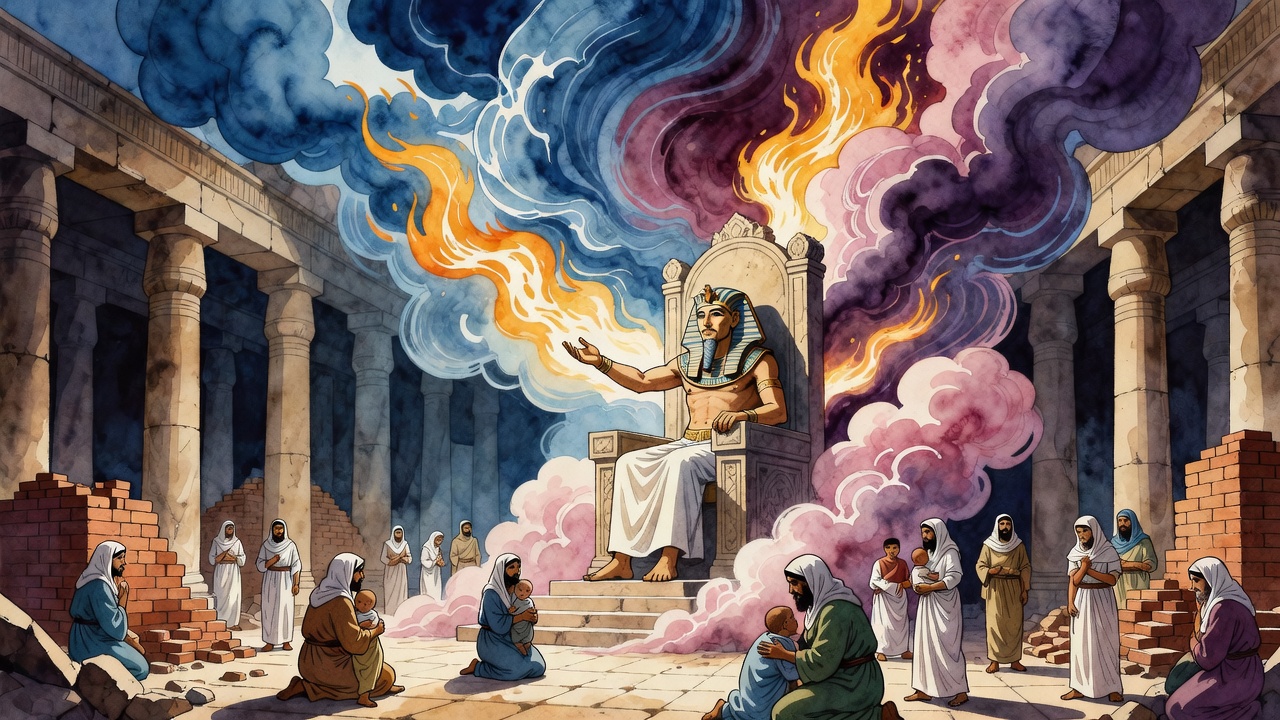
God closes the scene with a line that lands harder than the roll call. You are comforted, Pharaoh, but I am not comforted over what you did to My children. Pharaoh's punishment soothes Pharaoh. Nothing erases God's grief over the suffering inflicted on Israel. The bricks, the drowning of infants, the back-breaking quotas, the forgotten name of Joseph, all of it remains an open wound on the divine side even after Egypt's body has been judged.
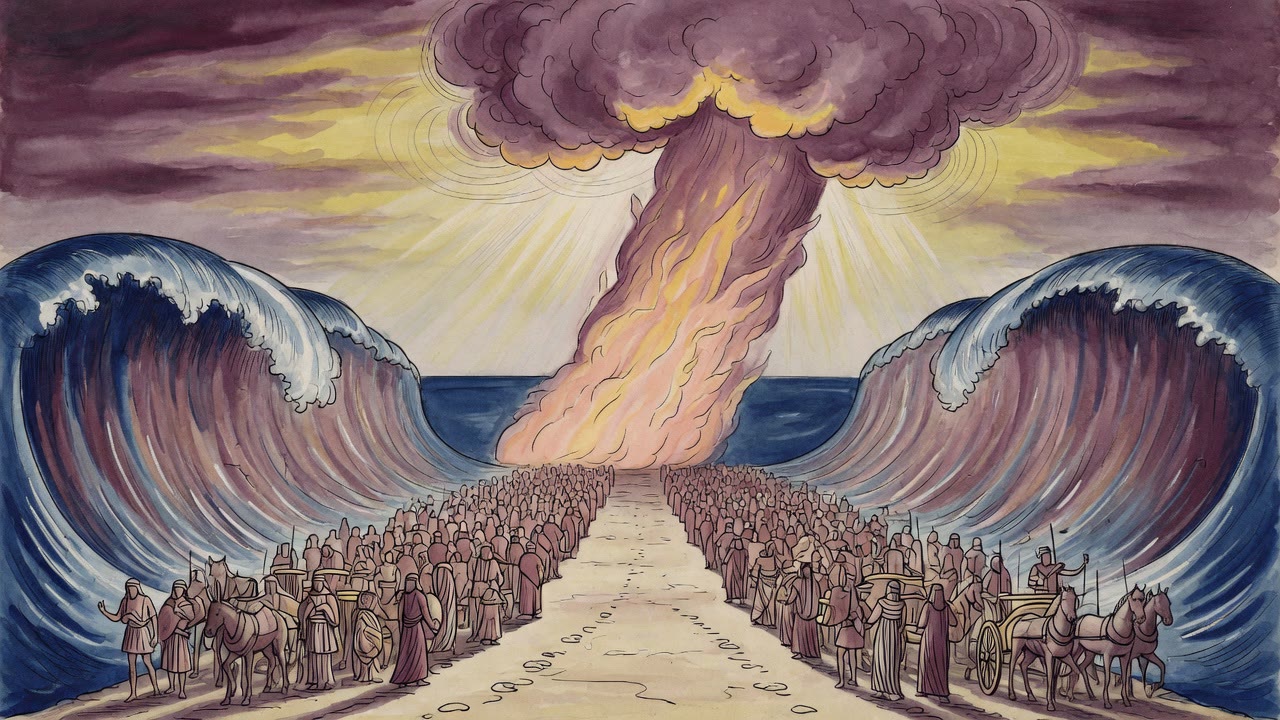
Justice can satisfy a courtroom and still leave a parent unconsoled. The midrash refuses to let the drowning of chariots become a neat ending. The sea closed. The song was sung. Heaven still would not take comfort as if the children's pain had been a ledger item now balanced.
Four Harsh Words Softened Later
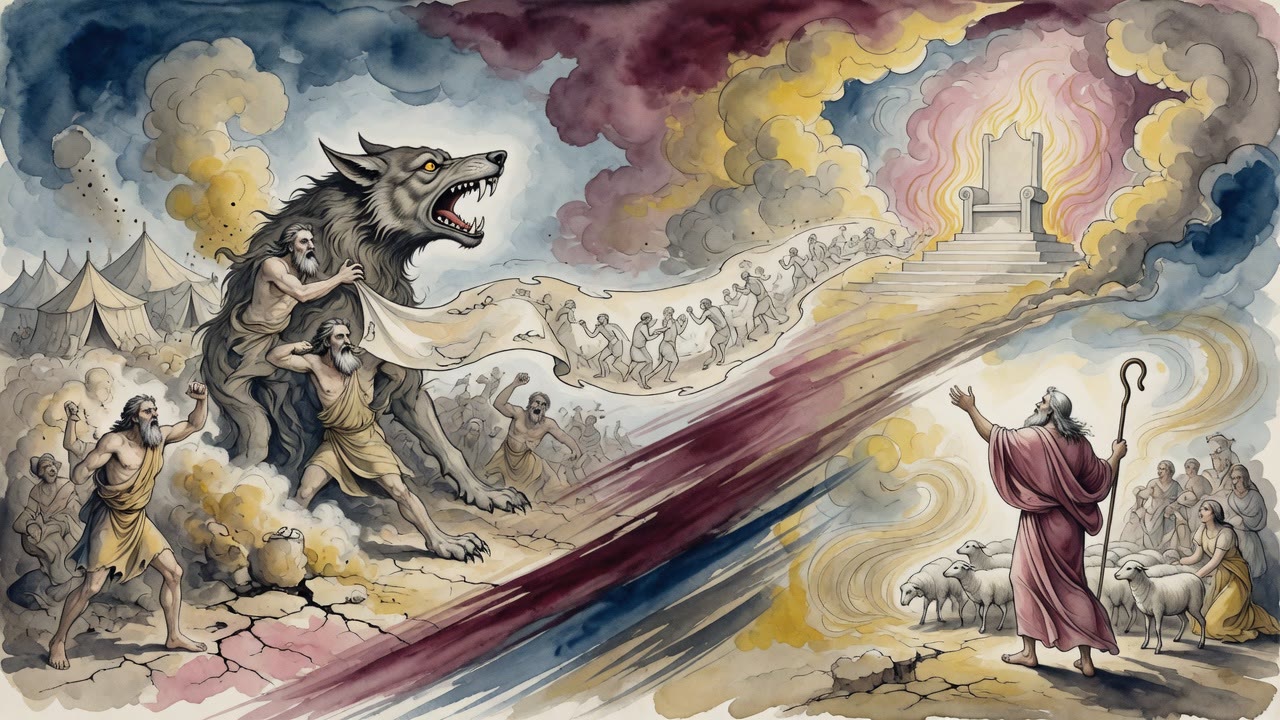
On the other side of the same long story stands Moses, who in his final warnings pronounced four harsh decrees over Israel. Rabbi Yose ben Chanina teaches that four prophets later rose and softened each one. Moses said Israel would dwell utterly alone. Then Amos cried, How can Jacob stand, for he is so small, and the LORD relented. Moses warned that among the nations Israel would find no rest. Jeremiah answered with a promise that God would give rest. Moses declared that God visits the sin of fathers upon children. Ezekiel countered that the soul which sins is the one that dies. Moses threatened that Israel would perish scattered among the nations. Isaiah lifted that decree with the vision of the great shofar (the ram's horn sounded as a summons) gathering the exiles home.
The prophets did not overrule Moses. They read the same Torah and drew out its mercy for a broken people who needed it. Severity left room. Later mouths found the room and walked through it with petitions.
Two Kinds of Unfinished Business
Pharaoh wants company in ruin. God refuses company in grief. Israel wants relief from decrees that feel like locked doors. Prophets find hinges Moses himself left in the wood. The myth-world holds both pressures at once. Egypt's fall does not purchase divine cheerfulness. Israel's sins do not purchase permanent exile without a counter-voice. History is not a simple moral cartoon where the wicked sink and the righteous relax.
Somewhere under the earth of the midrash, Pharaoh still counts his dead peers and feels better. Somewhere above, God still will not be comforted for what was done to the children in the brick-yards. Somewhere in the middle, four prophets keep arguing the case of Jacob's smallness until the shofar (a ram's horn) of return is allowed to sound. The sea stays split in memory. The wound stays open in heaven. The decrees stay porous enough for mercy to enter without pretending the first words were never spoken.
The midrash will not let the Song at the Sea become the last divine mood. Israel danced. Miriam led the drums. Horses and riders sank. Still the voice that refused comfort kept its ledger open. A parent who has watched children thrown into a river does not close the book because the thrower's army drowned later. The drowning is justice. The refusal of comfort is love that still remembers the weight of each small body.
So the story ends without a cheerful chord. Pharaoh has company. God has grief. Israel has prophets who know how to pry mercy from severe words. The three facts share one history and do not cancel one another. Anyone who wants a cleaner ending will have to invent it outside these pages.
← All myths