5 min read

Moses Drew Once and the Whole Flock Drank

At the Midian well Moses pulled one bucket that watered every flock. Yitro asked where the man was, and bread turned a fugitive into family.

Curated by Arthur · Told by Maggid ·
Table of Contents
  1. Daughters at the Trough
  2. Where Is He
  3. Bread That Moves Distance
  4. Love That Still Chooses a Kind End
  5. House Made Clean
  6. Wage or Kindness, Heaven Still Pays
Moses Drew Once and the Whole Flock Drank Click for full size

Daughters at the Trough

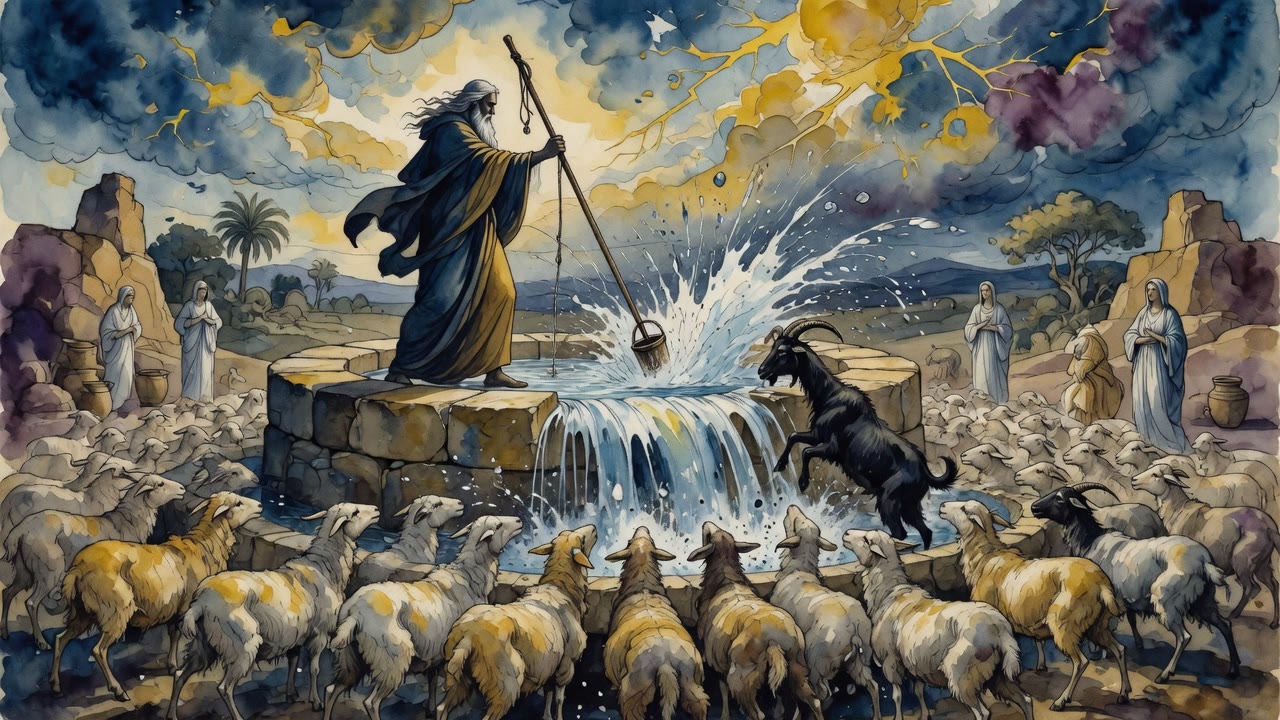
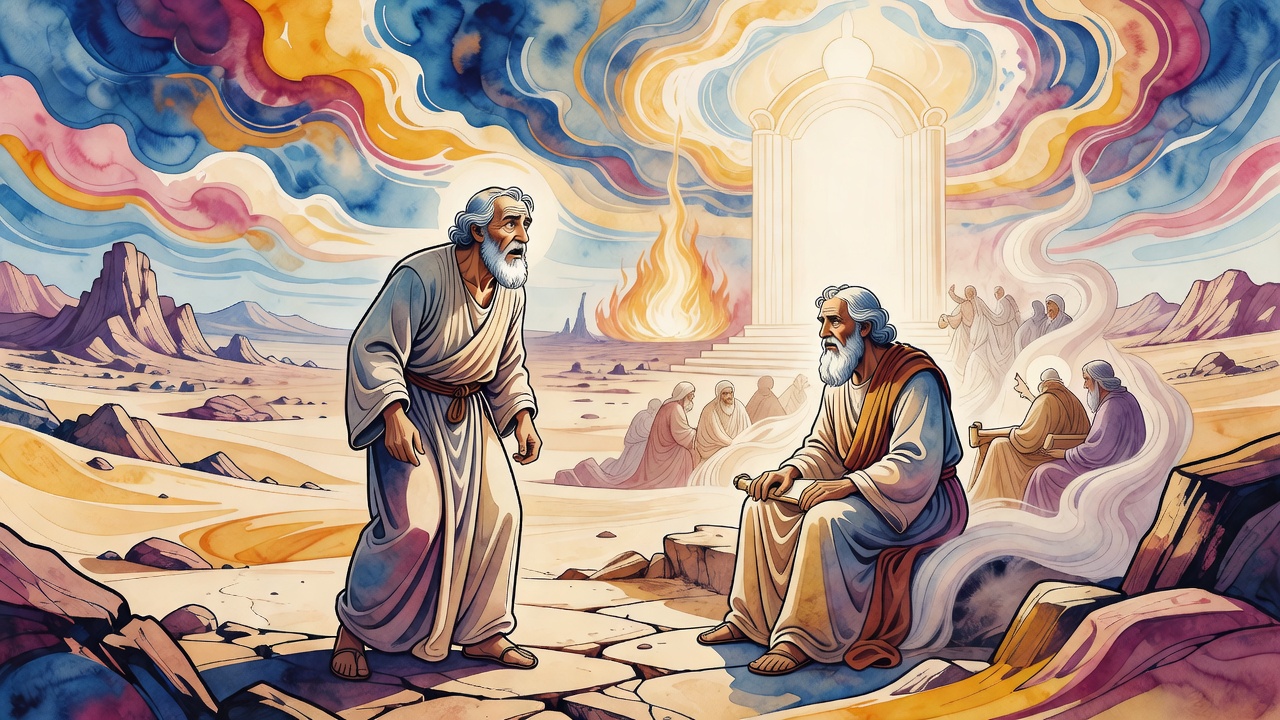
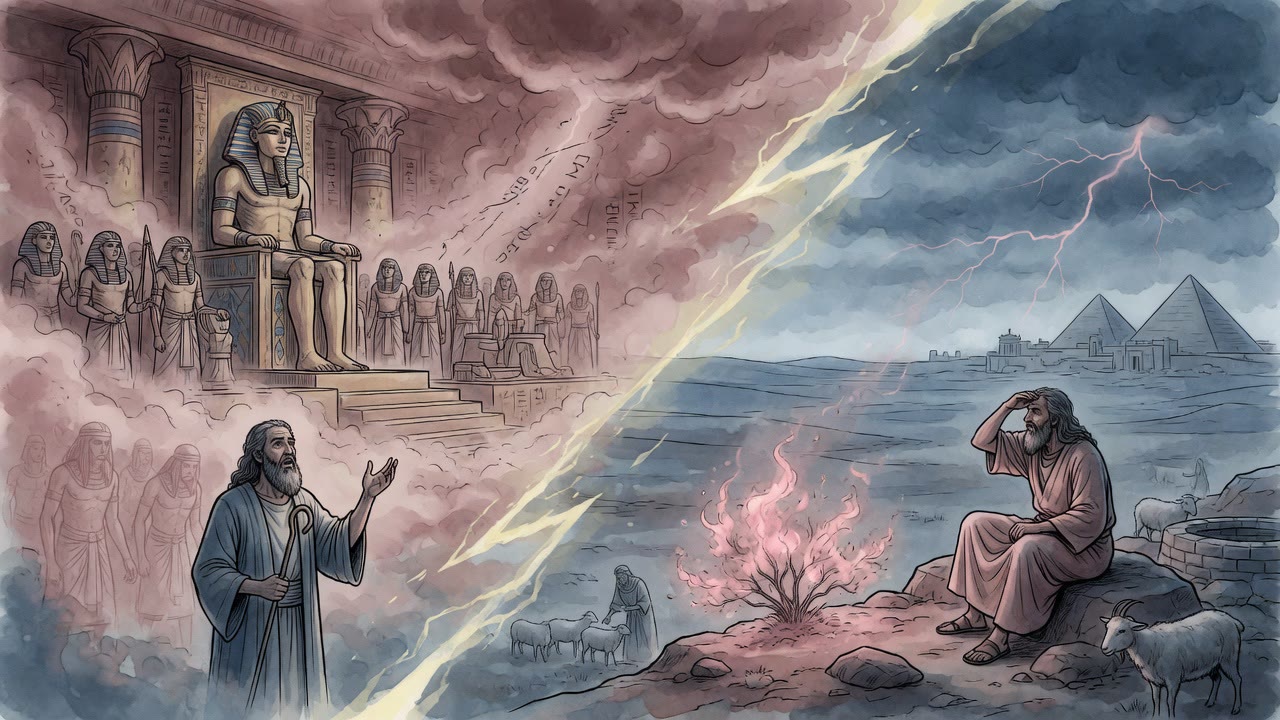
The shepherds shoved. The seven daughters of the priest of Midian tried to water their father's flock and met elbows and sneers. A stranger rose from flight and Egyptian blood on his hands. Moses did not give a speech. He drove the men back and drew.

He drew once, and the whole flock drank. The verb doubles in the telling: he surely drew. In this world and, the sages add, in the world to come. One pull, many throats. The well remembered a different economy than the shepherds' fists.

The daughters watched the water rise and did not yet know they were watching the beginning of a household. They knew only that a stranger had done in minutes what the day had refused them. Strength used for troughs instead of throats is its own kind of revelation at a desert well.

Where Is He

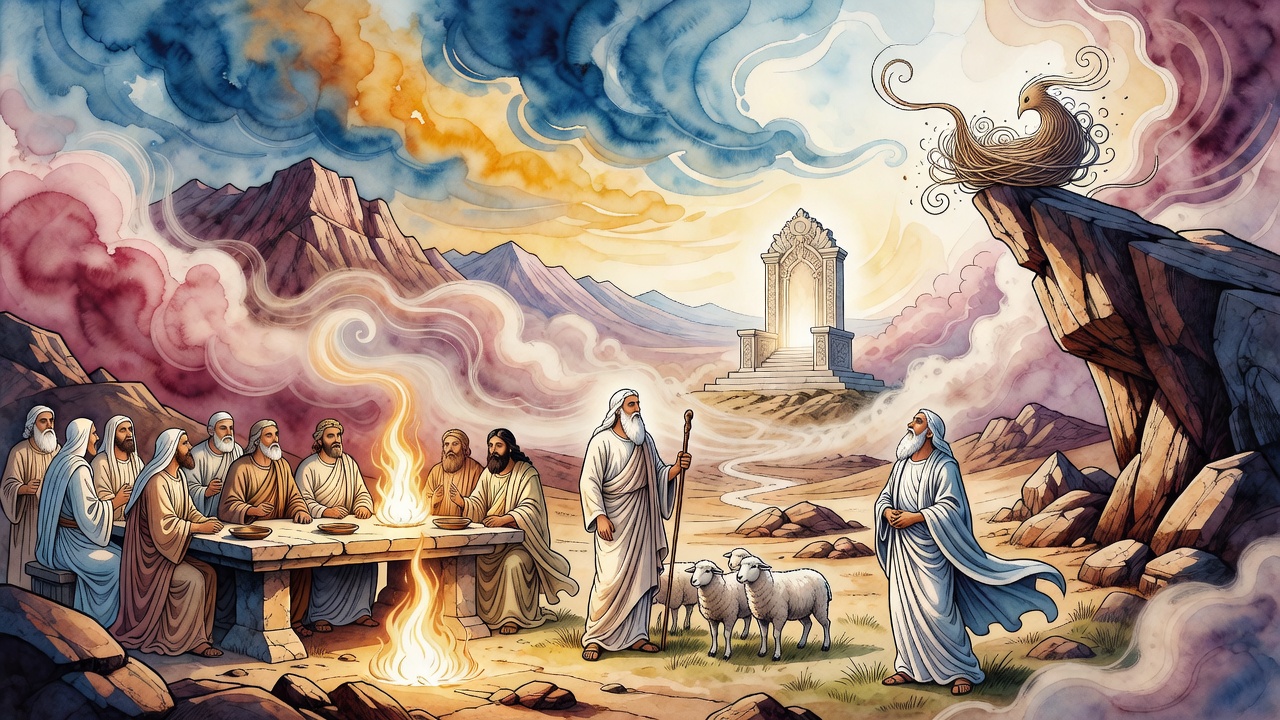
The daughters ran home. Their father asked why they returned so soon. They told of an Egyptian who saved them from the shepherds and watered the animals. He said, "And where is he? Why did you abandon the man? Call him and let him eat bread."

Some heard in that "where" the echo of the question once asked about Sarah, through whom the world is blessed. Was this man from that seed? Others argued over the father's title. Priest of Midian: future high priests through daughters' sons, said one line. Priesthood of idolatry, said another, with a later Jonathan of Gershom as warning. Minister of the realm, said a third. The table waited while the titles fought.

Bread That Moves Distance

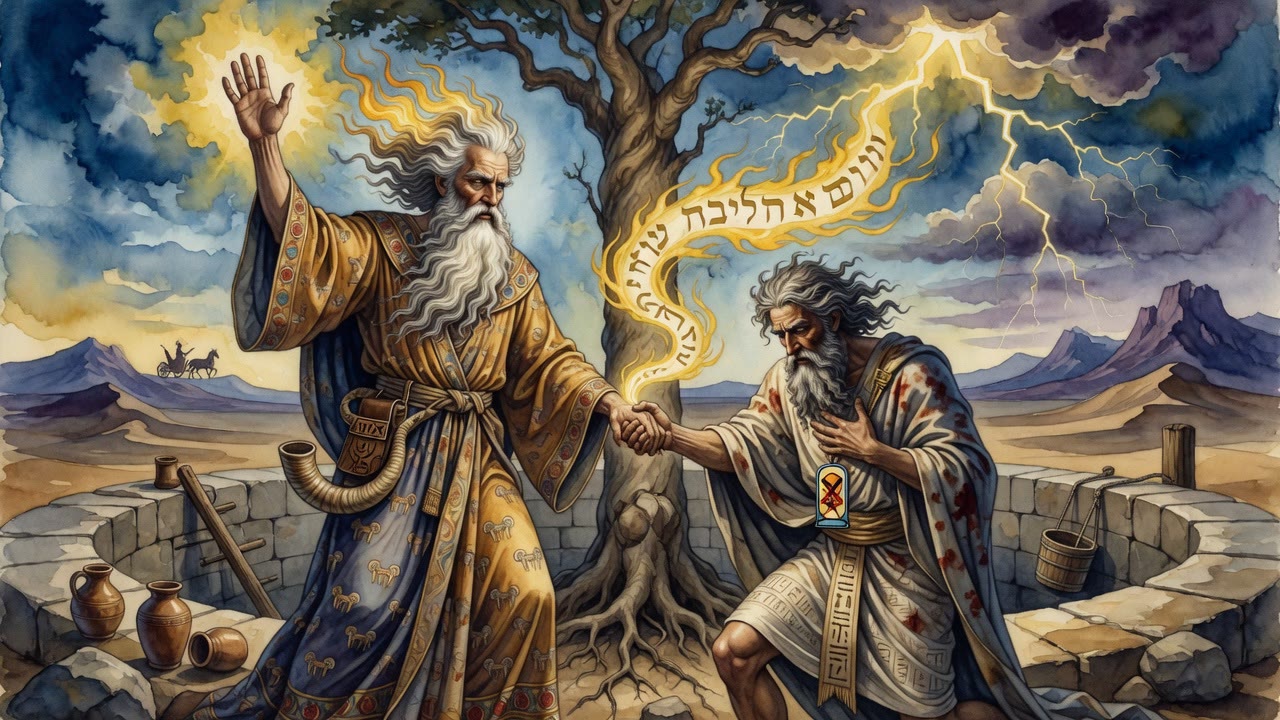
Rabbi Yochanan taught that a drink can distance families from Israel when bread and water are refused on the road. The same mouth said a meal can pull the distant close. "Call him and let him eat bread" brought a fugitive under a roof. Kindness at a table has moved prophets and has also sat near the wicked. The act is not magic. It is pressure in either direction.

Rabbi Simon called it kindness to Moses. Another reading said the man only paid a wage for water drawn. Heaven still kept books. In the days of Saul, the Kenites, Yitro's line, were told to withdraw from Amalek's fall because of old mercy. Kindness to one of Israel counts as kindness to all. If payback is rich for a duty owed, how much more for a free gift.

Love That Still Chooses a Kind End

The same root of neighbor-love that pulls a stranger to bread also stands in the court when a life must end. "Love your neighbor as yourself" does not vanish at the guilty verdict. The sages read it onto the method of death. Choose a kind death. The sword, not a mangling. Even a condemned body keeps a claim to dignity. Mercy shapes the last procedure when justice will not release the sentence.

Rabban Gamliel pressed lighter mitzvot (commandments) until they weighed like iron. If the Torah so guards the refusal of blood, which the soul already hates, how much more the hard refusals and the open gifts. A cup of water at Midian sits on that scale. Small to the eye. Heavy in heaven's hand.

House Made Clean

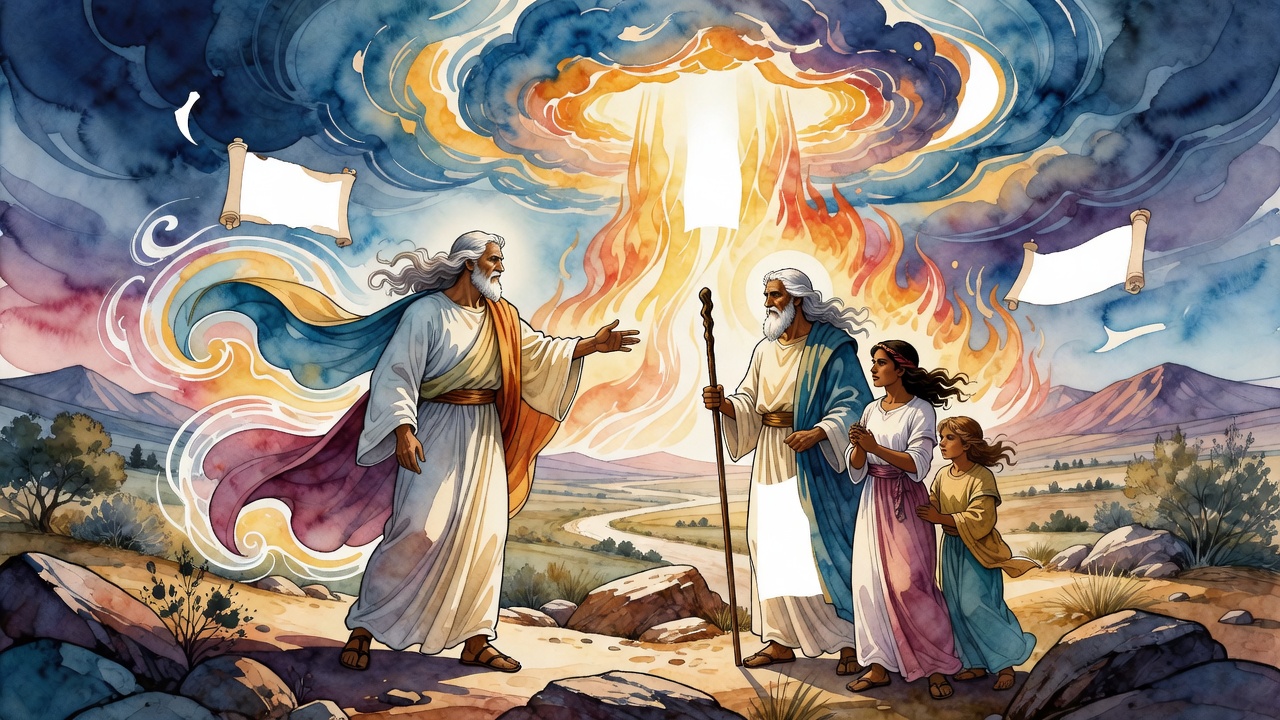
Moses stayed. He married. Zipporah's house became a place where a fugitive's hands, once used on an Egyptian taskmaster, lifted buckets for sheep. Later ages would say a daughter purified her father's house like bird-blood in a cleansing rite. The first purification was simpler. Bread. A chair. A question that refused to leave a rescuer in the field.

He had drawn once. The flock was only the beginning of what that pull would water.

Wage or Kindness, Heaven Still Pays

Was the bread kindness or payment for water drawn? The academy splits. Either way, Saul later peels the Kenites away from Amalek's ruin because of old mercy. Scripture will not let a cup of water vanish. Anyone who does kindness to one of Israel is credited as if he did it for the whole people. A fortiori for free gifts beyond duty.

Moses, who struck once in Egypt and fled, now pulls once at a well and stays. The flock drinks. The house opens. Neighbor-love that will one day shape a court's "kind death" first shapes a father's invitation to a stranger. Light mitzvot gain weight in Rabban Gamliel's teaching until a refusal of blood and a share of bread sit on the same serious scale. The fugitive becomes son-in-law. The well becomes the first chapter of a longer watering.

Call him and let him eat bread. Five words rebuilt a life more cleanly than many royal decrees. The man who would one day speak for a nation at a sea first learned how a nation begins: with water shared and a chair pulled out for a stranger who had every reason to keep running.


← All myths

From the tradition

Sources

3 sources

The texts behind this telling. Some cards carry a translation of the source; others are our own retelling of it, and each card says which. Every card links out to the original.

Yalkut Shimoni on Torah 169Yalkut Shimoni

Retold in our words. Read the original at the link below.Sefaria Community Translation · CC0

Another explanation: As she purified the entire house of her father like the blood of a bird (tzipor, used in purifying some impurities). Rabbi Yose bar Chaninah said, 'They sought to mistreat them, as it is written (Deuteronomy 22:27), 'the engaged girl cried for help, but there was no one to save her.'" (Since the same word is used for Moshe saving them here.) "He surely drew (dalah dalo) for us" - in this world and in the world to come. He drew once and gave the whole flock to drink. "He said to his daughters, 'And where is he'" - maybe he is from that seed of, "where is Sarah, your wife," through whom the whole world is blessed. And why was he called the priest (kohen) of Midian? Because the sons of his daughters would in the future be high priests. Rabbi Yehoshua says, "It was [priesthood to] idolatry, like the matter about which it is said (Judges 18:30), 'and Yehonatan the son of Gershom the son of Menashe.'" R. Elazar the Modaai says, "He was a minister, like the matter about which it is stated (II (Samuel 8:1)8), 'and the sons of David were ministers (kohanim).'" Rabbi Yochanan said in the name of Rabbi Yose ben Kisma, "Great is a drink, as it distanced two families away from Israel, as it is stated (Deuteronomy 23:5). 'Because of the matter that they did not greet you with bread and water.'" But Rabbi Yochanan himself said, "It distances the close, etc., and it brings the distant close, as it is stated (Exodus 2:20), 'call him and let him eat bread'; it brings the Divine Presence to the prophets of Baal, as it is stated (I (Kings 13:2)0), 'While they were sitting at the table'; and it causes the eye to avoid the wicked, [as in] Yonatan ben Gershom." Rabbi Simon said in the name of Rabbi Eliezer, "He is the one that did kindness to Moshe, as it is written, 'Why did you abandon the man? Call him and let him eat bread.'" Rabbi Simon said, "There is no kindness here, he paid him his wage, as it is written, 'He surely drew for us.'" And when did the Holy One, blessed be He, pay him back? In the days of Shaul, as it is written (I Samuel 15:6), "Shaul said to the Kenites (Yitro's descendants), 'Come, withdraw, etc.'" And did he do kindness to all of the Children of Israel; and did he not do kindness to Moshe alone? Rather it is to teach you that anyone who does kindness to one of the Children of Israel, Scripture counts it as if he did kindness to all of the Jewish people. And behold these things are a fortiori (kal vechomer): With one who does kindness for someone who he is obligated to, see what the Holy One, blessed be He, paid him back; all the more so is it with someone who does kindness for someone who he is not obligated to.

Full source
Yalkut Shimoni on Torah 335:1Yalkut Shimoni on Torah

Translation of the source text.Torat Emet (Yalkut Shimoni) · CC-BY-NC

It was taught: "He shall surely be avenged" (Exodus 21:20). I do not yet know what this vengeance is. When Scripture says, "And I will bring upon you a sword that avenges the vengeance of the covenant" (Leviticus 26:25), and so forth, you learn that vengeance means by the sword. But say it means he should be split apart? Scripture writes, "by the edge of the sword" (Deuteronomy 13:16). But say he should be cut into pieces? Rav Nachman said in the name of Rabbah bar Avuha: the verse states, "You shall love your neighbor as yourself" (Leviticus 19:18) [choose for him a kind death]. We have found that a free man who killed a slave is put to death by the sword; from where do we learn the case of a slave who killed a free man? Is it not an inference from the lesser to the greater: if one is executed by the sword for killing a slave, surely so for a free man, by strangulation. This works for the one who holds strangulation is the lighter death; but for the one who holds strangulation is the more severe death, what can be said? It is derived from what we learned: "And you shall purge the innocent blood" (Deuteronomy 21:9) [from your midst]. Those who shed blood were compared to the heifer whose neck is broken: just as there it is by the neck, so too here at the neck. If so, just as there it is with a cleaver and from the back of the neck, so too here with a cleaver from the back of the neck? Rav Nachman said in the name of Rabbah bar Avuha: "You shall love your neighbor as yourself" [therefore] choose for him a kind death.

Full source
Sifrei Devarim 77:1Sifrei Devarim

Retold in our words. Read the original at the link below.Sifrei by Rabbi Shraga Silverstein · CC-BY

He points to the verse in Deuteronomy, where It seems straightforward. Don't eat blood.

Rabban Gamliel, whose wisdom continues to resonate through the ages, sees something much deeper. He argues that if the Torah finds it necessary to so strongly emphasize avoiding blood, which he calls the "lightest" mitzvah, or commandment, then how much more emphatically must we observe all the other commandments? It's a beautiful and logical argument. It's as though if we can master the small details, then we are building the muscle memory to tackle the bigger challenges in our spiritual lives.

It’s not just about following the rules, but about recognizing the weight and importance of each one. If the Torah stresses even the seemingly minor things, it's a hint at the immense significance of all of its teachings.

Let's switch gears slightly. (Deuteronomy 12:26) states, "Only your consecrated things which shall be to you, and your vows, you shall take, and come to the place which the Lord shall choose." This verse looks simple at first, but the Sifrei Devarim, an ancient commentary on the Book of Deuteronomy, explores its deeper meaning.

What exactly is the Torah referring to when it speaks of "your consecrated things?"

The text poses a crucial question: is this about consecrated items within the Land of Israel, Eretz Yisrael? But the Sifrei Devarim points out that the Torah has already addressed that! So, if it's not about consecrations within Israel, what is it about?

The answer, according to the Sifrei Devarim, is that this verse is speaking about consecrated items outside the Land of Israel. This distinction is significant because it highlights the enduring nature of holiness. Even when we are physically distant from the most sacred place, our commitments and dedications still matter.

It is a potent reminder that our spiritual lives aren't confined to specific locations or times. Our vows, our sacred objects, and our intentions carry weight wherever we are in the world. It's a call to maintain our connection to the divine, even when far from home.

So, whether it's appreciating the weight of every commandment, no matter how small it seems, or understanding that our consecrated items retain their holiness even outside of the Land of Israel, these teachings from the Sifrei Devarim offer us a tradition of meaning to weave into our lives. What "small" commandment might be the key to unlocking a bigger spiritual lesson for you?

Full source