Moses Begged at the Jordan for a Vow Heaven Would Not Loose
Moses stood on the east bank and asked Heaven to undo its own oath. The answer came in two words he had once thrown at other men.
Table of Contents
 Click for full size
The Last Argument at the River
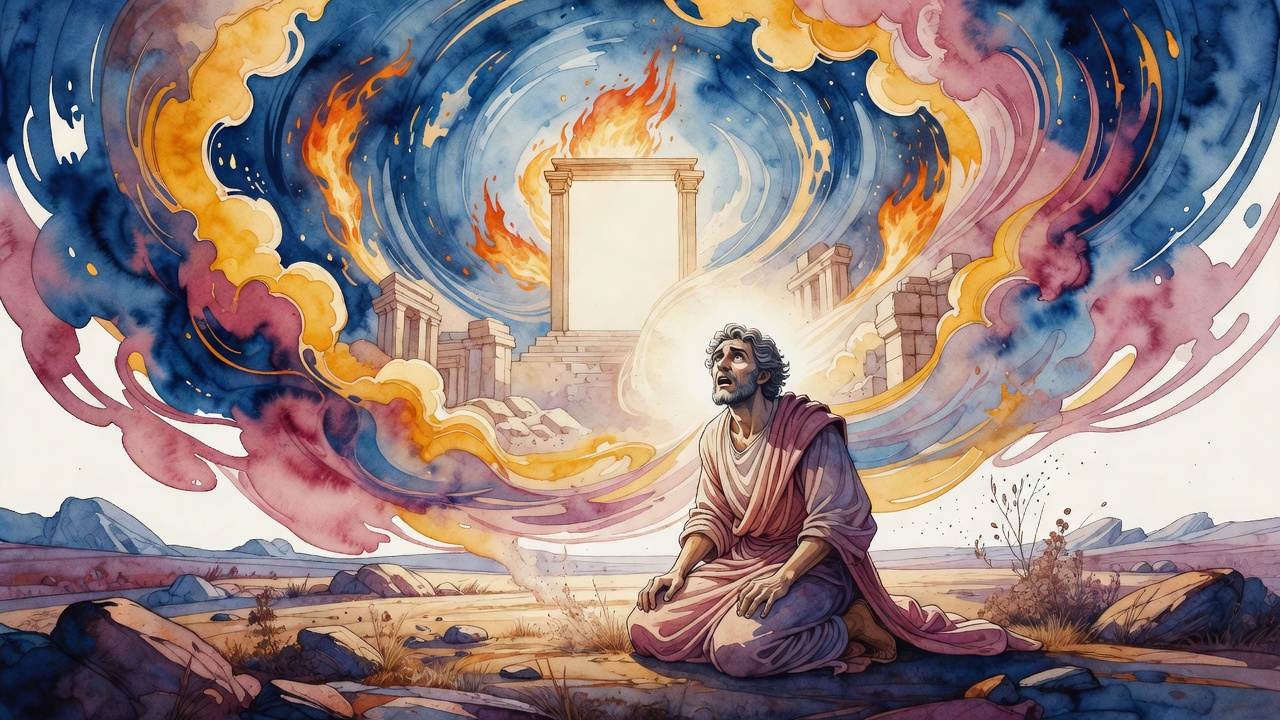
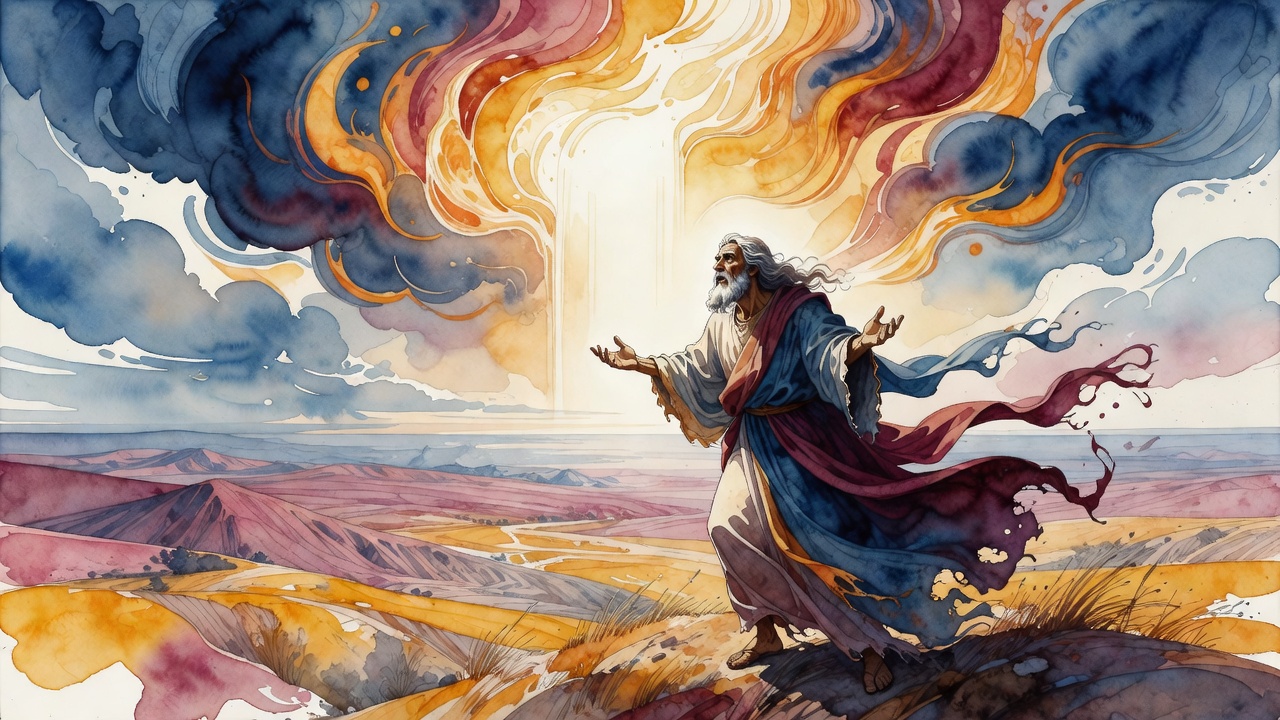
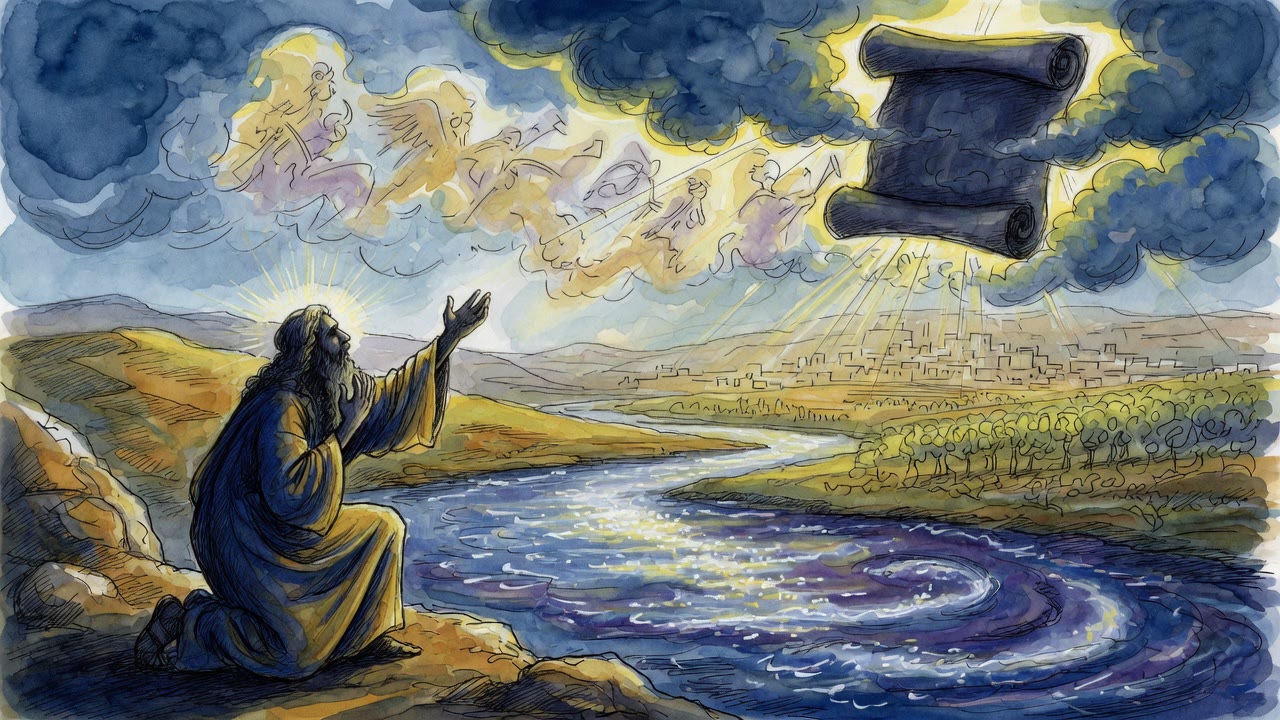
Moses stood on the eastern bank of the Jordan and started building the case he had been assembling for forty years.
He opened with the titles. Master over everyone who comes into the world. Mercy that reaches every creature. Nobody in the heights or the depths who can put a hand on Yours and stop it. If You decide to be merciful, there is no court above You to overrule the decision.
He was arguing that heaven had the power. He had not yet asked it to use it. The water kept going past him toward the Salt Sea. On the far side were the hills he had promised to slaves who had never stood on a road they were allowed to walk down.
Release Your Vow as Mine Was Released
Then he named the obstacle out loud. You swore I would not cross.
"So be released from it," he said. "Ask to have Your oath undone, the way mine was undone when I swore to Jethro in Midian and was let out of it afterward."
It was a lawyer's move, and Moses had the precedent in hand. A man cannot cancel his own word. Others can cancel it for him. He had lived that rule from the inside. He had bound himself to a Midianite priest, and the binding had come loose when someone with standing loosed it, and he had gone down to Egypt free.
He laid the rest of the file on the bank: the flame in the bush, the greatness he had invoked when the spies nearly finished the people off, the strong hand at the sea, and the power against Amalek. "You brought Israel out of Egypt when they were not fit to come out," he said, "because they were serving idols, and You were patient with them anyway, and You redeemed them. Handle me by that same measure. I have sinned. Let me cross over and see."
The Lebanon He Wanted to See
And what was the thing on the other side he kept asking to see? He called it the Lebanon.
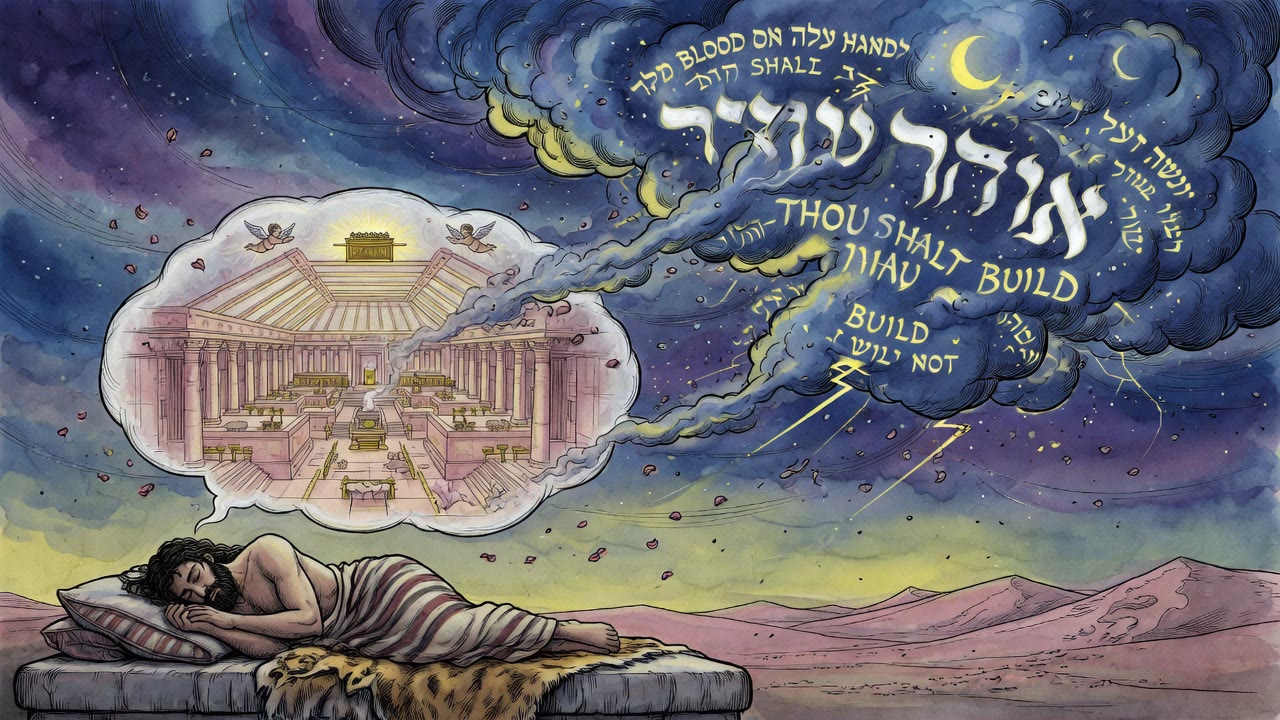
Not the mountain range and not the cedars. The Temple. The house that would stand on a hill he had never touched, with sacrifice and song going up out of it, built by a generation whose grandparents he had buried in sand.
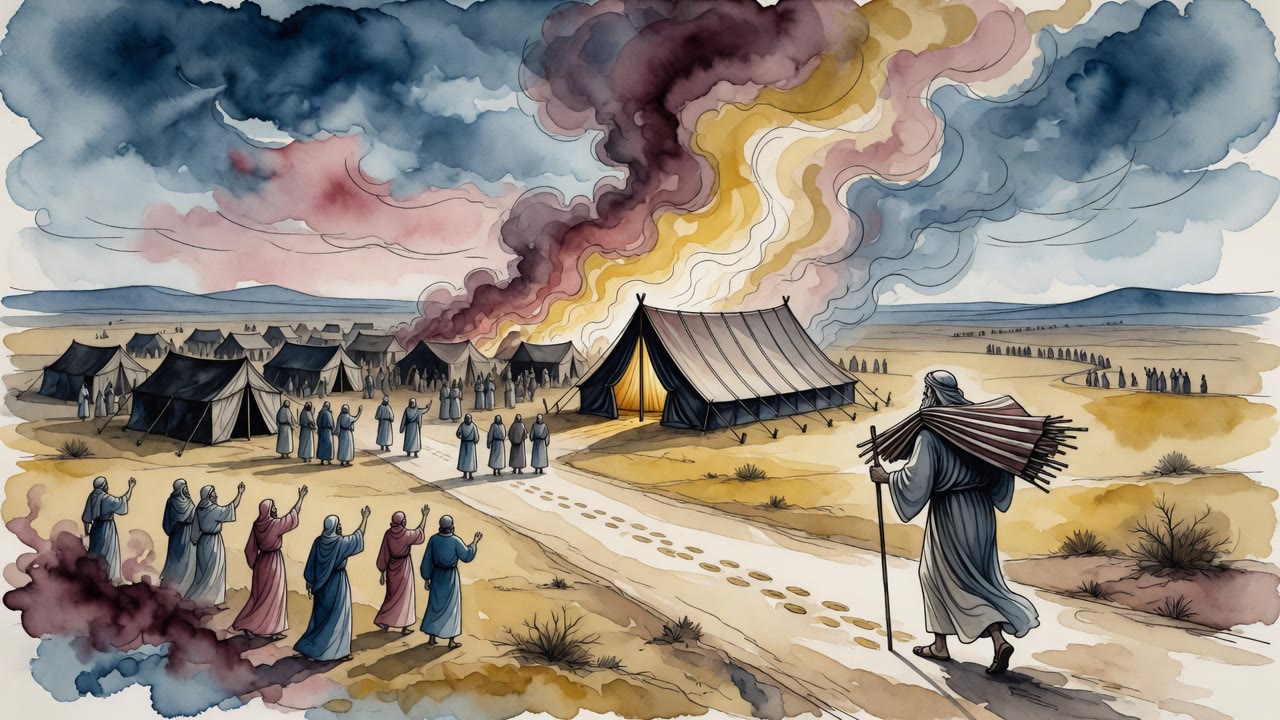
He had spent his last decades assembling a tent that came apart and went back together every time the cloud lifted. He wanted one look at the version that would be fixed to the ground and outlast his bones. That was the whole request. Not conquest. Not a house in the hills. A look. He begged for a look the way a thirsty man begs for a cup, and heaven still had the vow in its mouth.
Enough for You
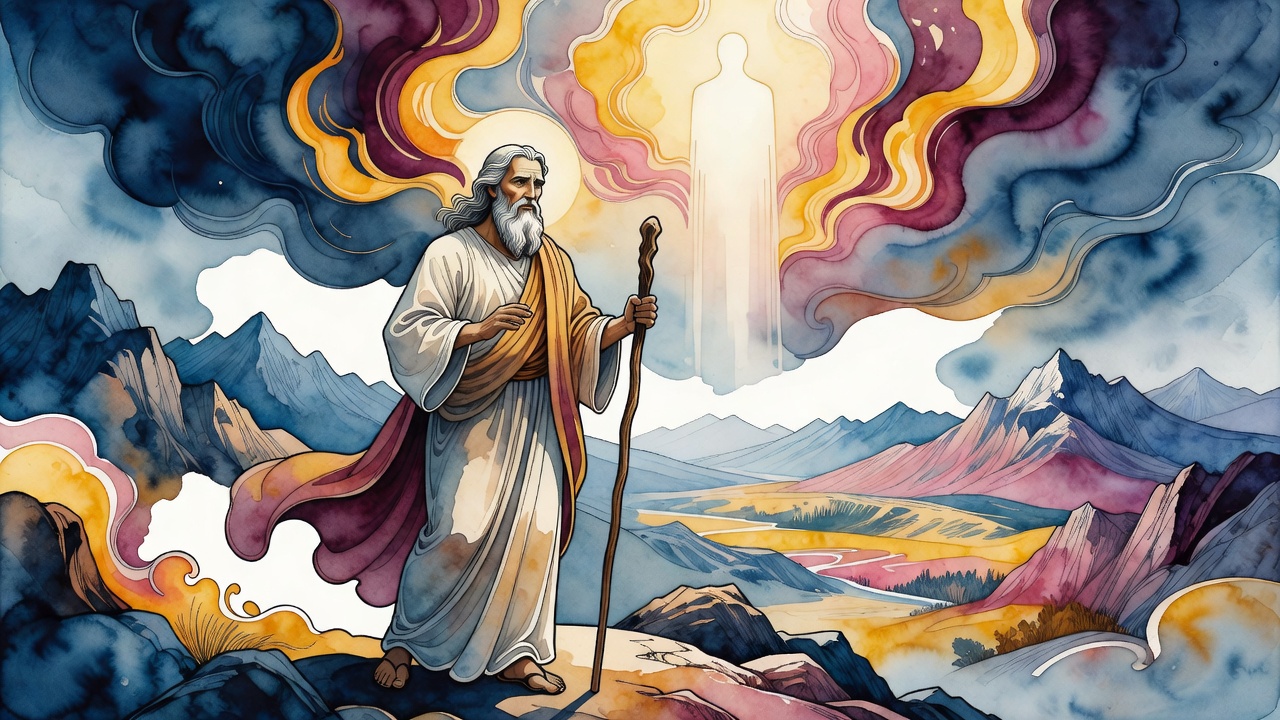
The answer came back in two words. Rav lakh. Enough for you.
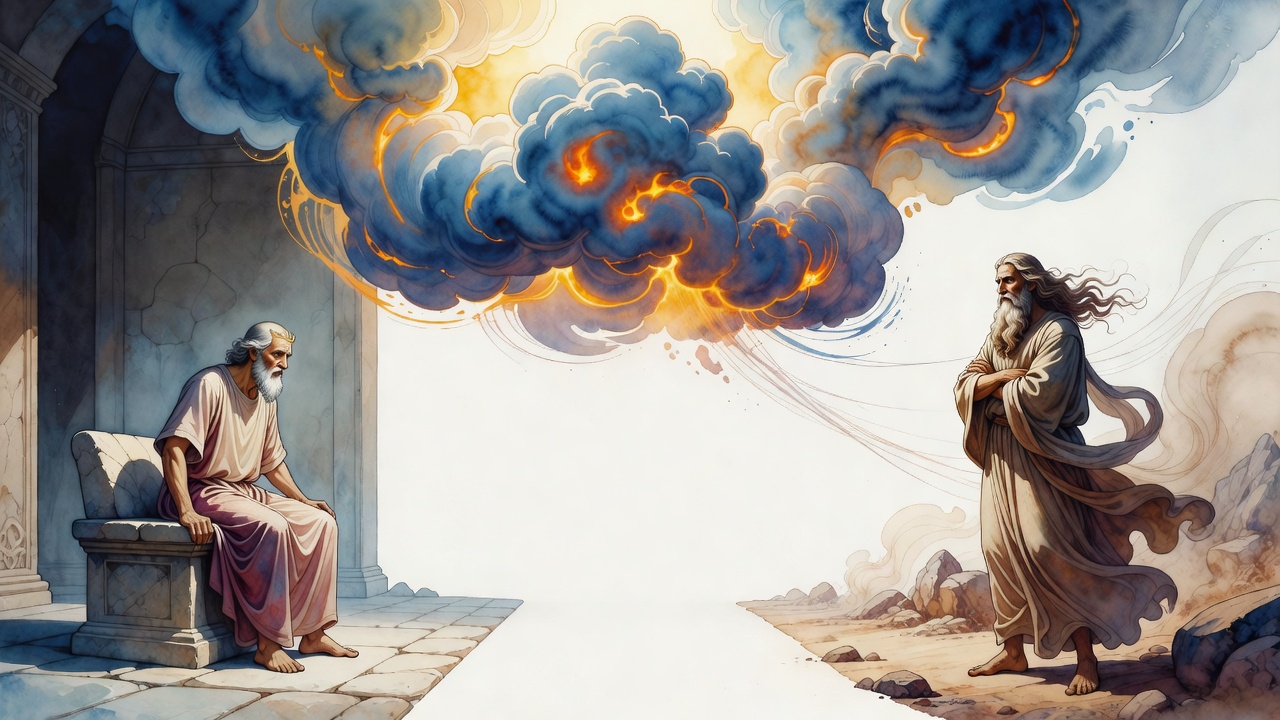
Then the reason, and the reason was not anger. "Your vow is not like Mine. Yours could be undone because you have a master above you, and a master can loose what you have bound. I have no master. I am alone in My world, and there is no second beside Me. There is nobody I can go to."
Moses had taught a nation to say that God is one. He had made it the first thing a Hebrew child learned to hear. Now the oneness he had spent his life proclaiming stood in the doorway with its arms out. There was no higher bench to appeal to, because he had spent forty years insisting there was no higher bench. He begged anyway. He could argue mercy all night. He could not invent a judge above the Judge, and heaven would not loose what it had bound.
The Words He Had Used on the Sons of Levi
There was a second edge on those two words, and Moses felt it land.
He had said them himself, once, in a camp full of rebellion, to men who wanted a priesthood that was not theirs. "Enough for you, sons of Levi." Stop. The conversation is over.
They came back at him at the river in the same shape. Enough for you. Say no more to Me about this thing.
He turned around. There were still songs to write and blessings to say over twelve tribes and a people to hand off to a younger man. He would climb a mountain and be shown the whole country from the top of it, every border, at a distance, and then he would die on the wrong side of the water with the Temple still unbuilt and his own grave dug where nobody would find it. The Jordan kept going. The vow stayed shut.
← All myths