Josephus Counts Eighty-Three Priests After the Fall
Ash clung to the hills. He closed twenty volumes on eighty-three names, ending with a man chosen by lot who did not know the rites.
Table of Contents
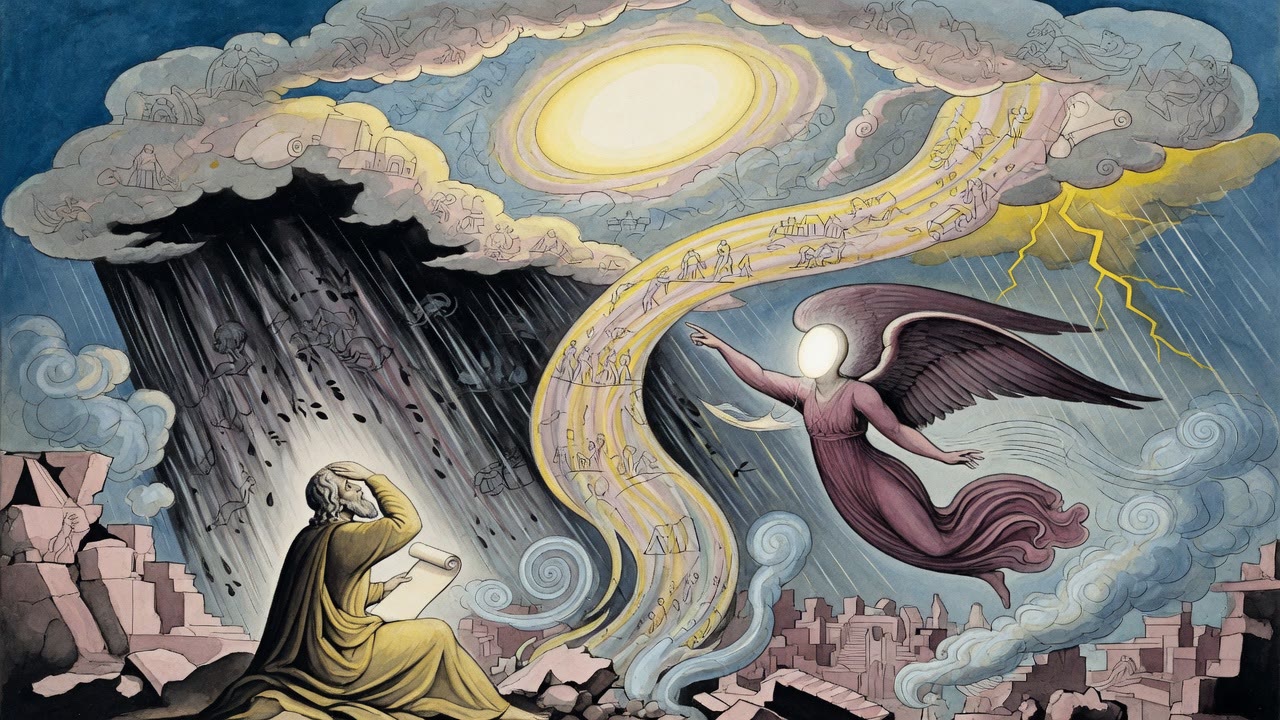
Ash still clung to the air above the hills. In a house in Rome, Josephus sat with the last page unfinished and chose not to end twenty volumes on a scream. He ended them on a list.
 Click for full size
Every high priest from Aaron in the wilderness tent to the last man who wore the sacred garments before the fire took the house in Jerusalem. He wrote the names the way a man counts bones after a fall, checking whether the spine still holds.
Eighty-Three Names
He counted eighty-three. Kings had come and gone. Empires had renamed the map. The priesthood was the continuous bone he could still touch with ink.
Thirteen priests served in the wilderness and the early settlement, six hundred twelve years from Egypt to Solomon's Temple. Eighteen spanned Solomon's house through the Babylonian exile, four hundred sixty-six years, six months, and ten days, until Nebuchadnezzar burned the first house and took Josadek captive. Fifteen more after the return, under Persian and Greek rule, four hundred fourteen years of a people trying to stand the altar up again.
Then the Hasmoneans seized both crown and altar at once. The old custom had been one bloodline for the garments and another for the diadem. That break lasted until Herod took power and began appointing high priests at will. What had been a lifetime office became a tool he could pick up and throw away.
Twenty-eight men held the office in roughly one hundred seven years under Herod and the Roman governors. The job changed hands the way a coin changes hands. Josephus wrote the pace down. He did not pretend the late names shone like Aaron's.
The Boast and the Confession
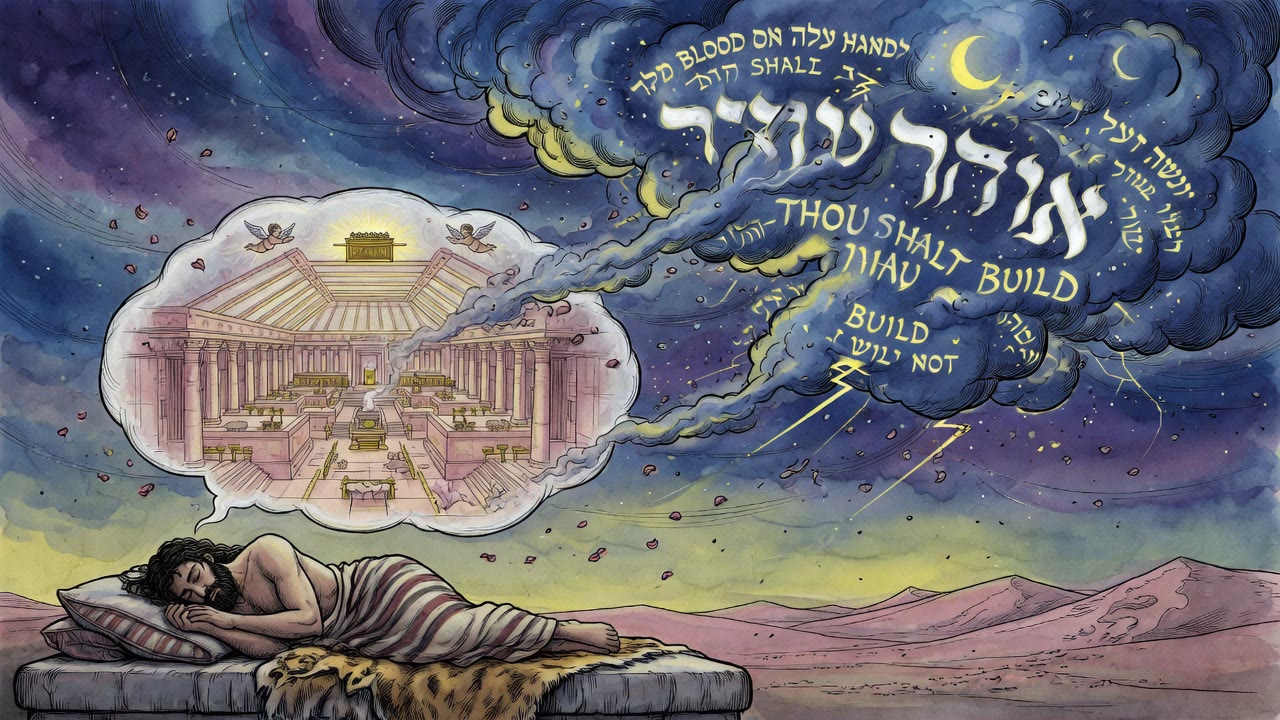
He set down the reed and looked at the stack. Twenty books. Sixty thousand lines. From the creation of the world to the twelfth year of Nero. He wrote that no Jew and no foreigner, however willing, could deliver these accounts to the Greeks as he had done. He had the learning of his own nation, and he had taken pains for Greek, though his mouth still preferred his own tongue.
Then he admitted what the stack had cost. The work had taken far longer than he expected. He was fifty-six years old in the thirteenth year of Domitian. Glory and fatigue sat on the same table as the ink.
He had lived inside the war, the courts, and the languages needed to tell Jews and Romans what had happened. The boast was a man defending his right to speak. The confession was the same man telling the truth about delay. Both belonged on the last page.
The Last Name He Despised
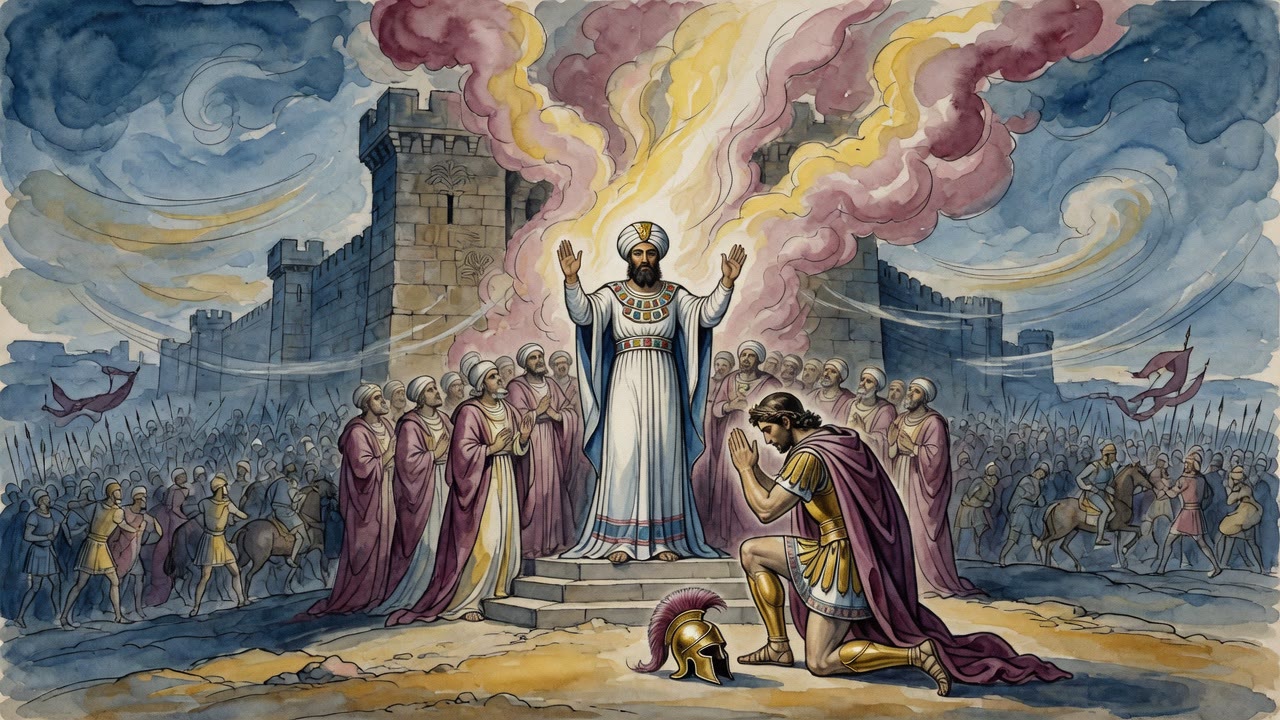
The final high priest in his tally was Phanas ben Samuel. During the revolt the Zealots chose him by lot from a priestly family. Josephus wrote that the man had no skill for the rites. The garments went to a novice while the city ate itself.
Josephus did not soften the name. Phanas. Chosen by lot. Unskilled. The chain from Aaron stopped on a man who could not perform the work while the walls cracked. Contempt sat in the ink. He would not let Rome think the fall was only military. A chain of names had snapped.
By ending on the priesthood rather than on Titus alone, he forced the long arc onto one sheet: desert tent, marble courts, then a lottery in a burning city. Romans might count standards and legions. He counted men who had entered the Holy of Holies trembling, and men who later bought the same office with politics.
Strangers Who Take the Manner
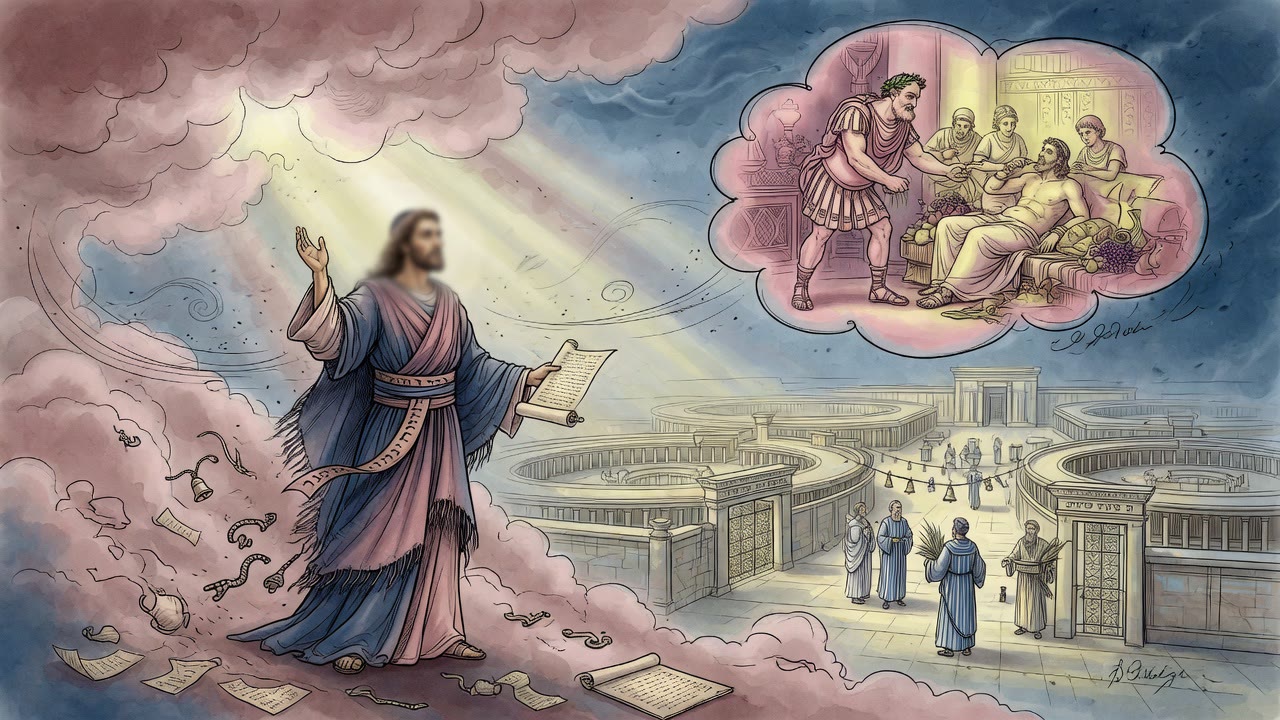
In another work he turned from ashes to law. Slander said the Jews hate strangers. Josephus answered with Moses. The legislator had refused both hostility and a thin welcome that cost nothing. Anyone who genuinely wished to live after the same manner, under the same law, could enter real union, a shared purpose beyond blood alone.
Those who arrived by accident only, passers-through without commitment, were not handed the keys. Josephus drew the line in Greek so Romans could read it. Welcome the one who takes the manner of life. Do not pretend a tourist is a brother.
After the Temple fell, that line was not a theory. A people without its house still needed to know who might join the house's memory. Friendship without erasure. Hospitality without the suicide of identity. Josephus put both the ledger of priests and the rule for strangers on paper while the smoke was still in living throats.
Ink Against Forgetting
He wrote knowing Romans would read him and Jews would judge him. That double audience made the priest list more than a hobby. Israel had an institutional memory older than any Caesar's reign. He told it in Greek without surrendering the names to silence.
He had chosen survival. He refused amnesia. Each priest's name was a refusal to let the altar become a rumor. The last page dried. Eighty-three names. A lottery at the end. A door in the law that still opened for those who would take the yoke, and stayed shut for those who only leaned on the frame.
In Rome, the ink held.
← All myths