5 min read

Josephus Refuted Apion's Tale of a Golden Ass's Head in the Temple

Apion invents a golden ass in the Holy of Holies. Josephus answers with empty sanctuaries, bad history, and Manetho's broken plot.

Curated by Arthur · Told by Maggid ·
Table of Contents
  1. A Lie Walks Into the Sanctuary
  2. What the Conquerors Never Found
  3. Manetho's Lepers March
  4. Ass's Heart
  5. Ink Against a Crowd
Josephus Refuted Apion's Tale of a Golden Ass's Head in the Temple Click for full size

A Lie Walks Into the Sanctuary

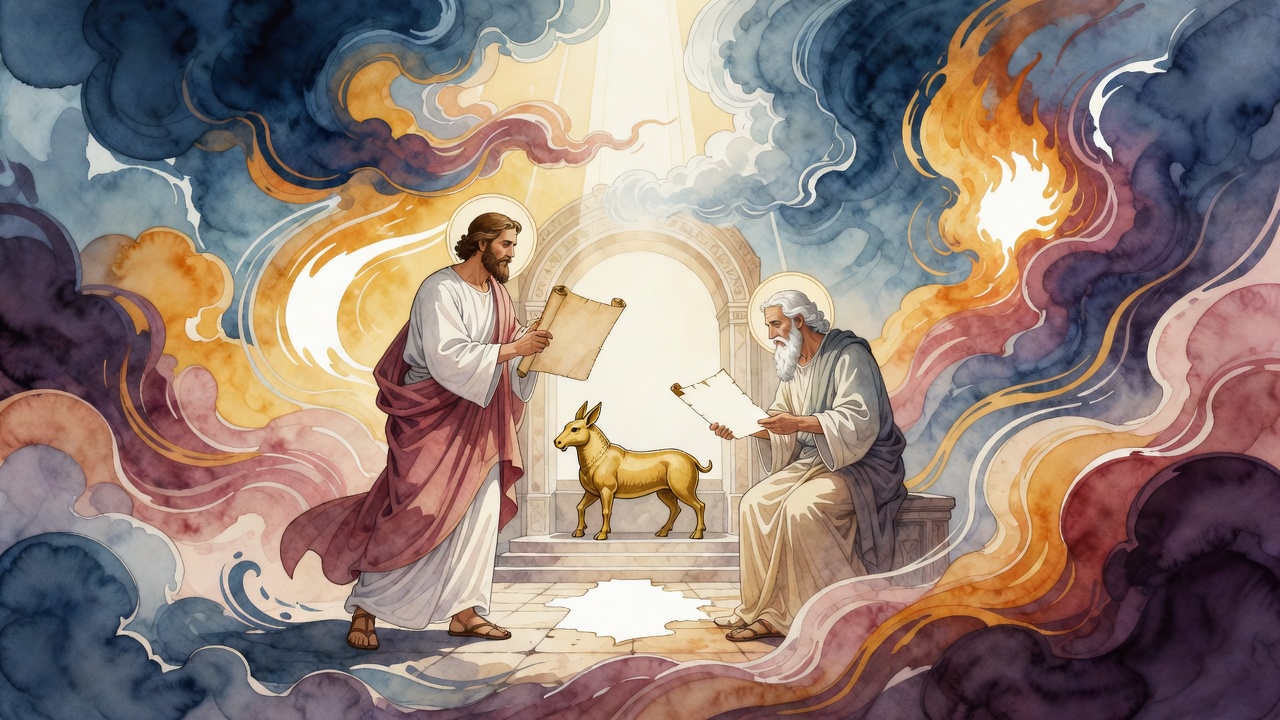
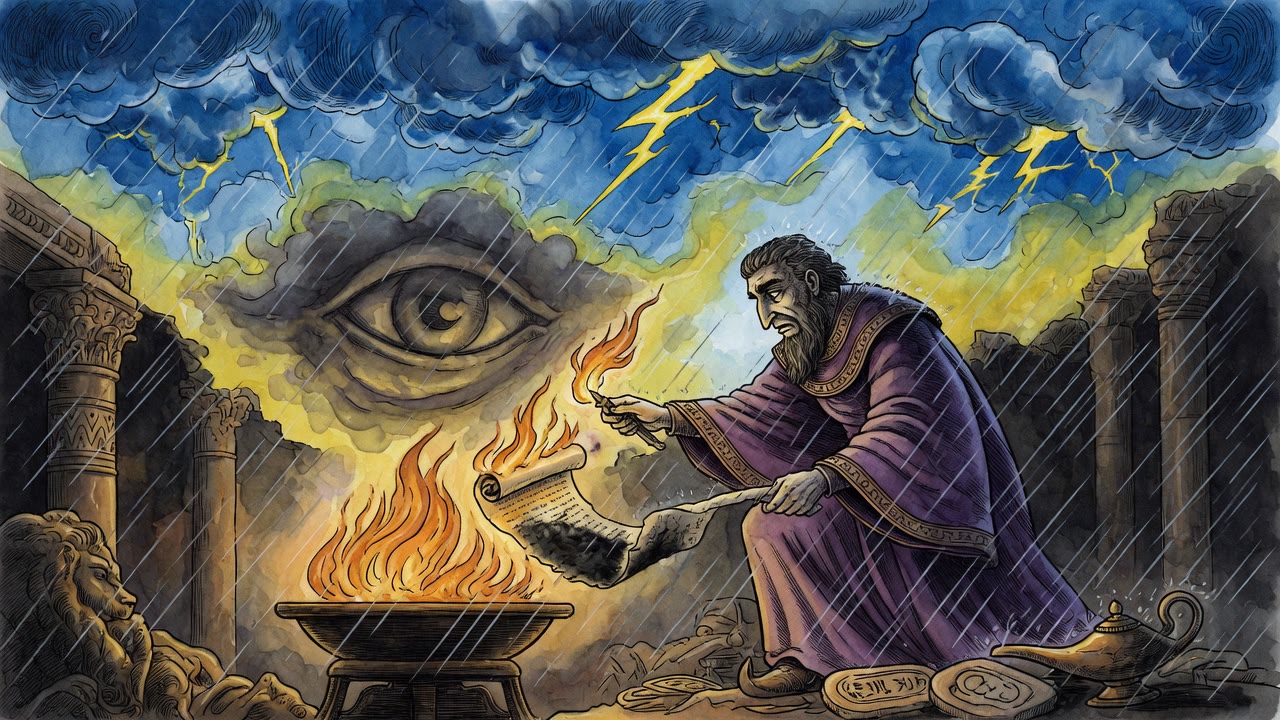
Apion lifted a golden ass's head and set it, in words alone, inside the Holy of Holies. He said Antiochus Epiphanes found it when he plundered Jerusalem. The claim traveled through Greek rooms like a joke that wanted blood. Jews, the lie went, kept a donkey where other nations kept gods.

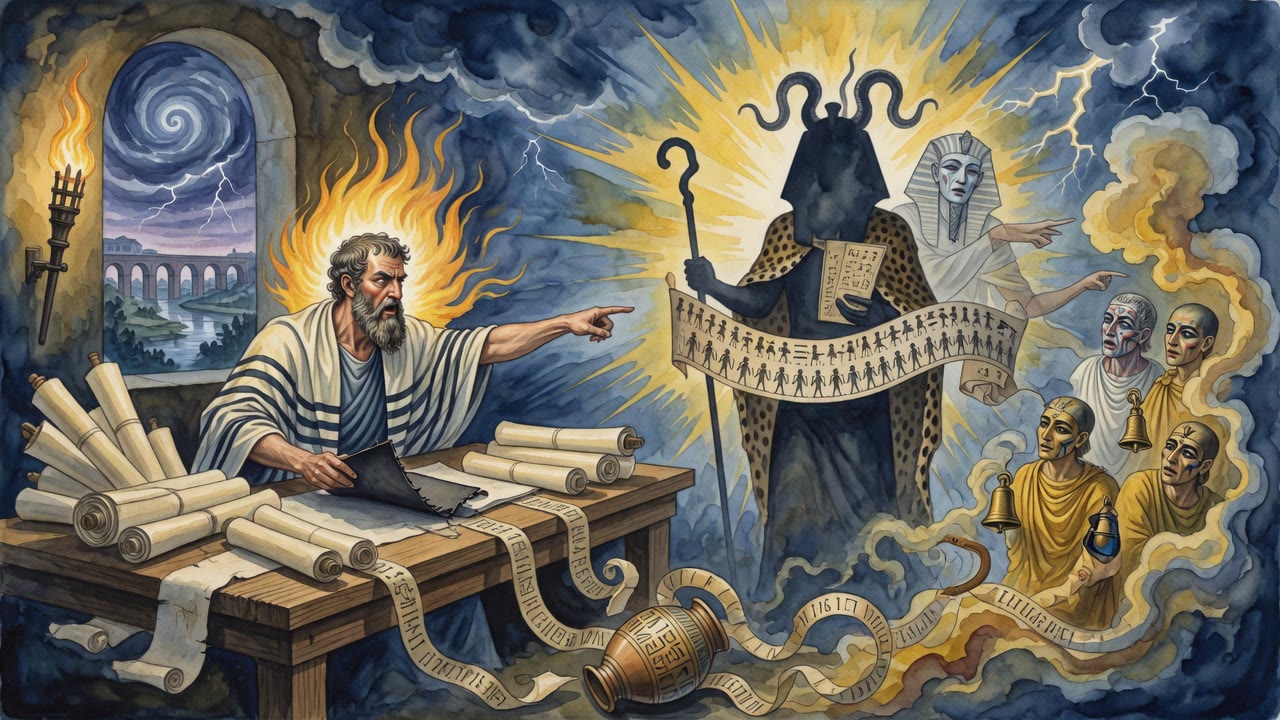
Josephus heard the laughter and did not smile. In Against Apion he names Posidonius and Apollonius Molo beside the Egyptian wit who sharpened the tale. Monotheism was already enough for enemies. They needed something dirtier: an animal idol in the room no Jew entered except the high priest, and then only once a year.

The historian's hand tightened on the stylus. Free people, he wrote in effect, should be ashamed to lie about a Temple the world already knew. Shame did not stop them. So he answered with conquerors.

Ink blotted. A servant brought a lamp. Outside Rome still ran the roads. Inside the argument, the holiest room of Jerusalem had to be cleared of a donkey that had never stood there.

What the Conquerors Never Found

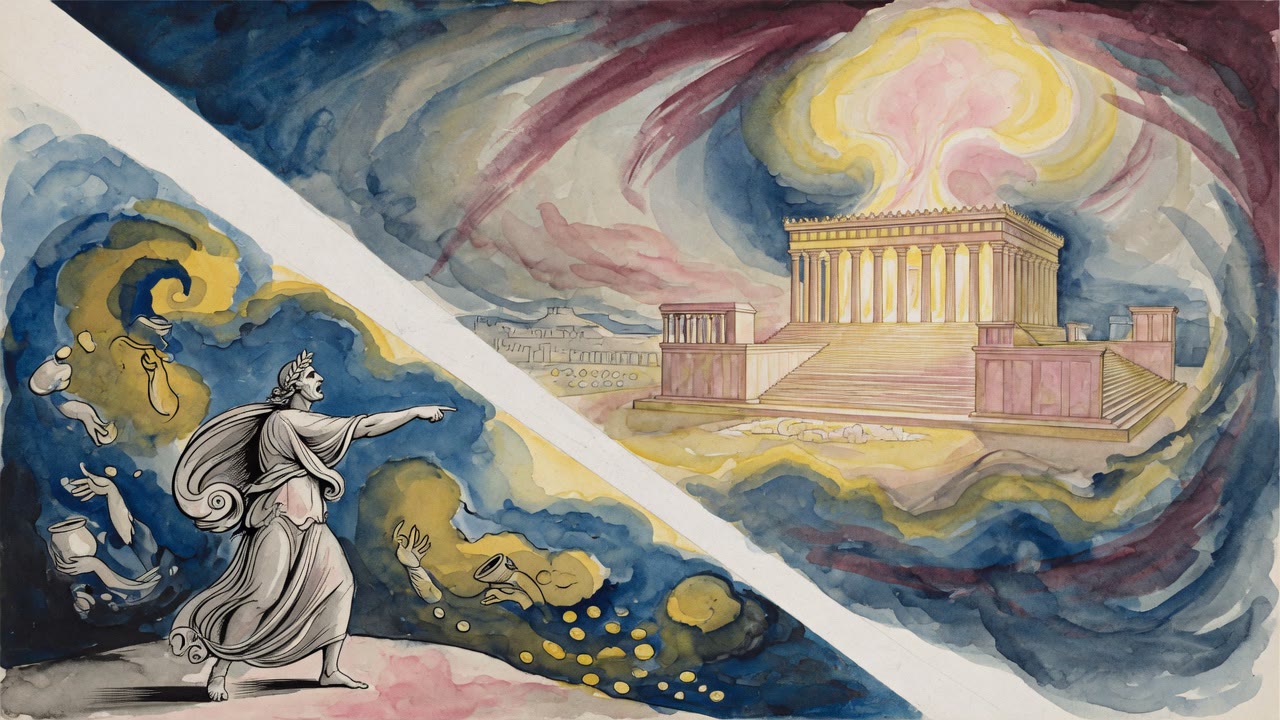
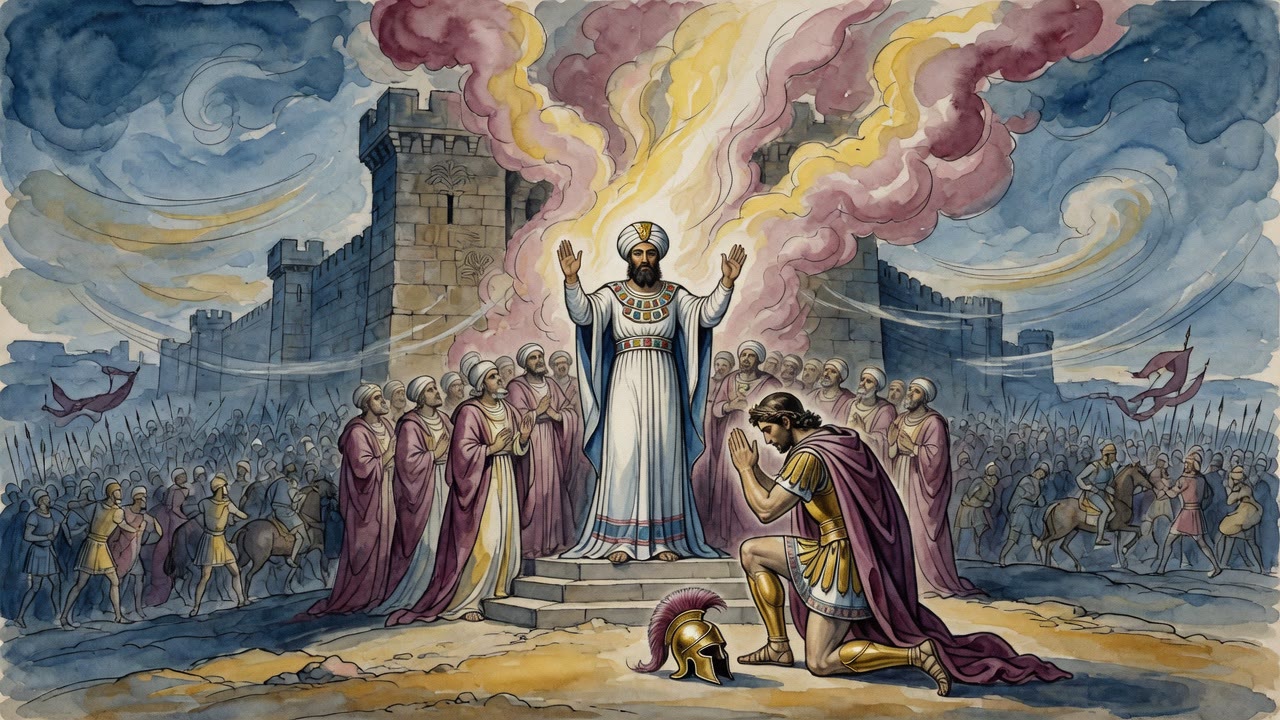
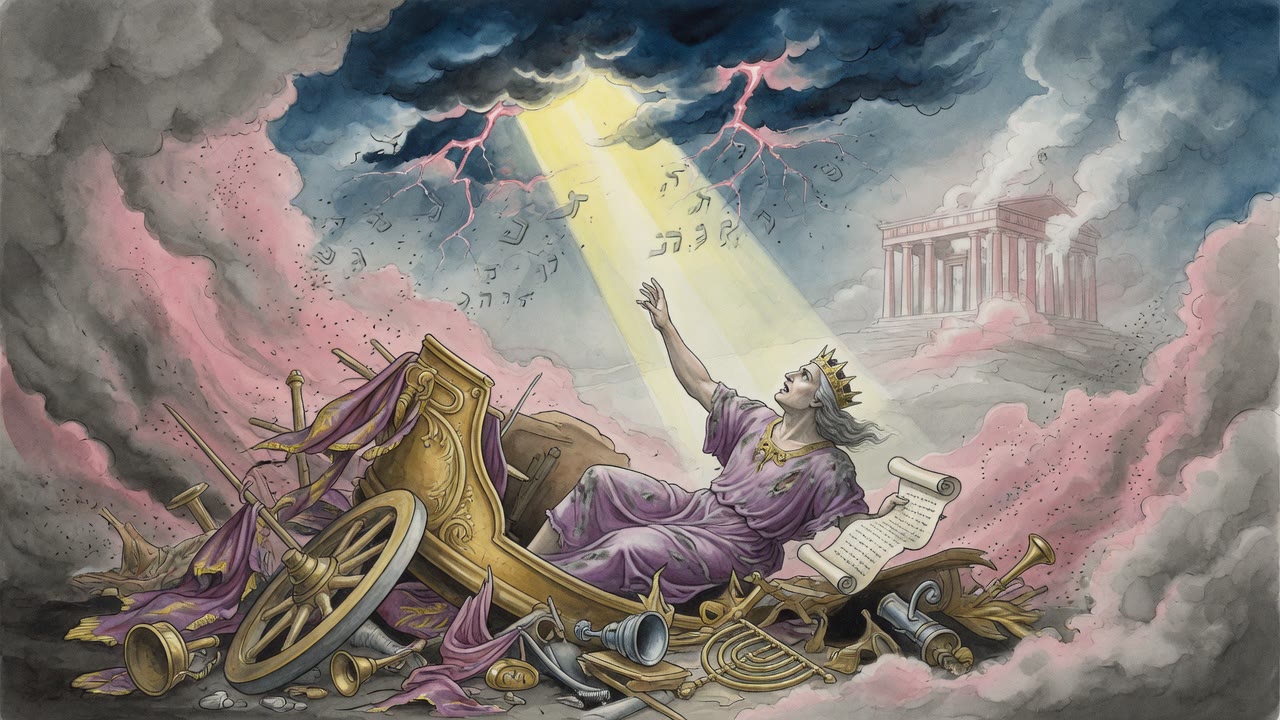
Pompey walked into the sanctuary. Crassus took treasure. Titus burned the House. Antiochus himself had stripped gold years earlier. None of them reported an ass's head glittering on a stand. They found what Jewish law allowed and what greed could melt. Josephus will not describe the inner holy things to foreign ears, but he will swear they were not a donkey cast in metal.

He lists witnesses who said Antiochus came for silver and gold, not for a discovery of Jewish animal worship: Polybius, Strabo, Nicolaus of Damascus, and others whose pages he still had. The Seleucid king was a thief with an army, not a shocked reformer uncovering a secret cult.

"How comes it about that Apion does not understand this to be no other than a palpable lie?" The sentence lands like a slap. Egyptians who worship living beasts, Josephus adds, have no standing to mock even a false donkey statue. The jab is mean and exact. Hypocrisy is a tool he will use.

Each foreign boot that crossed the Temple threshold becomes a witness for the defense. Absence is hard to stage. A golden ass would have been the first trophy in every boast. No boast carried it.

Manetho's Lepers March

Another Egyptian storyteller, Manetho, dressed older hatred in chronicle form. He told of leprous outcasts given land by a king, then rising against Egypt's gods, summoning help from Jerusalem, seizing granaries, committing horrors, until a prince named Amenophis chased them to Syria.

Josephus takes the plot apart joint by joint. Why would men given a city declare war on every temple? Why would priests of Egypt organize the revolt against their own cults? Why would Jerusalem, already driven from Egypt and living well, race back to aid enemies on a promise of conquest? Manetho admits the two sides were not friends. Friendship cannot be the bait.

Would not some Egyptian kin refuse the oath? Would invaders knowing a royal army still lived leave the Ethiopian road unfortified? How does a great kingdom fall so easily and then recover so cleanly that the tale looks like theater? Josephus stacks questions until Manetho's narrative sags. The lepers and the Jerusalem force become props for a libel, not a history that can stand upright.

Grain stores and desert chases pile up in Manetho's pages like scenery without actors who make sense. Josephus keeps asking for motives that fit human blood, not pamphlet need.

Ass's Heart

Apion, Josephus says, must have an "ass's heart or a dog's impudence" to keep talking. Jews work donkeys as beasts of burden. When the animals kick, they are struck. No one builds a golden head of one for the innermost room. The insult collapses into its own animal jokes.

Manetho's invaders, in his telling, overturn Egyptian laws and gods, then somehow need outsiders to finish the job. Josephus asks why the first story needs the second. If Egyptians already swore to rebel, what special evil belongs to the Jews except the evil Manetho needs them to wear?

Each answer is a refusal. The Temple did not house a donkey. The Exodus was not a leper revolt hired from Judea. The people who keep one God do not need Egyptian animal cults rewritten as their secret center.

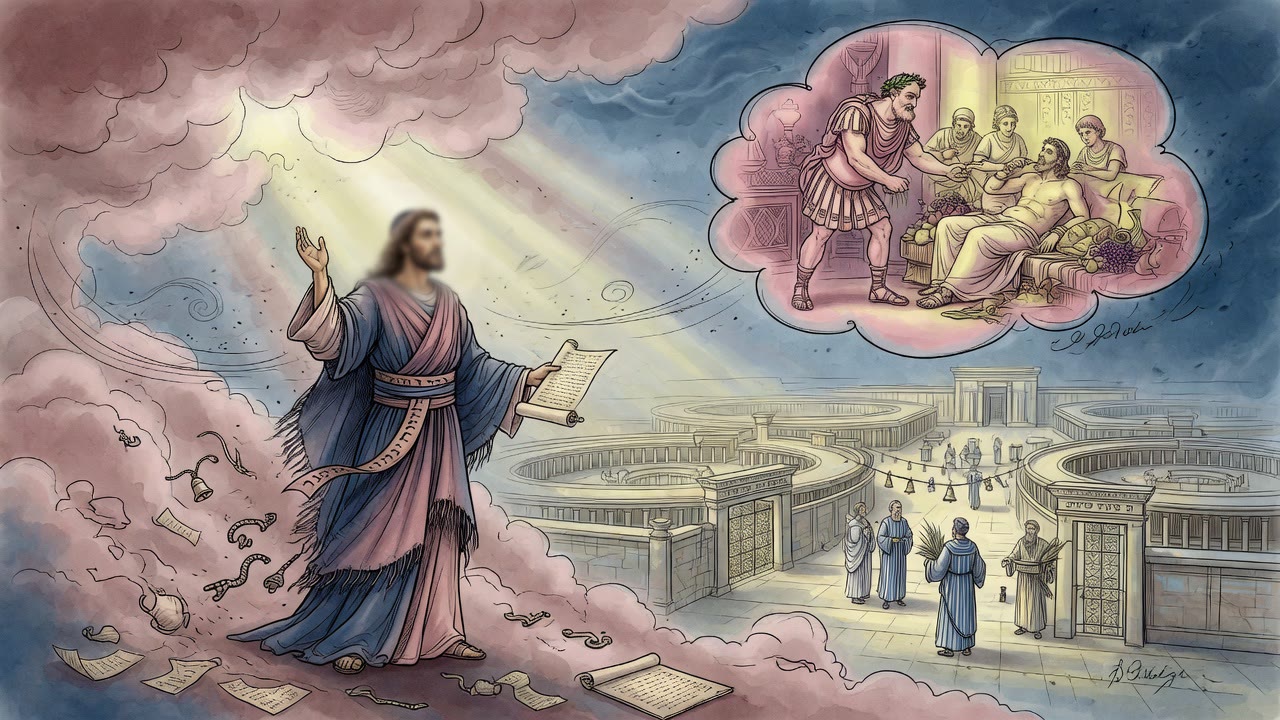
A reader in a Roman house who had laughed at Apion's dinner story now had a different aftertaste: the laugh looked cheap, and the historian looked like a man who had stood inside the ruined courts and remembered what was not there.

Ink Against a Crowd

Josephus wrote for readers who had already heard the jokes. He could not burn Apion's books. He could only put a different scene in the same rooms: conquerors staring at emptiness where a golden ass should have been, and a chronicle full of holes where Manetho needed a Jewish monster.

The stylus scratched. Outside, Rome still ruled. Inside the argument, the Holy of Holies stayed clean of the lie. That was the only victory available to a Jewish historian under empire: accuracy as stubborn as stone.

No ass looked back from the dark. No leper army marched on a consistent map. Only the old hatred kept producing new costumes, and a man named Josephus kept tearing the seams.

When the lamp smoked and the scroll closed, the libel still walked other streets. So did the rebuttal. Truth, in this fight, was not a single triumph. It was a habit of naming what conquerors never found.


← All myths
From the tradition

Sources

2 sources

The texts behind this telling. Some cards carry a translation of the source; others are our own retelling of it, and each card says which. Every card links out to the original.

Against Apion 7:1Against Apion

Retold in our words. Read the original at the link below.Against Apion, trans. William Whiston · Public Domain

It's an age-old problem, and one that the historian Josephus tackled head-on in his work, Against Apion.

Josephus is responding to claims made by Apion, an Egyptian intellectual known for his anti-Jewish sentiments. Apion, and others like Posidonius and Apollonius Molo (figures Josephus calls out directly), accused the Jews of not worshipping the same gods as everyone else. Okay, fair enough, we're monotheistic! But then they went further, fabricating outrageous stories about the Jewish Temple in Jerusalem. And what was this wild accusation?

Apion claimed that the Jews kept an ass's head in their Holy of Holies, the most sacred space within the Temple! He even alleged that Antiochus Epiphanes, the Seleucid king who notoriously desecrated the Temple, discovered this golden ass's head during his plunder.

Josephus is understandably indignant. He points out the hypocrisy: these accusers, while criticizing Jewish "impiety," are perfectly happy to spread blatant lies. He rightly states that it's shameful for free people to lie, especially about something as sacred and universally renowned as the Jewish Temple.

Josephus's first line of defense is almost sarcastic. He retorts that even if there were an ass's head, Egyptians shouldn't be the ones to complain! After all, they worshipped various animals, some of which (he delicately alludes to certain creatures using the Latin term "Furones," the exact meaning of which is now lost to us) are arguably less impressive than an ass.

But then he gets to the heart of the matter: the accusation is demonstrably false. "How comes it about that Apion does not understand this to be no other than a palpable lie?" he asks. The Jews, Josephus stresses, are consistent in their laws and practices. Despite numerous foreign powers conquering Jerusalem – Theos [Epiphanes], Pompey the Great, Licinius Crassus, and, finally, Titus Caesar – none of them ever found anything resembling an ass's head in the Temple. They found what was consistent with Jewish piety, though Josephus says "what they found we are not at liberty to reveal to other nations."

He reminds his readers that Antiochus Epiphanes's desecration was motivated by greed, not religious zeal. He lists several historians – Polybius of Megalopolis, Strabo of Cappadocia, Nicolaus of Damascus, Timagenes, Castor the chronotoger, and Apollodorus – all of whom, according to Josephus, attest that Antiochus attacked the Temple for its gold and silver, not because he discovered some bizarre idol. Sadly, those specific accounts are now lost to us, but it is plain that Josephus perused them as extant in his time.

Josephus then turns up the heat. Apion, he says, must have an "ass's heart or a dog's impudence" to spread such falsehoods. The reference to dogs is likely a jab at Egyptian animal worship. He emphasizes the absurdity of the claim: Jews don't venerate asses! They use them as beasts of burden, and if the animals misbehave, they are punished, as they should be.

Josephus concludes that Apion's attack is a failure. His lies are unconvincing, his arguments weak. He writes that Apion was "perfectly unskillful in the composition of such fallacious discourses."

Beyond the specific (and frankly bizarre) accusation, it highlights the persistent danger of prejudice and misinformation. It also shows the importance of defending truth and challenging those who seek to demonize others through lies and distortion. It is a lesson just as relevant today as it was in the time of Josephus.

Full source
Against Apion 29:1Against Apion

Retold in our words. Read the original at the link below.Against Apion, trans. William Whiston · Public Domain

Against Apion turns to Manetho in Joseph's Time.

Manetho claims that a group of "leprous people" and others, after being mistreated, were given a city and land by the Egyptian king. You'd think they'd be grateful. But no, Manetho says they rebelled, even against the Egyptian gods themselves! They supposedly overturned the very laws they grew up with.

Josephus’s response is just dripping with incredulity. He asks, wouldn't these former outcasts, now given land and a fresh start, be a little less angry? Even if they hated the king, wouldn't they just plot against him privately? Why declare war on all of Egypt, especially considering how many of them must have had Egyptian relatives? It just doesn't ring true, does it?

Here's where it gets even more bizarre. Manetho accuses the Egyptian priests themselves of arranging this rebellion! According to him, they made the common people swear oaths to this effect. Josephus pounces on this: wouldn't at least some Egyptians – friends, family – have refused to join such a revolt? Why would these "polluted people" need to call for help from Jerusalem? What possible alliance could they have had?

Manetho insists that the people from Jerusalem came running, lured by promises of conquering Egypt. But, as Josephus points out, these weren't naive fools. They knew Egypt! They’d been driven out of it. Why would they risk everything to help a bunch of outcasts, especially since they themselves lived in a "happy city" with a "large country," one that Manetho even admits was better than Egypt? It makes absolutely no sense. Were they driven by poverty? No, Manetho says they lived well. Were they acting out of some ancient friendship? Manetho himself admits they were enemies!

He then claims that Amenophis's son (likely referring to a pharaoh, although the exact identity is debated), marched against them with a massive army. Surely, the invaders knew about this force. How could they possibly have anticipated the king's sudden change of heart and his flight?

According to Manetho, the invaders from Jerusalem seized Egypt's granaries and committed unspeakable atrocities. But Josephus throws Manetho's own words back at him. If the Egyptians themselves were the ones who initially invited the invaders and swore oaths to that effect, how can Manetho blame the outsiders for doing exactly what the Egyptians themselves were already doing?

The story continues that Amenophis eventually returned, defeated the invaders, and chased them all the way to Syria. But Josephus scoffs. Are we really to believe that Egypt, a powerful nation, could be so easily conquered? And after conquering it, why wouldn't these invaders, knowing Amenophis was alive and coming, have fortified the routes out of Ethiopia? Why wouldn't they have prepared their defenses? Instead, Manetho would have us believe they were easily chased across a difficult, sandy desert all the way to Syria.

As we find in Against Apion, Josephus just can't swallow Manetho's version of events. It's riddled with inconsistencies and absurdities. It paints a picture that defies logic and human nature. Was it simply to slander the Jewish people, or was there something more to it? Whatever the reason, Josephus certainly wasn't buying it, and after taking a closer look, neither are we.

Full source