Amenophis Wanted Gods and Blamed the Lepers
The prophet left a letter on the table and a rope from the beam. Eighty thousand sick men were already cutting stone when the palace learned he was dead.
Table of Contents
 Click for full size
The King Asked to See the Gods
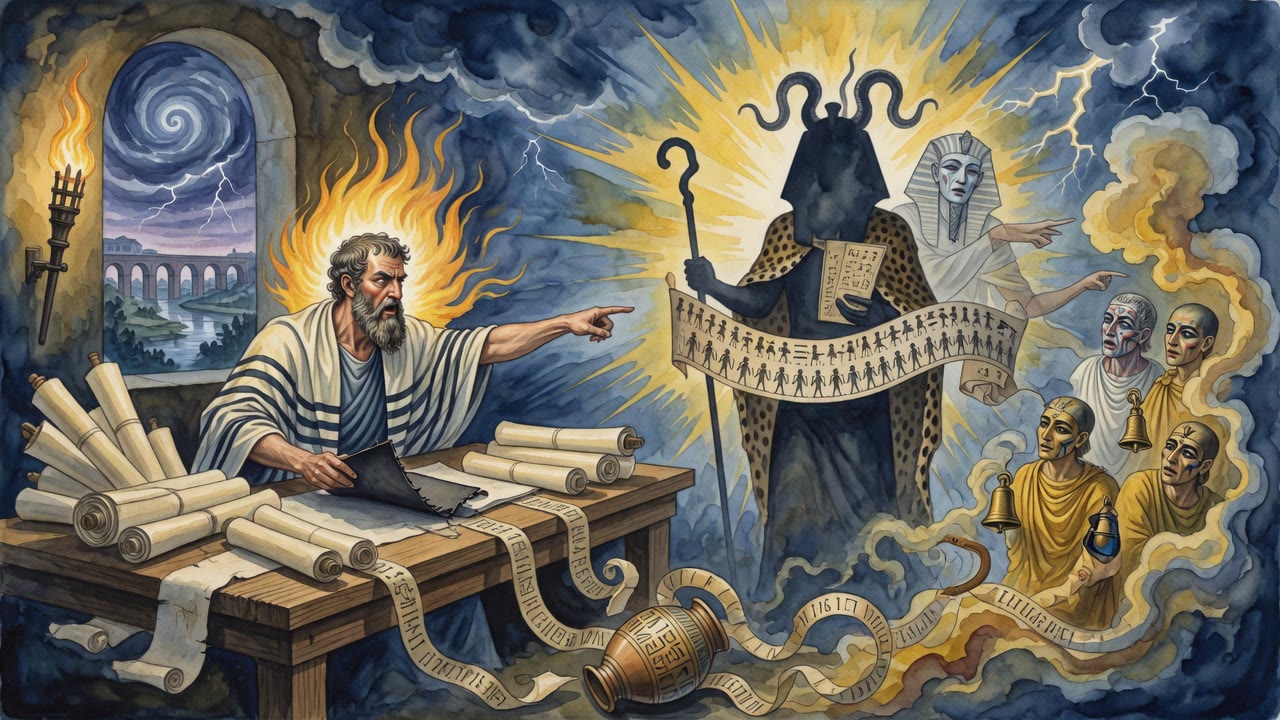
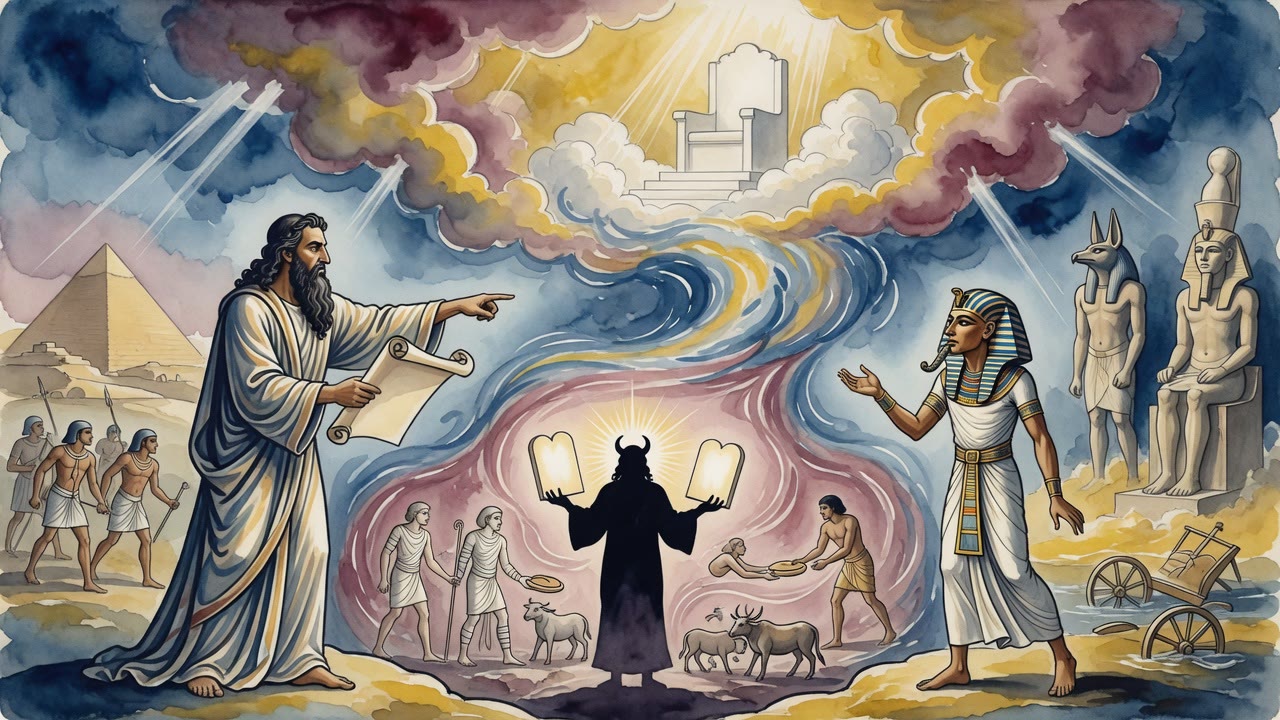
Amenophis sent for a prophet because he wanted a sight no altar had given him. Not to serve the gods. To see them. The prophet had a name for wisdom, and he did not say the desire was impossible. He named a purge. Clear the land of the unclean. Gather the lepers. Eighty thousand, as if a census of sores could be finished in a day.
The animal faces already stood in the temple yards. Ox. Goat. Crocodile. Baboon. Amenophis could have walked out and looked at them. He wanted the powers of heaven to sit for an audience. The prophet, who should have told him that gods do not book hours for a king with a craving, spoke of skin instead.
Eighty Thousand Went to the Quarries
Amenophis did not drive the afflicted out of Egypt. He sent them to the stone pits east of the Nile. Labor first. Vision later. The land was not cleansed. It was staffed. A king who claims he wants purity and then needs quarry hands has told you which hunger is real.
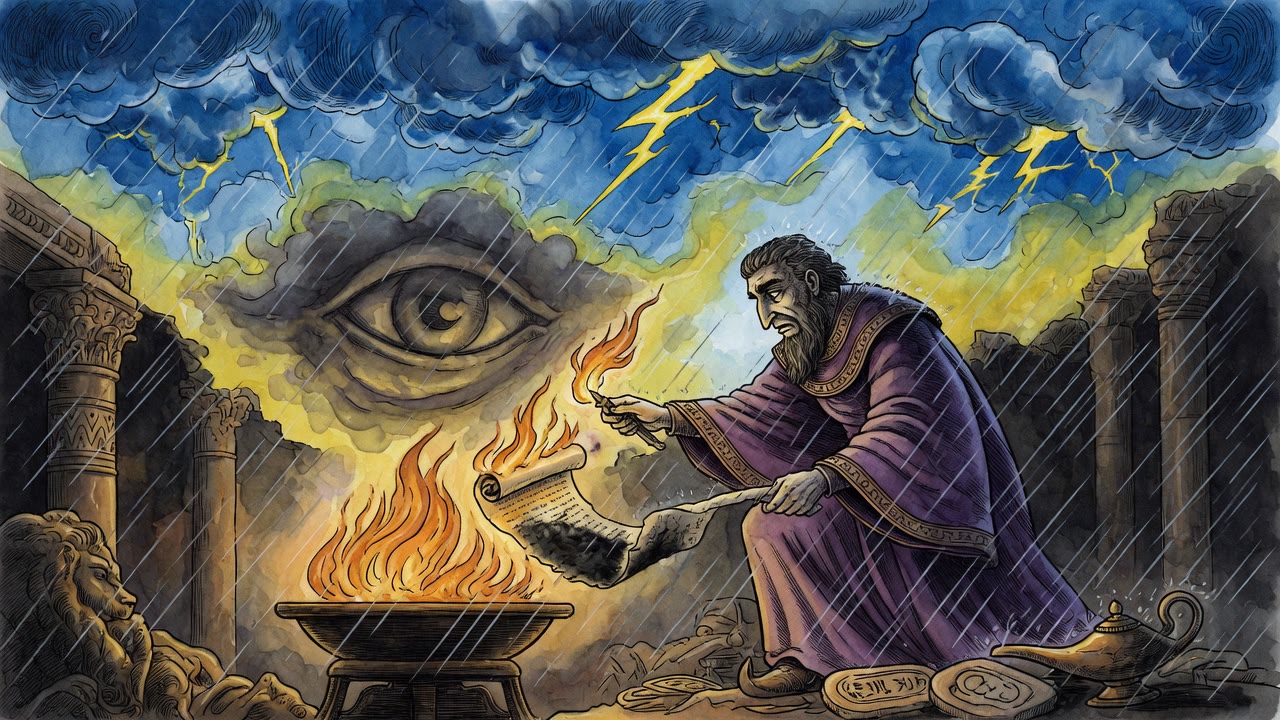
The prophet saw wrath ahead, wrote a letter for the palace, and killed himself. A seer who could not foresee his own rope. The letter predicted ruin. The rope did the work the prophecy had skipped. Eighty thousand sick men were already cutting stone when the palace learned he was dead.
Avaris Took a New Name
The lepers were not left in the pits forever. They were given Avaris, a city once tied to the shepherds, a word Egyptian mouths used the way a man uses a slur with a history. Into that city Manetho poured enemies of Egypt and named their leader in a way meant to stain Moses.
On Manetho's page they chose a priest of Heliopolis called Osarsiph. He forbade the worship of Egyptian gods. He told the people to kill and eat the sacred animals. He walled Avaris and made war on the king. Then the priest put on the name Moses and sent to Jerusalem for help, promising a city that had belonged to their fathers.
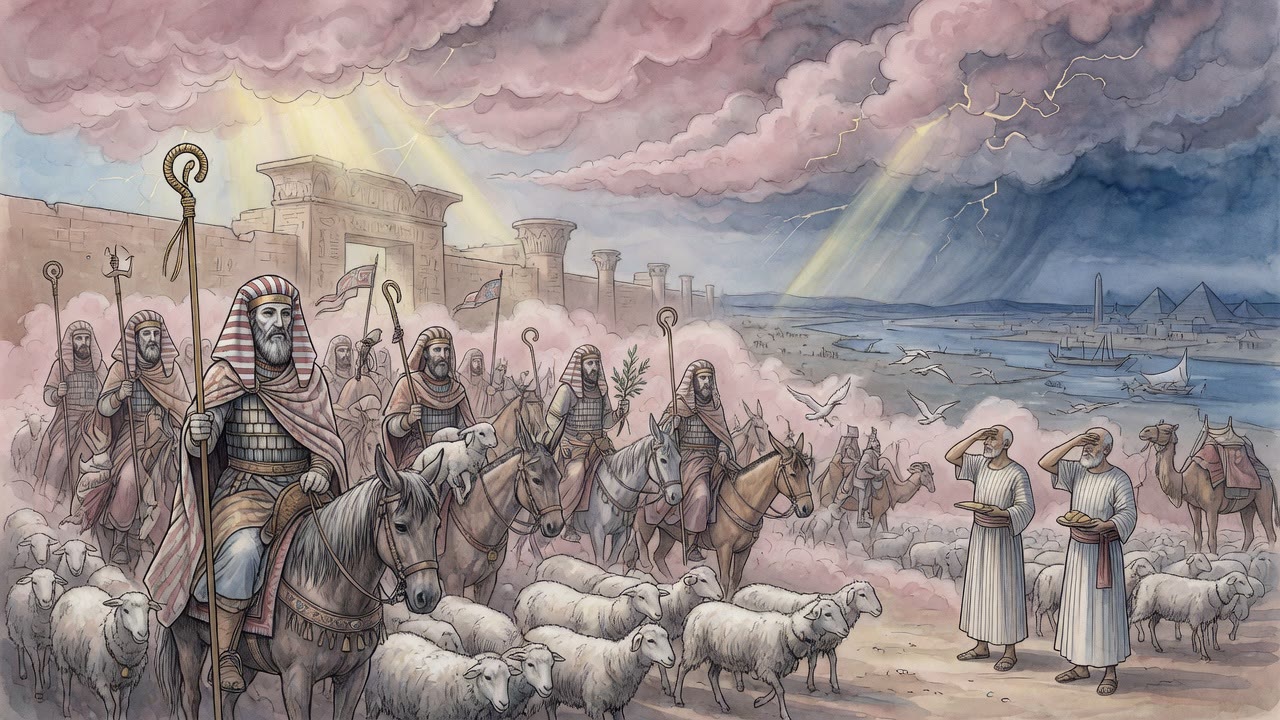
On that same page Amenophis would not fight against the gods. He fled to Ethiopia with the sacred beasts in the priests' care. In the thirteenth year he came back with a great army, beat the shepherds and the "polluted" people, and drove them as far as Syria. The going-out from Egypt became, in Egyptian ink, a deportation of the diseased. Jerusalem became the place the purge spilled toward.
Josephus Set the Roll Down
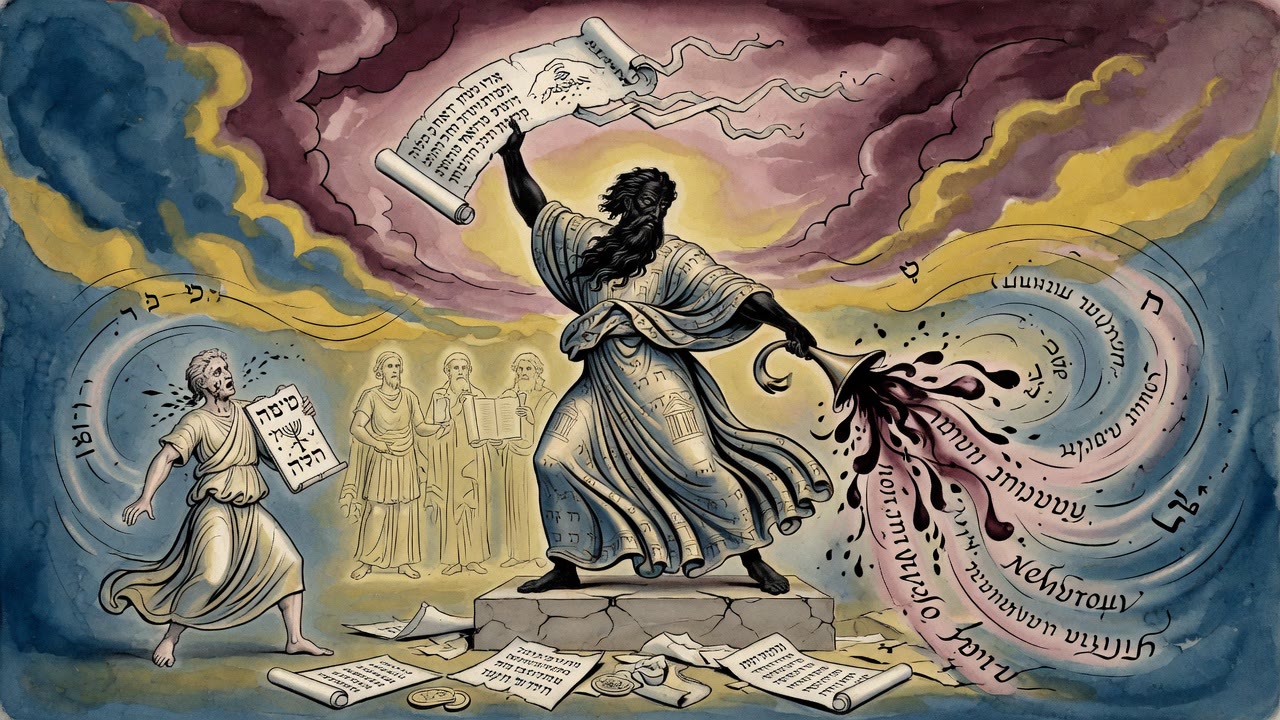
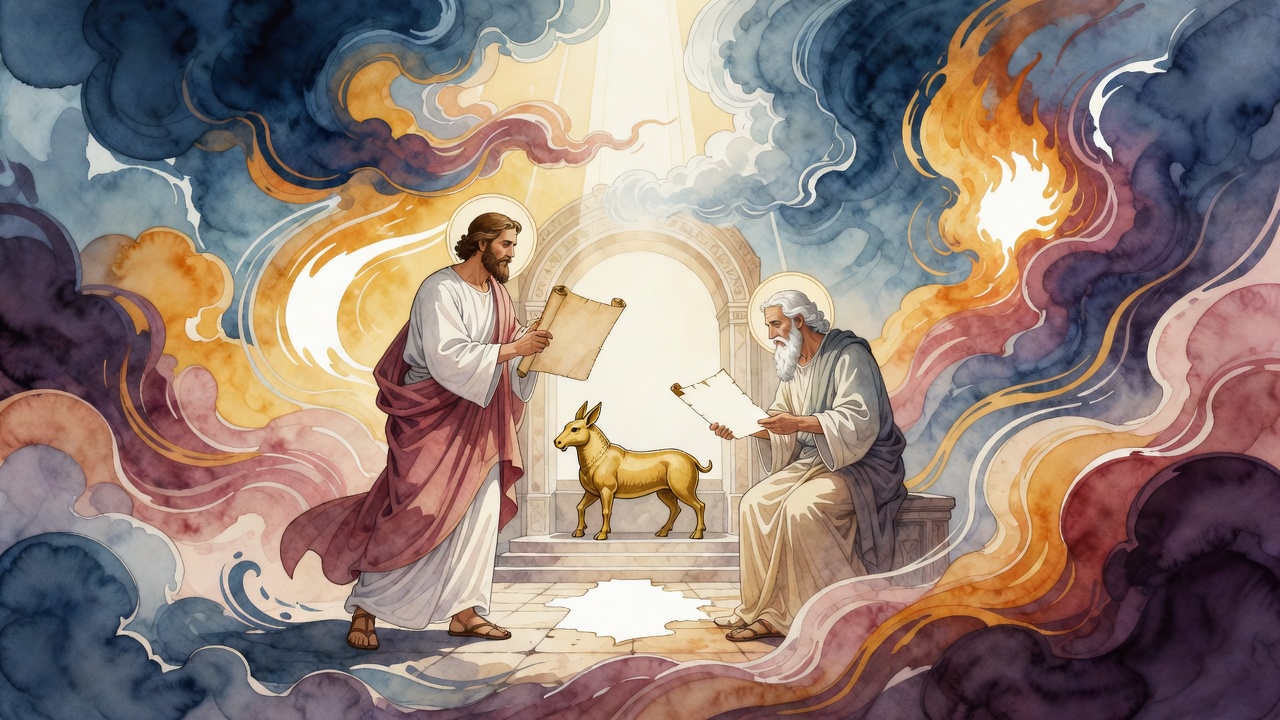
Josephus sat with that Greek after the Temple was gone. He had already written the Antiquities. Now he answered men who preferred late notebooks to Jewish records when they hunted the oldest times. He set the roll on the table and asked the empty room which gods a king could not already see.
Gods do not flee bodily sores the way they flee wickedness. A wise prophet does not counsel the impossible and then die surprised. A king who needs quarry hands is not purifying a land. How does anyone assemble eighty thousand afflicted in a day? Why does a seer of doom miss his own death? Why do gods care about skin when Israel's own prophets spend their fire on injustice?
He pressed the logistics until they squeaked. A people counted as lepers on one page and conquerors of Syria on another is a people invented to carry Egyptian shame. The shepherds who leave for Jerusalem in one fragment are the same nation Manetho will not call by its true name, because the true name would force him to admit antiquity he resents.
Greece Was Yesterday
Josephus could not stop wondering at readers who would trust only Greek books for the oldest events. Greece came late to writing. Other nations kept records while Greek cities were still young. To prefer the latecomer is not scholarship. It is fashion. Manetho's tale rode that fashion. It offered Egypt a flattering mirror and offered Greek ears a spicy foreign scandal, and it cost the Jews their dignity as an ancient people with their own exit and their own God.
Manetho's king-lists ran careful as a ledger, month by month, while his theology ran like a tavern rumor. He could write drama when he wanted. He wrote poison when he needed a villain. Moses is not a leper-king. The people who left with dough on their backs are not a quarantine that wandered east until it found a hill to defile.
By the time Josephus was done, Amenophis looked less like a mystic and more like a manager short on labor and long on excuses. The desire to see gods became a pretext. The quarries became the point. The suicide of the prophet became theater. Josephus tore the page.
← All myths