Egyptian Scribes Turned the Exodus Into a Purge
Amenophis woke with a goddess still scolding him in the dark. His scribe's cure was to drive two hundred fifty thousand people from Egypt.
Table of Contents
 Click for full size
A Goddess in a King's Sleep
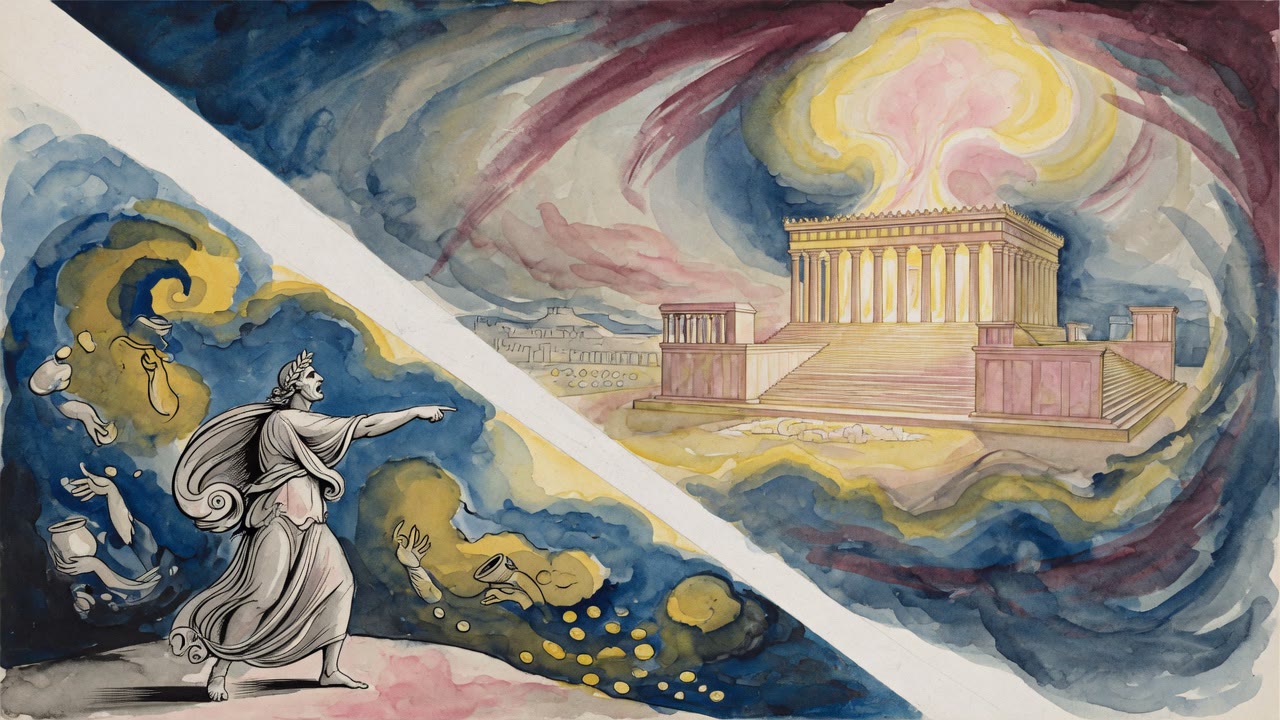
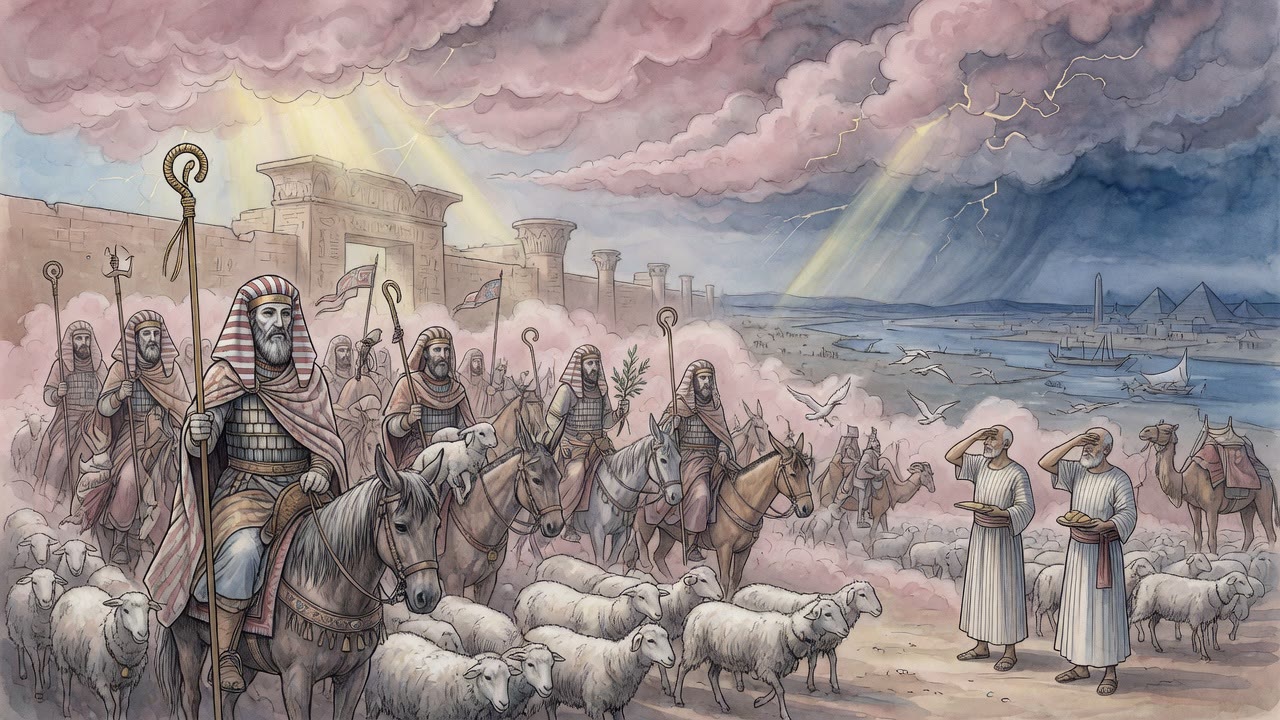
Amenophis woke with a goddess still scolding him in the dark. Her temple had been wrecked in war, and the insult clung to the king's breath. A sacred scribe named Phritiphantes offered a cure that sounded like statecraft. Purge Egypt of men carrying pollutions. Clear the land. Quiet the nightmare.
Two hundred fifty thousand diseased people, in the numbers Cheremon sold as memory, were driven out under leaders the fable dared to name with Hebrew names. Moses had been Tisithen. Joseph had been Peteseph. Scribes, the fable said, not a prophet and a vizier. They found three hundred eighty thousand more at Pelusium, men Amenophis had left behind because he would not bring them home. The scribes made a league. They marched on Egypt. Amenophis fled into Ethiopia and left his pregnant wife hiding in caverns.
The son born in those caverns, Messene, grew up and chased the Jews into Syria with two hundred thousand men, then fetched his father back from Ethiopia. The Exodus, rewritten by an Egyptian pen, became a sanitation order with a dream for a warrant.
In Rome, centuries later, Josephus sat with the scroll open and copied the lie only long enough to break its spine. He had not survived war and book-labor to let a nightmare rewrite his people's leaving.
Lead Sheets and Desert Fires
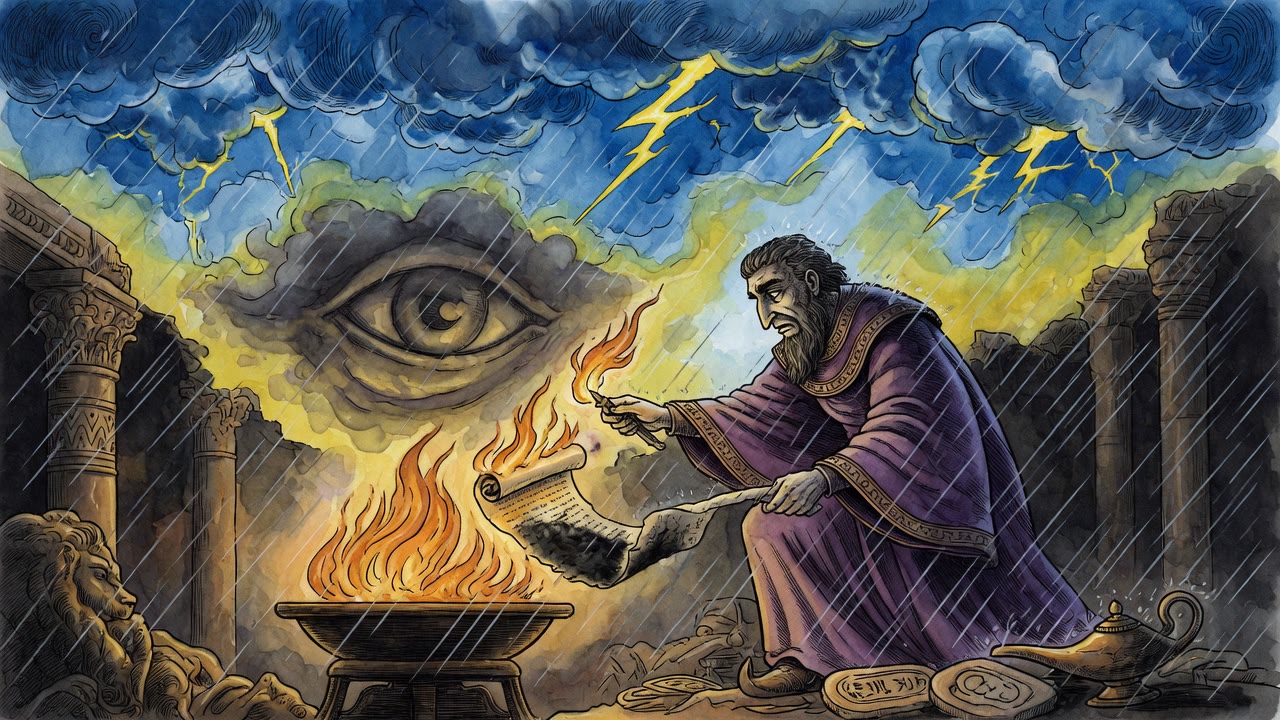
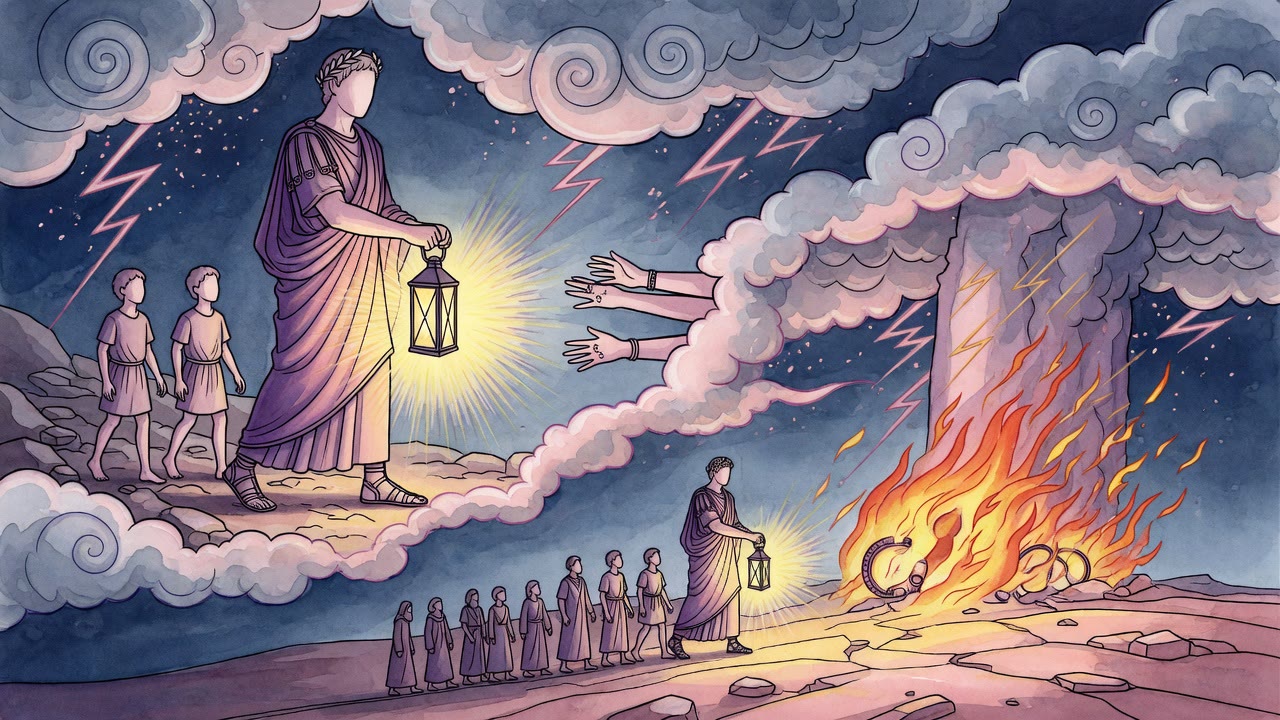
Lysimachus went further into cruelty. Under King Bocchoris, he claimed, leprous and scabby crowds in Egypt grew so thick they starved the land. They fled into temples and begged for food. An oracle demanded purge. Wrap the leprous in sheets of lead, Lysimachus wrote, and let them down into the sea. Drive the rest into desert death.
The abandoned did not die on schedule. Night came on. They kindled fires and lamps and kept watch. They fasted the next night and tried to buy mercy from gods that had already priced them as waste. Then Moses appeared in this version not as the servant of God who faced a sea and a stubborn court, but as a teacher of hostility. Have no kind regards for any man. Give no good counsel. Overturn every temple and altar you meet. The rest commended him with one consent and walked the desert on that advice.
Josephus heard these sentences the way a man hears someone spit on his parents' graves. He had written Jewish antiquity for Greek readers. Now he had to write against poison that traveled faster than careful history. Lead sheets. Desert bones. A Moses redesigned for Egyptian pride. Each image was built to make sympathy for Israel feel unclean.
Names That Would Not Stay Still
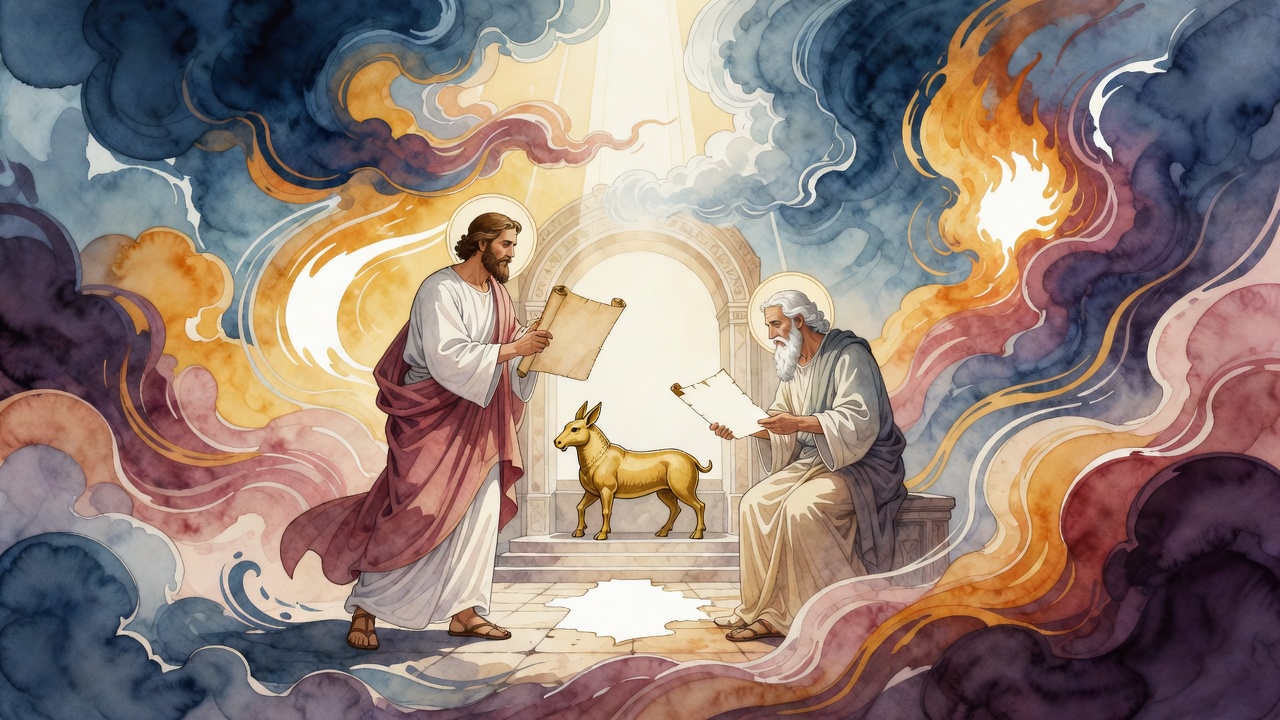
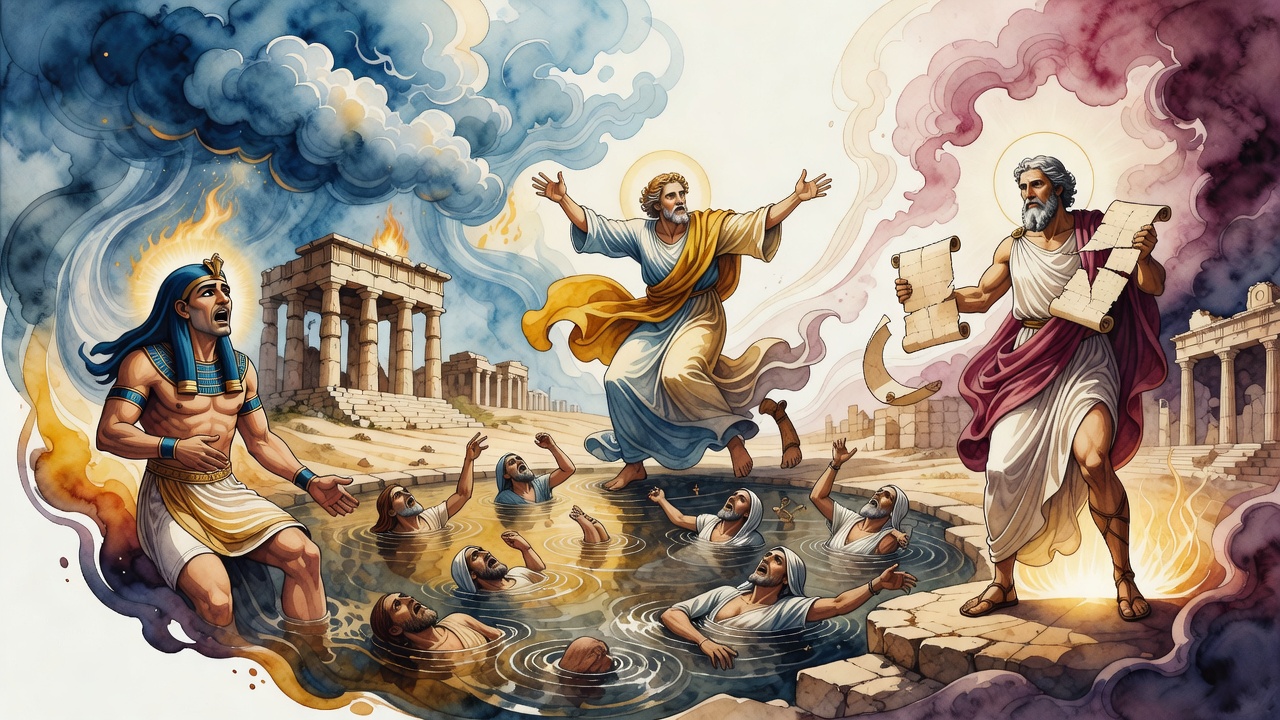
Josephus set the fables next to one another on the table until their seams showed. Who advised Amenophis? Cheremon named Phritiphantes. Other pens named other men. How many were expelled? Two hundred fifty thousand in one scroll, different crowds in the next. Which son pursued? Messene in Cheremon. Ramesses in other mouths. Pharaohs slid around like wet stones.
Egyptian writers had reasons that were not archives. Israel had once held power in their land. Israel had left and thrived. Envy does not footnote itself. It invents diseased multitudes. It invents goddess-dreams. It invents Moses as villain so the humiliation can change clothes and look like hygiene.
They would not admit a migration that began outside Egypt. They would not tell the departure as liberation under God. The plot had to make Egypt the surgeon and Israel the infection. Prosperity after departure made the insult sharper. A people that should have vanished in the desert, by the fable's wish, instead built a name.
A history that cannot keep its own cast list is not history. It is theater with sand for a stage.
The Priest Who Would Not Swallow It
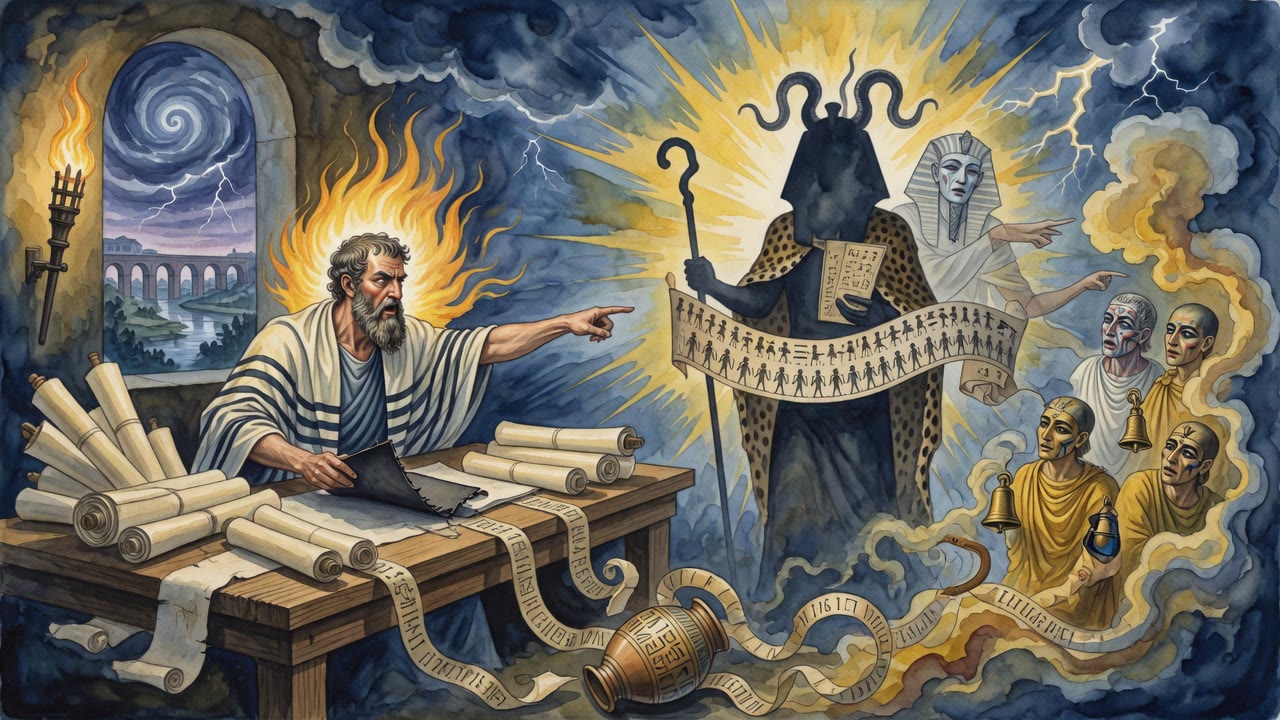
Josephus wrote as a priest who had seen Jerusalem burn and still would not let foreign pamphleteers own the departure from Egypt. He had translated sacred books into a tongue Rome could read. That labor made the slanders personal. If the books were true, Cheremon and Lysimachus were not mildly wrong. They were manufacturers of contempt.
He walked the contradictions the way a lawyer walks a jury past a forged seal. Who advised. How many. Which son. Which desert route. Each Egyptian author answered differently because invention multiplies while memory, held in shared books, converges.
The Jewish nation, in his counter-case, left under the hand of God with laws already pointed toward life, not toward a permanent war on temples as Lysimachus claimed. Torah's public demands could be checked in daylight. The lead sheets could not.
Fables travel light. They need only spite and a plausible pharaoh. Josephus made them heavy again by forcing them to carry evidence they did not have. The dream of an angry temple goddess could frighten a room. It could not outrun a people who still read the departure in their own tongue and taught it to children with matzah and questions.
Amenophis could keep his nightmare in Cheremon's scroll. Bocchoris could keep his lead sheets in Lysimachus's cruelty. Israel kept the sea road, the law, and the refusal to be rewritten as an epidemic.
Lie ran. The priest ran faster, with books in both hands.
← All myths