Lysimachus Claimed Jerusalem Was Named for Temple Robbery
Lysimachus wrote that Egypt wrapped its lepers in lead and sank them in the sea. Josephus read the story as a forgery and took it apart.
Table of Contents
Lysimachus did not merely dislike the Jews. In Josephus's judgment he hated them with a craftsman's care, and he built a city name out of that hate.
 Click for full size
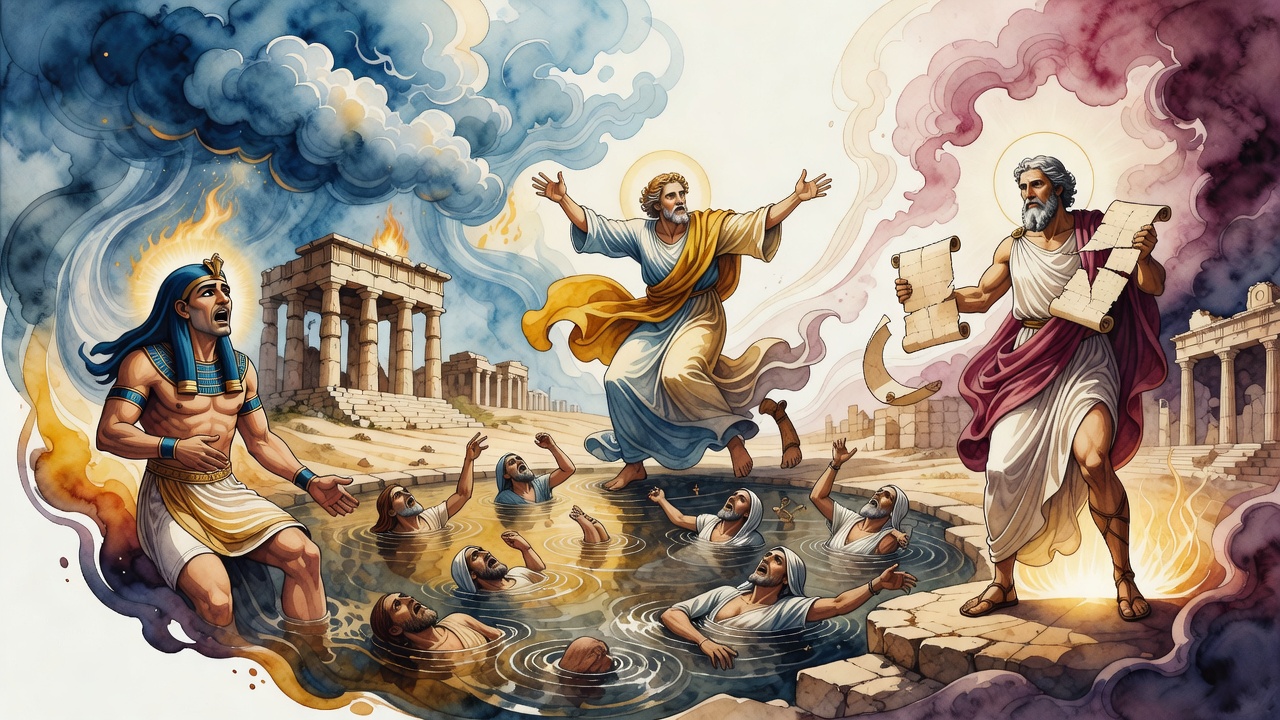
The story he told began in the days of a king named Bocchoris. Egypt, he said, filled with leprous and scabby people who fled into the temples and lived by begging until famine rose behind them. Bocchoris sent to an oracle. The answer came back hard: purge the temples of impure men, drive them into desert places, and drown the leprous in sheets of lead so the sun would stop its indignation and the land would fruit again.
Lead in the Sea, Fire in the Desert
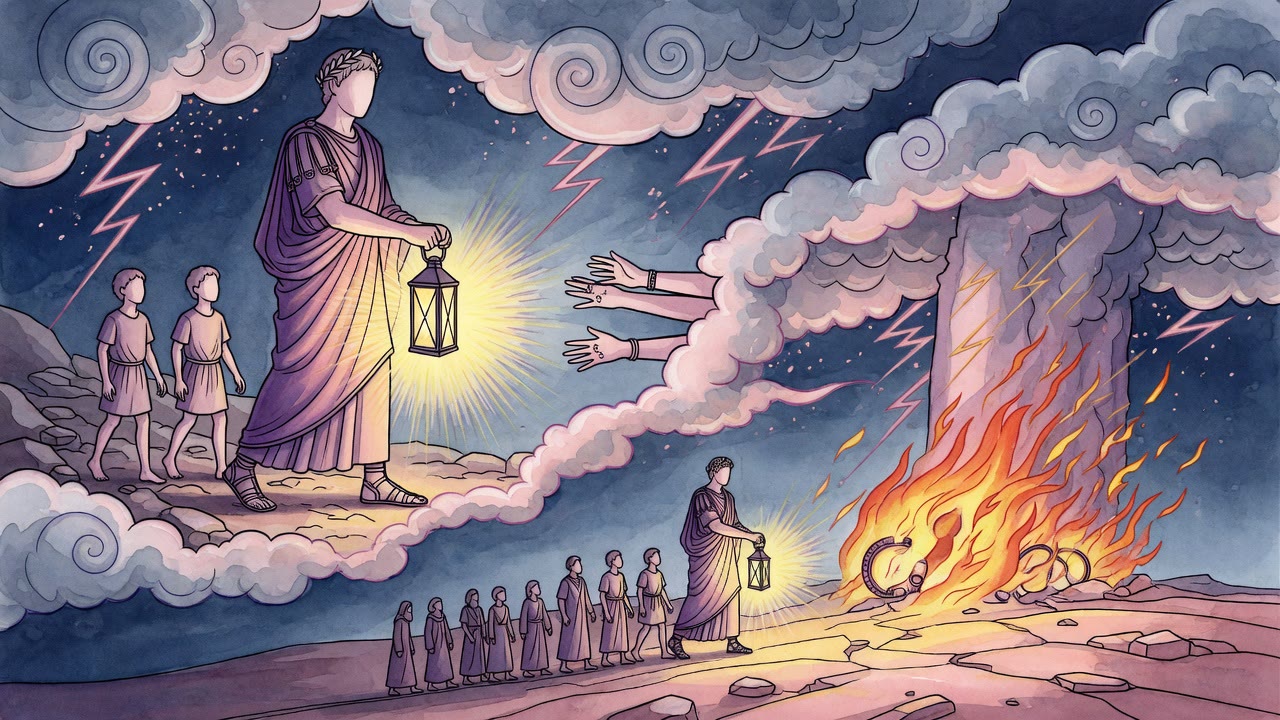
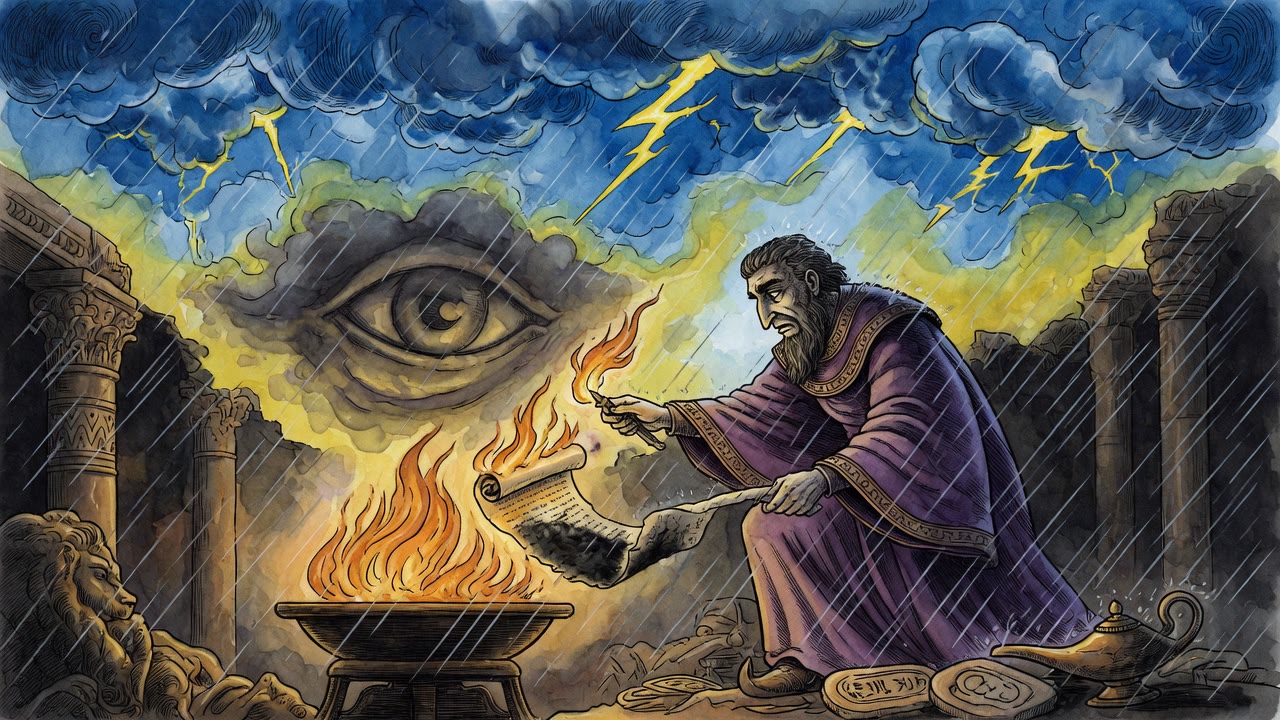
Priests and altar-attendants gathered the impure. Soldiers took the rest. The leprous, in Lysimachus's invention, were wrapped in lead and lowered into the sea. The others were marched into empty country to die of thirst and sun.
They did not die on schedule. Night came. They kindled fires and lamps and kept watch. They fasted the next night and begged whatever gods they still had for a road. In the morning a man named Moses stood up among them, not as lawgiver, not as servant of the Holy One, but as Lysimachus needed him: a counselor of cruelty.
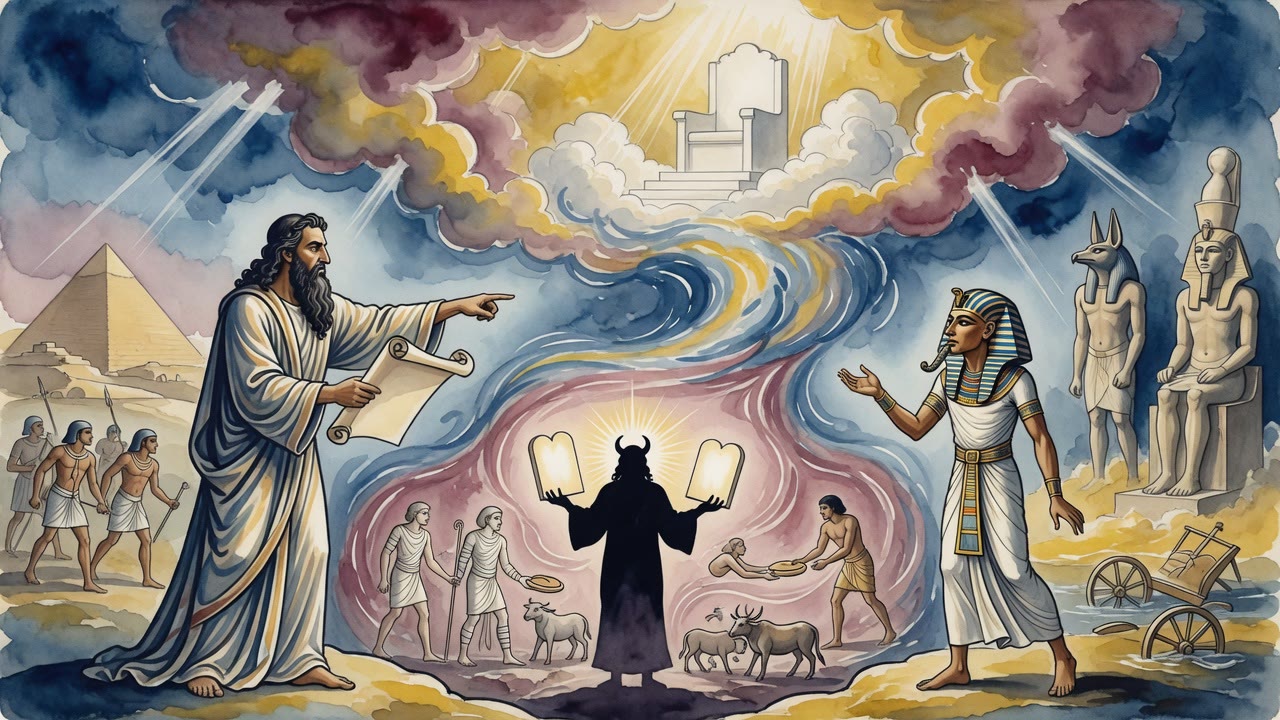
Travel together, Moses told them. Show kindness to no one. Give no one good counsel. Always advise the worst. Overturn every temple and altar you meet. The crowd, Lysimachus says, praised him with one voice and set out across the sand.
A City Named for Theft
When the hard miles ended, the band reached inhabited country. They abused the people there. They plundered and burned temples. Then they came into the land called Judea, built a city, and lived in it.
They named the city Hierosyla.
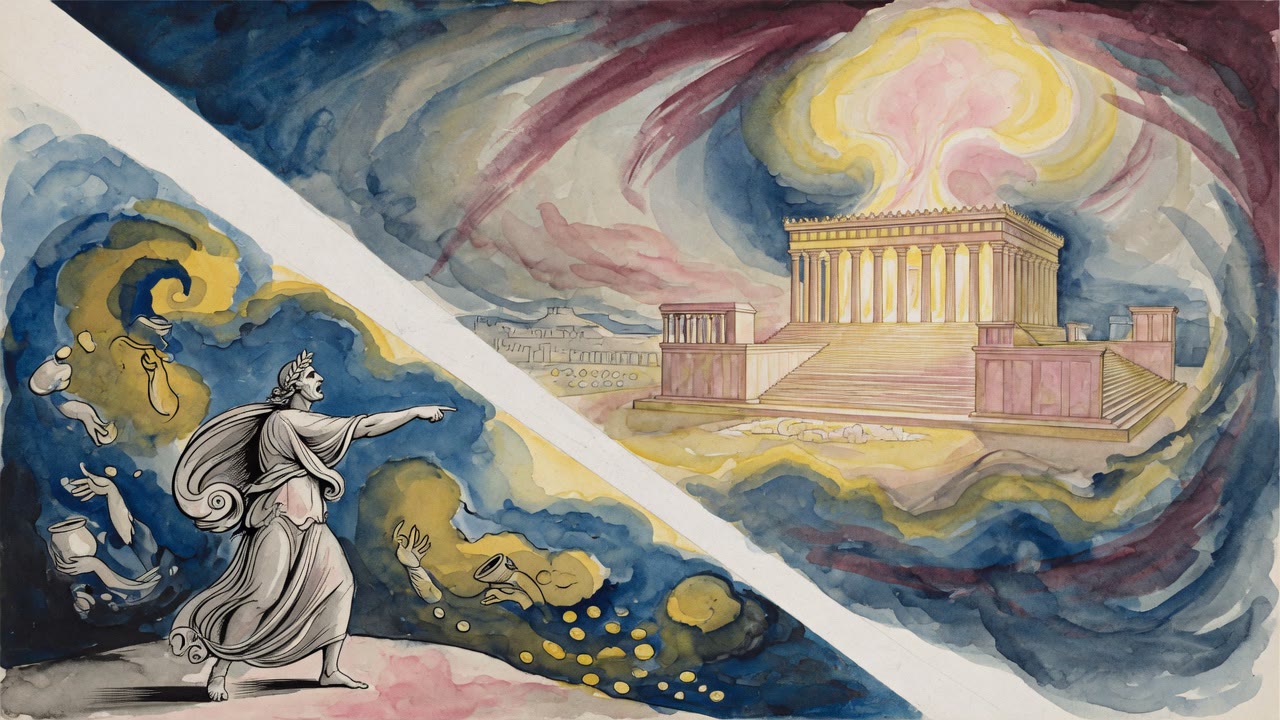
In Greek the word points to robbery of temples. Lysimachus wants anyone present to hear the name as confession. Later, he says, when fortune turned softer, shame found them. They changed the name to Hierosolyma, Jerusalem, and called themselves Hierosolymites, as if a softer ending could wash the theft out of the first syllables.
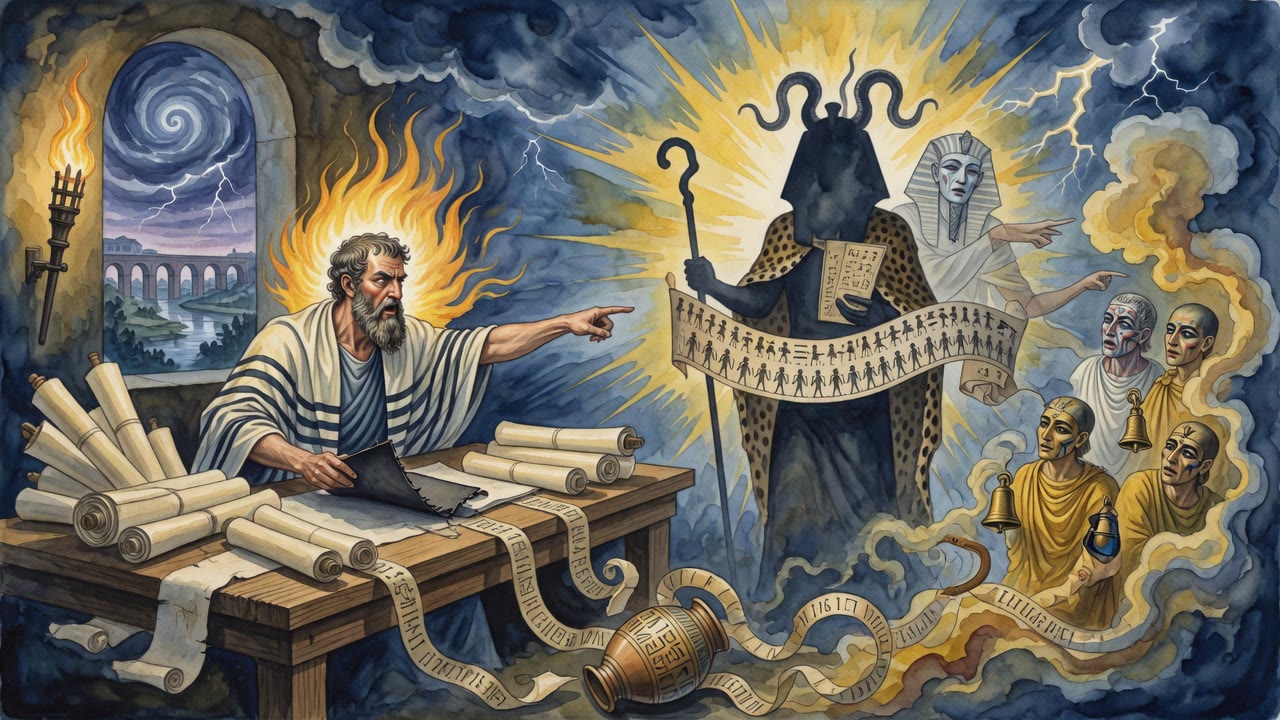
Josephus reads that paragraph the way a man reads a forged seal. The venom is not hidden. It is the point.
Manetho and Cheremon Had Already Lied
Josephus does not meet Lysimachus in a clean field. He has already walked through Manetho's Amenophis, the eighty thousand in the quarries, Osarsiph of Heliopolis who steals Moses' name, the flight into Ethiopia, and the thirteen-year occupation. He has already set Cheremon beside Manetho and watched their numbers, seers, and dreams refuse to match. Isis dream against desire to see the gods. Phritiphantes against Amenophis son of Papis. Two hundred fifty thousand against eighty thousand. Joseph dead four generations before Moses, yet marched out in the same column.
Lysimachus, Josephus says, takes the same topic of falsehood and goes further into the incredible. Lead-wrapped drownings. A Moses who preaches universal malice. A capital city that brags, in Greek, of temple robbery, then renames itself when the joke turns sour. The pattern is no longer clumsy history. It is hate wearing a chronicle's mask.
Josephus Breaks the Name
Josephus answers with the stubbornness of a man who has watched his people die rather than curse their own books. How did a multitude survive the desert after mass drowning and exposure? How did they build a city and a Temple famous among the nations with no account of tools, law, or origin for their leader beyond a bare name? If they were Egyptians, why shed every custom overnight? If foreigners, why no ancestral law of their own? Hatred of the men who expelled them might be human. A vow of war against all mankind while still needing the help of all mankind is not the madness of a people. It is the madness of the writer.
Then the name. Hierosyla is a Greek insult, not a Hebrew foundation stone. Robbery of temples is not said with that word among the Jews. The builders of Jerusalem, Josephus insists, did not honor their city by branding it a theft in a language that was not their mother tongue. The forger's unbounded urge to reproach outran even his grammar.
Josephus set the scroll aside with contempt still hot in his hand. He had more work. Apion still waited. But the city that was never named for robbery had been pulled back out of Lysimachus's mouth. The lead sheets, the desert fires, and the false Moses lay where forgeries belong: under the weight of a history that will not wear them. Outside his window, Rome went on talking. Inside the room, Jerusalem kept its true name.
← All myths