Apion Invented an Oath No Jew Had Ever Sworn
In Alexandria they repeated a short proof. If God loved the Jews, they would not keep losing. A forger added an oath no one had ever heard.
Table of Contents
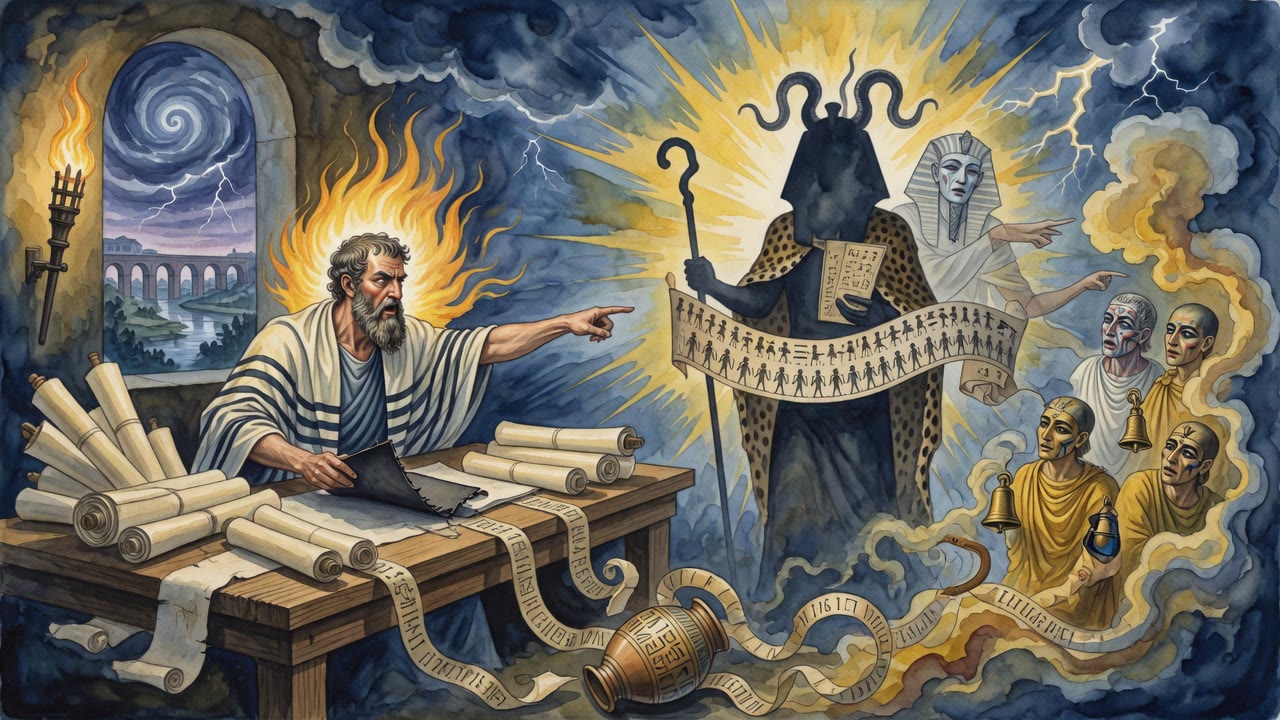
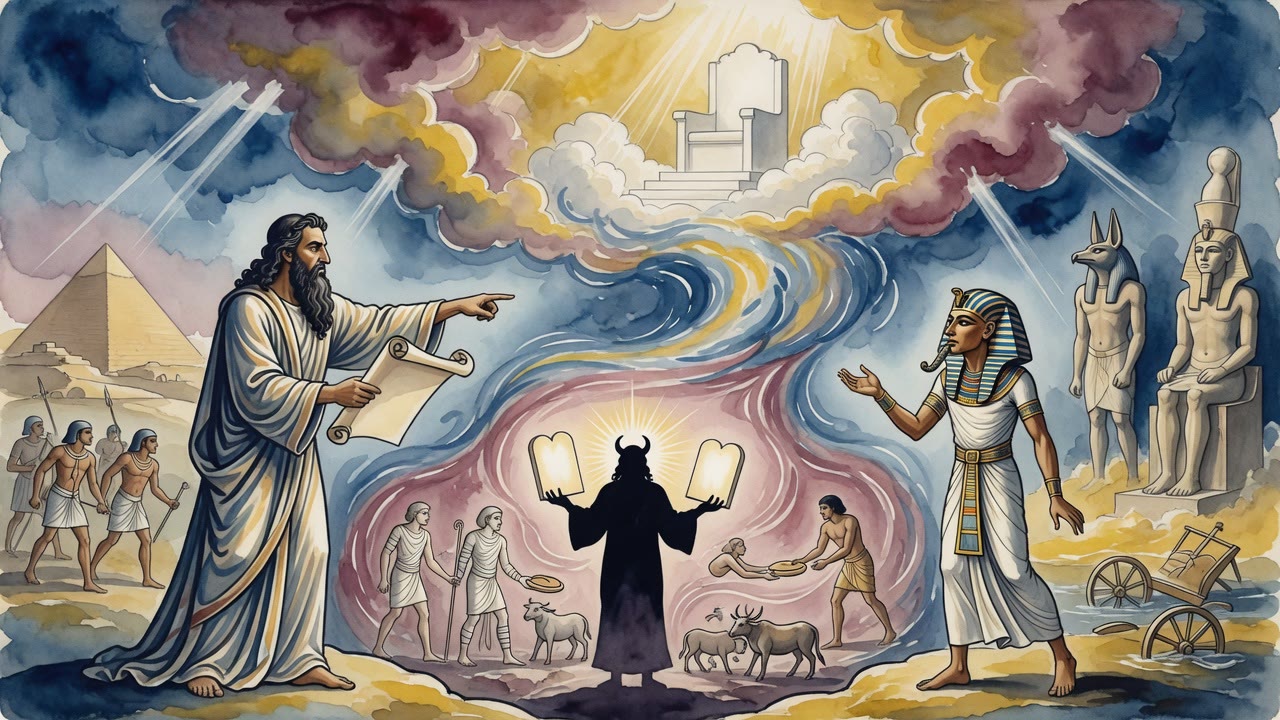
Apion stood in a Greek hall and made Jewish pain into a proof. If the Jews were loved, he said, they would not keep losing. Their laws were not just. Their worship was wrong. Alexandria sat fat as an imperial city. Defeat, in his mouth, became theology.
 Click for full size
The short charge traveled faster than any archive. A dinner guest could repeat it between cups. Josephus sat down with a stylus and refused the scale.
An Oath Nobody Heard
Apion had a story ready. The Jews, he said, swear by God, Maker of heaven and earth and sea, to bear no goodwill to any foreigner, and least of all to Greeks. The oath made a people look like a locked door with a curse on the latch.
Josephus turned the lie in his hands until the join showed. If Apion wanted the tale to match his other forgeries, he should have said Egyptians, not Greeks. The old slander claimed Israel had been driven out by Egyptian kinsmen. Greeks sat far off. Jews had no quarrel with them, and no jealousy of their laws. Some Greeks had even come over to Jewish statutes and stayed. Some had not had the courage and had left again.
No one had ever heard this oath sworn. Apion, Josephus wrote, was the only person who had heard it, because he was the first to compose it. A forger needs a witness. He appointed himself.
Dead in the Mines
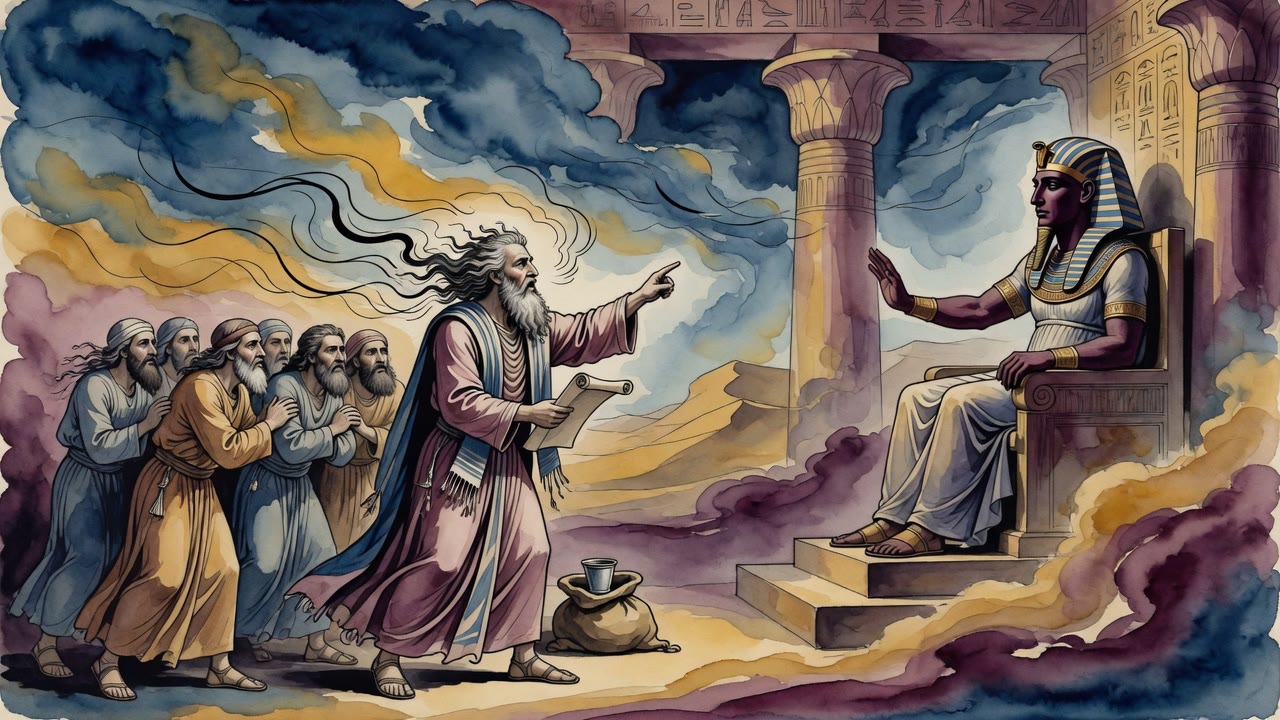
Older Egyptian poison said the Jews sprang from lepers and the diseased, coughed out of the Nile and driven into the desert. Josephus answered with Manetho himself, a hostile priest turned against the tale. Manetho admitted the Jewish nation was not derived from Egypt, and that Egyptians were not mixed into it. Distinction, even from an enemy pen, is still distinction.
Then Josephus pressed the count. People forced into mines die. They had been there a long time, in a bad condition. Battles after an expulsion kill more. Flight kills still more. A broken remnant cannot become a thriving nation on schedule. The origin story fails as arithmetic before it fails as honor.
He was defending blood and name against a myth built to make Israel look like waste. A man in a mine does not found a people. A last battle and a last flight do not seed a law.
Gods Who Weep and Take Wages
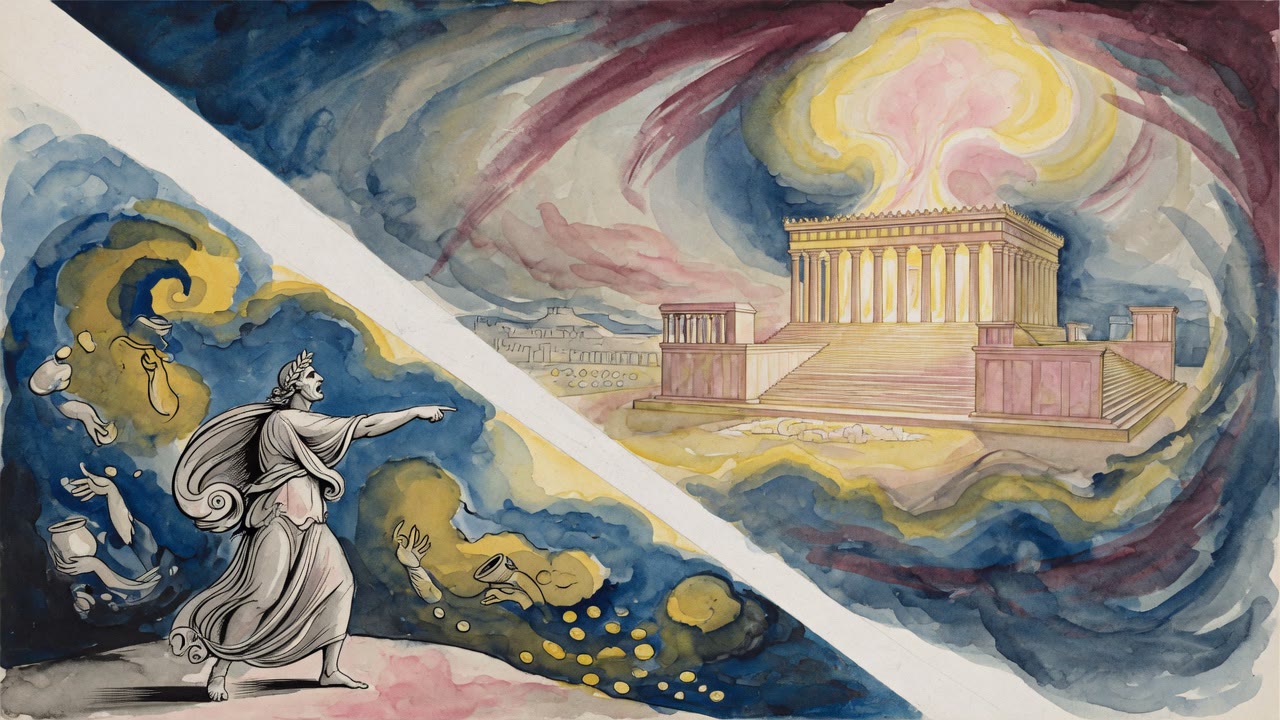
He widened the case to how nations picture God. Painters and sculptors shaped deities from clay, ivory, and gold. Some gods were beardless and young. Some wore beards and old age. One was a smith. One goddess was a weaver. One fought men as a warrior. Some played the harp. Some loved the bow. They quarreled about mortals until they wounded one another and then lamented their own hurts.
The chief of them, Josephus wrote, could not save his own offspring, and could not bear their deaths without tears. Fate bound him. Adulteries sat in heaven as if they were sport. The eldest, who was also their king, could not even wait to reach a bedchamber. Some gods served men as builders for a wage. Some kept sheep. Some sat in a prison of brass like malefactors.
Cities then offered gifts to the better sort of these figures, and called others averters of evil, as if the divine could be hired and paid off. Josephus asked what sober person would not rebuke the forgers of such stories. Opinion about God, he insisted, should not change with fashion. Jewish law fixes the object of worship so that a sculptor's newest statue cannot remake Heaven every season.
Moses at the Stranger's Door
Against that workshop he set Moses. The legislator made room for anyone who wished to observe the laws, and he did it in a friendly manner. True union, Josephus wrote, extends not only to our own stock, but to those who would live the same way. Those who come by accident only, with no mind to keep the statutes, are not admitted into that communion. The door opens. It does not swing for a tourist.
Apion wanted Jewish pain to mean Jewish trash. Josephus answered with an oath nobody heard, with mines that would have eaten a leper-nation, with gods who weep and take wages, and with a law that trains a people to receive the stranger who means to stay. Suffering remains. The lie that suffering equals divine rejection does not.
He wrote knowing Greek rooms love a clean insult. A short charge about calamity can outrun a long archive. So he lengthened the archive on purpose. Each detail was a weight on Apion's scale until the scale tipped. The stylus kept moving after the dinner hall had gone home.
← All myths