1,018 myths · Page 4 of 34
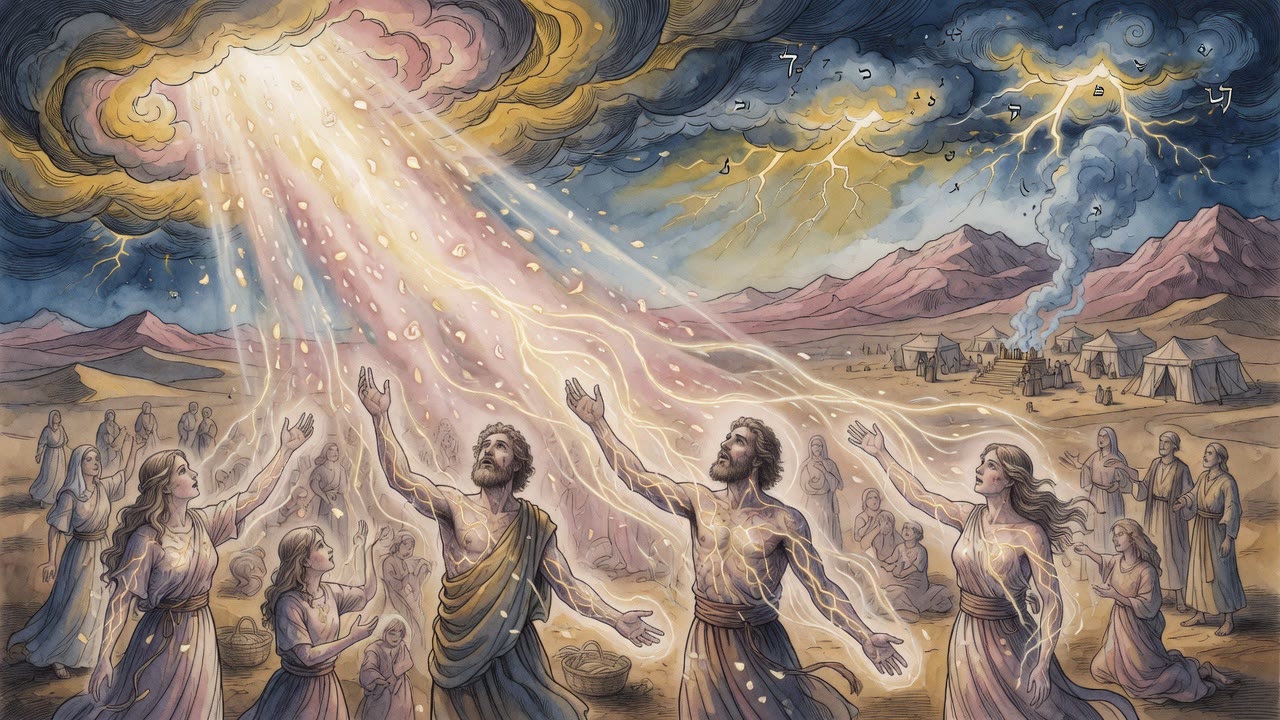
Bread fell from heaven and Israel gorged like horses, but the manna left nothing behind. It vanished into their limbs and became them.
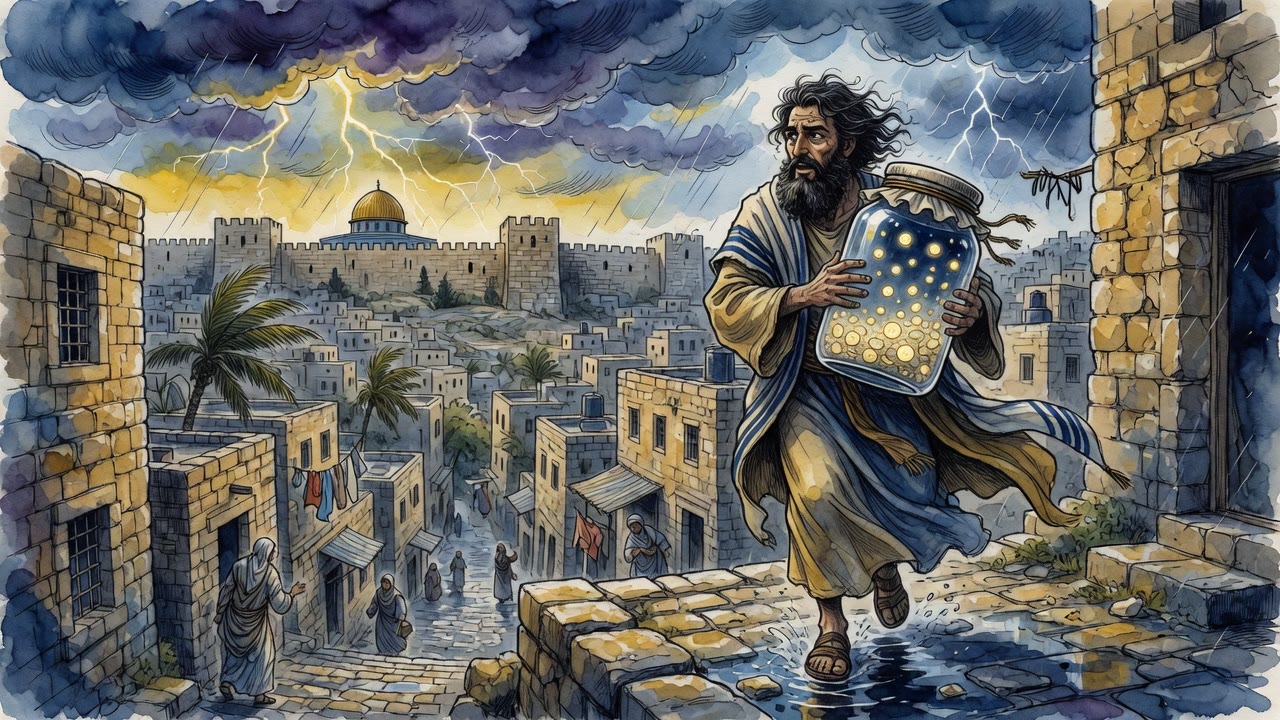
The crowd told Jeremiah they had fields to plow and hungry children, so Torah would have to wait. He came back holding a jar of old manna.
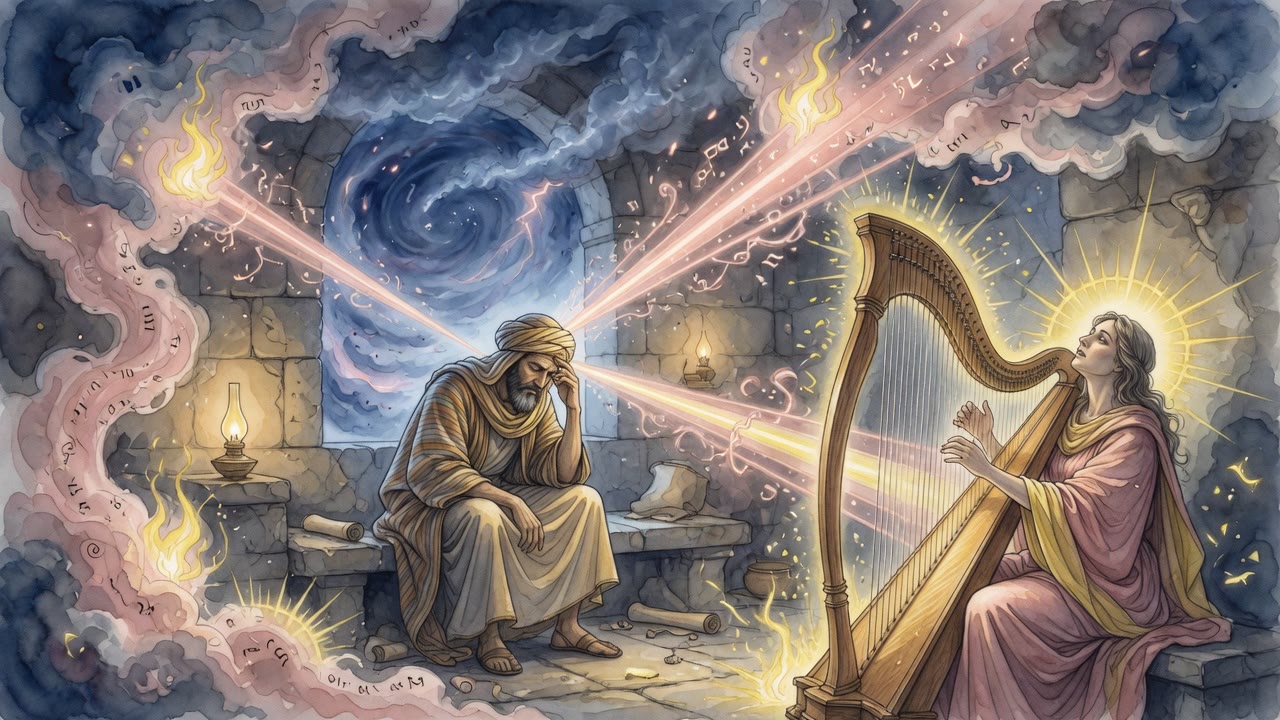
The word of God would not come to an angry prophet. Elisha called for a harpist, and when the strings played, heaven found a way in.
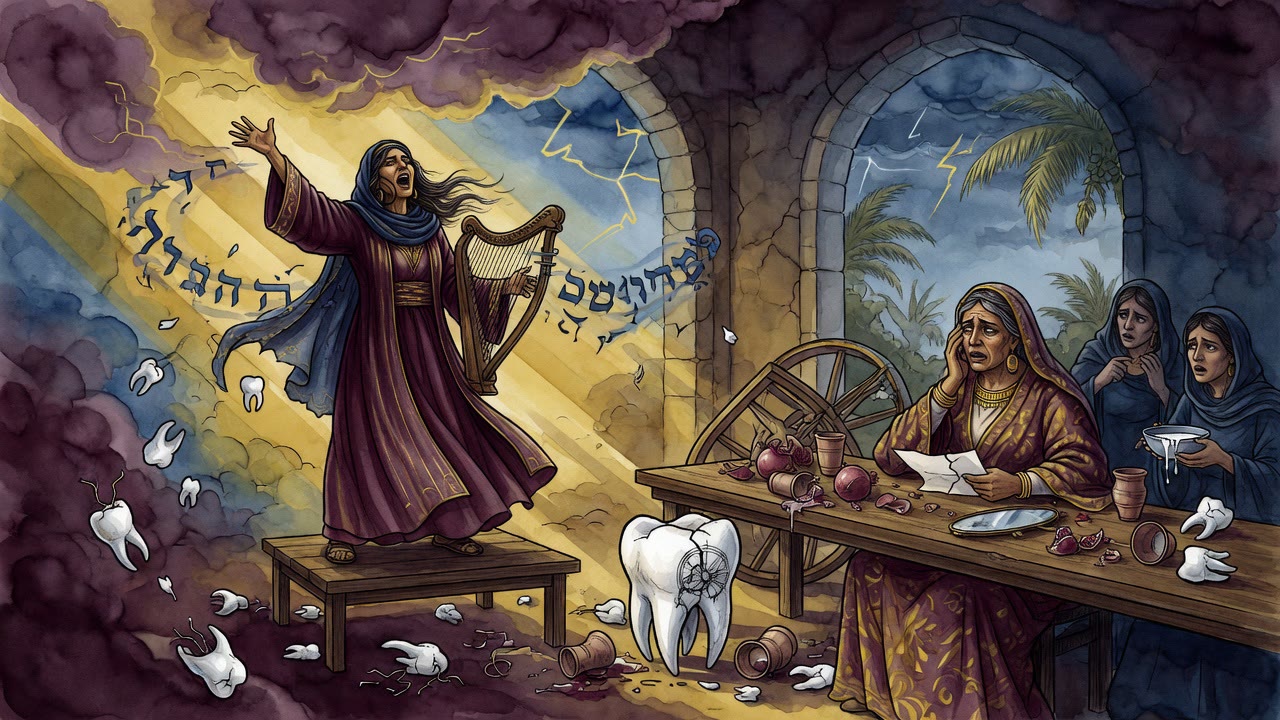
After the Kishon swallowed Sisera's iron, two travelers sat down at the same inn. One ordered the whole table. His teeth did not survive the bill.
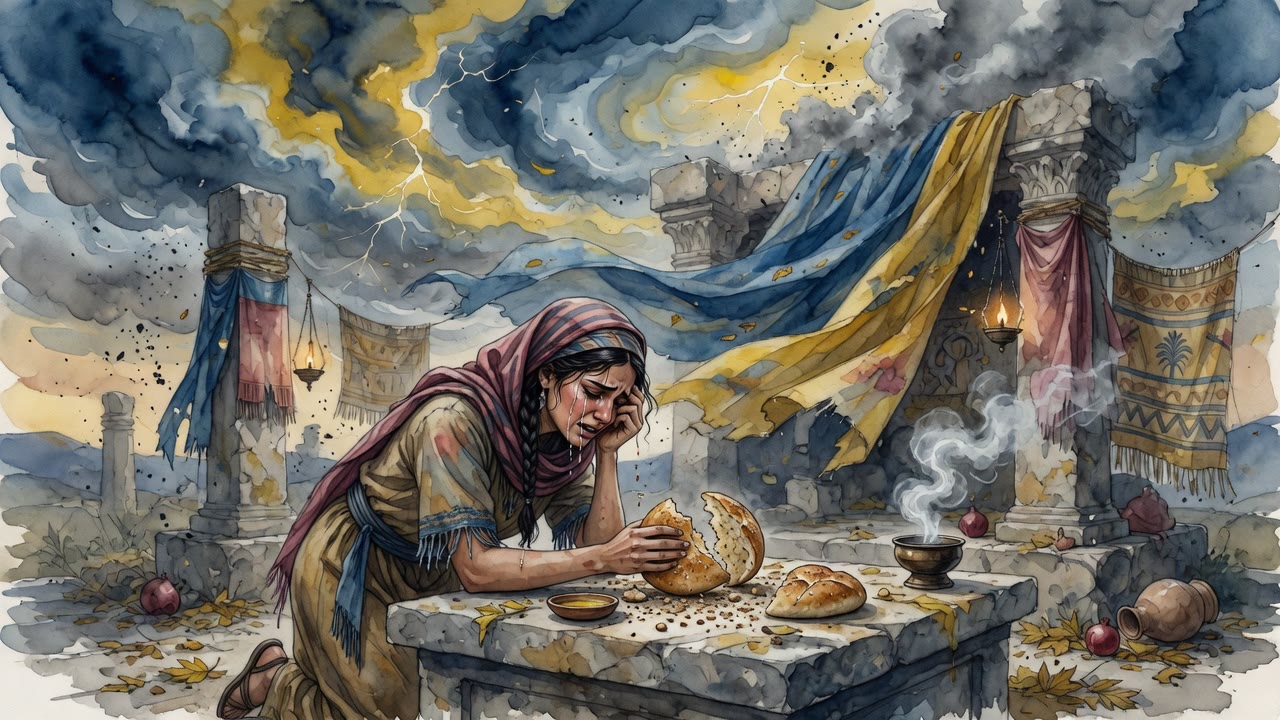
At Shiloh, Hannah pushed her portion away and wept before the altar. Her tears were her bread, and her grief became the meal that fed her.
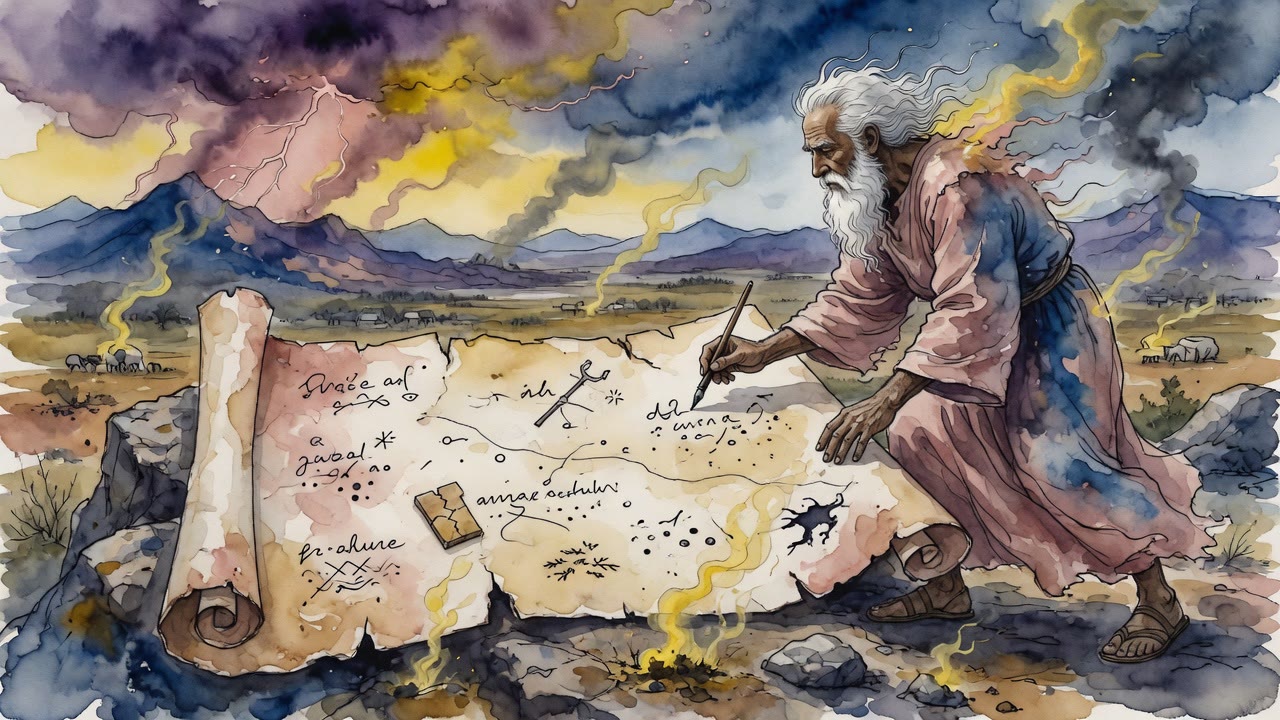
On the plains of Moab, Moses turns geography into rebuke, hiding ten failures of the wilderness years inside a string of place names.
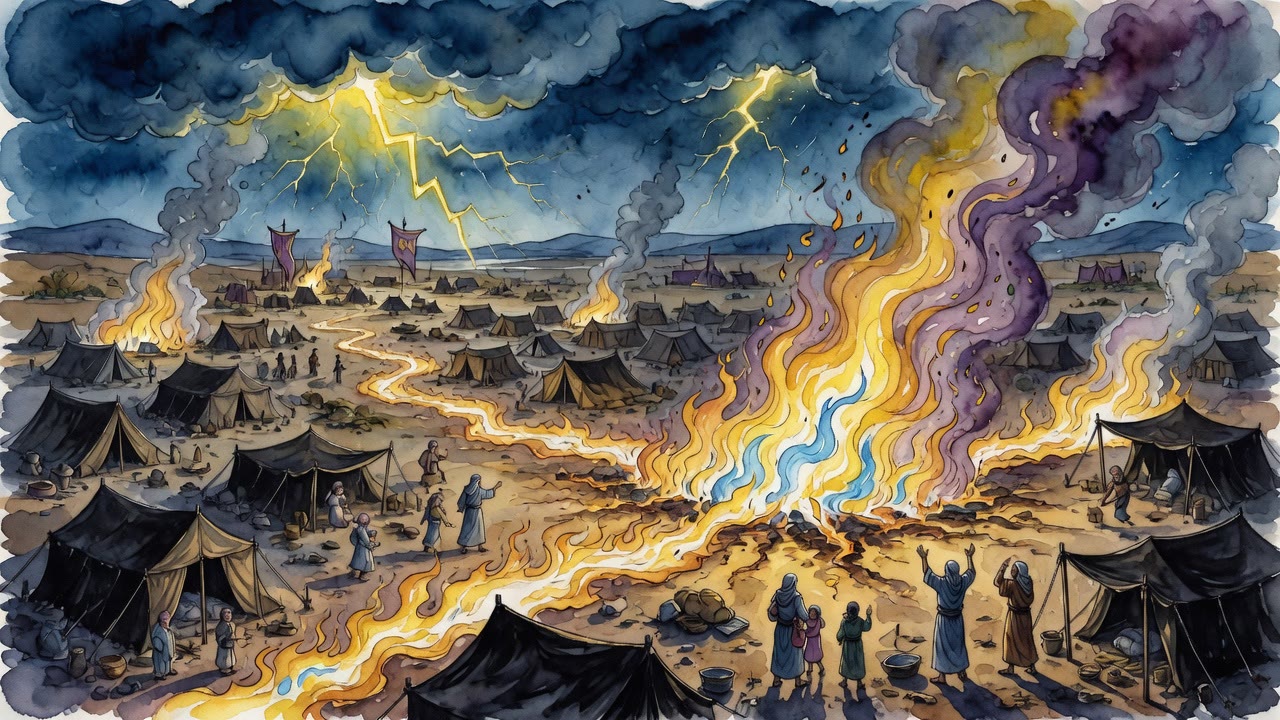
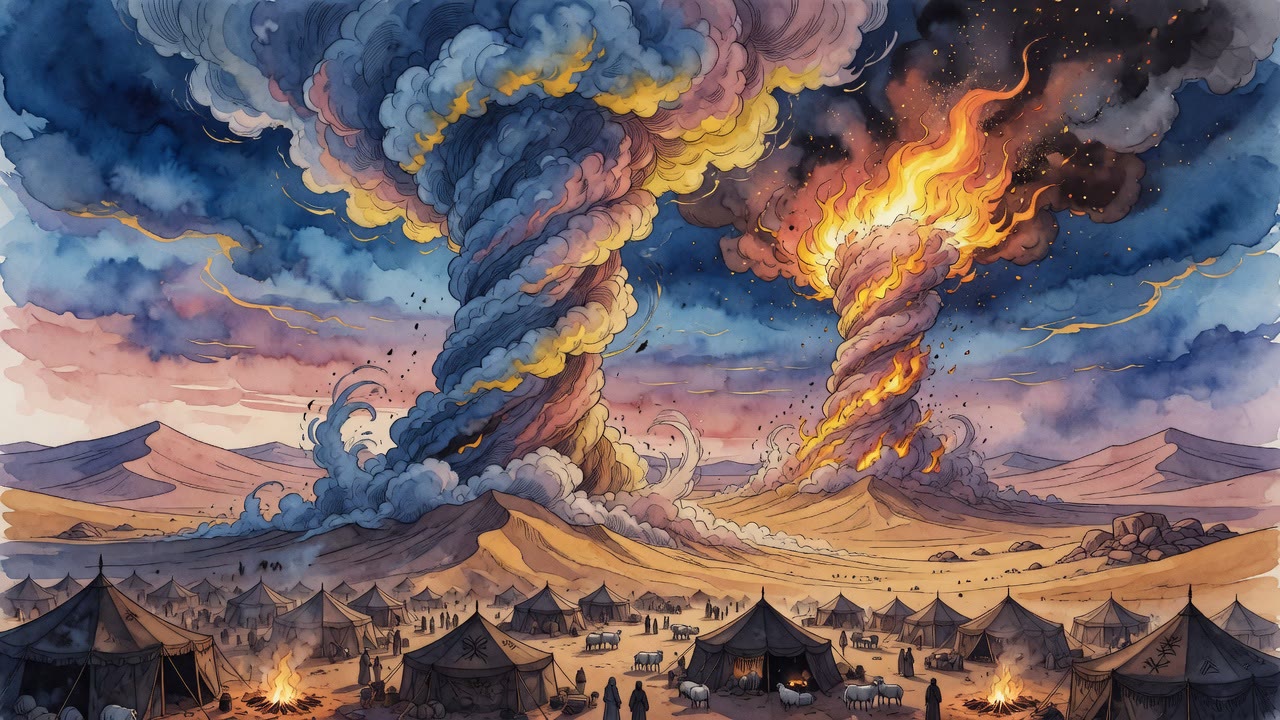
The camp still had water from the rock. Someone whispered whether God could set a table in this waste. Fire ran the edge of the tents before Moses stood.
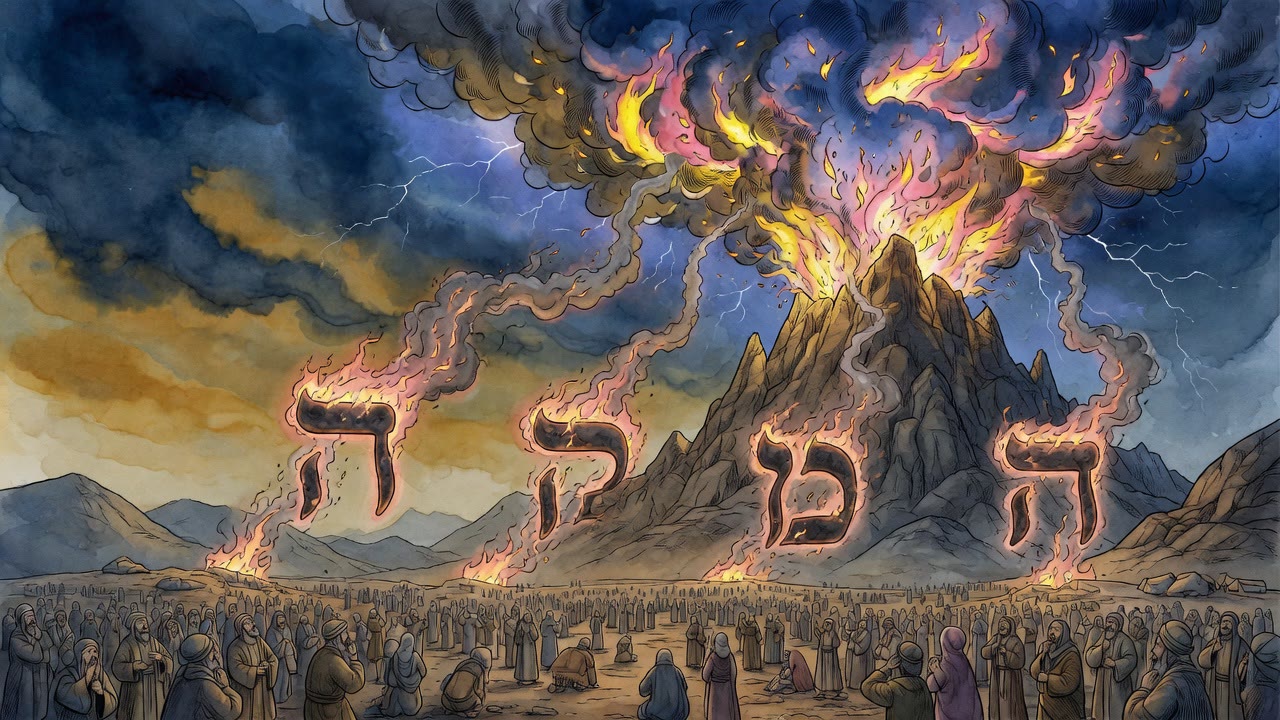
The mountain hung over the camp like an overturned barrel. God said the slope would be their grave. Then the first word struck and the nation fell still.
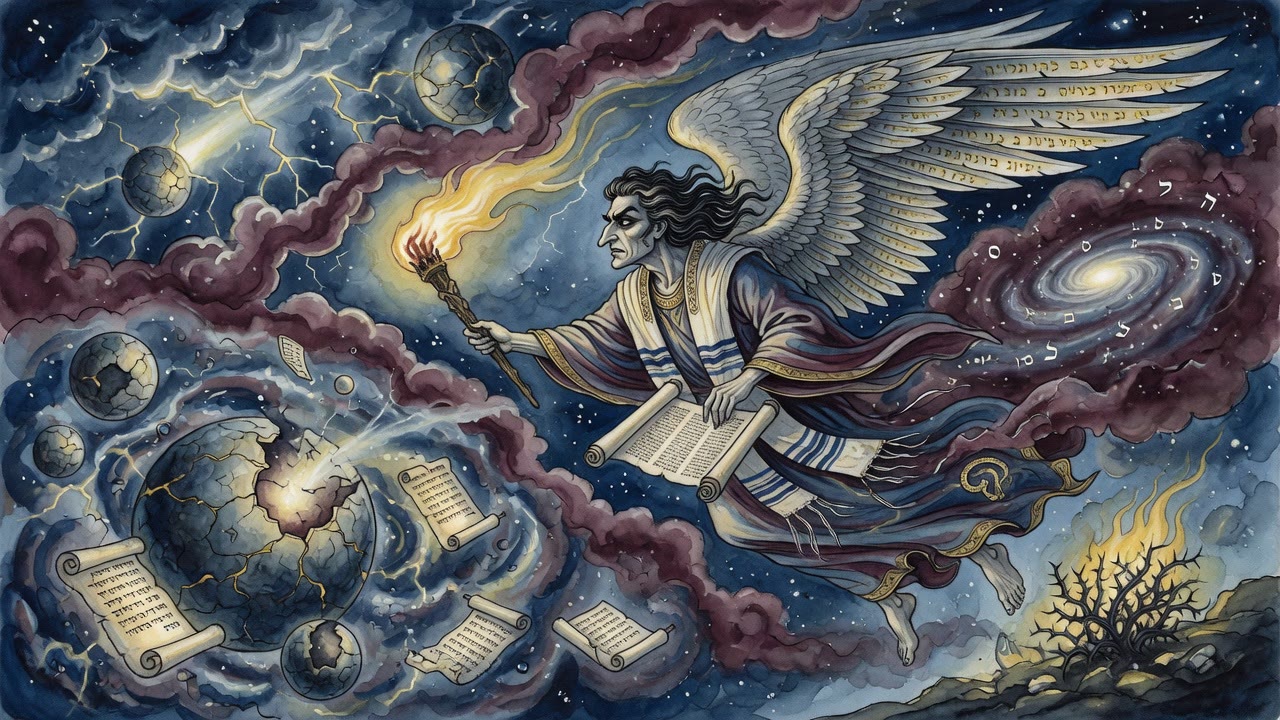
Moses came down from heaven with Torah, and Ha-Satan, the Accuser, could not find it. Earth, sea, depth, and death all denied him.
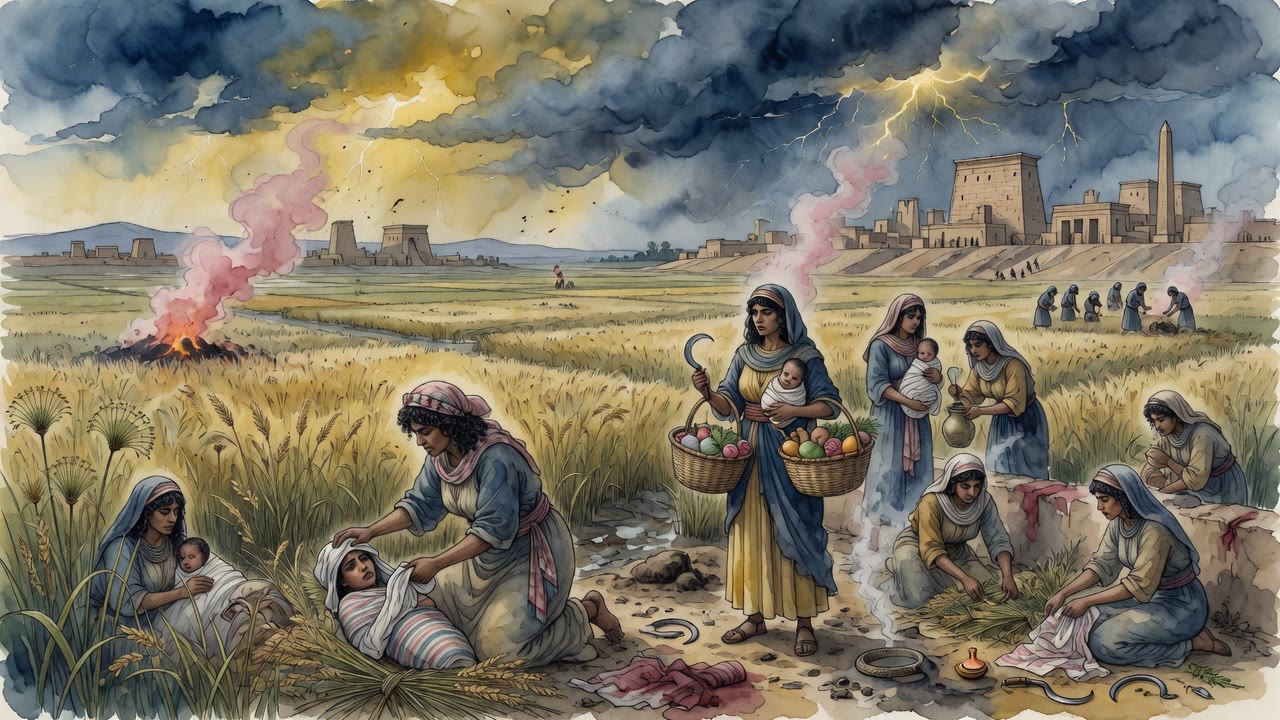
The men came home from the mud too tired to hope. Their wives carried two pots into Pharaoh's fields and put husbands back into Israel.
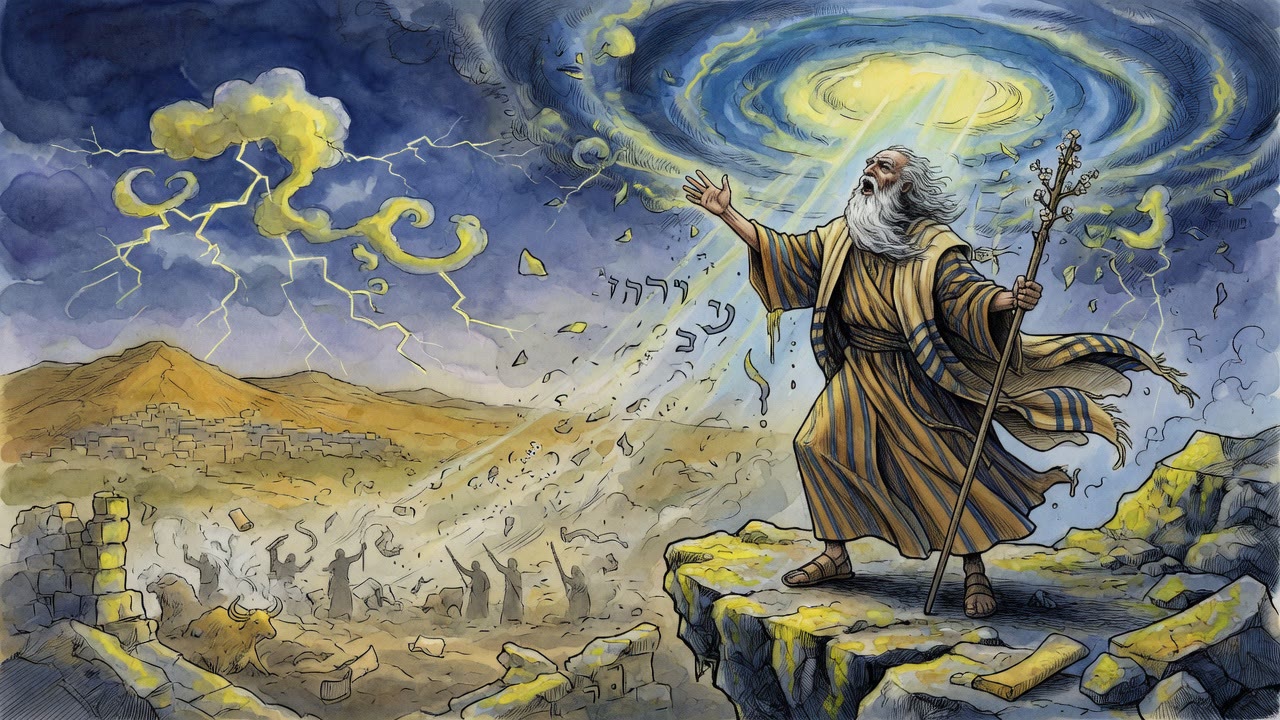
On the last day he called the heavens first, then the earth. Human ears would fail. The song had to outlive the man who sang it.
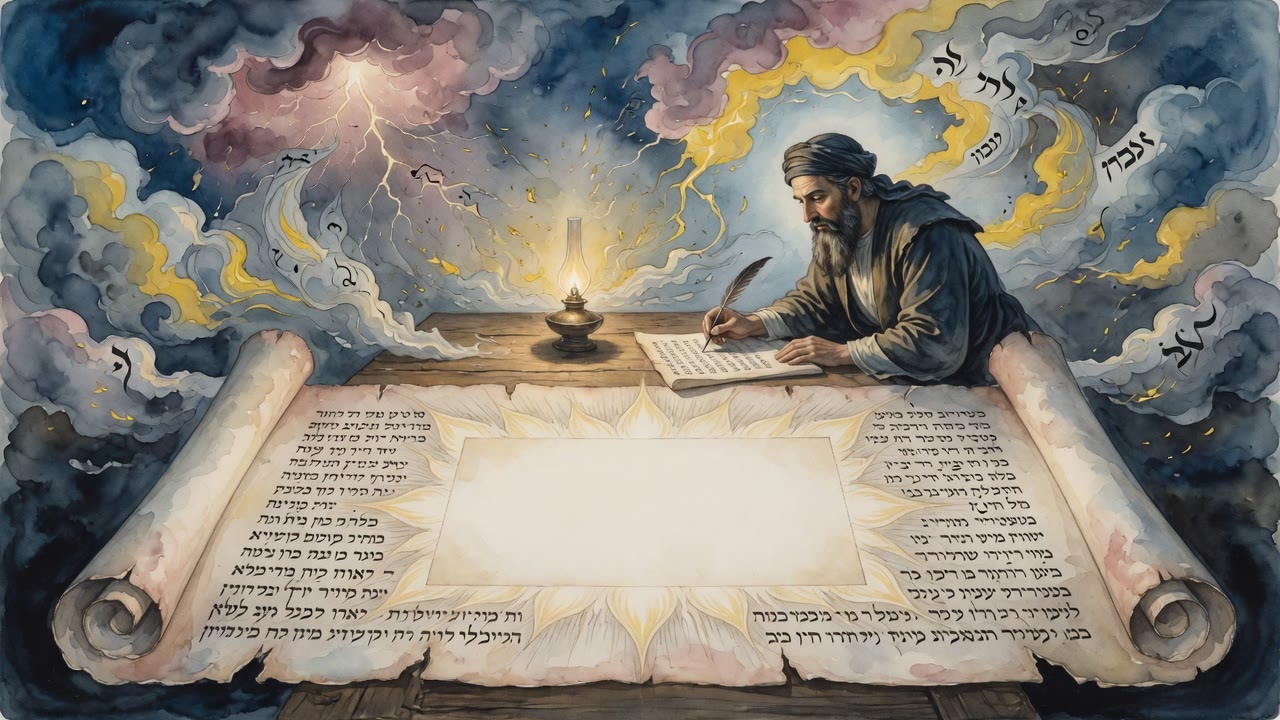
He had been cutting hands and descents out of the Aramaic Torah. At Hear O Israel he set the knife down and copied six words as they stood.
Moses blessed Dan as a lion leaping from the Bashan. The Sifrei Devarim reveals this was a prophecy: the tribe would divide and claim two separate territories.
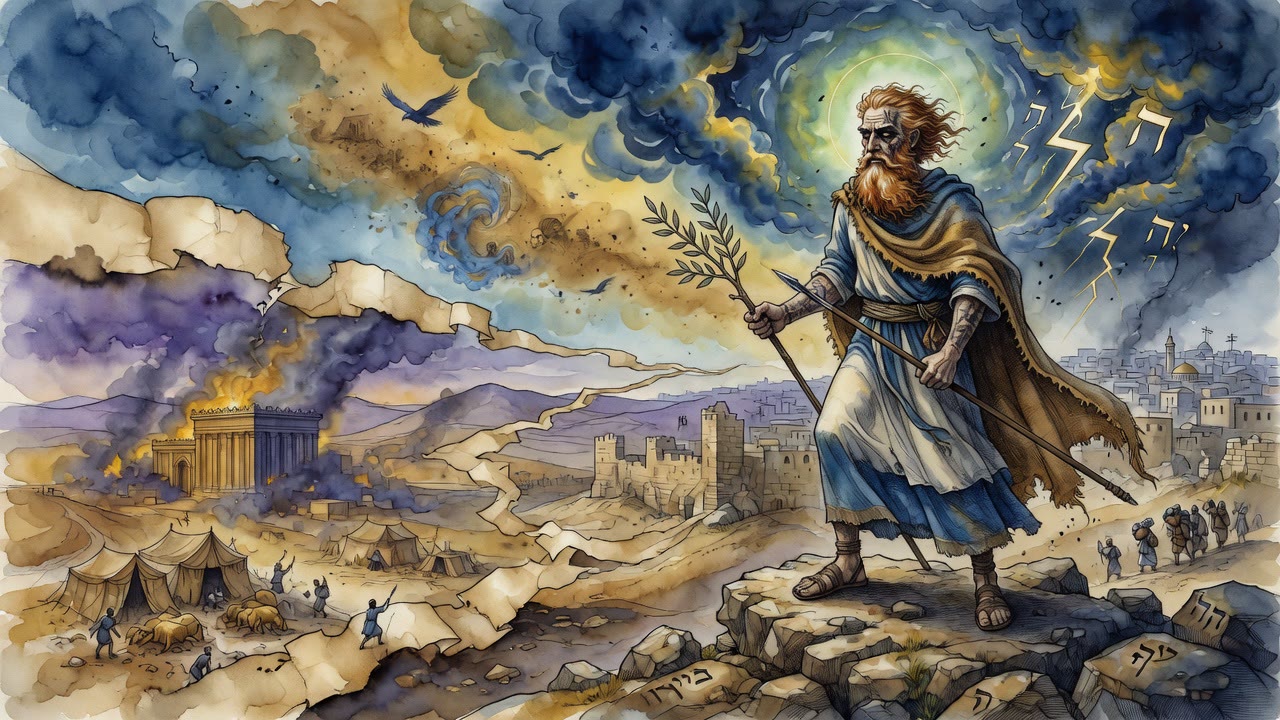
A genealogy hides the claim that Phinehas is Elijah. The priest who stopped a plague becomes the prophet who returns for Israel.
Only two men came back down the hill. The camp asked Moses where his brother was, listened to the answer, and then bent down for stones.
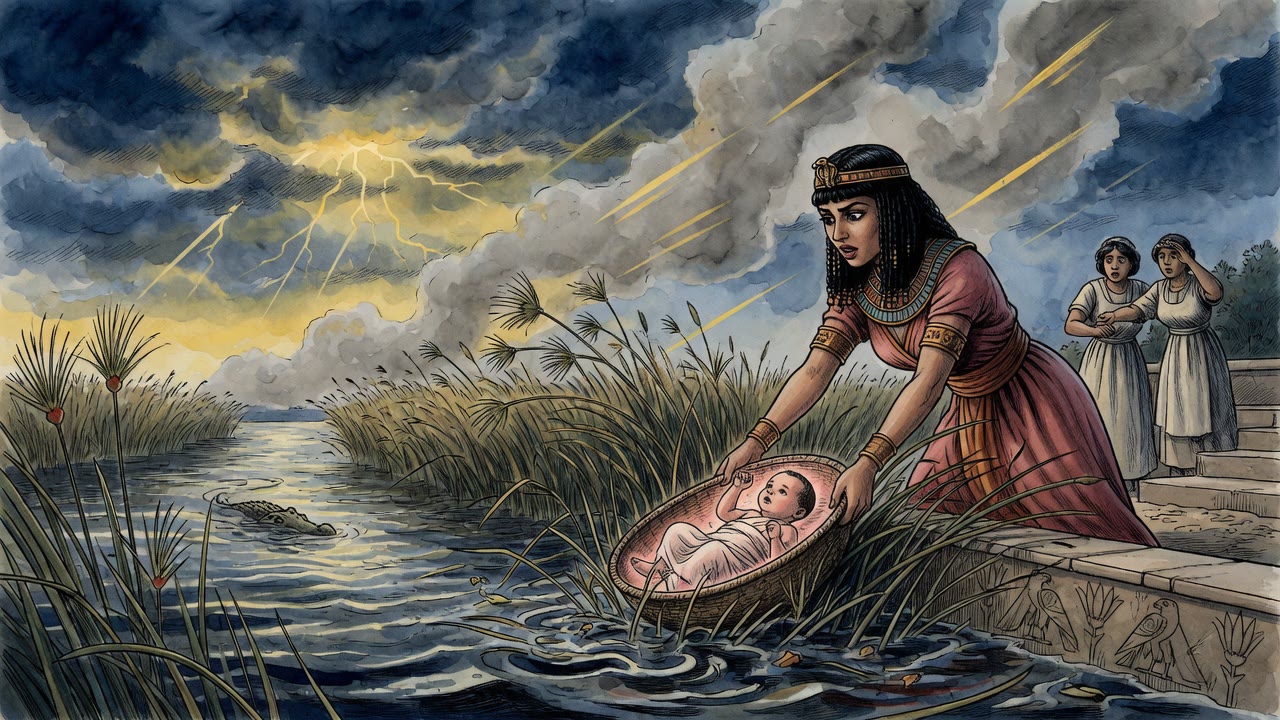
Pharaoh's daughter came to the Nile that morning to wash away her father's idolatry. She walked away with a Hebrew infant and a new name from God.
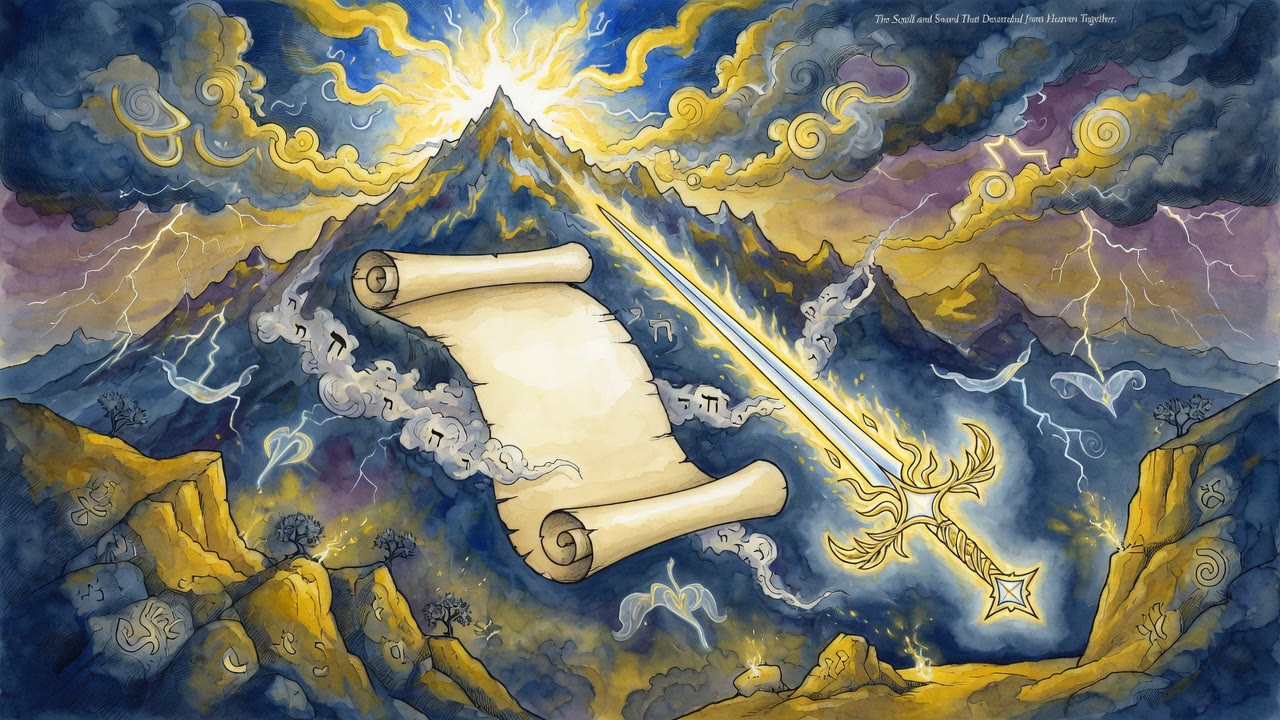
His eyes were still sharp at a hundred and twenty. What shut that morning were the gates of wisdom, not his legs or his sight.
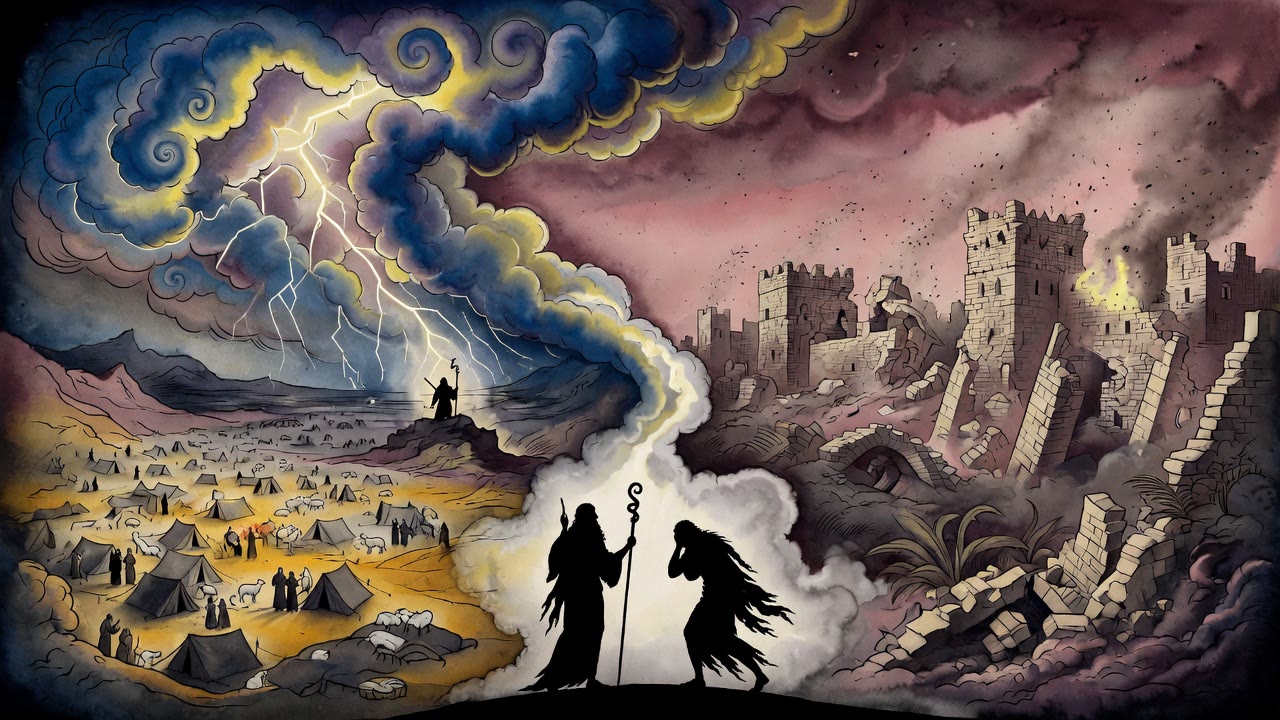
In the wilderness the cloud led Israel and sheltered them. In Lamentations God wraps himself in a cloud, and the prayers of the people cannot get through.
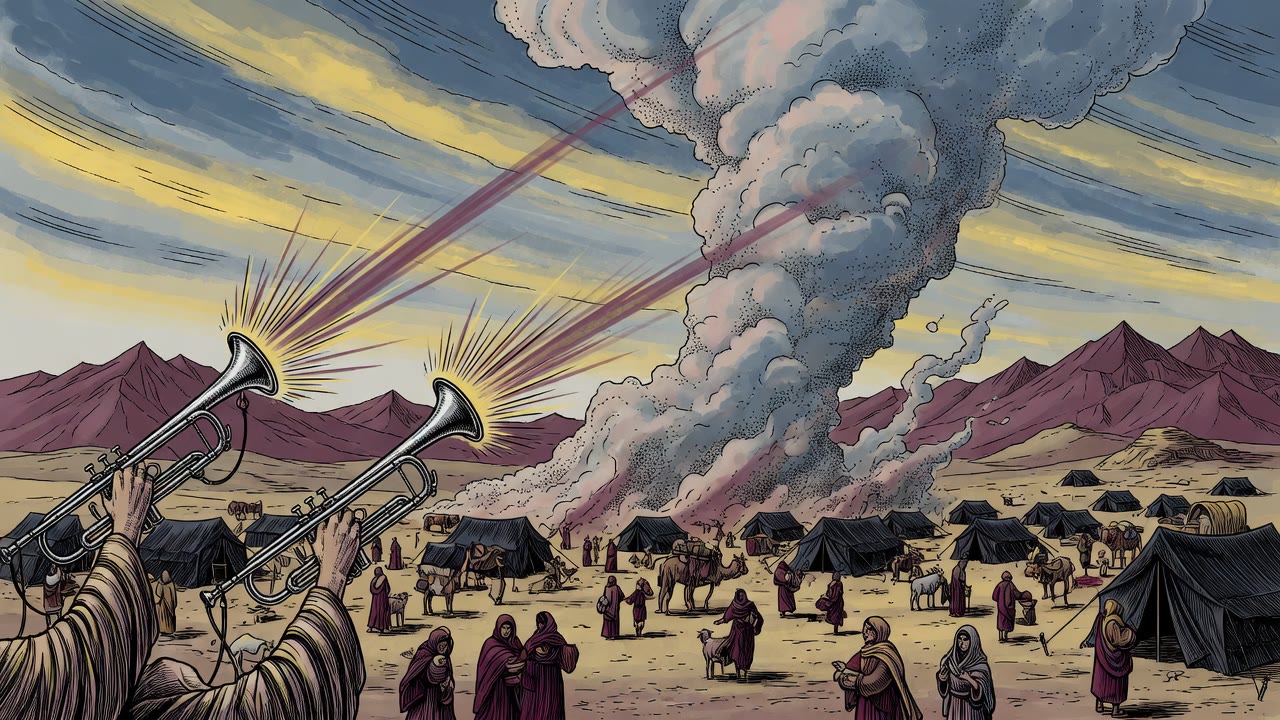
The pillar drew itself small and stopped at Moses' face. Six hundred thousand waited in the dust. The cloud would not move until he asked it to.
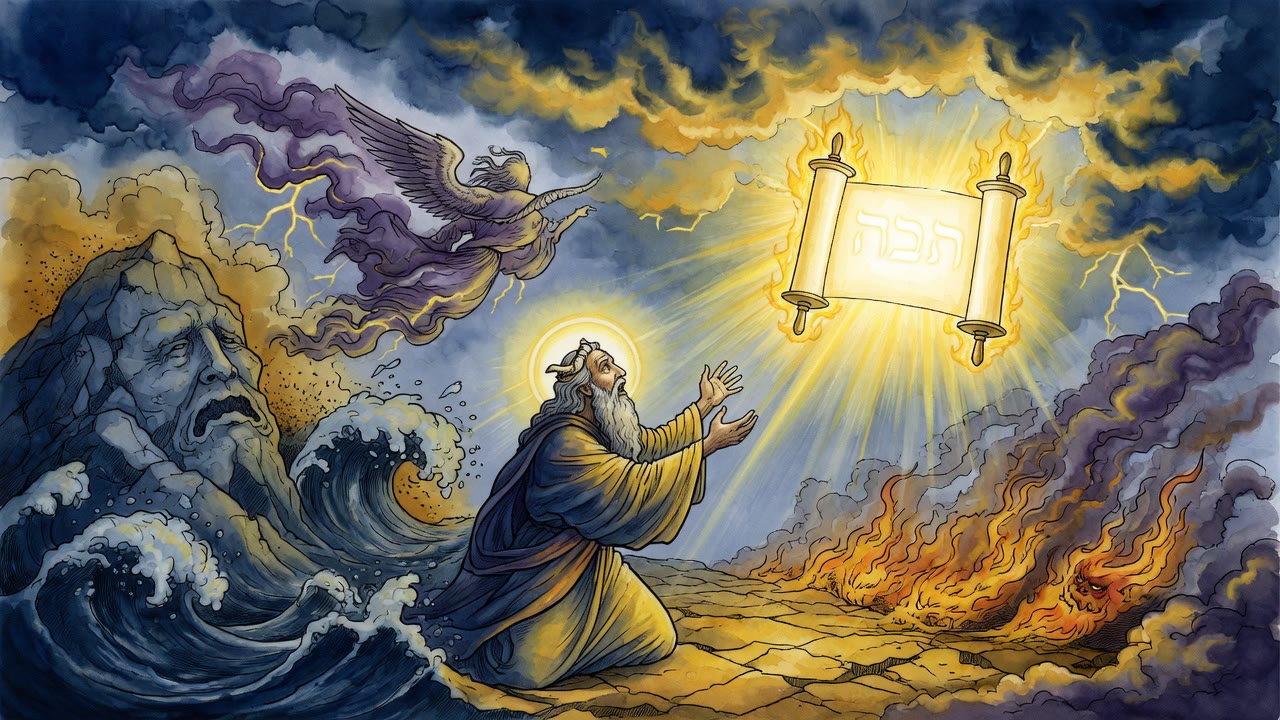
A voice out of heaven gave him five hours. He spent them offering trades: wings, fins, a cloud, and finally his own body in pieces.
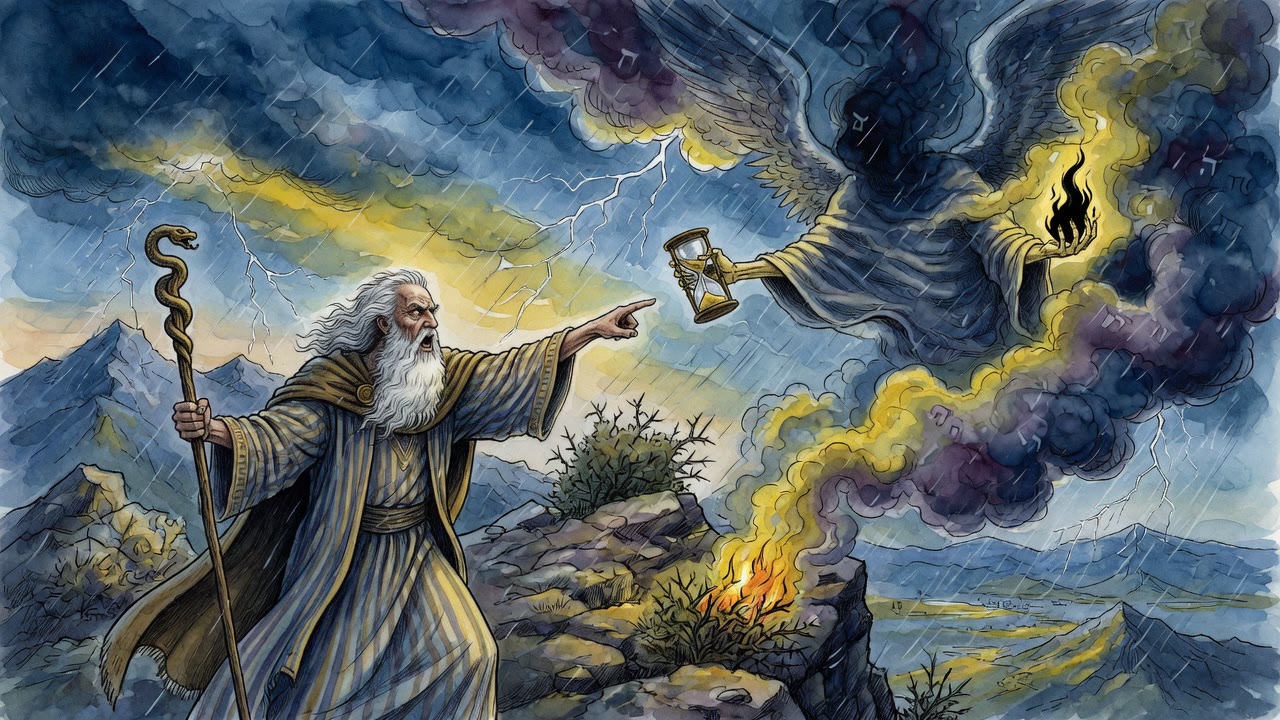
The Angel of Death came into the tent, and Moses spoke the Ineffable Name at him until he fled. On the third approach Moses met him with open hands.
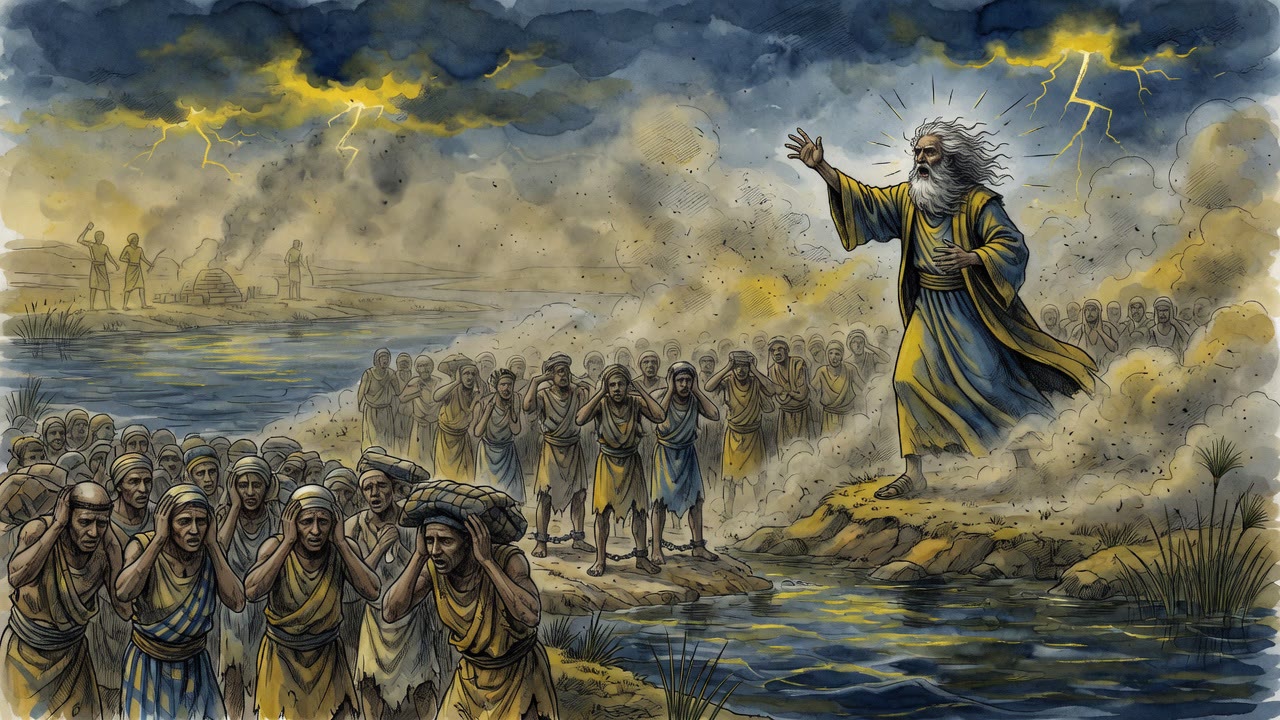
Moses brings God's promise of freedom to the Israelites, but the broken people cannot lift their ears from the mud.
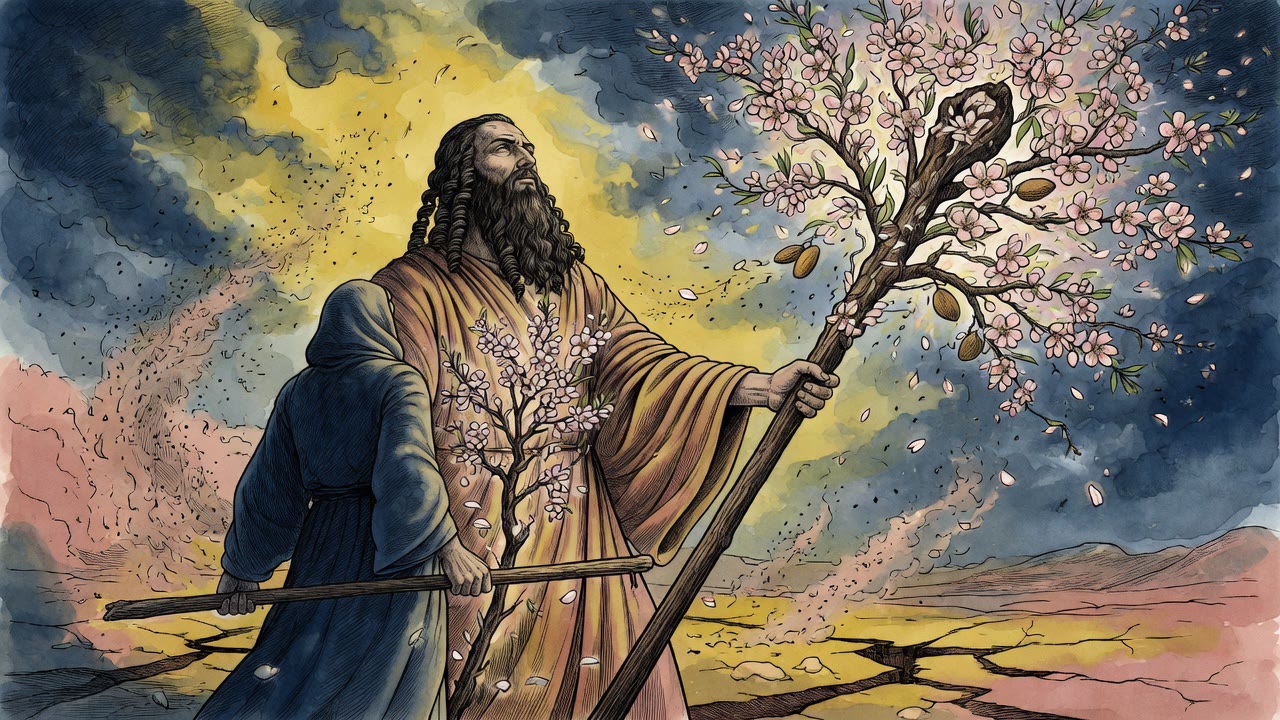
The Nile had carried him in a basket when Egypt was killing Hebrew boys. When blood was due, Moses would not raise his hand against that water.
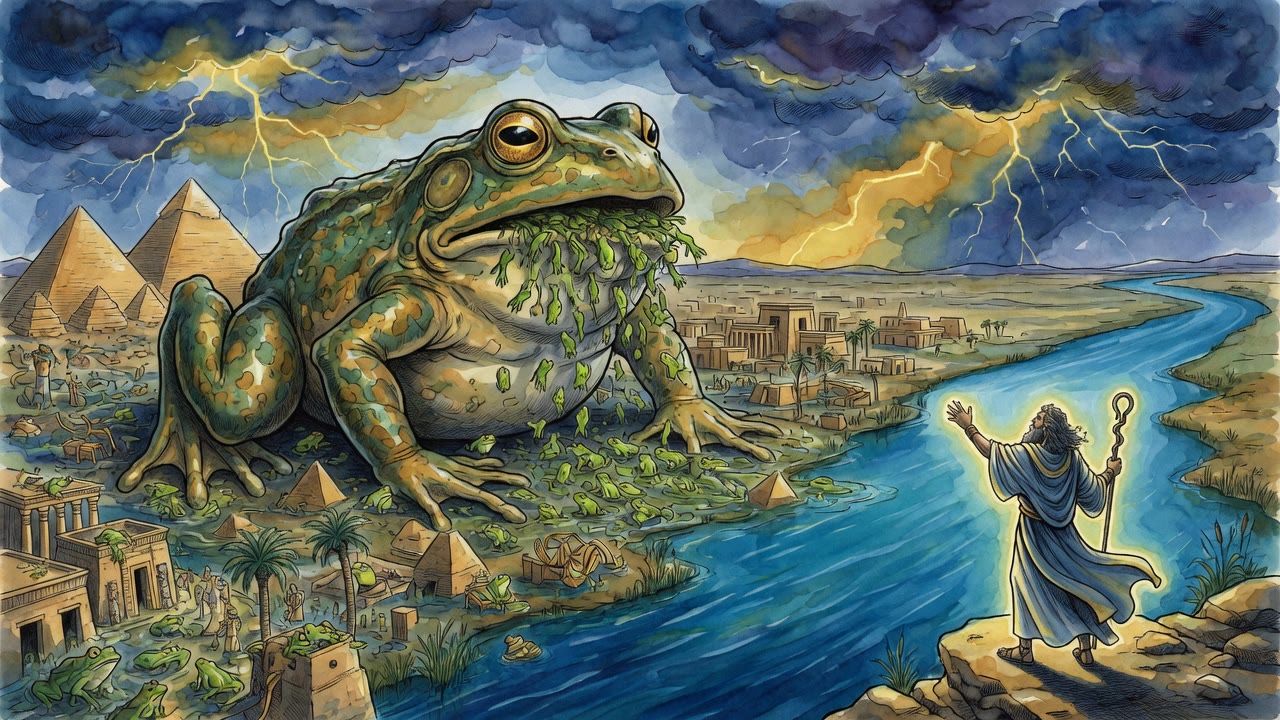
Rabbi Akiva imagined one frog multiplying through Egypt, while Moses stood back because the Nile had once saved his life.
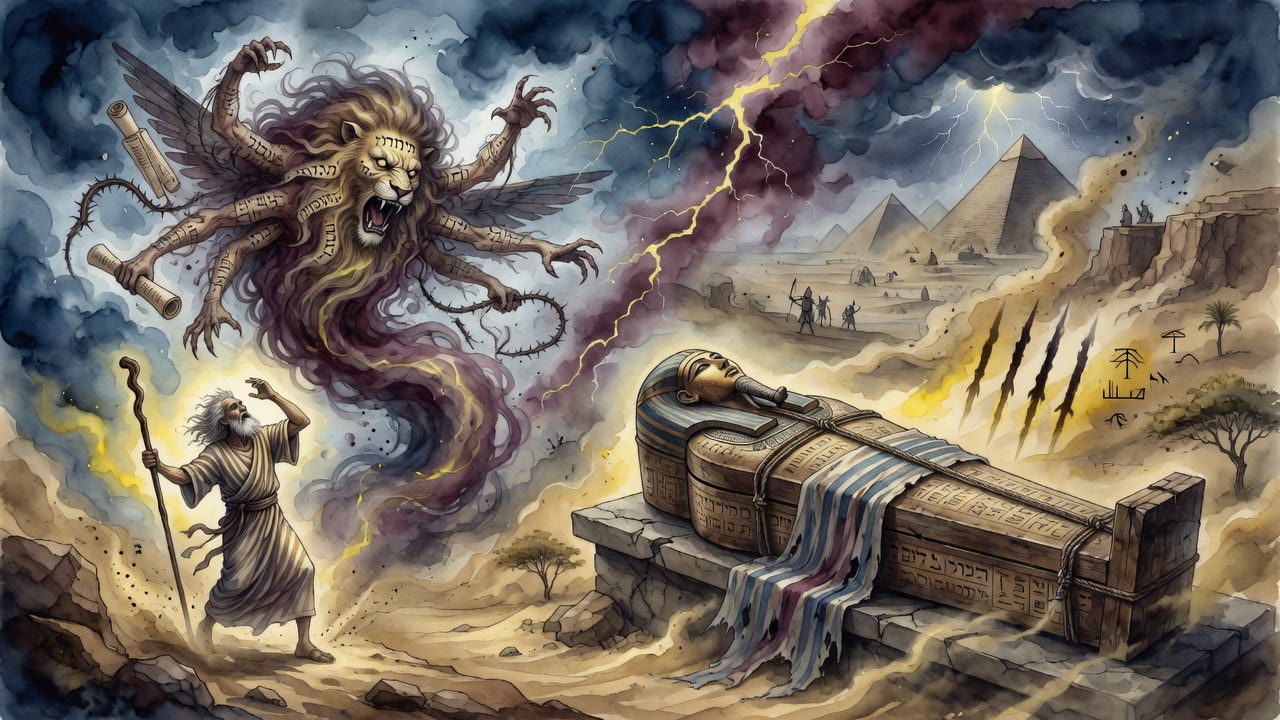
Zipporah already had the flint. Moses could not name what held his throat. Blood hit his feet, and the lodging place went still around the child.
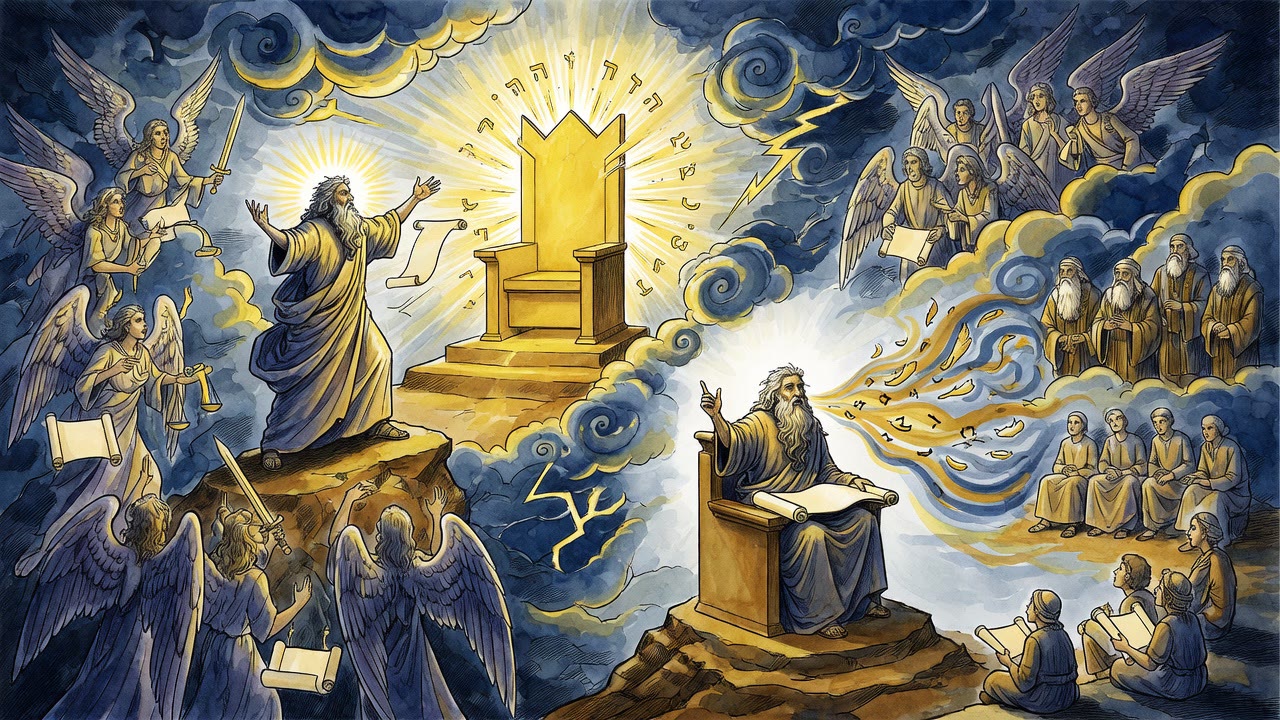
The angels closed on Moses at the Throne. He asked if their fathers had been slaves in Egypt. They had no reply, so they loaded him with gifts.
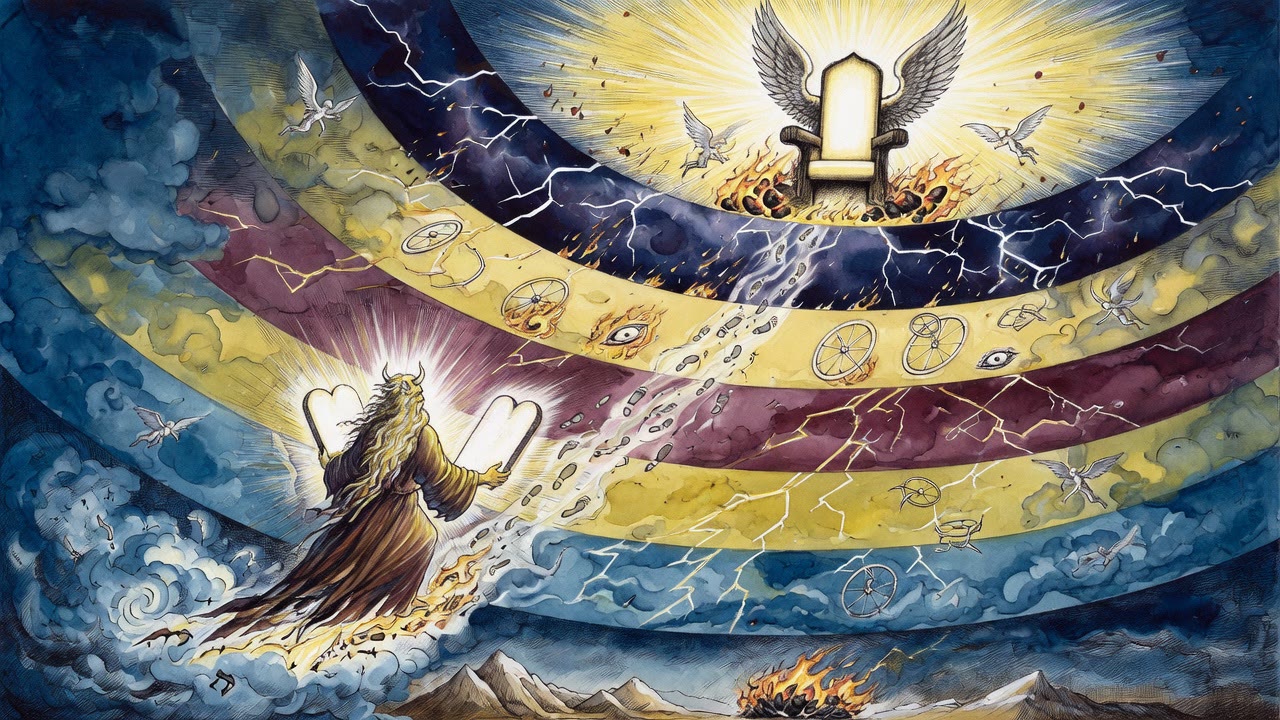
In the fifth heaven the angels were snow below and fire above, and the snow never melted. Higher up, Sandalfon was so vast that Moses lost his balance.
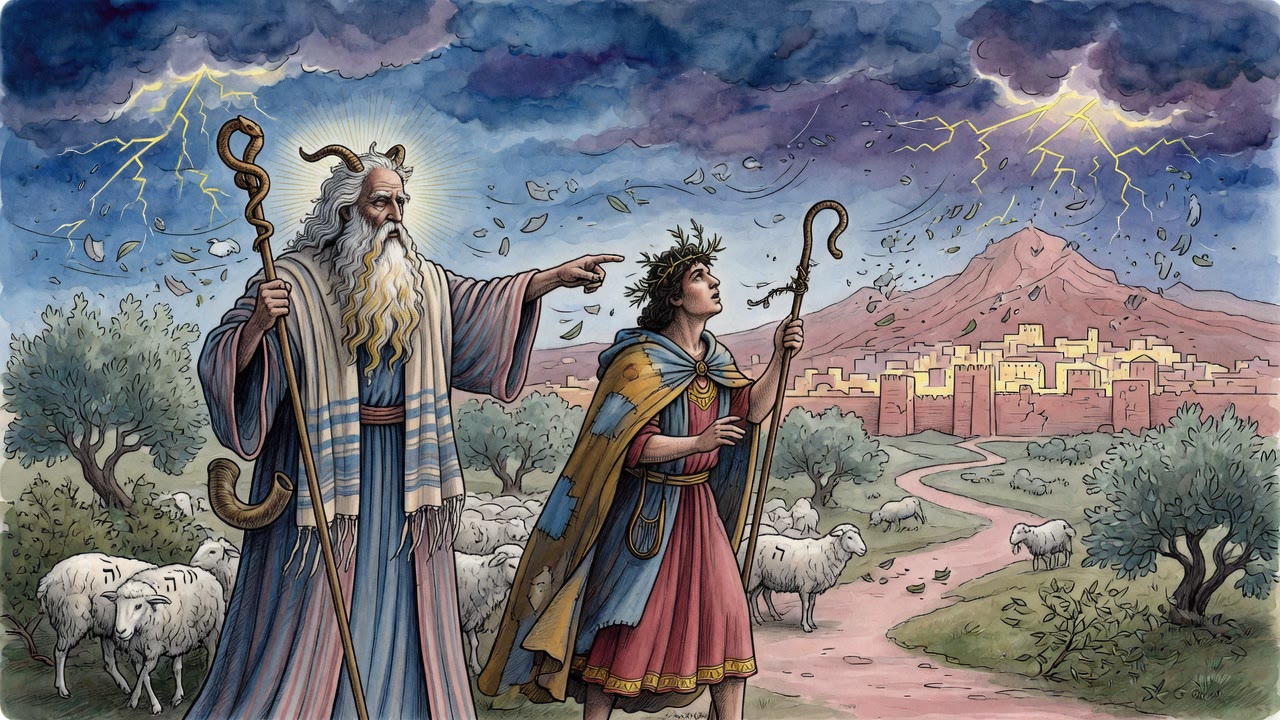
At the burning bush Moses was warned off two crowns that would never be his. The priesthood belonged to Aaron. The throne belonged to a boy not yet born.
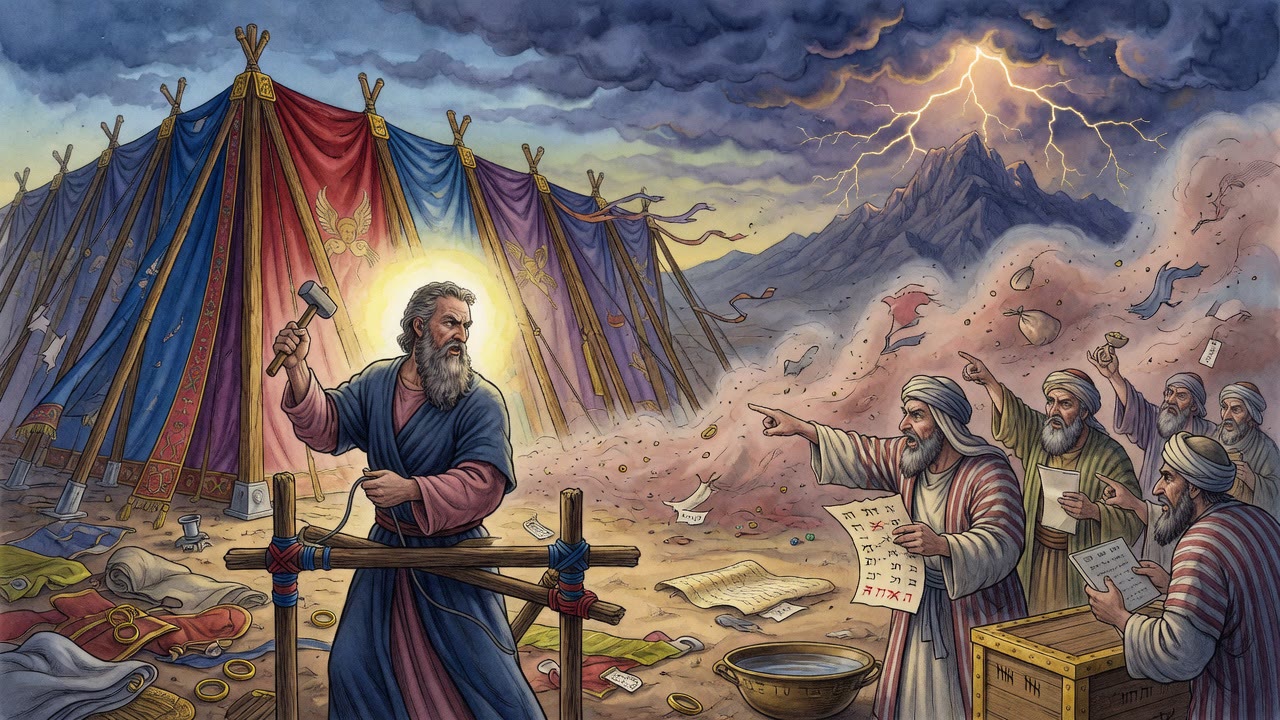
They said Moses looked well fed on gold given to God. He opened the ledger in front of the camp. One row of curtain hooks was still blank.
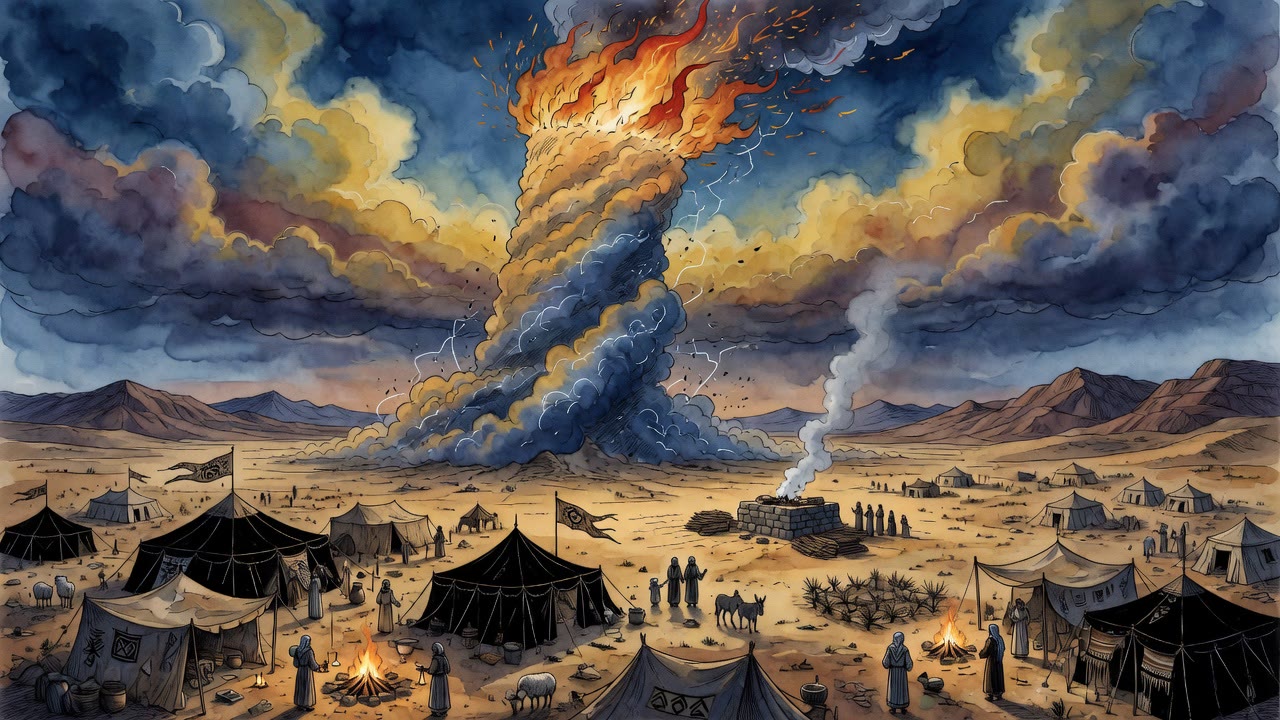
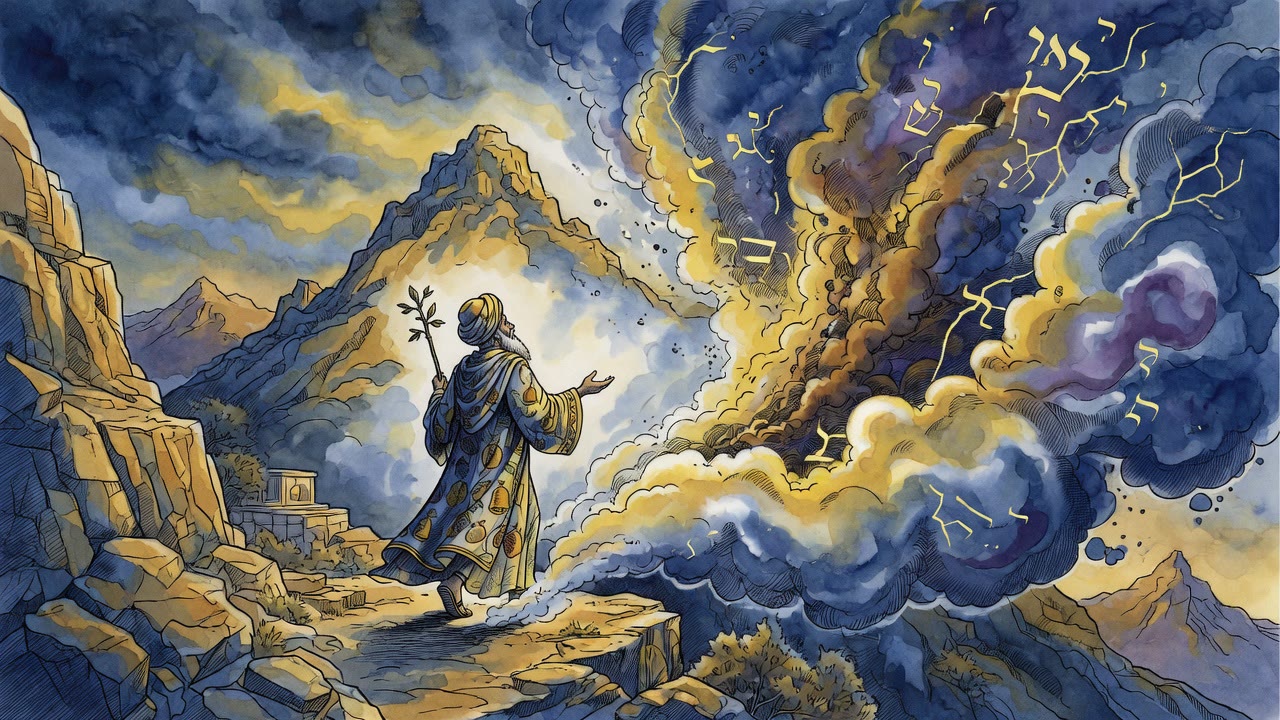
At Sinai every other Israelite fled from the thunder and lightning. Moses walked toward the thick darkness. The rabbis asked why God chose shadow.
