1,018 myths · Page 3 of 34
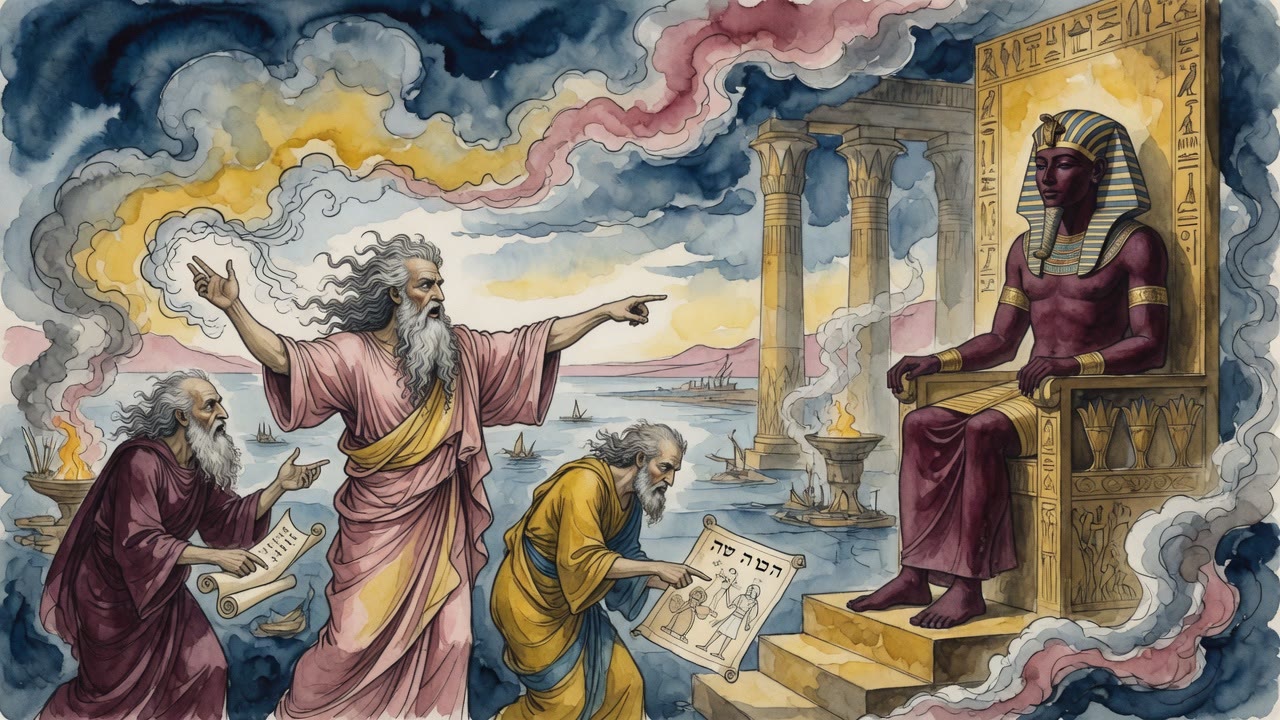
Three advisors stood before Pharaoh. One fled, one stayed silent, and Balaam found the loophole that drowned Hebrew babies in the Nile.
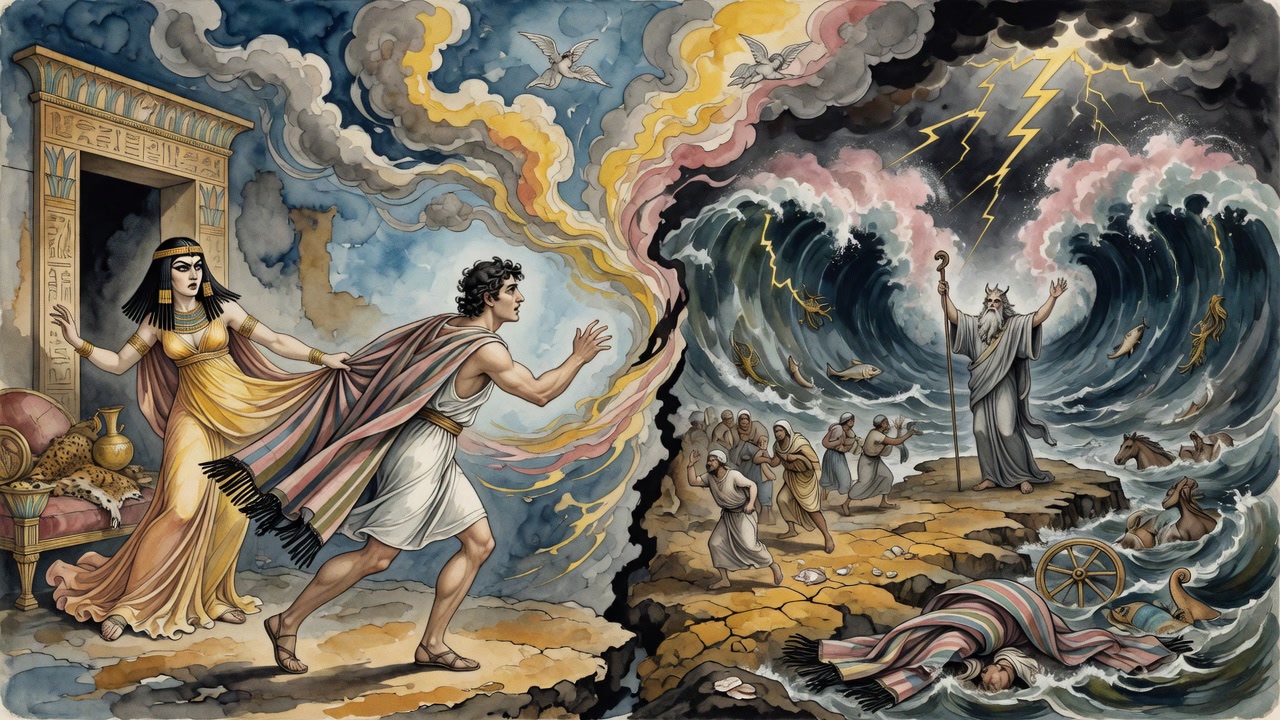
The Red Sea did not split because Moses raised his staff. One rabbi traced it to a single act of moral courage Joseph made in a private room centuries before.
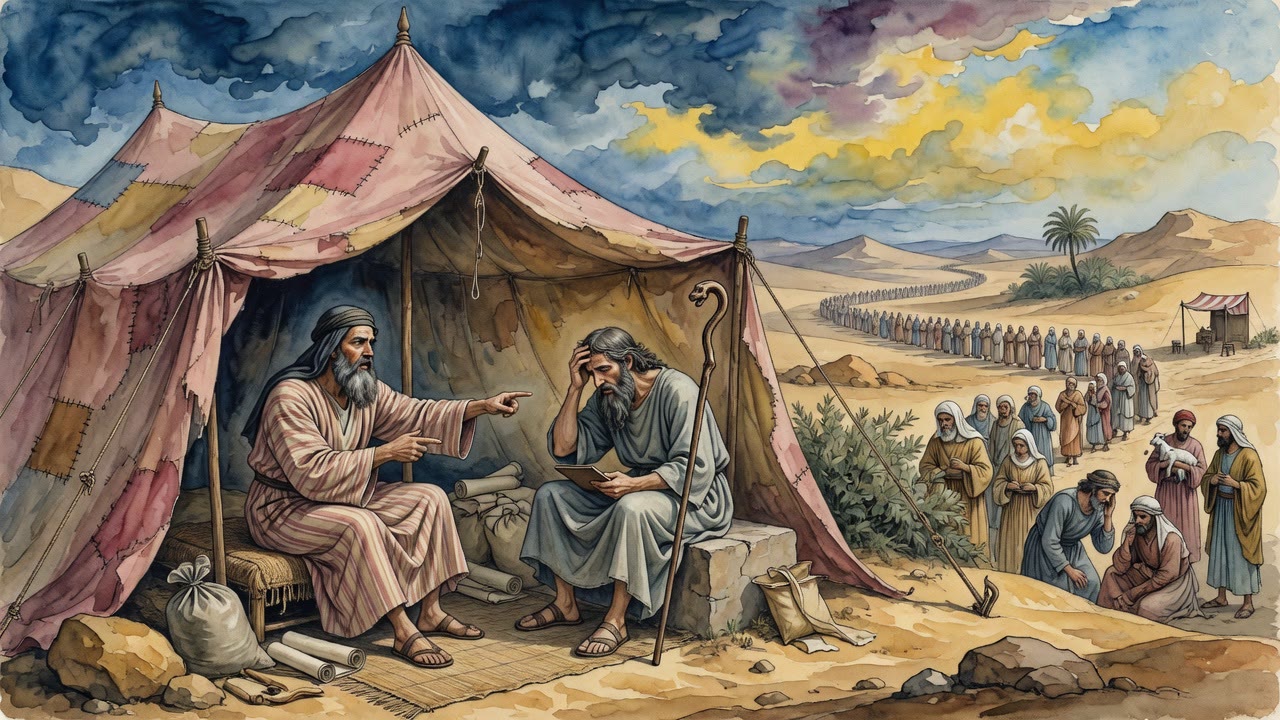
Jethro had served every idol in Midian. He watched Moses judge alone from dawn to dark, then said four quiet words that saved a nation.
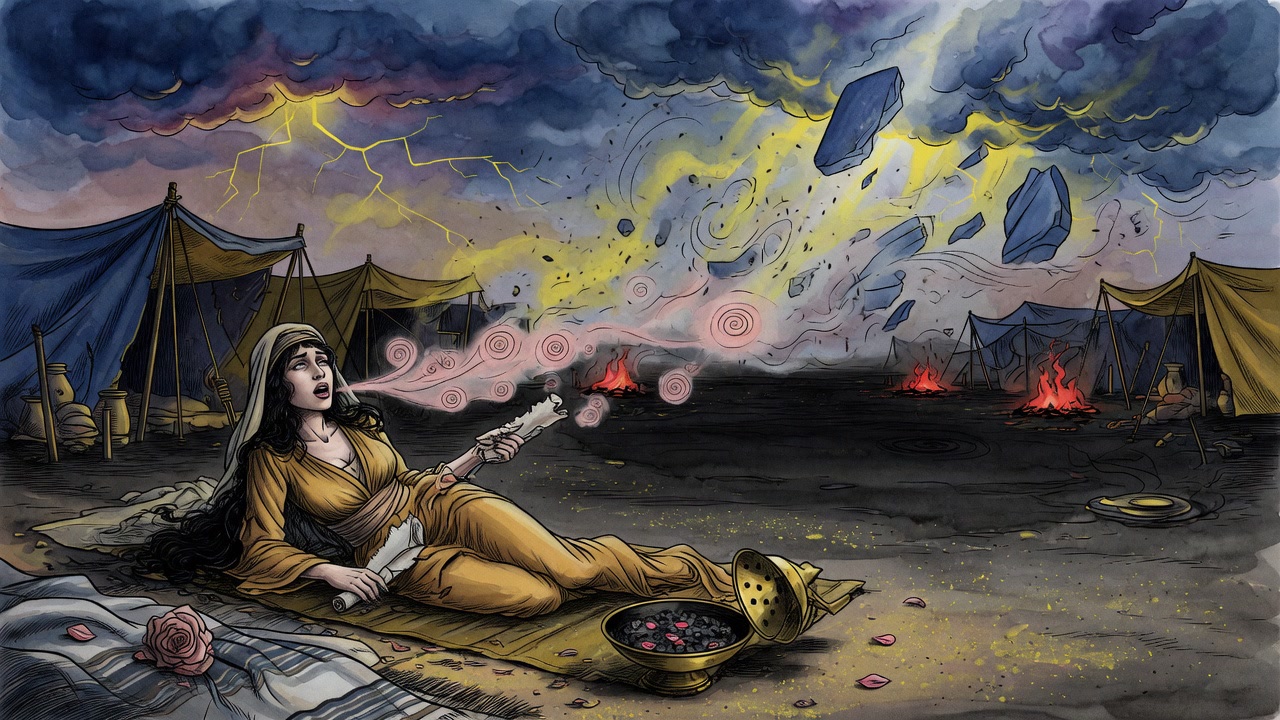
He dropped his voice so the camp would lean in. He told them about a widow and two daughters. The laws were real. The woman was not.
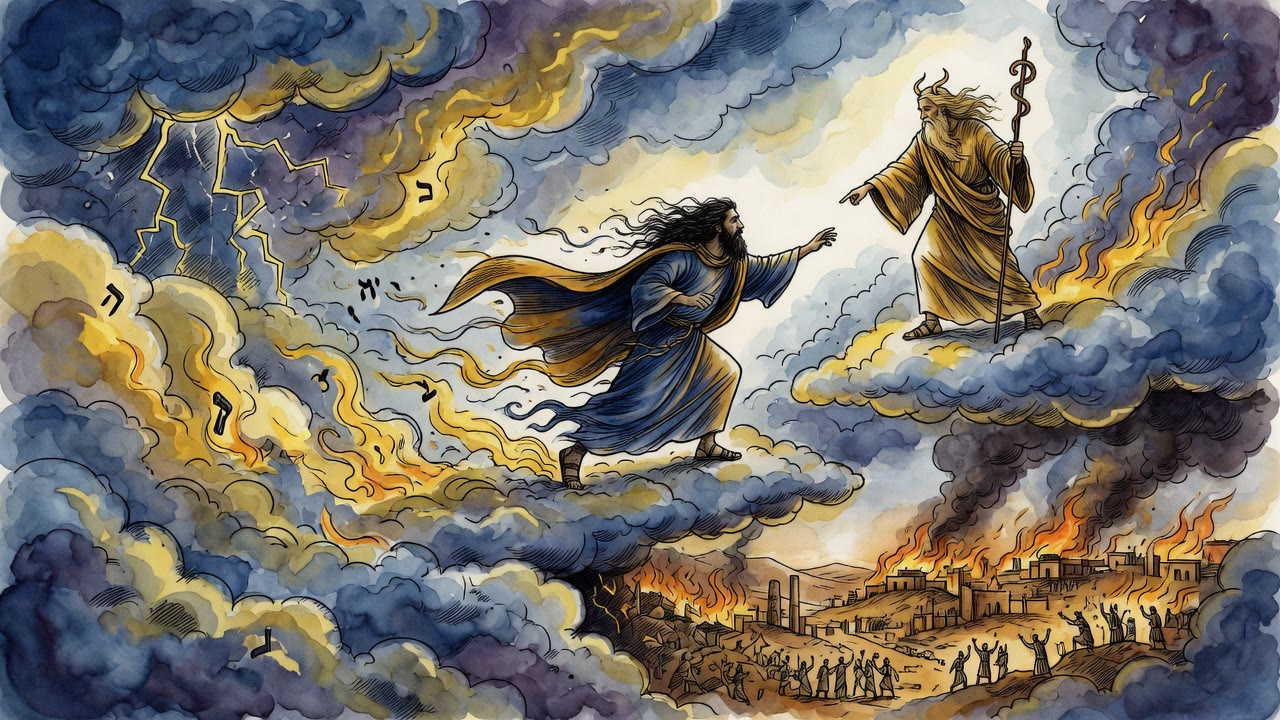
When Ahab mocked the prophets and the decree against Israel was sealed, Elijah did not pray alone. He ran to the fathers of the world for help.
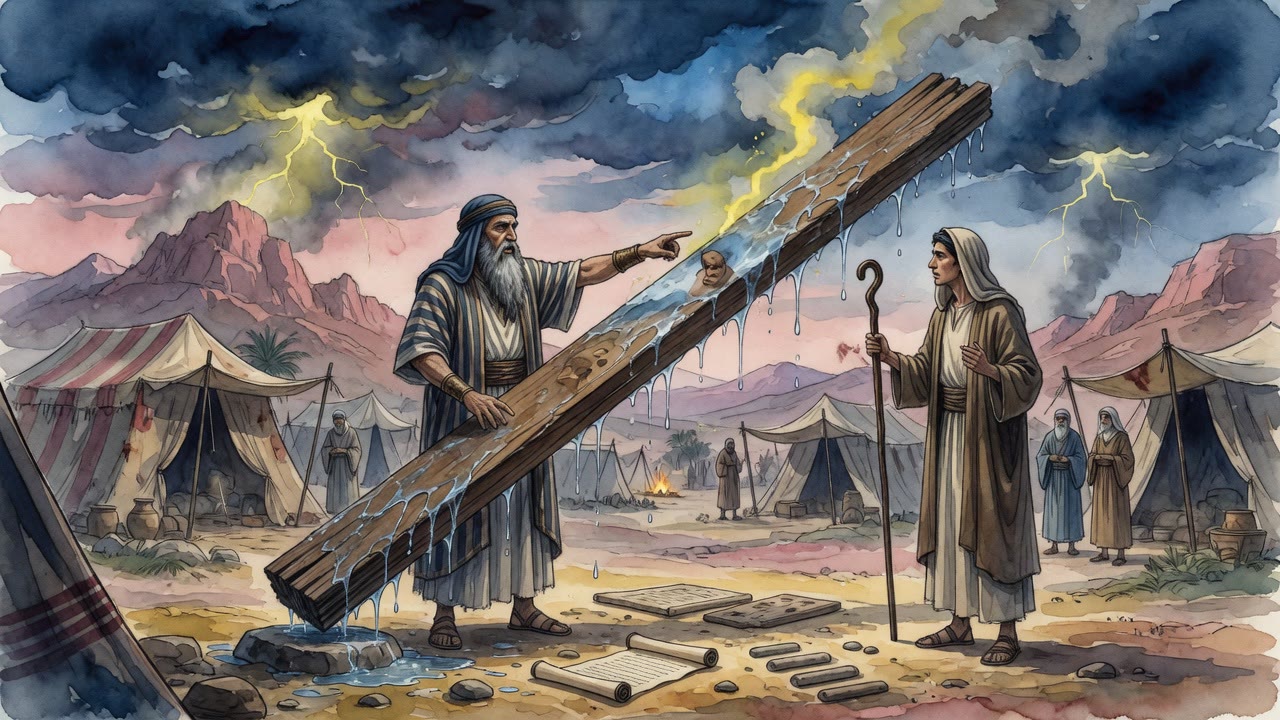
A Midianite priest reached the camp, watched Moses judge from dawn to dusk, then pointed at a waterlogged beam and said one man could not lift it.
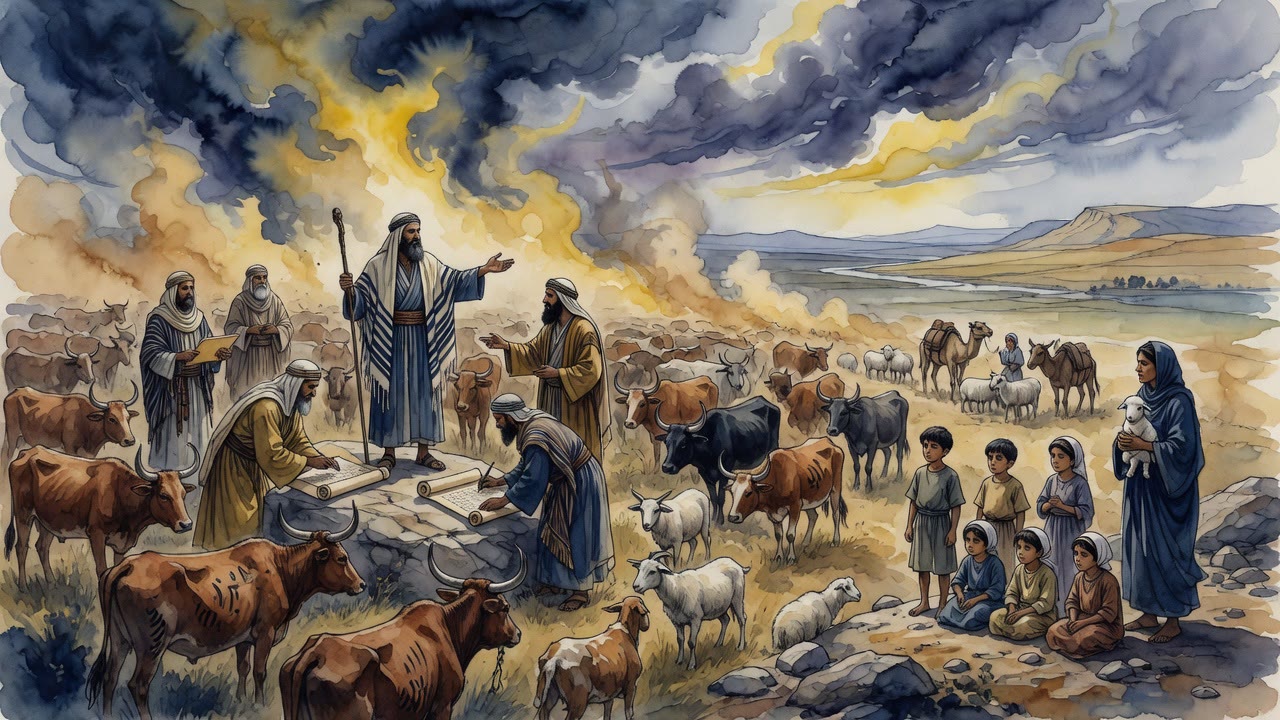
Two tribes asked Moses for land east of the Jordan and listed sheepfolds before their children. Moses corrected the order without raising his voice.
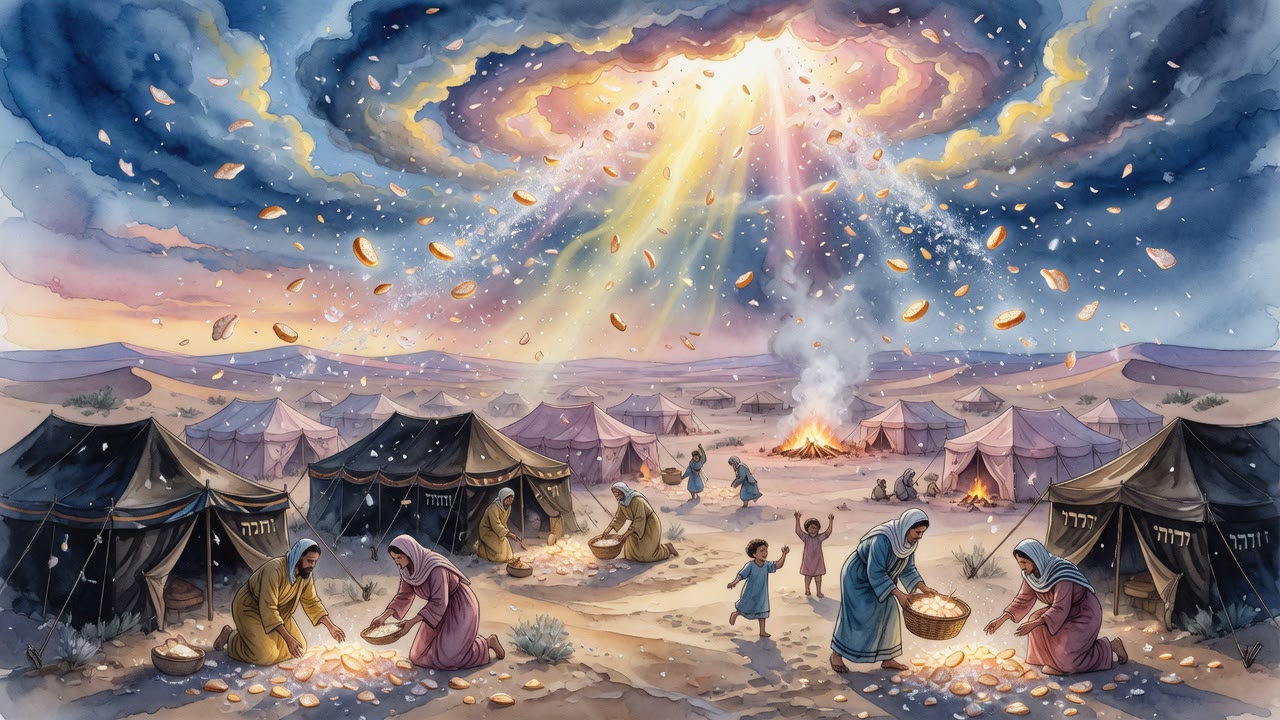
Moses said leave none until morning. One household hid a jar anyway. Dawn found worms first, then rot, which is the wrong order for ordinary bread.
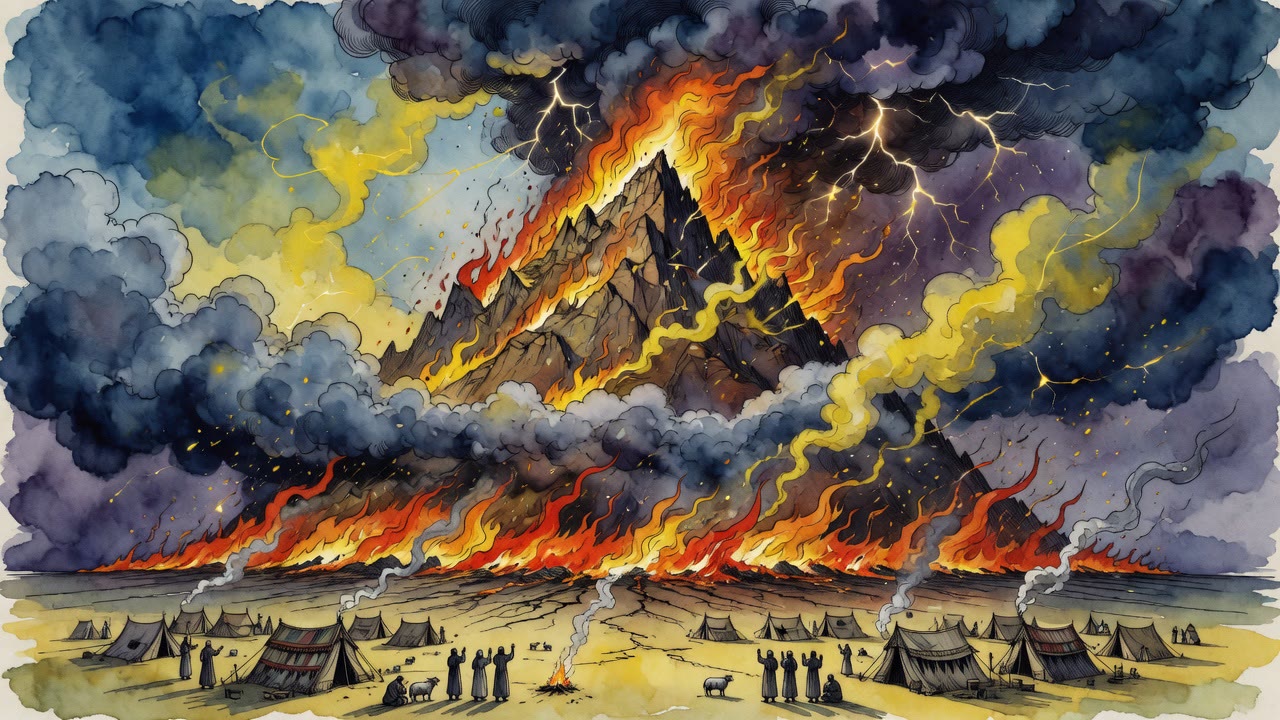
Israel had three days to wash their clothes and keep off the mountain. On the third morning the peak went up like a furnace and the horn would not stop.
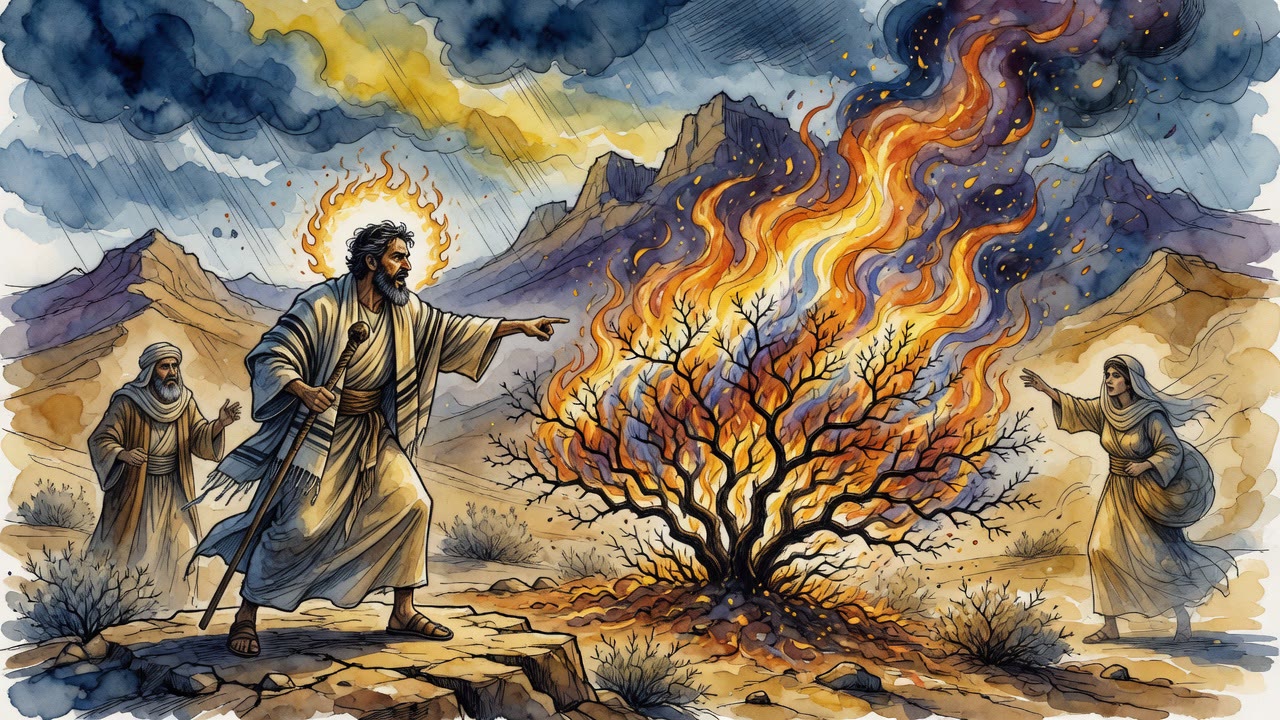
Fire moved through the thornbush and the leaves stayed green. A voice said his name twice. He answered, then he started to argue.
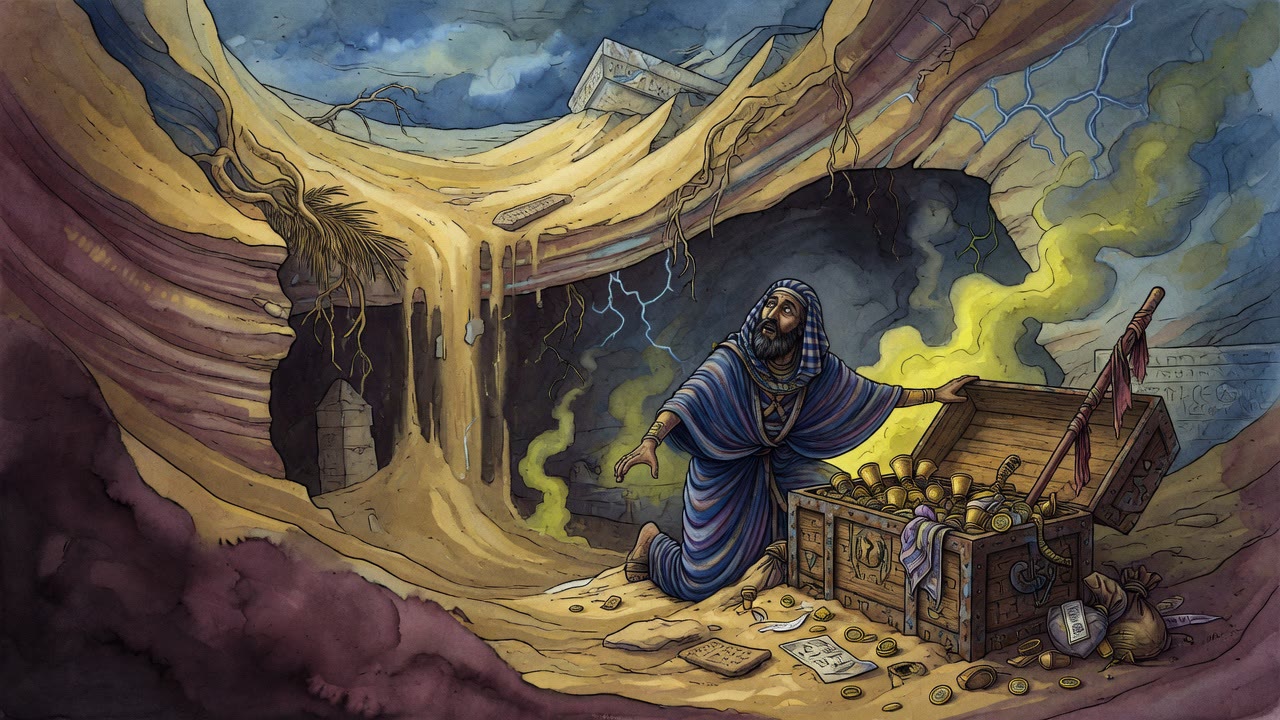
Three hundred white mules carried only the keys. Korah had opened one of Joseph's buried rooms, and the earth was already waiting.
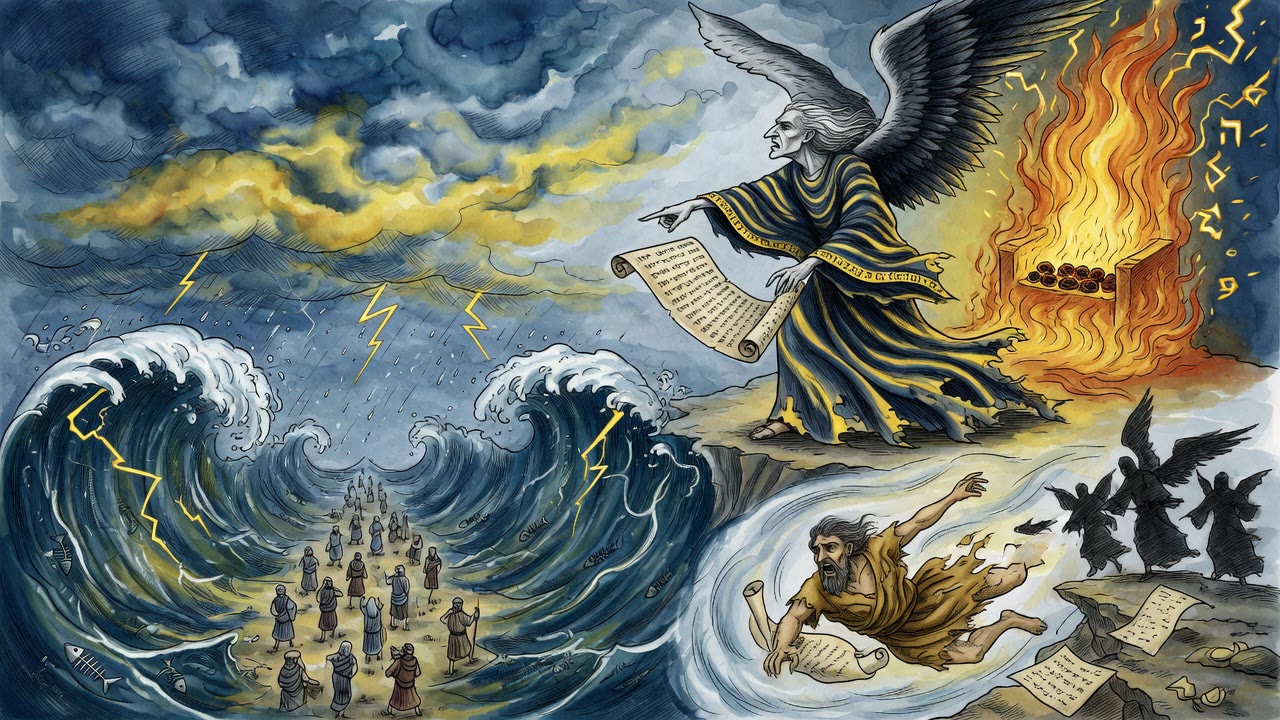
Chariots shook the reeds. In heaven Samael opened a true ledger against Israel. God did not argue. He threw the accuser a ram named Job.
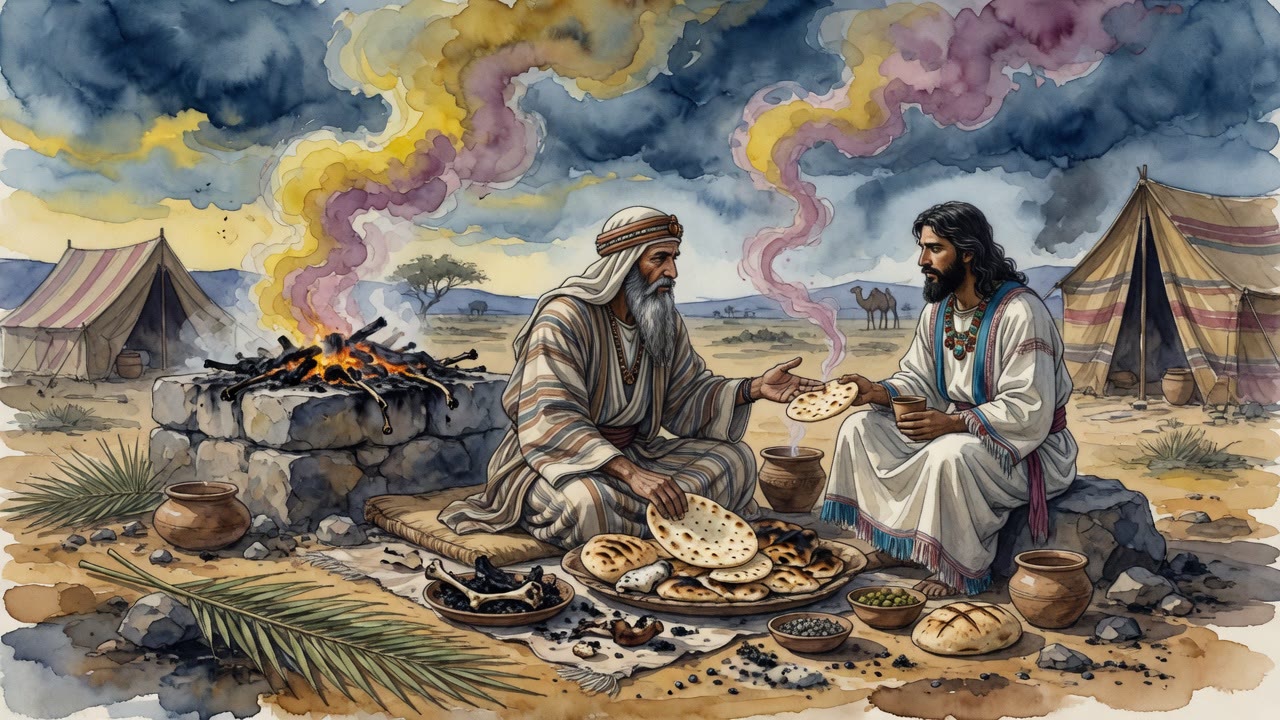
A Midianite priest laid whole beasts on the fire. Aaron sat with the elders, and Moses would not take a place at his own table.
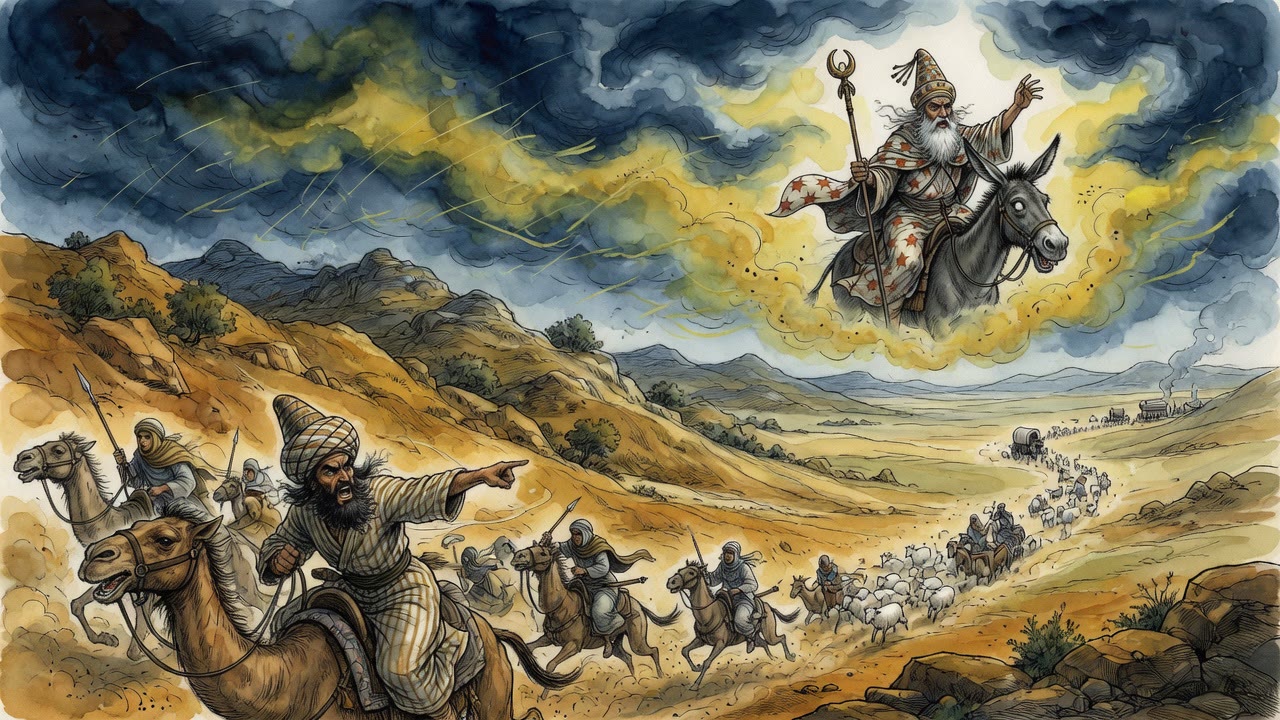
He watched the cock on the ridge above the camp. When the comb went white, God was angry, and a curse could land. The comb stayed red.
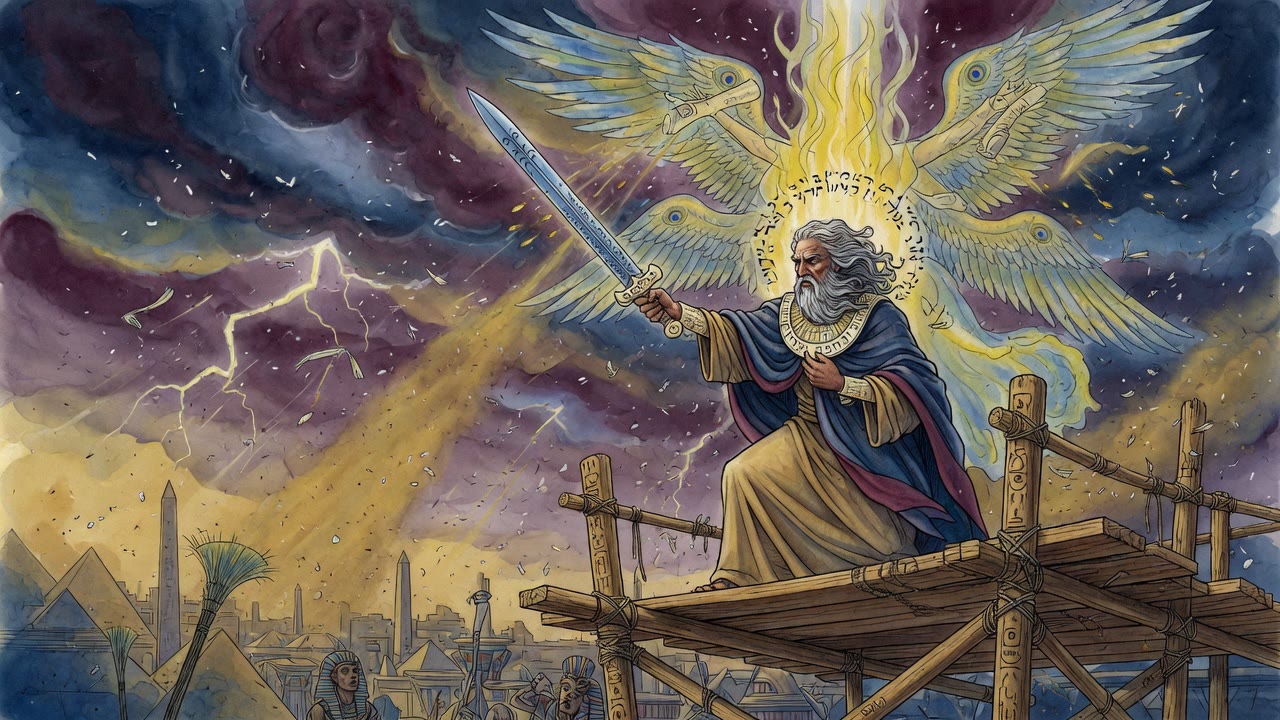
A sword sharp beyond compare came down on Moses's neck ten times and could not cut it. Then an angel climbed the scaffold dressed as the executioner.
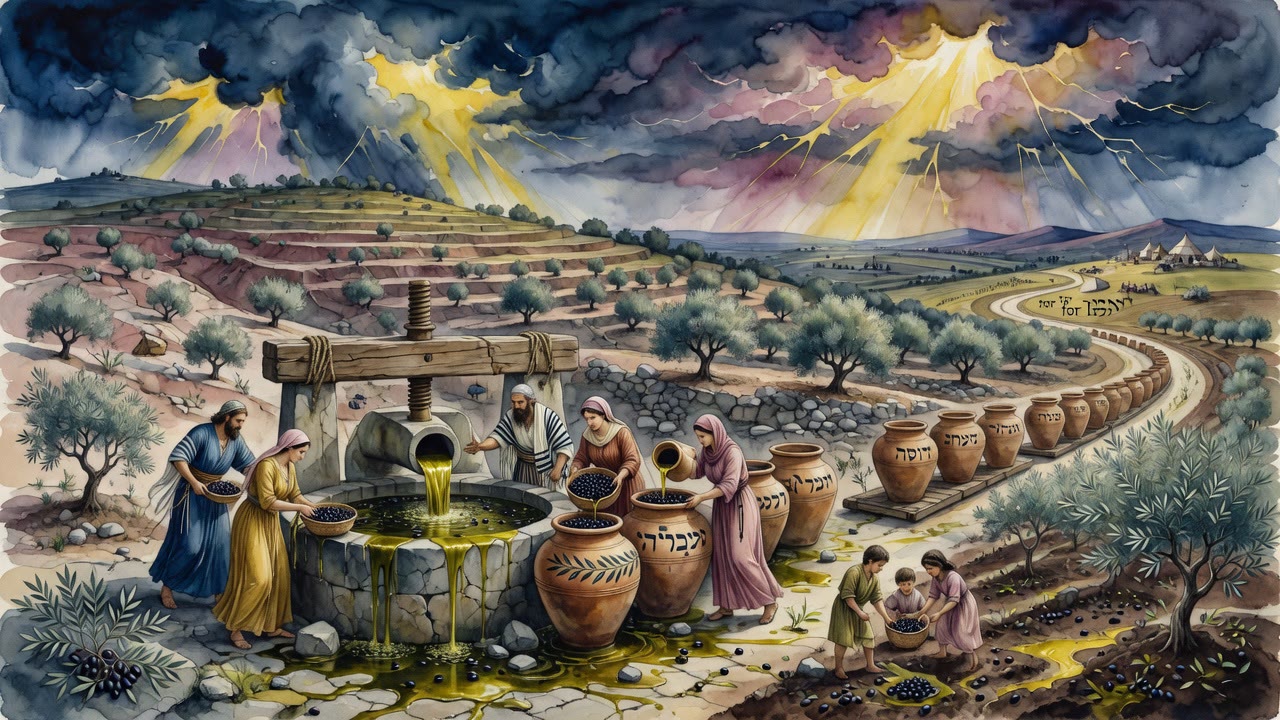
The fields lay fallow and the storehouses thinned, but in Asher's hills the oil still ran in streams, and a nation came to eat.
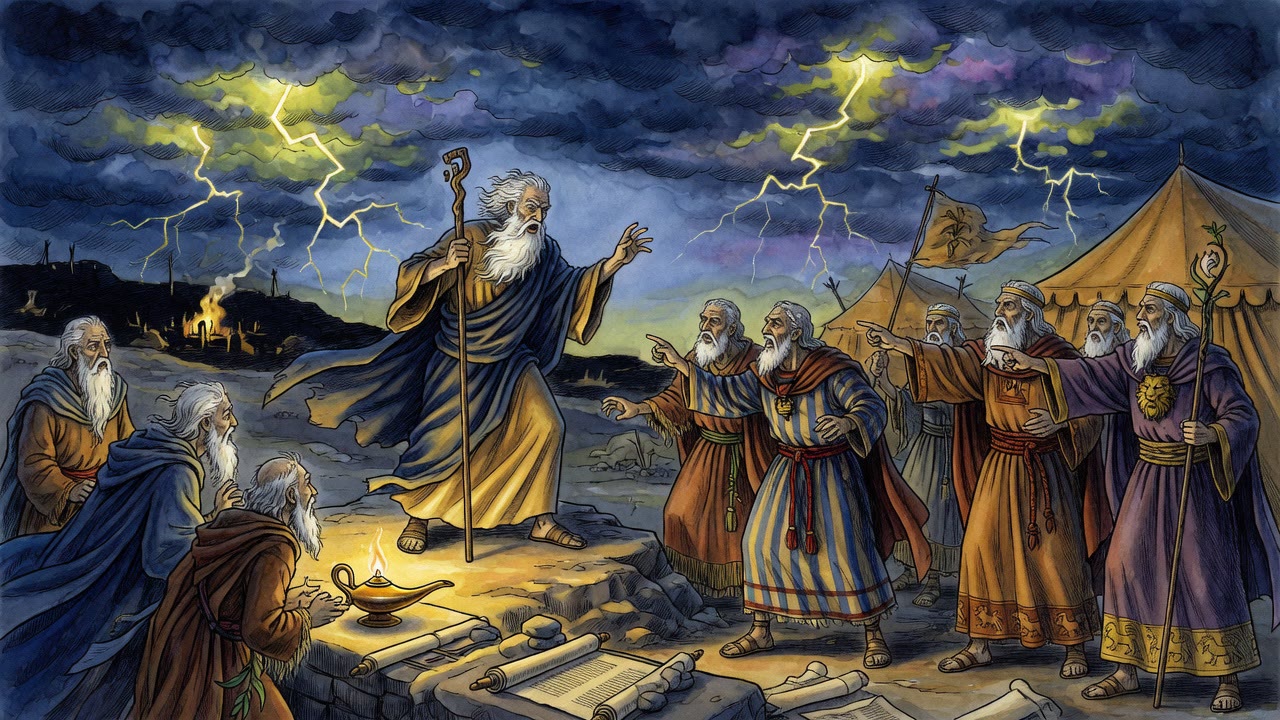
On his last night, Moses would not bless Reuben and Judah quietly. He argued for two sons who had no grounds to stand on, and refused to stop.
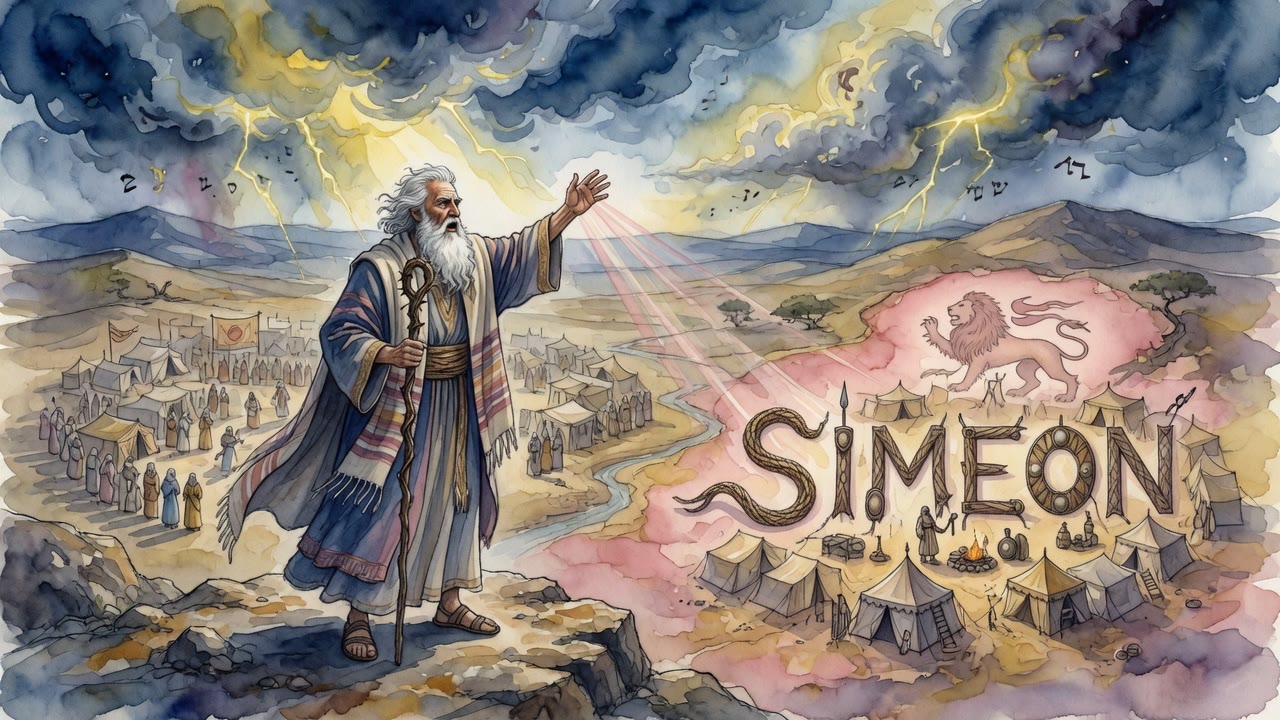
Eleven names left Moses's mouth. The Simeonites waited for the twelfth. He looked at Judah instead and hid the missing blessing there.
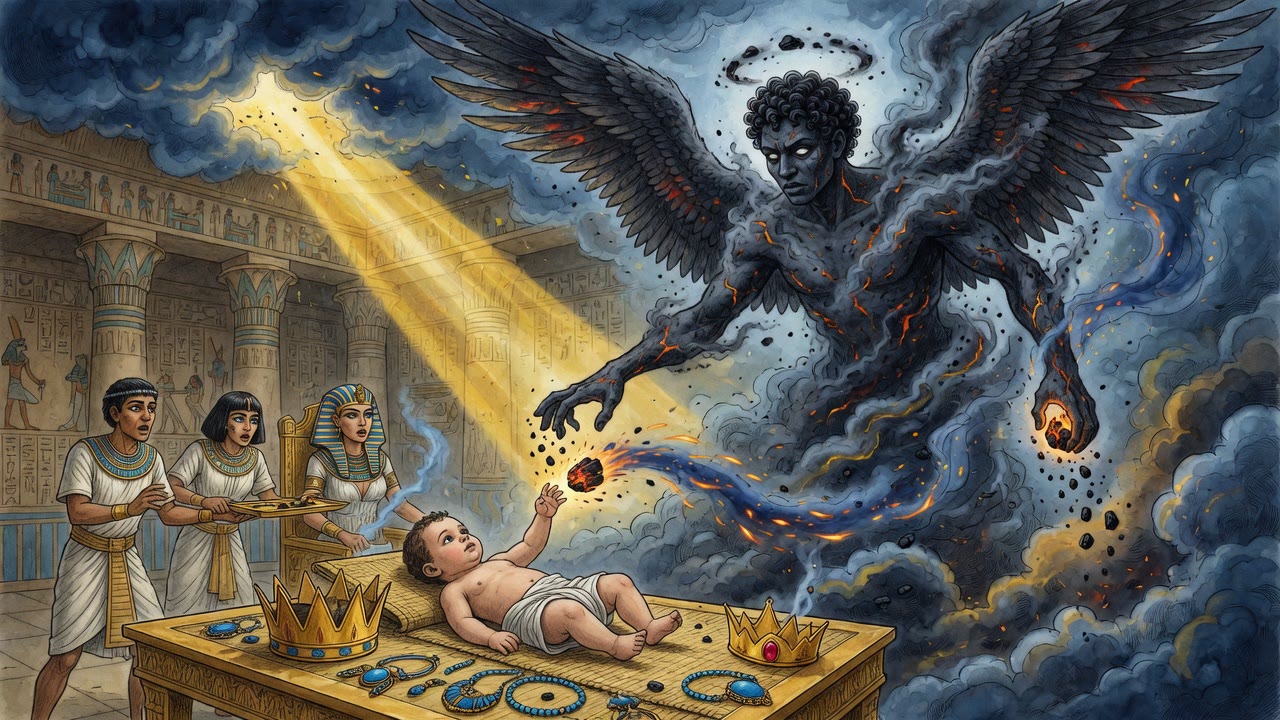
The crown slid down over the boy's ears. Cold air hit Pharaoh's scalp. Along the banquet table, nobody in the hall chewed.
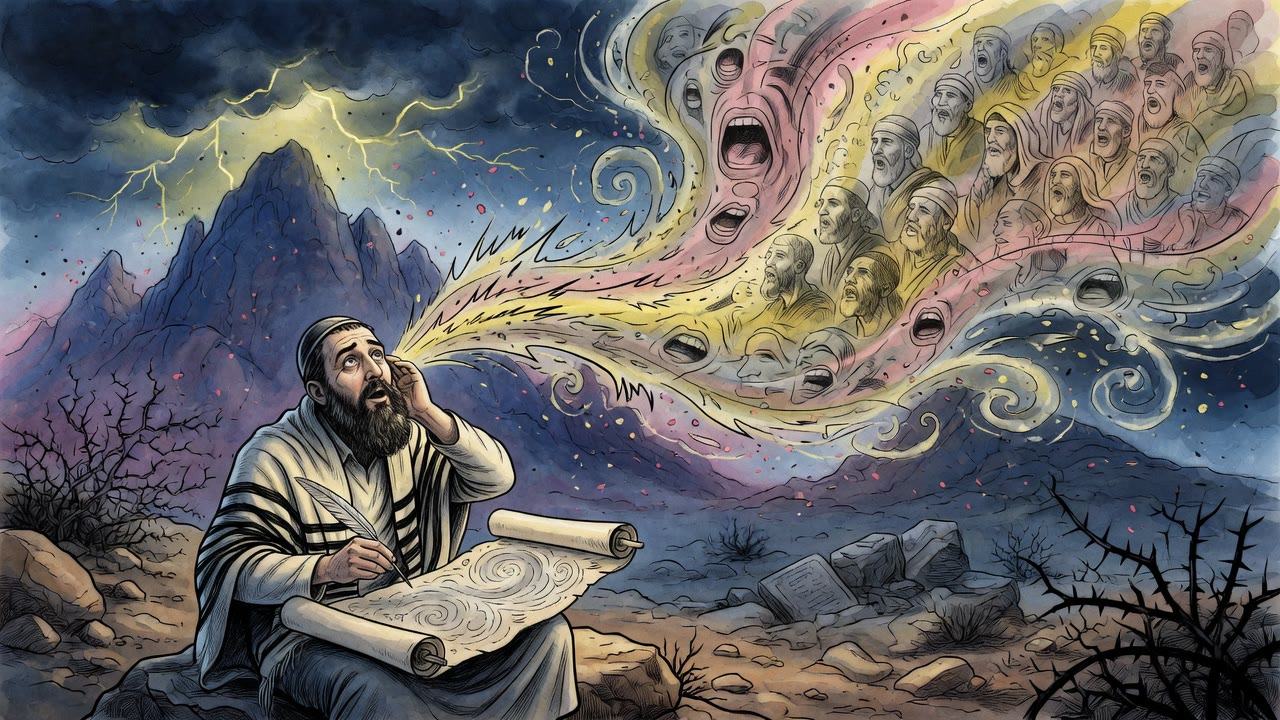
Moses waited at the door of the tent for thirty-eight years and no voice came. He had done nothing wrong. The generation under judgment was dying off.
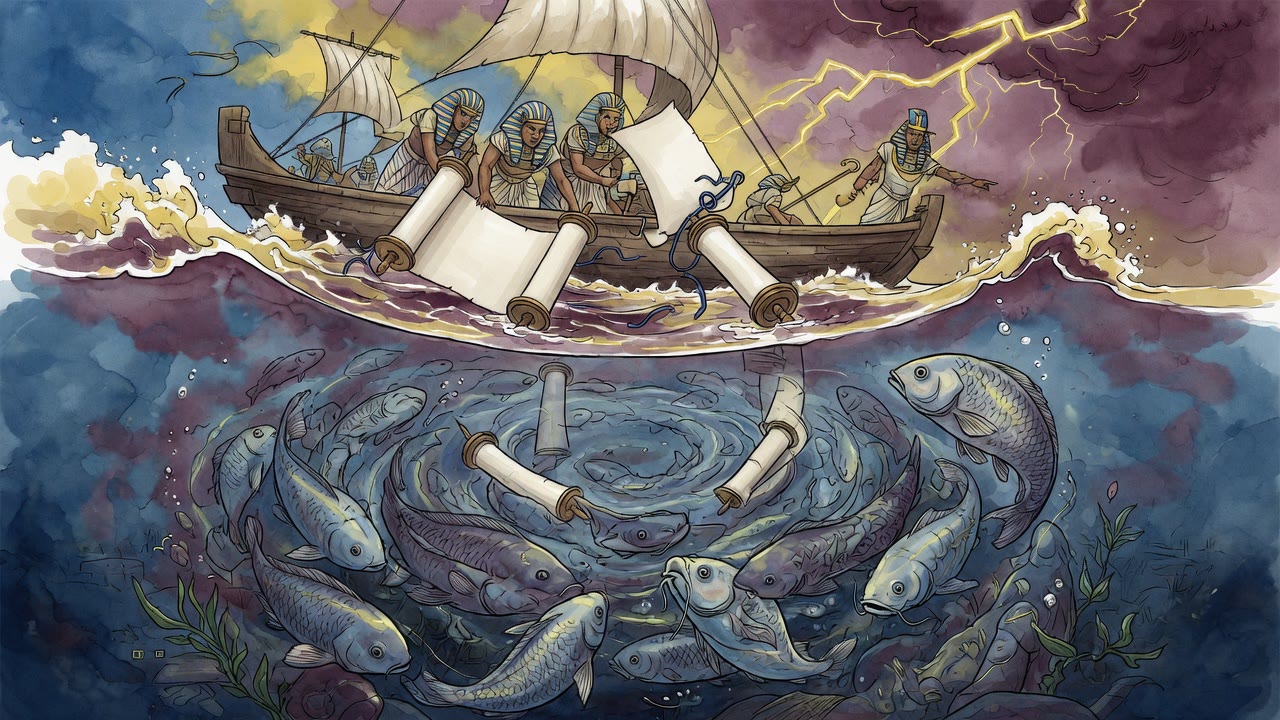
Pharaoh ordered every Hebrew boy thrown into the Nile. The Tikkunei Zohar connects that decree to the fish that swallowed Jonah. Both were the same act.
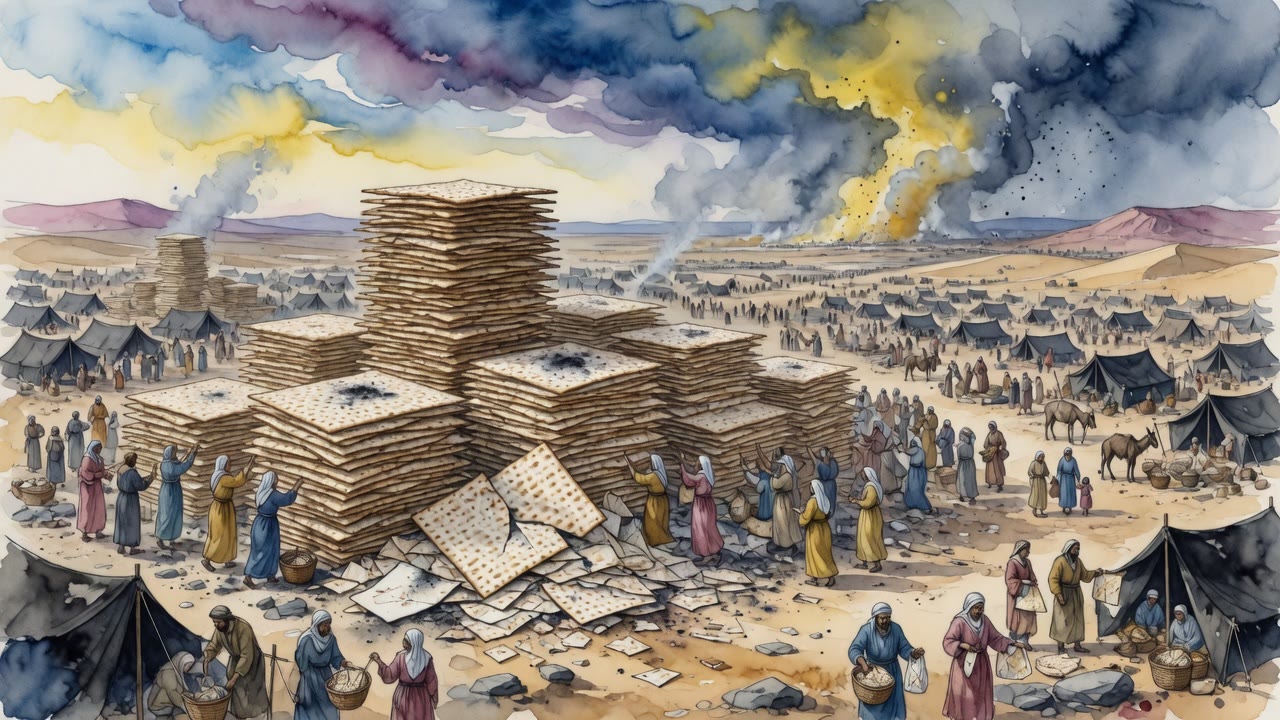
The manna did not fall the first day. Israel walked the wilderness for a full month on the bread they baked against their backs the night they fled.
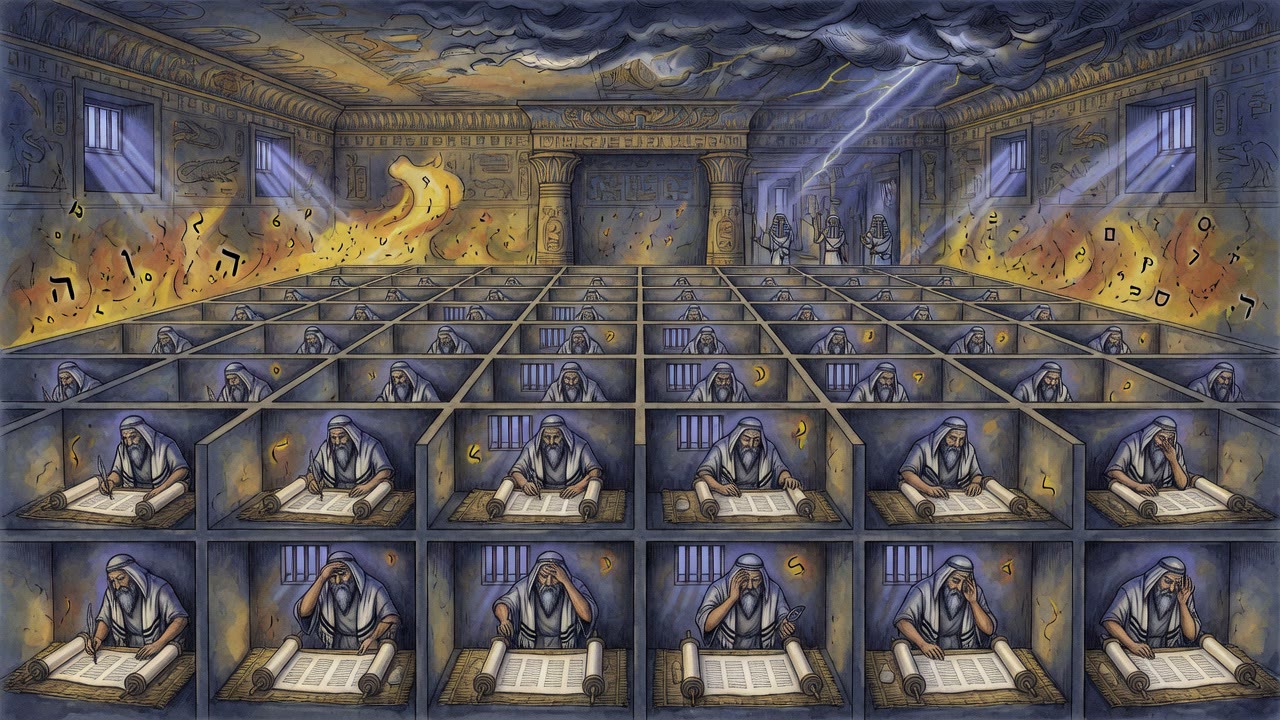
Ptolemy put seventy-two Jewish scholars in separate rooms and demanded a Greek Torah. Each made the same thirteen changes without consulting the others.
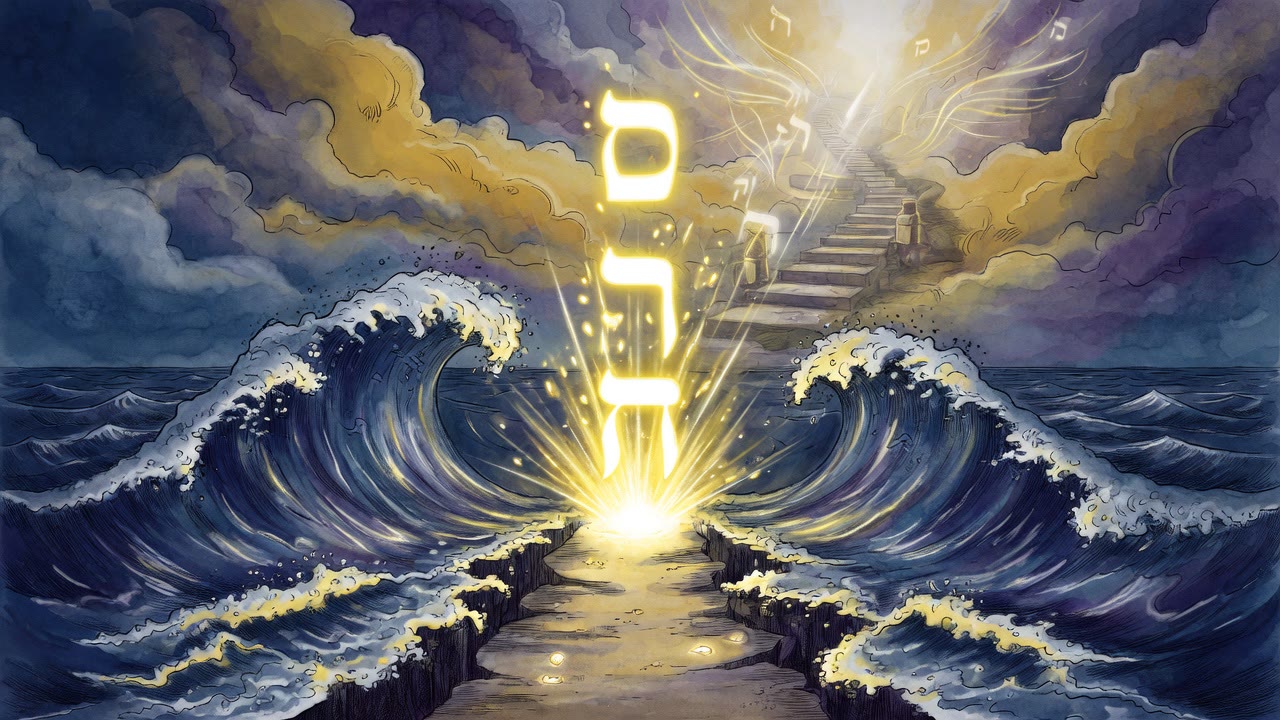
The sea did not split for the crying people at the water's edge. It split because of one word God spoke at Beth-el, long before.
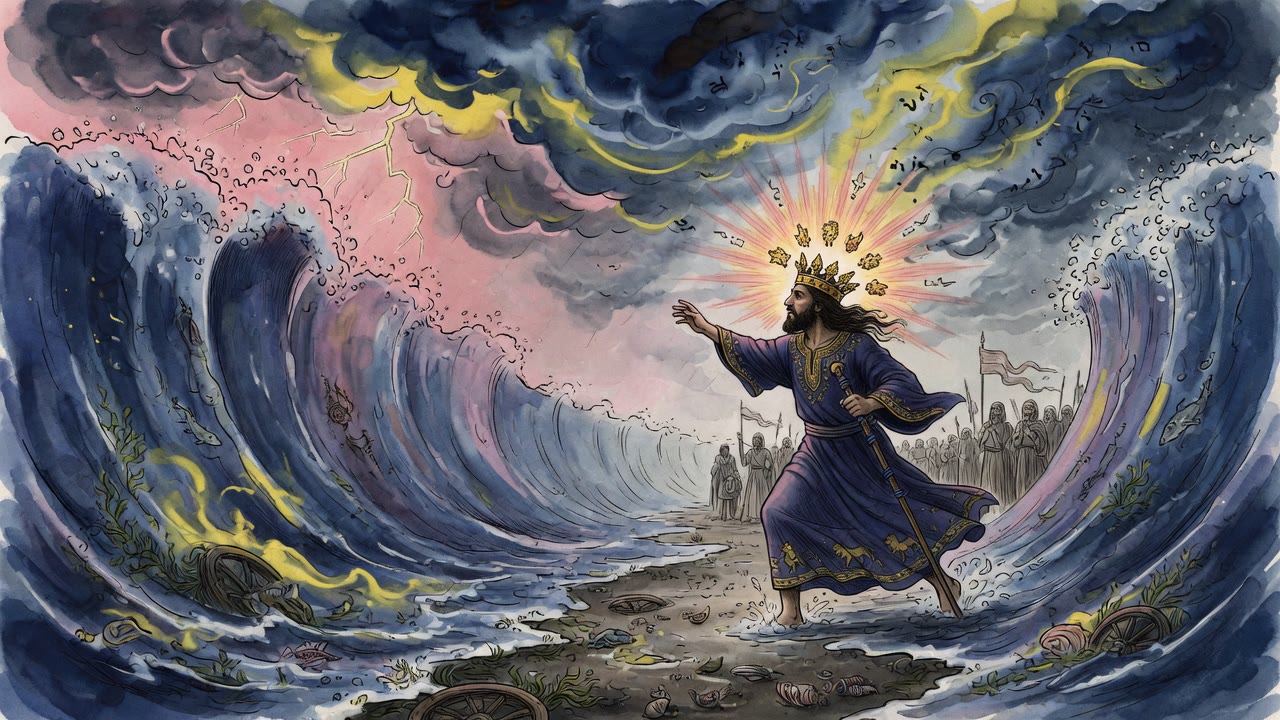
Before a single wave moved, one man waded into the crashing sea up to his throat, and that step decided who would rule Israel.
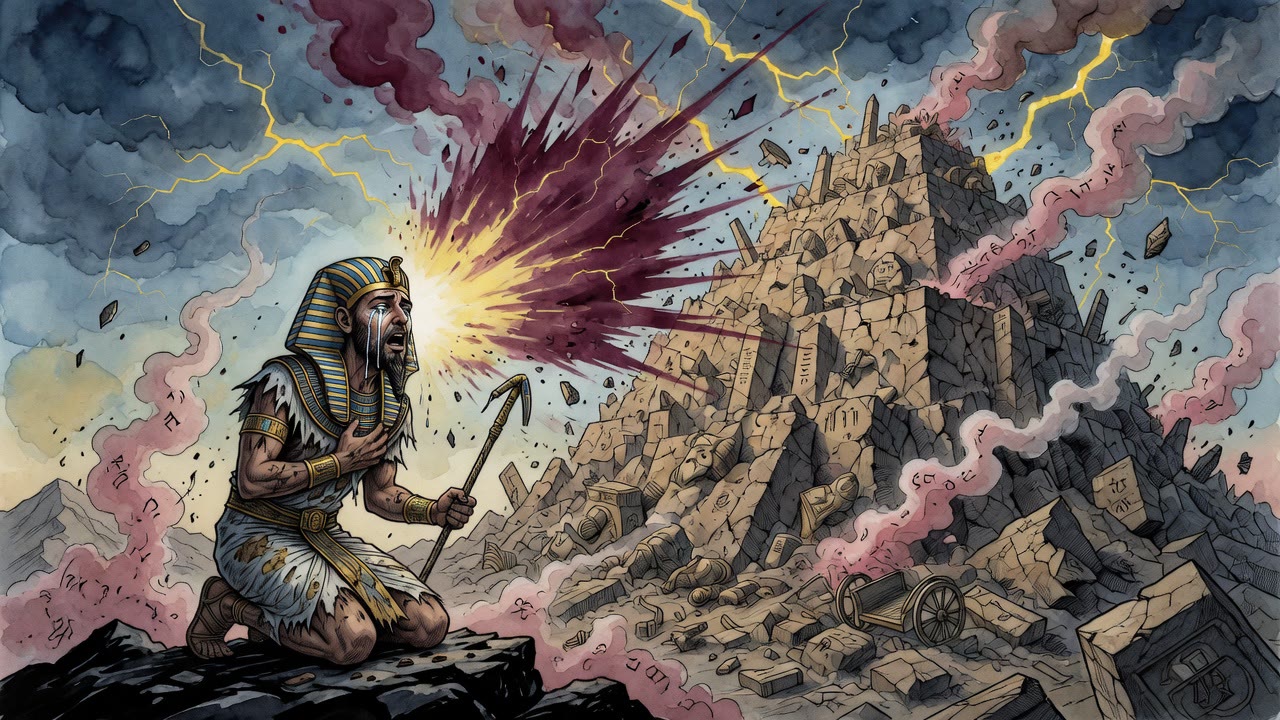
Lions paced the dunes so no fugitive could get through. Pharaoh called Israel nevuchim, lost. The word also names Nevo, the mountain where Moses would die.
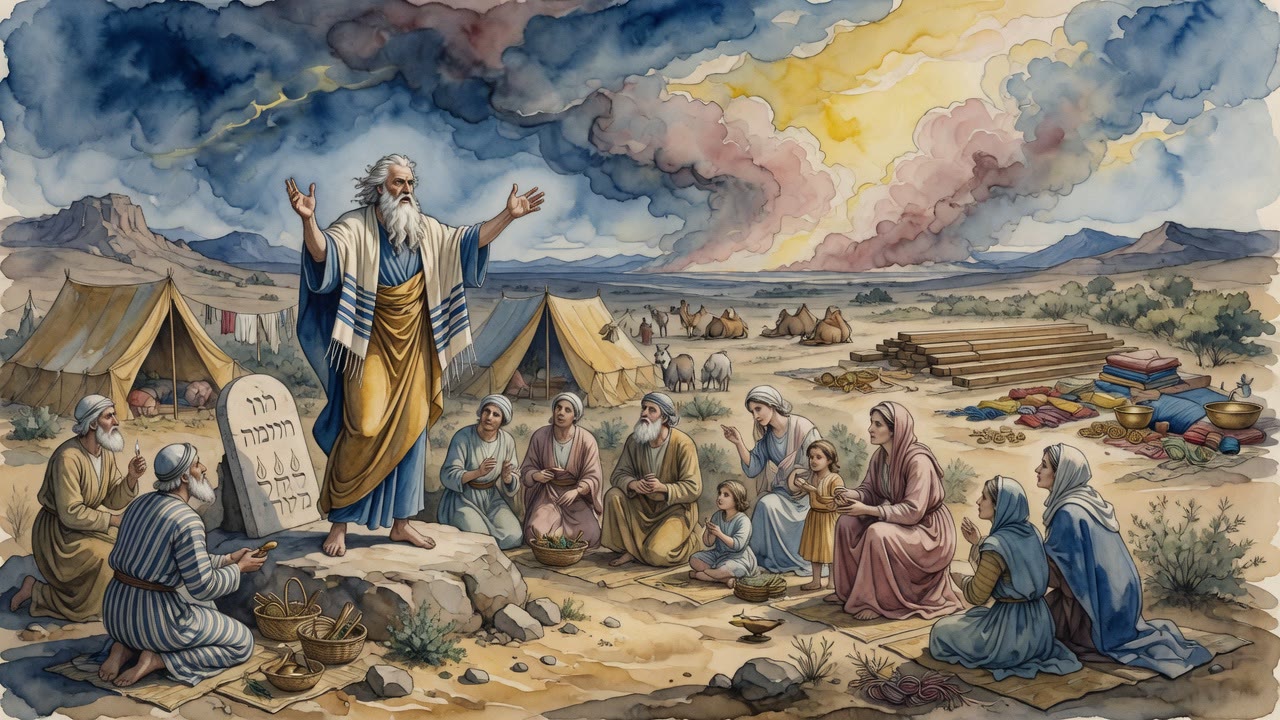
The gold was donated and the craftsmen were ready. Moses stopped the entire assembly first to teach them one rule that overrode everything else.
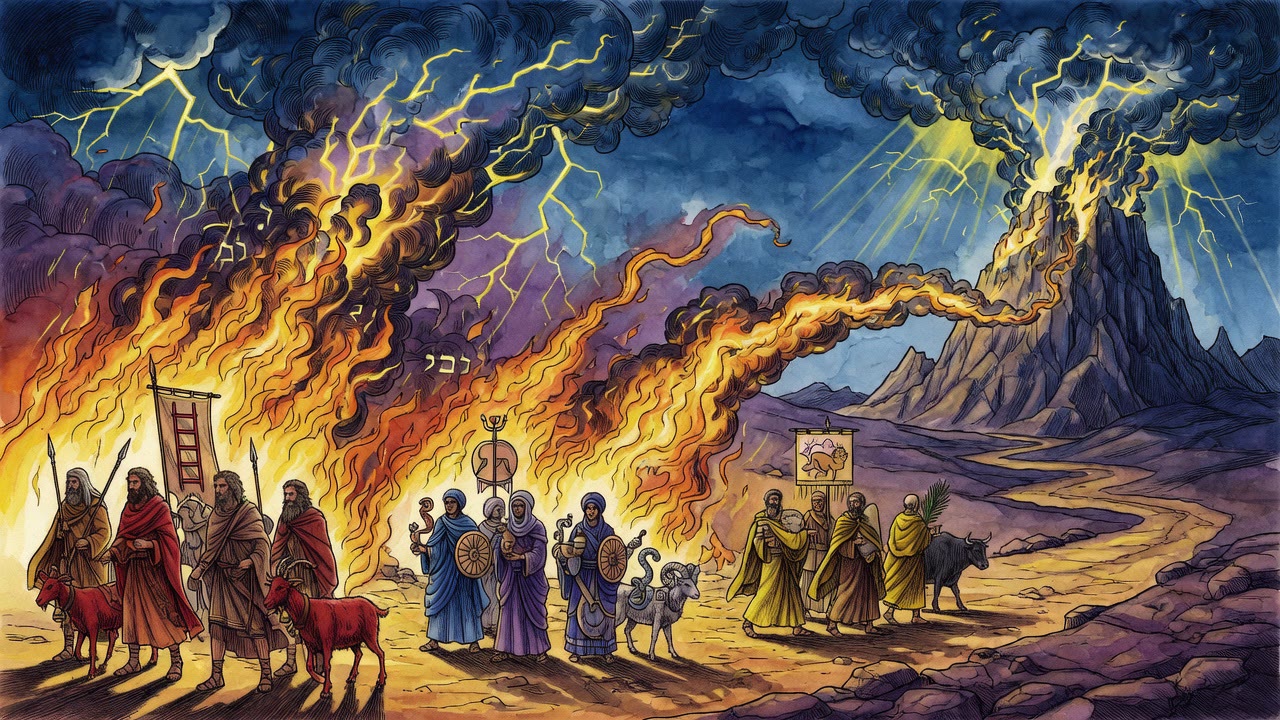
Before Israel ever said yes, God walked to Esau, then to Ammon and Moab, holding out the Torah. Each nation asked one question, then turned away.
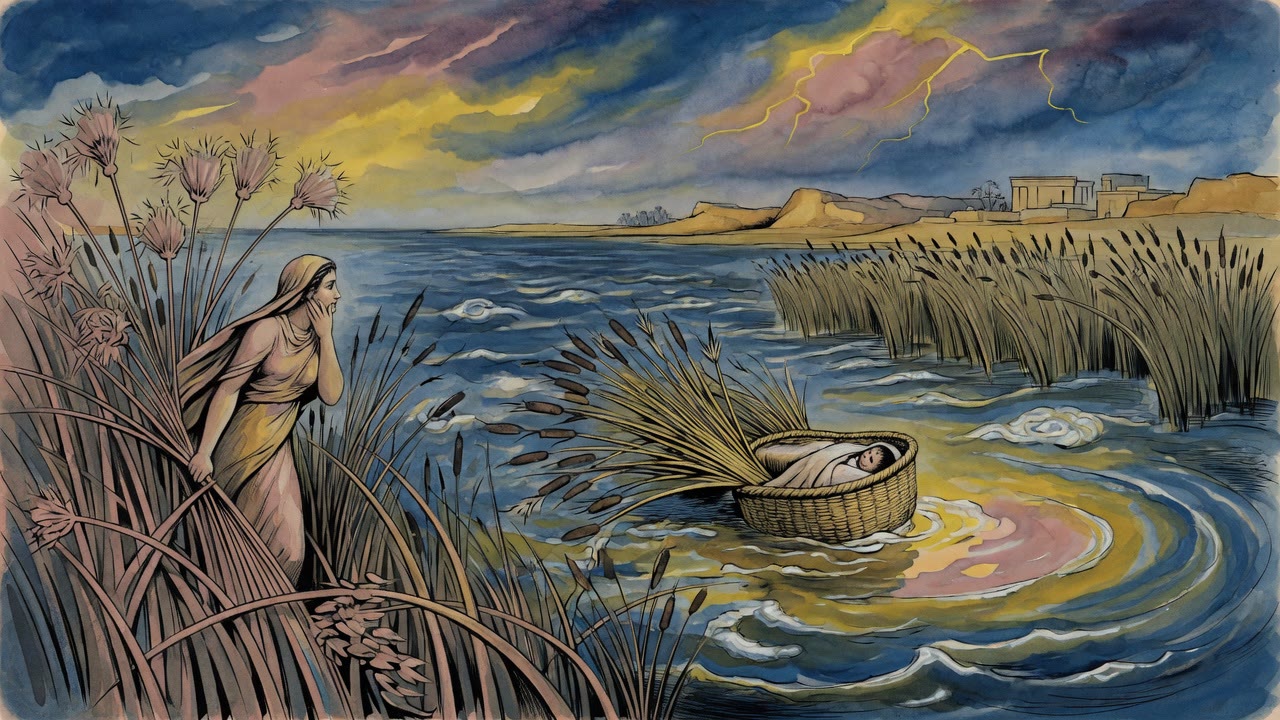
A girl plants her feet on the riverbank and watches her brother's basket drift, while her father's question still rings: where is your prophecy now?
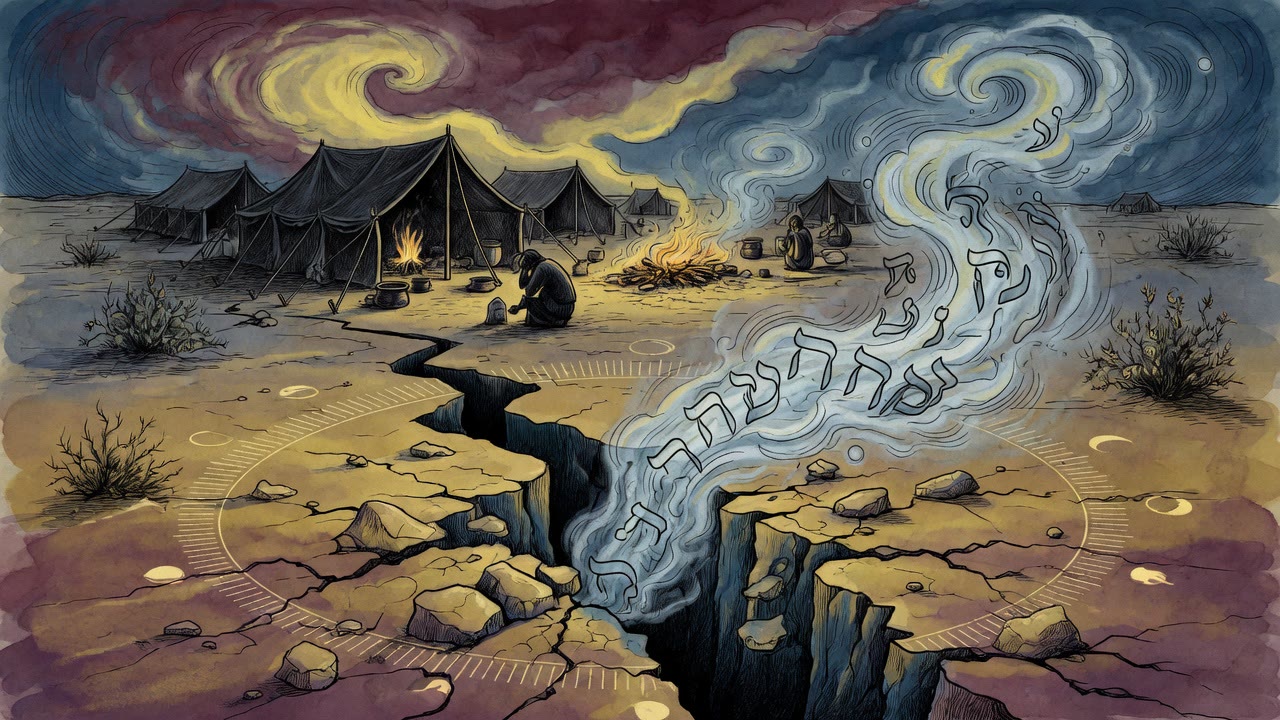
A Bedouin led Rabbah to two smoking cracks in the desert. Wet wool on a spear came up scorched. From below, Korah was still talking.
