1,018 myths · Page 2 of 34
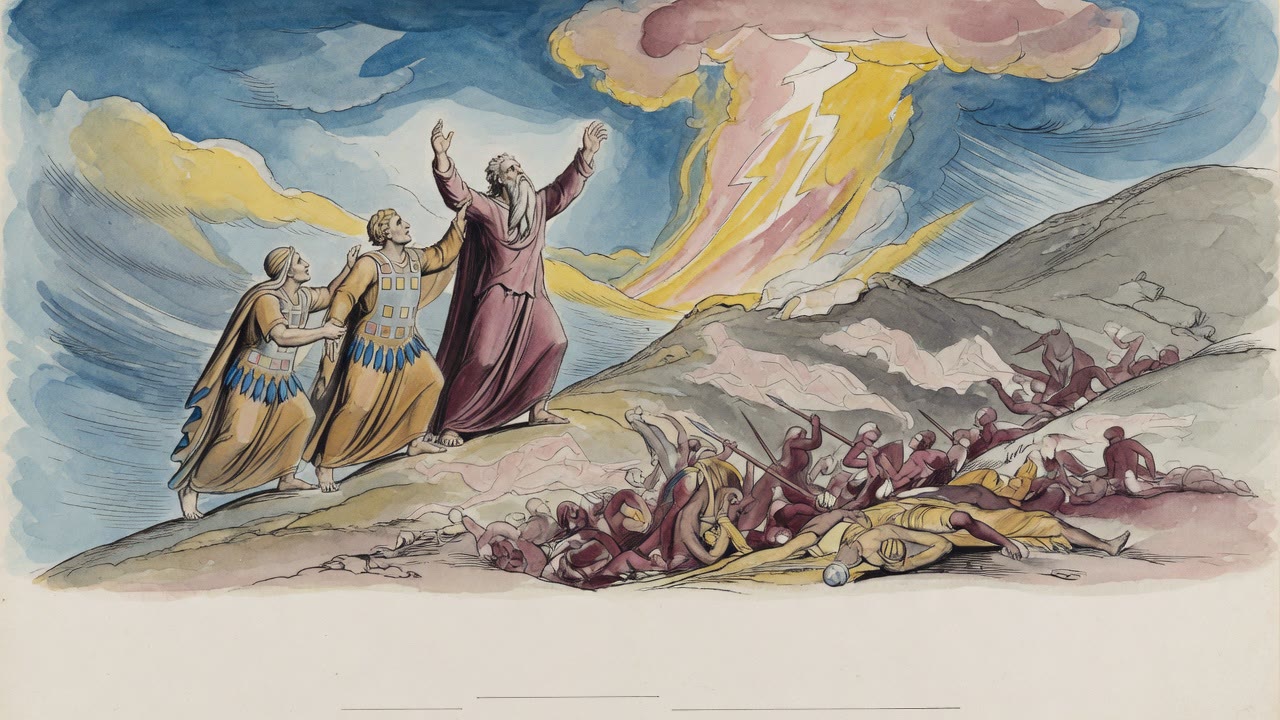
Moses, Aaron, and Hur climb a hill above the battle with Amalek, and the names they carry up are not the living but the dead.
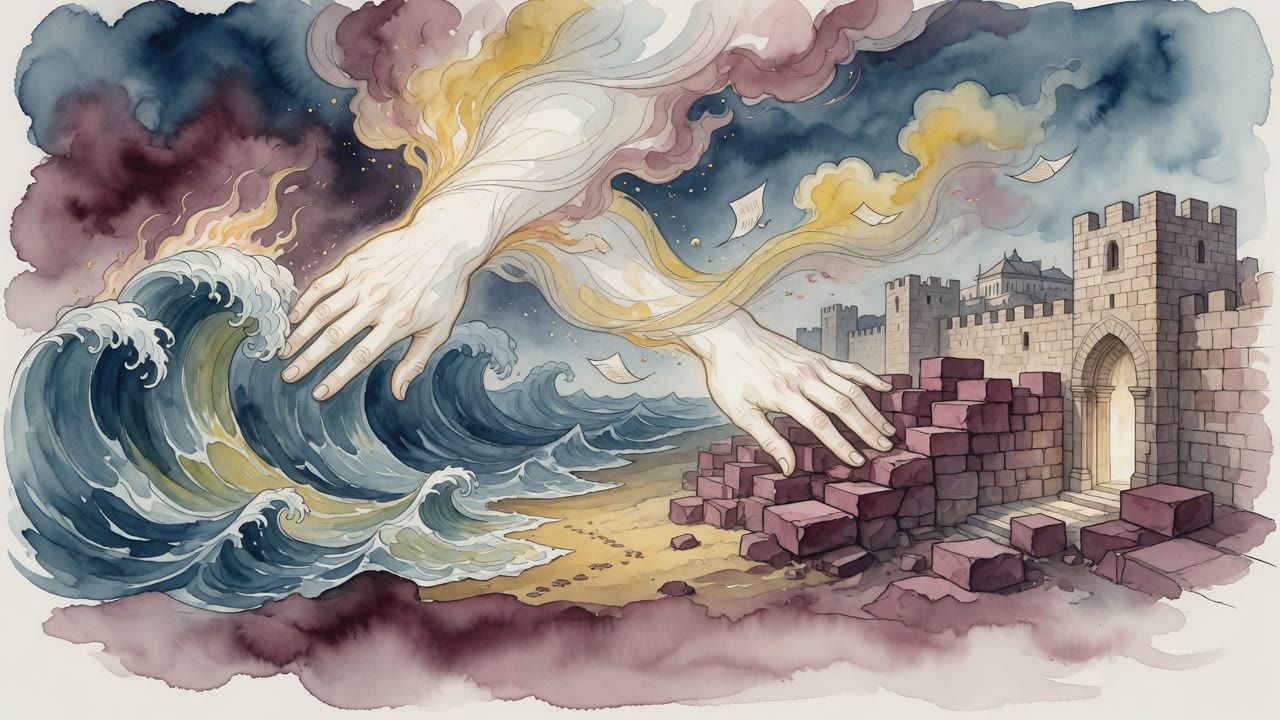
The sea had already closed. Moses still sang about the hand that pulled them out. Later he cursed the sun for lighting the burned house.
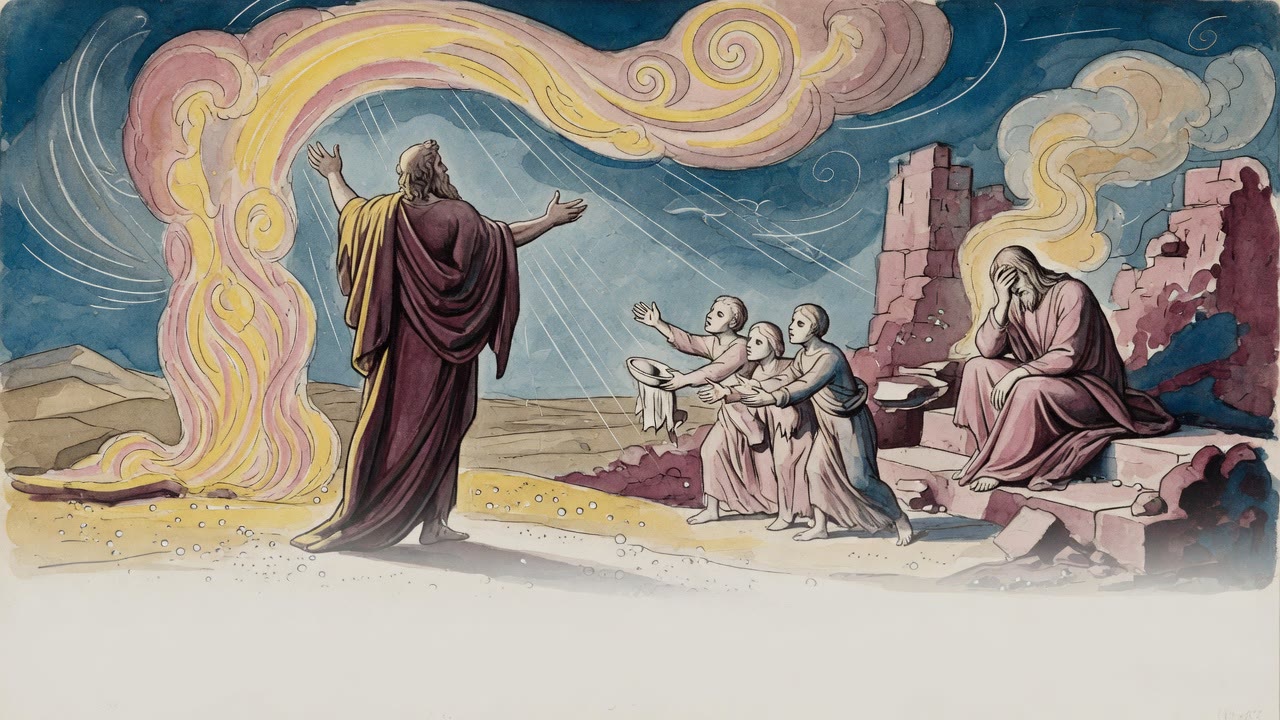
The grain from Egypt ran out in Canaan. Jacob's grandchildren pulled at his robe and asked for bread, and the tears that came to him were scorching.
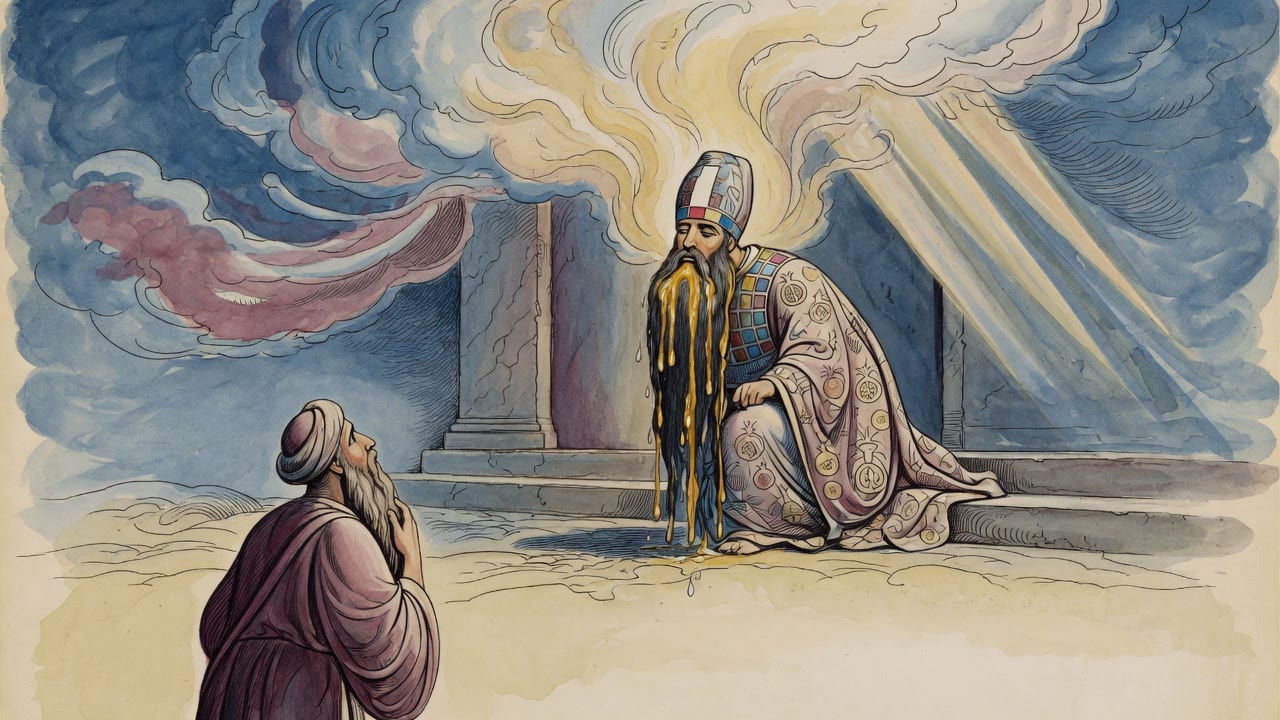
Moses tipped the holy oil over Aaron's head and felt it slide onto his own beard. One wet drop nearly broke him with fear.
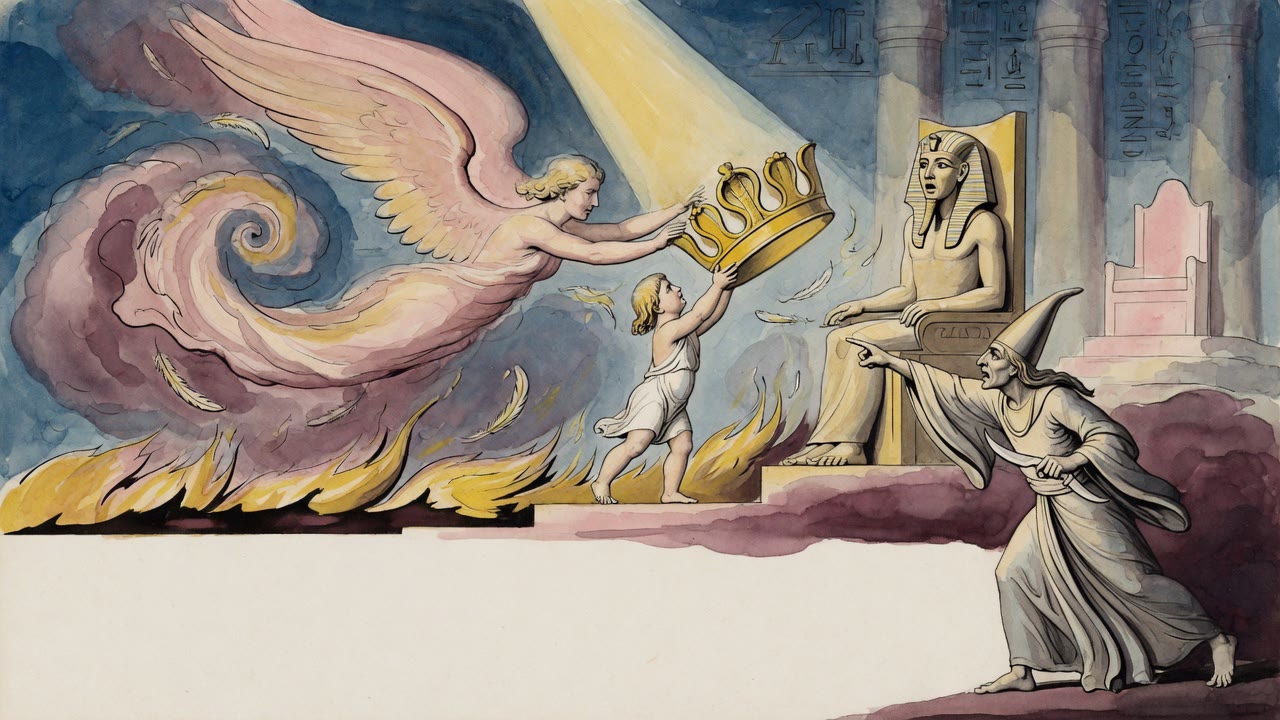
The child was three. He took the crown off Pharaoh's head and set it on his own. A sorcerer in the room called for his death.
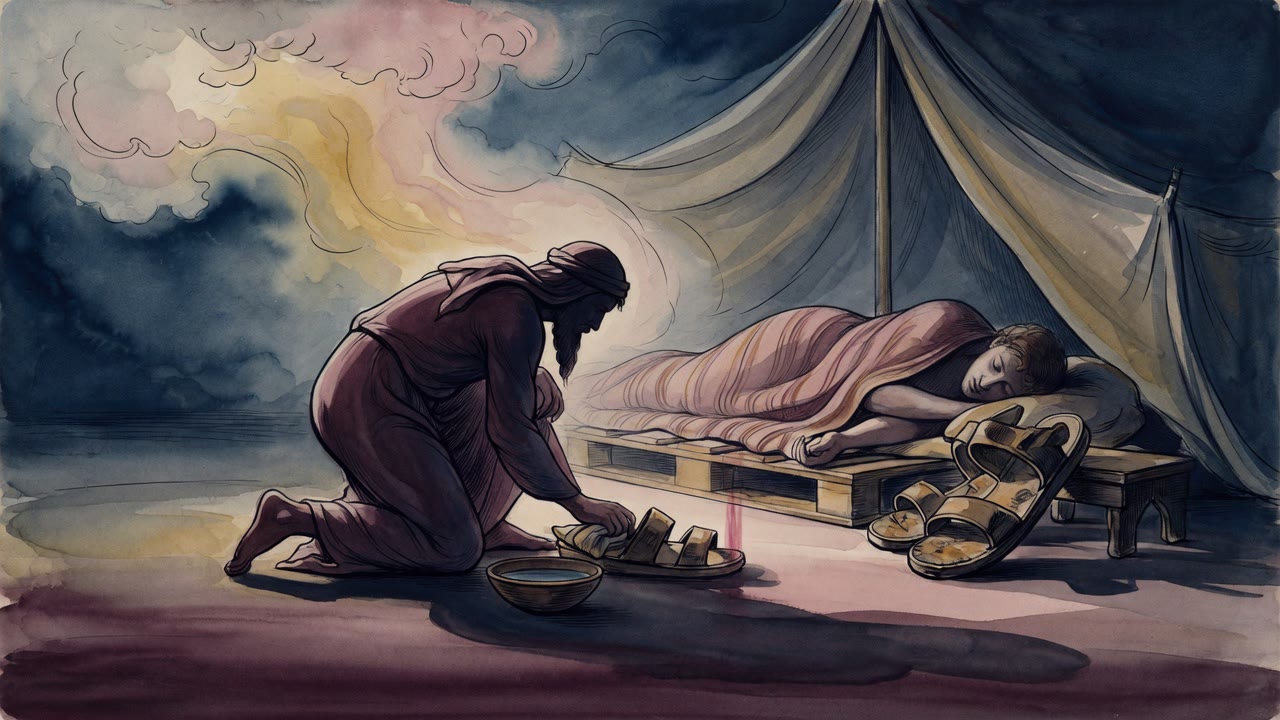
Joshua woke to a folded shirt by the pillow. The shoes sat clean beside the bed. He never saw who had knelt there in the dark.
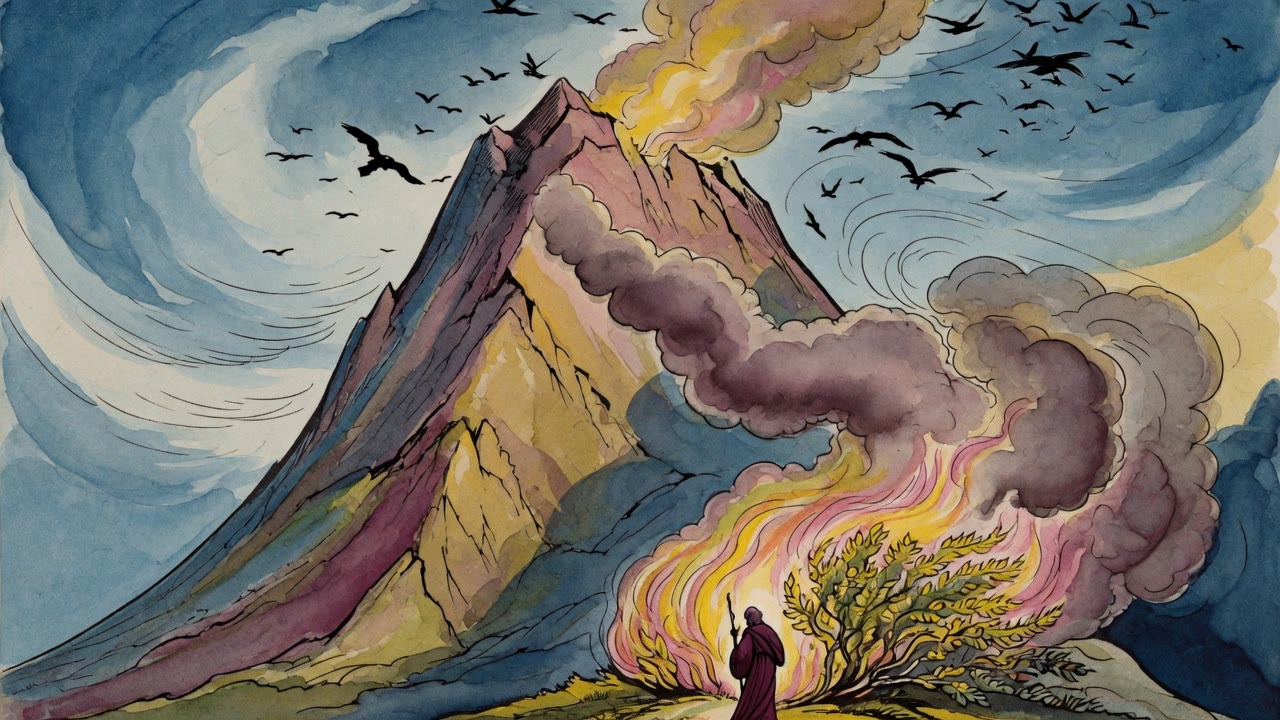
Birds banked away from the peak. The mountain leaned toward Moses like a man at a door, and the bush blossomed while it burned.
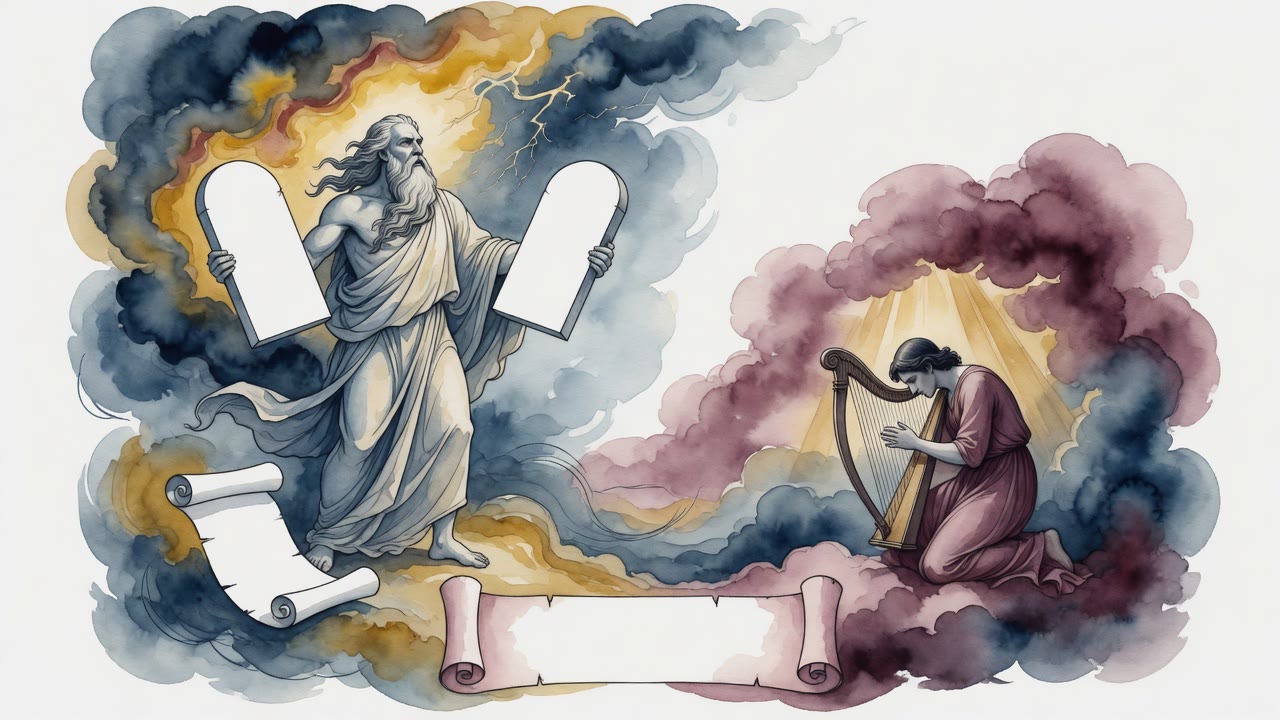
Two leaders, two sins, two opposite requests. One asked God to carve his failure into the Torah forever. The other asked God to bury it.
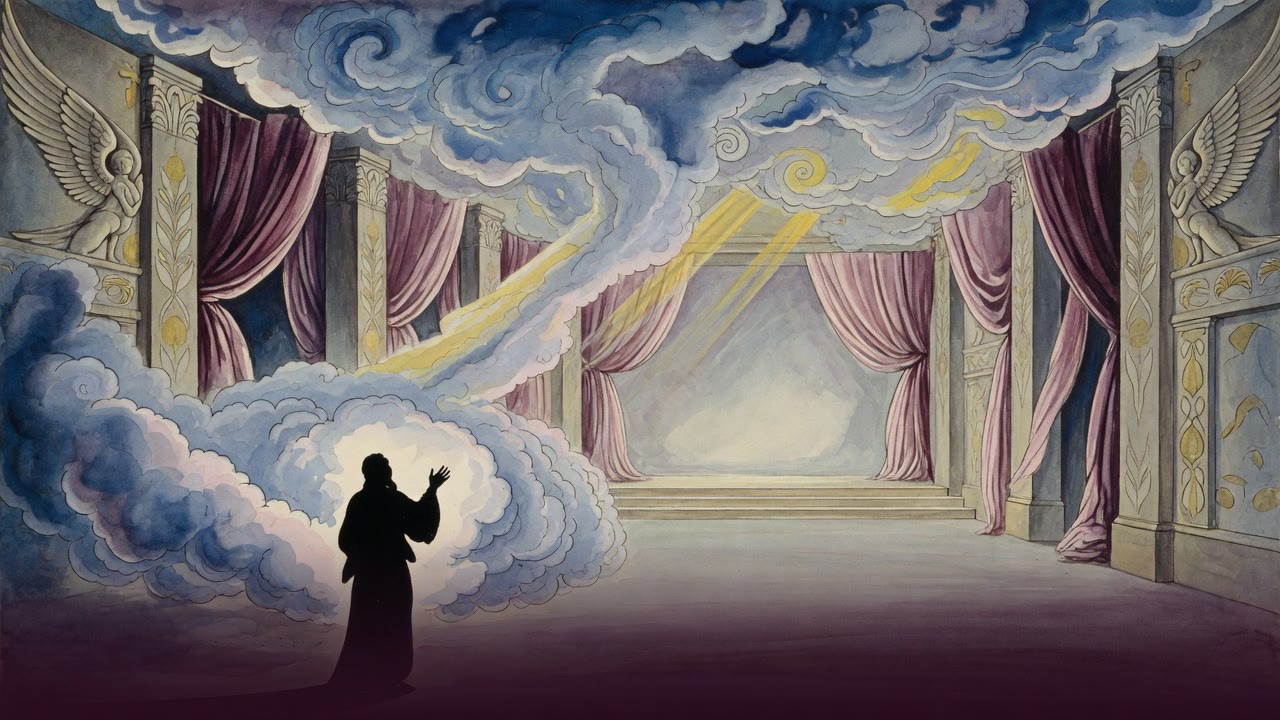
A portable tent in the desert held a sanctuary twice as large as the one Solomon built in Jerusalem. The rabbis argued about why for a thousand years.
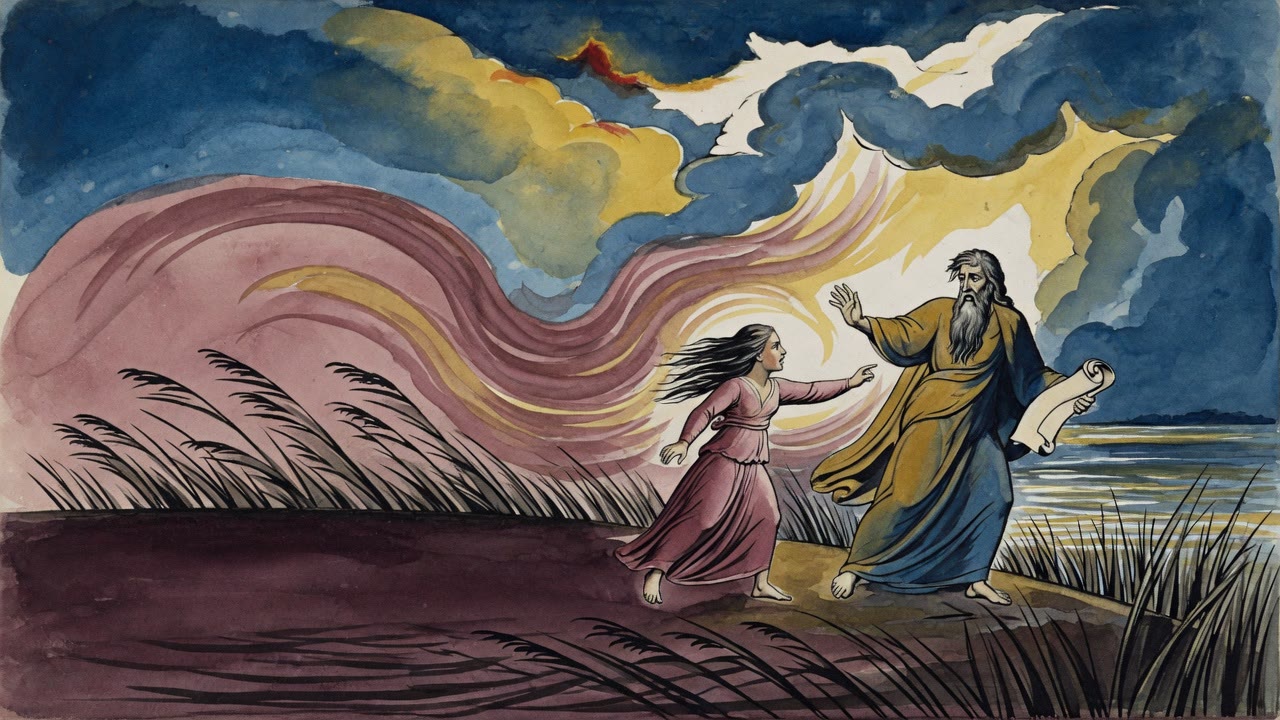
A six-year-old girl told her father his decree was worse than Pharaoh's. Then Miriam prophesied the child who would save Israel.
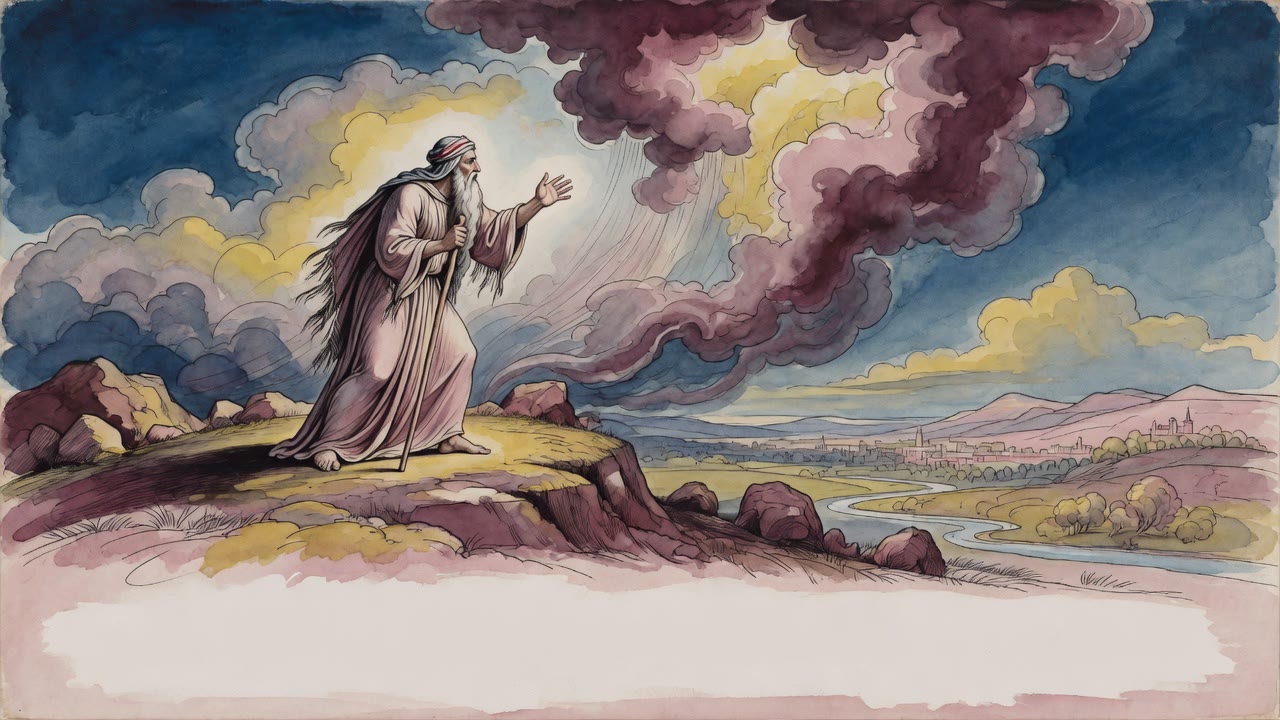
At the border he will never cross, Moses tells God that Adam broke one command and died, while he broke none. So why must he die too?
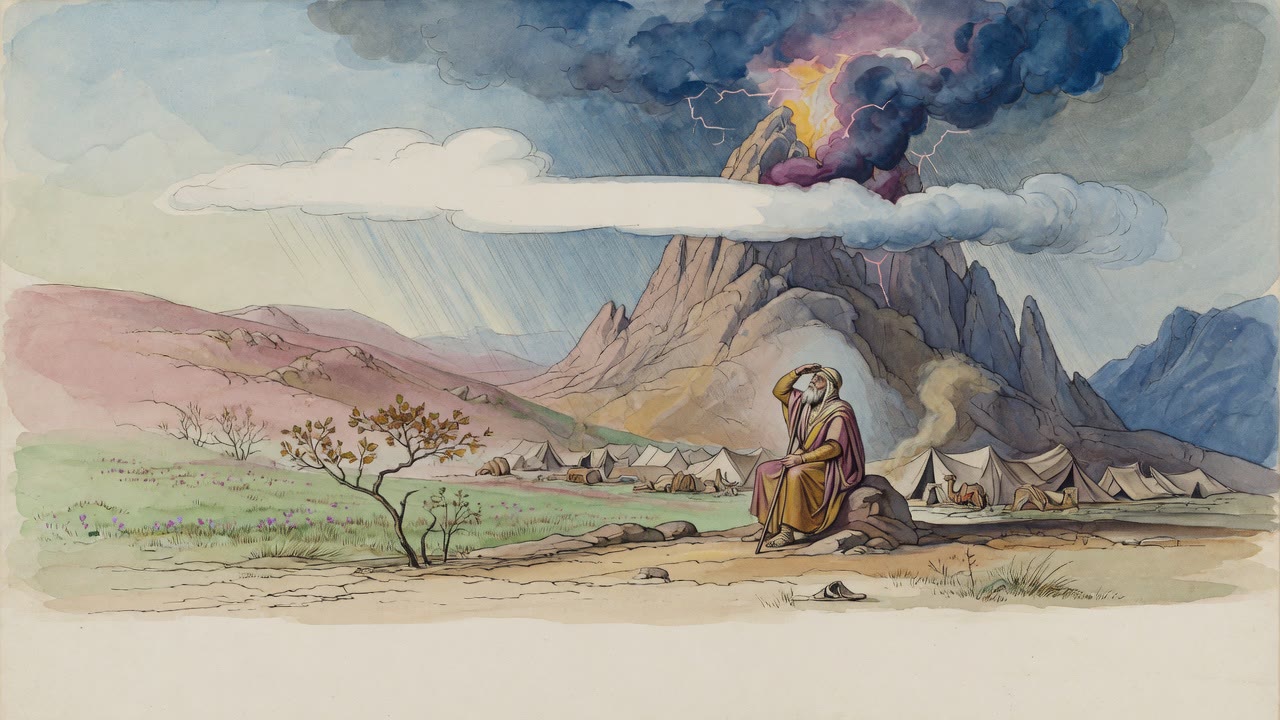
Moses vanished into the clouds of Sinai for the better part of a year. When he finally came back down, his father-in-law was still there waiting.
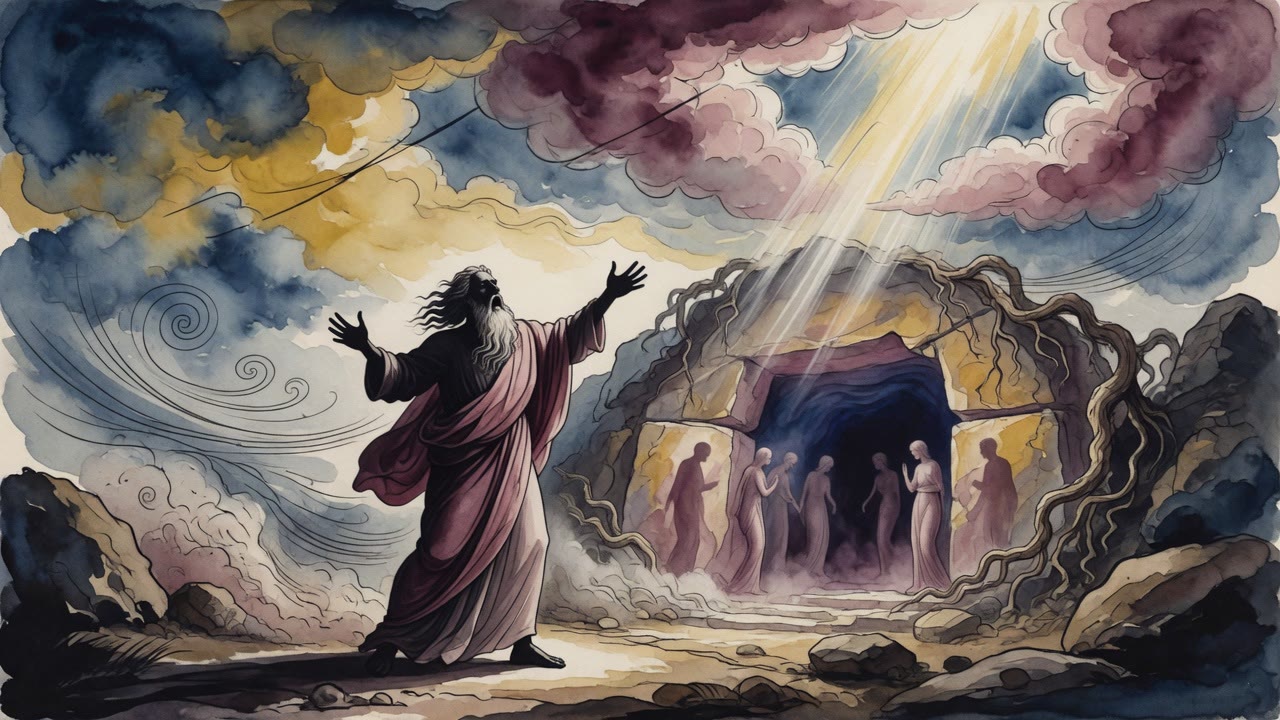
Five angels of wrath were already moving toward Israel. Moses ran to the cave at Hebron and begged the buried patriarchs to stand and intercede.
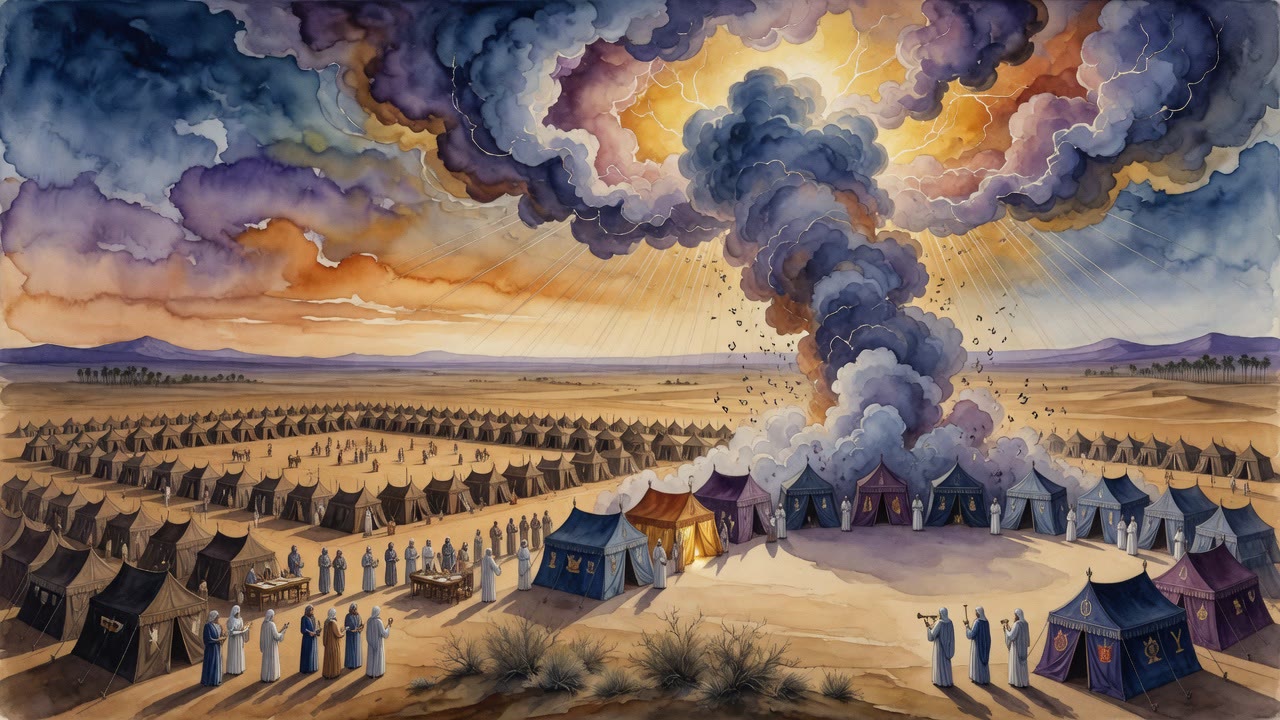
No prince of Levi came forward. Moses stood at his brothers' tents until the voice told him the war list was already a list of graves.
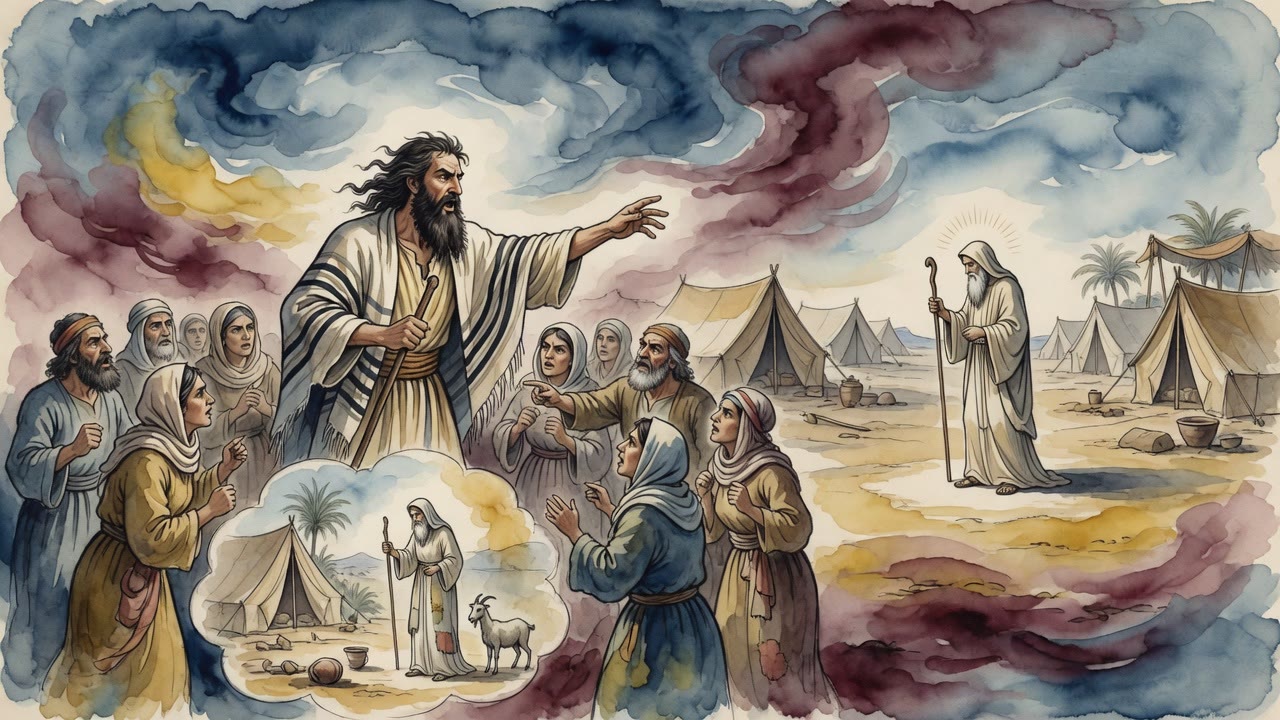
Korah did not start his rebellion with a speech. He started it with a story about a poor widow that made every listener hate Moses on the spot.
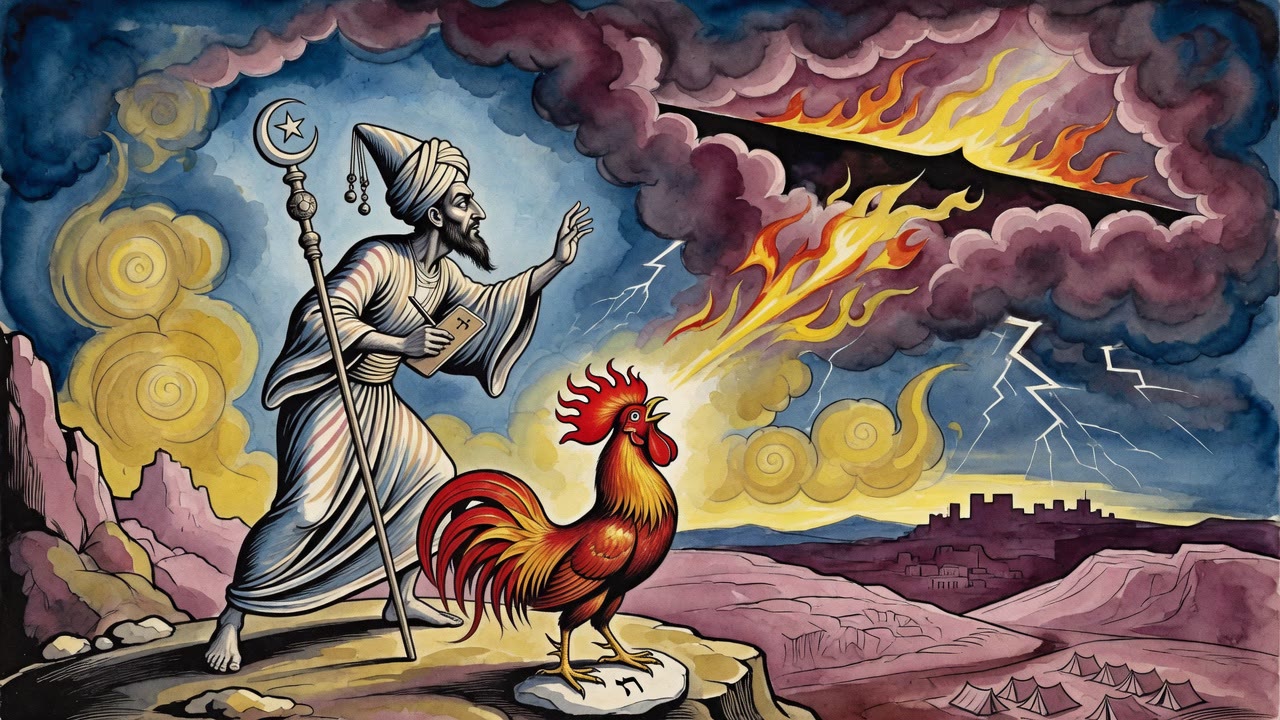
Balaam's rivals could not figure out how he worked. The rabbis said he had learned to read a rooster's comb, and it told him when God was furious.
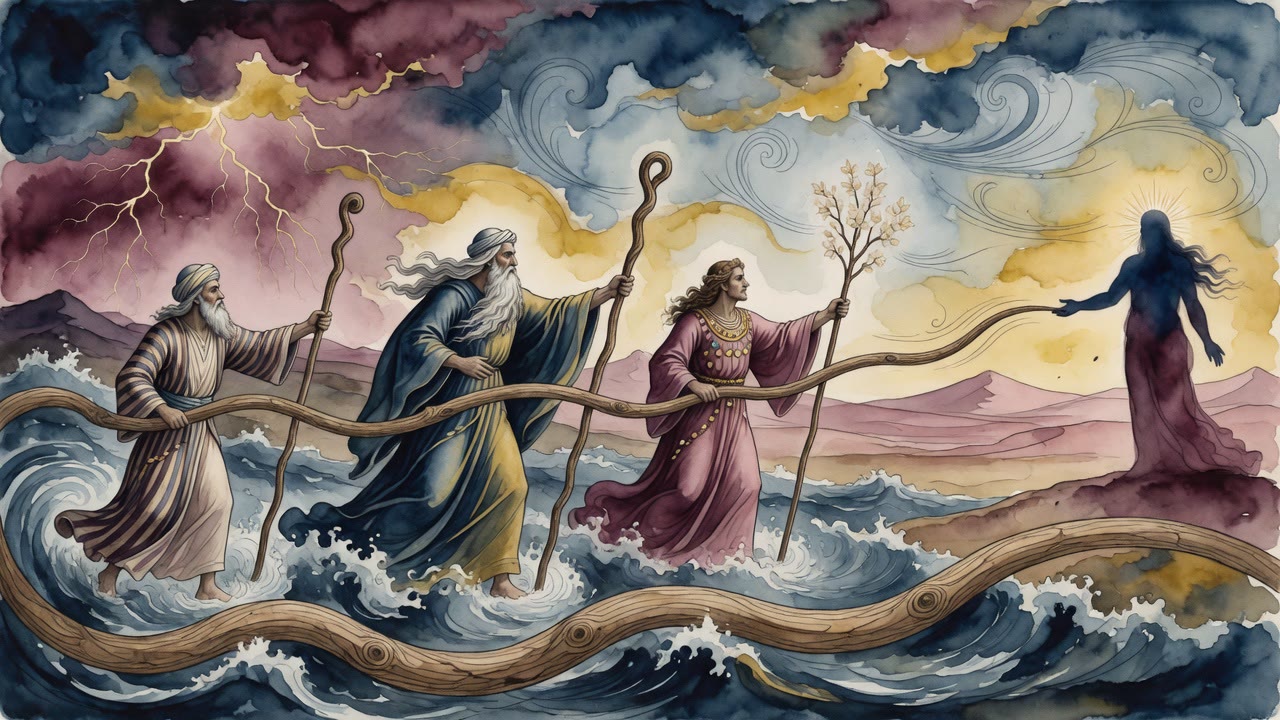
Jacob crossed the Jordan holding one staff. Centuries later that same wood was in Moses's hand, then Aaron's. The Messiah will hold it last.
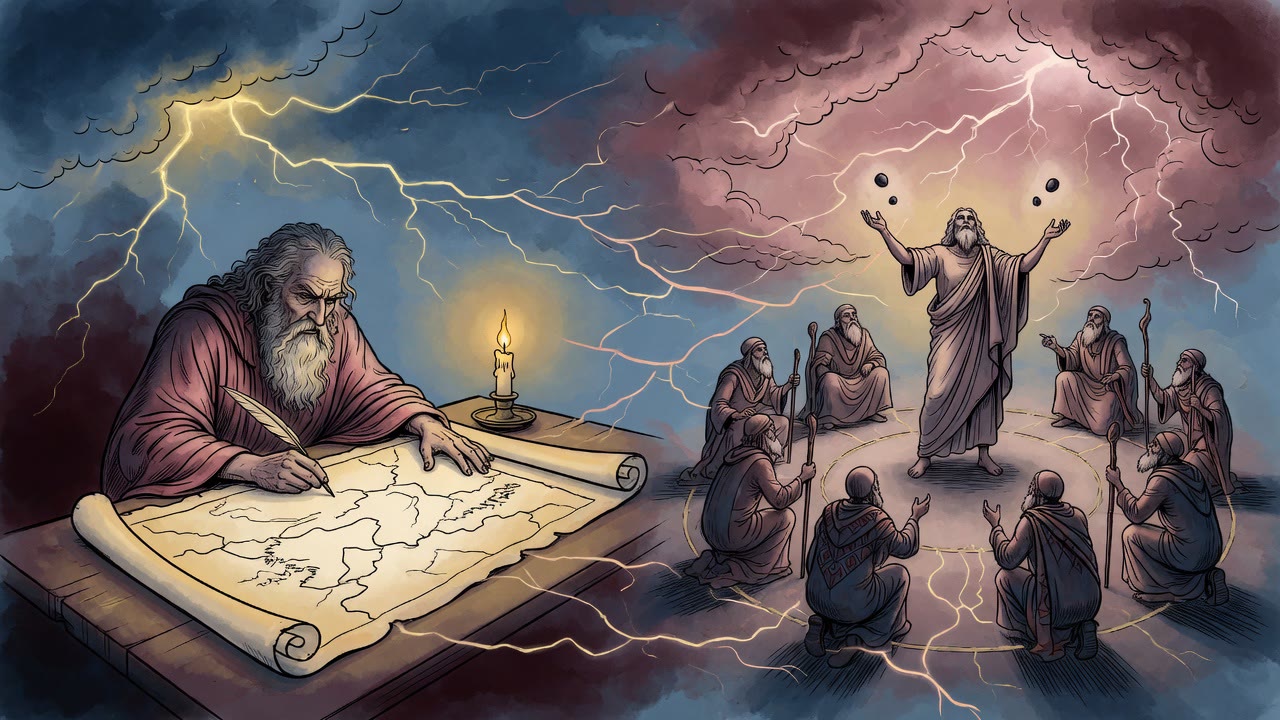
Samael came to take Moses and found him writing the Name of God. The angel's eyes went dark, he fell to his face, and still Moses refused.
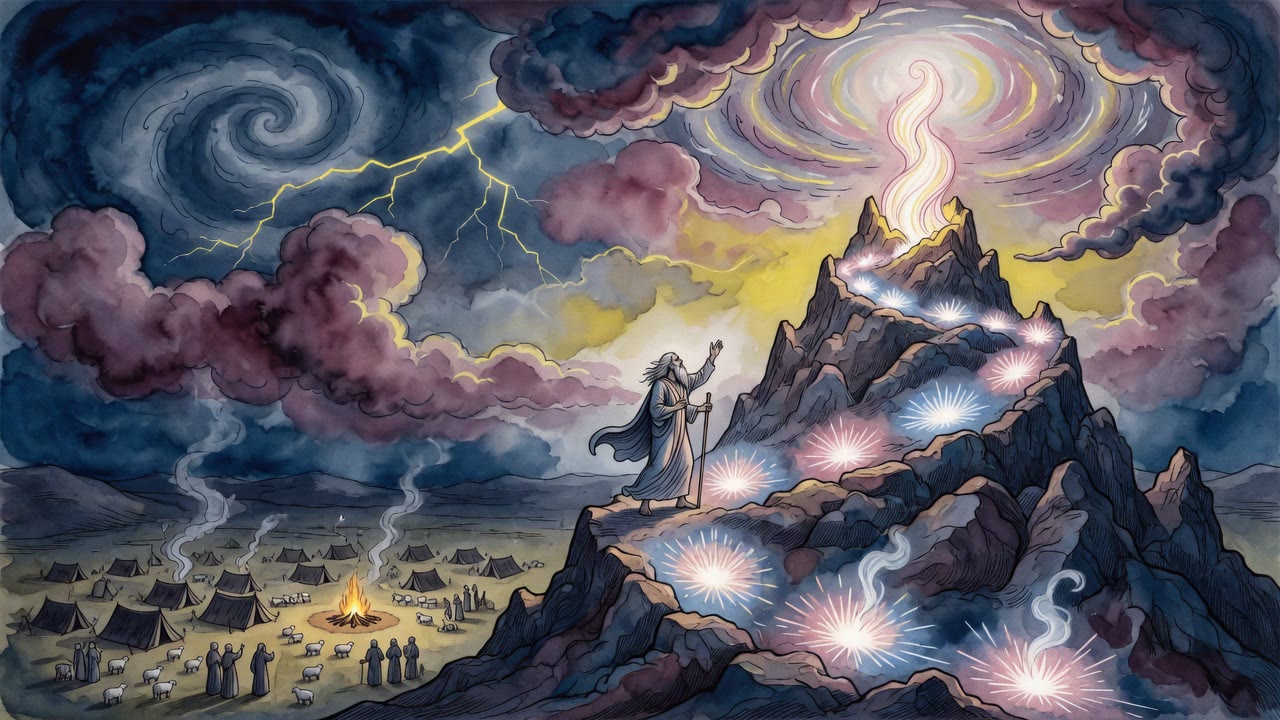
The Mekhilta reads Exodus 19 and finds something hidden: God gave one commandment at a time and waited each time for Moses to return with Israel's answer.
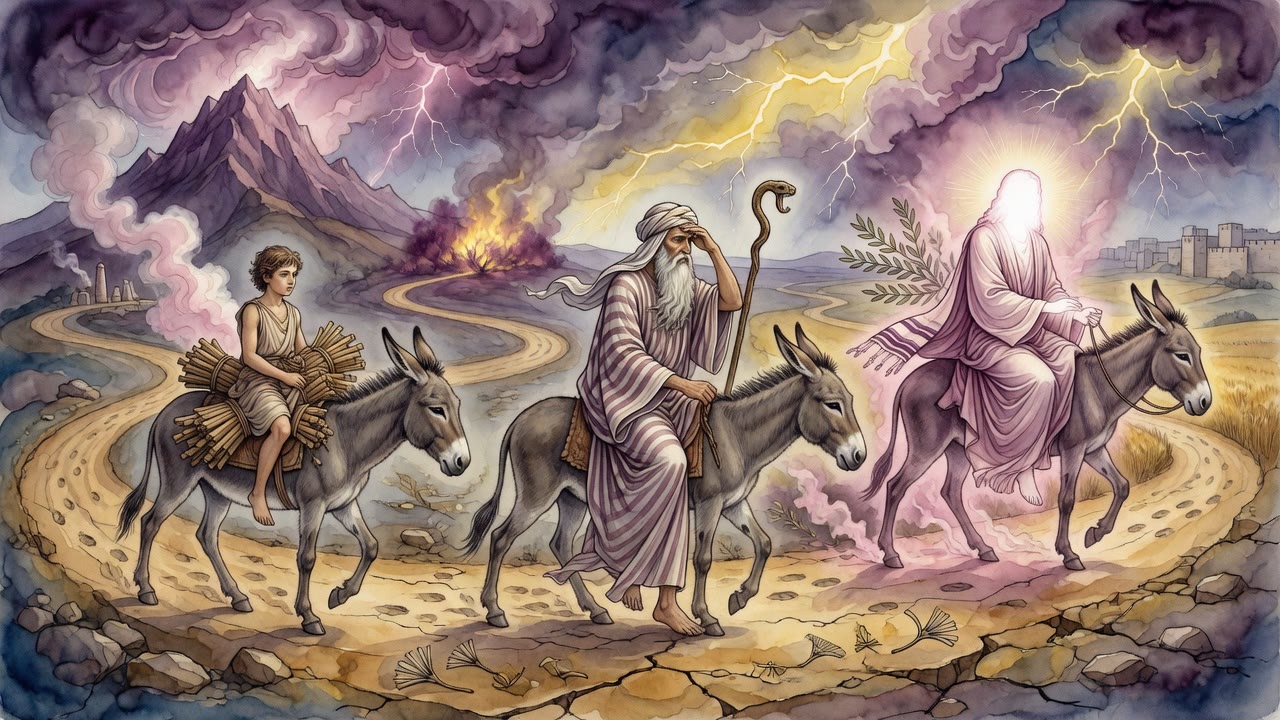
One donkey carried Isaac to the Akeidah, then Moses toward Egypt. The rabbis traced it as the same beast that will carry the Messiah at the end of days.
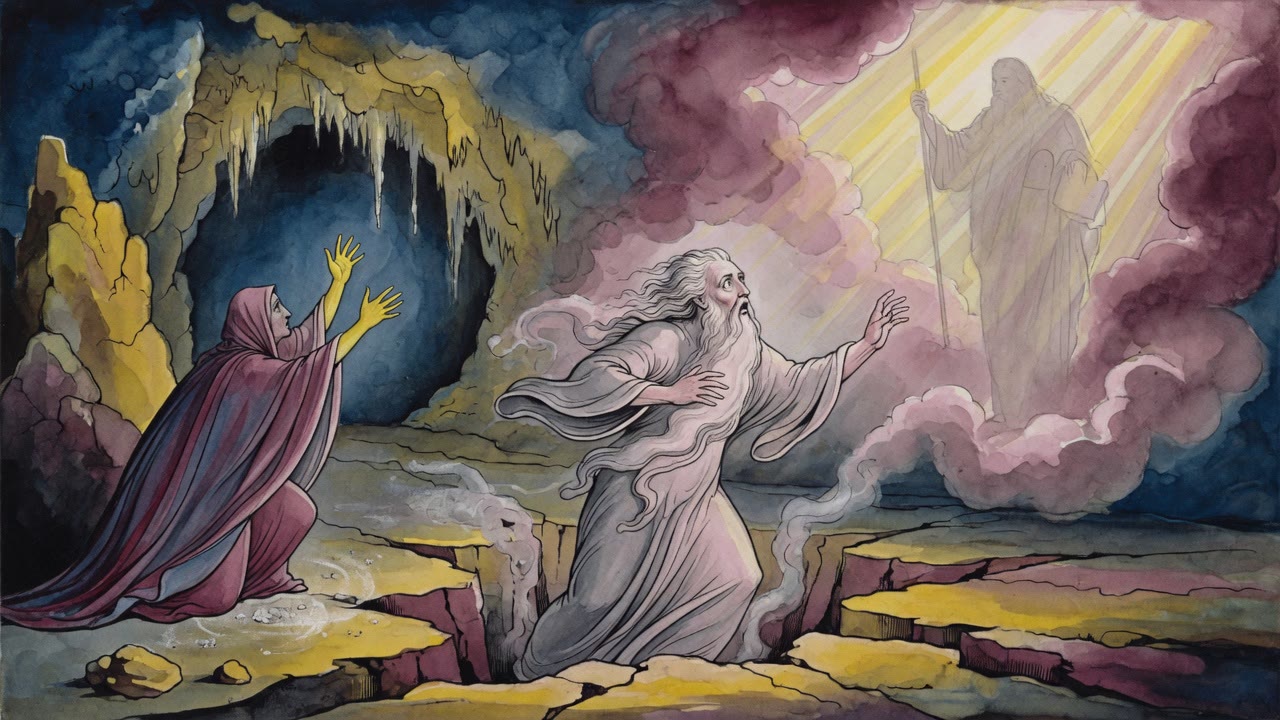
When the witch of En-Dor conjured Samuel back from the dead, he assumed the Final Judgment had arrived and went immediately to find Moses as his witness.
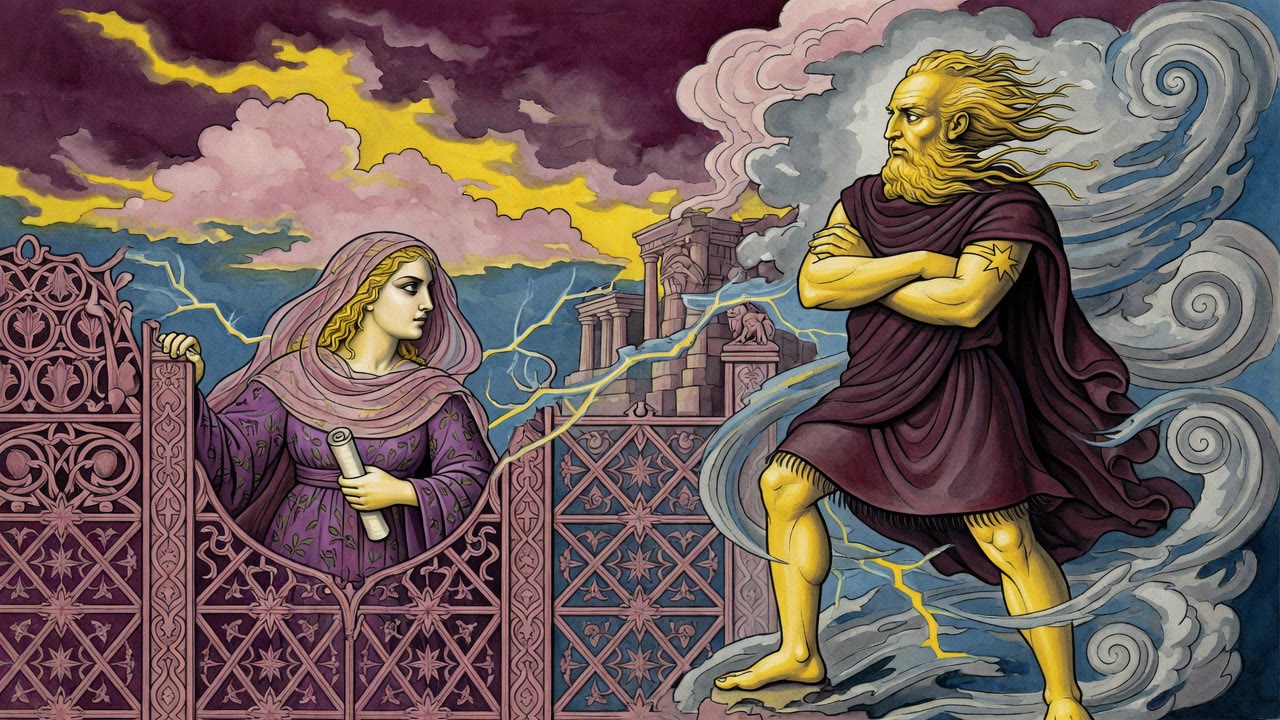
Esther sent Mordechai clothes to get him out of sackcloth. He sent the clothes back, and then sent her a copy of the order to kill every Jew in Persia.
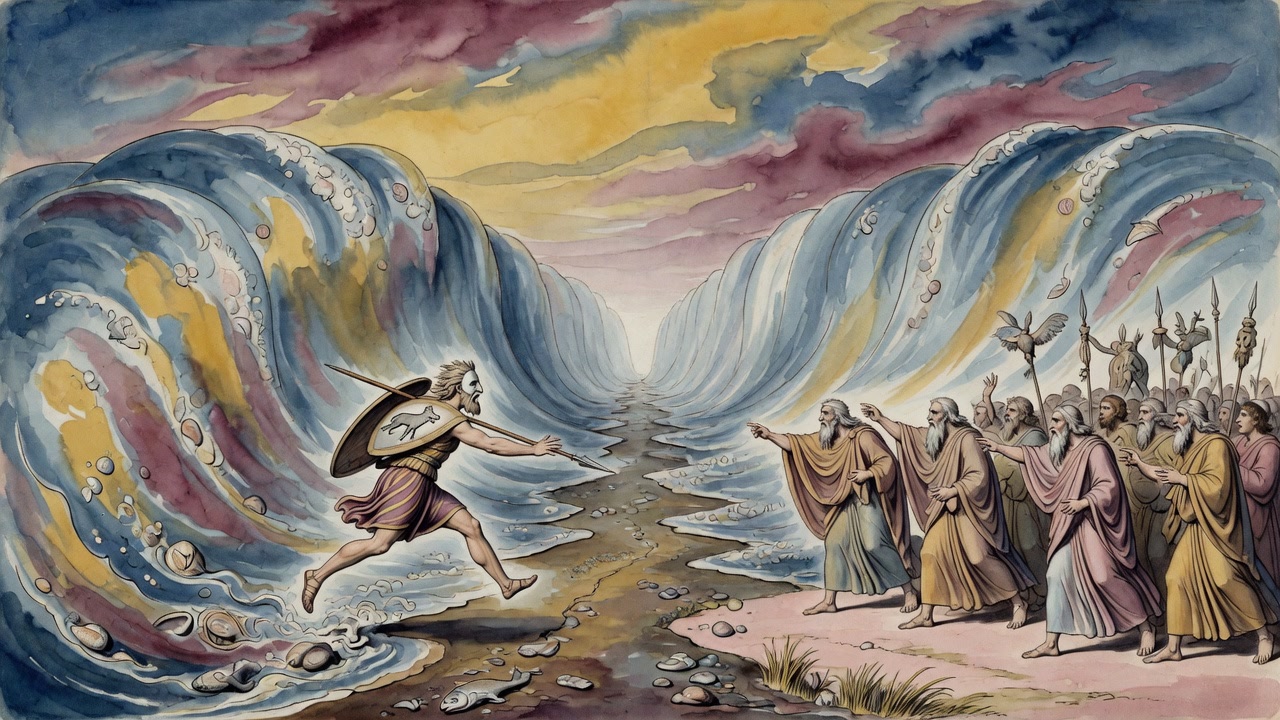
The tribes argued at the water's edge over who would lead Israel into the divided sea. Benjamin acted while they were still talking. Judah threw stones.
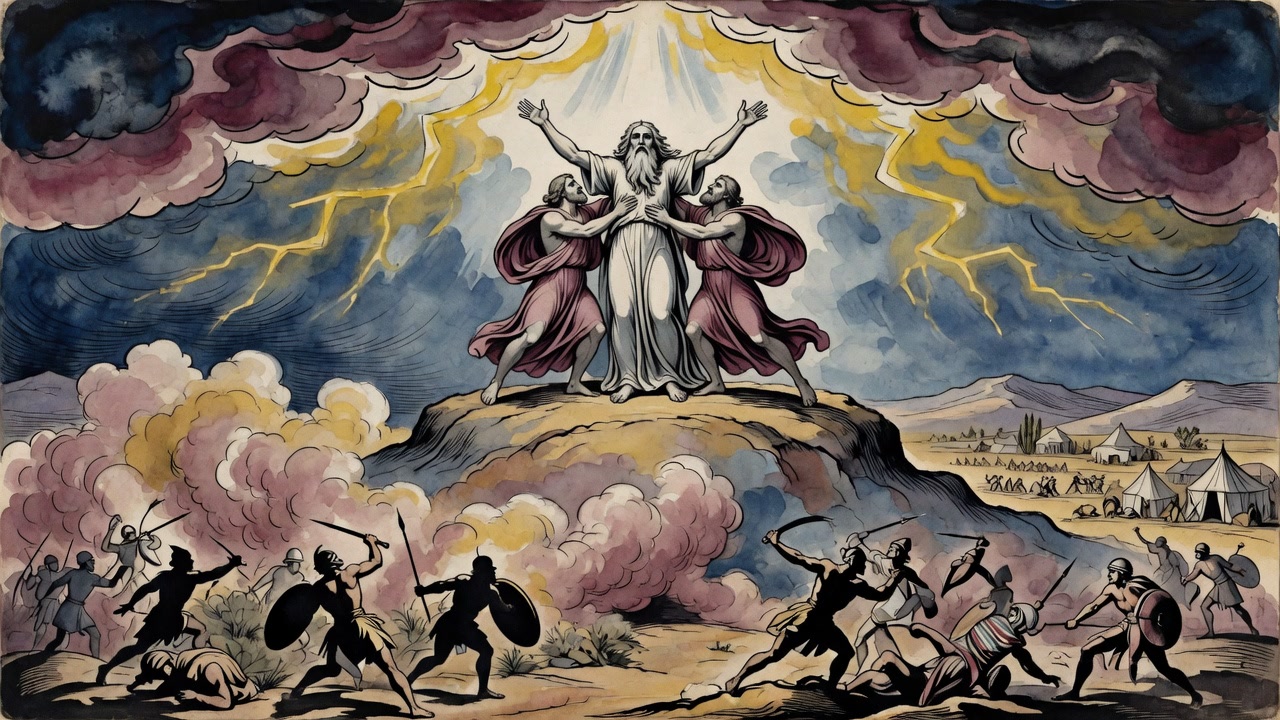
At Rephidim, Moses faced a mob ready to stone him and then an army attacking without cause. The Mekhilta reads both crises as a single lesson about Moses.
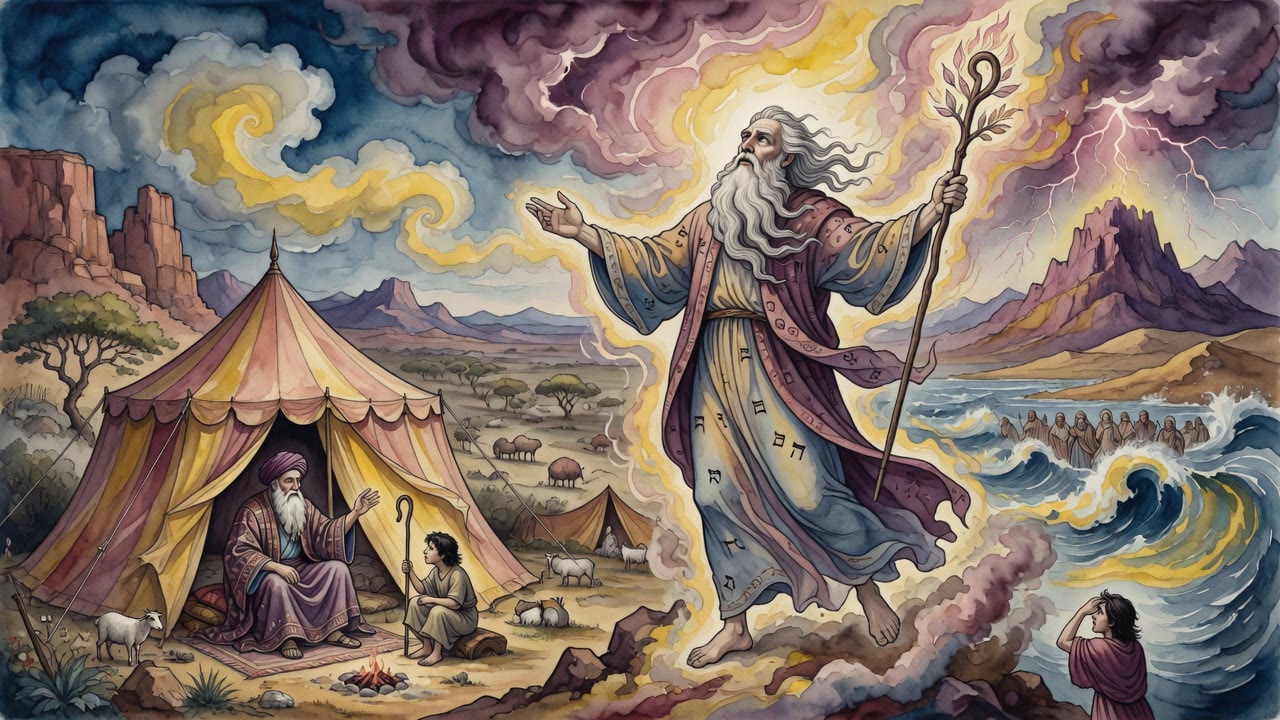
An angel met Moses at the lodging place and sought to kill him. Zipporah took a stone. Circumcision blood bought her husband back.
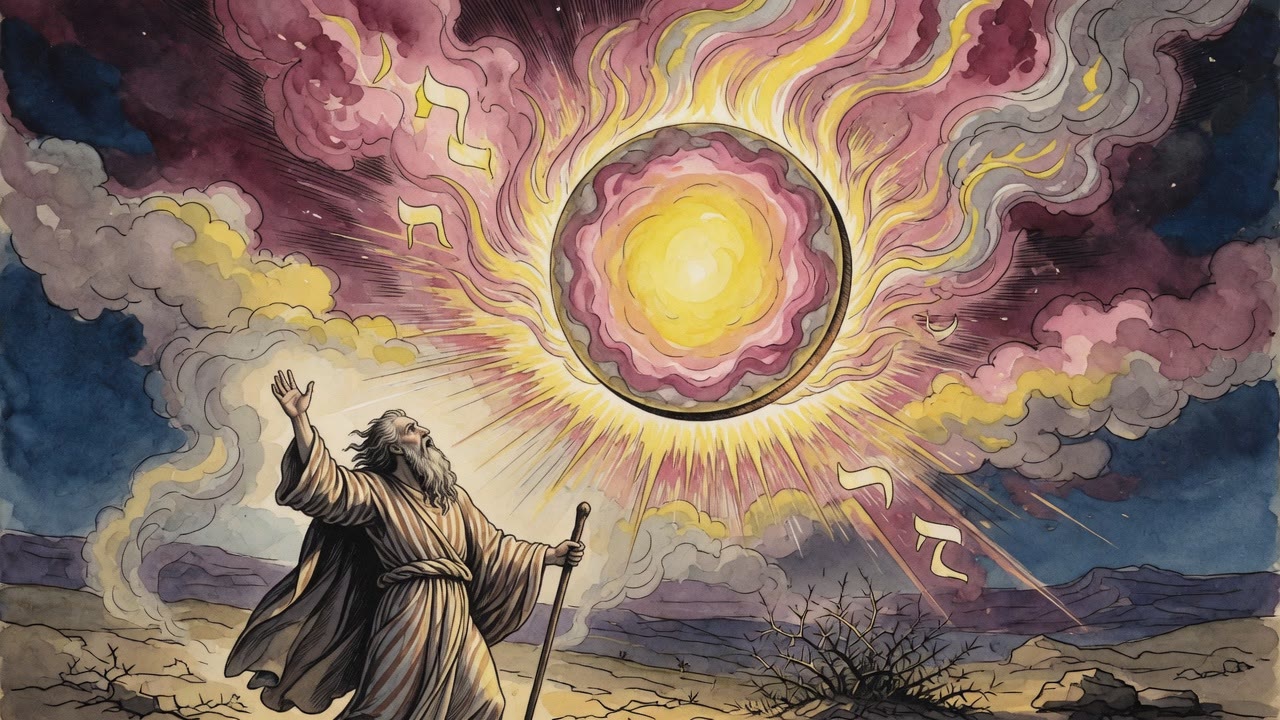
Israel had already done the sums. Fifty shekels for a seducer, thirty for a goring ox, a hundred for slander. Not one of those, God said, is the price here.
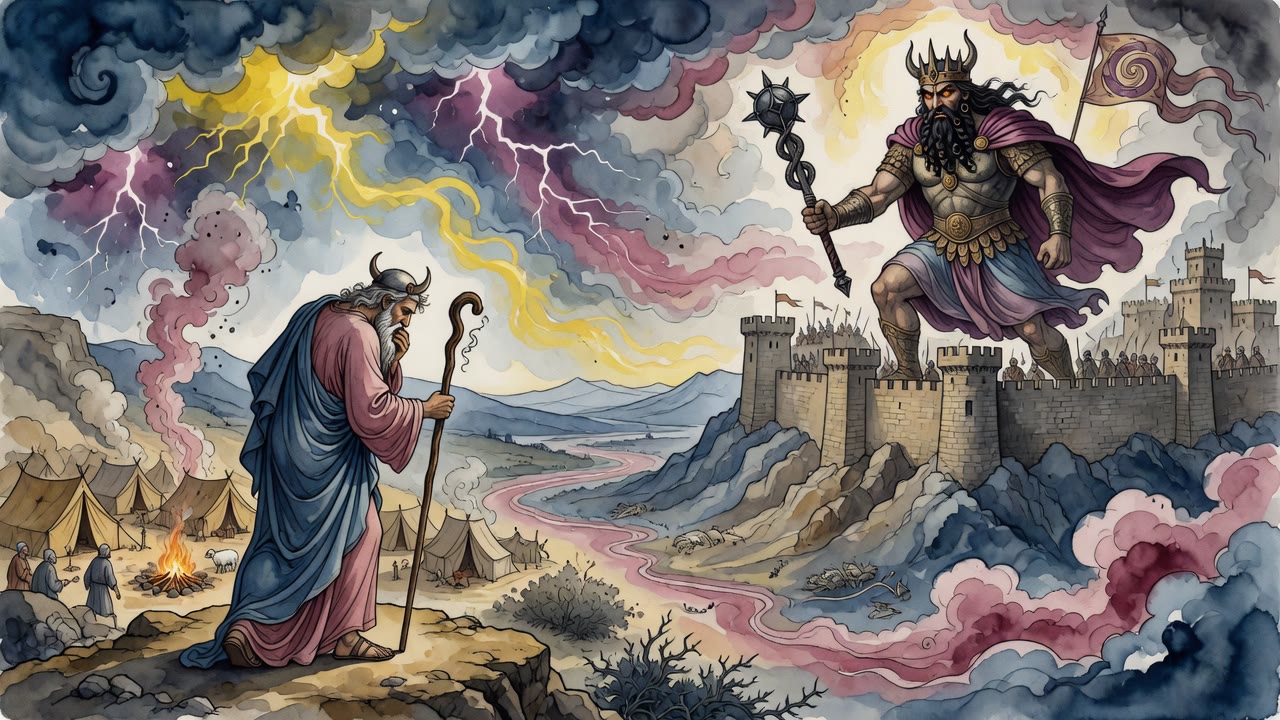
Moses had faced Pharaoh without flinching. But Sihon the giant made him afraid. The rabbis explain what God had to do before the battle could begin.
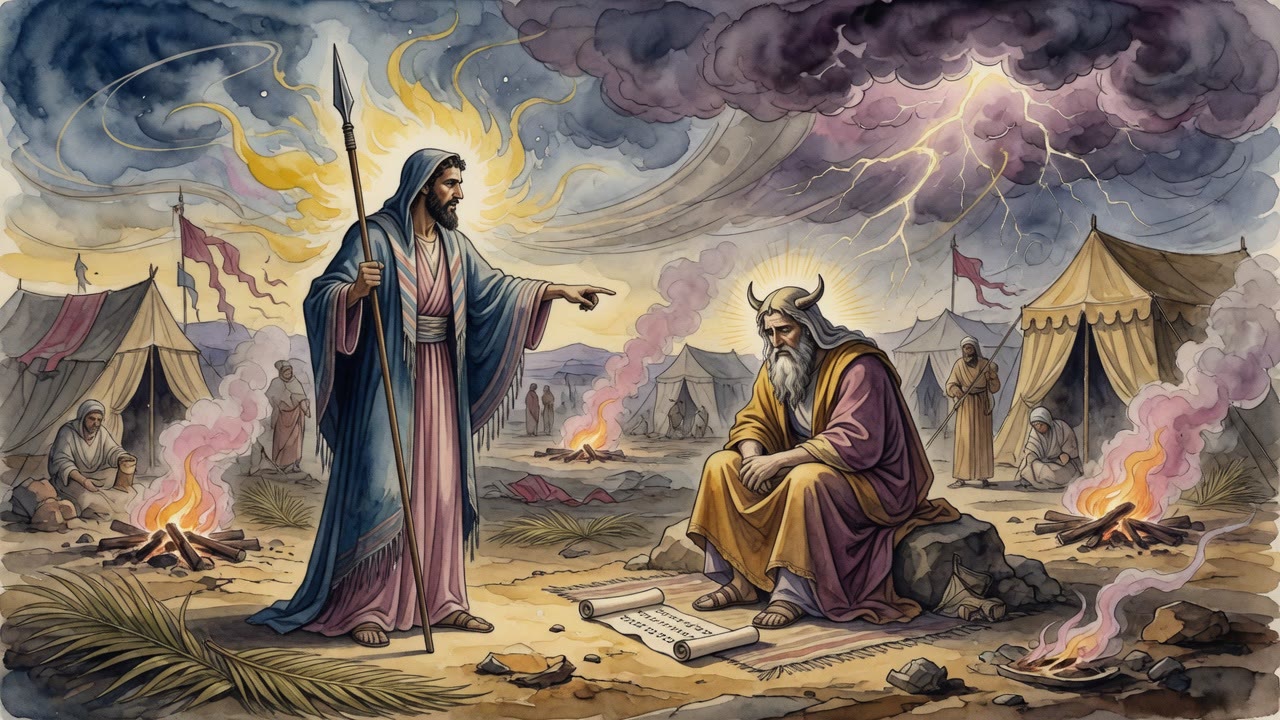
The plague was already moving through the camp. Zimri walked into the assembly with a Midianite princess, and Moses said nothing at all.
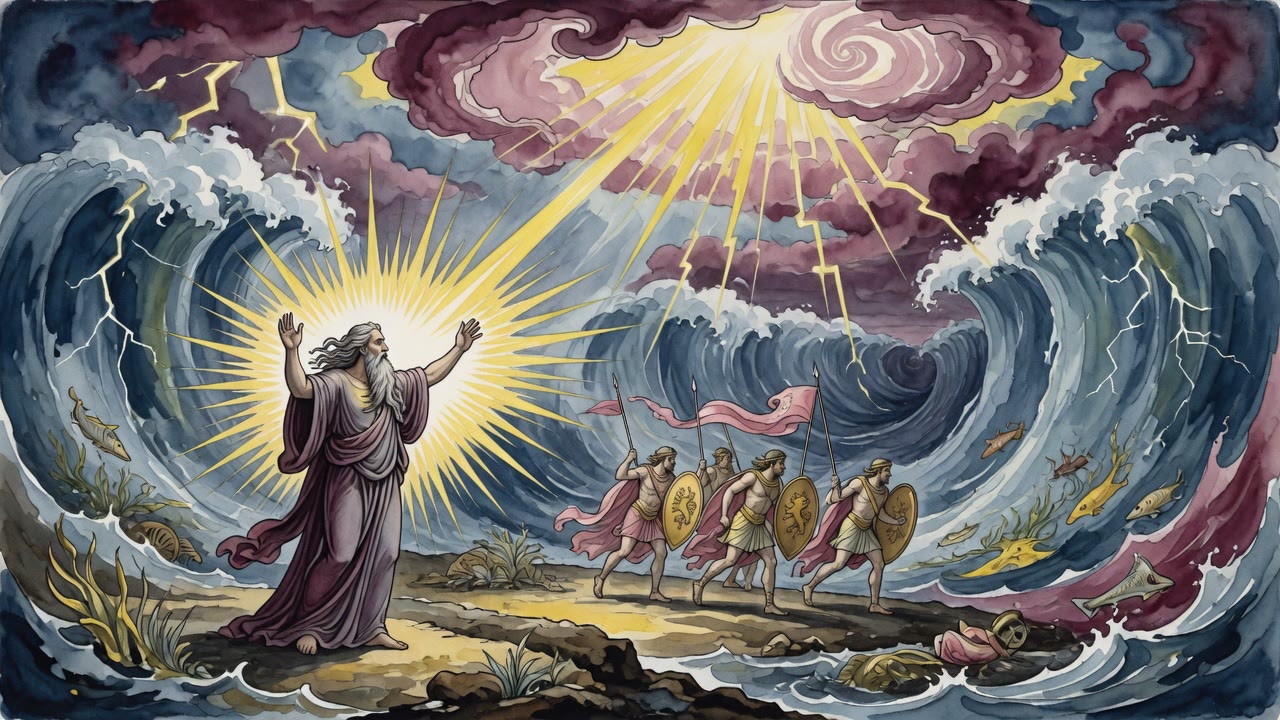
Moses's blessing for Judah seemed addressed to a future danger. The rabbis traced it to one terrifying moment at the Red Sea when Judah jumped in first.
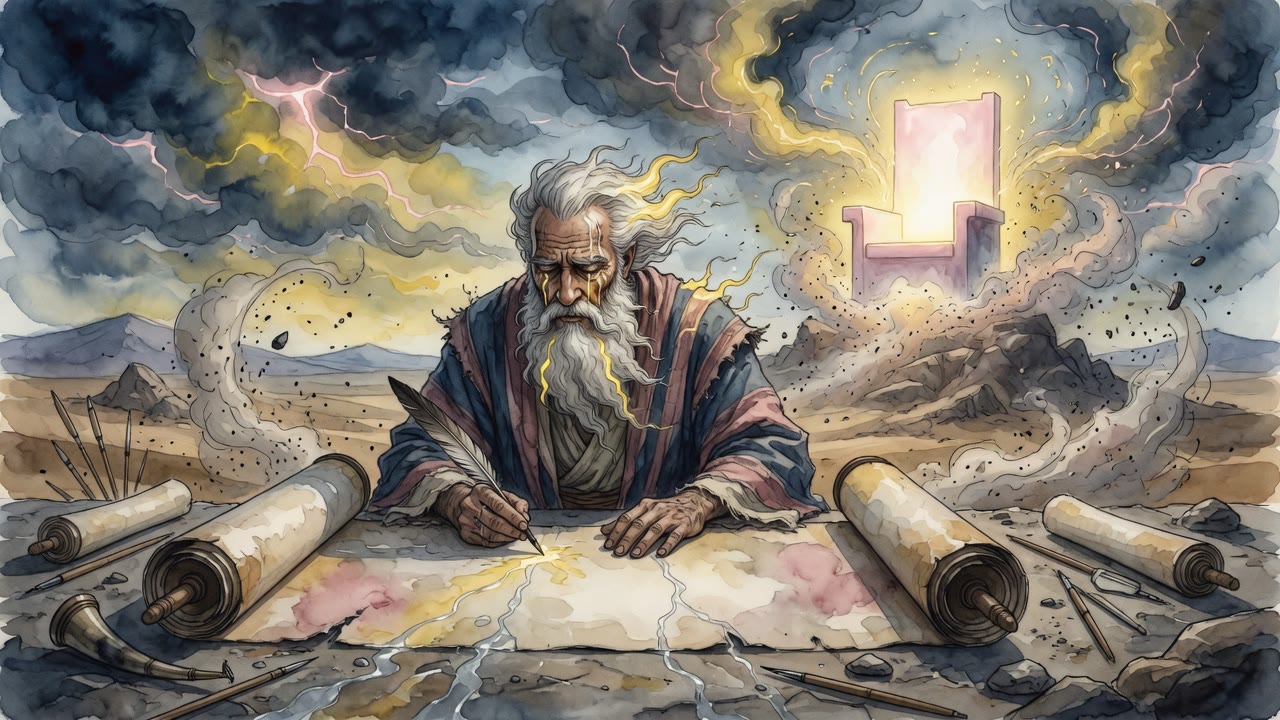
Every Torah scroll ends with Moses dying. The Talmud wrestled with who wrote those final words and how Moses could have done it.
