Pharaoh Learned Dreams Can Topple Every Throne
The magicians guessed at seven fat cows until Pharaoh ordered them killed. Hangmen waited. Then a Hebrew cry knocked him off the throne.
Table of Contents
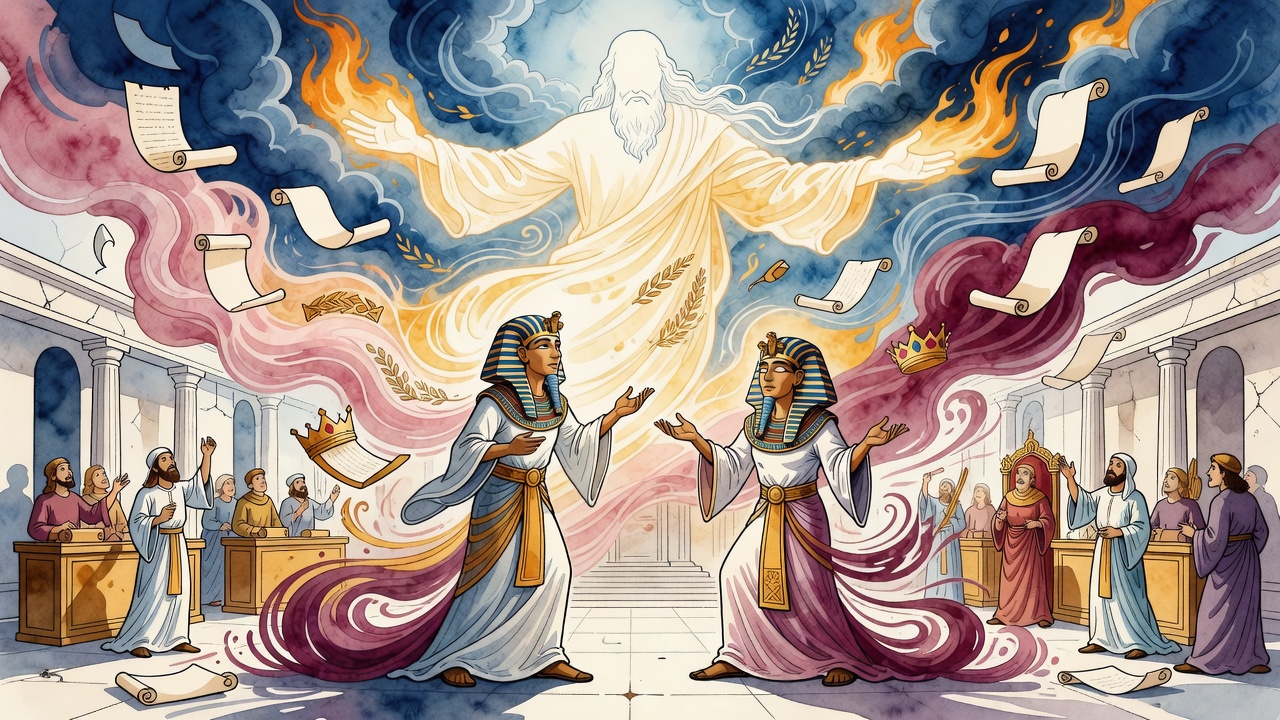
The hangmen stood ready beside the ropes, because Pharaoh had finished listening. Four readings of the seven fat cows had already come and gone. The last one named seven sons, seven rebel princes, and seven lesser princes who would avenge them and put the family back on the chair. Pharaoh was not pleased. He ordered the wise men, the magicians, and the scribes of Egypt killed, and the hangmen oiled what they had to oil.
 Click for full size
A dream had walked into the palace and found no one who could hold it. The river that fed the country had sent up seven handsome cows and then seven lean ones that ate them, and the court that taxed that river could not say what the night had meant.
Rakyon Took the Name Before He Took the Crown
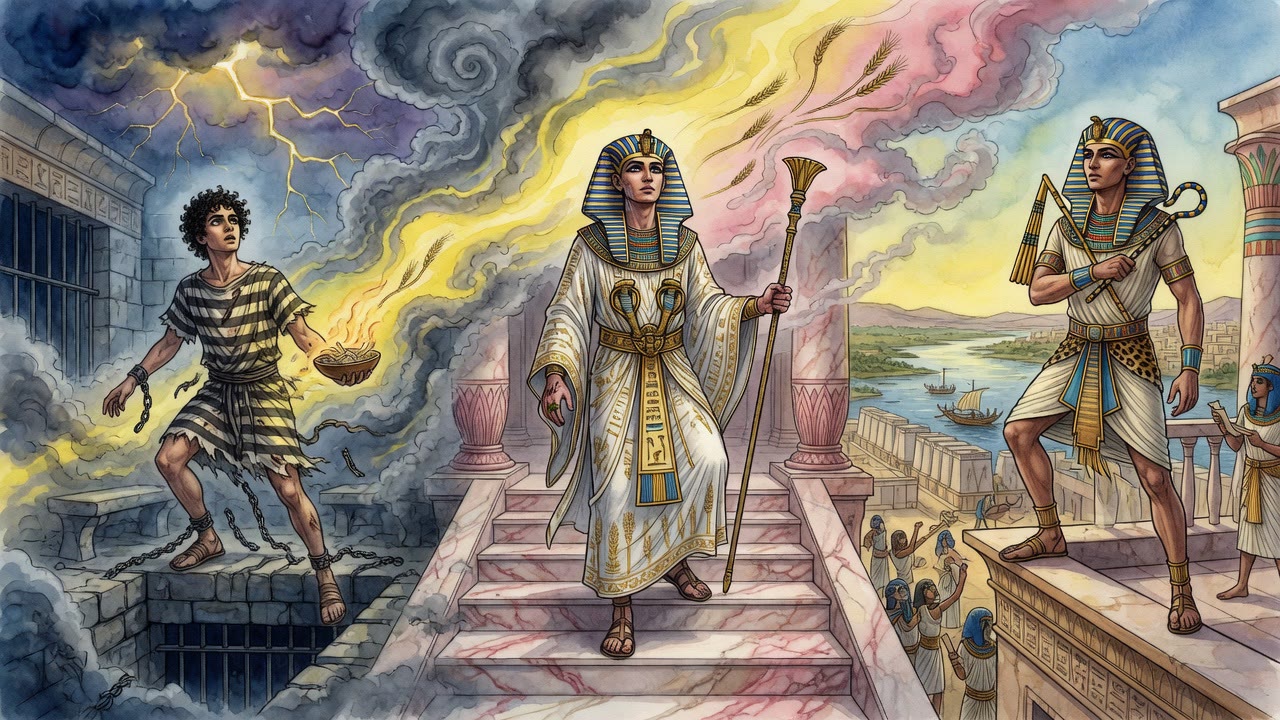
Rakyon had arrived in Egypt with nothing a king would notice. He made himself useful. He took cases. He collected revenue. King Ashwerosh still sat on the throne, but he judged only on the one day a year he showed himself to the people. The rest of the year the country came to Rakyon.
Through that daily power, and through cunning that did not look like rebellion, Rakyon gathered taxes from every inhabitant and became beloved for it. The people resolved to put the guidance of the realm in his hands. They called him Pharaoh, a title that meant a great house, and they decreed that every ruler of Egypt after him would wear that name.
Ashwerosh kept the crown. Rakyon kept the country. The name outlasted both of them. So the man who later sat over hangmen and cows was already sitting in a stolen chair.
The Dream That Made Hangmen Ready
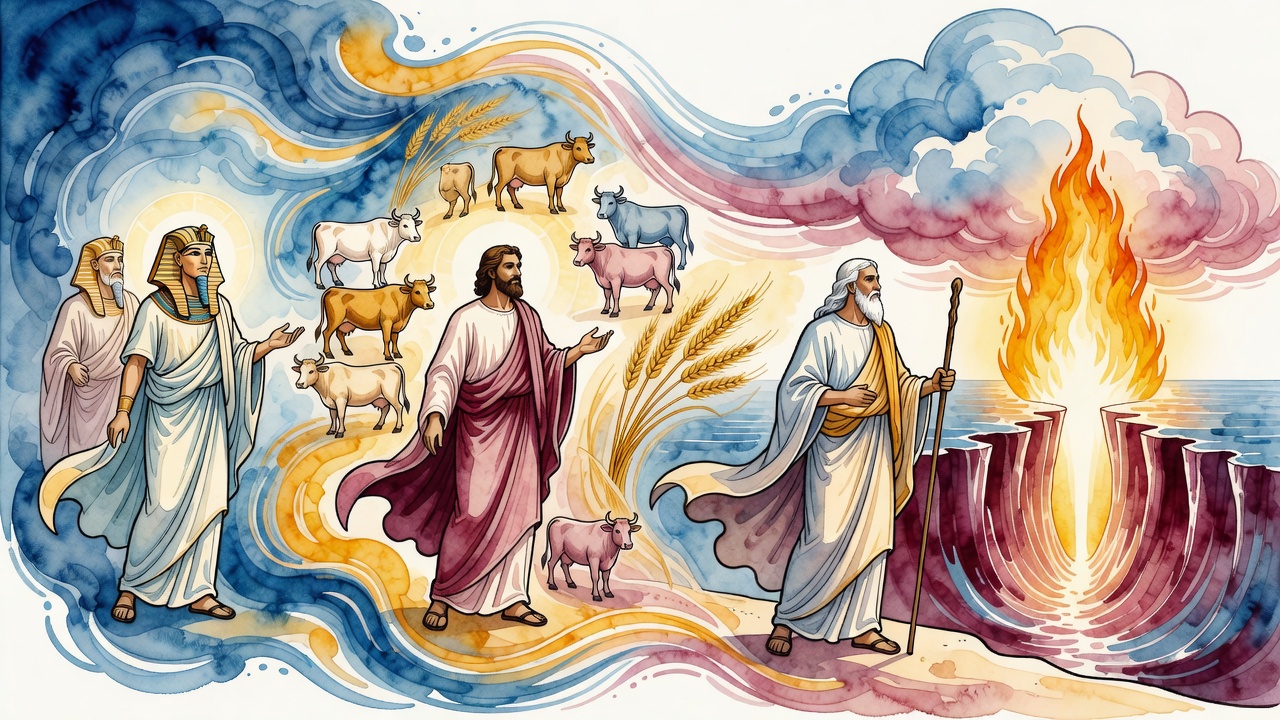
Pharaoh stood on the bank of the Nile in the night and watched seven fat, handsome cows rise from the water and graze in the reed grass. Then seven lean, ugly cows rose after them and ate the fat ones. He woke, slept, and saw seven plump ears of grain on a single stalk. Then seven thin ears, scorched by the east wind, swallowed the plump ones.
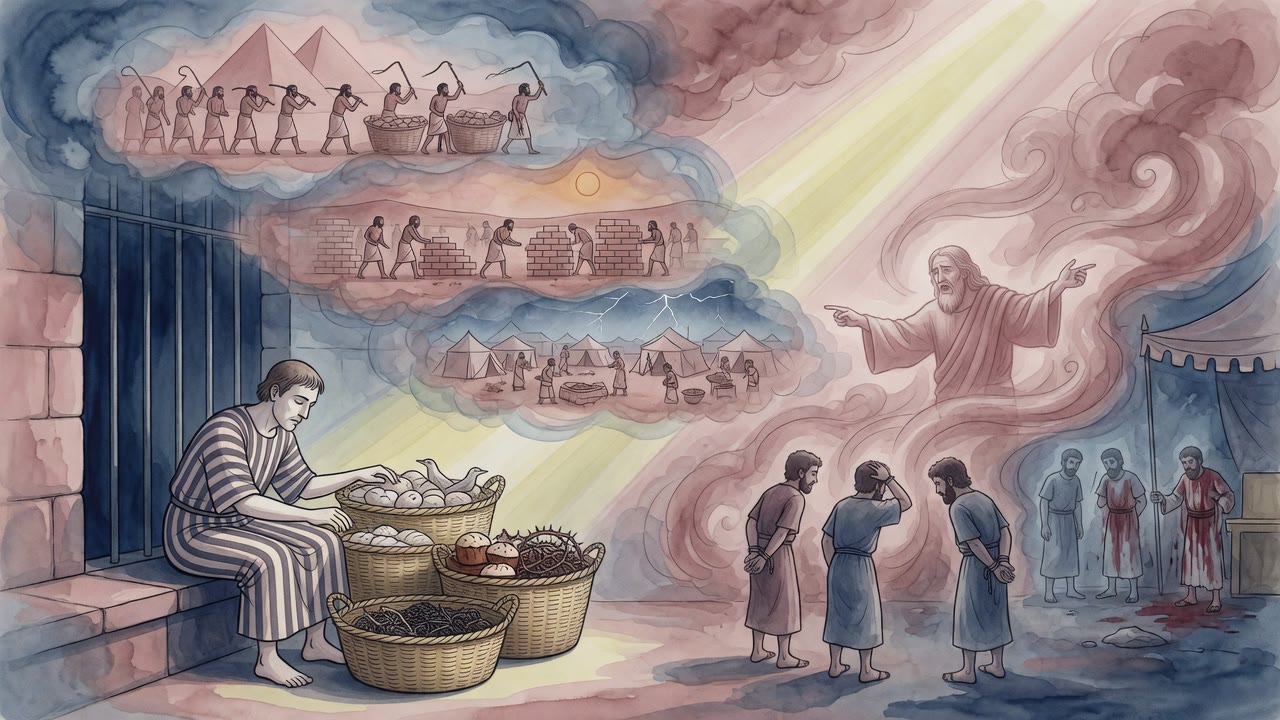
In the morning his spirit was troubled. He sent for every magician and scribe. They guessed at sons and rebels and restorations. None of it was a reading he could live with. Wrath did the rest. The empire that managed flood and grain had no answer for seven cows, so it reached for rope.
Judah's Cry Threw Pharaoh from the Chair
Joseph had come to Egypt the way Rakyon had, a stranger who ended up running the storehouses. When his brothers stood in front of him and did not know his face, he sent his son Manasseh out with an army: five hundred mounted men, ten thousand on foot, and four hundred fighters who used only their hands. He ordered them to make a loud noise with every instrument they had, so terror would do some of the work before a sword did.
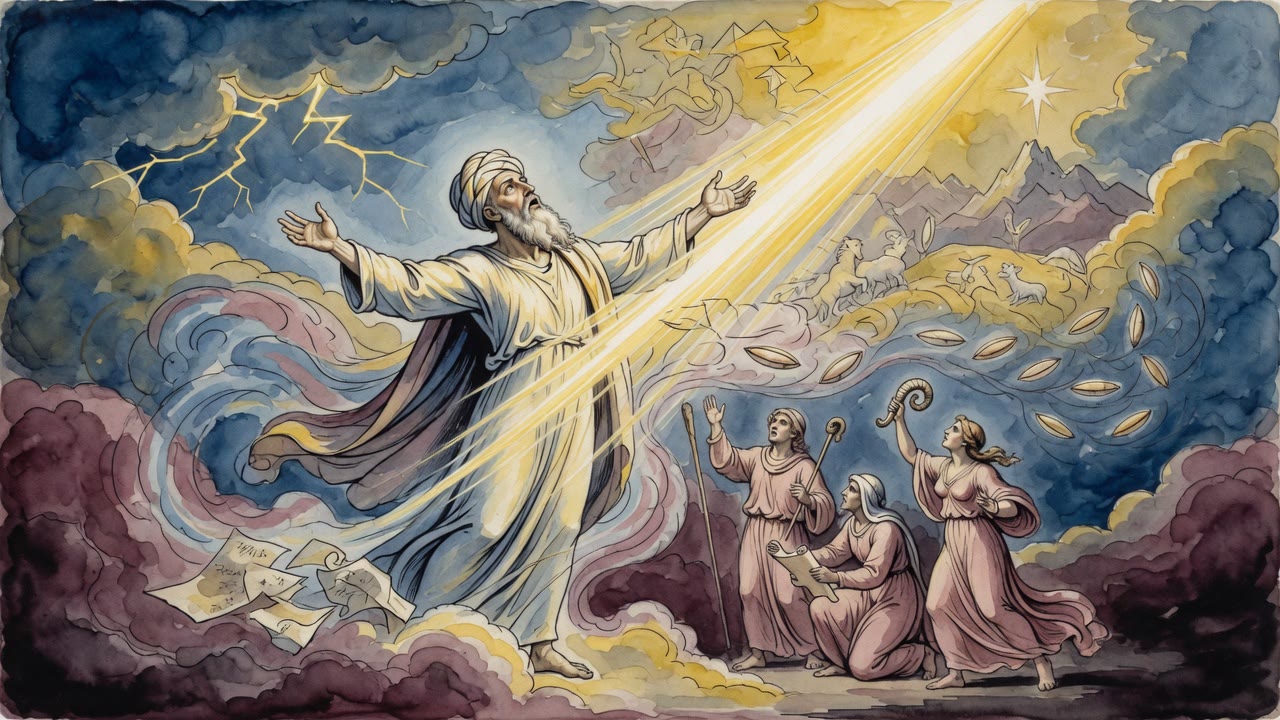
Some of the brothers shook. Judah did not. "Why are you terrified, seeing that God grants us His mercy?" He drew his sword and uttered a cry that threw the street into flight. Men fell over one another. Judah and his brothers chased them as far as Pharaoh's house.
Judah roared again. The walls of Egypt and of Goshen came down. Pregnant women brought forth too soon. Pharaoh was flung from his throne. The shout carried as far as Succoth.
A clerk had stolen the name. A dream had emptied the court. A Hebrew throat emptied the chair itself.
Zipporah Cut What the Angels Had Swallowed
Moses grew up in that house and then fled it. On the road back to Egypt, after years in Midian with Zipporah, he tried to manage the timetable of the oppression the way Pharaoh managed grain. God was ill pleased. Joseph had already said the bondage would last two hundred and ten years, and Moses had tried an artifice against that number.
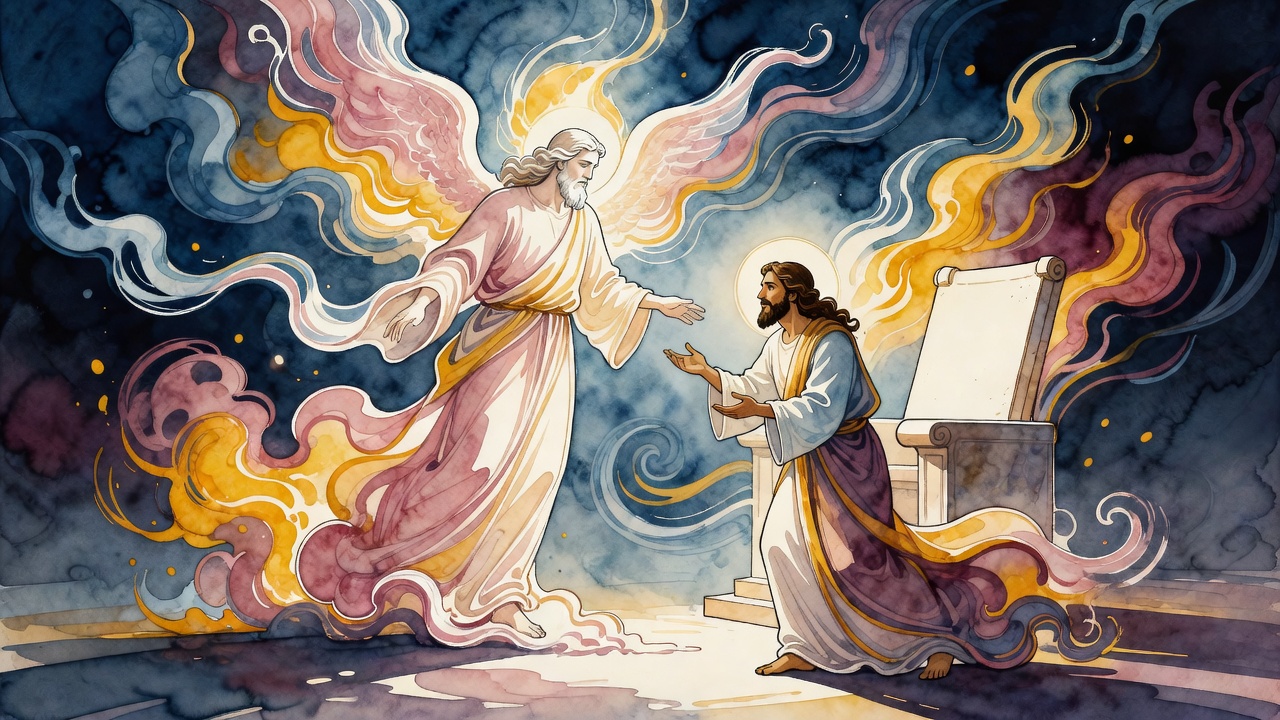
The angels Af and Hemah appeared and swallowed his body down to the feet. Zipporah moved like a bird. She circumcised their son Gershom and touched Moses's feet with the blood, and the angels gave him up. The boy had been left uncircumcised because Jethro had made that the price of the marriage: the first son would be raised outside the covenant.
Pharaoh's hangmen waited on a dream they could not read. Zipporah's knife read a body in time and opened it. The house that had raised Moses could not follow him past that blood.
The Clothes That Grew After Egypt
When Israel finally walked out, the angels clothed each of them in a robe of purple at the exodus. For forty years they had no need of a change of raiment. The purple stayed new. As a snail's shell grows with the snail, the garments grew with the bodies that wore them. Fire could not injure the cloth. Vermin would not live in it. Even the corpses of that generation were spared by worms.
Pharaoh had stored grain against seven lean years. Israel wore clothes no storehouse had issued. The hangmen never got their reading. Pharaoh learned that dreams can topple a throne grain cannot hold, and that a shout can finish the work.
← All myths