Abraham's Ally Was Named for Grapes He Would Never See
The spies named a valley for its grapes, but Abraham's ally already had that name. The rabbis said God declared the ending before anyone reached the beginning.
Table of Contents
 Click for full size
The spy who named a place that was already named
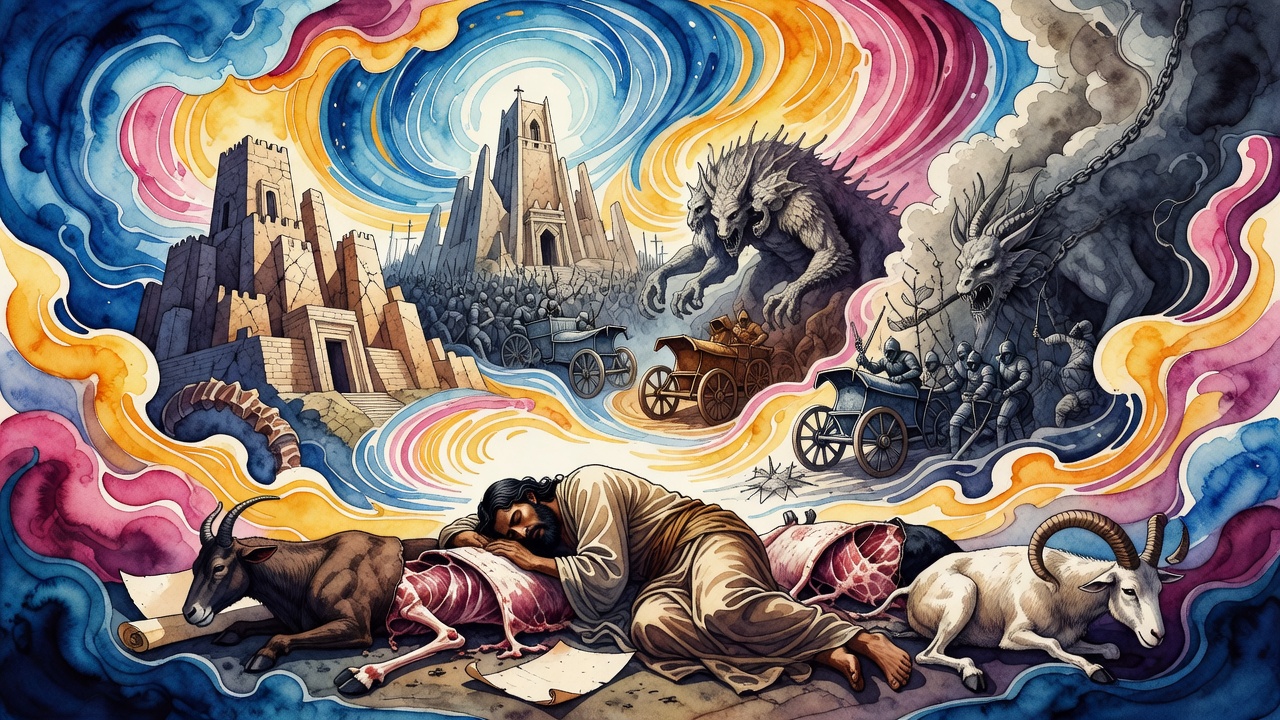
Two men carried a cluster of grapes on a pole between them. The fruit was so heavy they could not carry it alone, and the valley where they cut it got called Eshkol, after the cluster. The twelve spies Moses sent into Canaan brought back that fruit as evidence that the land was worth taking. The name seemed obvious. You go somewhere, something happens there, you name the place after it.
Then the rabbis looked at Genesis 14 and found a man already walking those hills with the same name. Abraham had an ally called Eshkol, a local chieftain who stood with him against the coalition of kings. Same word. Same root. The grapes had not existed when Abraham's friend was born. The spies had not yet cut the cluster when that man was walking alive through the same valley. The name pointed forward from one century into the next.
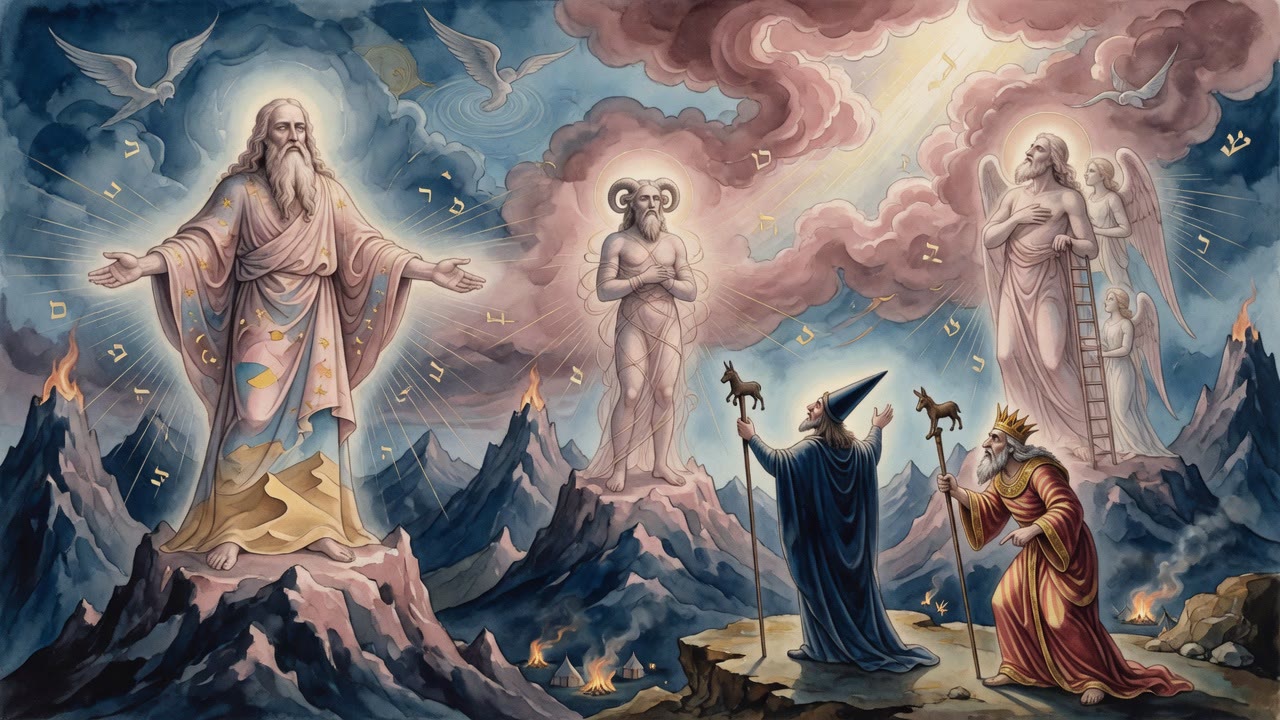
The rabbis cited Isaiah 46:10, the verse about a God who declares the end from the beginning. They took it literally. Abraham's friend was named before the grapes were planted, because God was already reading the ending backward into the beginning.
A king who remembered every campsite
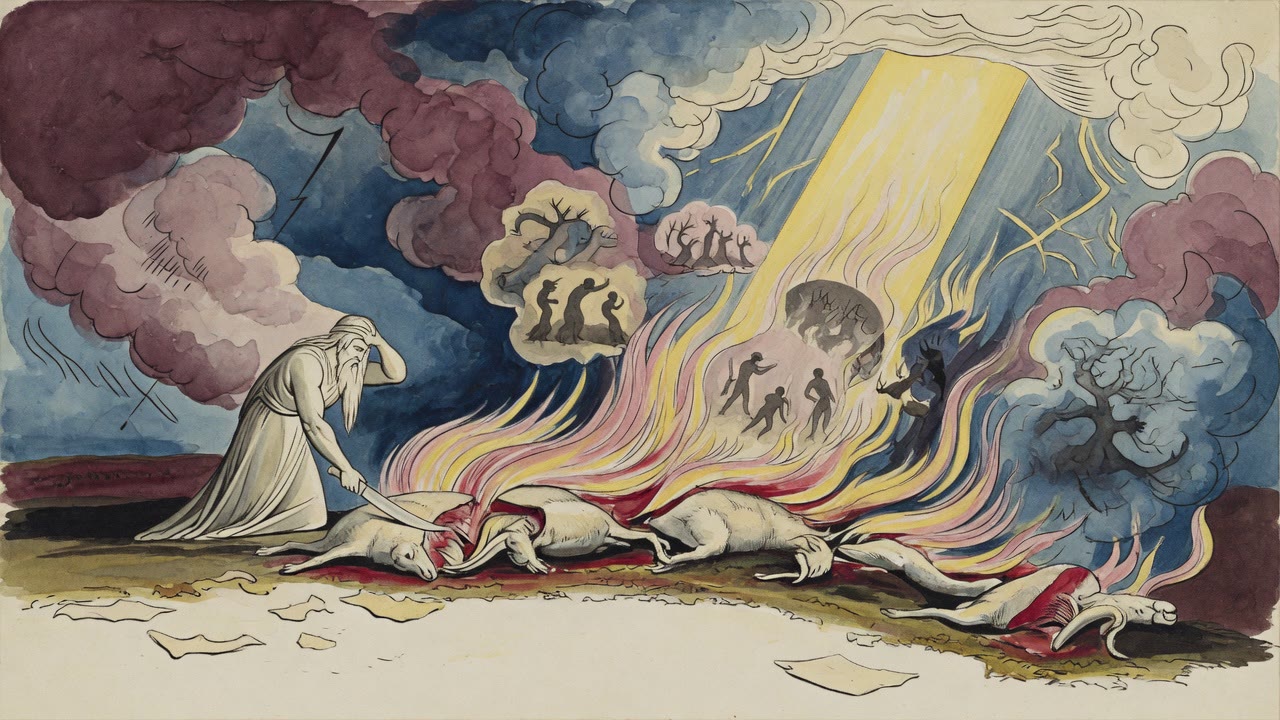
In the wilderness chapters of Numbers, the Israelites kept stopping. Sinai. Kibroth-hattaavah. Hazeroth. Rithmah. Name after name in a list that reads like an itinerary nobody asked to read. The rabbis refused to let it be skimmed.
Bamidbar Rabbah opened those lists with a parable. A king's son falls dangerously ill during a journey. The king turns around, carries the boy home, and nurses him back to health. Years later, they travel again, and the king recalls each stopping point as they pass. Here is where you were feverish. Here is where you could not keep food down. Here is where the fever broke. The stops that looked like nothing were the places the king had watched most carefully. His memory of them was not nostalgia. It was love expressed as precision.
God, in this reading, recalled the wilderness stations the same way. Not as places where Israel had complained or failed or stumbled, though they had. As places God had watched a people he was carrying through something difficult. The list was not an itinerary. It was the record of a vigil.
Moses at the edge of history
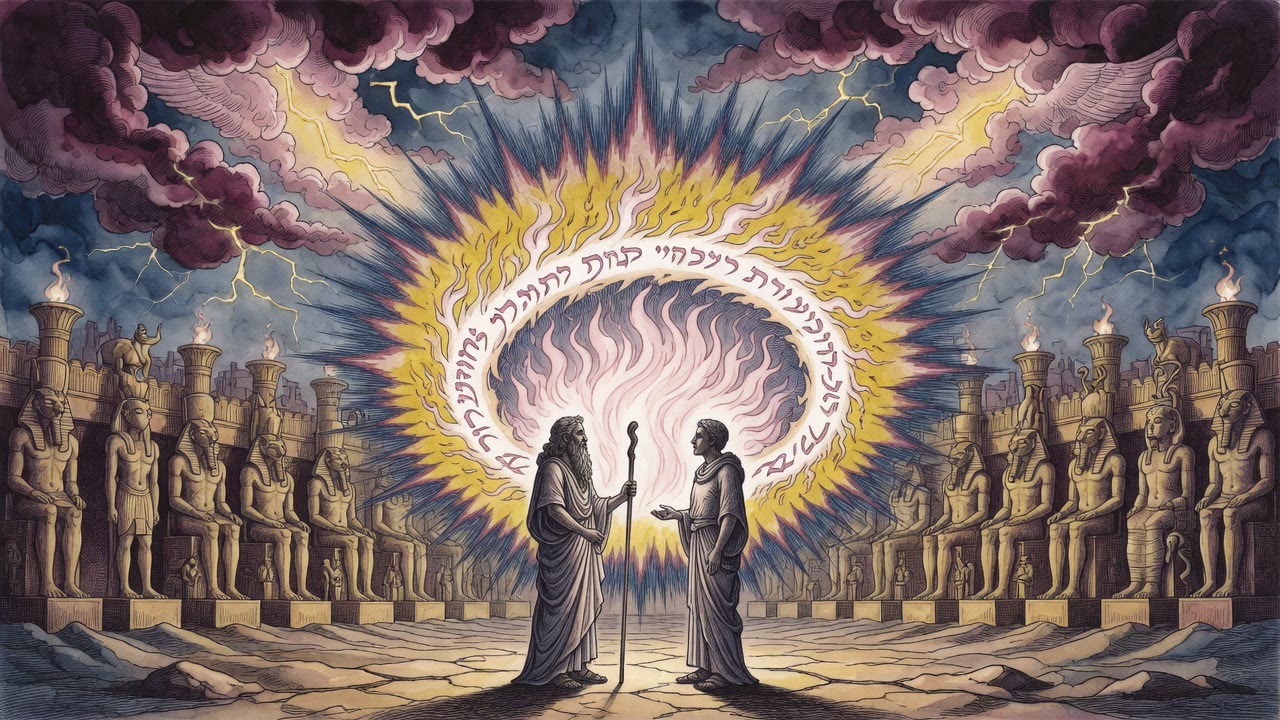
Moses was going to die on the far side of the Jordan. He would see the land from the ridge but not enter it. Before he died, the rabbis say, God showed him something.
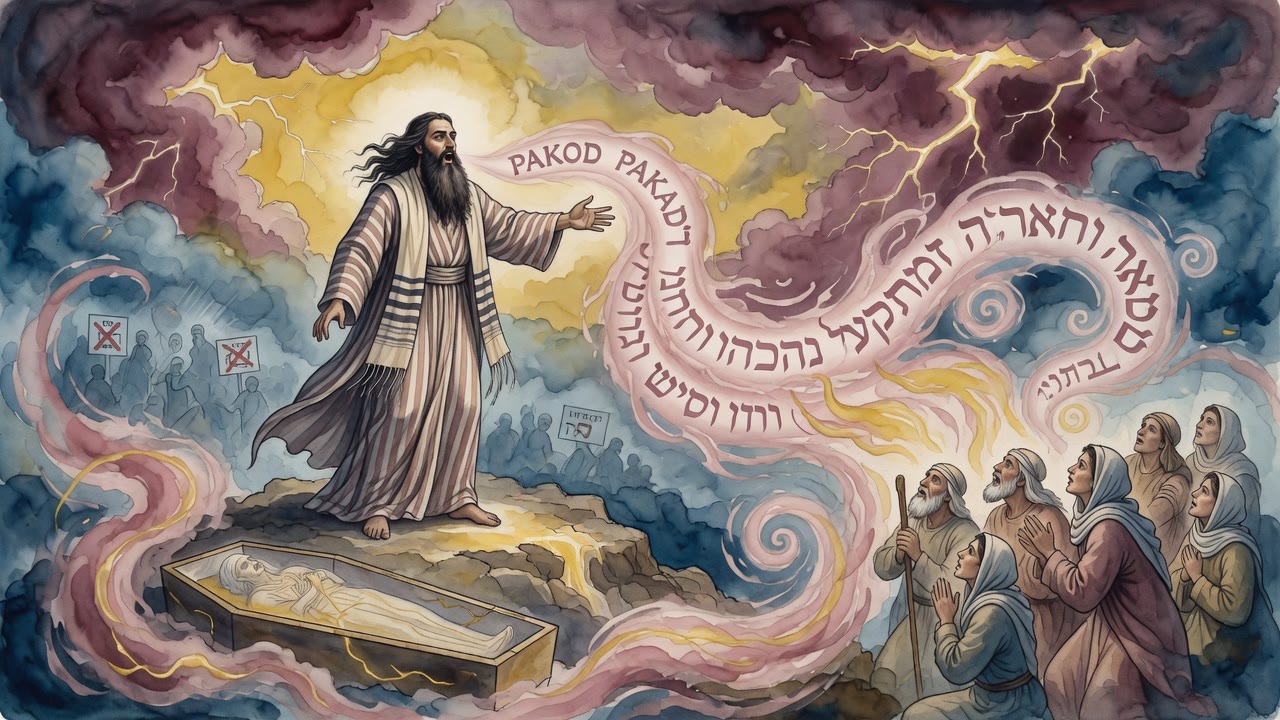
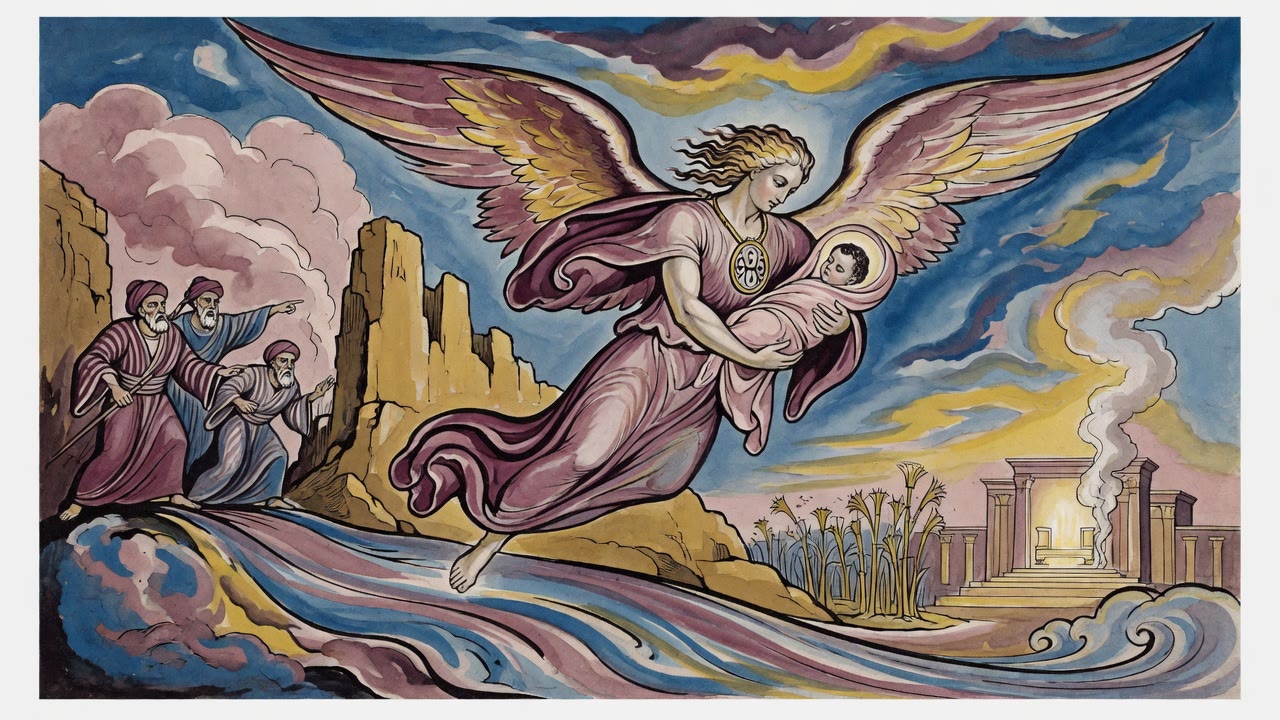
Not just the territory. Every judge who would rule after him. Every king. Every prophet. Every sage. The full succession of Israelite leadership from Joshua down through the last of the rabbis. God unrolled it in front of Moses like a map of time, and Moses saw people who had not been born yet doing the work he was leaving unfinished.
The rabbis did not describe this as a consolation prize. They described it as Moses's completed education. He had spent forty years watching one generation. Before he died, he was shown all of them. The man who had argued with God at the burning bush, who had led the Exodus, who had stood at Sinai, finally saw the long outcome of what he had started.
The thread that ran through all three
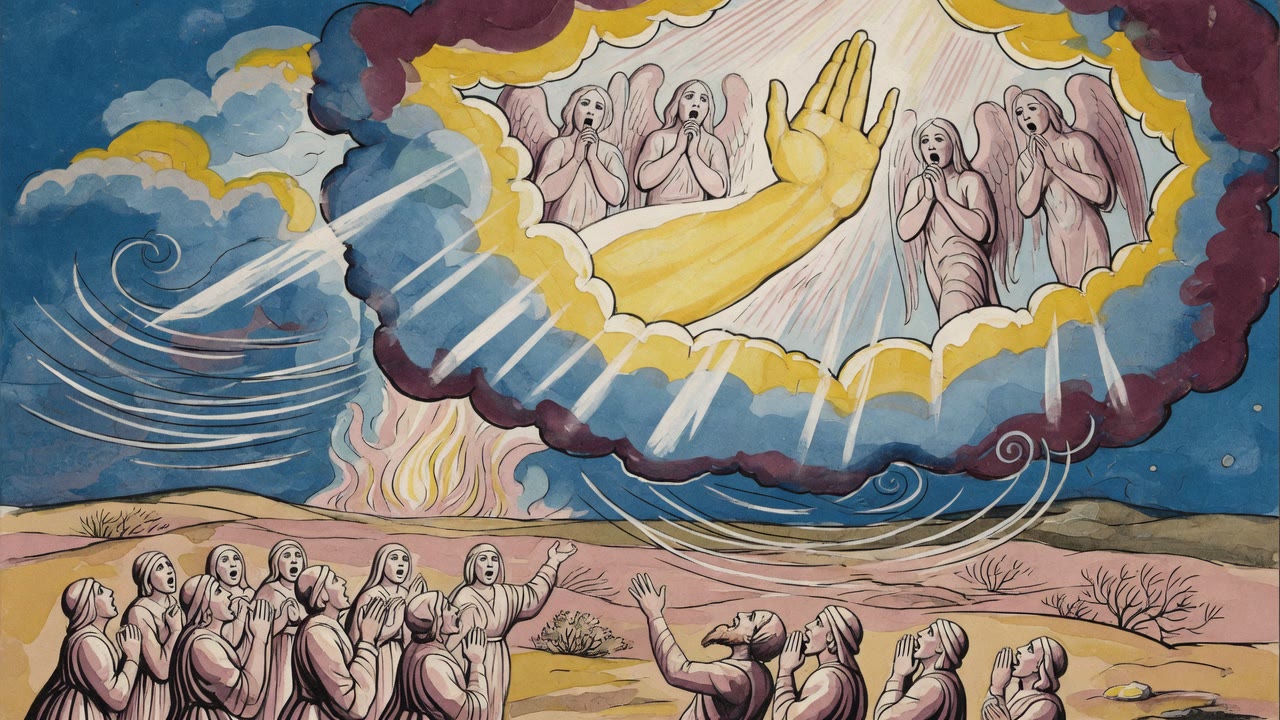
Abraham's friend named for grapes four centuries early. God walking the wilderness camps like a father with a sick child. Moses watching the full sequence of Jewish history play forward from a ridge he would never cross. The rabbis of Bamidbar Rabbah held all three of these images together and called them the same thing. A God who was reading both ends of history at once, threading names and memories and futures together before any of the people involved knew what they were part of.
← All myths