The Judge, the Tyrant, and the Promise Jacob Left Behind
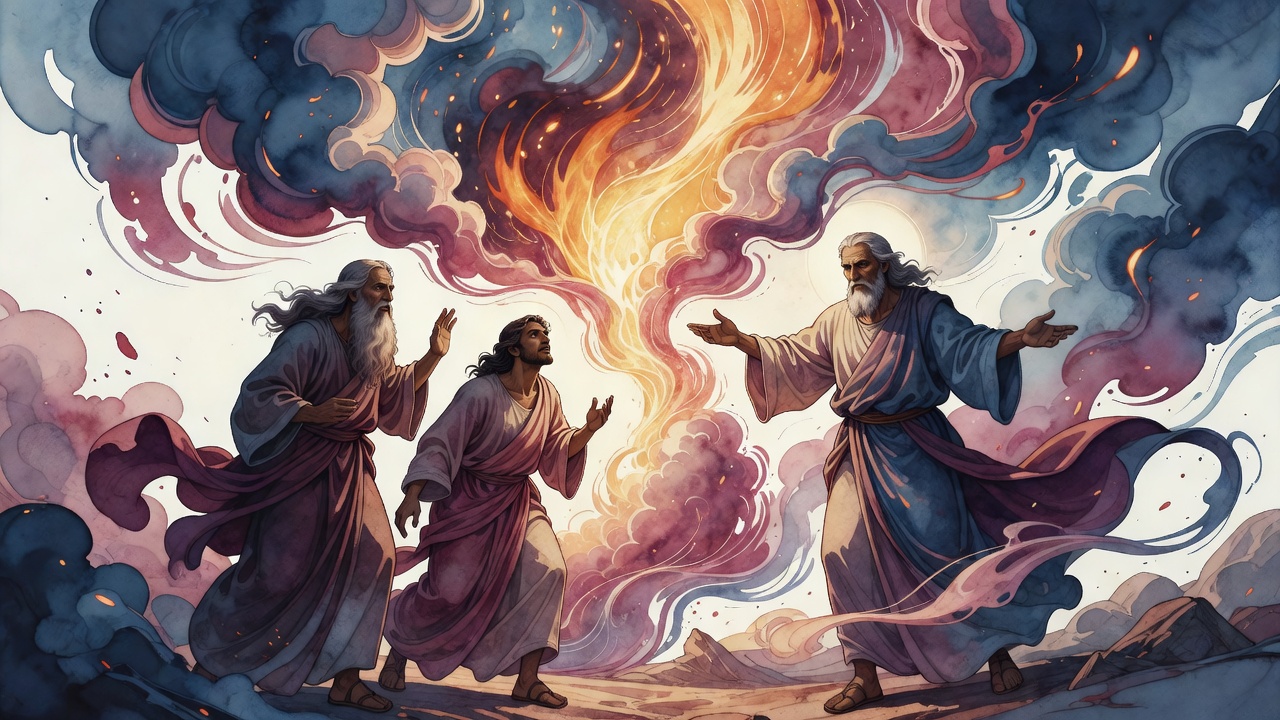
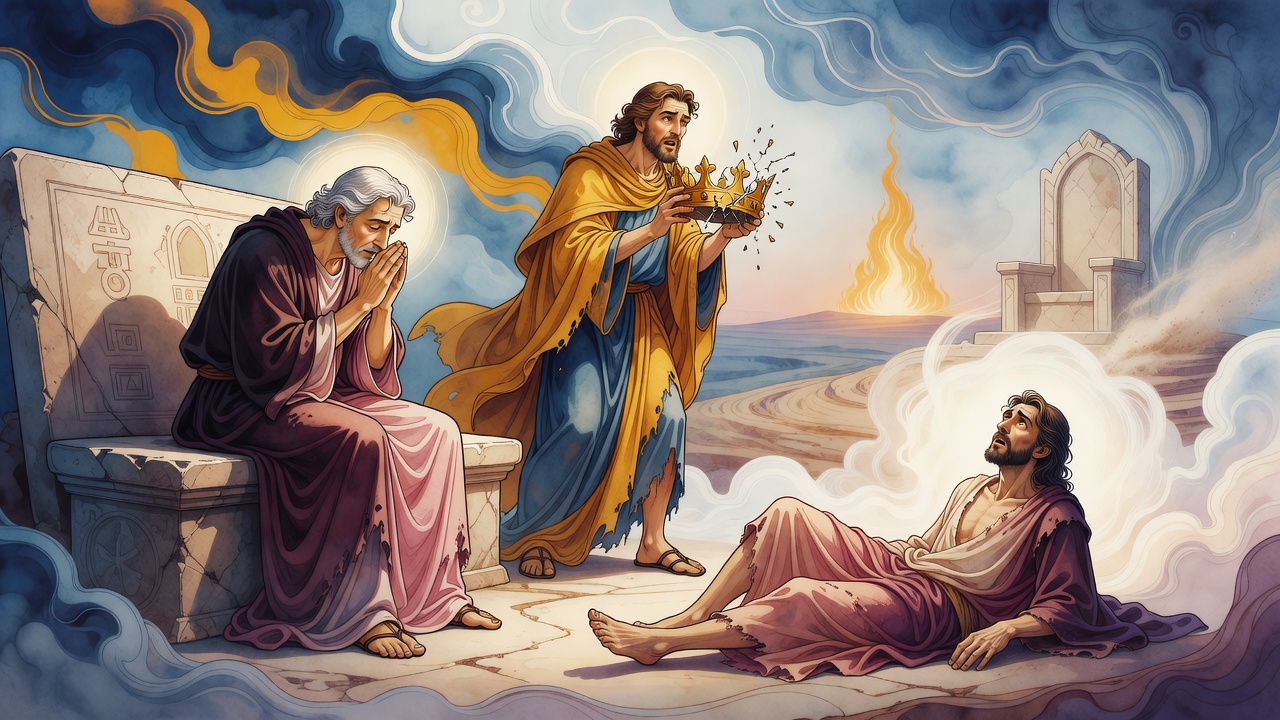
A judge whispers his fears to himself on the bench. A tyrant discovers that even his crown was not his own. Only one dying man keeps his eyes on what matters.
Table of Contents
 Click for full size
The Judge Who Was Afraid of His Neighbor
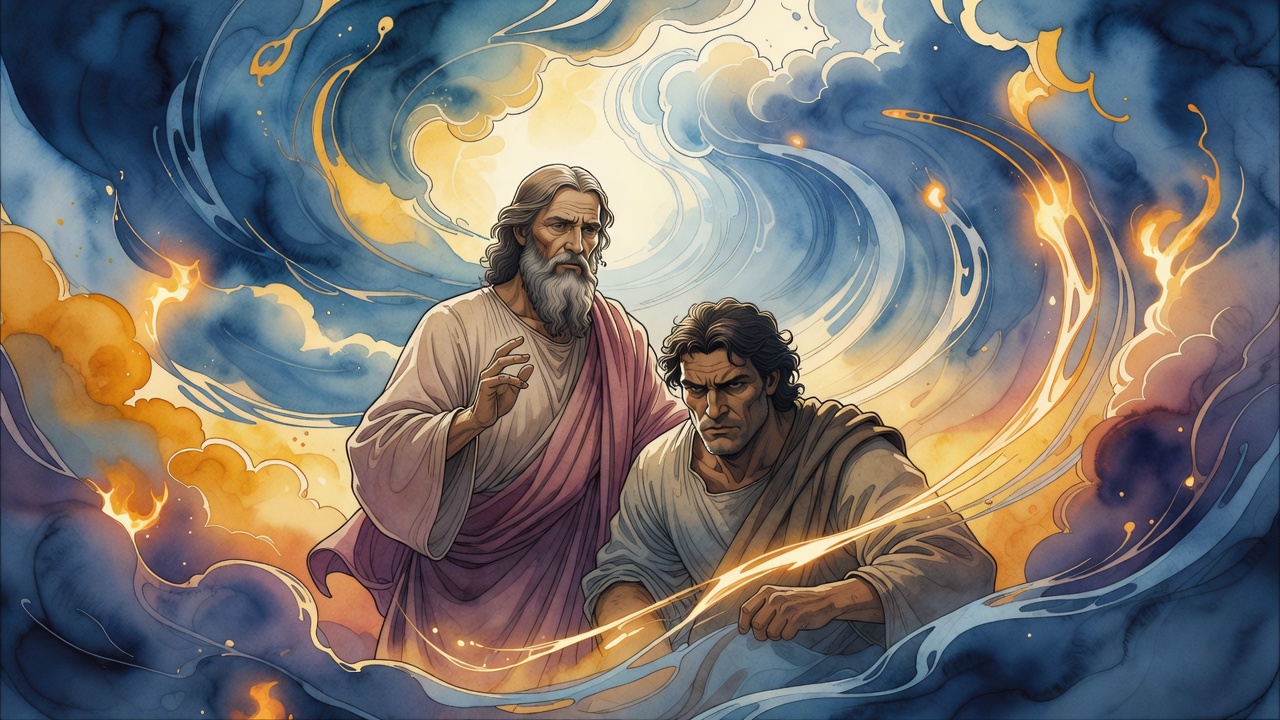
Yehoshafat, king of Judah, gathered his judges and told them their hands belonged to God. Take heed what you do, he said, for you judge not for man but for the Lord who is with you in judgment. A king's instruction to his courts. It sounds elevated until you hear what the judge says to himself when the gavel is in his hand.
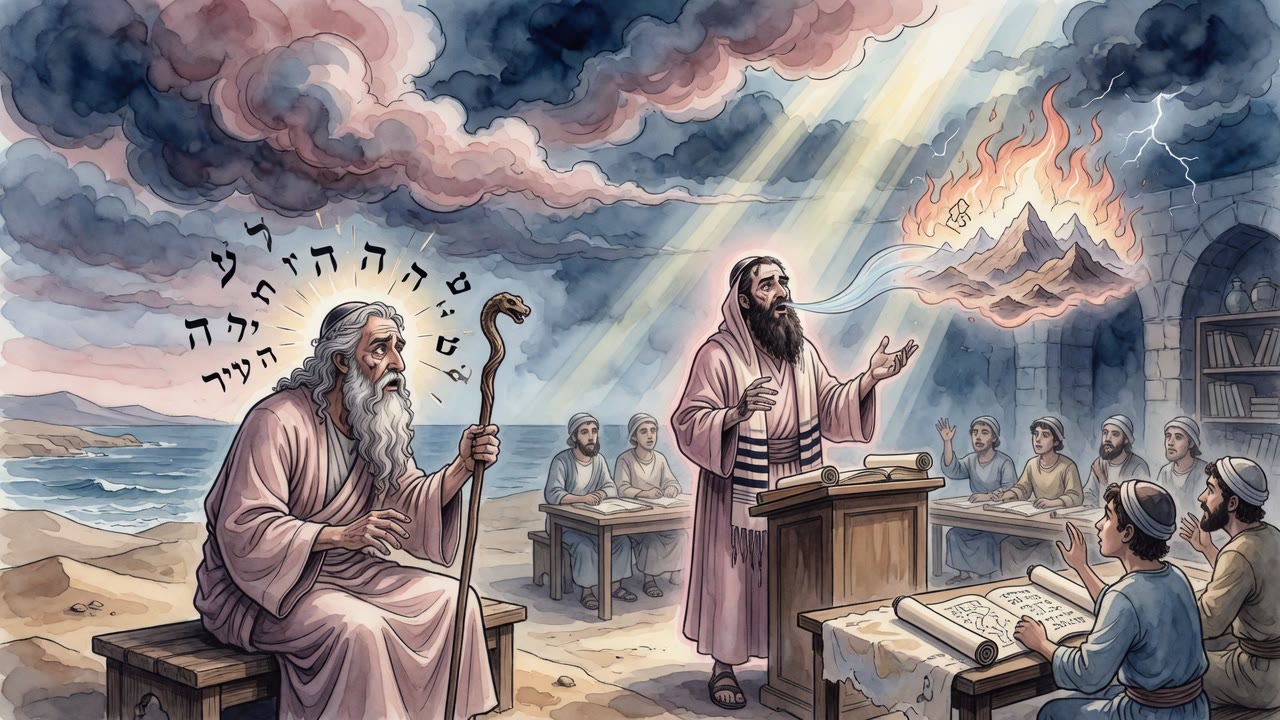
The tradition put the fear in the judge's own mouth, one internal monologue spoken at the worst possible moment. I am afraid of that man. He might kill my son. He might burn my grain stacks. He might cut down my vineyard. The judge on the bench, weighing testimony, doing the arithmetic of justice with property in the balance, is calculating what the truth will cost him in enemies and reprisals.
Sifrei Devarim handed him one sentence: the judgment is God's. The vineyard you are protecting is on loan. Decide the case.
The tradition was not being cruel about this fear. It named the fear first, gave it specific objects, let the judge's panic about his property feel real, and only then said: and now here is the only leverage that actually matters. Your vineyard is not yours in the way you think it is. Neither is his life. Both of you are in the same ledger. The case in front of you was placed there by the same hand that placed your grain stacks in the field. Judge it.
Even Moses Needed Help
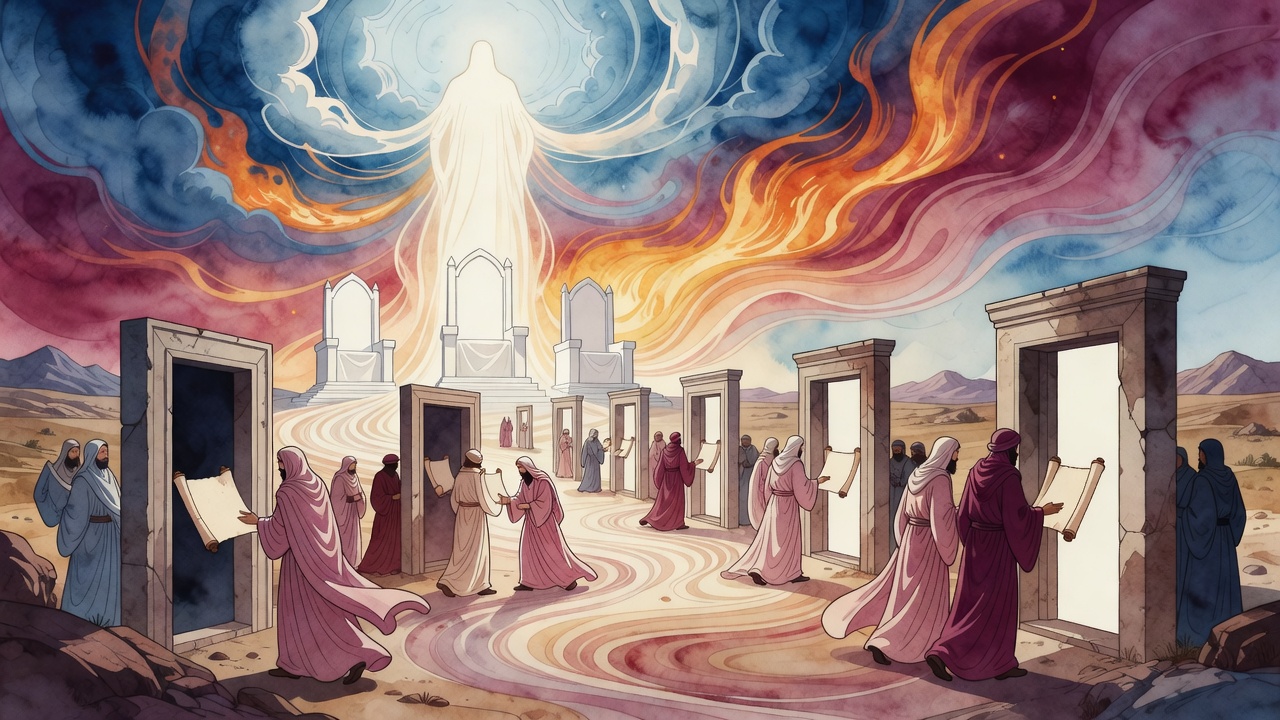
The tradition turned from the frightened judge to Moses, the lawgiver, the man who had climbed Sinai and come back glowing. God sent him a test with five women. Five daughters of Zelophchad, who had died leaving no sons, stood before the community and asked for their father's inheritance. The law had no provision for daughters inheriting directly.
Moses, who had received 611 commandments and delivered them without dropping one, did not know the answer. He brought the case before God. The tradition read this not as a failure but as a model: the judge who does not know must say he does not know and go to a higher authority rather than guess. The five women got their inheritance. The precedent was set. The humility of the man who had carried the whole Torah on his shoulders, when he hit the edge of the law, was the same humility the frightened judge needed to access when he hit the edge of his own courage.
Pharaoh's Crown Was Not His Own
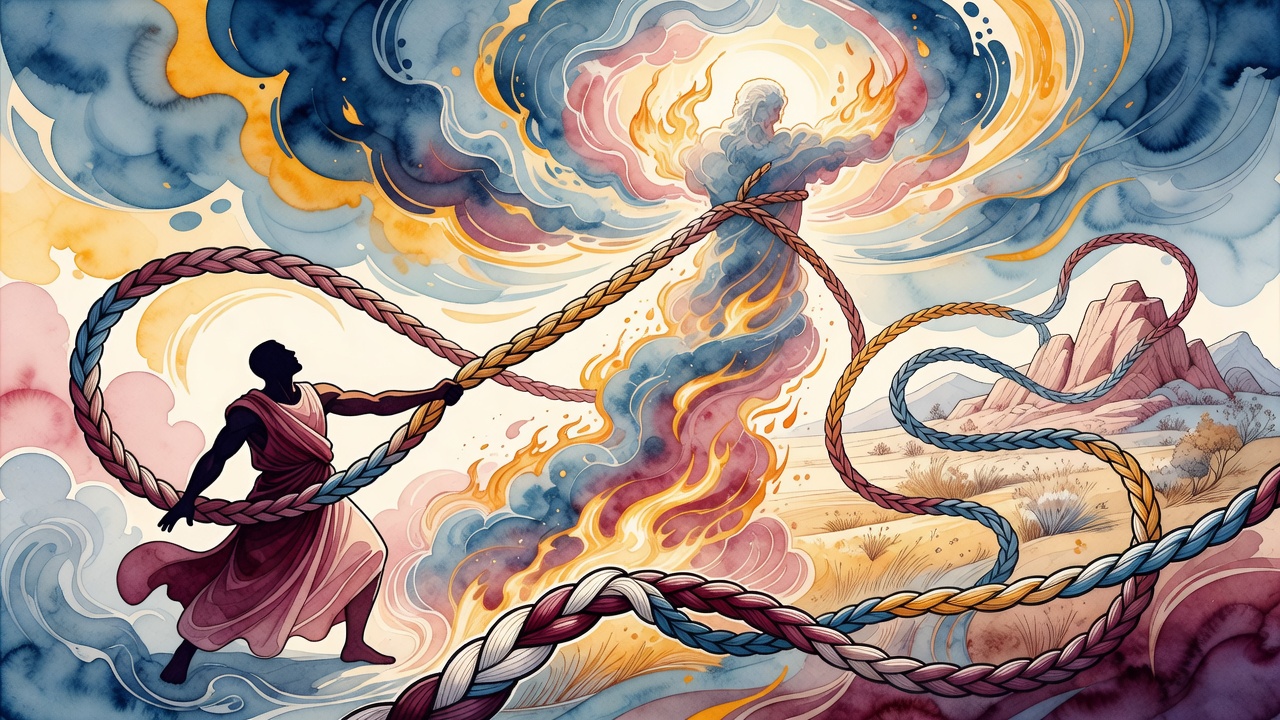
Then the tradition turned to a different kind of failure. Pharaoh thought the world was his to bend. He thought his crown was the measure of his authority and his will the mechanism of events. Sifrei Devarim caught him in his error through a verse in Deuteronomy about whom God apportioned territories to among the nations. God set the boundaries of the peoples, the Torah said, according to the number of the children of Israel.
The implication the rabbis drew was vertiginous: Pharaoh's Egypt existed on its current territory because of a calculation God made regarding Israel. The most powerful nation in the ancient world had its borders where they were because of a people Pharaoh was currently drowning in the Nile. The tyrant who thought he was running the world from his palace was living inside a map drawn for someone he considered subhuman. His crown was a prop in a story about the nation he was destroying.
Jacob's Last Words
The tradition let only one figure in this cluster keep his eyes on what actually mattered, and that figure was already dying when he spoke. Jacob lay on his deathbed in Egypt, four hundred years before the Exodus, and made his son swear an oath. Do not bury me in Egypt. Carry me up to the cave of Machpelah, to the land my fathers walked. God will surely bring you back to your land.
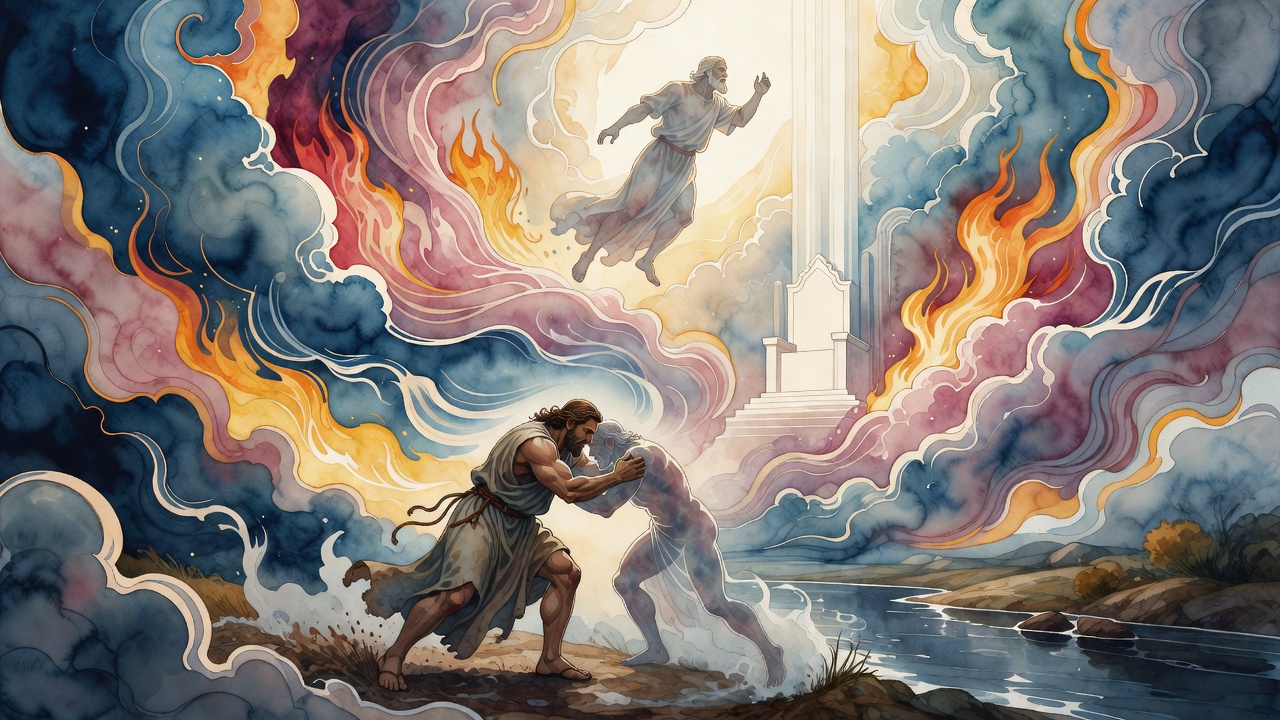
The tradition lingered on those words. Jacob did not say: I hope. He said: He will surely. Not as a prophecy being delivered to astonish. As a man who had wrestled an angel and been given a name he did not choose, and who knew, from that morning at the river Jabbok forward, that the Name behind the name kept its appointments. The judge was afraid of his neighbor. Pharaoh thought his crown was the point. The man on the deathbed in Egypt, whispering a promise to a son who would himself die in Egypt, had his eyes open and saw what was actually coming, four hundred years away and as certain as morning.
← All myths