The Mountain That Refused to Surrender the Grave of Moses
A Roman emperor digs Mount Nebo for the bones of Moses, but the grave keeps leaping from summit to base until the mountain wins.
Table of Contents
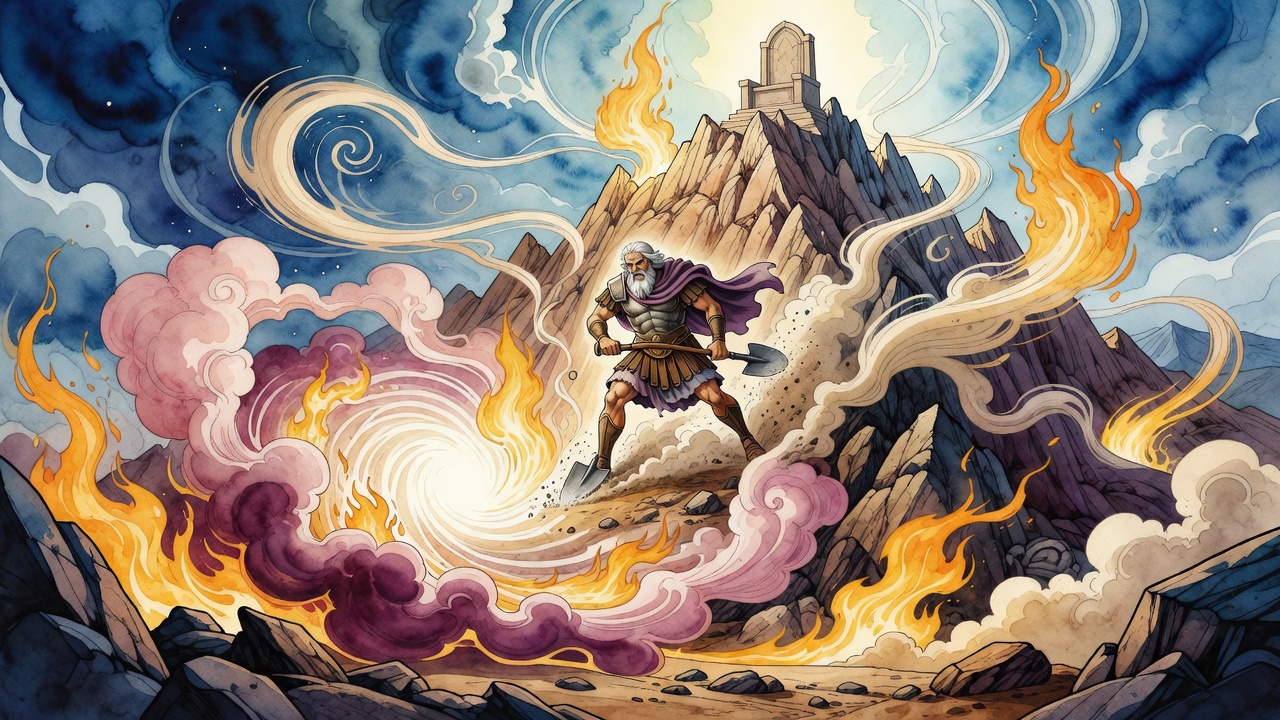
The soldiers reached the base of Mount Nebo before noon and drove their spades into the slope. They had a Roman emperor's order in their ears and a single name in their mouths. Somewhere on this mountain lay the greatest prophet who ever lived, and the emperor wanted the bones. He wanted to see them, to weigh them, to set them in a city where the world could file past and stare.
 Click for full size
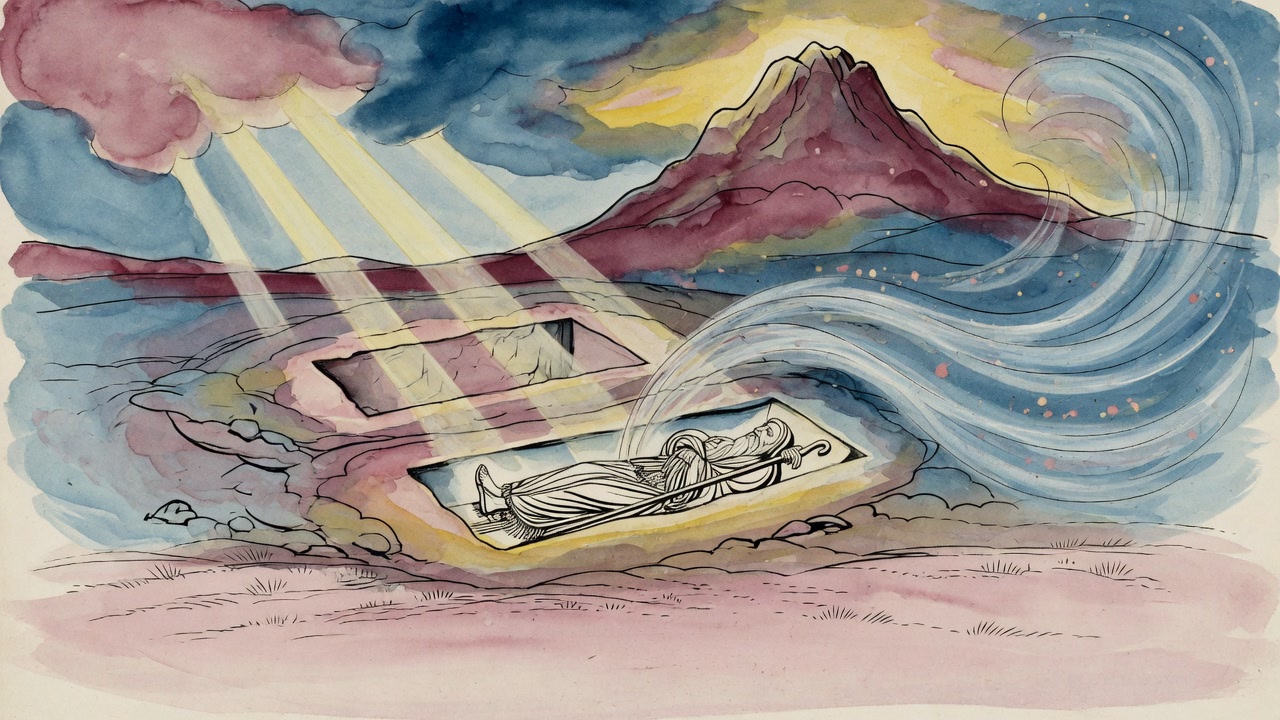
So they dug. They cut away rock and shoveled out earth at the mountain's foot until their backs ran with sweat, and then one of them straightened, wiped his eyes, and went still. He pointed up the slope. There, plain against the sky at the very summit, lay the outline of a grave.
The Grave That Climbed the Mountain
"It is at the top," he shouted, and the cry passed from man to man. They snatched up their tools and scrambled the long way to the peak, lungs burning, certain now. At the summit they fell on the spot and tore at it. Then a shadow of doubt made one of them look back down the way they had come.
The grave was at the bottom. It sat exactly where they had begun the morning, in the churned earth they had abandoned, its outline sharp and waiting. They went down. The grave climbed to the top. They went up. It sank to the bottom. Down again, up again, the mountain trading the thing back and forth between its head and its feet while the men ran themselves ragged on its flank, until their legs would not carry them and they lay in the dirt with their tools beside them, staring at a summit that held nothing and a base that held nothing, breathing like beaten animals.
What the Mountain Was Hiding
There was a reason the mountain would not give him up, and it began far away and long before, in Egypt on the night Israel walked out of slavery. While everyone else crammed their arms with the silver and gold of their old masters, Moses walked the city alone for three days and three nights, hunting one thing in the dark. He was looking for the coffin of Joseph.
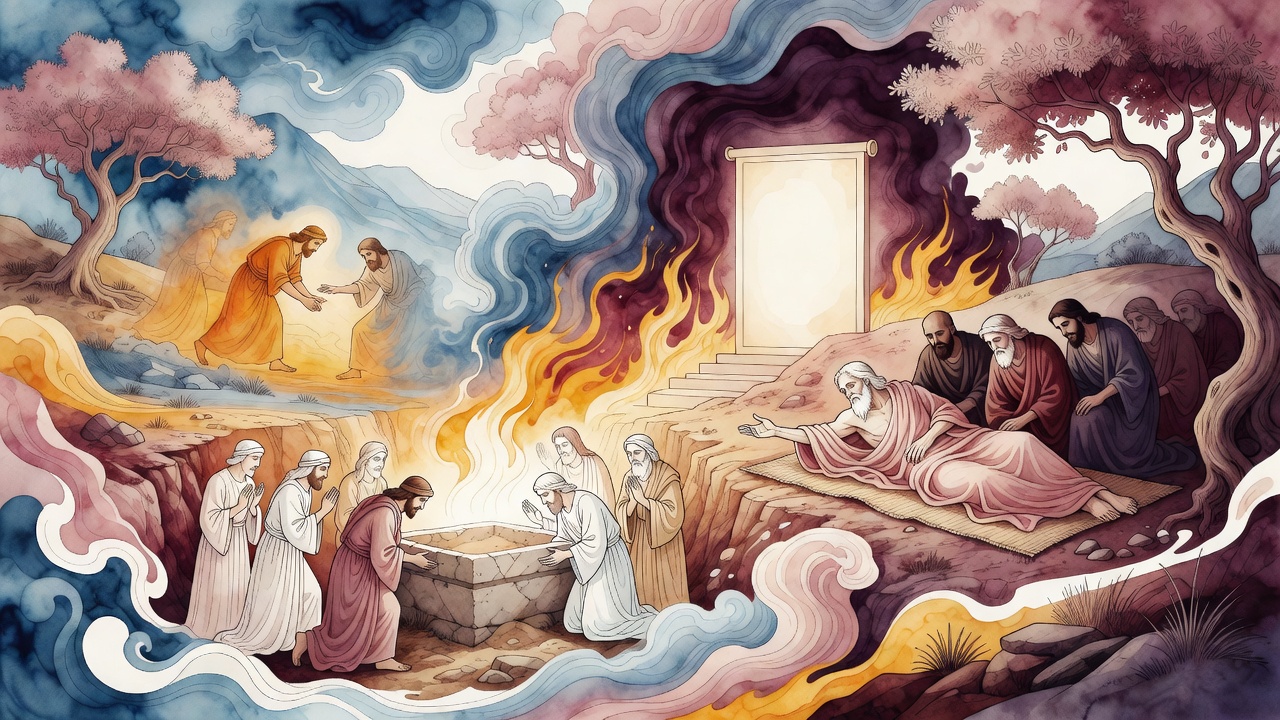
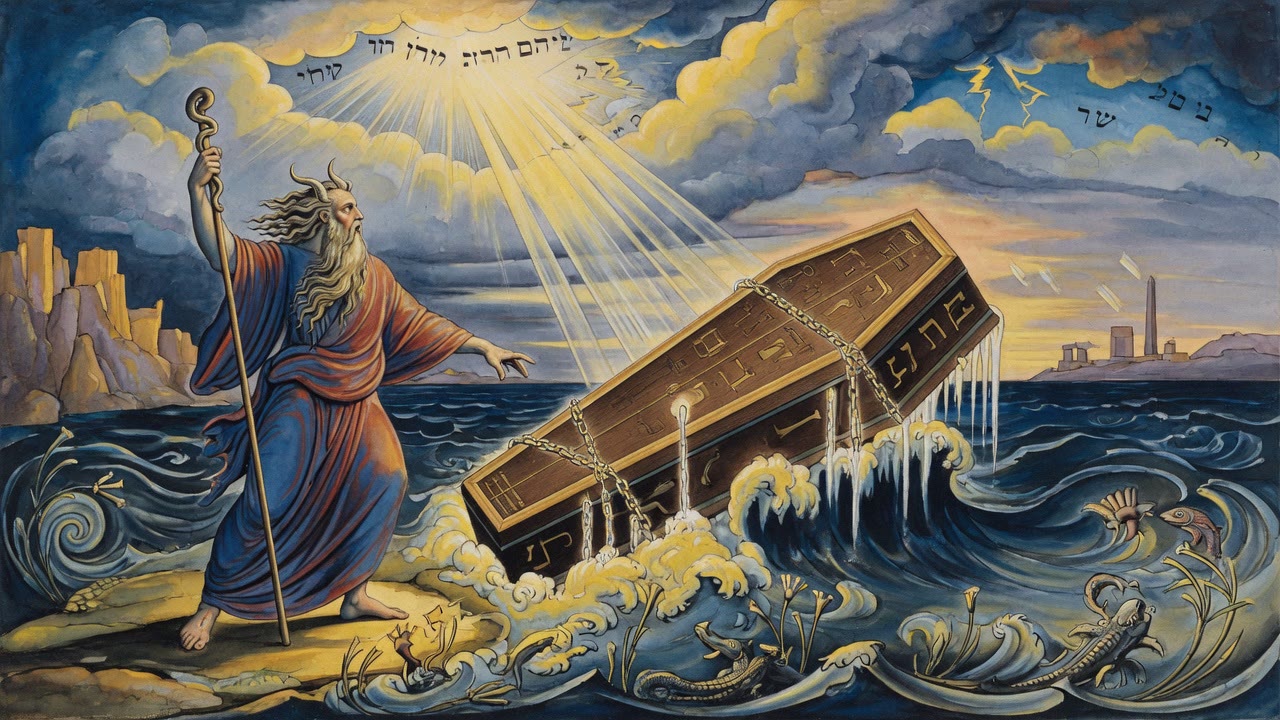
Exhausted, faint, he was found by Serah bat Asher, a woman who had lived since the days of Jacob and remembered where the bones were hidden. She led him to a brook. Pharaoh's magicians had sunk Joseph's coffin there, a lead casket weighing five hundred talents, drowned deep so that Israel could never leave without it. Moses stood at the water and called into it. "Joseph, Joseph, you made Israel swear to carry your bones. Do not hold back their redemption." The lead casket rose from the depths and floated up light as a reed. Moses lifted it onto his shoulder and bore it out of Egypt himself, while a whole nation walked beside him counting its gold.
God did not forget that march. "You think this was a small thing," He told him. "By your life, the mercy you showed is great." A man who had carried a dead prophet on his own back through the wilderness would not be left to rot in a hole some emperor could open.
The Last Day Moses Tried to Outrun
When Moses' own death came, he fought it the way a man fights a closing door. On his last day he wrote out thirteen scrolls of the Torah, one for each tribe and one to lie in the Ark, his hand moving as if ink could buy him hours. He prayed for the sun to stop in the sky, hoping that if the day never ended the decree could never land. God held the sun for him. The decree held too.
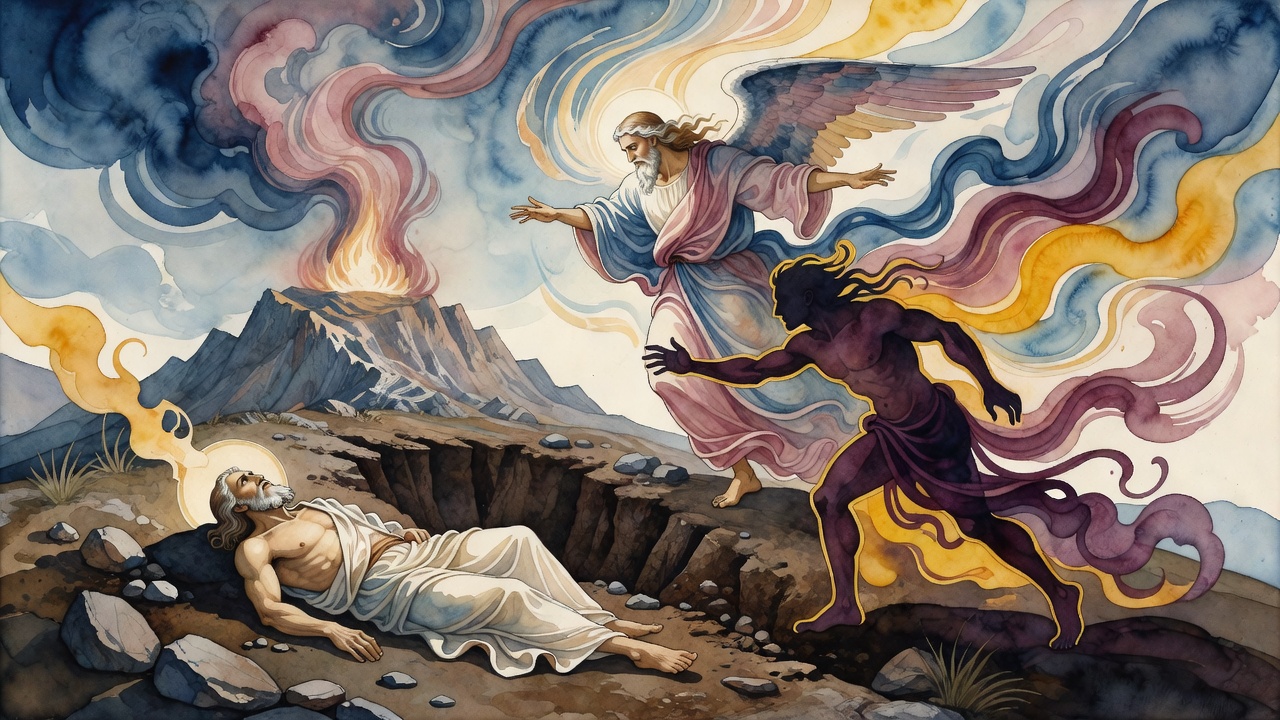
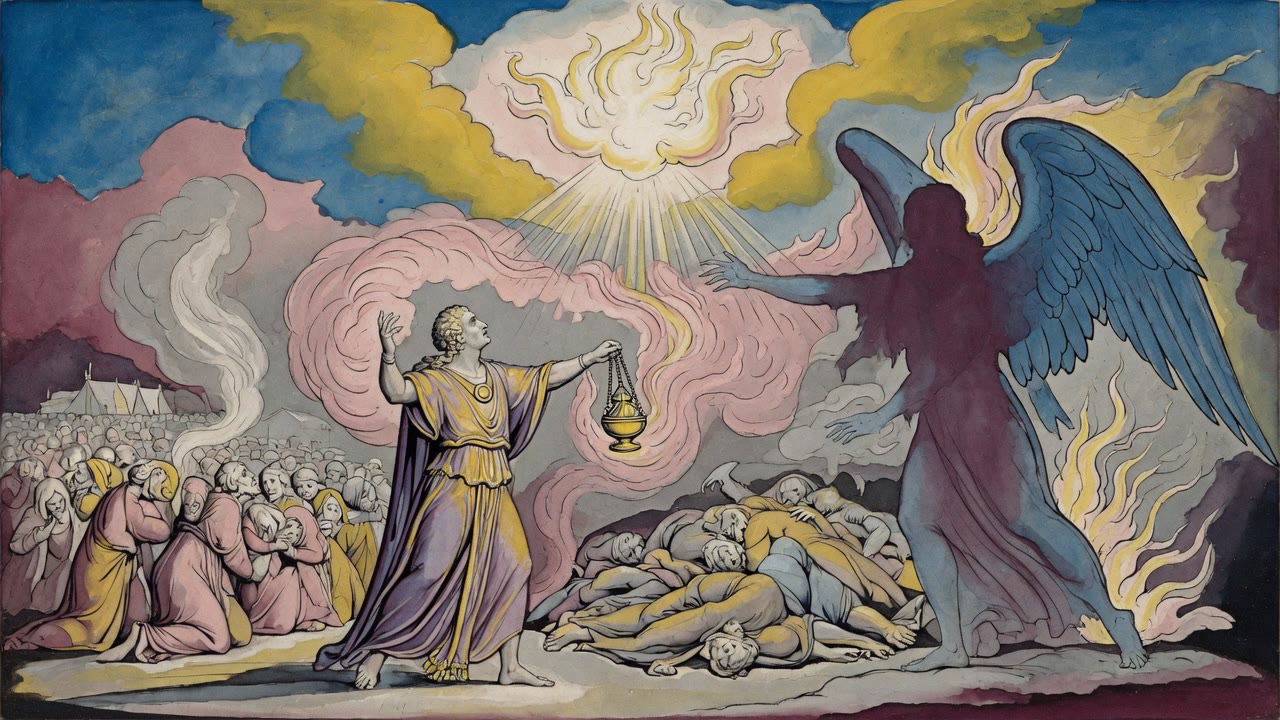
The angel of death came, and Moses seized him and forced him to walk ahead while he blessed the twelve tribes one by one. The angel came a second time, and a third. Twice Moses drove him off by speaking the Shem HaMeforash, the Ineffable Name, the syllables cracking the air. The third time Moses stopped fighting. His soul refused the parting and argued the case to heaven, protesting that no body had ever housed it more purely. God agreed with the soul. Then He took it Himself and carried it to rest beneath His throne.
A Sepulchre as Wide as the World
Down on the plain, Joshua had heard that Moses was truly going, and he tore his clothes and threw himself at the prophet's feet. Moses bent and lifted him and wept with him. Then Joshua asked the question no one could answer. What grave on earth could hold such a man? What stone could ever be cut to name the place where Moses lay?
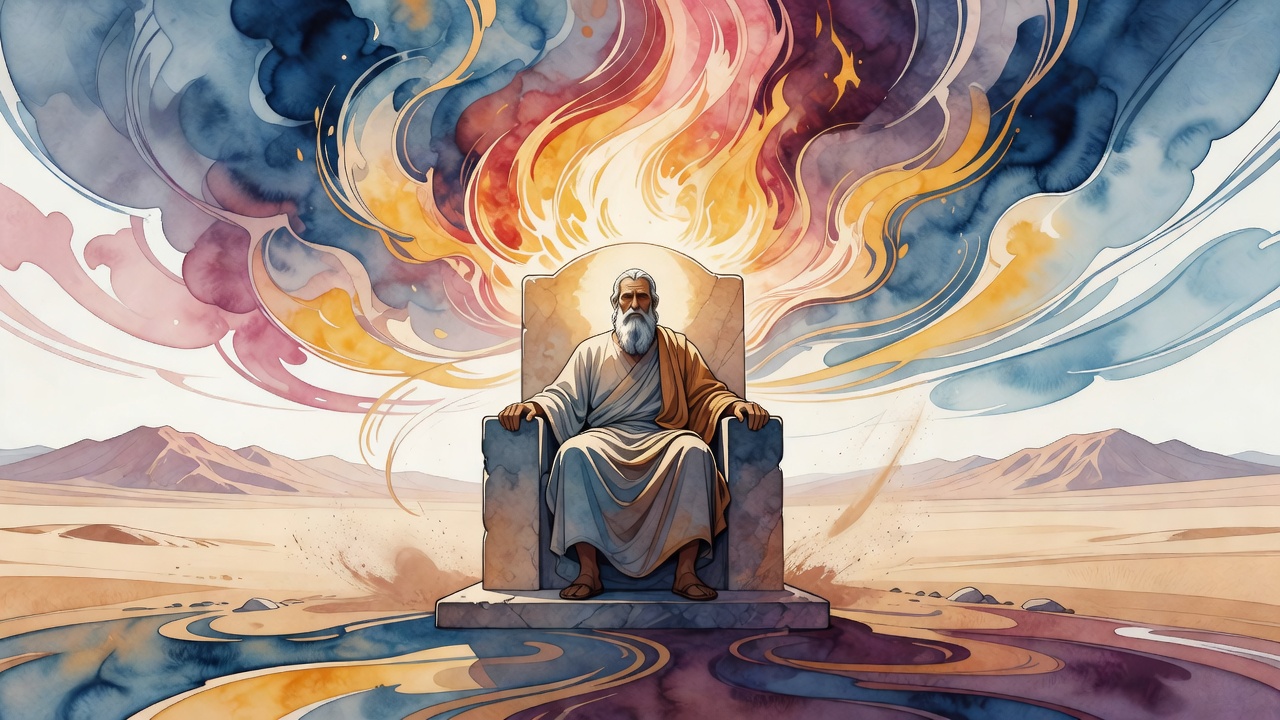
His own grief gave him the answer he could not bear. Ordinary people each get a tomb measured to their years, a fixed plot in the ground. Moses was not ordinary. His resting place stretched from the rising sun to the setting sun, from the south to the far edges of the north. All the world was his sepulchre. No single hillside was grand enough to be called his alone, and no hand would ever dare lift his body and carry it from one place to another like common remains.
The Secret God Kept for Himself
That was the thing the emperor's men kept chasing up and down Mount Nebo and never caught. God had buried Moses with His own hands in the valley in the land of Moab, and no man knows the place to this day. The grave moved because it was never meant to be a destination. Find it, and within a year there would be lamps and pilgrims and offerings on it, knees in the dust, prayers aimed at a slab of stone. The bones would become a shrine, and the shrine would become a rival to the One who made the man.
So the soldiers went back to their emperor with dirt under their nails and nothing in their hands. They had stood on the grave a dozen times and dug into empty rock. The mountain kept its secret, because the secret had never belonged to the mountain. It belonged to God, who had carried the soul up to His throne and left the body where no worshipper would ever kneel.
← All myths