41 myths · Page 1 of 2
Each story names the sources it was written from.
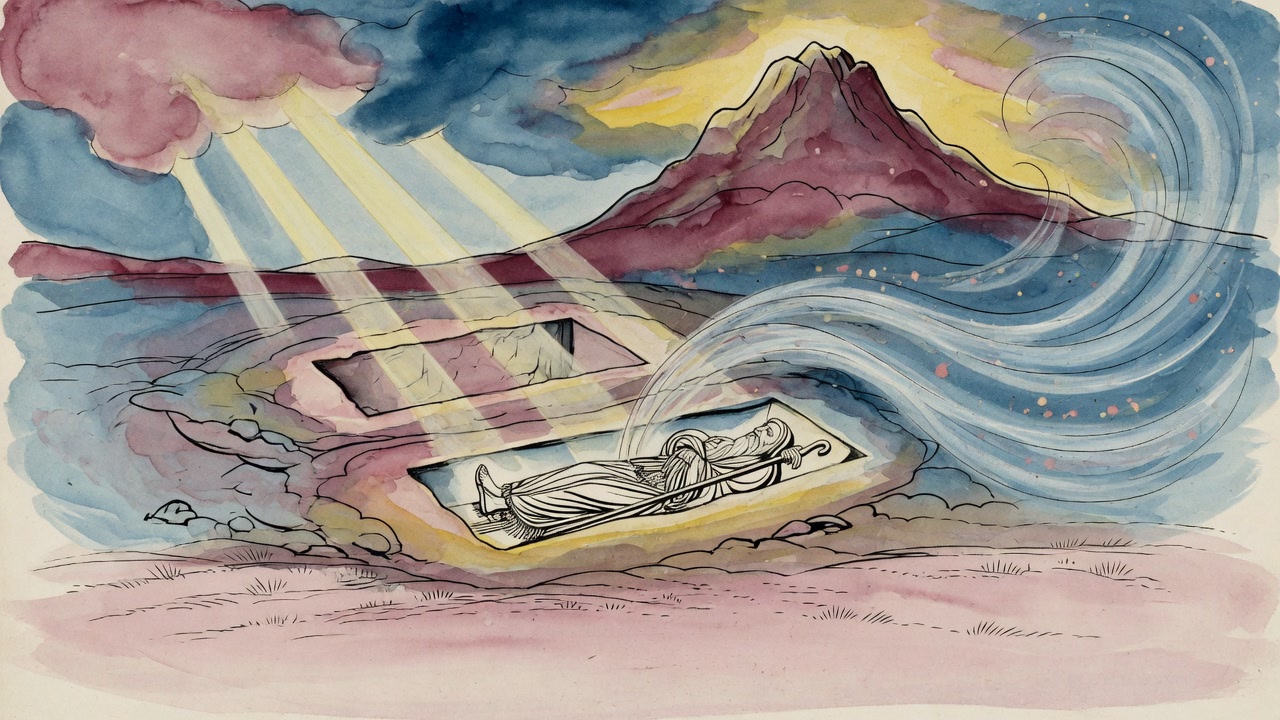
Samael drew his sword for Moses and fell on his face. The grave God dug in Moab would not stay still for anyone who looked for it.
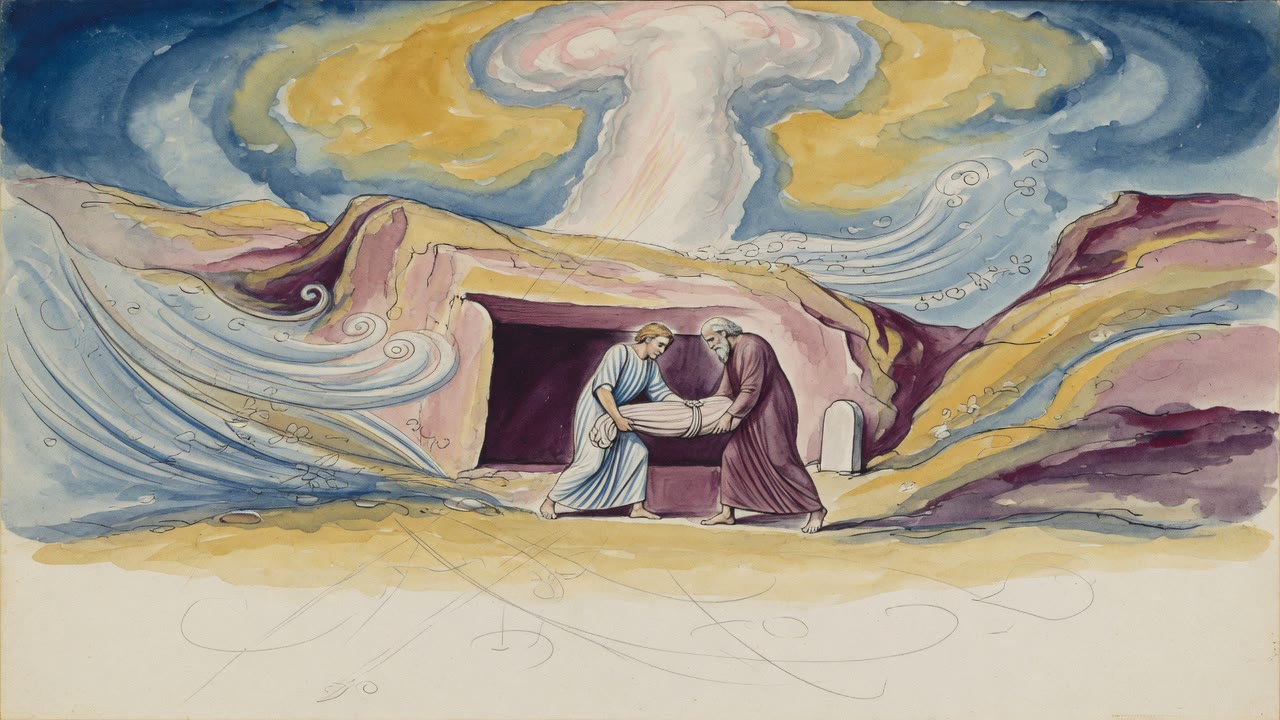
Ishmael was the older son. When Abraham died, the Torah listed Isaac's name first. The rabbis read that as Ishmael stepping back.
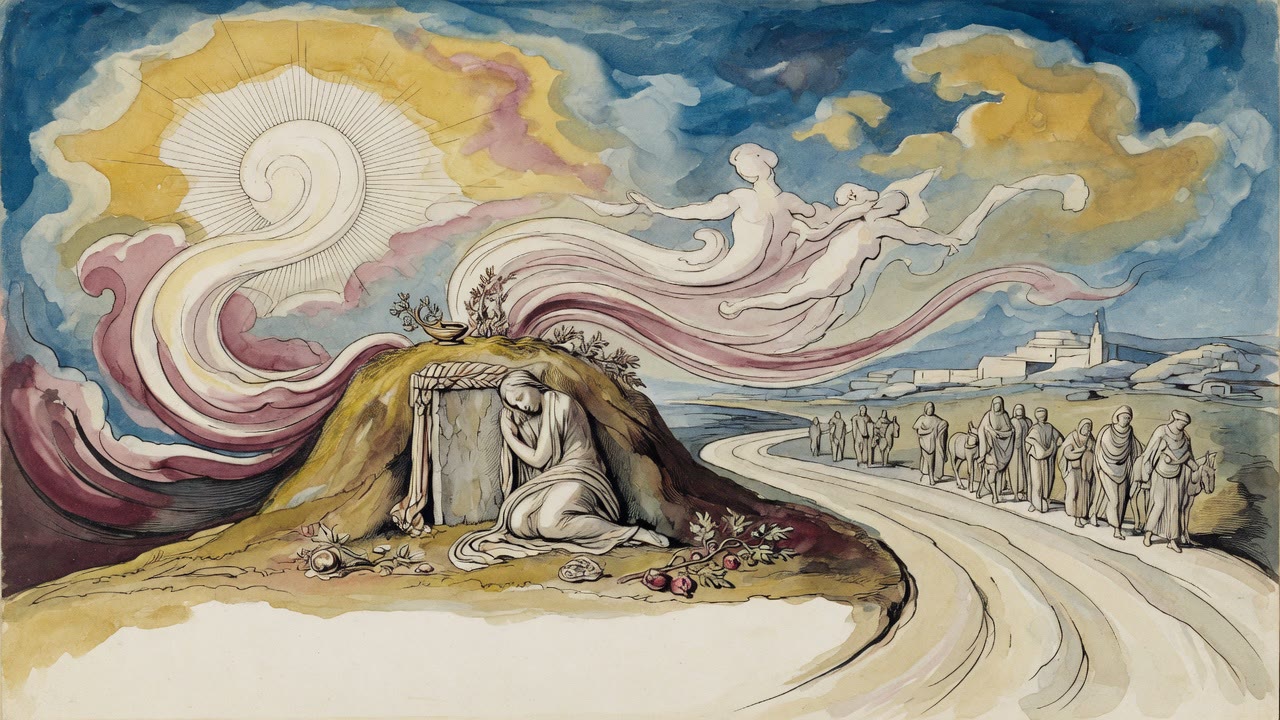
She named the boy Ben-oni and died beside the road. Jacob would not carry her to the cave. He had already seen the exiles marching that same dust.
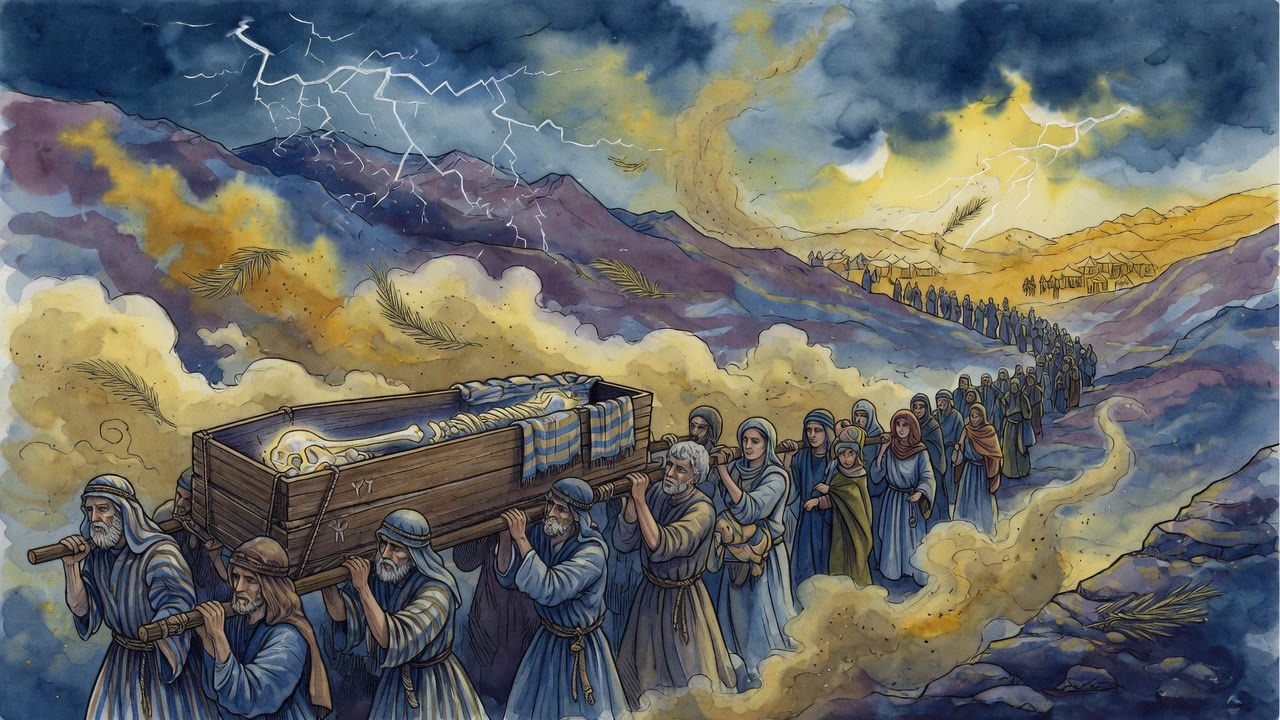
Joseph ruled Egypt and saved it from famine. His last act was extracting one oath: carry my bones out when you leave. The rabbis asked why Egypt was not enough.
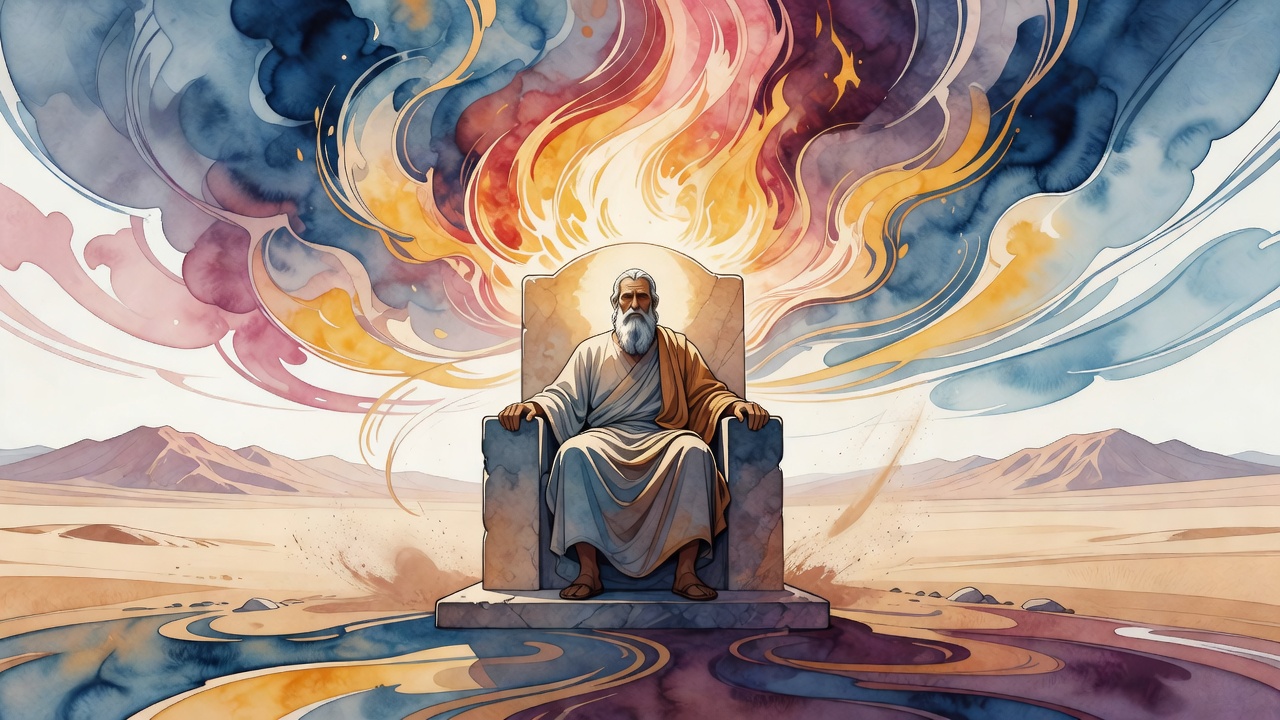
The plan came from a Hebrew fugitive. Every soldier had to raise a stork and starve it three days. The birds were loosed on the serpents guarding the city.
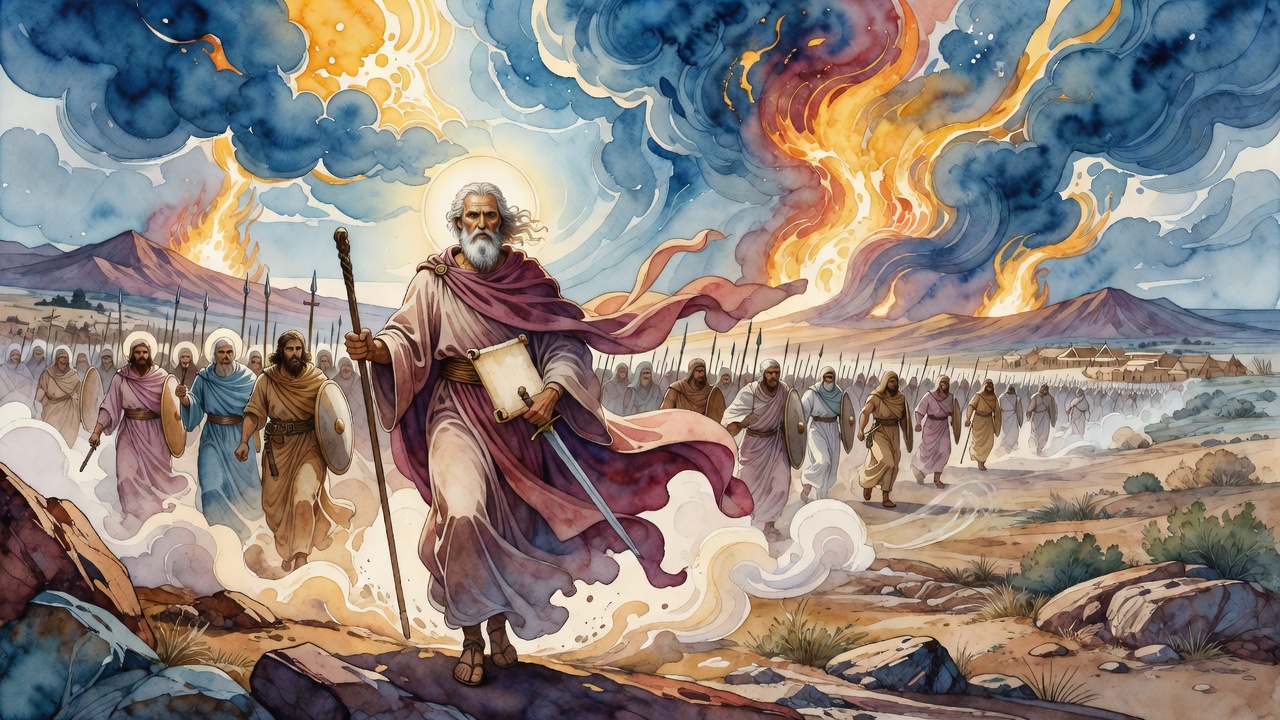
Moses could have kept himself alive for years by stalling the campaign against Midian. He gave the order the same day. Then his soldiers sat down.
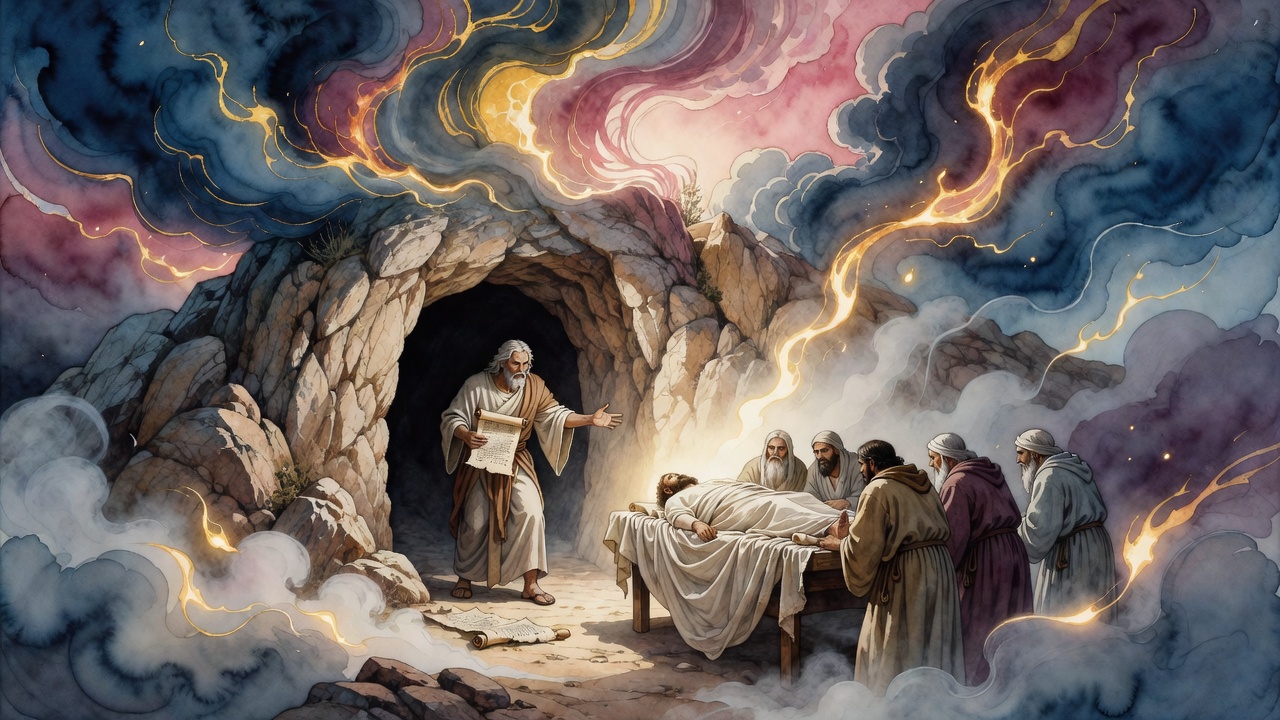
The funeral from Egypt stopped at the cave mouth. Esau filled the doorway and said the last empty place inside belonged to him.
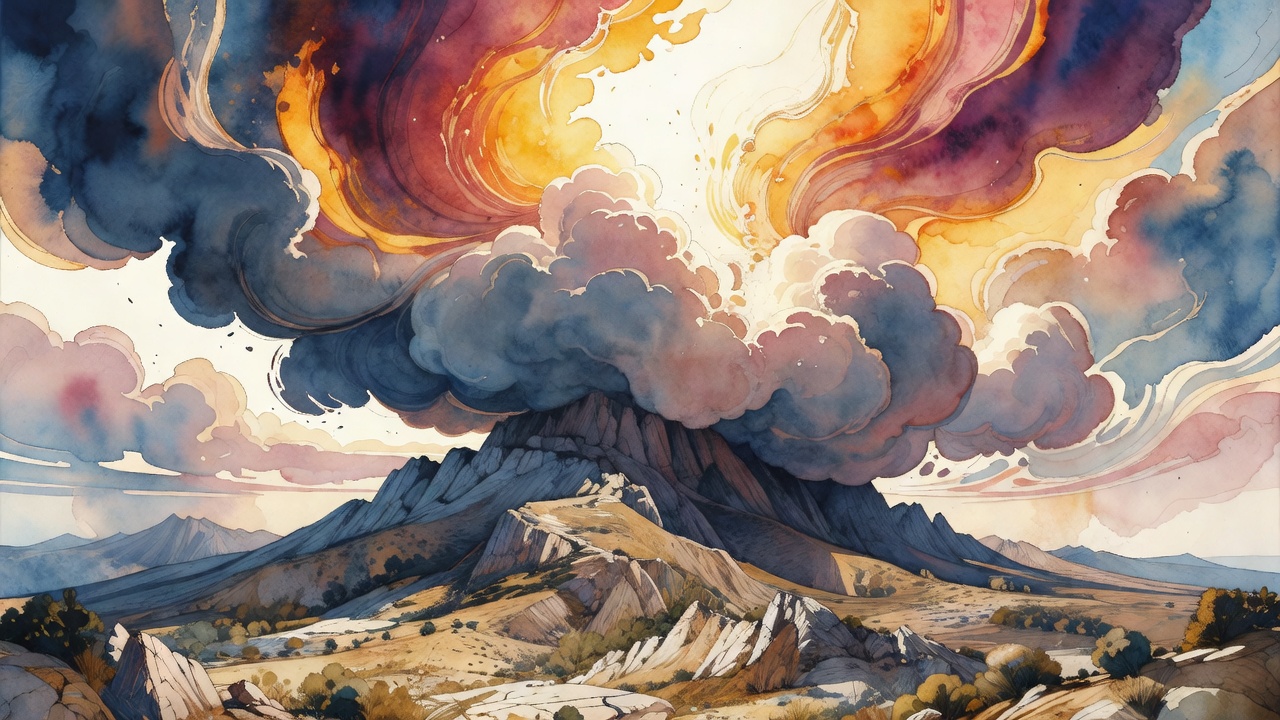
A generation raised under divine clouds had never seen direct sunlight. The day Aaron died on Mount Hor, every cloud dissolved at once.
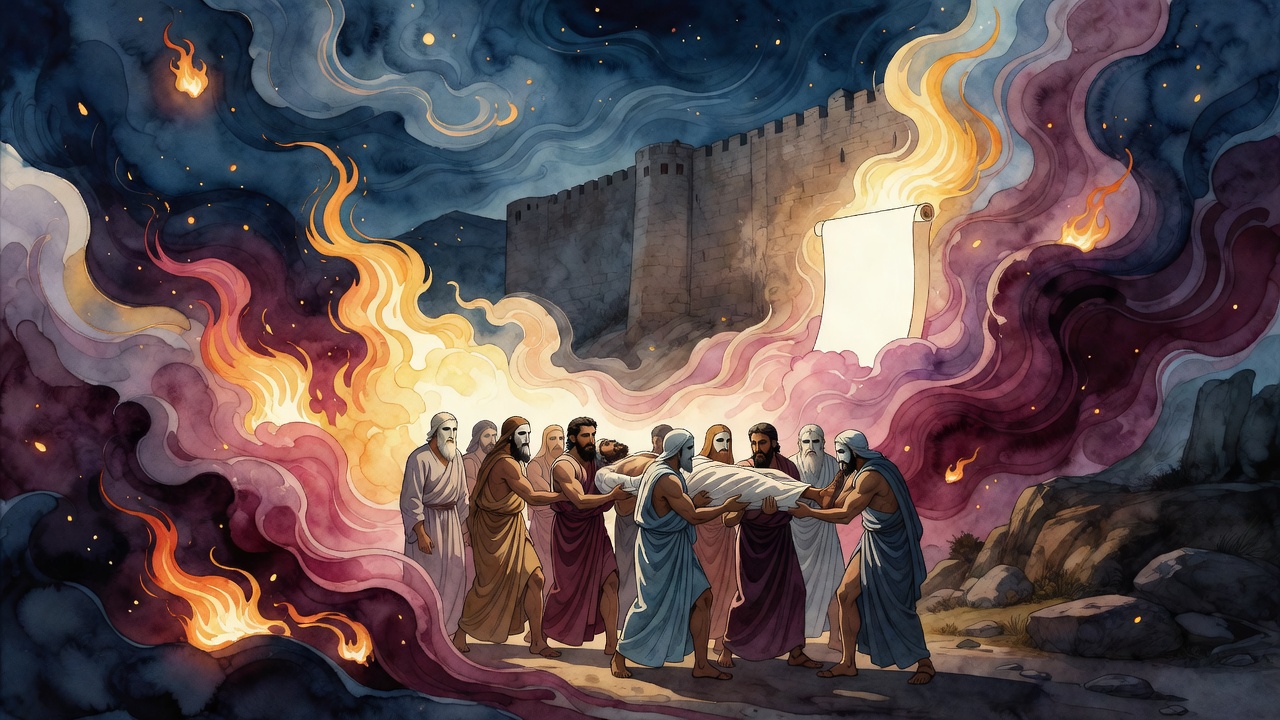
The men of Jabesh-Gilead still had their right eyes because of Saul. When his body went up on the wall at Beth-shan, they came for it.
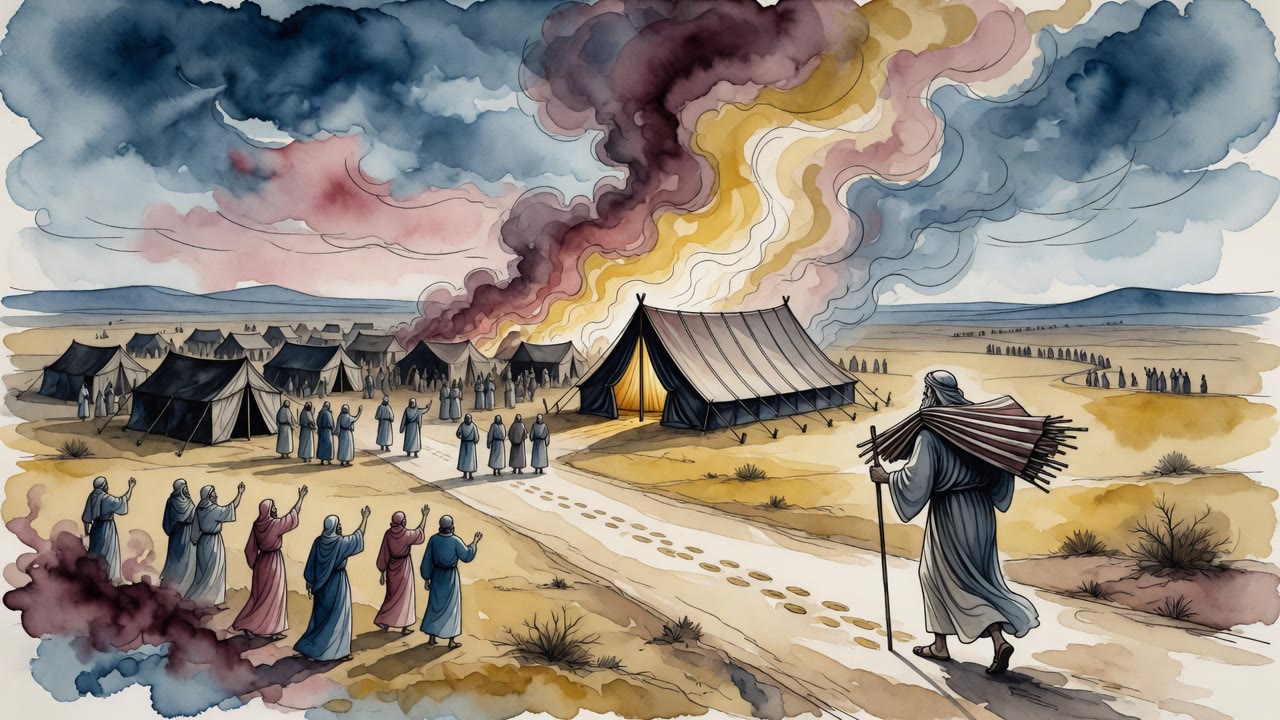
Moses prays 515 times at the Jordan's edge, draws a circle in the dust, and prays until heaven trembles. God finally says: enough, do not continue.
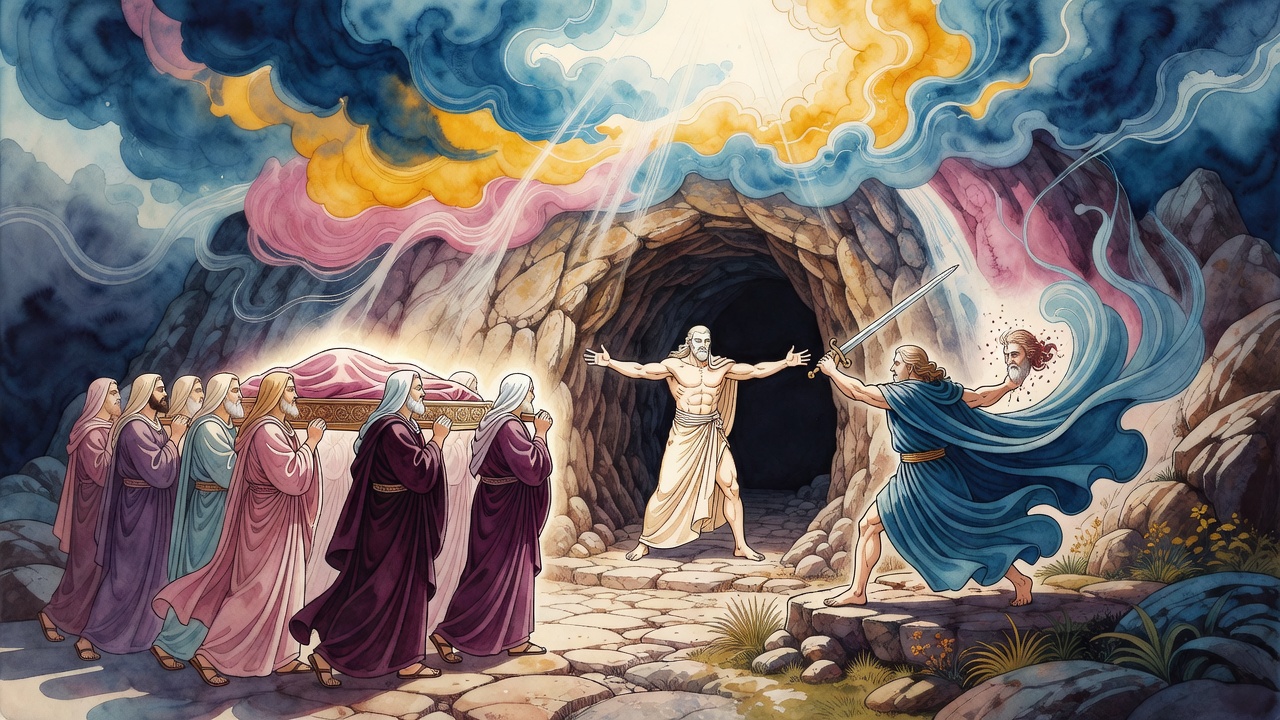
Jacob's body waited at the cave mouth while the brothers argued a deed. Dan's deaf son asked why the grave was still empty.
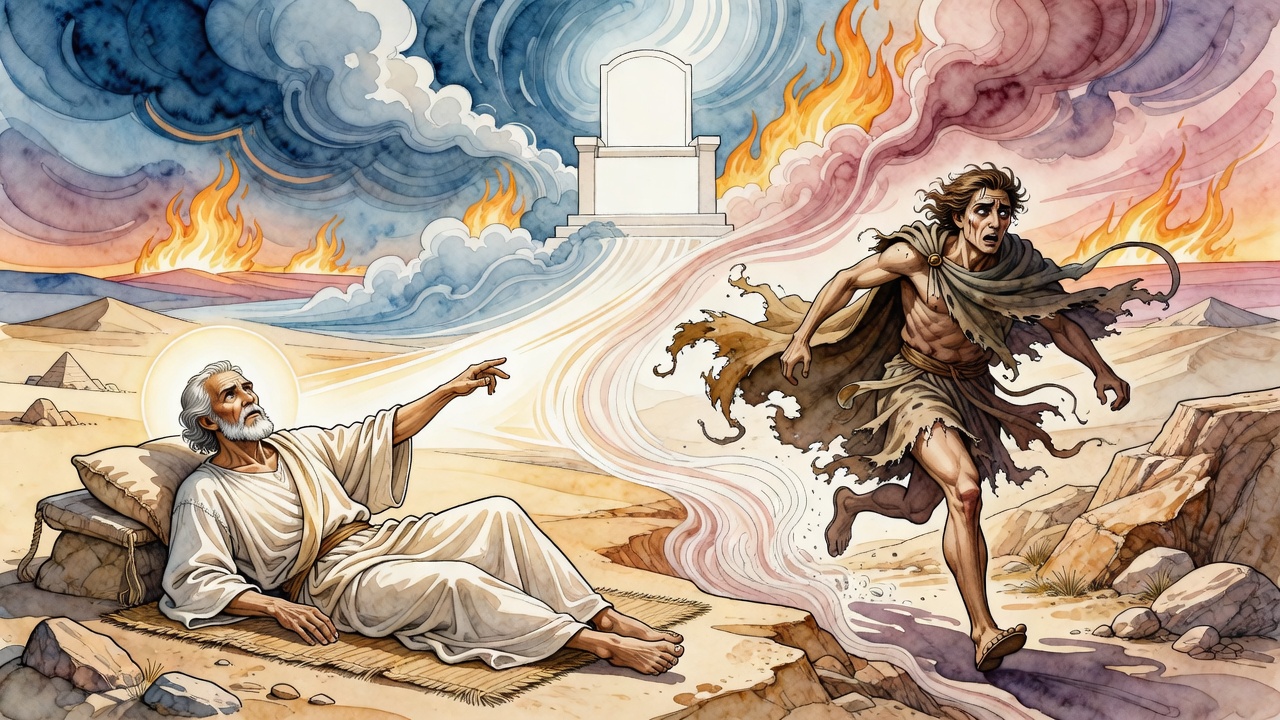
Joseph put his hand under Jacob's thigh. The oath was Canaan, not Egypt. Later Elijah sat under a broom tree in that land and asked God to take his life.
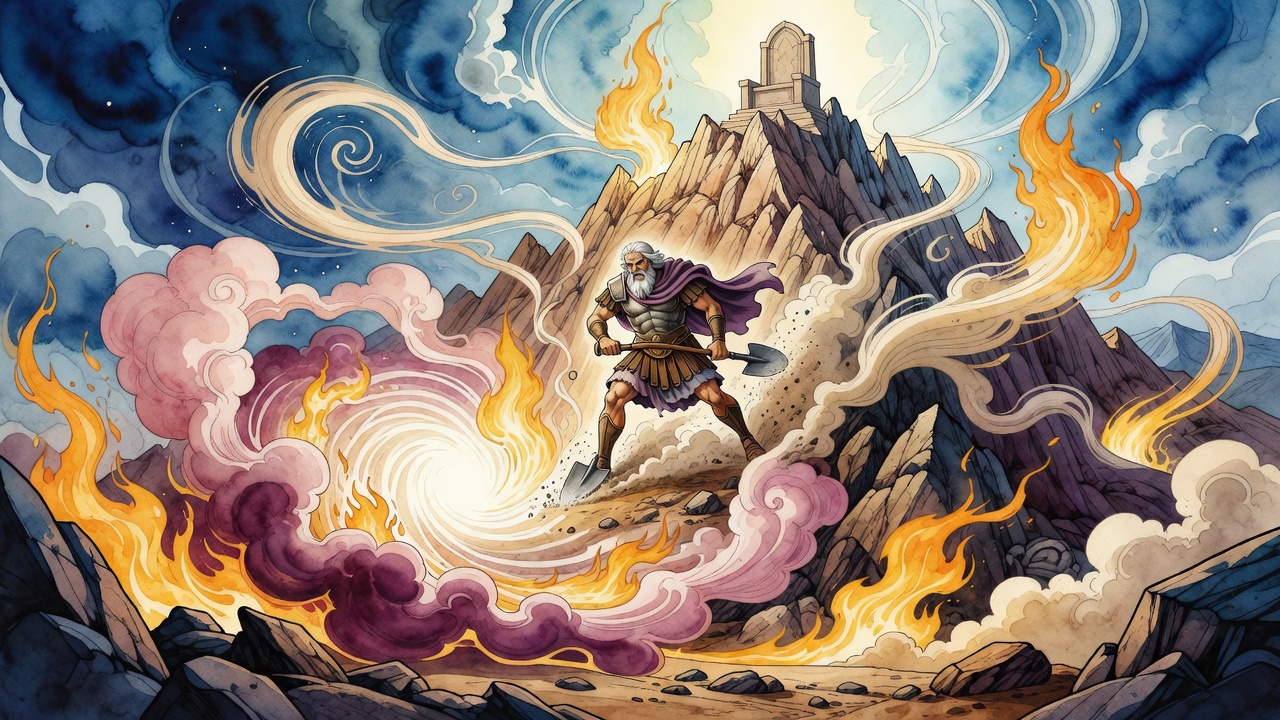
A Roman emperor digs Mount Nebo for the bones of Moses, but the grave keeps leaping from summit to base until the mountain wins.
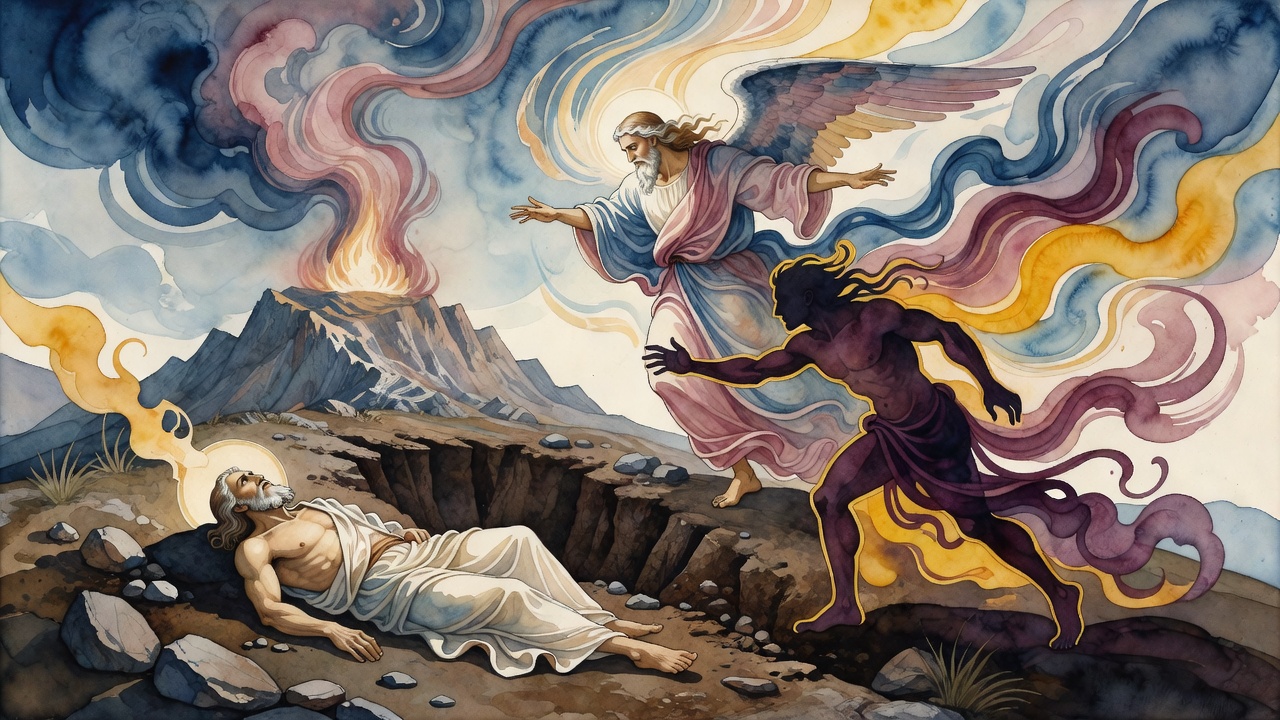
Joshua tore his clothes and asked what grave could hold him. On Nebo the Accuser claimed the dust. Michael would not curse. He rebuked.
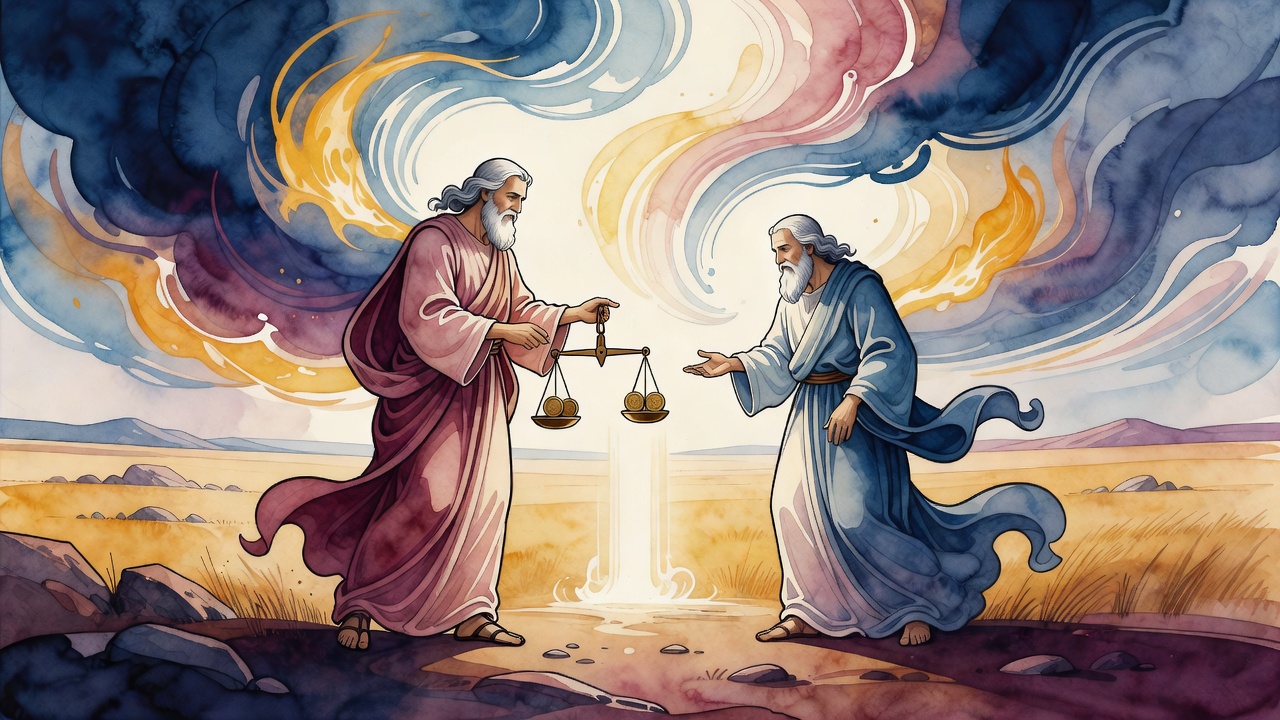
Ephron offered Sarah's burial field as a gift, then named four hundred shekels between friends. Abraham weighed full coin for the first lasting foothold.
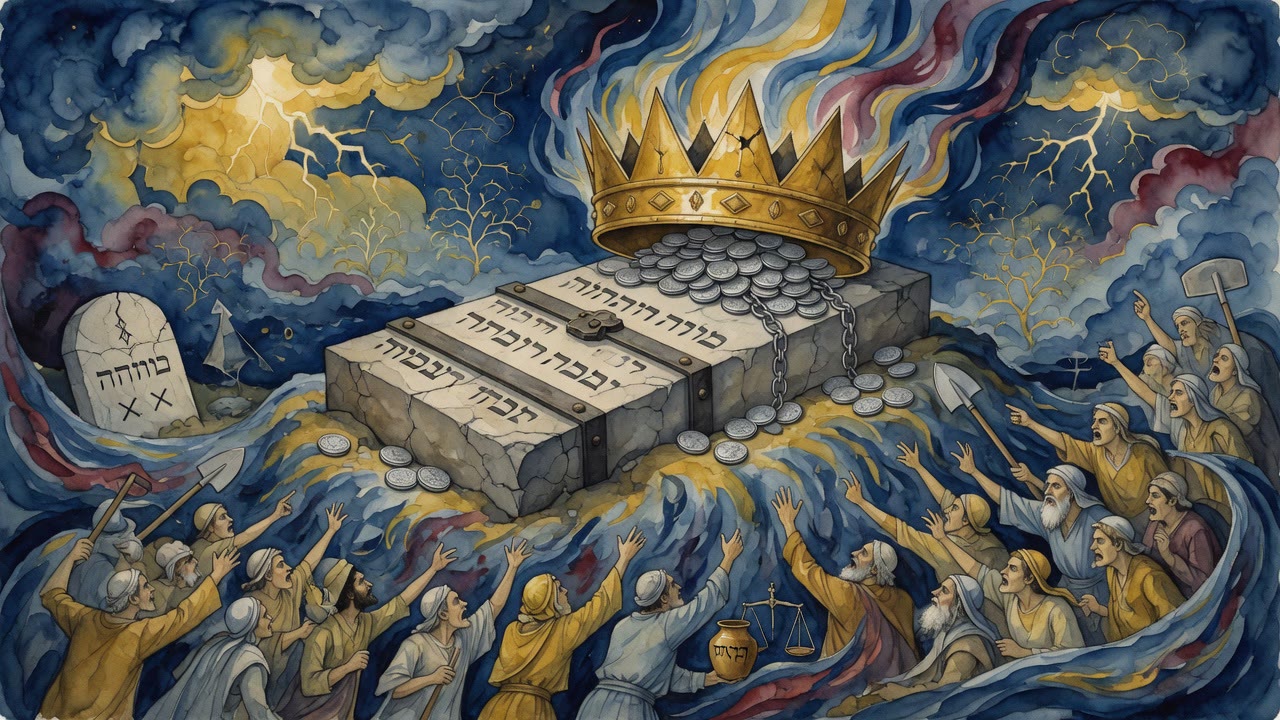
No family could close a grave until the crown had its silver. On the day the king came out for cheers, the street used his name for something else.
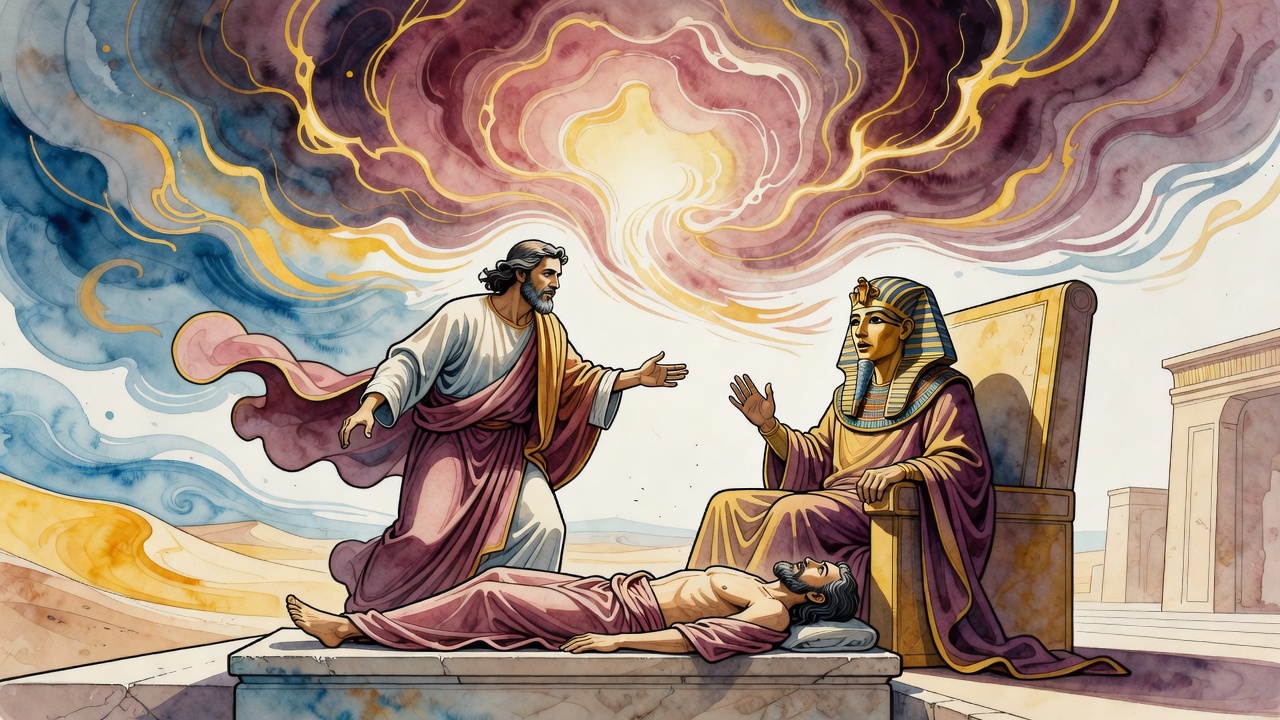
Pharaoh told Joseph to drop the burial vow. Joseph named a second vow, the one that hid the king's missing Hebrew.
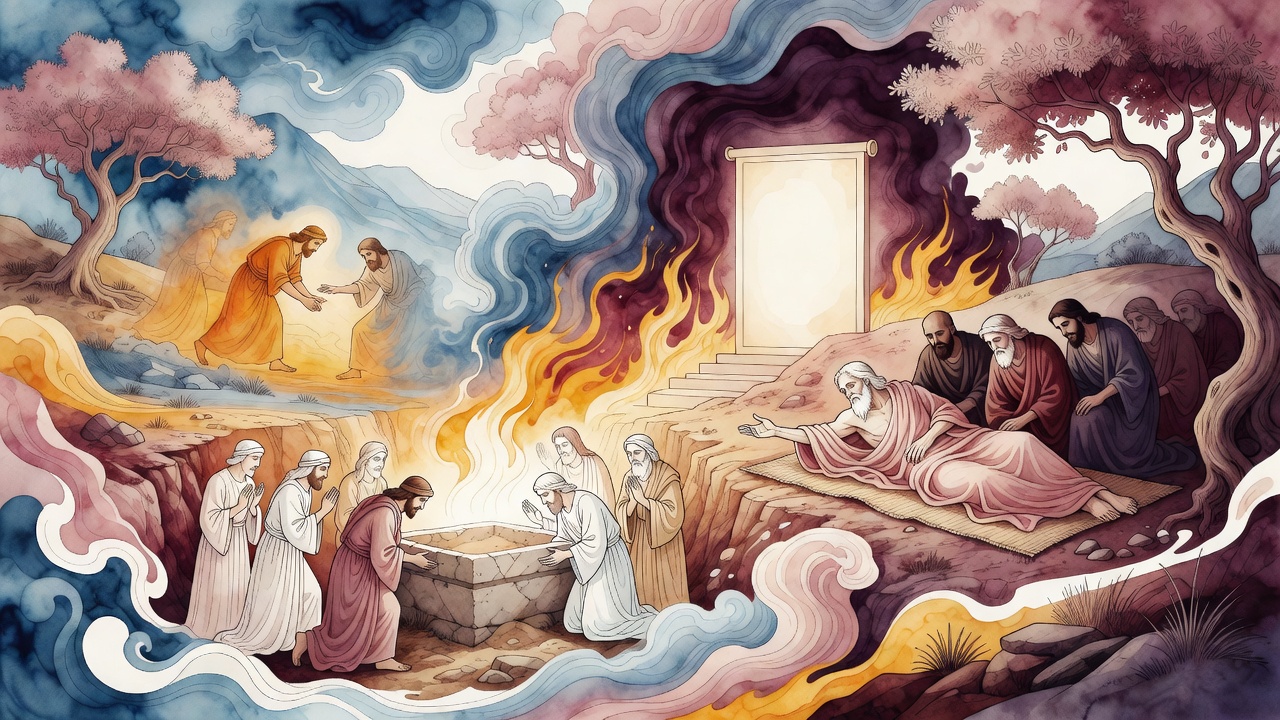
Dying, Jacob ordered Joseph to forgive and shield his brothers. Ages later the tribes buried Joseph in Shechem, the ground that first took him.
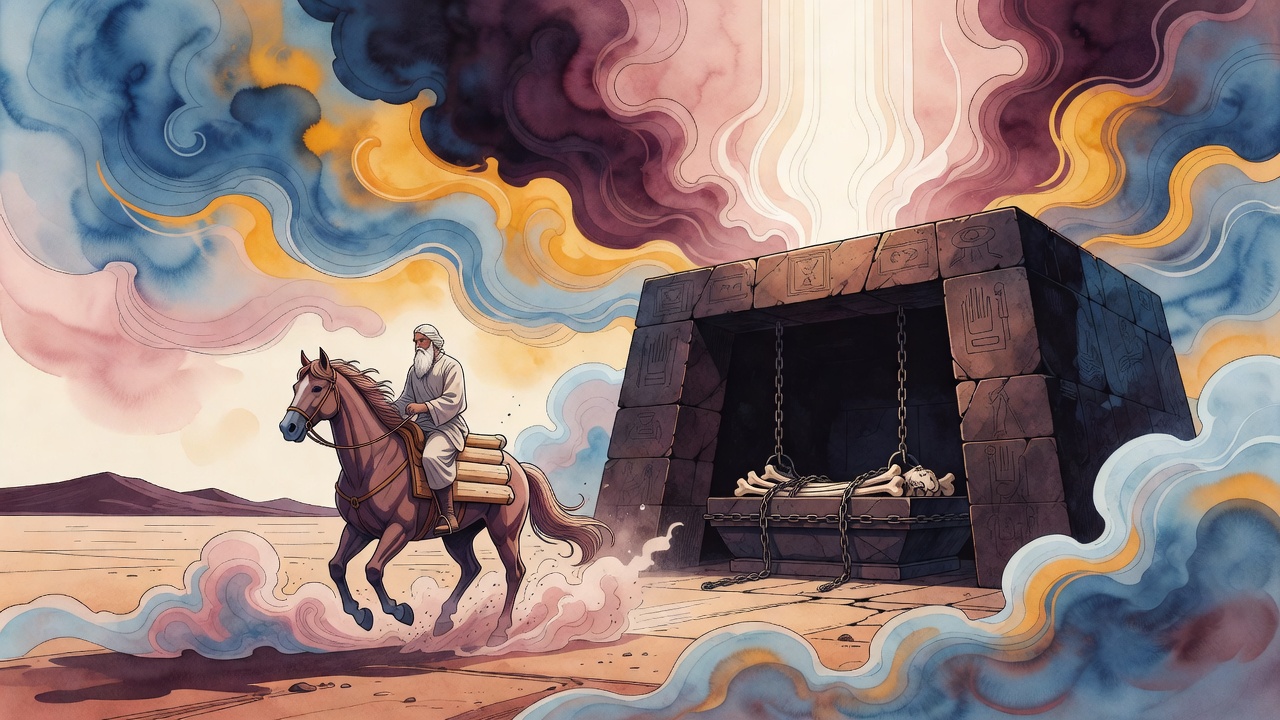
Every other patriarch left Egypt in a coffin bound for Hebron. Joseph's bones stayed behind under guard in the royal treasure rooms, stored with the gold.
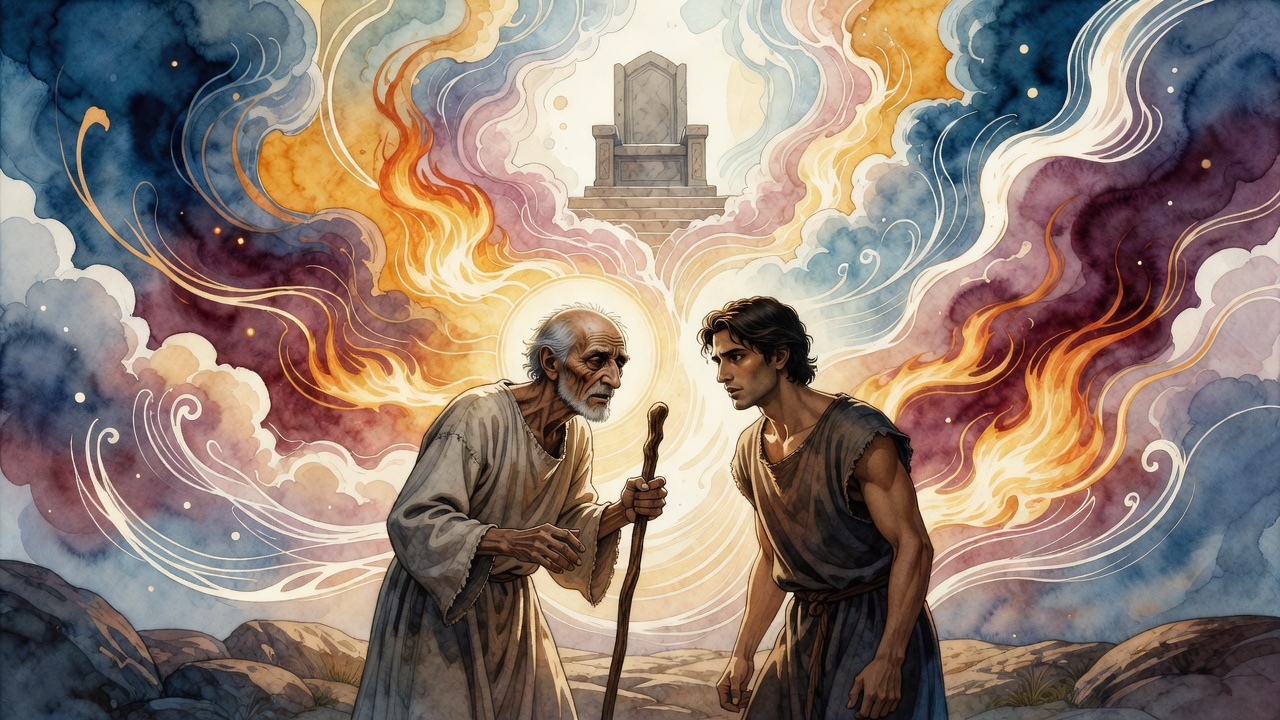
He asked every day to die. Before the last breath he called his son, not for the silver in Media, but for the woman still in the house.
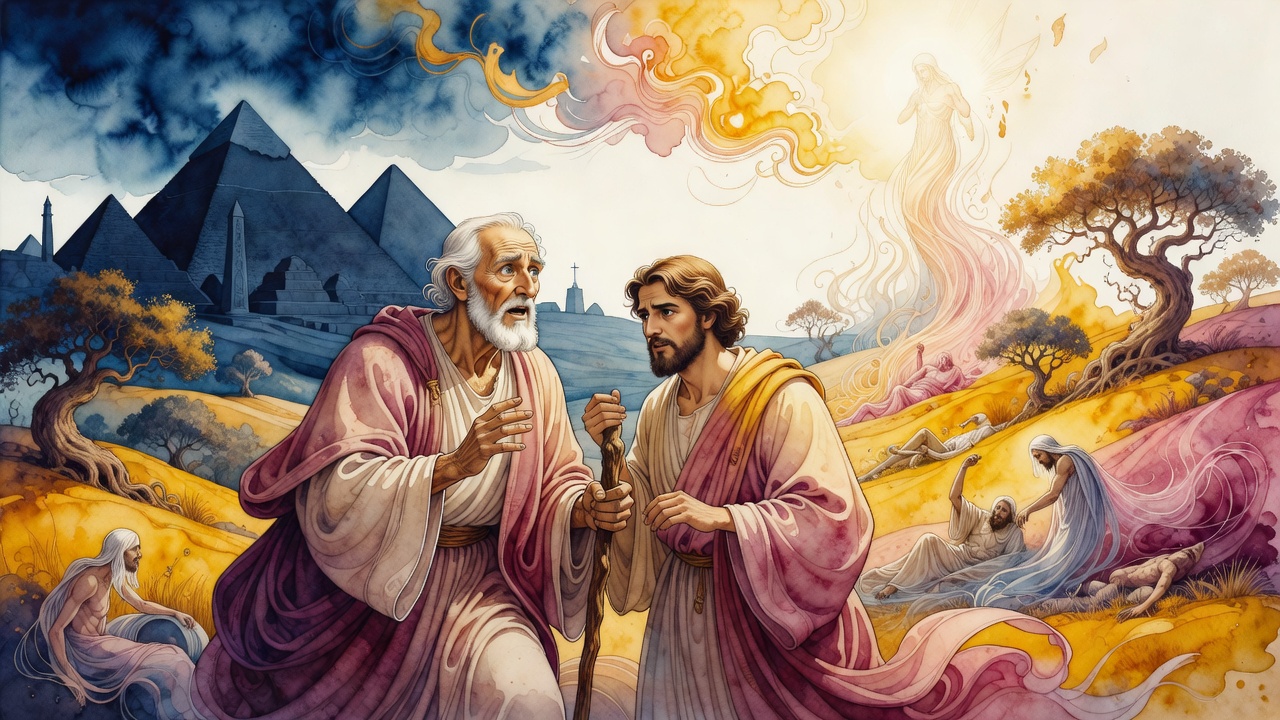
Jacob fears Egypt will worship his tomb. He asks Joseph for kindness and truth. The dead of the Land rise first when Messiah comes.
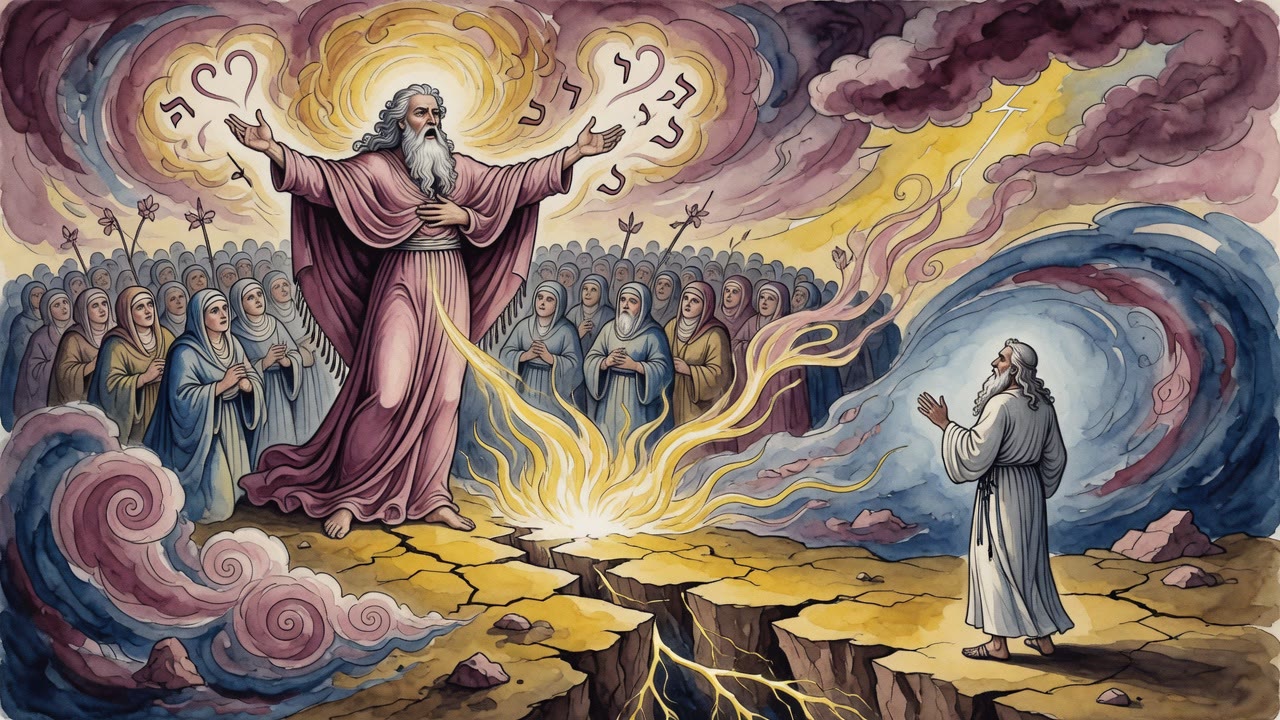
After the sea splits, the land and the water fight over Egyptian corpses, each refusing burial until God swears by His right hand.
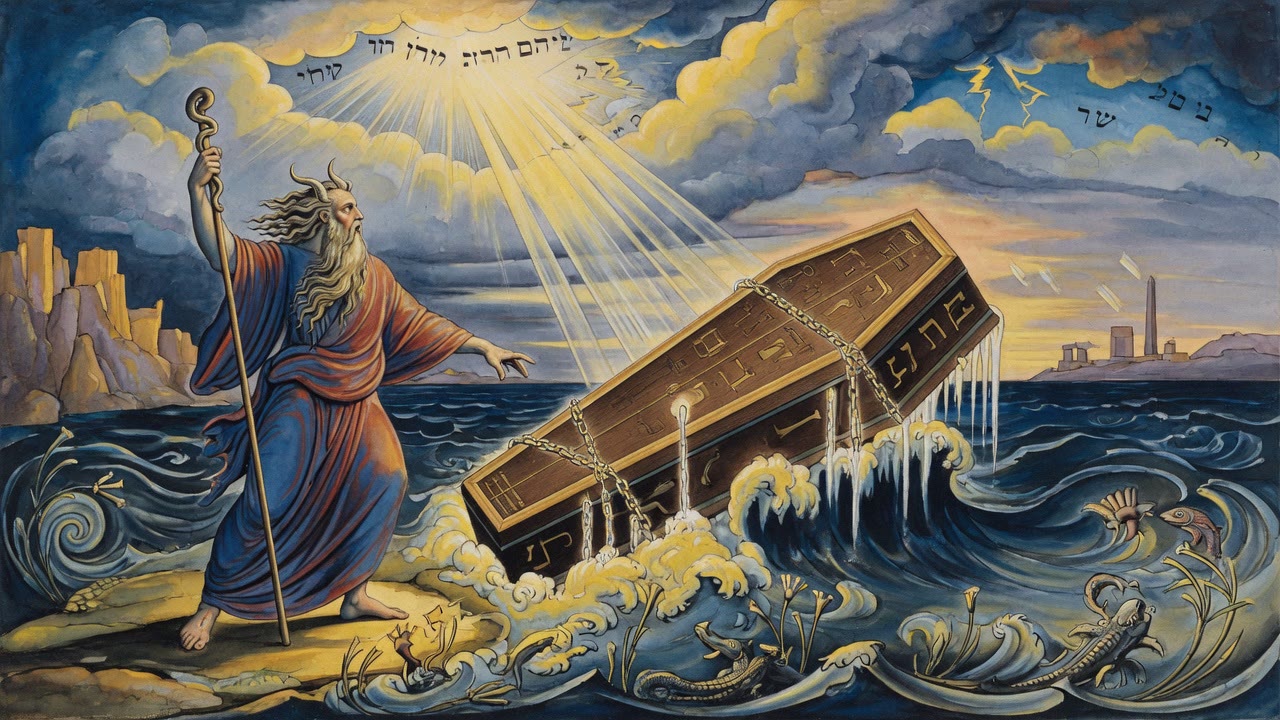
While Israel grabbed Egyptian gold, Moses spent three days hunting Joseph's sunken coffin until Serah bat Asher led him to the river's secret.
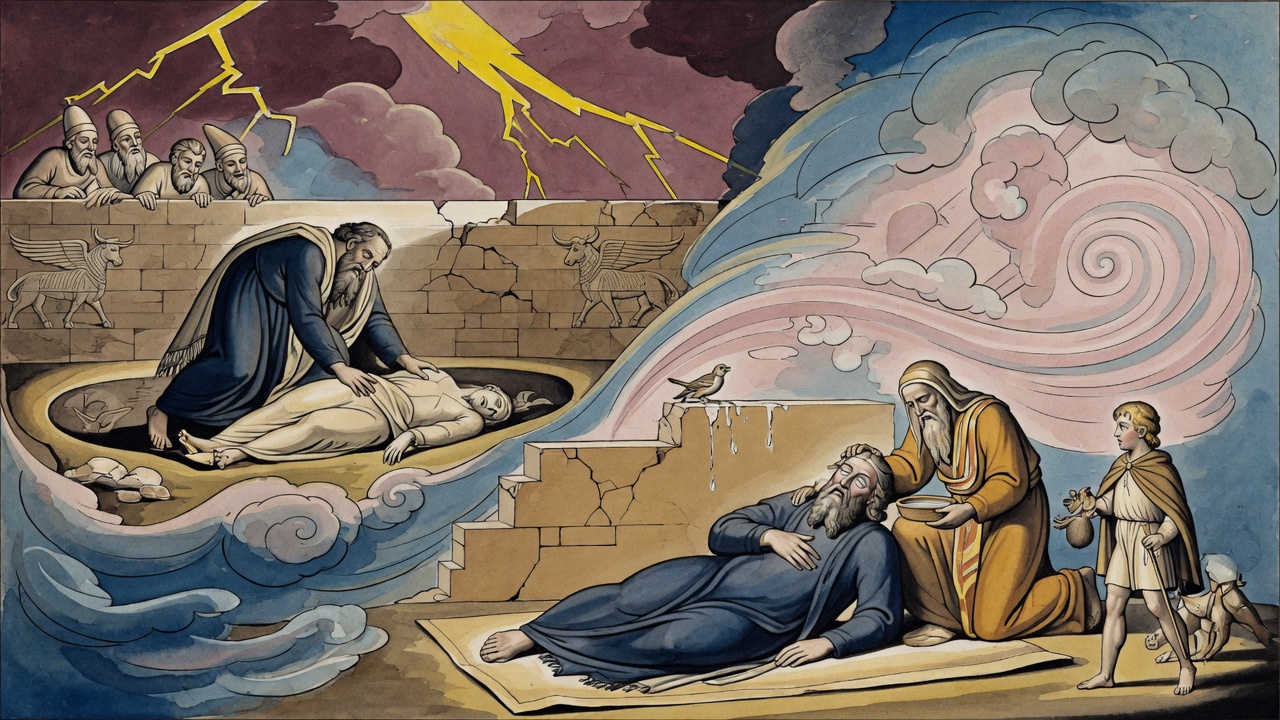
Tobit risks mockery to bury the dead in Nineveh, then wakes blind under a wall while Akikar keeps him and Tobiah prepares to travel.
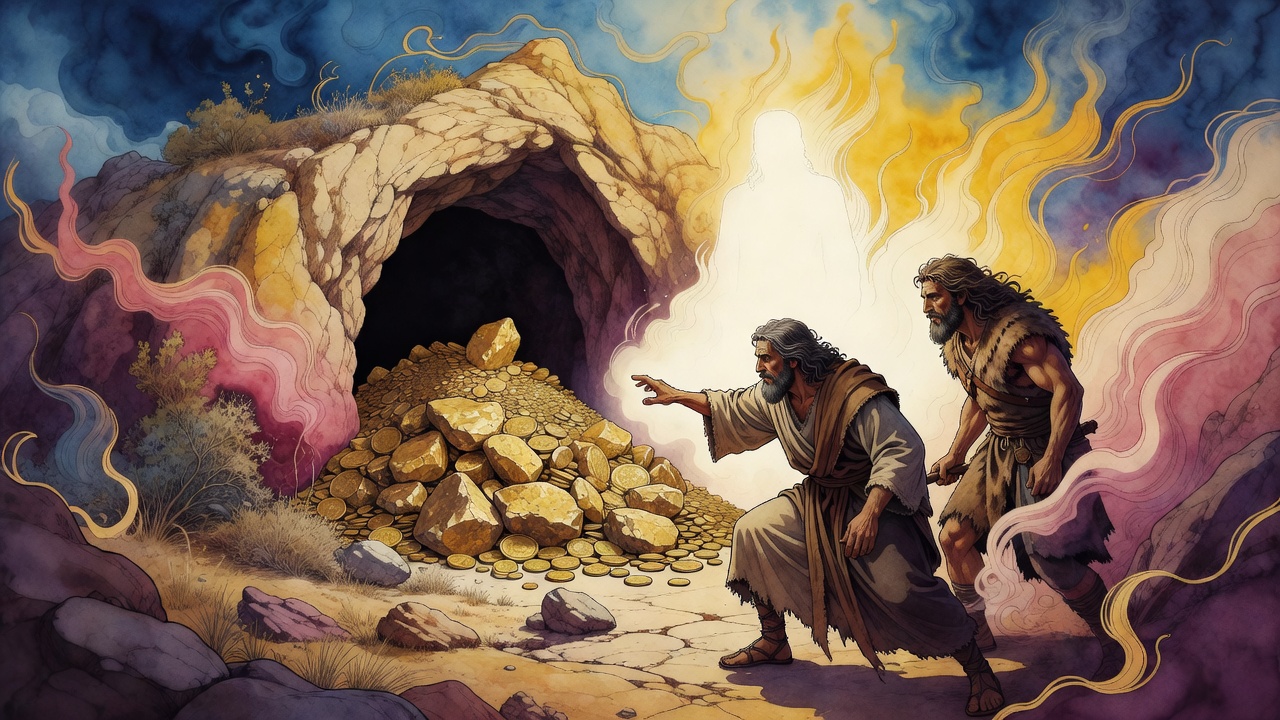
Isaac was already in the ground. Jacob piled gold until it caught the sun and asked Esau to pick. His brother took the heap.
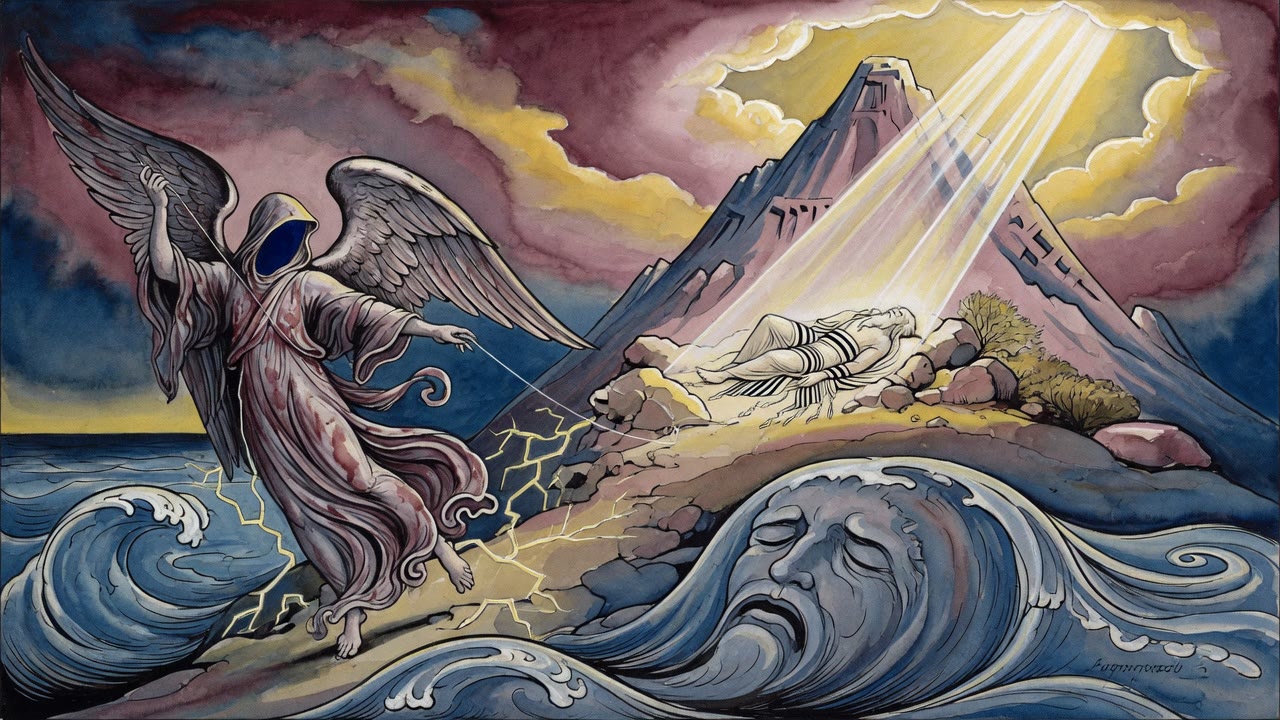
Death climbed Nebo for Moses soul and fled empty-handed. Sea and mountain refused his questions until God hid the grave and buried His servant.
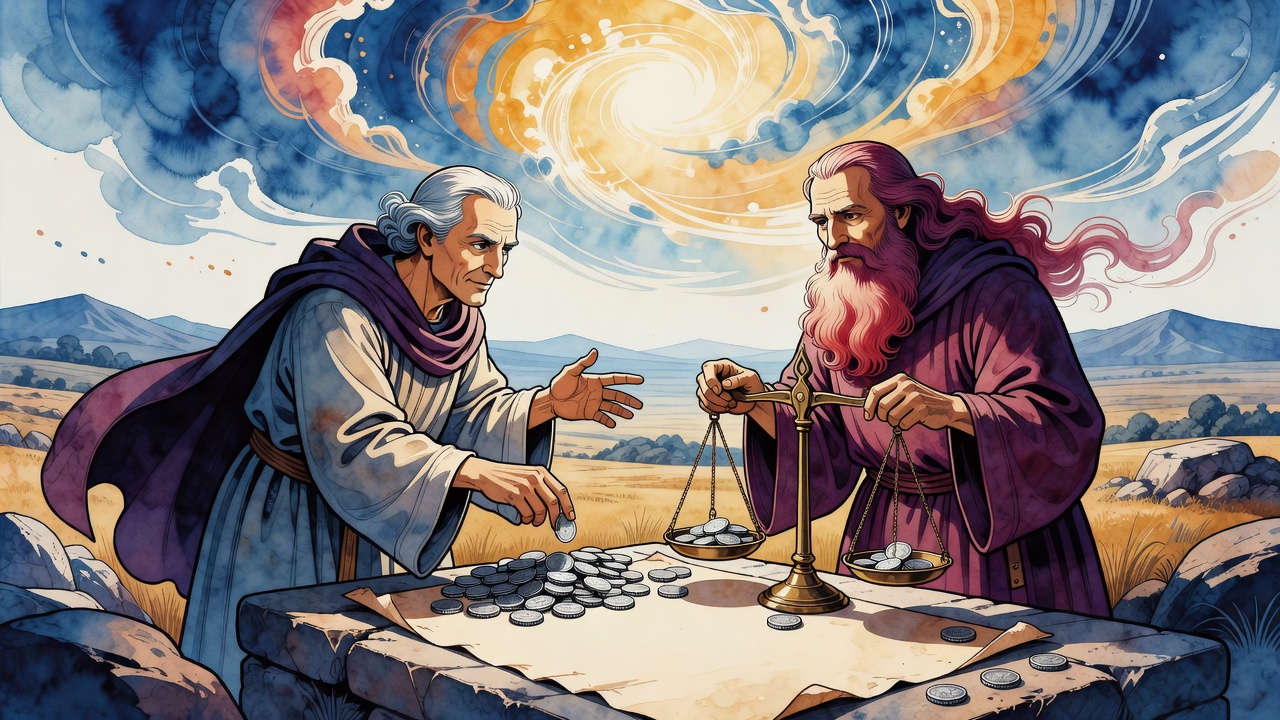
Ephron offers the field as a gift while naming four hundred shekels, skims the silver as Abraham weighs it, and his name drops a letter on the page.
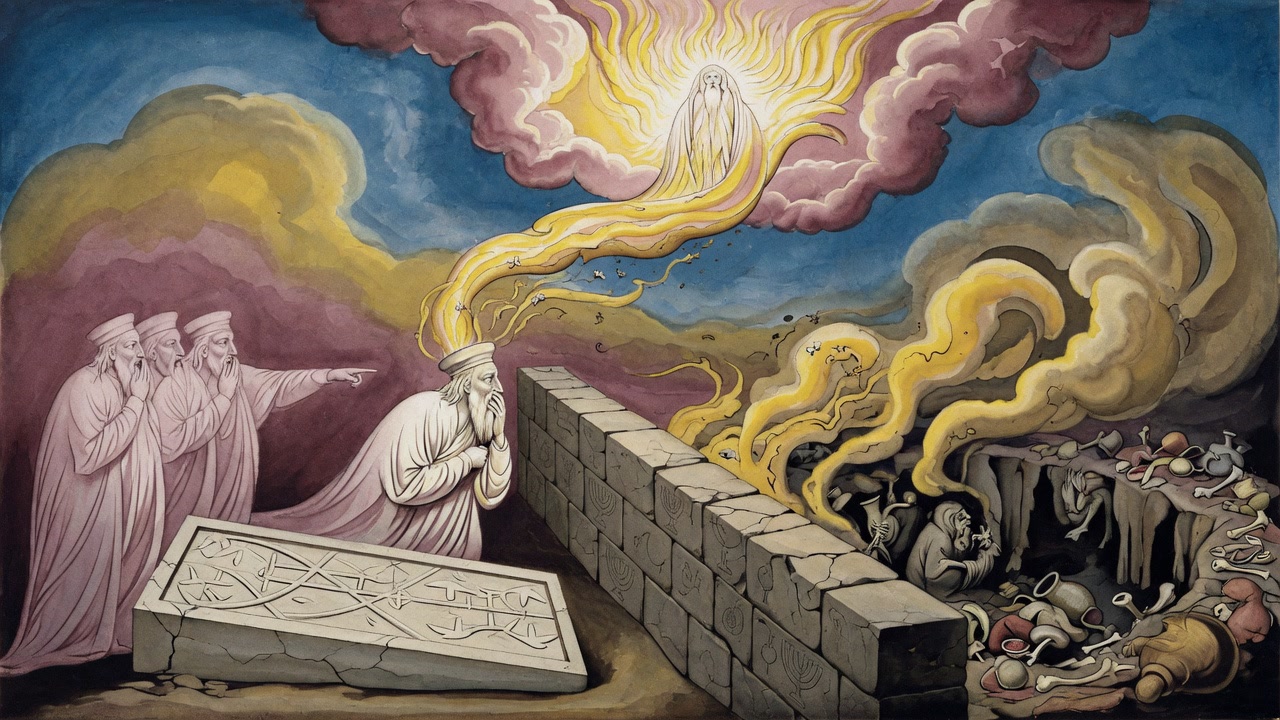
A righteous scholar returned in every dream to say his burial smelled like a privy, until the living built a stone wall between his grave and the wicked.
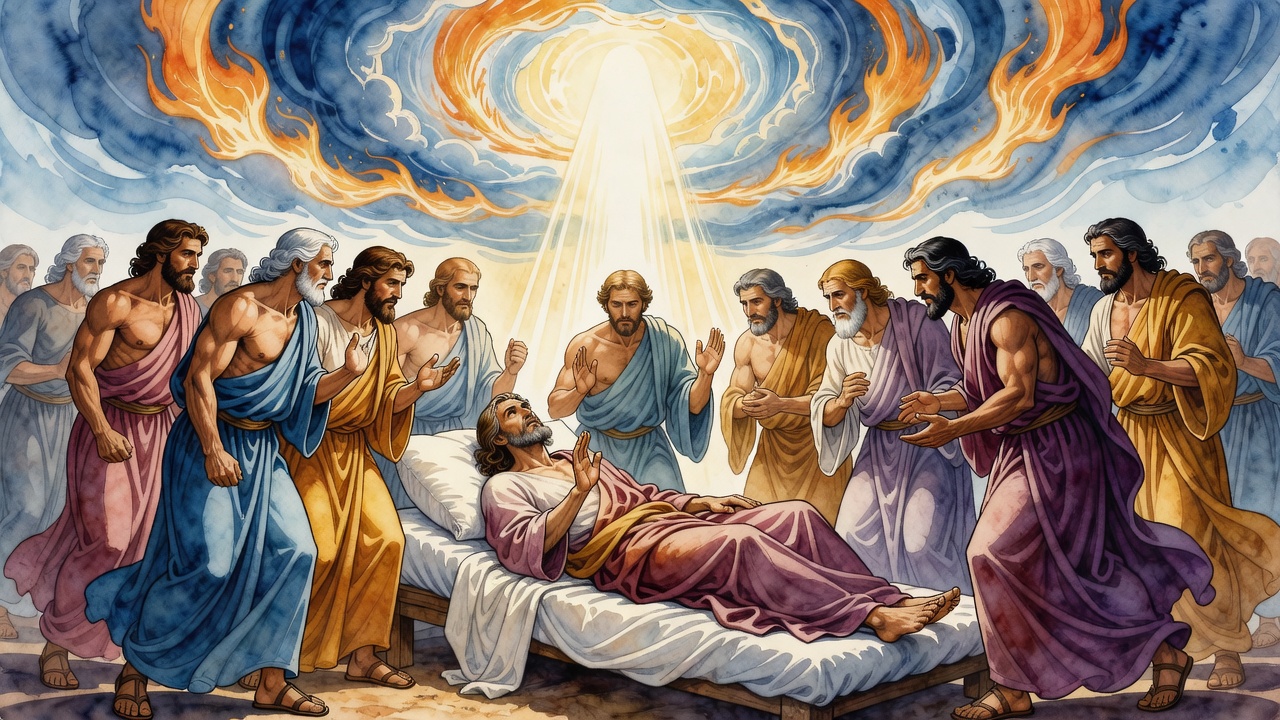
Jacob wanted a hand on the mark of the covenant and a formal oath. Joseph balked; a son's word should not need that. He swore anyway, and Pharaoh let him go.
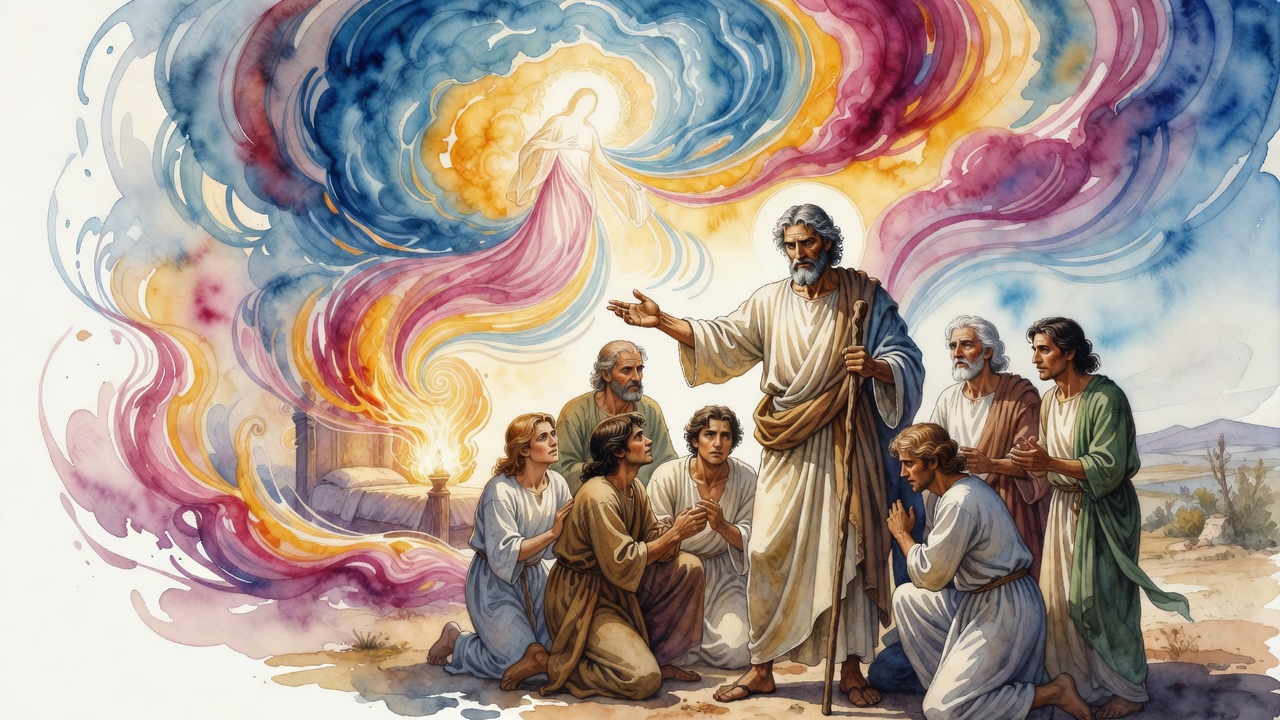
The brothers saw the empty seat and feared the pit again. Joseph made them swear a doubled word no false deliverer would know.
