Moses Chose the Battle That Would Kill Him and Israel Refused to Go
Moses could have kept himself alive for years by stalling the campaign against Midian. He gave the order the same day. Then his soldiers sat down.
Table of Contents
 Click for full size
The Order That Bought His Own Death
The instruction came with the price printed on it. Take vengeance for Israel on the Midianites, God told Moses, and afterward you will be gathered to your people.
Afterward. Not in a year, not at some appointed hour. After Midian.
Rabbi Judah put the arithmetic plainly. Moses could have gone on living for years if he had wanted to. All he had to do was let the campaign sit. Postpone the muster, lose the paperwork, wait for a better season. Nobody would have had to say a word about it, because the decree was hanging on a battle that only Moses could order.
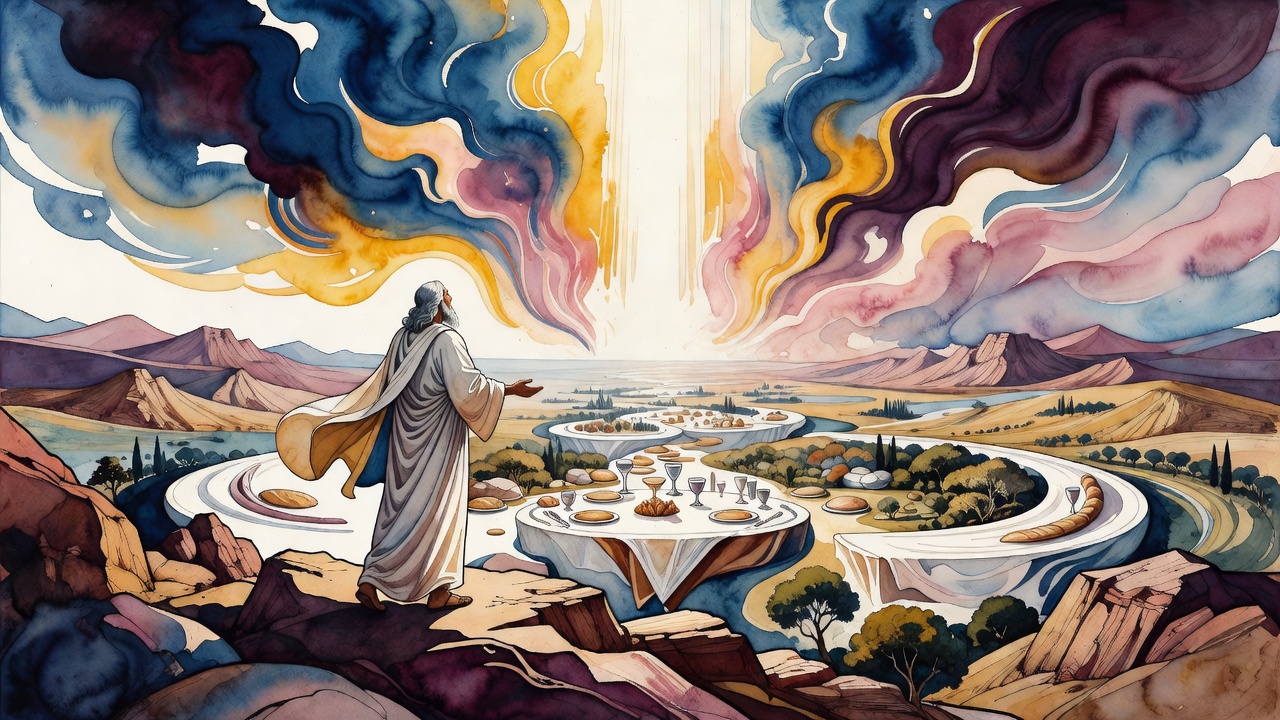
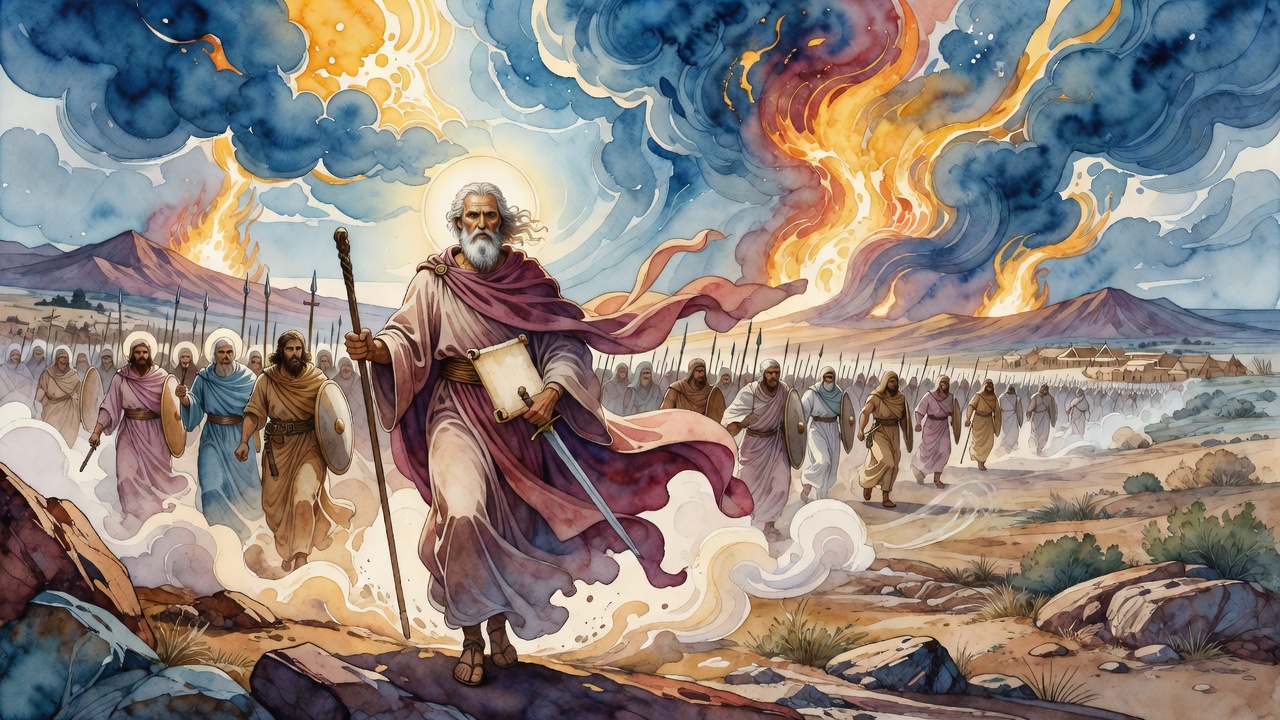
He gave the order that day. He chose the battle knowing what was waiting on the far side of it. "Arm men from among you for the army," he said, "and let them fall on Midian." He did not pick ordinary men either. The ones he named were righteous.
Whose Vengeance It Was
God had called it one thing and Moses called it another, and the difference was not small.
"This is your judgment to carry out," God had said. "They caused Me to do harm to you."
Moses would not take it on those terms. "Master of the world, if we had been uncircumcised, or worshippers of stars, or people who had thrown off the commandments, they would never have come after us. They hunted us for the Torah. They hunted us for the commandments You gave us. The vengeance is Yours."
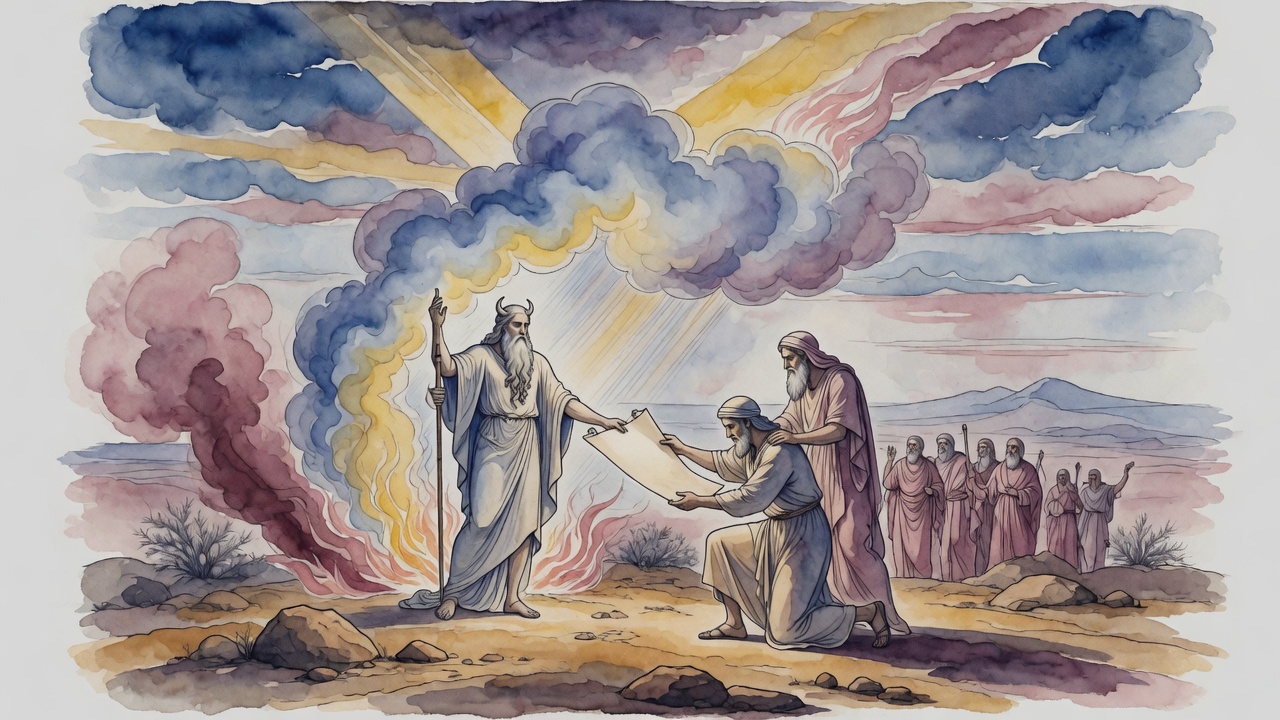
So when he turned around and spoke to the people, he changed the word. Go out, he told them, to carry out the vengeance of the Lord against Midian. Not yours. Not mine.
The Army Refused to March
Then the muster stalled, because the people had done the same arithmetic Rabbi Judah did.
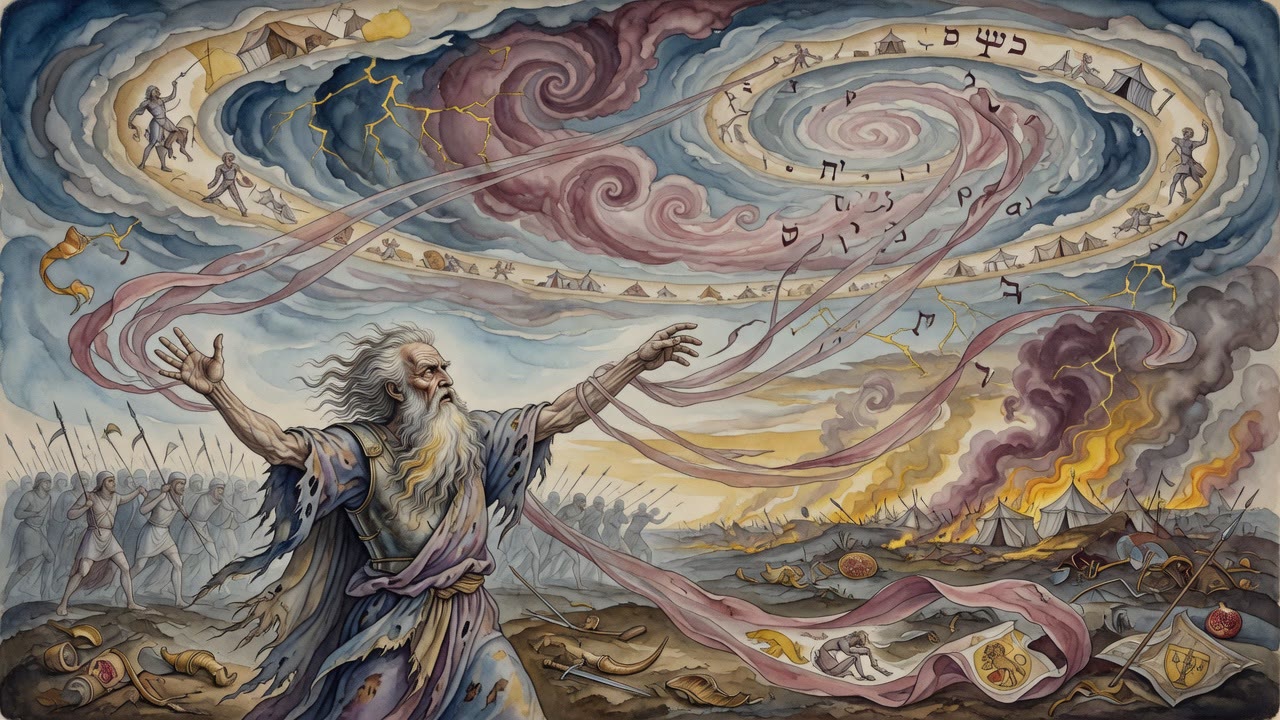
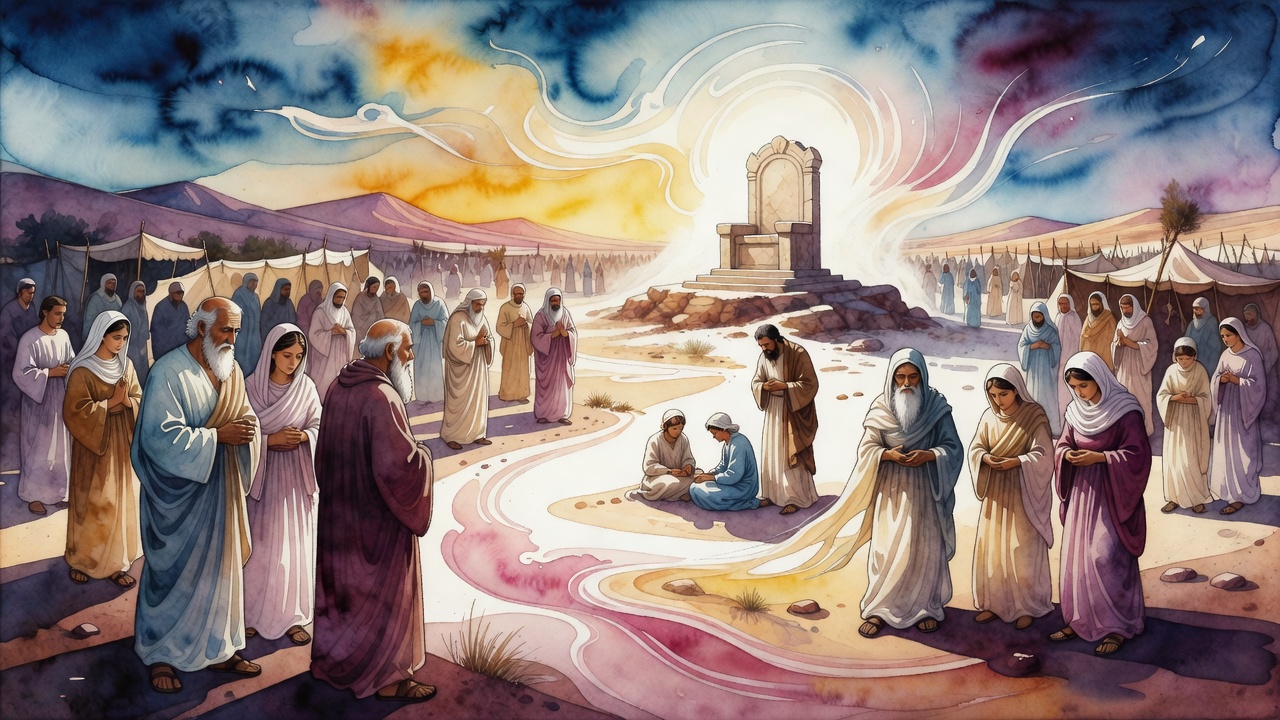
Winning this war would kill him, and every man in the camp had worked that out. They said it out loud to each other. Are we supposed to go out against Midian and let Moses die? They did not argue with him, and they did not petition. They simply stayed where they were. A thousand men per tribe were called for and the tents did not empty.
Nobody in that generation would volunteer to be the reason he was buried.
God gave Moses a way around his own people. "Cast lots over the tribes," He said, "and they will be furnished on their own."
The lots came out and the names came with them, and after that no man had to choose. They went to Midian by force, dragged out of an act of love for the old man who had brought them out of Egypt, and every one of them knew what the road back would cost.
He Would Not Throw a Stone Into the Well He Drank From
God had told Moses to take the vengeance himself. He sent other men instead, and the reason was Midian.
He had run there with blood on his hands and no country, and Midian had taken him in. He had watered a Midianite priest's flocks and married a Midianite priest's daughter and raised his sons in a Midianite house for forty years. "It is not right for me to press down on the people who did me good," he said. Do not throw a stone into the cistern you have drunk from.
Phinehas went in his place, because a man who starts a commandment should be the one to finish it. He had already stopped the plague once with a spear in his hands, and now he carried the vessels of the sanctuary out with the army.
A thousand from each tribe, and a thousand again, and a thousand more. Twelve thousand to fight. Twelve thousand to hold the baggage. Twelve thousand standing in the rear with nothing in their hands, praying.
Balaam was found in Midian and killed with the sword. He had come back to collect payment for the twenty-four thousand Israelites who had died on his advice. The camel went out to ask for horns and came home without the ears it started with.
The soldiers who returned would not touch the plunder. They carried the whole of it, every animal and every ingot, and set it down in front of Moses first.
The Grave That Would Not Hold Still
He stood them all up in front of him afterward. You are standing here today, all of you. Within a few breaths of that, God told him his days had drawn near to die.
Rabbi Shimon bar Yochai heard the two lines pressed together and answered the way a man answers at a graveside. Blessed is the true Judge, in whose court there is no wrong and no favoritism.
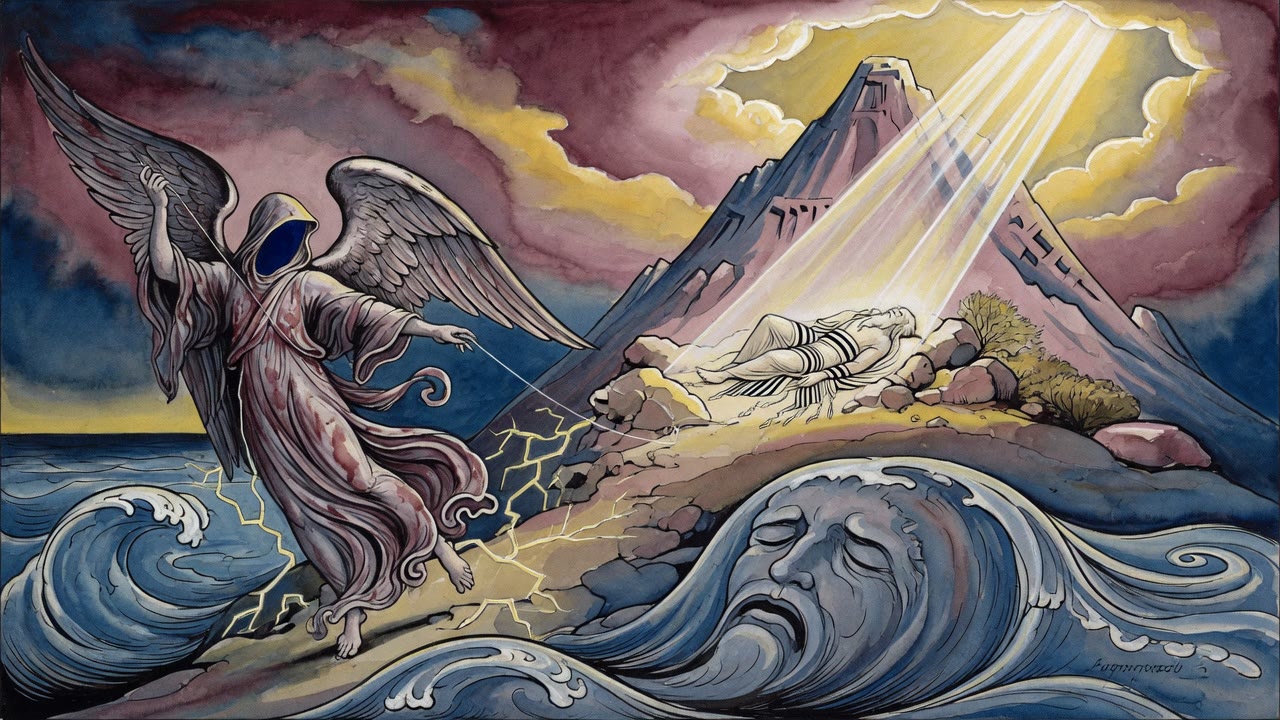
Moses died on the mountain, inside the territory that would go to Reuben, and God buried him in a field that would belong to Gad. Two tribes, one seam, and the man laid down across it.
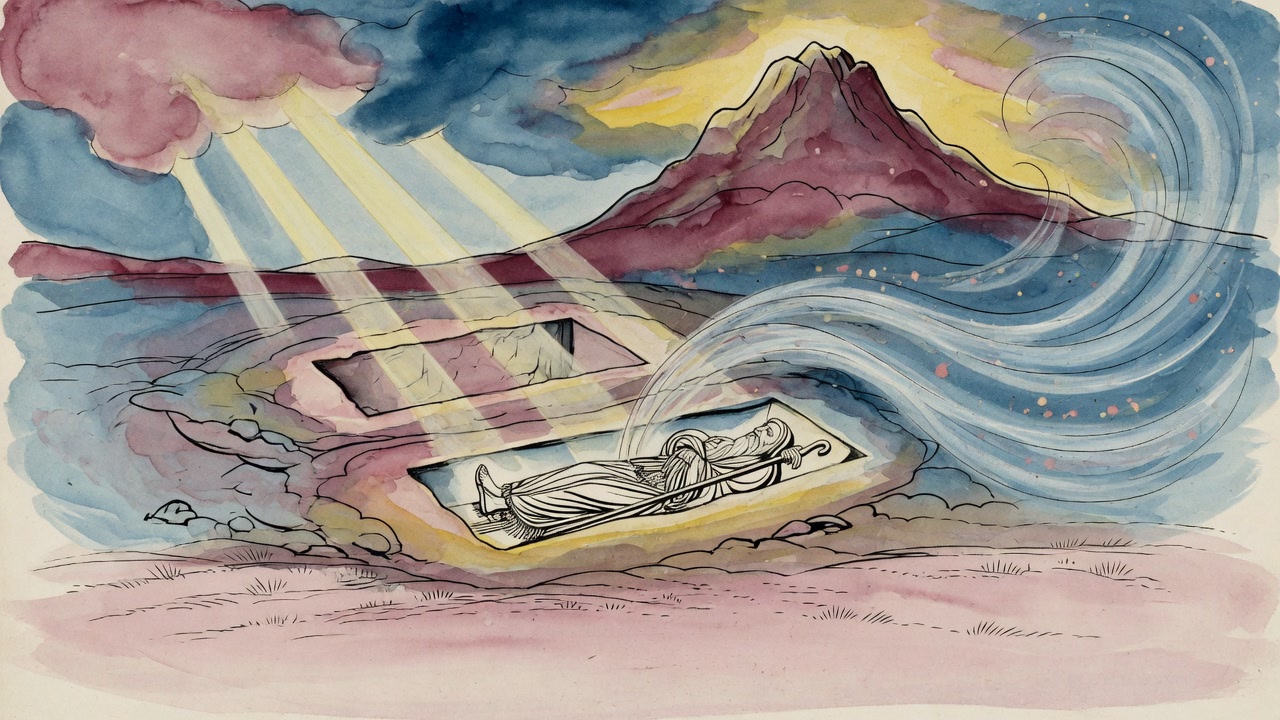
No man knew the place of his burial. Not even Moses. He was in the ground and could not have said where the ground was.
Later the emperor's house sent men to find it. They climbed the slope and the grave appeared to be below them. They went down to the valley floor and it appeared to be above them. So they split into two parties and posted one group high and one group low, and the men on top saw it lying beneath them, and the men at the bottom saw it lying overhead, and the two parties stood there looking at each other across an empty hillside.
← All myths