Heaven Bent Low Over Jacob, Betzalel, and Joseph's Brothers
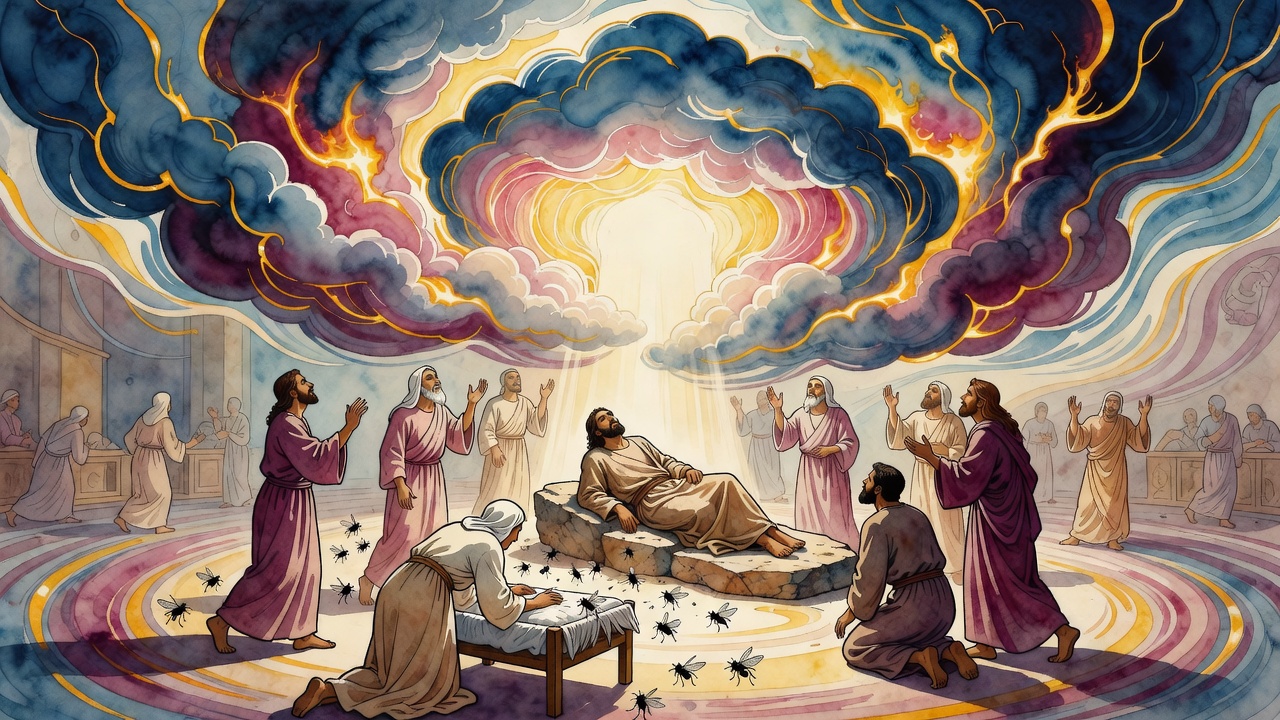
Flies scatter when a nurse bends over a cradle. That is what happened the night Jacob slept on a stone. Heaven arrived, and everything else cleared the room.
Table of Contents
 Click for full size
The Nursemaid Bending Over the Cradle
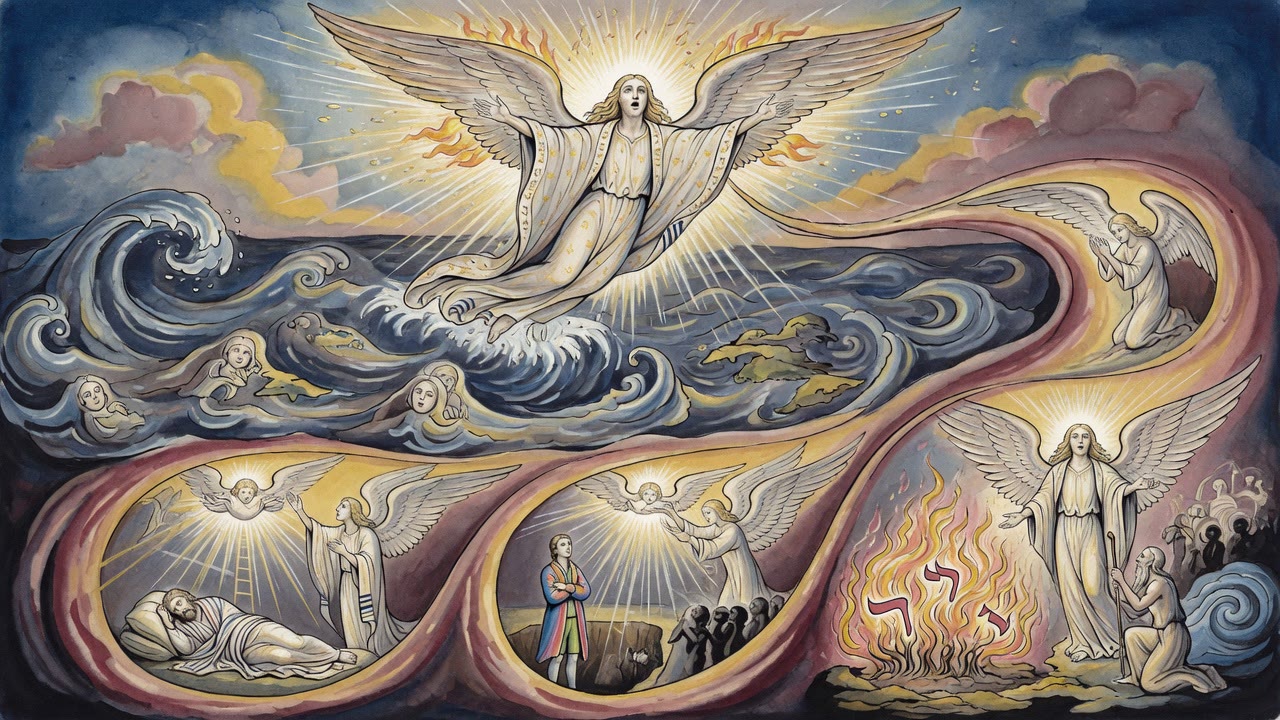
Rabbi Abahu offered the image first. Picture a royal infant in his cradle. Flies settle on his face. The nursemaid comes, leans over him to feed him, and at her shadow the flies scatter. That is what happened the night Jacob dreamed.
The angels were already working, climbing and descending on the ladder. Then God revealed Himself, and the angels were gone. Heaven cleared the room. The ones who had been filling the space between earth and sky retreated when the one they served arrived. Jacob was not alone on his stone pillow. He had never been alone. But when the nursemaid leaned over the cradle, the smaller presences moved aside.
Rabbi Yohanan caught the asymmetry that made the image necessary. The wicked stand over their gods. Pharaoh stood over the Nile in his dream because the Egyptians worshipped the Nile and had to keep watch on it constantly. A god you have to guard is a god you carry. But Jacob did not stand over God. God stood over Jacob. The sleeper was under the protection. The protection came from above.
The Boy Who Finished the Tabernacle First
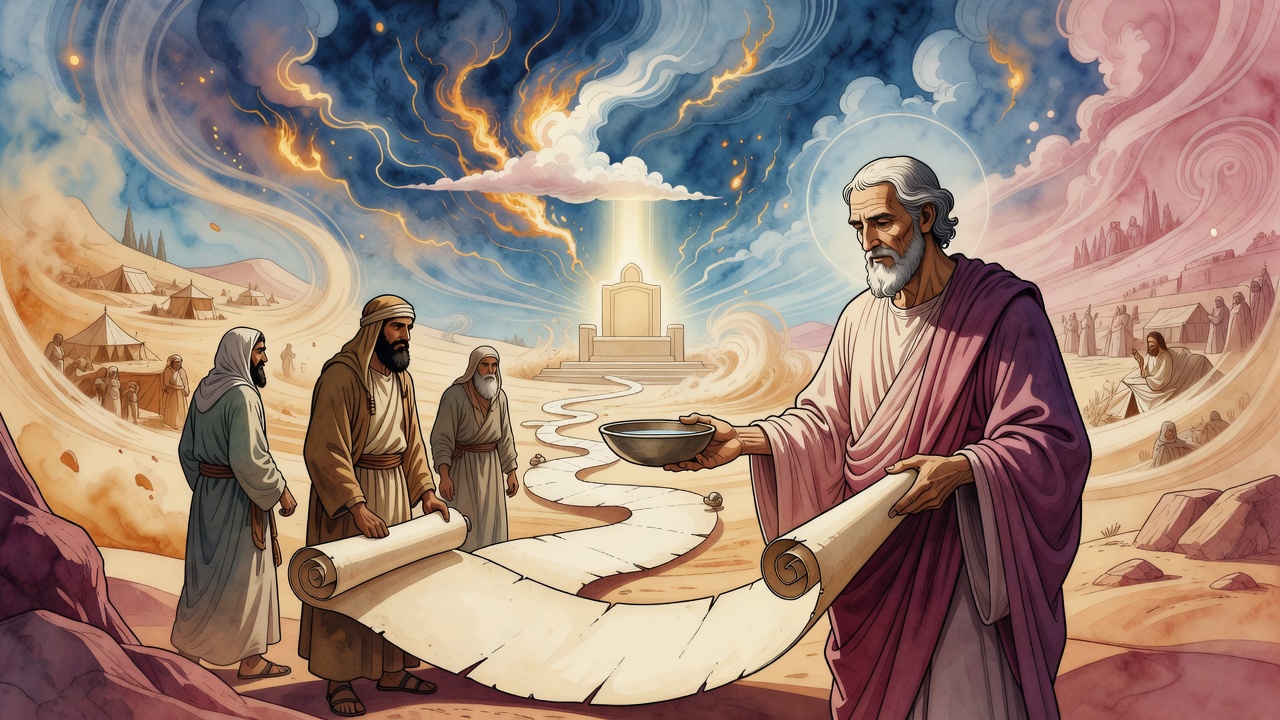
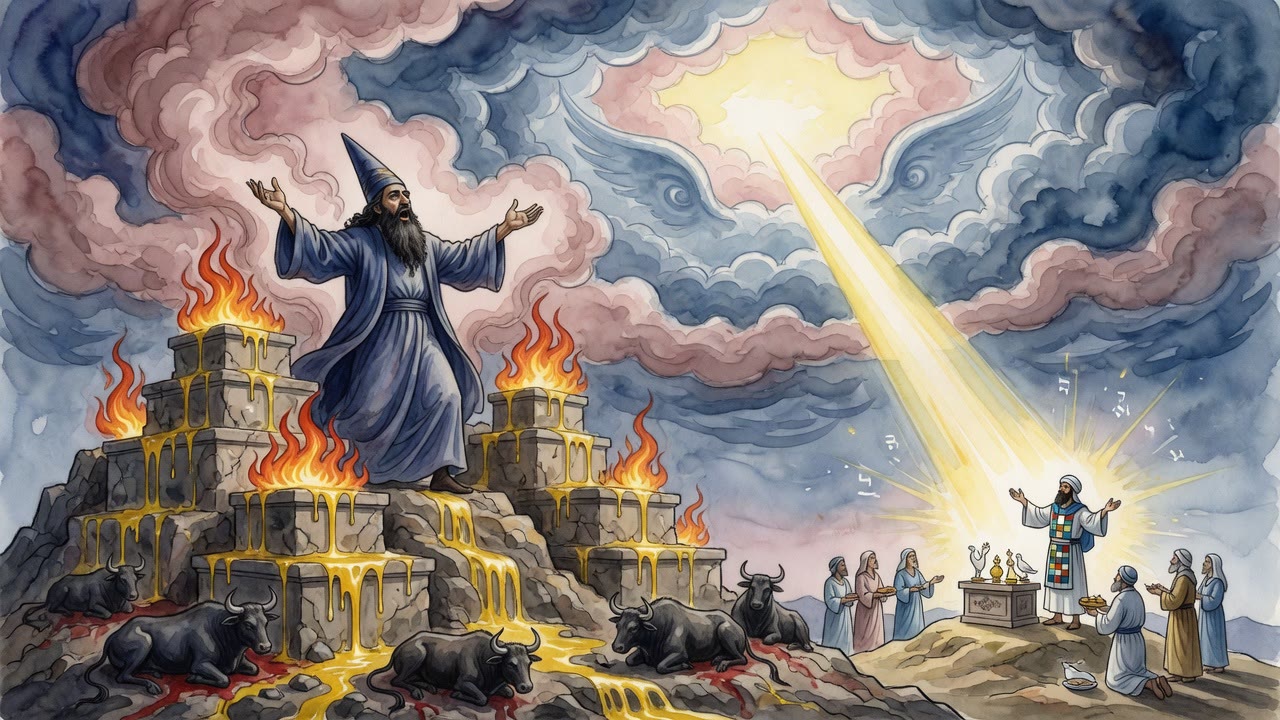
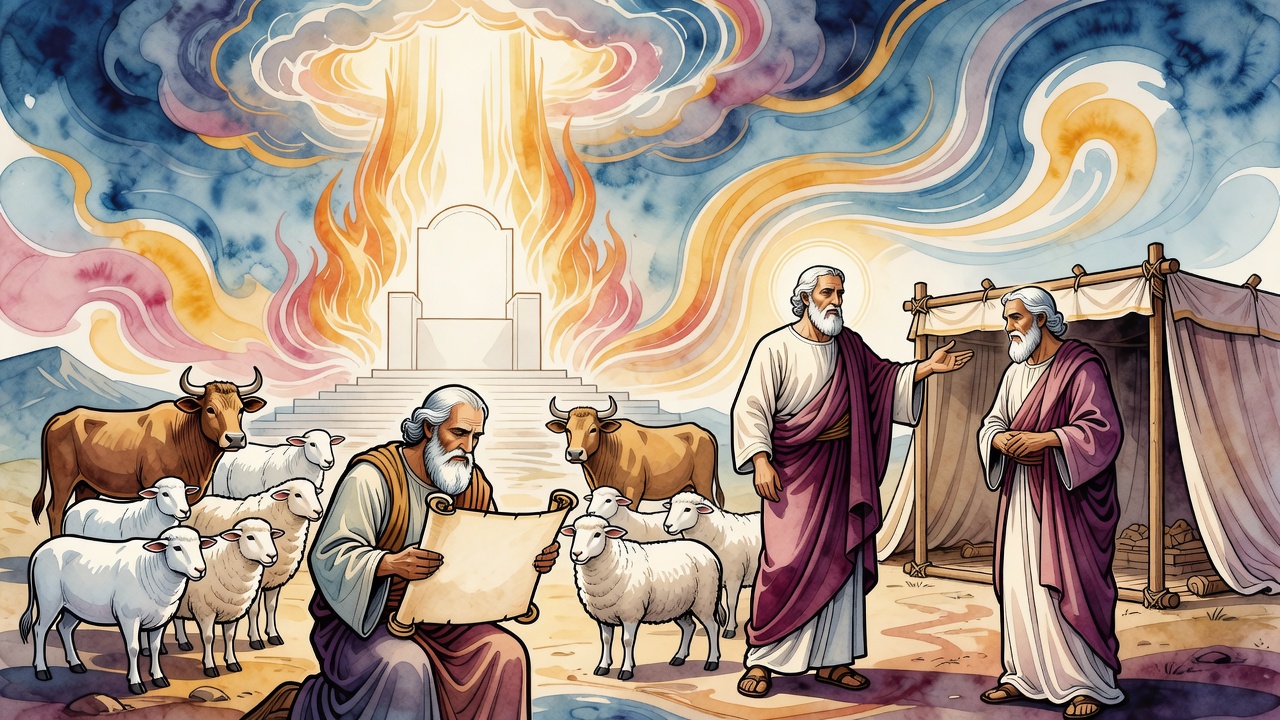
When Moses came down from Sinai with the design for the Tabernacle, he began to explain it. Every beam, every socket, every curtain hook. He talked for days. And while he talked, somewhere in the camp a child named Betzalel already knew what the answer was.
The rabbis said Betzalel understood the combinations of letters by which God had created heaven and earth. He did not learn this from Moses. He brought it with him. And when Moses finished explaining the order of construction, God told him he had gotten the sequence backward. Moses had said: make the sacred objects first, then build the sanctuary around them. Betzalel had already started with the building. Moses turned to him and said: how did you know? Betzalel answered: I reasoned it out. You do not furnish a house before you build it.
The Knowledge Brought From the Source
Heaven bent low over Betzalel the way it bent low over Jacob. Not with instructions from a scroll. With the direct knowledge of someone who had been close enough to the act of creation to understand its grammar. The boy who finished before the teacher finished explaining was not ahead of the lesson. He had been inside the source.
The order he insisted on was not a clever guess. It was the order God had used. You raise the walls, you set the sockets, you hang the curtains, and only then do you carry in the ark and the table and the lampstand to stand inside a space that is ready to hold them. A house first, then what the house is for. Betzalel knew the sequence because he carried the letters that had laid out the same sequence at the beginning, when the heavens and the earth went up before anything was placed within them. Moses had the scroll. The boy had the grammar underneath it.
Ten Brothers and a Cup They Did Not Steal
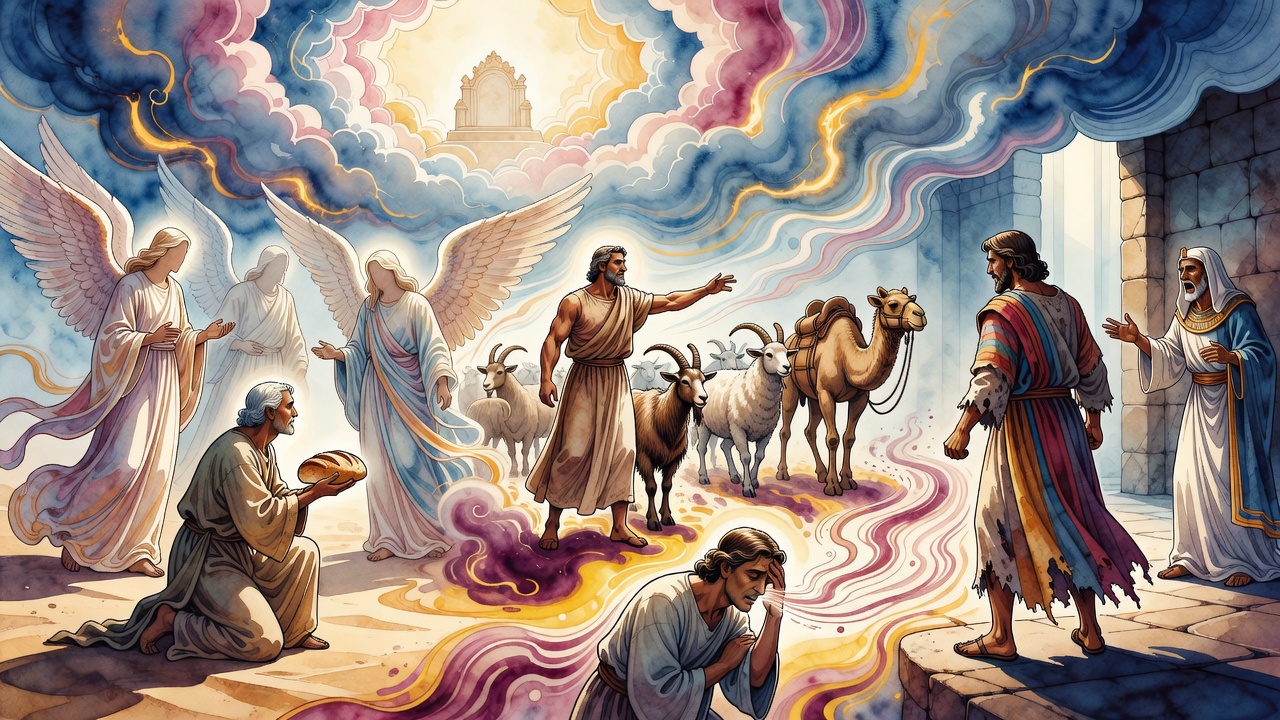
When Joseph's silver cup was found in Benjamin's sack, the brothers stood before the Egyptian vizier and offered their defense. They had not stolen. They had brought back the money found in their bags when they first left Egypt, even though they could have kept it. Why would men who returned money they did not need to return steal silver from the same house?
The rabbis read the defense as a question about providence. What the brothers were really arguing was this: our whole history shows a pattern of honesty under pressure. Judge us by the pattern, not by the cup in the sack. Heaven had been present in every moment of that history. Heaven bent low over the purchase in Egypt, over the return of the silver, over every step between Canaan and the palace. The brothers were appealing not to their own character but to the record that had been kept above them.
Joseph had arranged the cup. He knew exactly where it was. The test was not about the cup. The test was about whether the brothers had become people who could be trusted with a pattern that had been building since they threw him in the pit.
← All myths