448 myths · Page 3 of 15
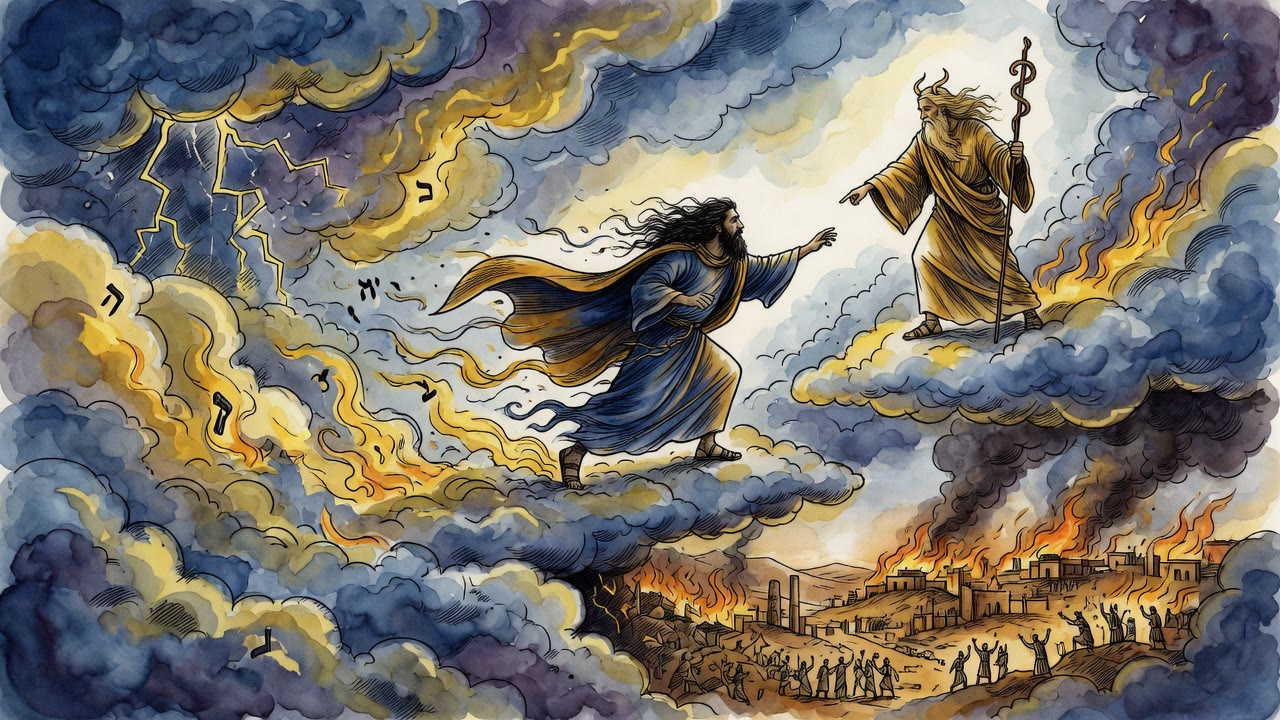
When Ahab mocked the prophets and the decree against Israel was sealed, Elijah did not pray alone. He ran to the fathers of the world for help.
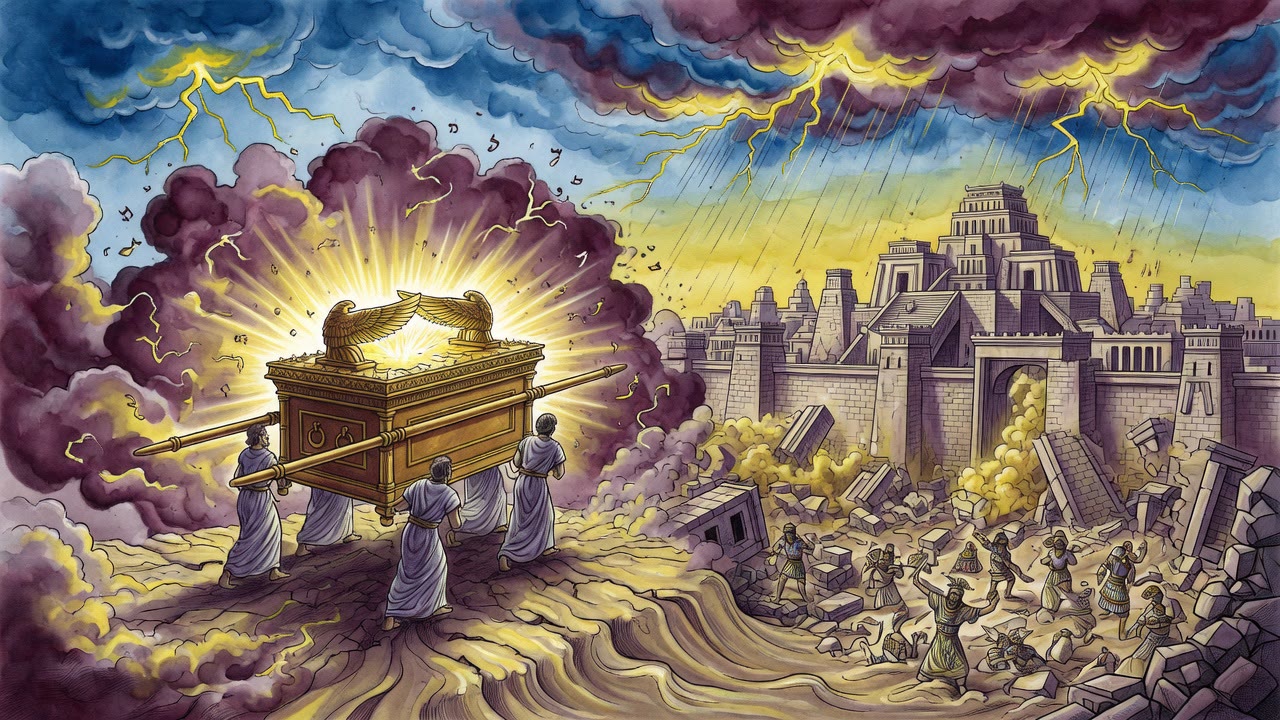
The Philistines set the captured Ark beside their god Dagon. In the morning Dagon was face down on the floor in front of it, and they stood him back up.
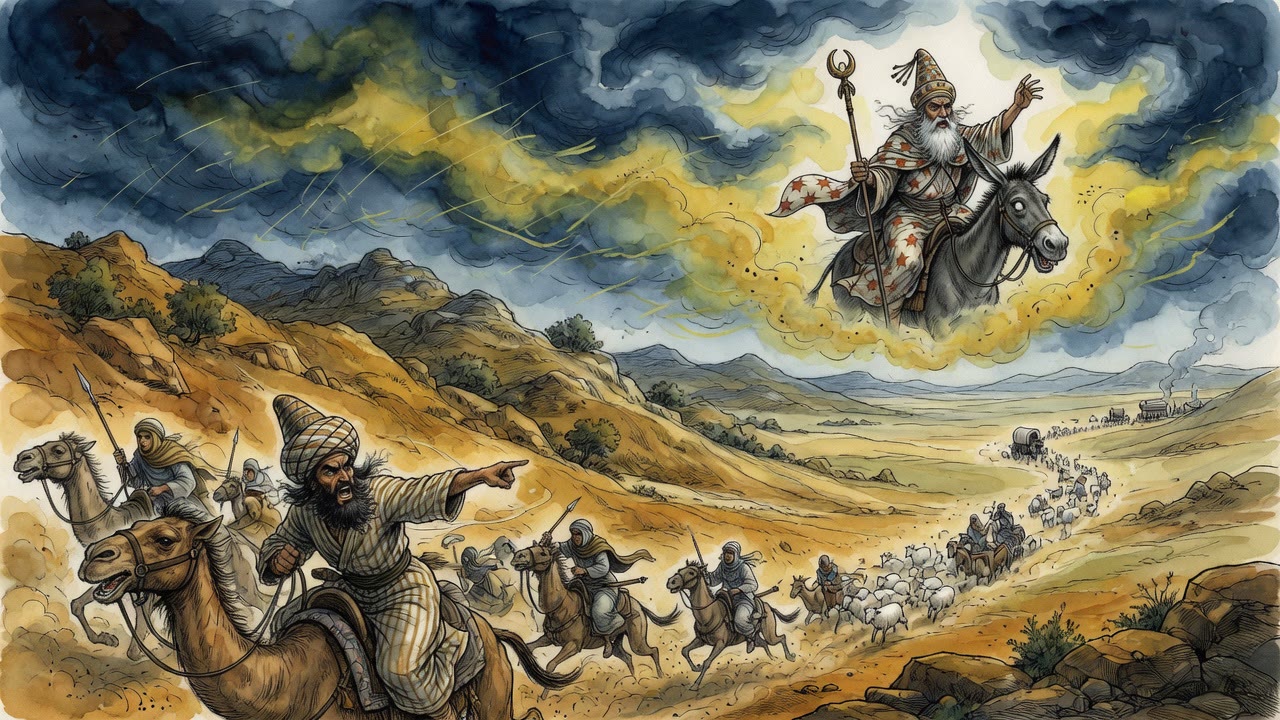
He watched the cock on the ridge above the camp. When the comb went white, God was angry, and a curse could land. The comb stayed red.
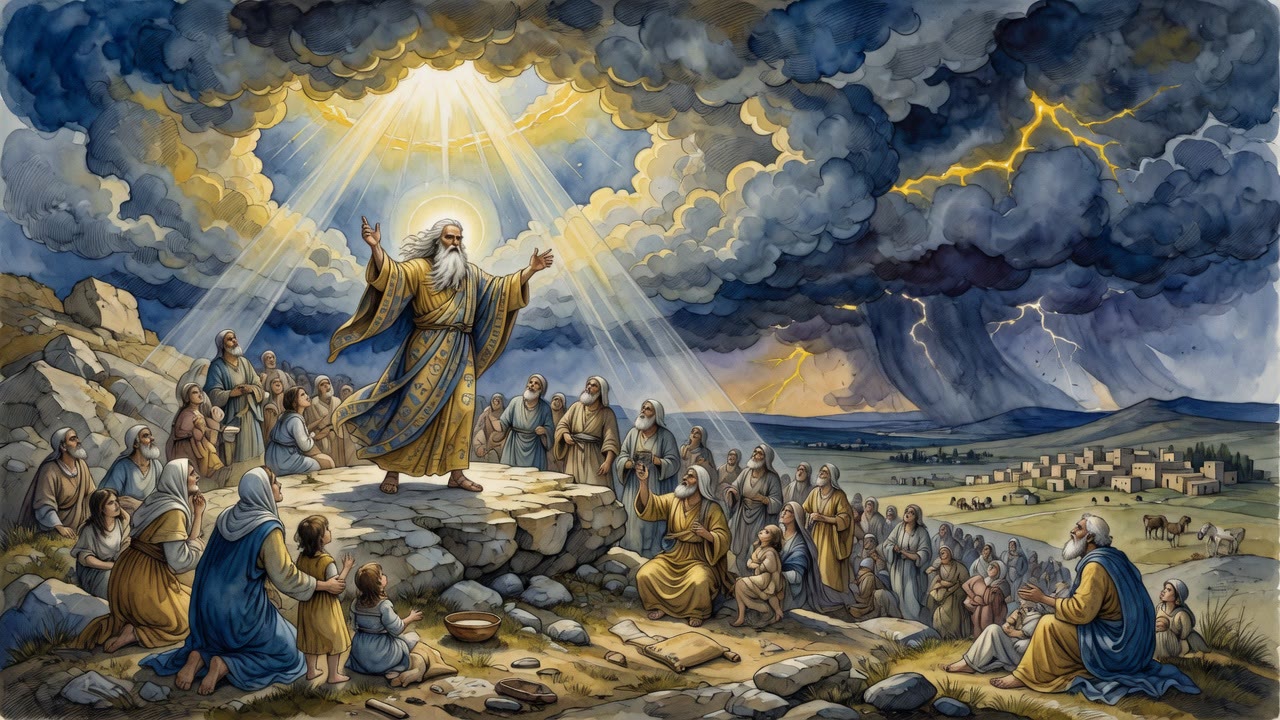
His children had not seen the ten heavens. He came down with thirty days, a stack of books, and a flood already marked on the world.
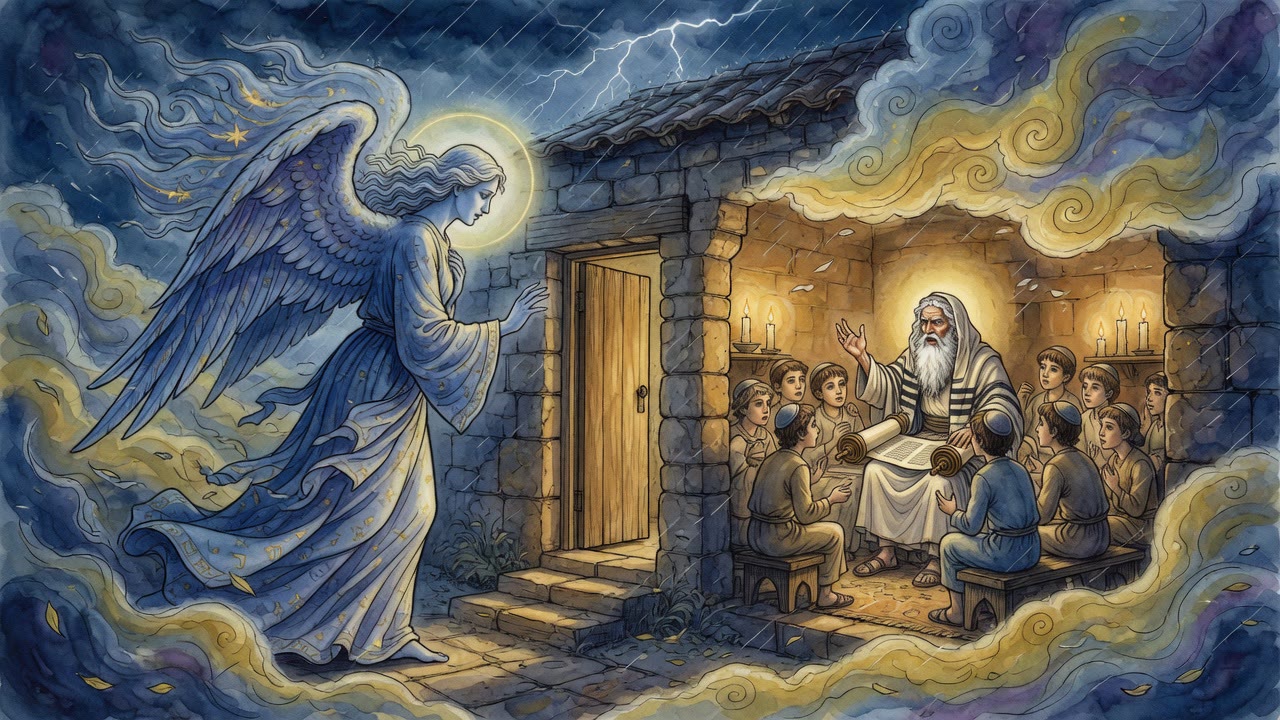
Two men sat inside a teaching so hard that a chariot of fire in the doorway meant nothing. The angel went back with the errand undone.
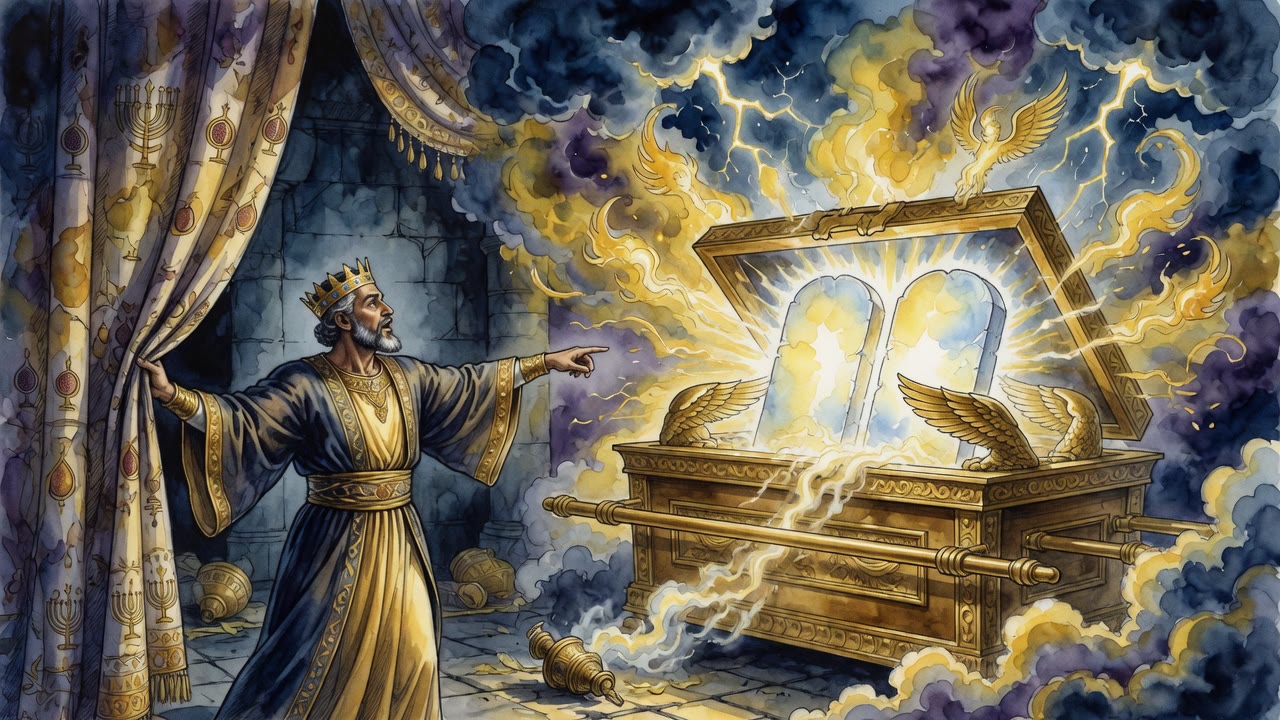
Babylon sent men because a dying king had been given fifteen years. Hezekiah felt the bowing land on his own chest. Then he opened every door.
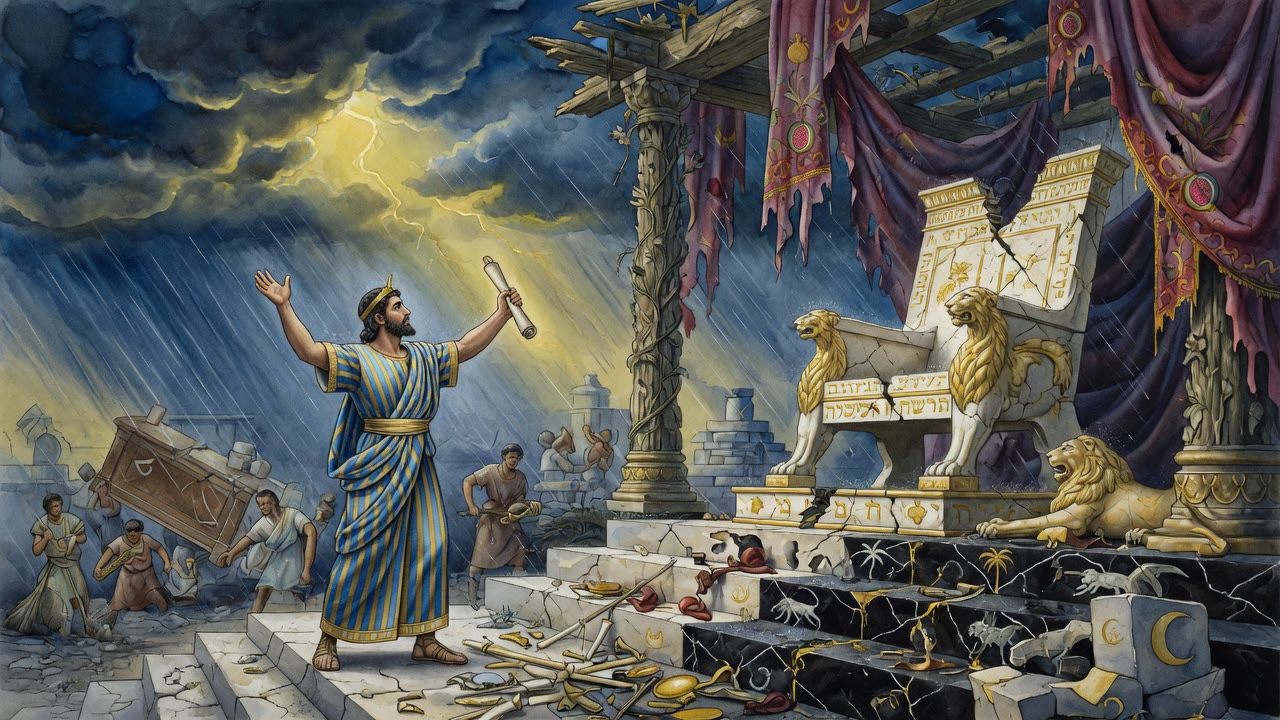
Josiah was eight when they crowned him. He sent men into every house in Judah to search the walls for hidden idols, and he burned the bones of Baal's priests.
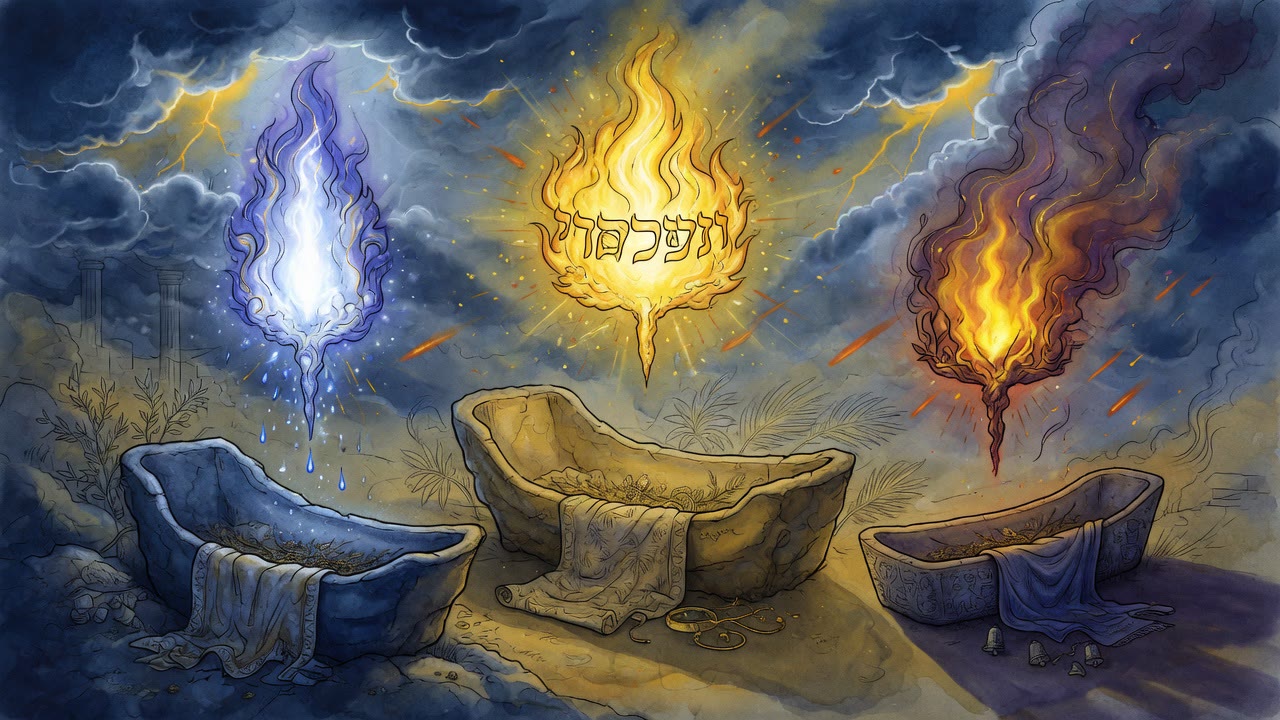
God spoke the names of Isaac, Solomon, and Josiah into the air before any of the three had been conceived, and each name held.
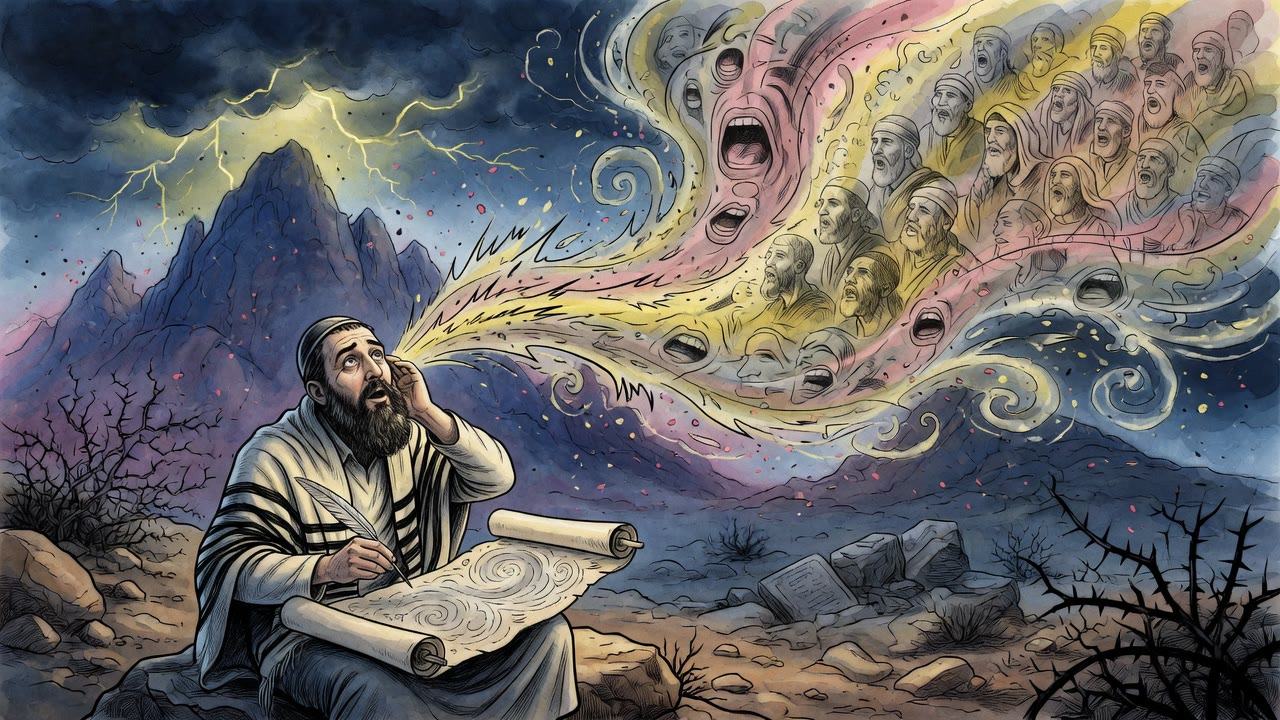
Moses waited at the door of the tent for thirty-eight years and no voice came. He had done nothing wrong. The generation under judgment was dying off.
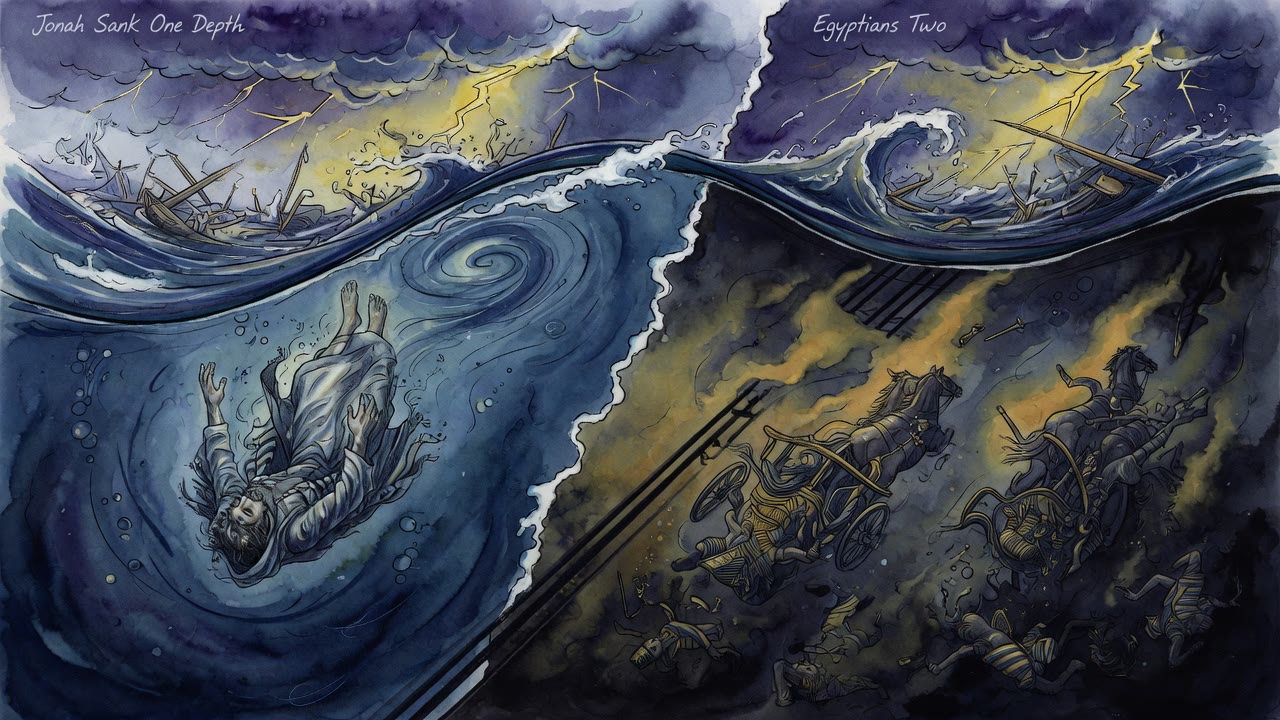
The army at the water could not agree. Some wanted the gold and no killing. Some wanted the killing and no gold. The third group wanted both at once.
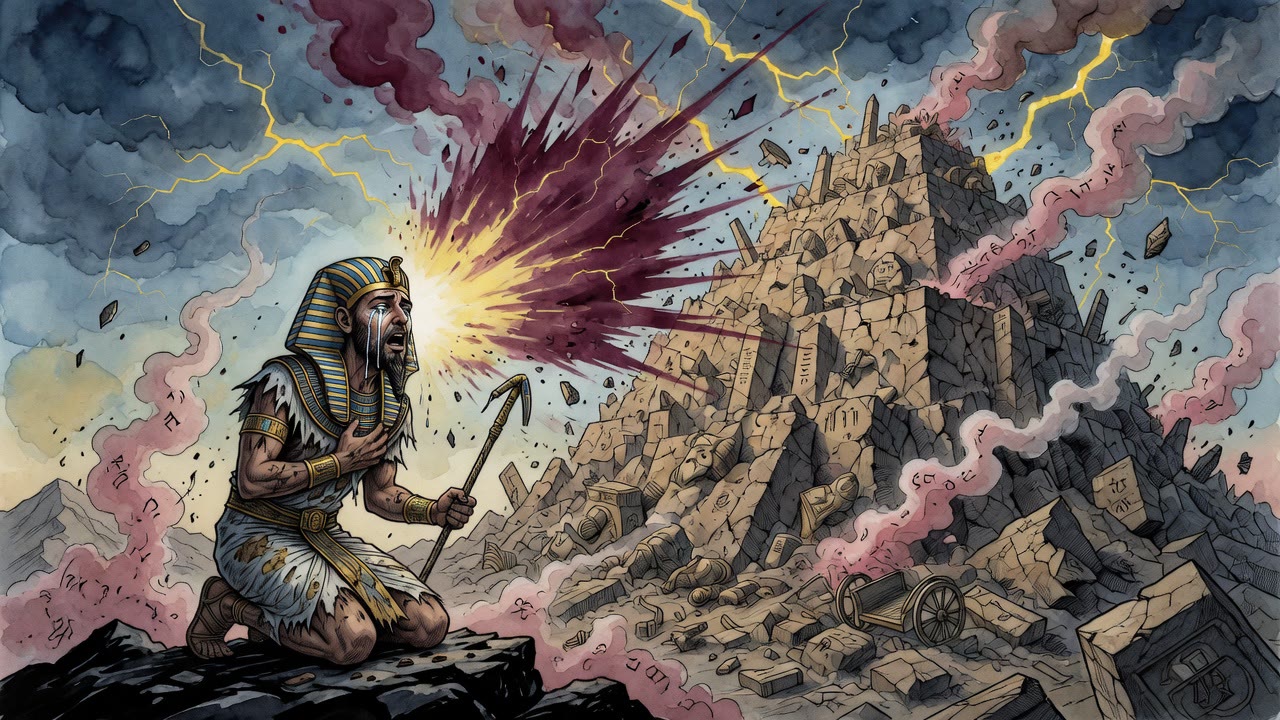
Lions paced the dunes so no fugitive could get through. Pharaoh called Israel nevuchim, lost. The word also names Nevo, the mountain where Moses would die.
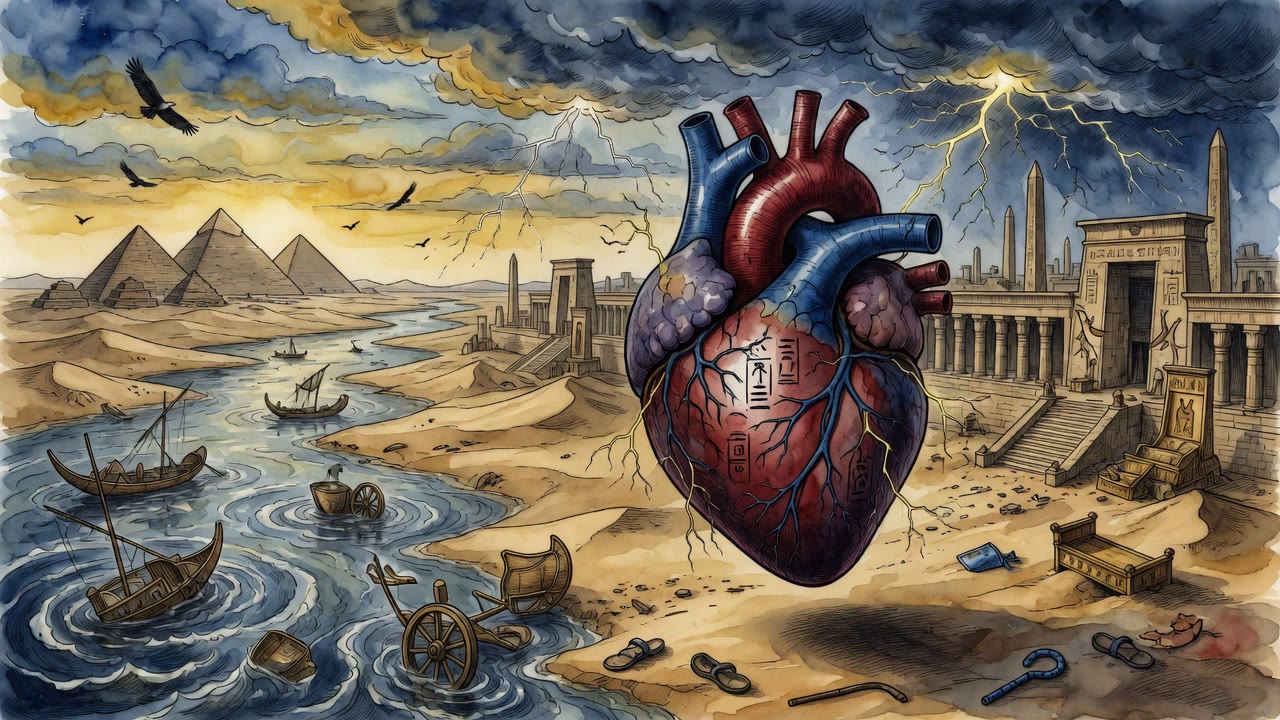
Pharaoh's heart reversed when Israel walked out, and the empty brick pits and silent treasuries told him Egypt had reversed with it.
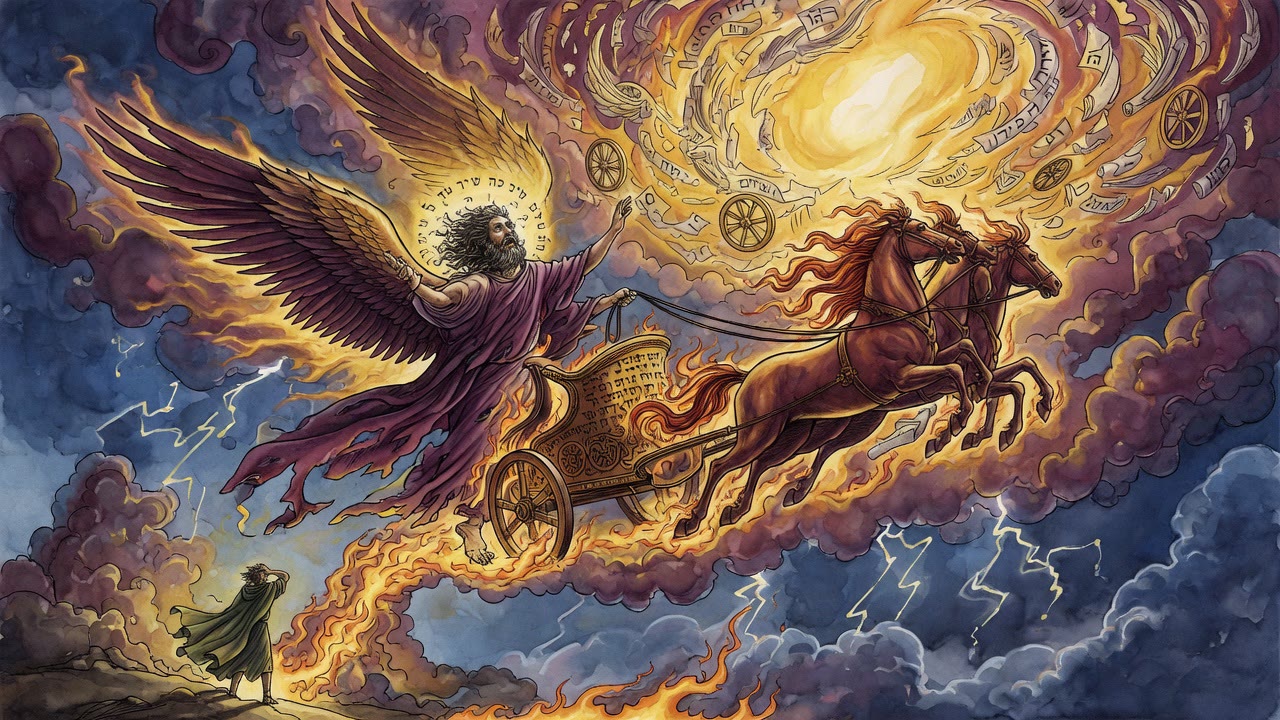
The fiery chariot took Elijah to heaven and that was not the end. He became Sandalphon, the angel who weaves Israel's prayers into garlands for God.
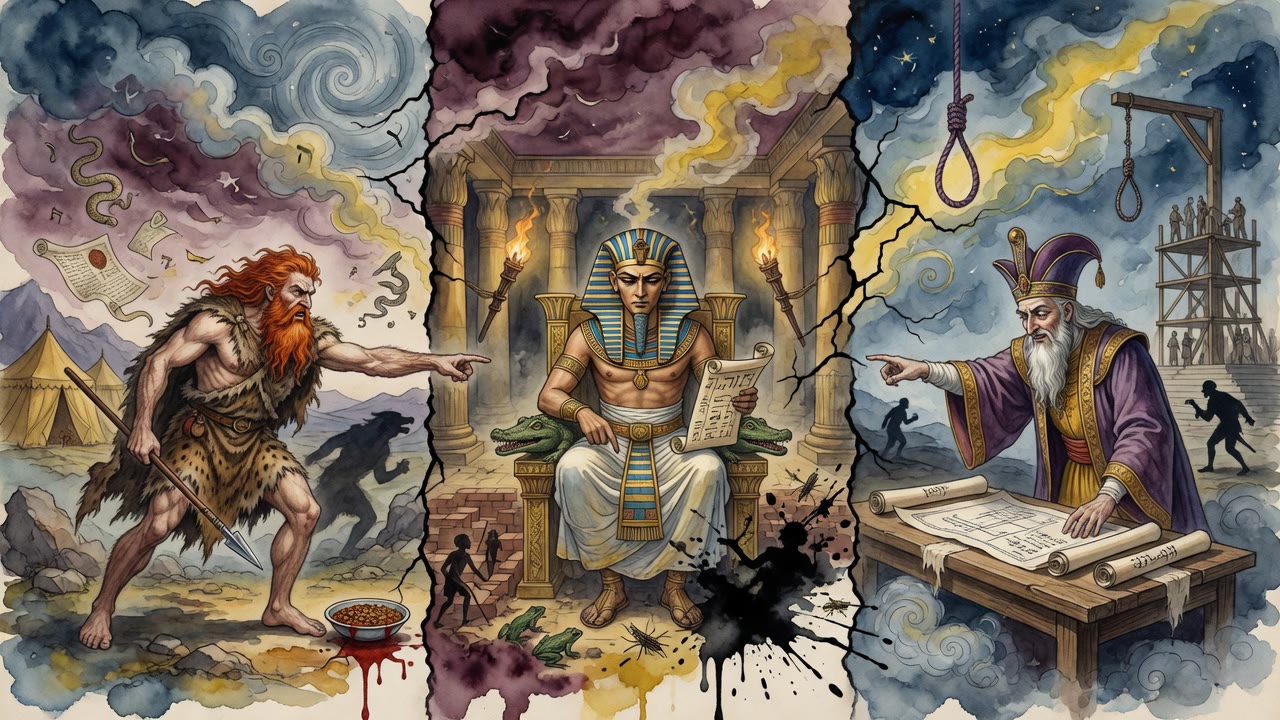
Esau waits for his father to die. Pharaoh counts a swarming people. Haman seals a letter to kill every Jew in one day. Each plot is smarter. Each fails.
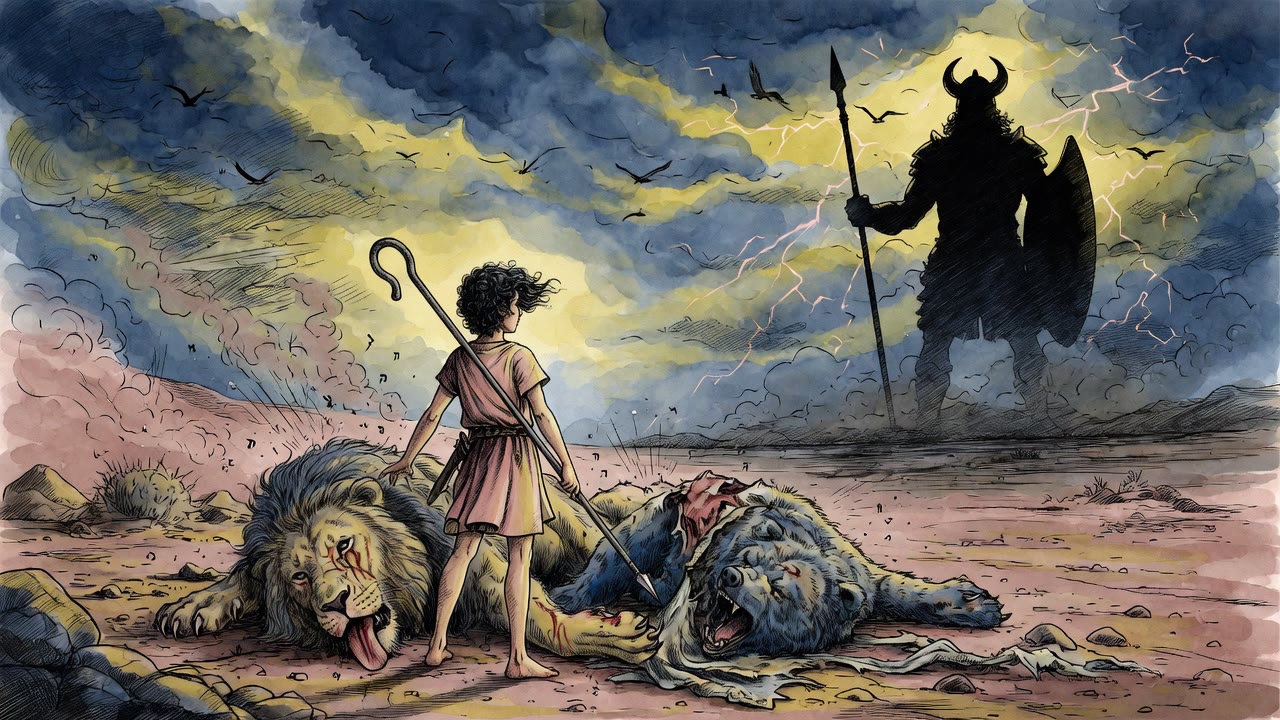
A lion took a lamb at the edge of the flock. David killed it with his hands. After the bear, he treated both carcasses as orders.
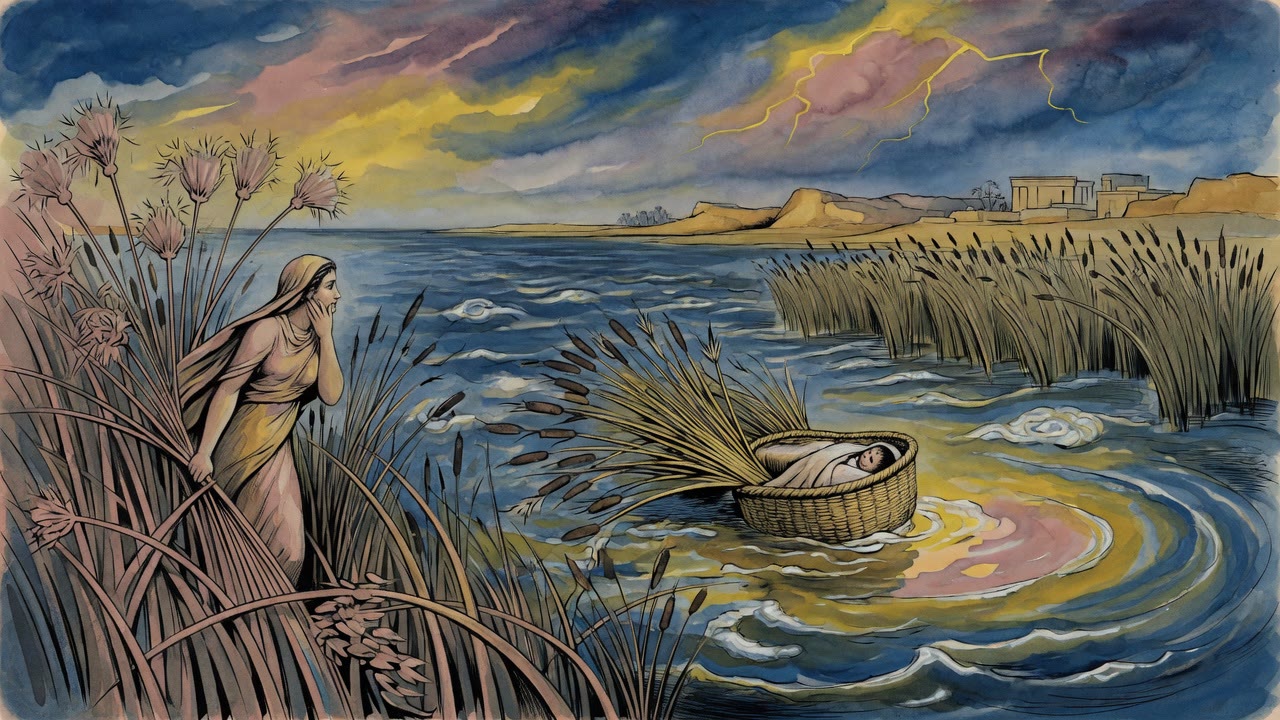
A girl plants her feet on the riverbank and watches her brother's basket drift, while her father's question still rings: where is your prophecy now?
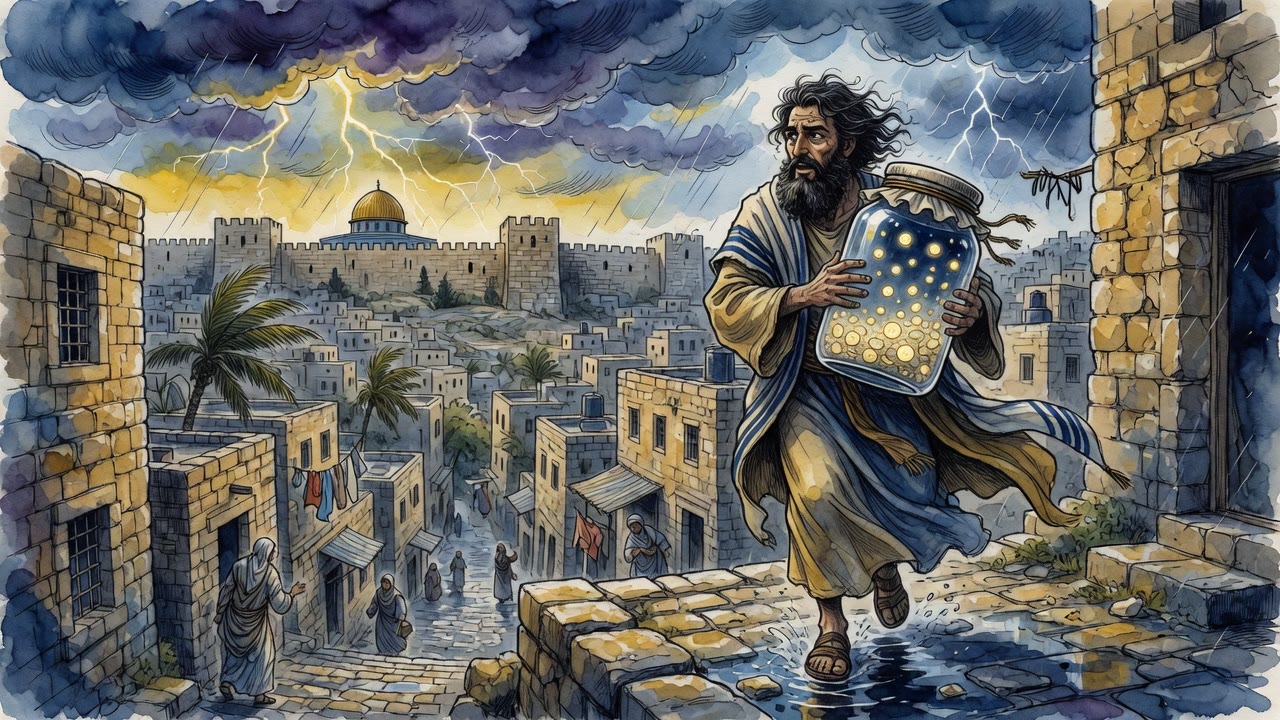
The crowd told Jeremiah they had fields to plow and hungry children, so Torah would have to wait. He came back holding a jar of old manna.
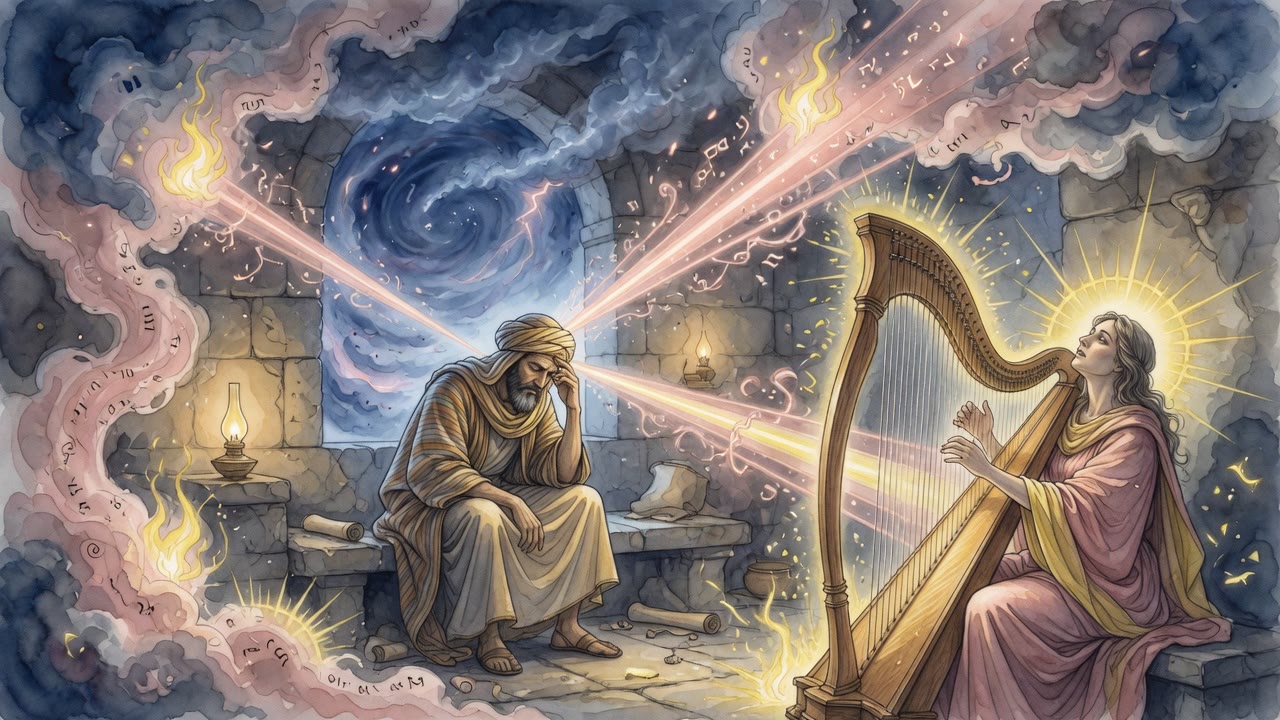
The word of God would not come to an angry prophet. Elisha called for a harpist, and when the strings played, heaven found a way in.
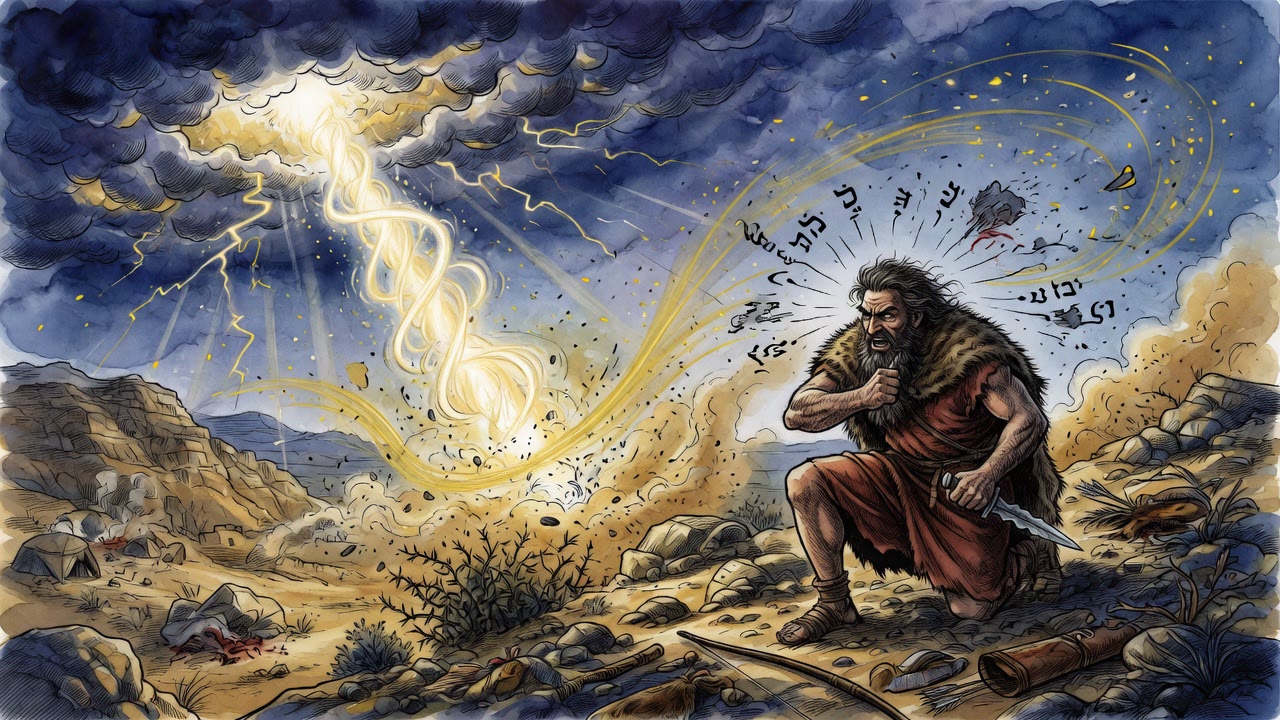
Esau never moved his lips. The murder plot stayed sealed in his heart, three deaths in careful order, until God spoke every word of it aloud.
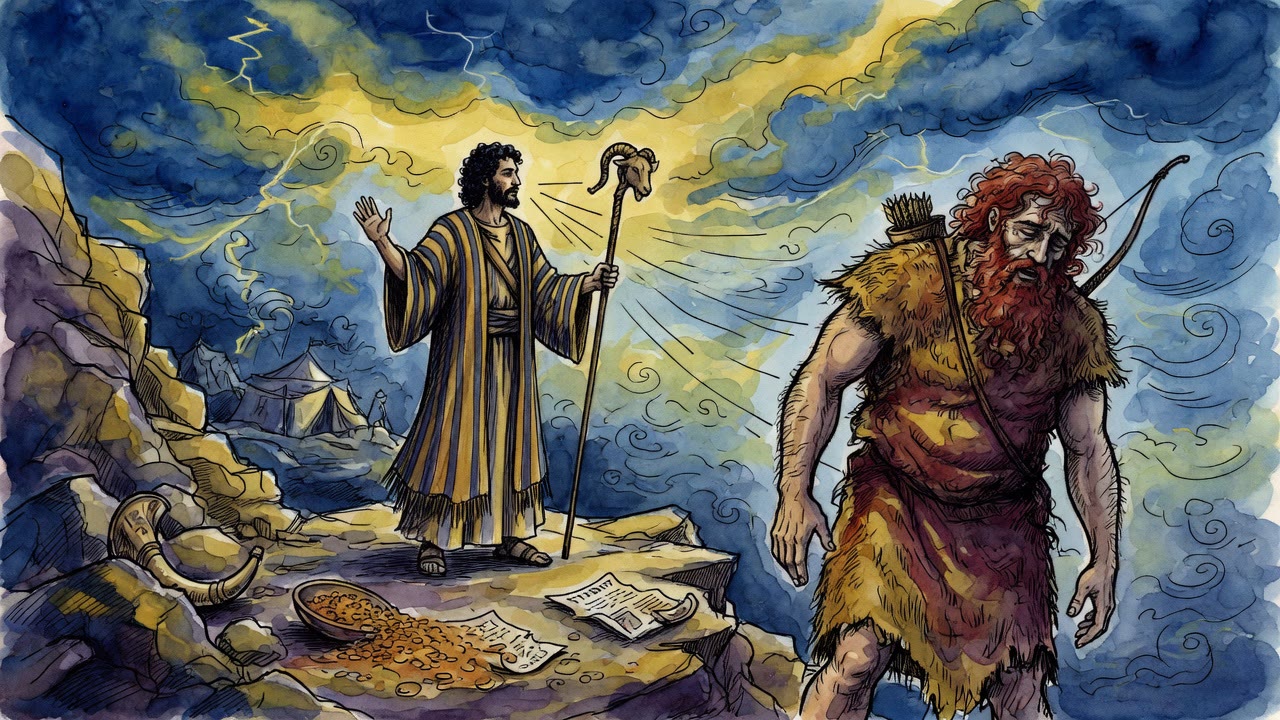
Jacob's sons named Esau's hunt and the four hundred men. Esau named the pit at Dothan. Joseph came in still feeding the men who sold him.
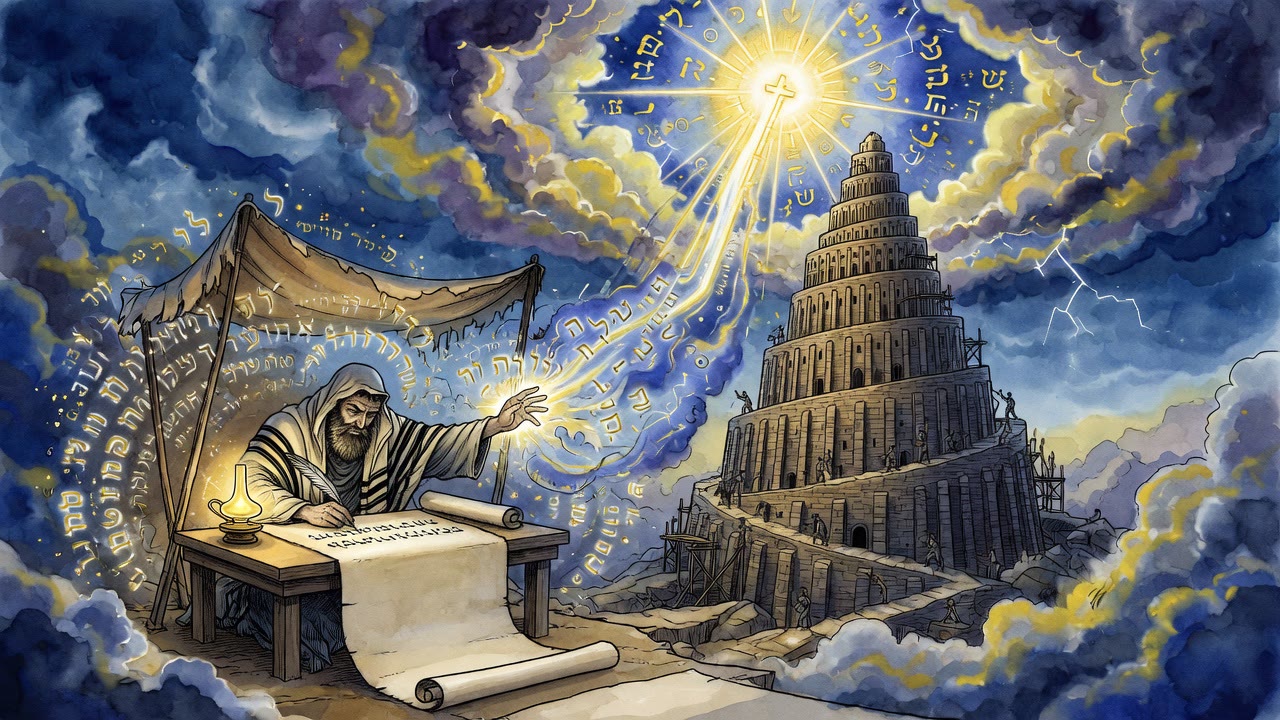
The builders of Babel raised a tower for their own name. Onkelos changed one verb and turned descent into revealed judgment.
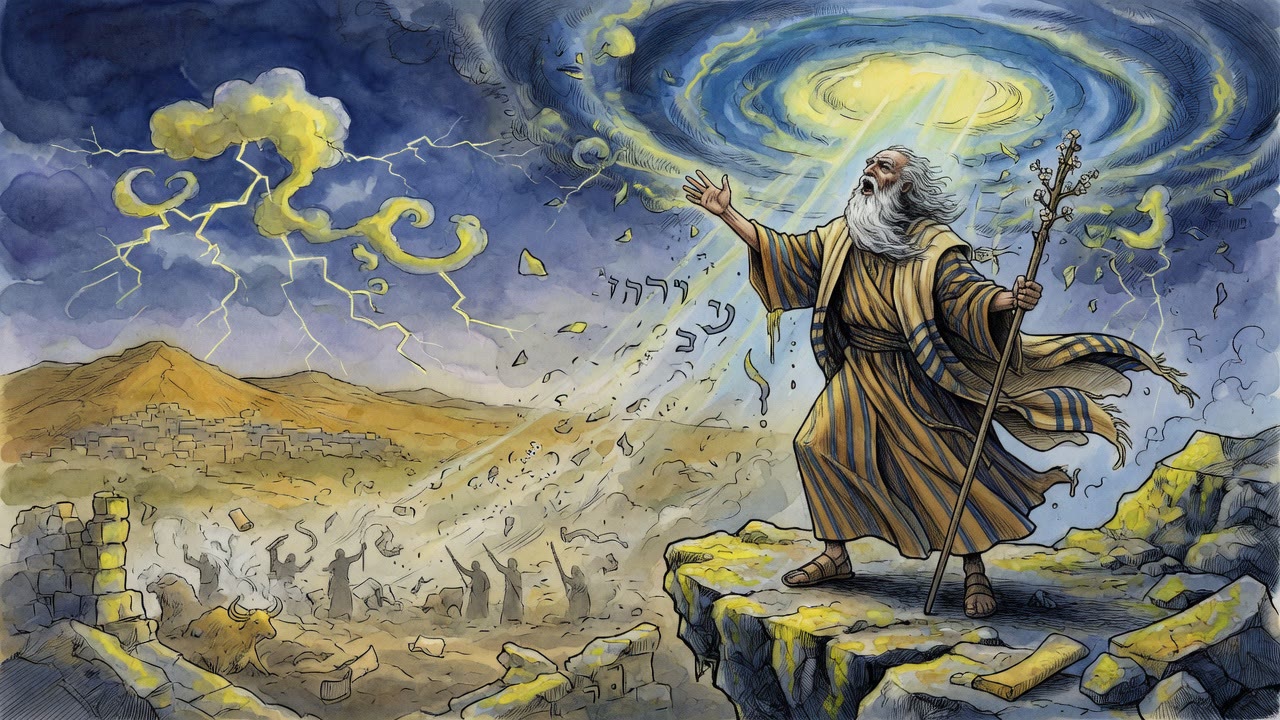
On the last day he called the heavens first, then the earth. Human ears would fail. The song had to outlive the man who sang it.
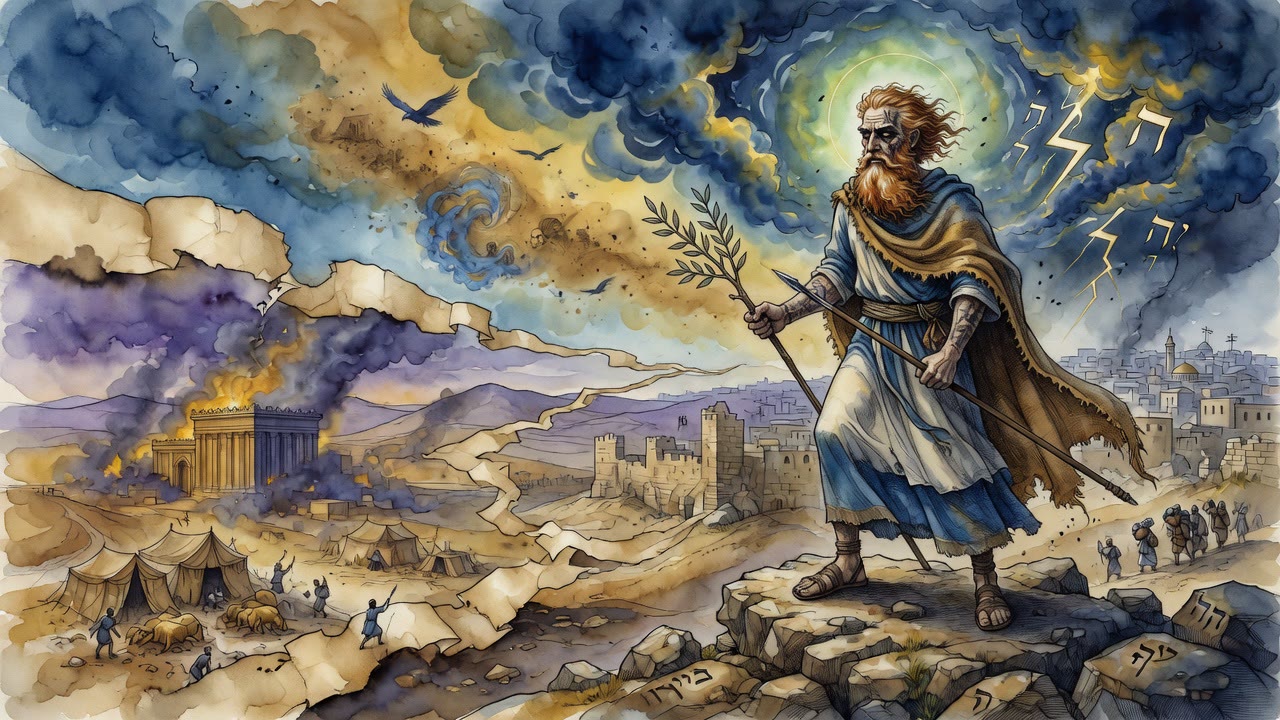
A genealogy hides the claim that Phinehas is Elijah. The priest who stopped a plague becomes the prophet who returns for Israel.
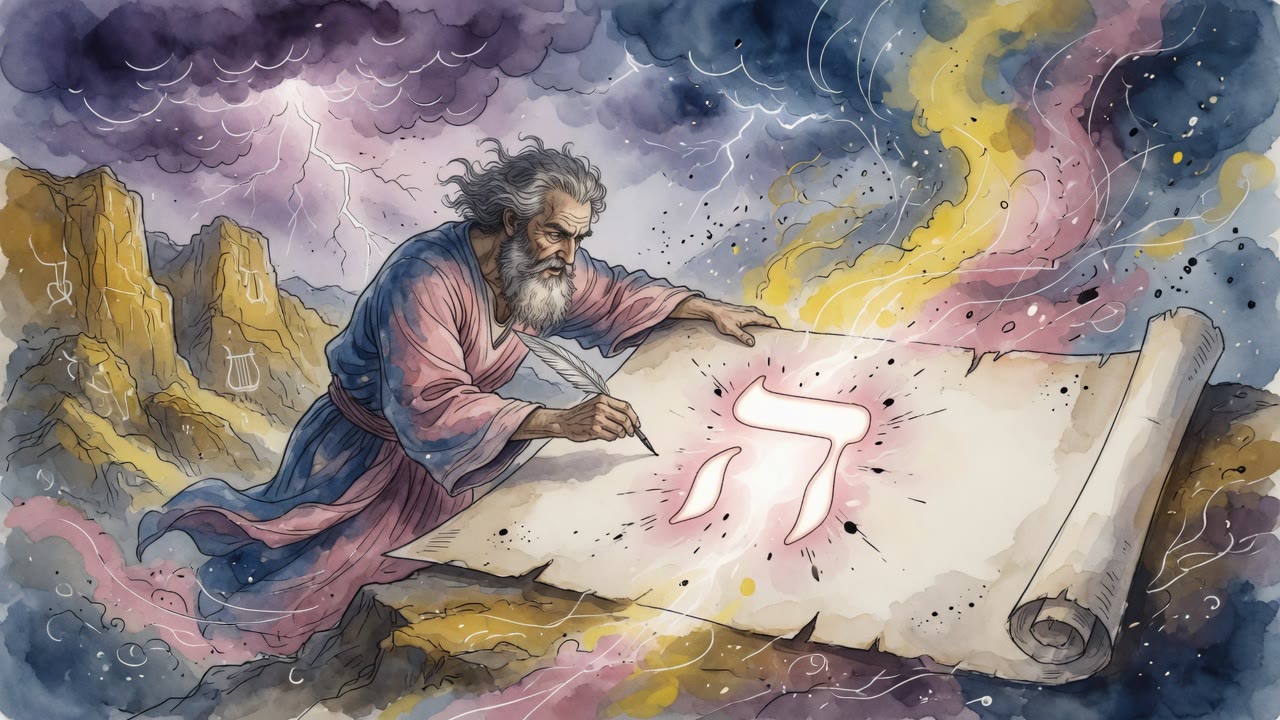
Psalm 145 praises God through the alphabet, but David left out Nun, the letter the sages heard as falling, and answered it anyway.
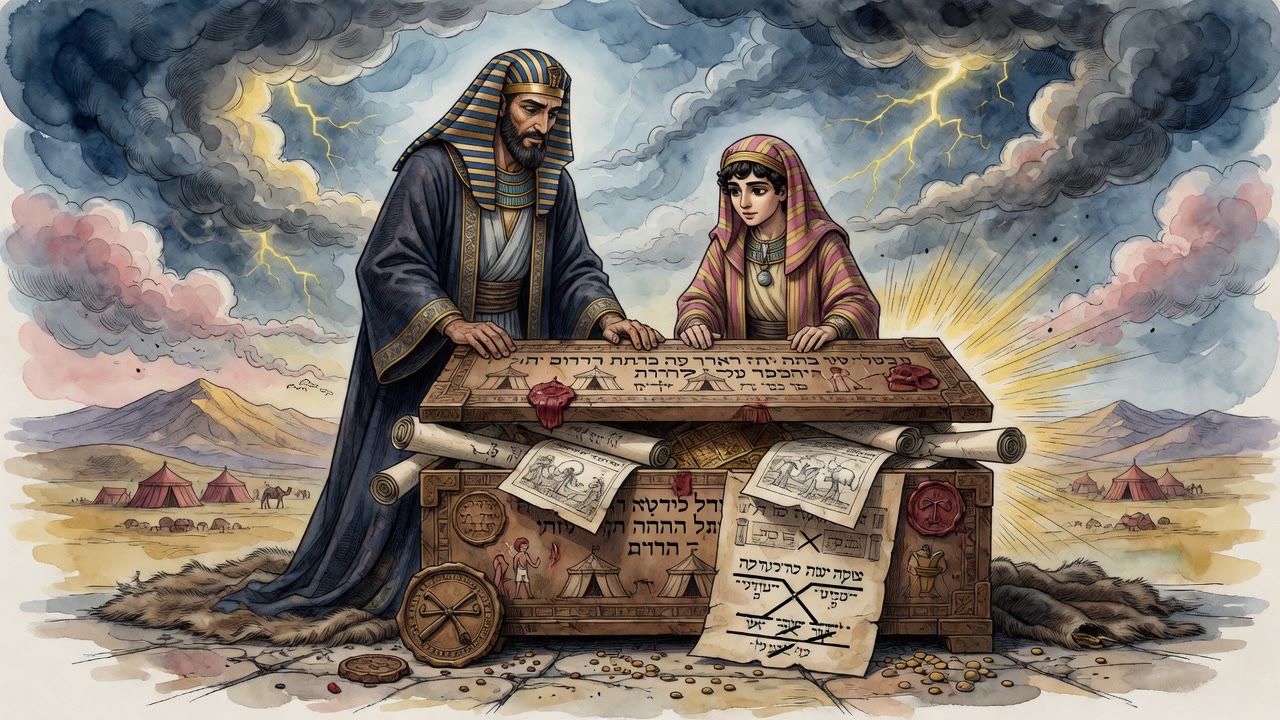
The tribes accused Esau of hunting his brother, and Esau pointed at the pit where they threw Joseph. Only Joseph and Benjamin had clean hands.
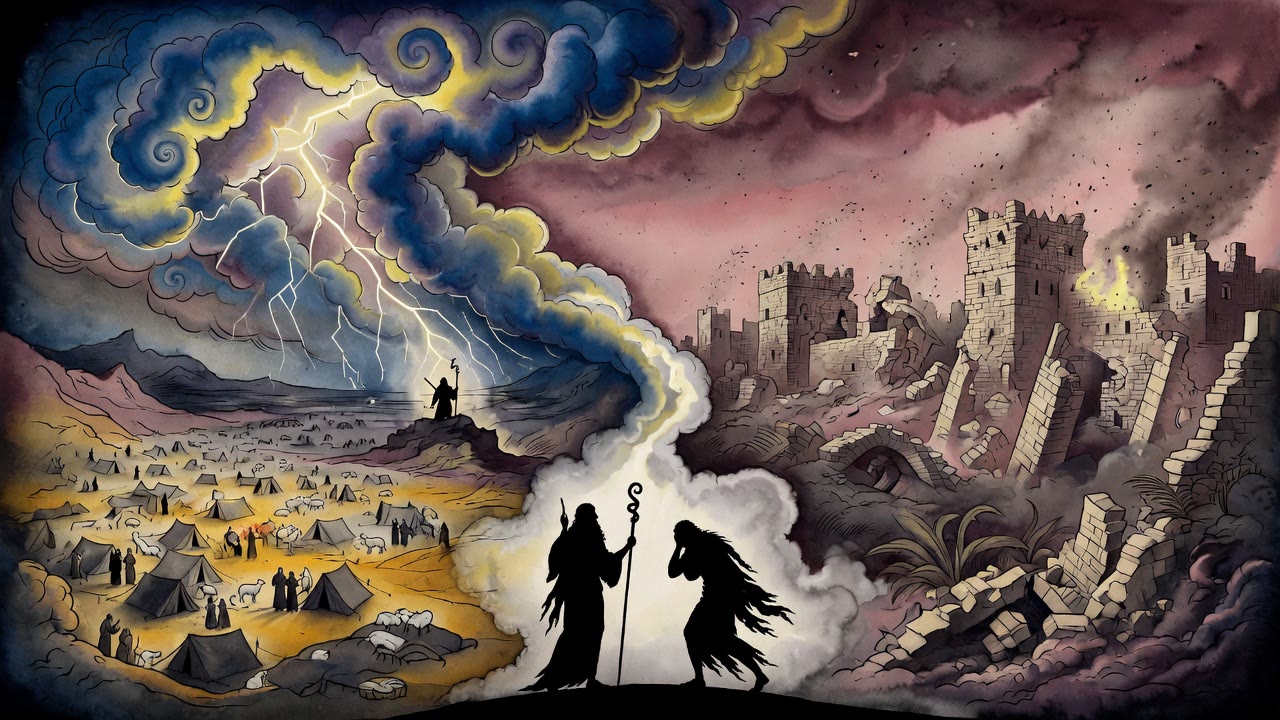
In the wilderness the cloud led Israel and sheltered them. In Lamentations God wraps himself in a cloud, and the prayers of the people cannot get through.
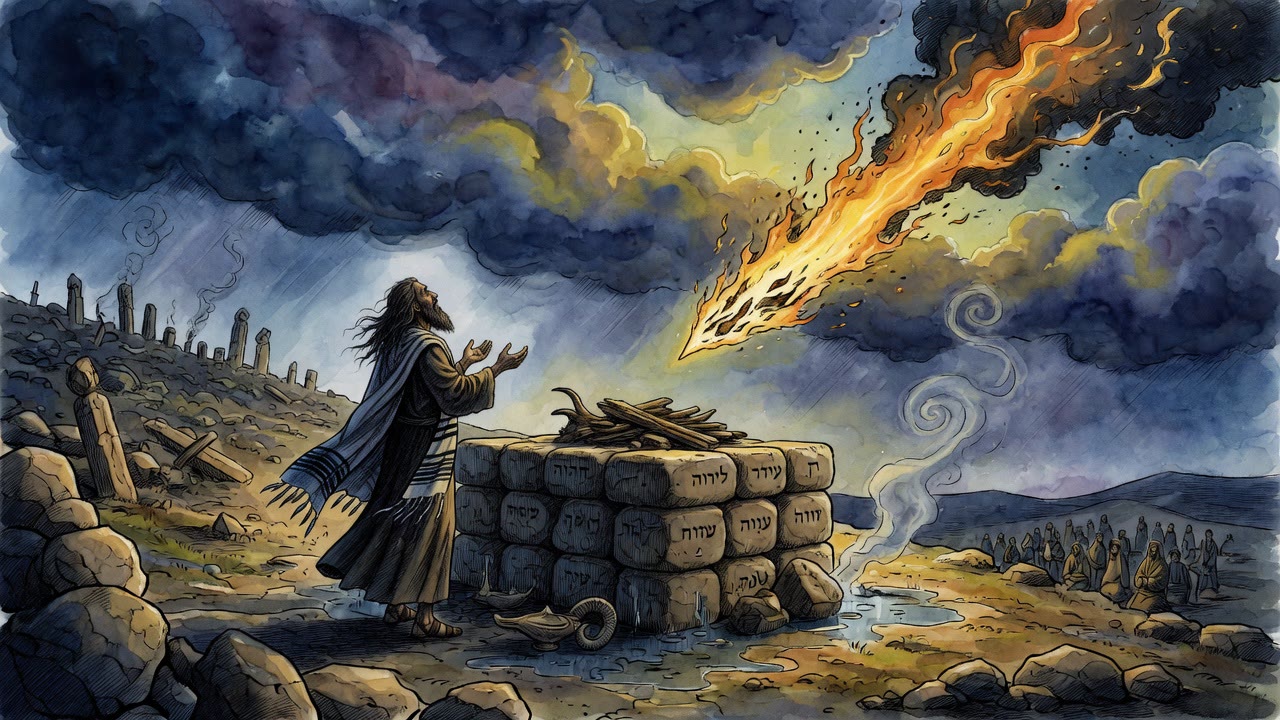
Hiel lay under Baal's altar with a coal ready. A serpent found him first. Elijah still did not pray until the afternoon offering.
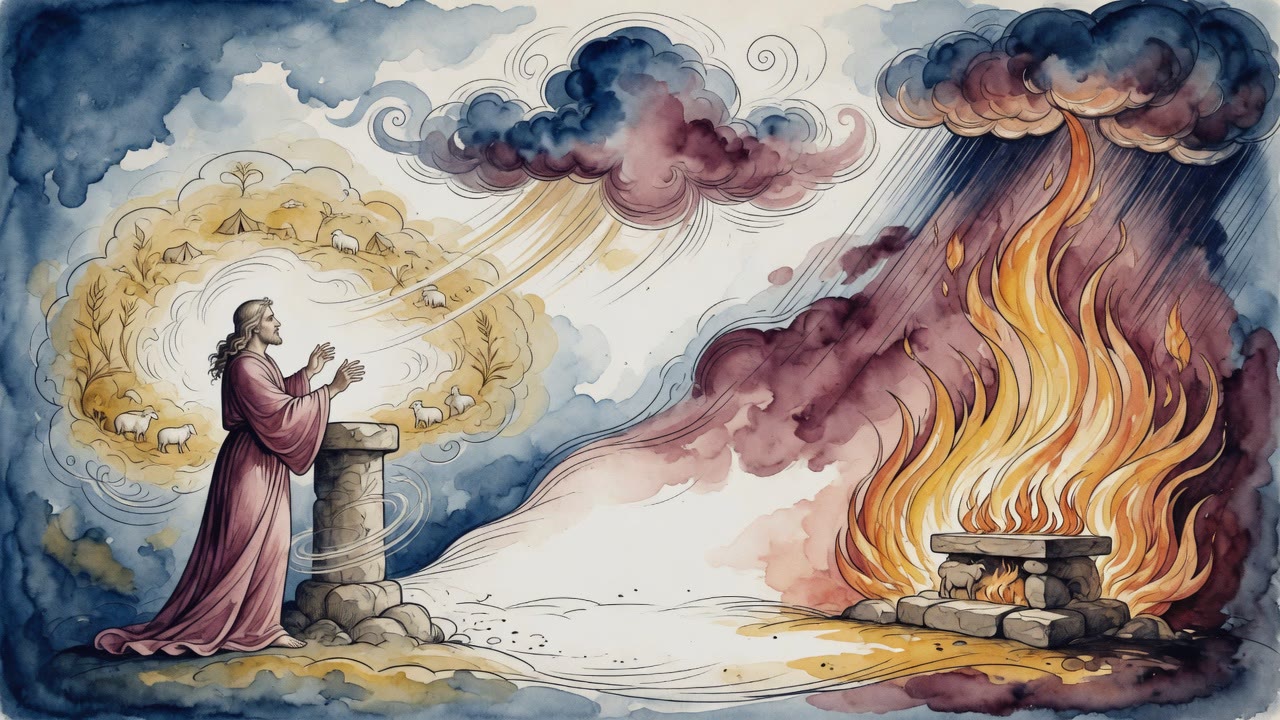
Benjamin was still unborn when God named a nation in Jacob. Centuries later Elijah stacked twelve stones on Carmel, and the fire found them.
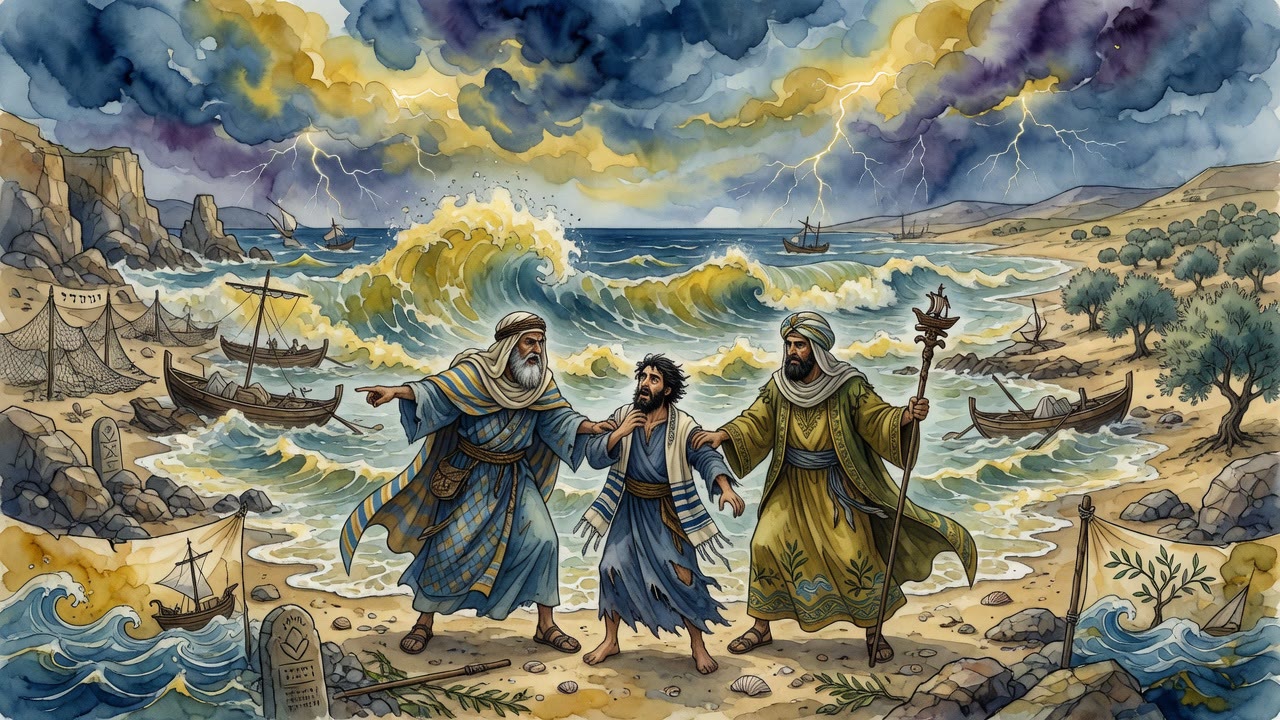
Two sela paid Rabbi Levi to hold the hall until the master arrived. He used the hour to put Jonah on Zebulun's shore.
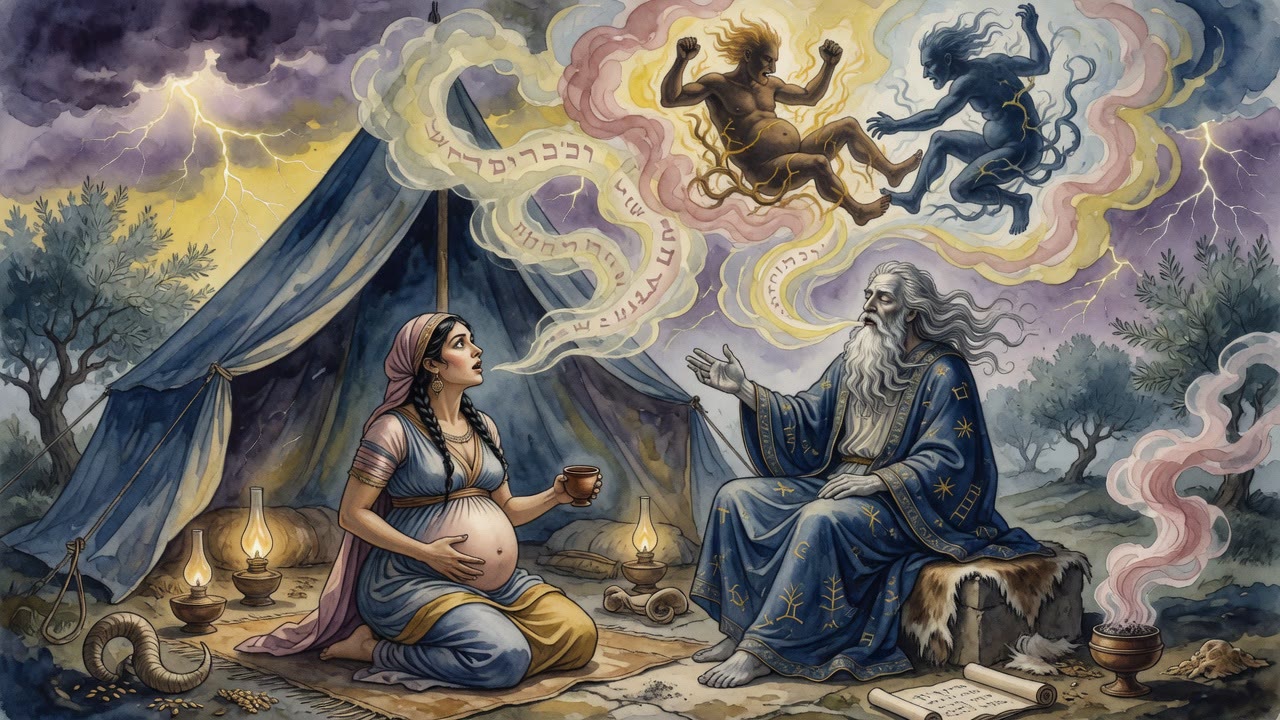
Rebecca sought God while the twins struggled inside her. The midrash says the answer came through Shem, not straight from heaven.
