448 myths · Page 4 of 15
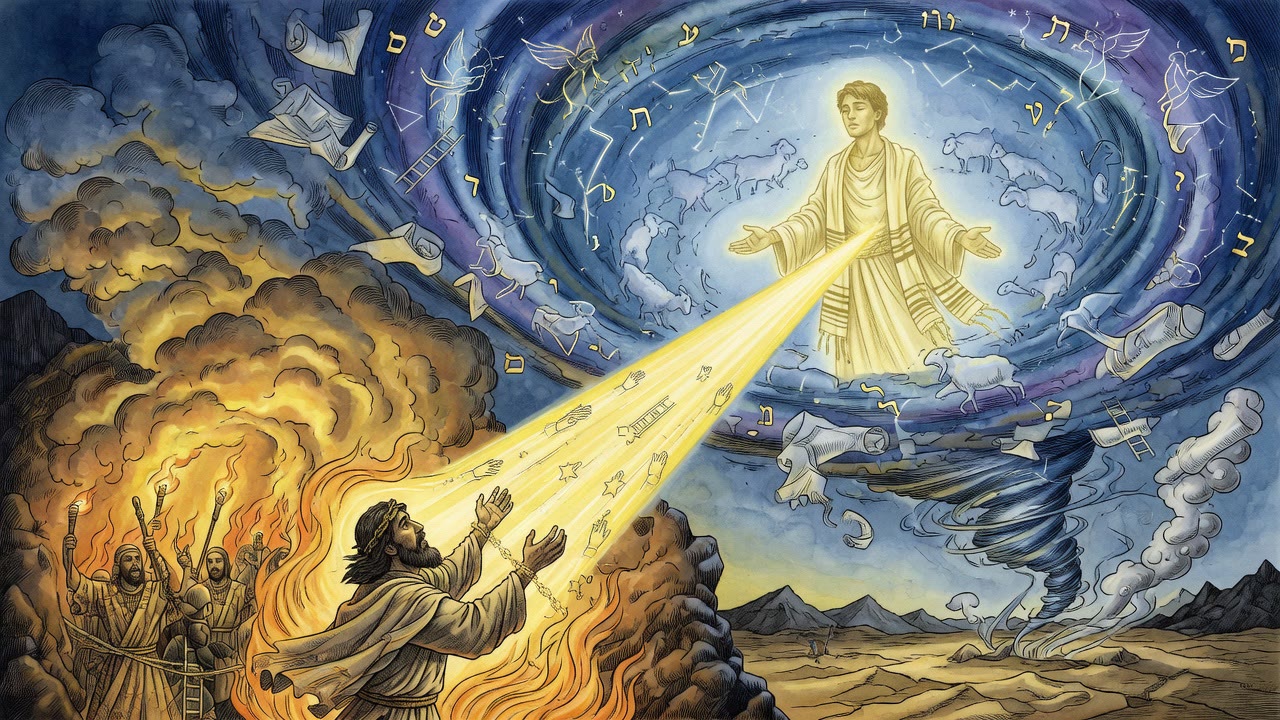
When Nimrod threw Abraham into the fire, God did not save him for his own sake. The rabbis say it was Jacob, not yet conceived, who earned Abraham's rescue.
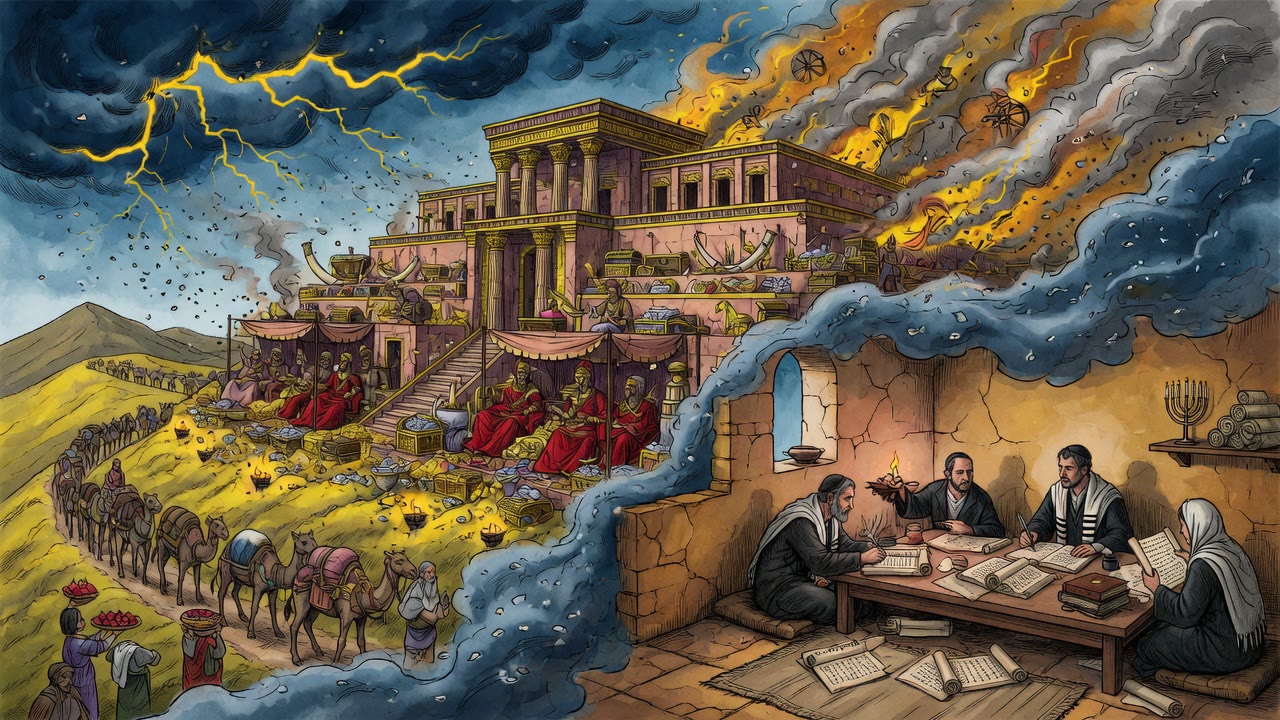
All the rivers run to the sea, Ecclesiastes says. The rabbis read that as Rome, and said the scholars would get the money in the end.
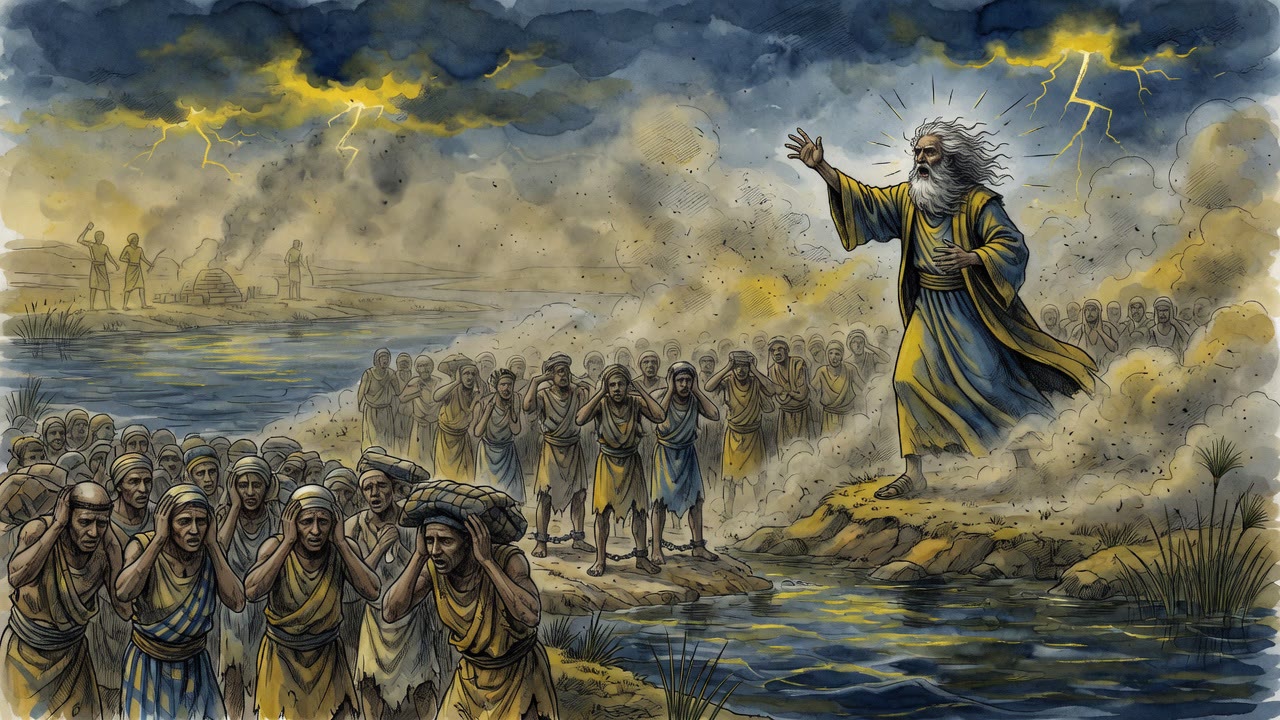
Moses brings God's promise of freedom to the Israelites, but the broken people cannot lift their ears from the mud.
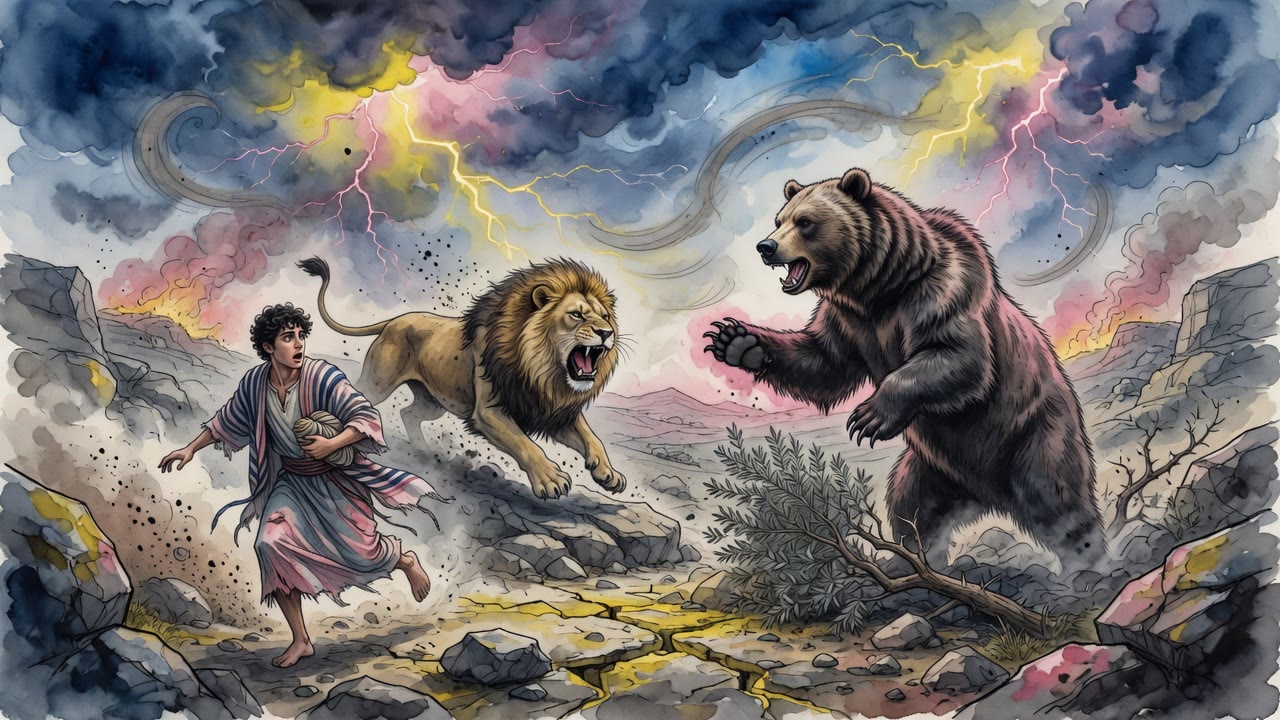
He outran the lion and met a bear on the same road. Home was no shelter. When he leaned on the wall, the snake was already in the plaster.
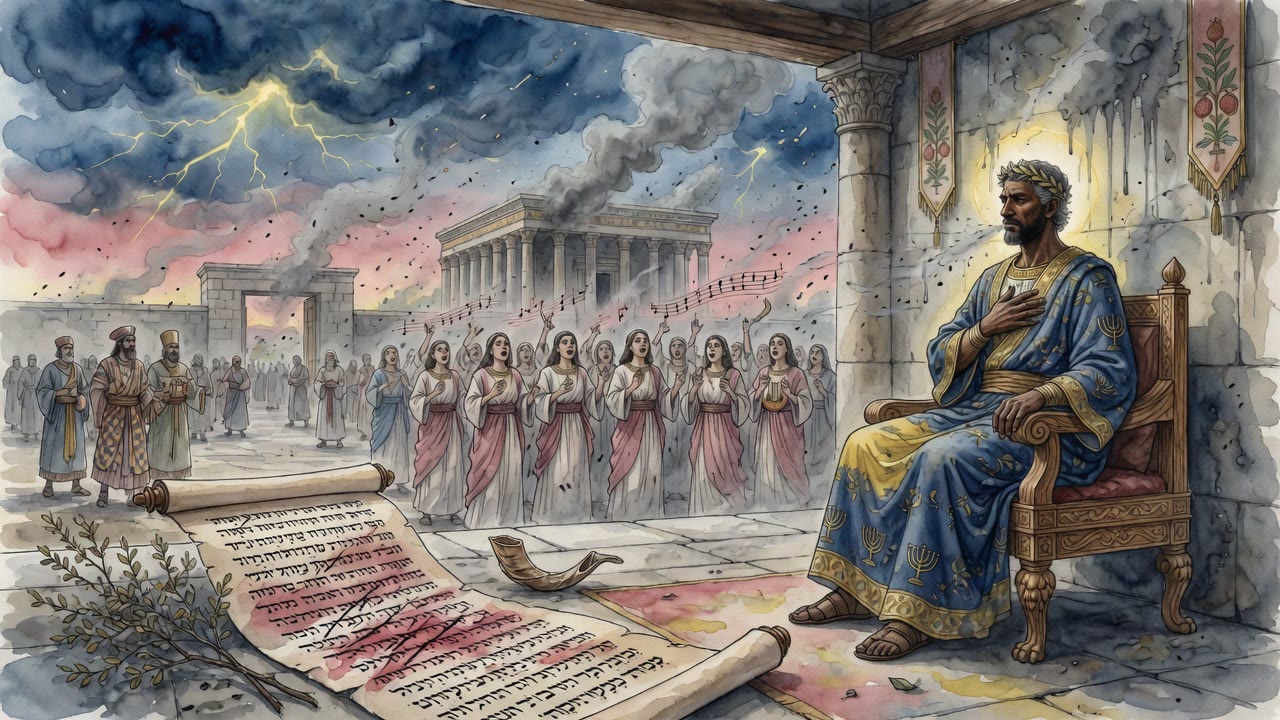
The camp outside Jerusalem did not wake. Isaiah asked the king for a song. Hezekiah kept his mouth shut and the study lamps burning.
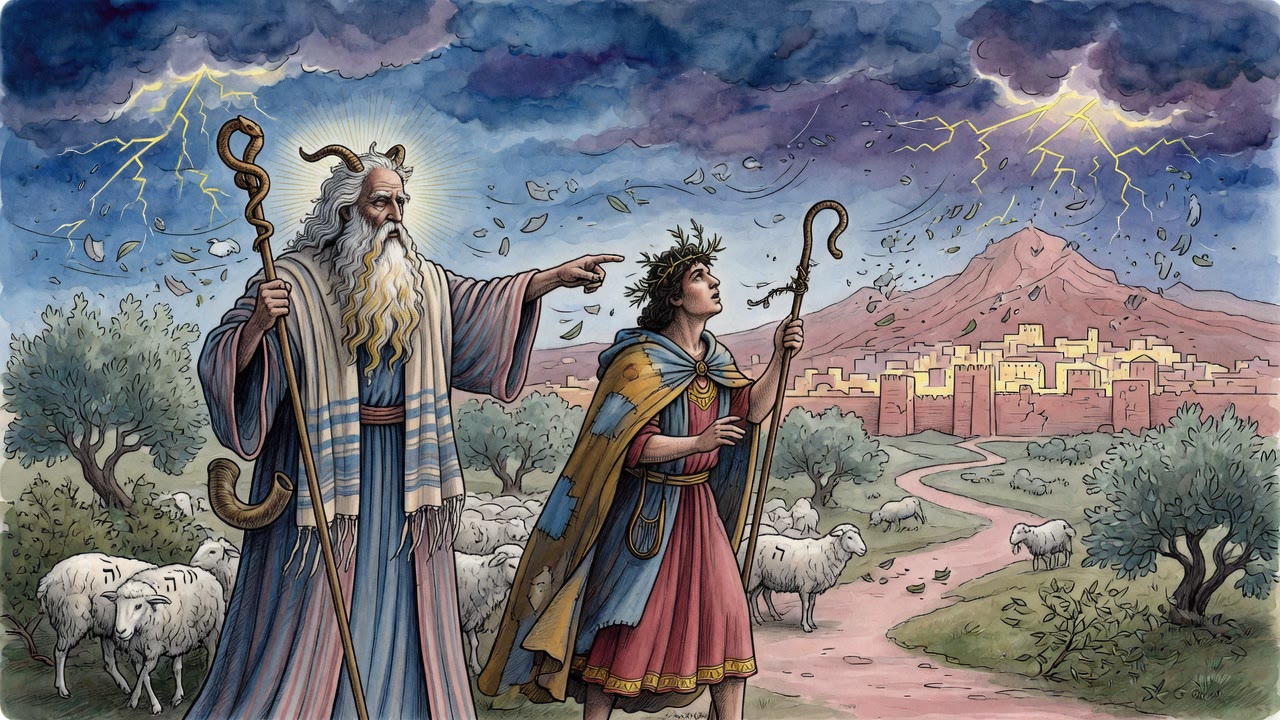
At the burning bush Moses was warned off two crowns that would never be his. The priesthood belonged to Aaron. The throne belonged to a boy not yet born.
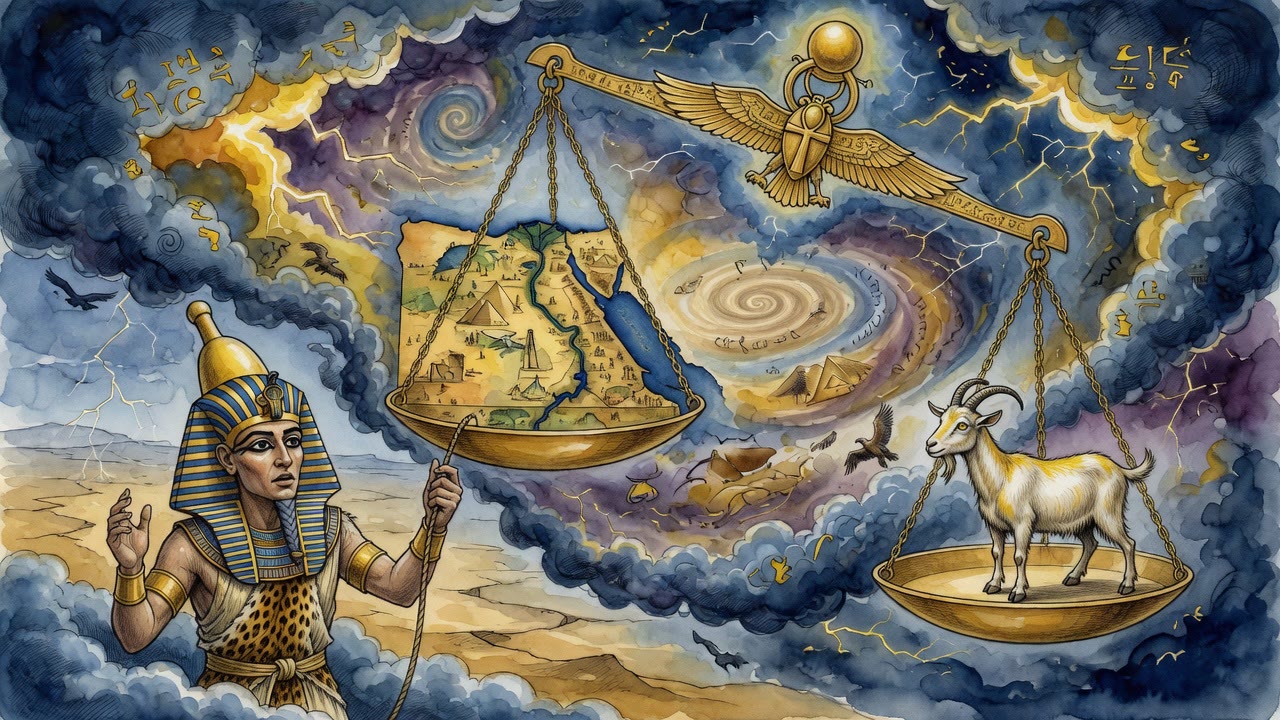
Pharaoh saw all Egypt weighed against a tender kid, and the kid sank the scale. Balaam turned the dream into a decree against Israel.
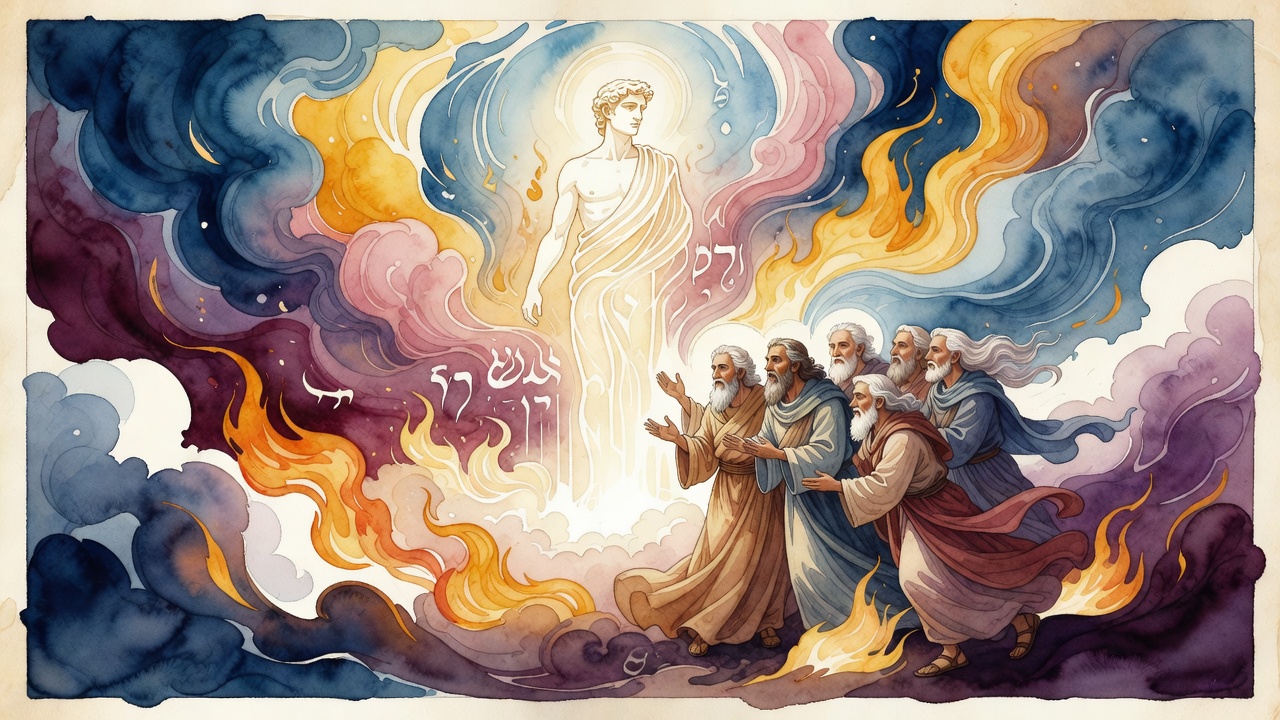
Lot's daughters bore Moab in a cave above Zoar. Generations later one of their descendants lay hiding in a cave of his own while Saul hunted him.
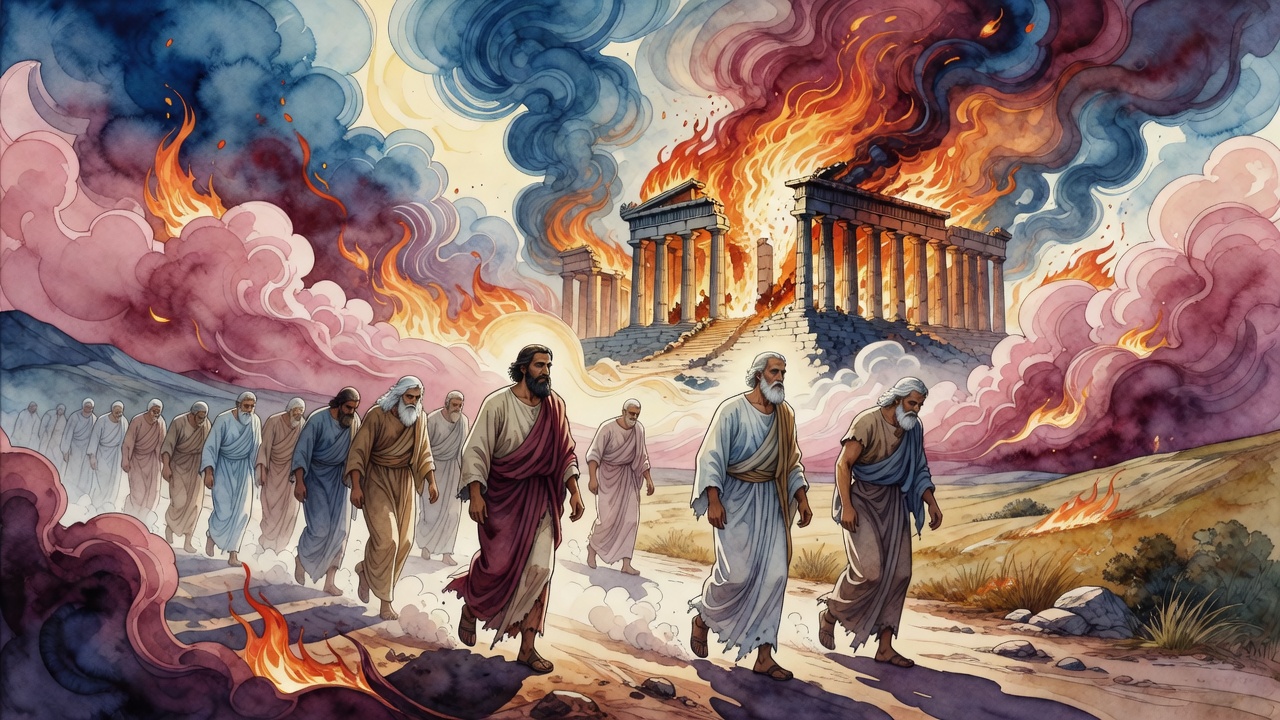
Before Moses died, he was shown the Temple burning and Israel in exile. He found Jeremiah on the roads to Babylon and walked alongside the dead.
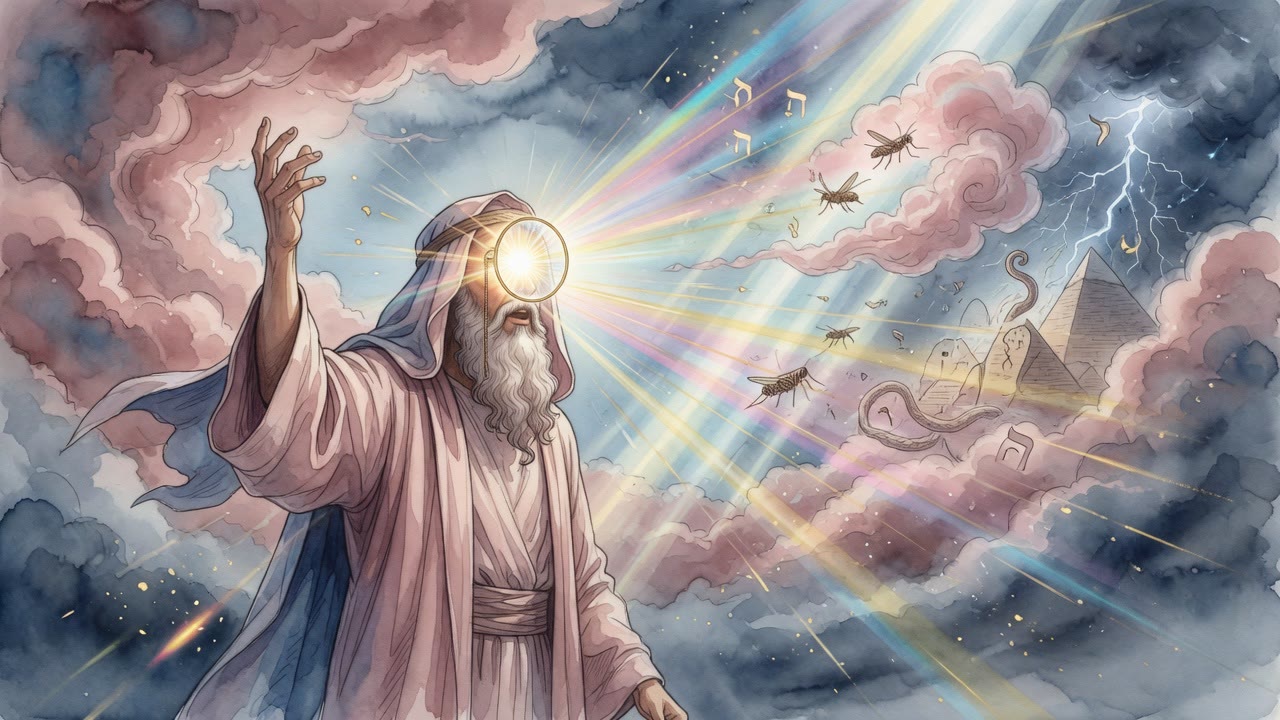
Moses did not speak like every other prophet. A basket, a palace, and a burning bush trained him for the clear bright lens.
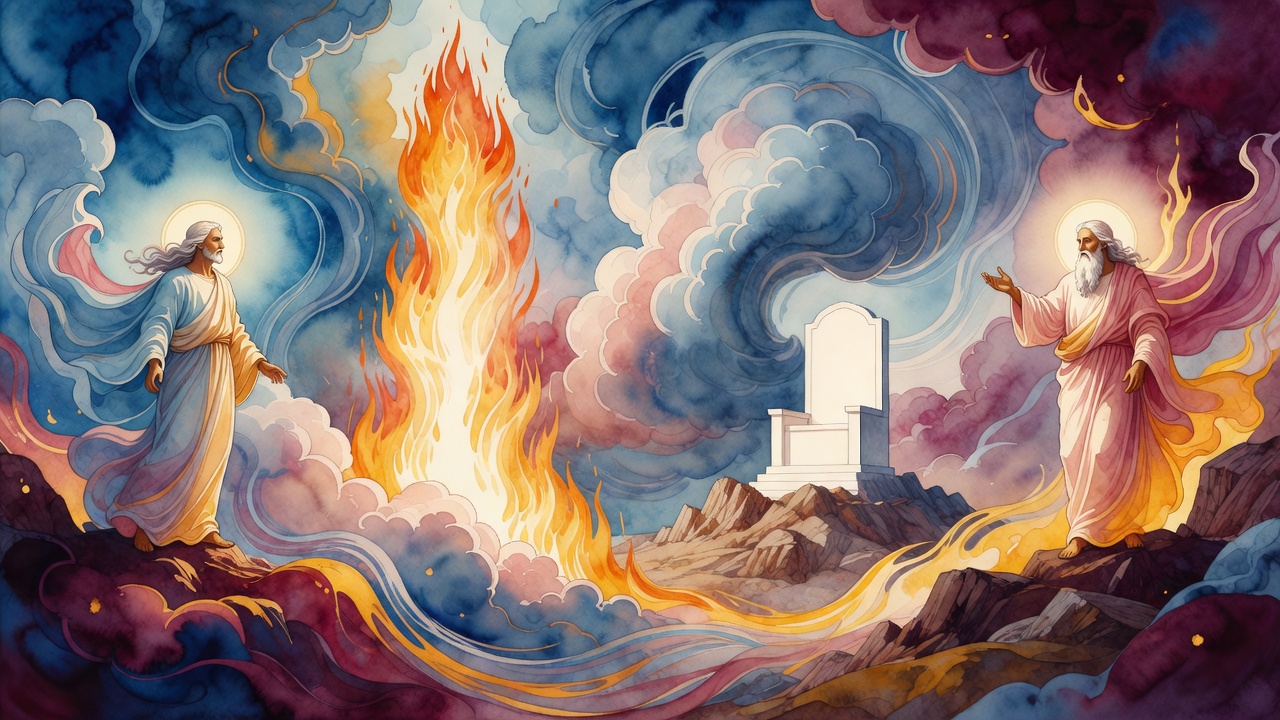
The rabbis placed Elijah at both ends of history, present before creation and appointed to announce the end. On Mount Horeb, God showed him all of time at once.
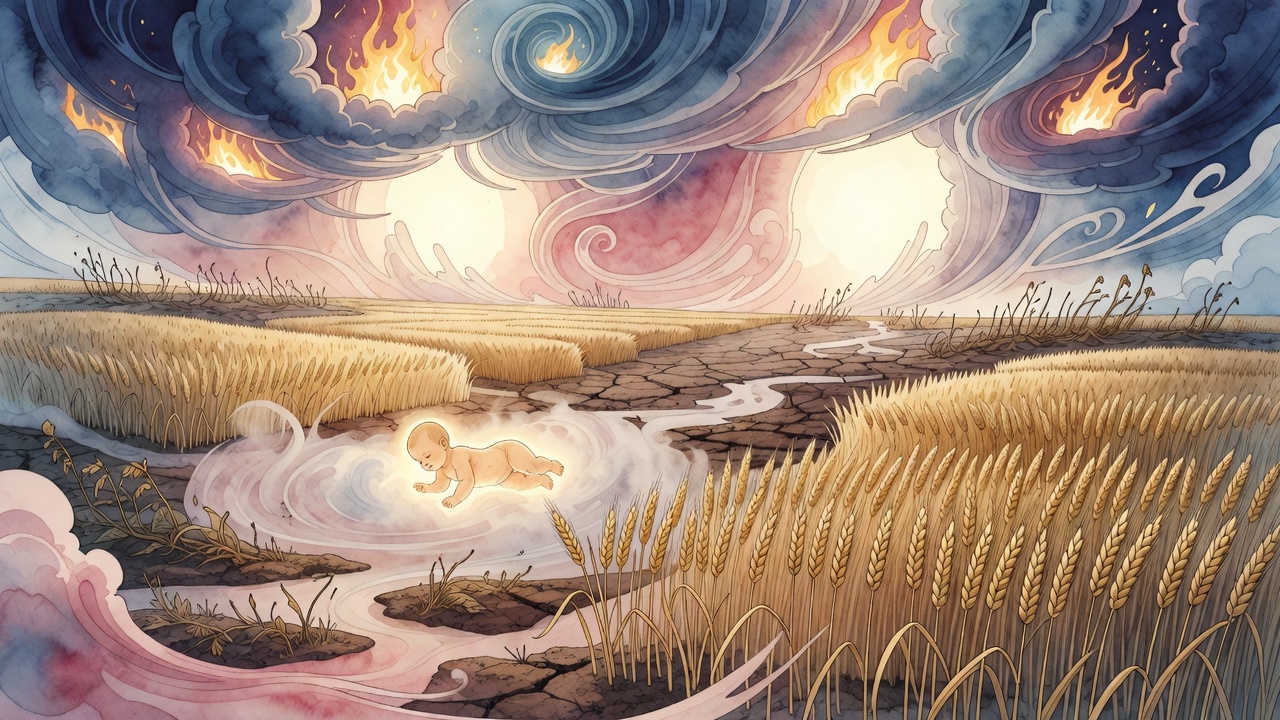
Before Noah, wheat could produce oats and the ground resisted human hands. His birth restored order to the soil before the Flood.
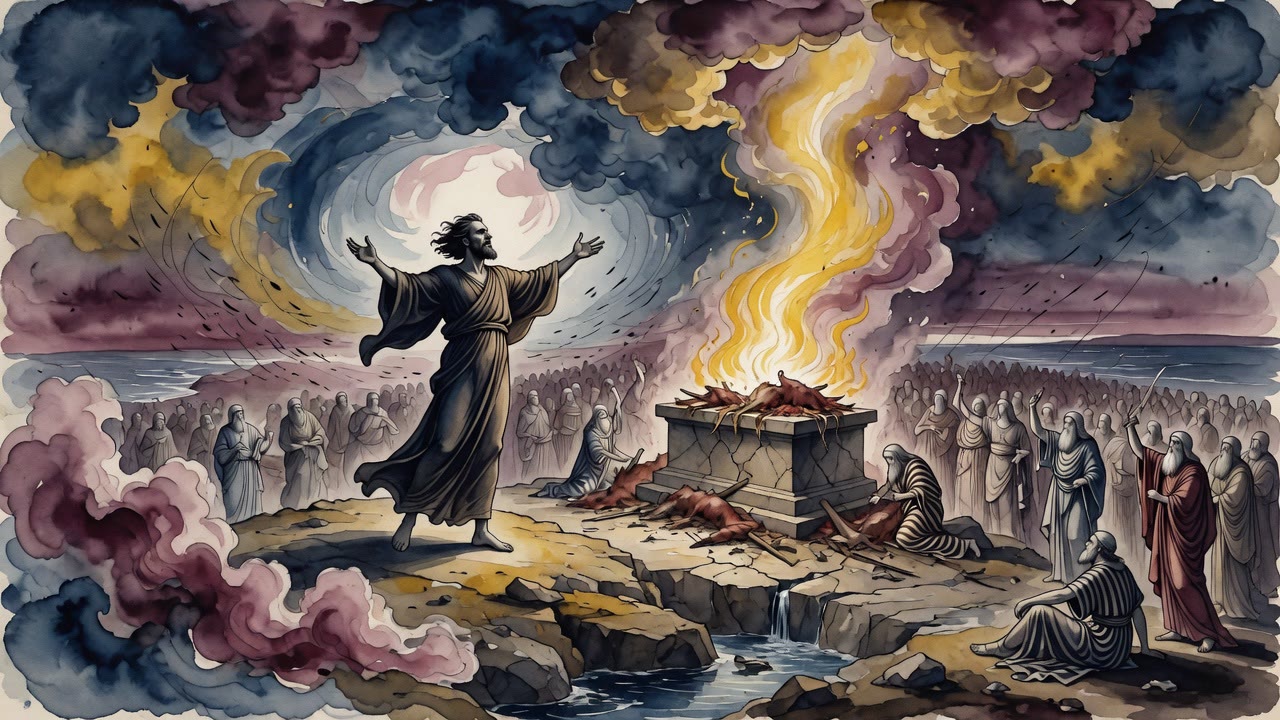
Baal's prophets cut themselves until noon and nothing burned. Elijah poured water until the trench was full. Then he asked for fire.
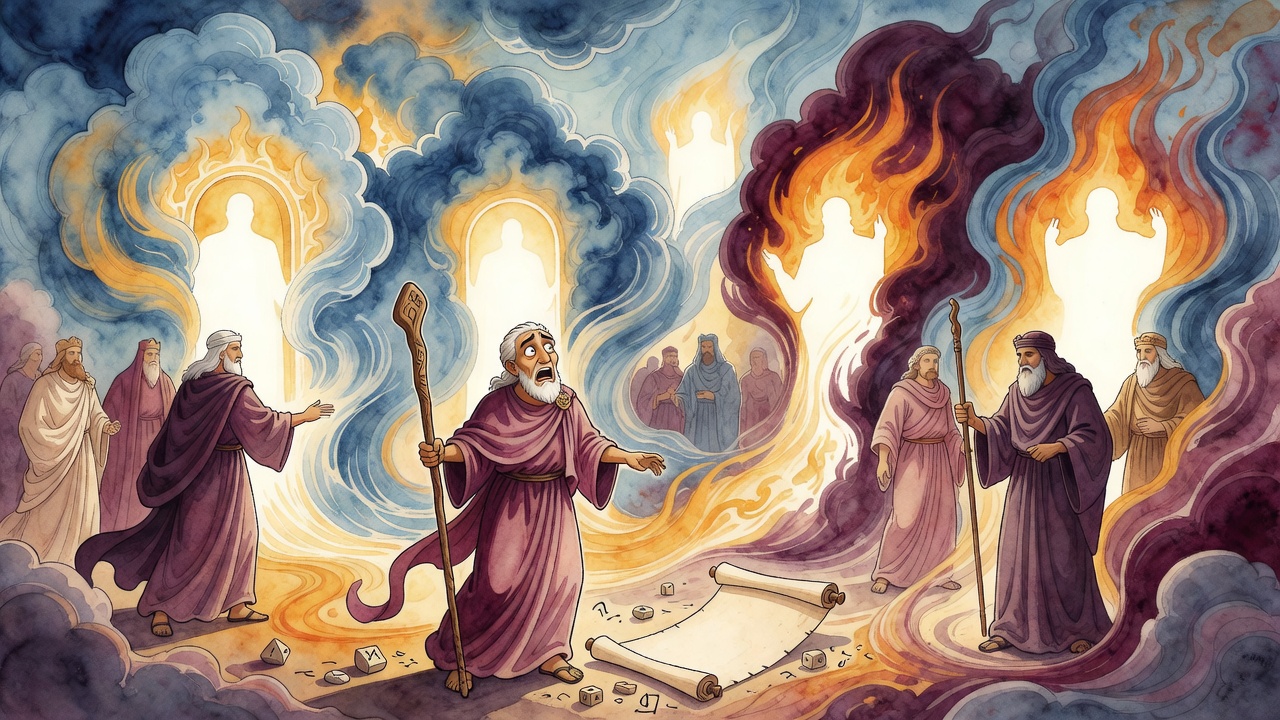
Balaam had divining tools, royal messengers, greed, timing, and a curse ready. God blocked every door before he could speak.
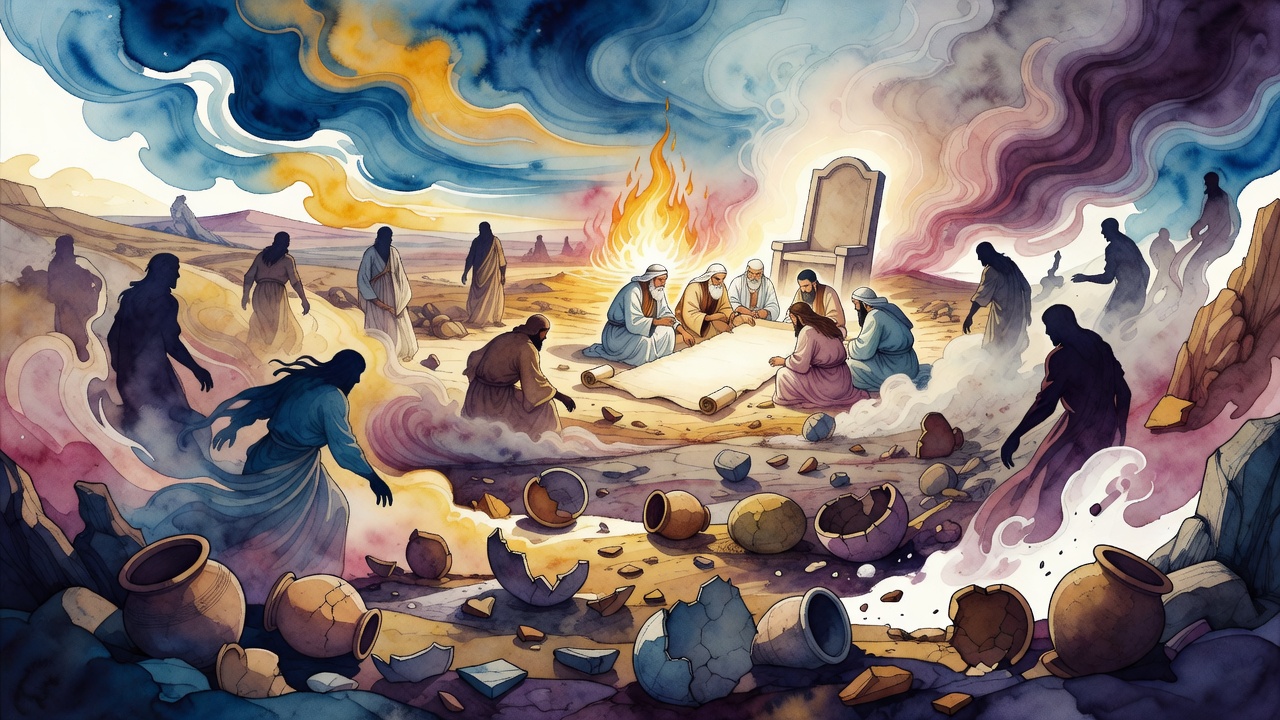
Bela sat in Dinhabah and died. The next king was not his son. Eight times the chair of Edom filled, and eight times it emptied.
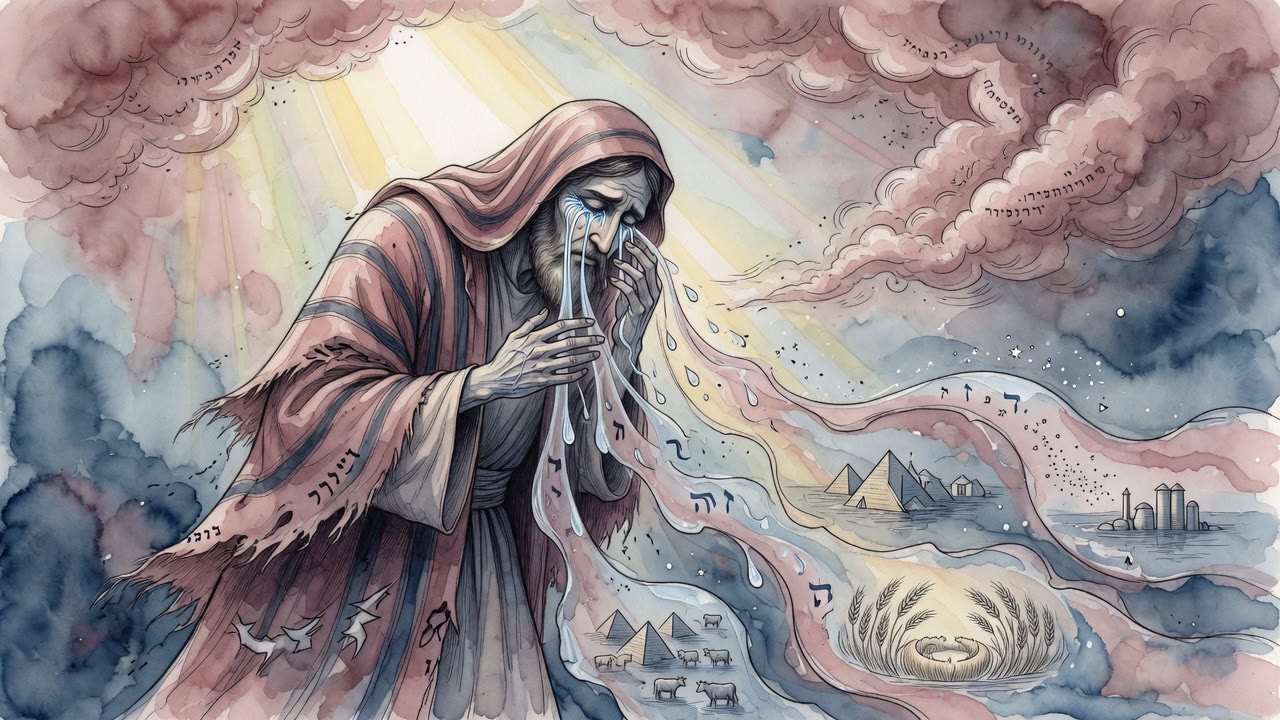
Three times Joseph excused himself from the table to cry in private. His brothers thought nothing of it. The tradition knew he was seeing centuries ahead.
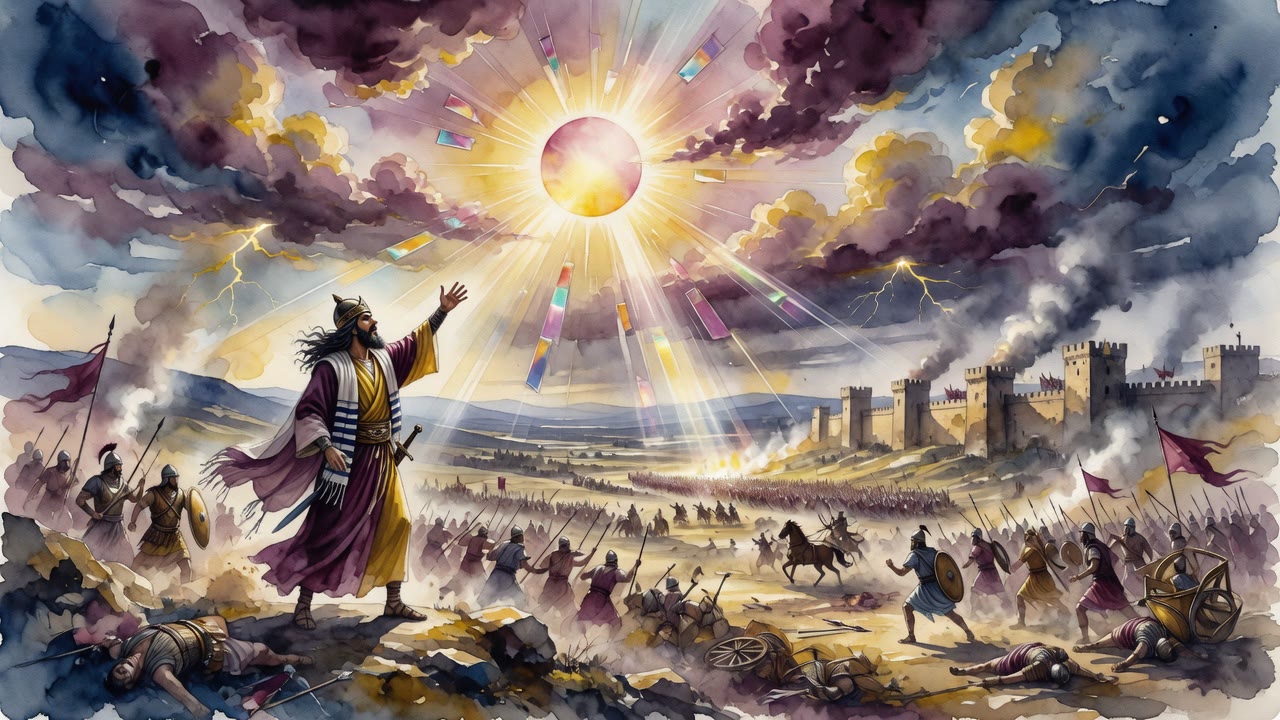
Moses called him an equal and sent him downhill. Later two men said Moses would die in the desert. Joshua wanted them locked away.
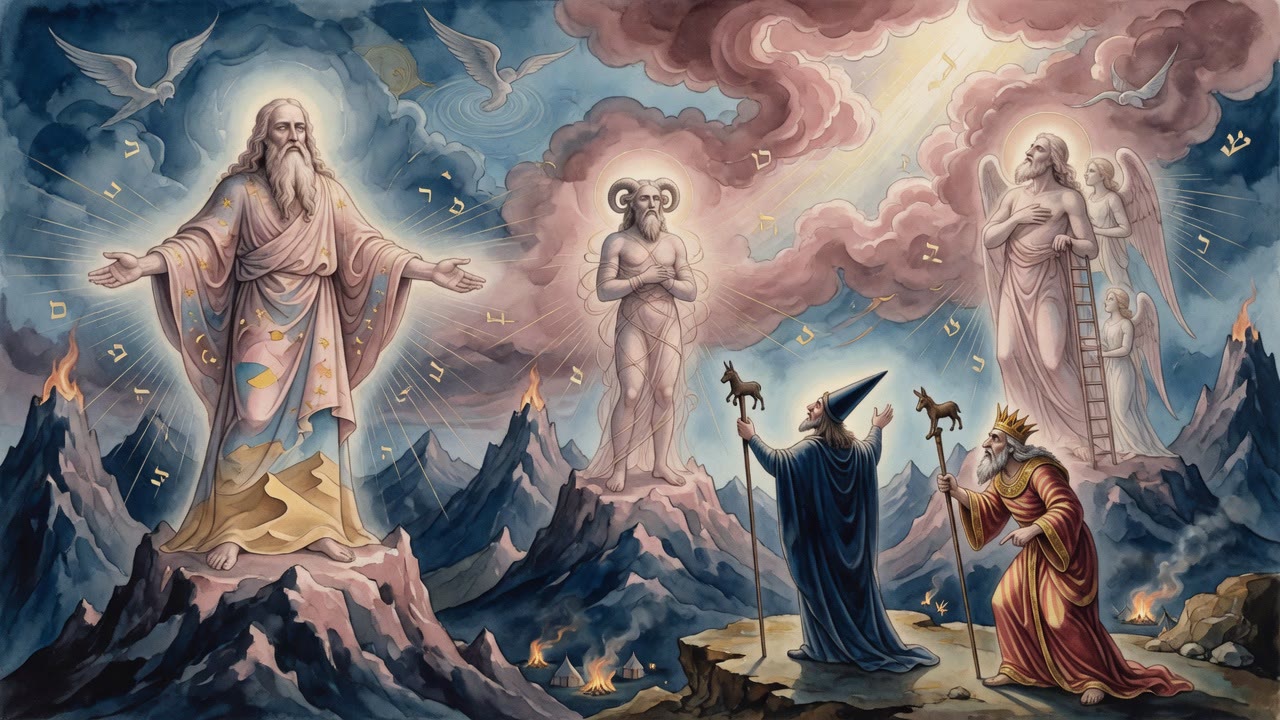
Balak paid for a curse and waited below the hill. Balaam came down and told him to stand. The fathers of Israel were already up there.
Before any human existed, an angel asked to go down and be useful. God changed his name and later sent him into Ahab's ruined kingdom.
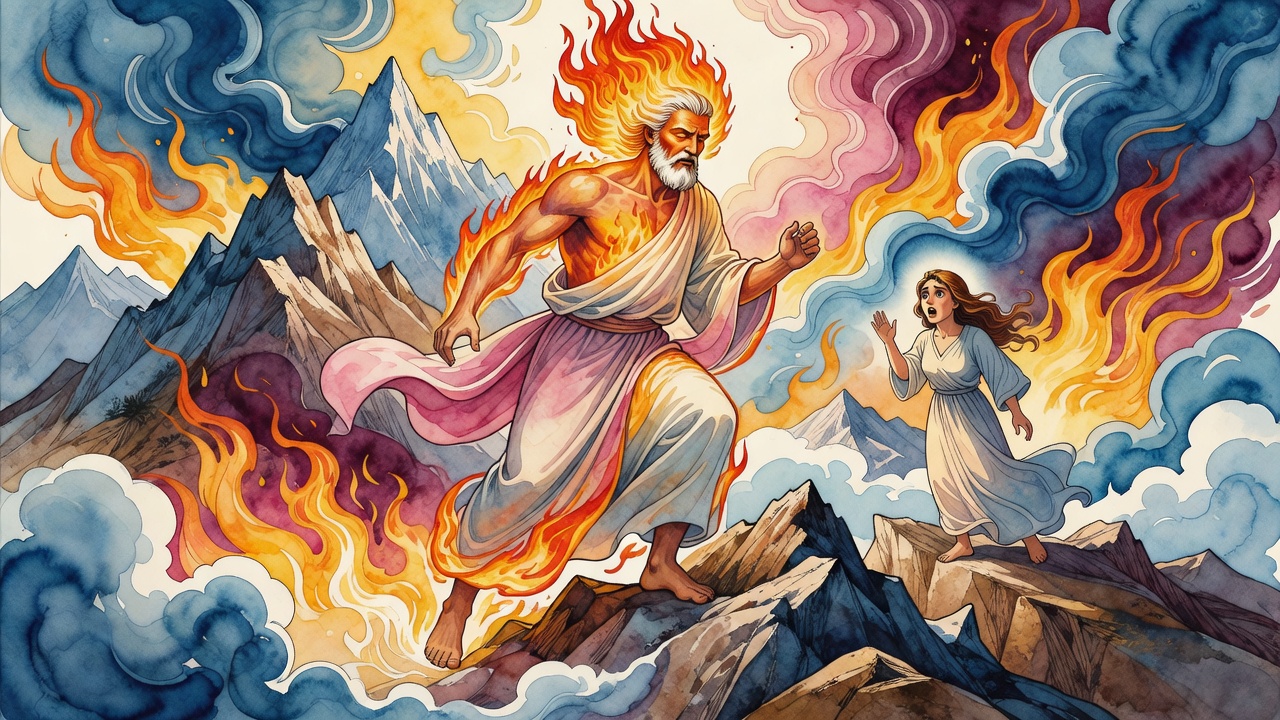
Elisha carried divine fire so concentrated his face burned lethal to look at. He traveled mountain to mountain, and one woman saw him coming.
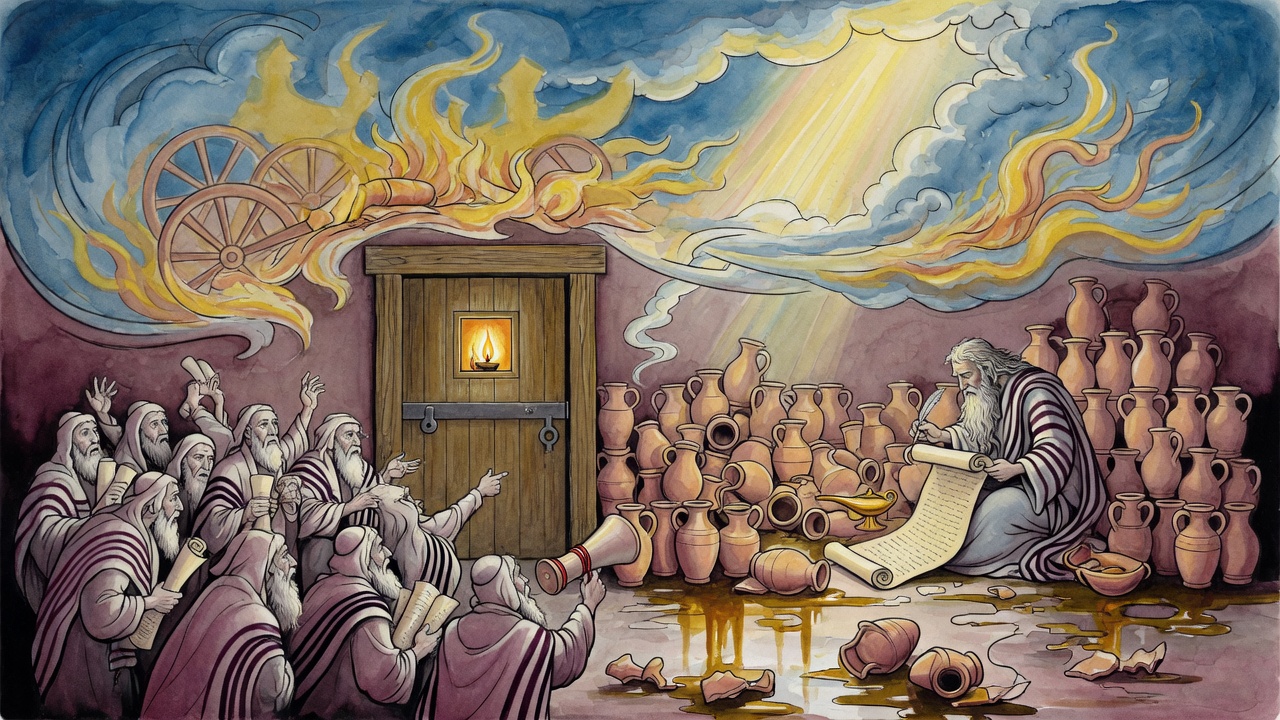
The rabbis nearly voted to suppress the Book of Ezekiel. One sage locked himself away with 300 jugs of oil and refused to stop until the book was safe.
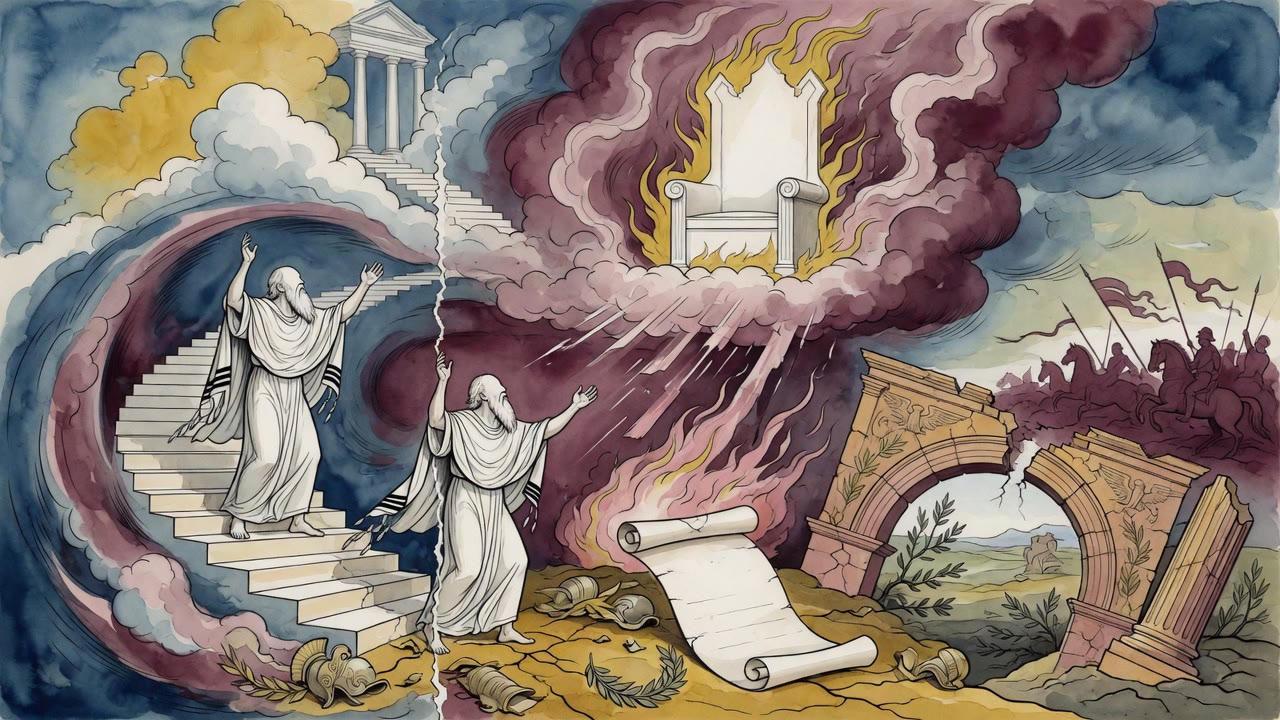
He sat the Sanhedrin at the Temple's third door. Fire hung in webs between them. He spoke of a walk out of Edom in red.
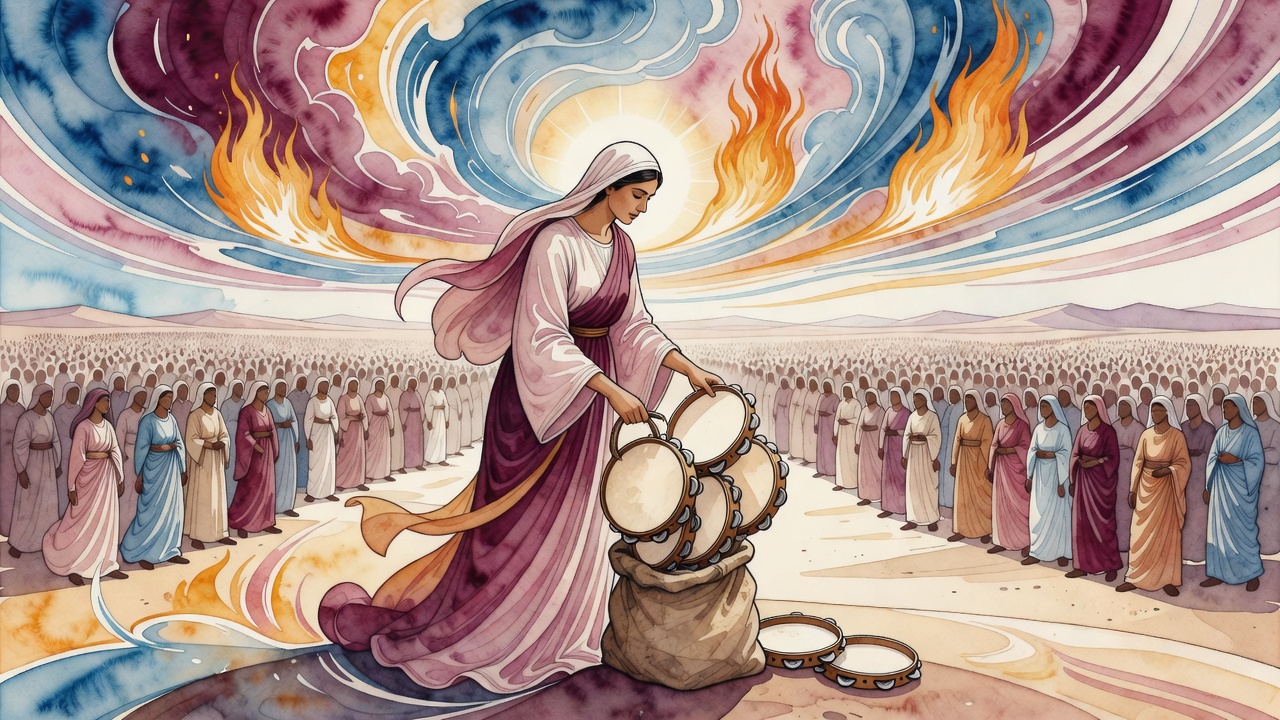
She sang the women through the morning on the shore. Later she opened her mouth about the Cushite, and her skin went white to the wrist.
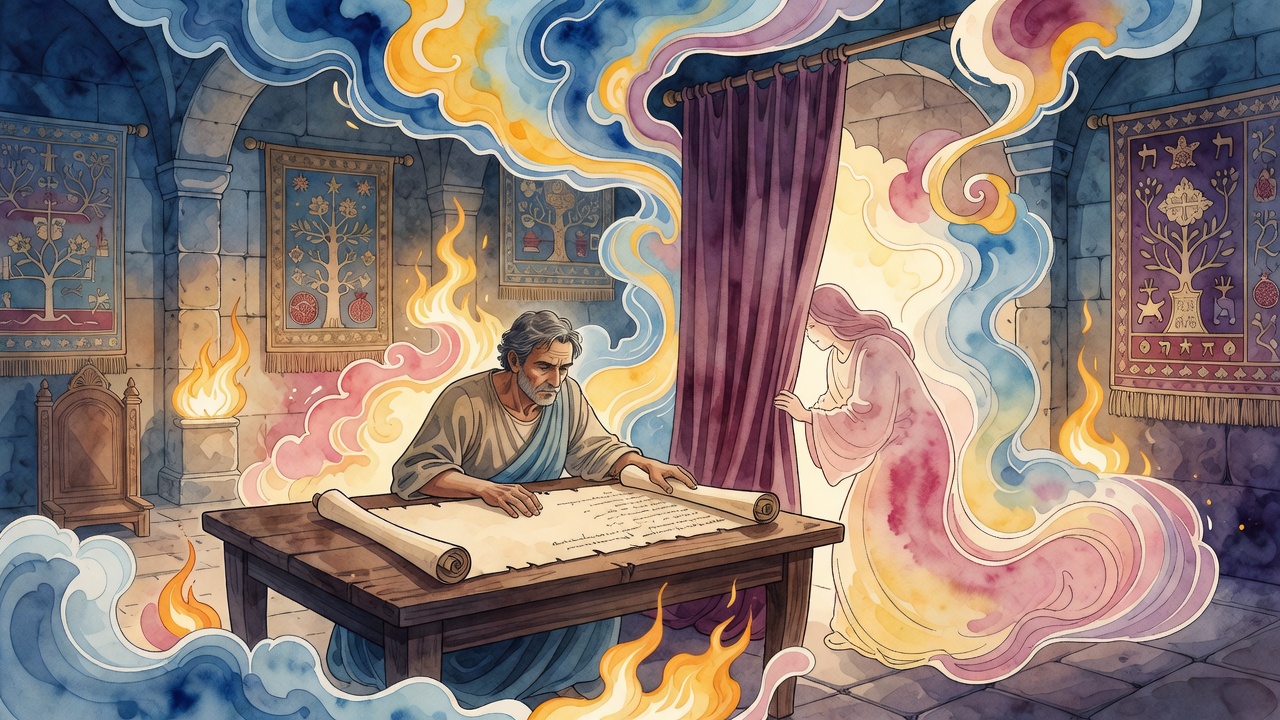
Caleb read illness and awakening in her name. Two words in Chronicles carried the whole arc of Miriam's life into the house of David.
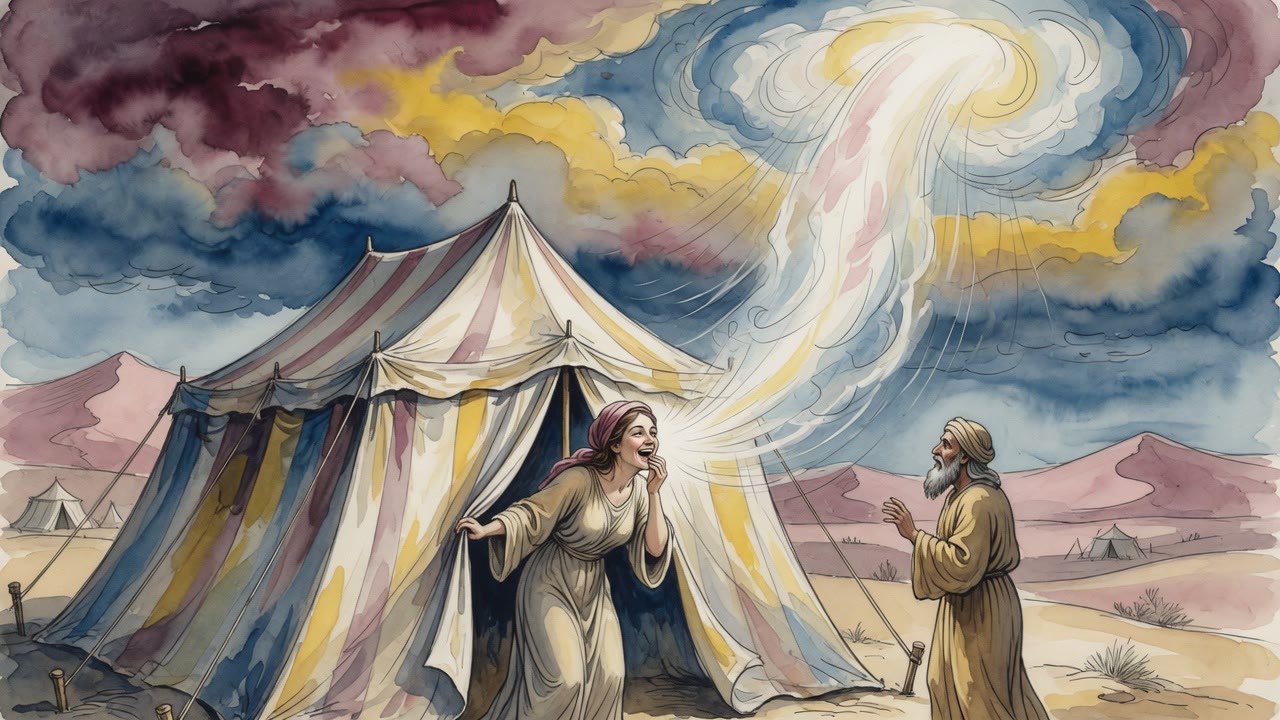
Three visitors promised her a son. She laughed inside the tent and then denied the laugh. The voice that answered her sent no angel.
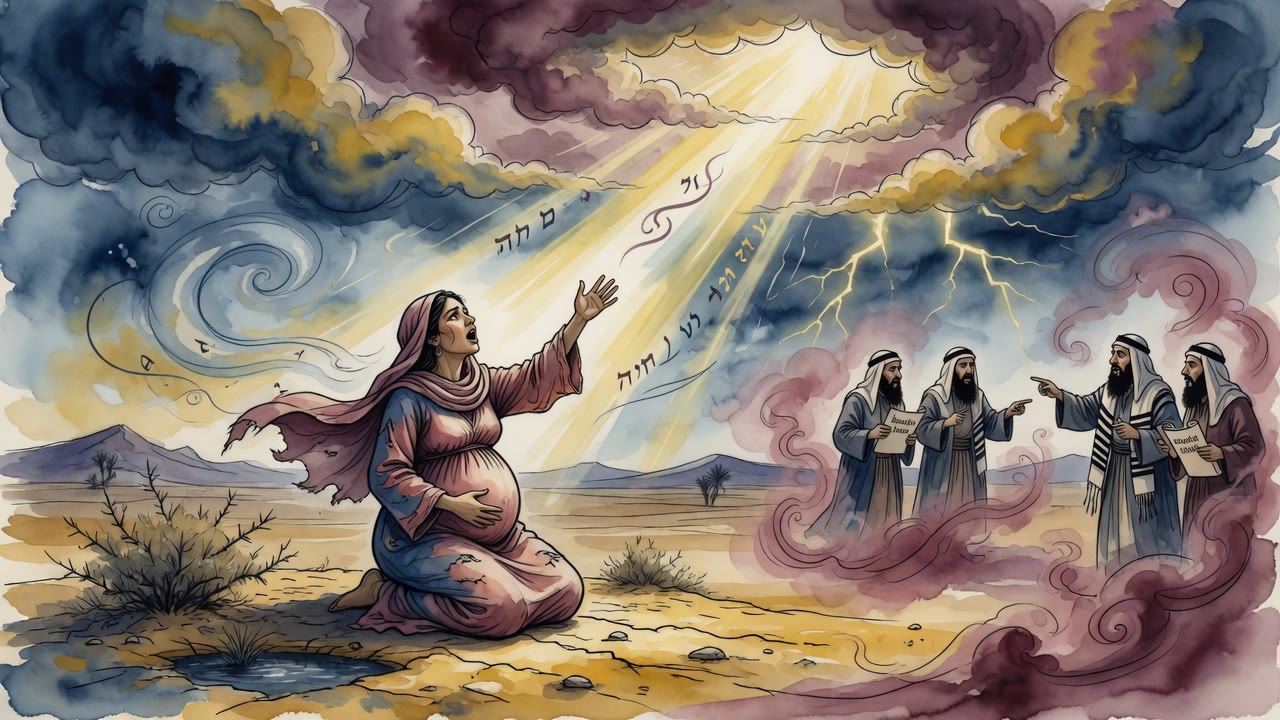
Pregnant in the desert, Hagar called the voice she heard El Ro'i, God Who Sees Me. Bereshit Rabbah and Philo's Midrash disagree about who she spoke to.
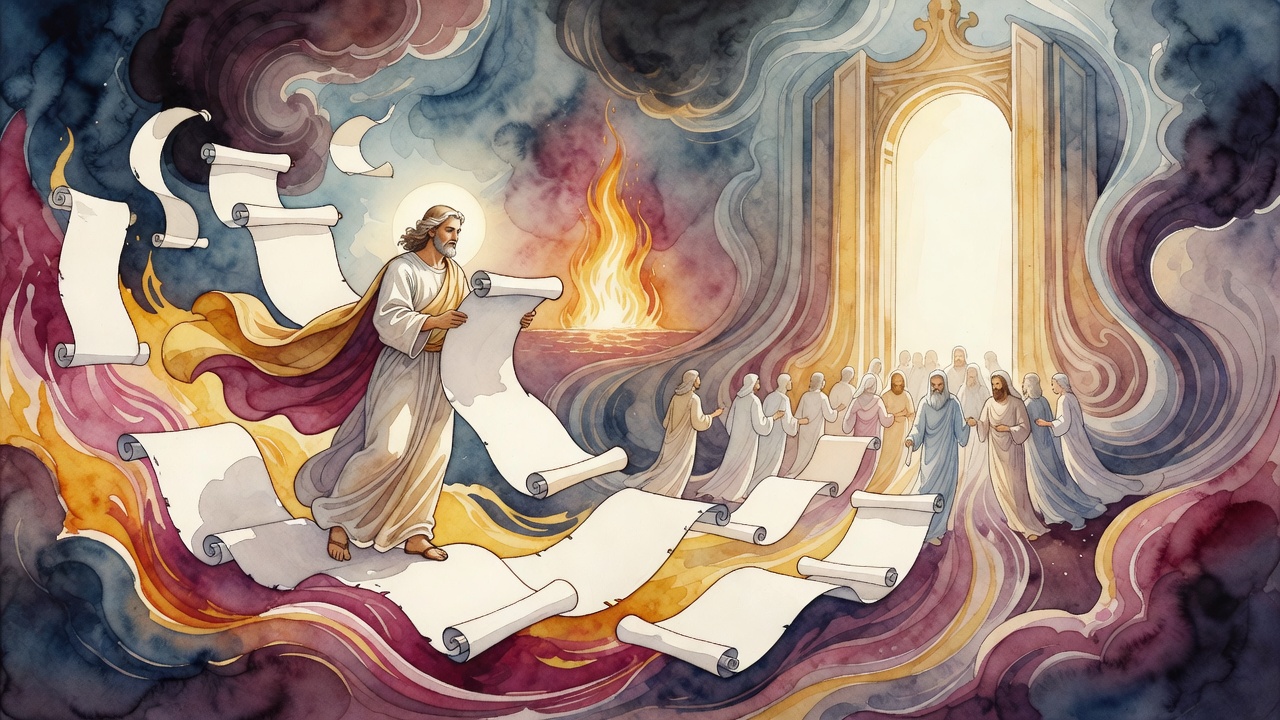
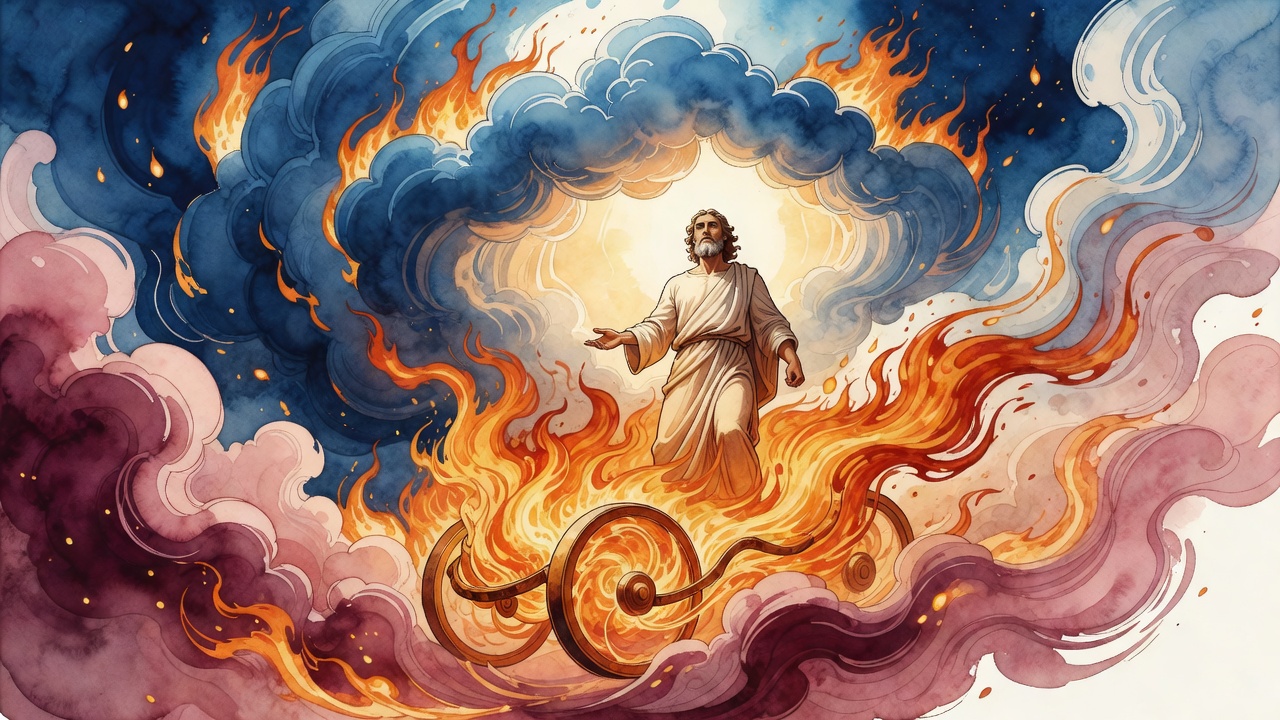
A chariot of fire took Elijah up alive, and he never got to rest. He writes down every deed any person does, and he walks the dead into paradise.
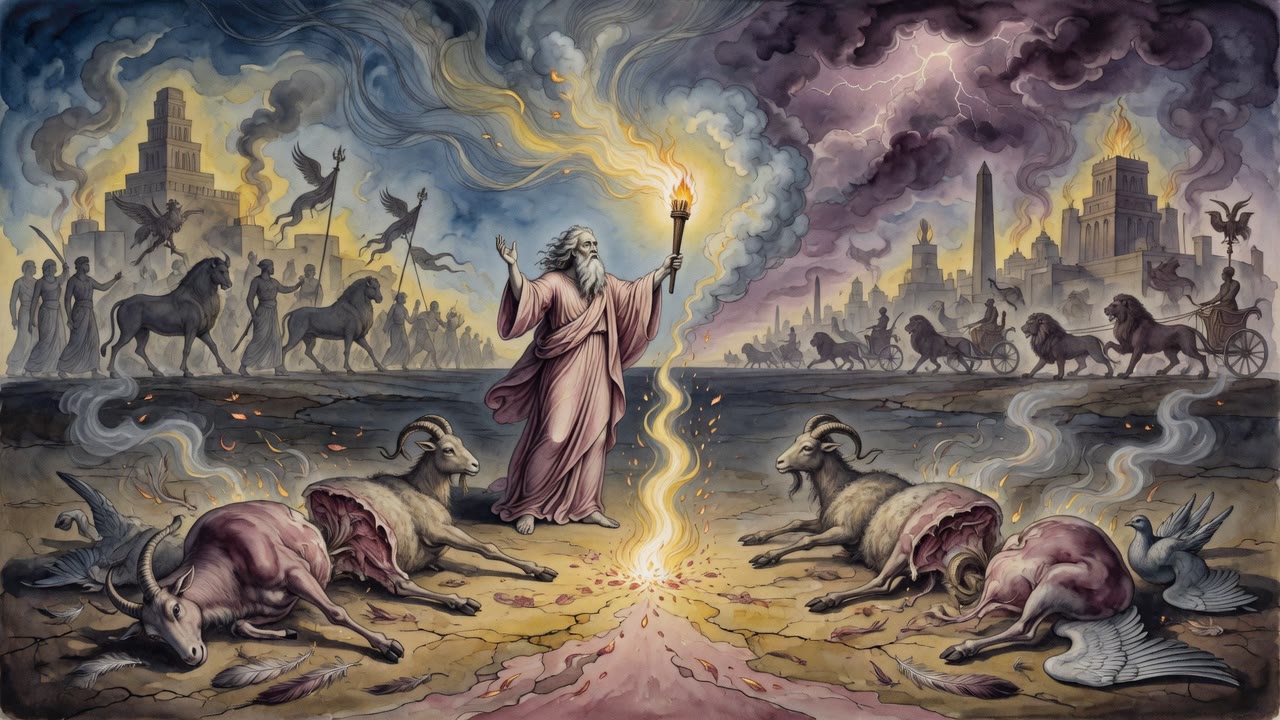
Too many animals, too little pasture, servants watching each other across disputed grass. Lot took his road. God told Abraham his children would be like sand.
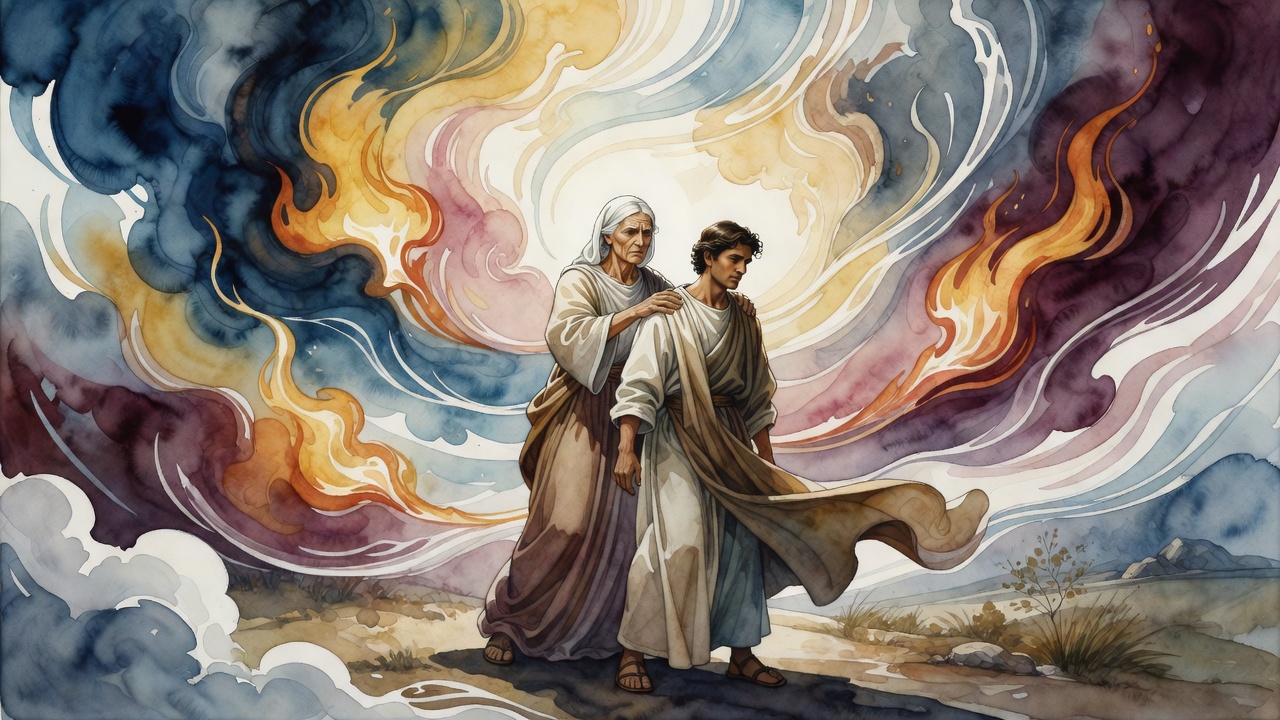
Rebekah laid hands on Jacob, dressed him in priestly garments, and sent him from Esau. Her warning became prophecy at Jacob's burial.
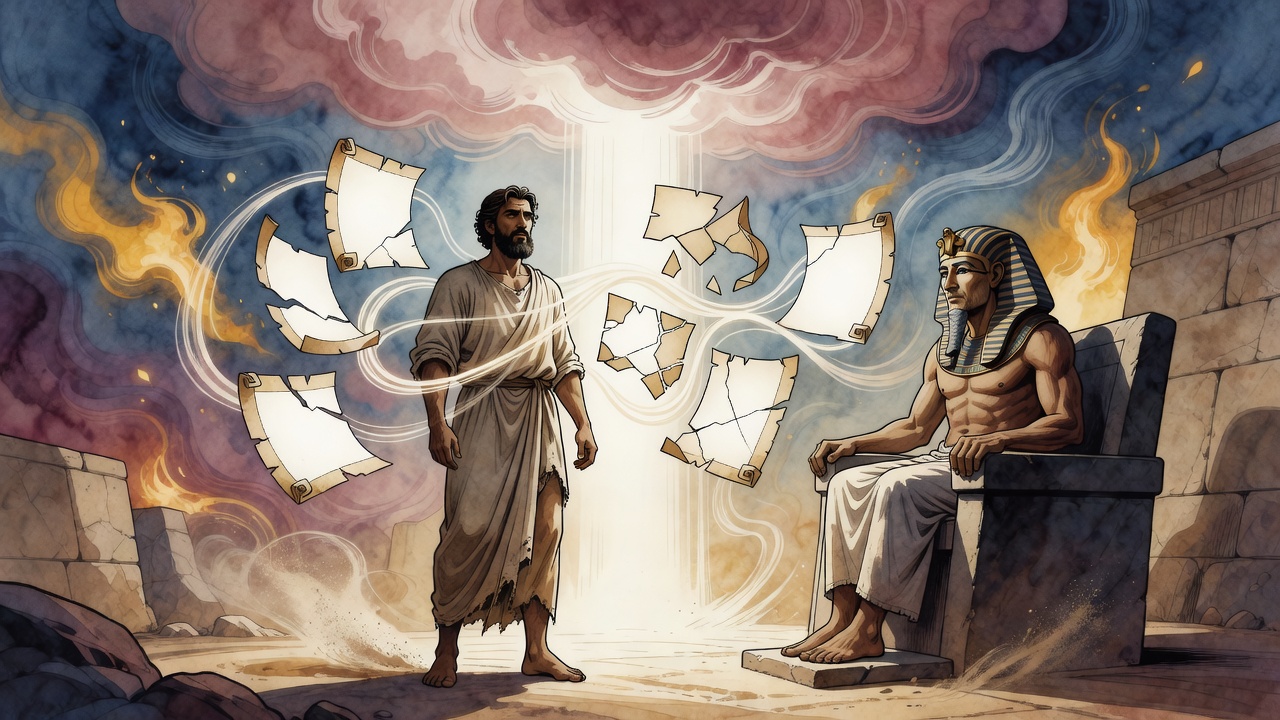
Pharaoh left gaps in the dream to test Joseph. The prisoner filled them because the same vision had reached him in the same night.
