448 myths · Page 5 of 15
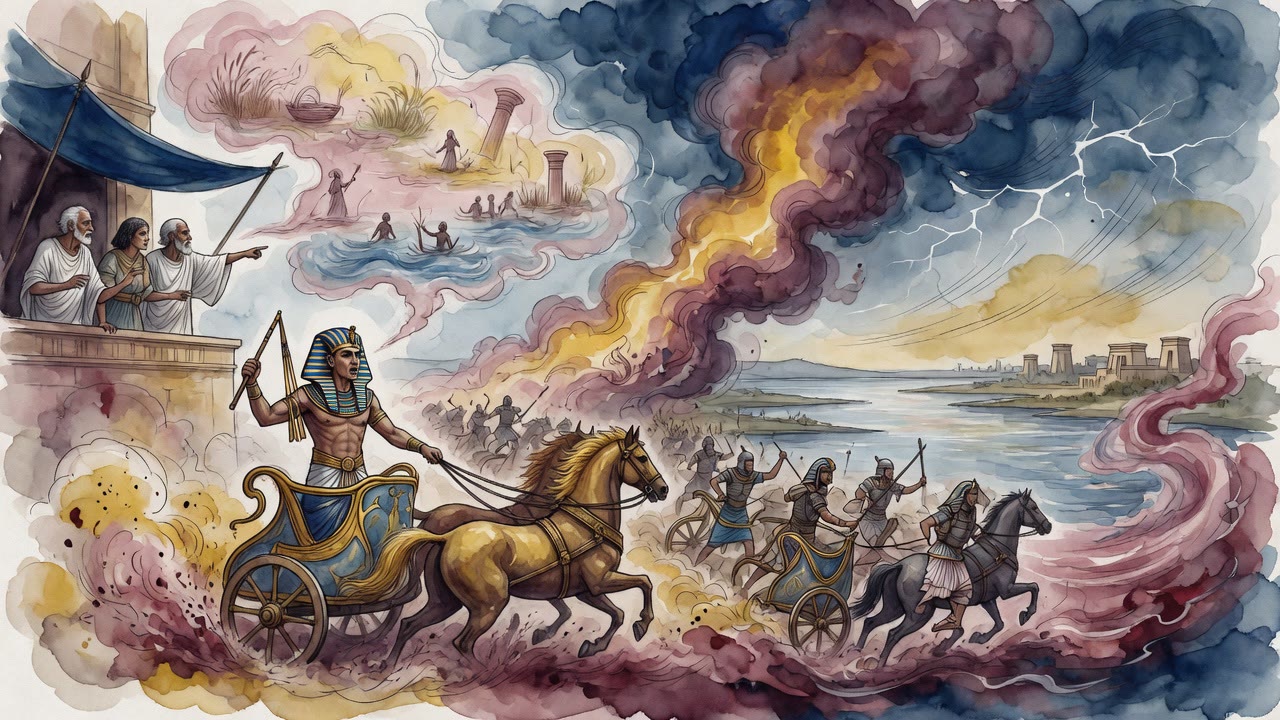
Pharaoh's seers glimpsed Moses, water, and Egypt's danger, but the king turned a true warning into slaughter and a doomed chase.
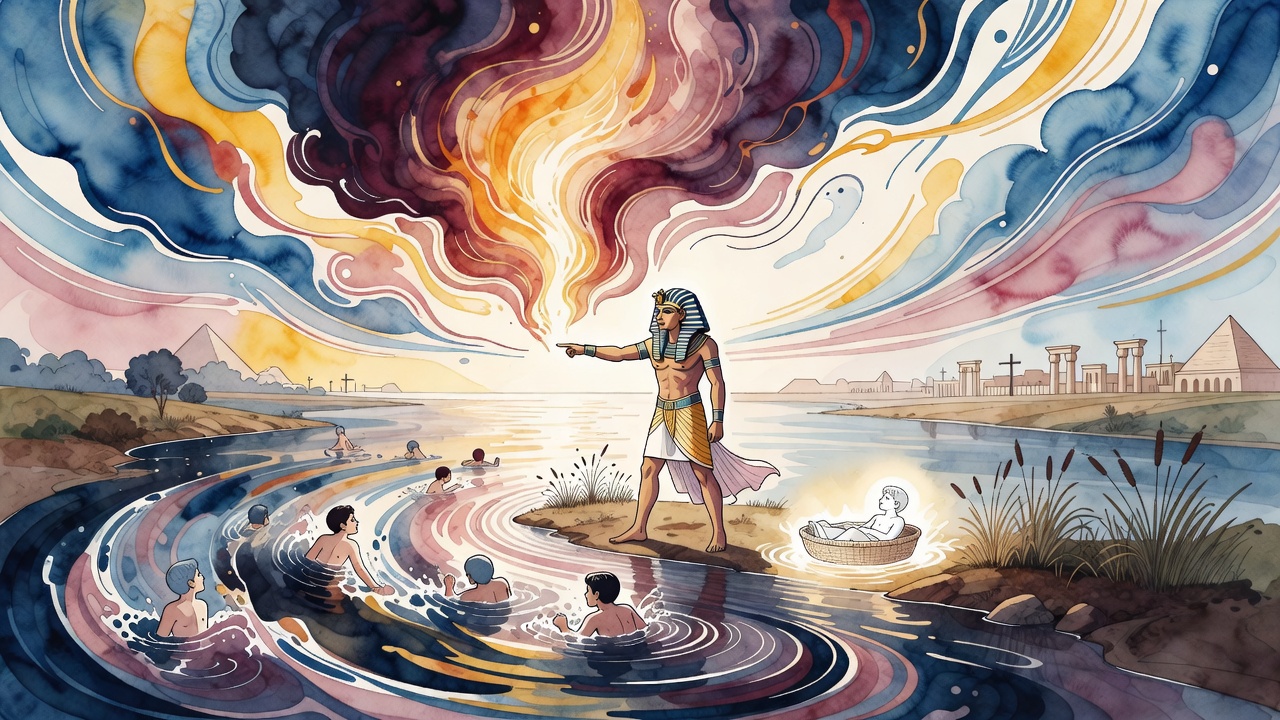
The seers saw water beside Israel's redeemer. Pharaoh made the Nile an executioner. The water they meant was still years away.
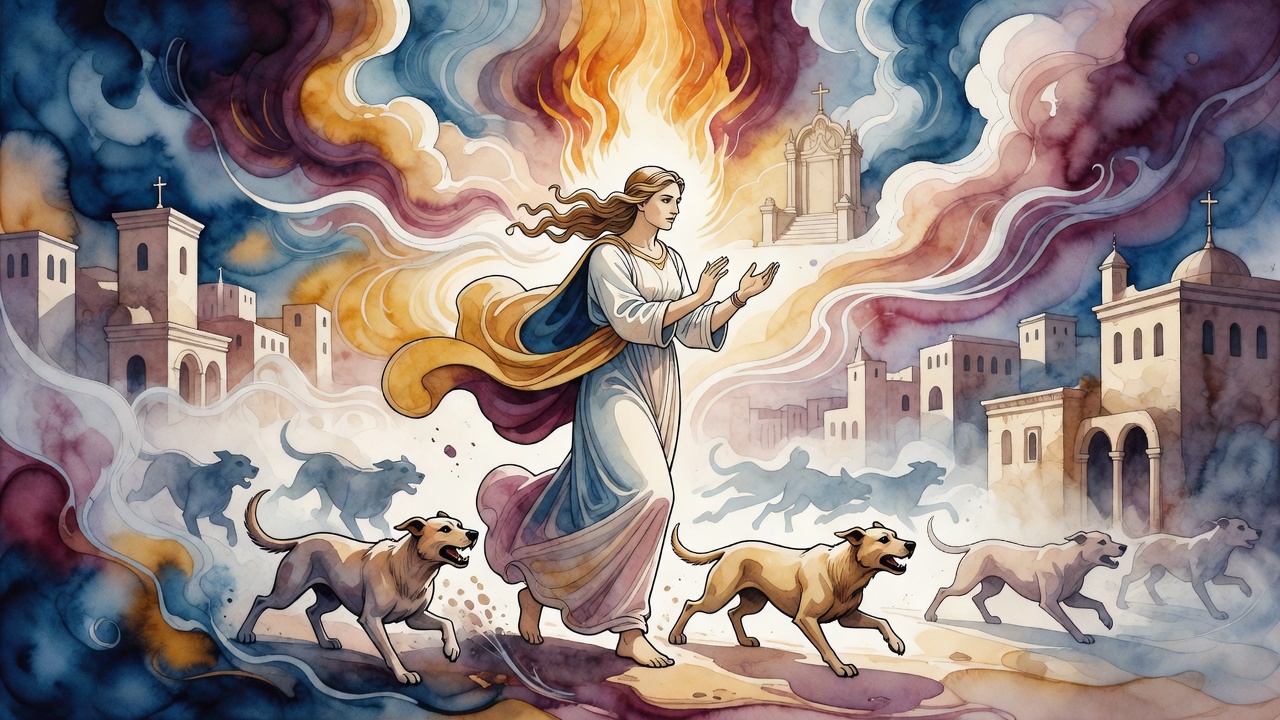
The servants went out to bury her and came back with less than a body. The dogs had stopped at the palms that had clapped for mourners.
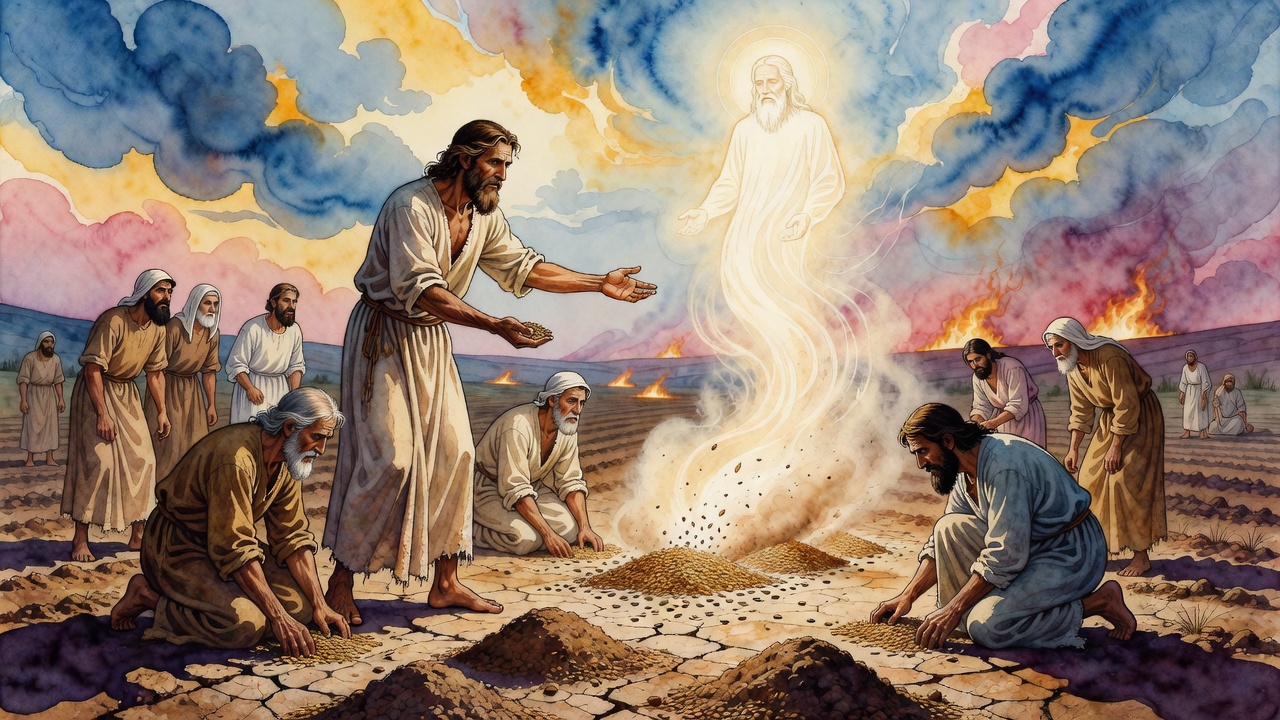
Rain hit the roofs on the first of Nisan. The last grain was still in the sacks. Joel told the hungry to bury it in the fields.
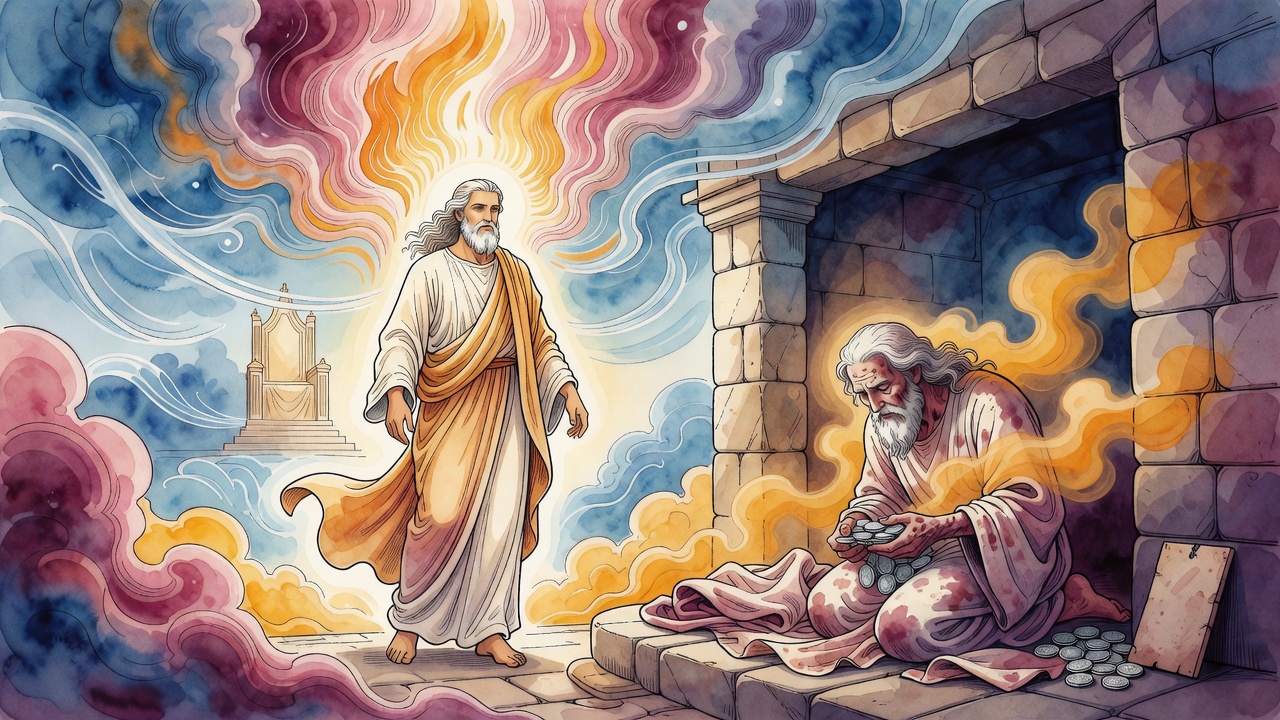
Naaman tried to press silver into Elisha's hands. Elisha would not take it. Gehazi waited until the chariot was on the road, then he ran.
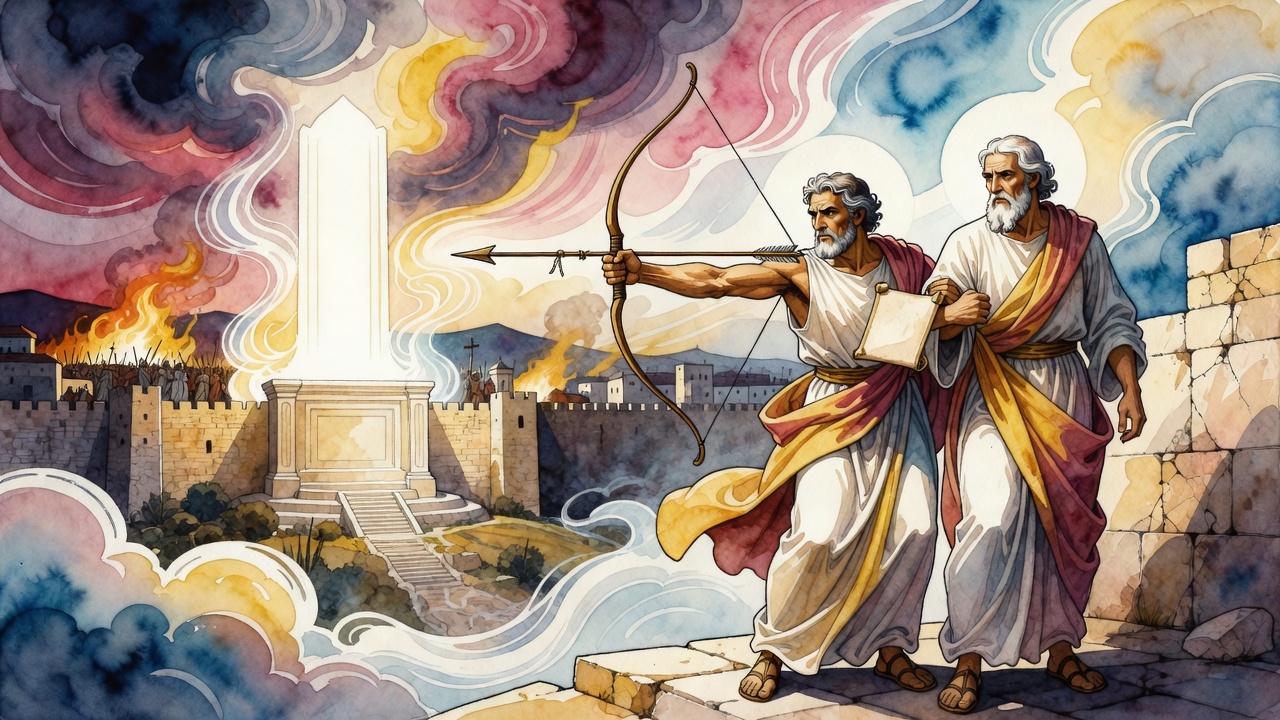
Shebnah had more students than the king. He tied a letter to an arrow and shot it toward the Assyrian fires at night.
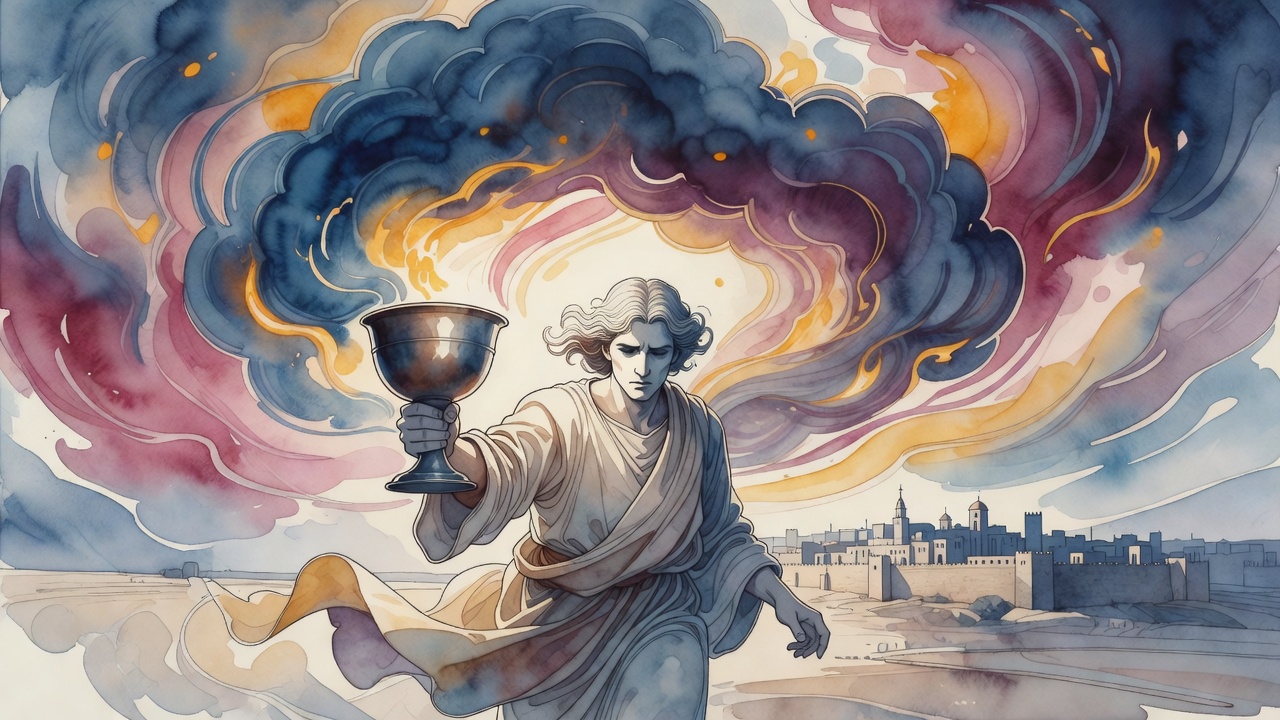
Jeremiah tried to refuse the prophetic call, but God placed the cup of wrath in his hand and sent Jerusalem to drink first.
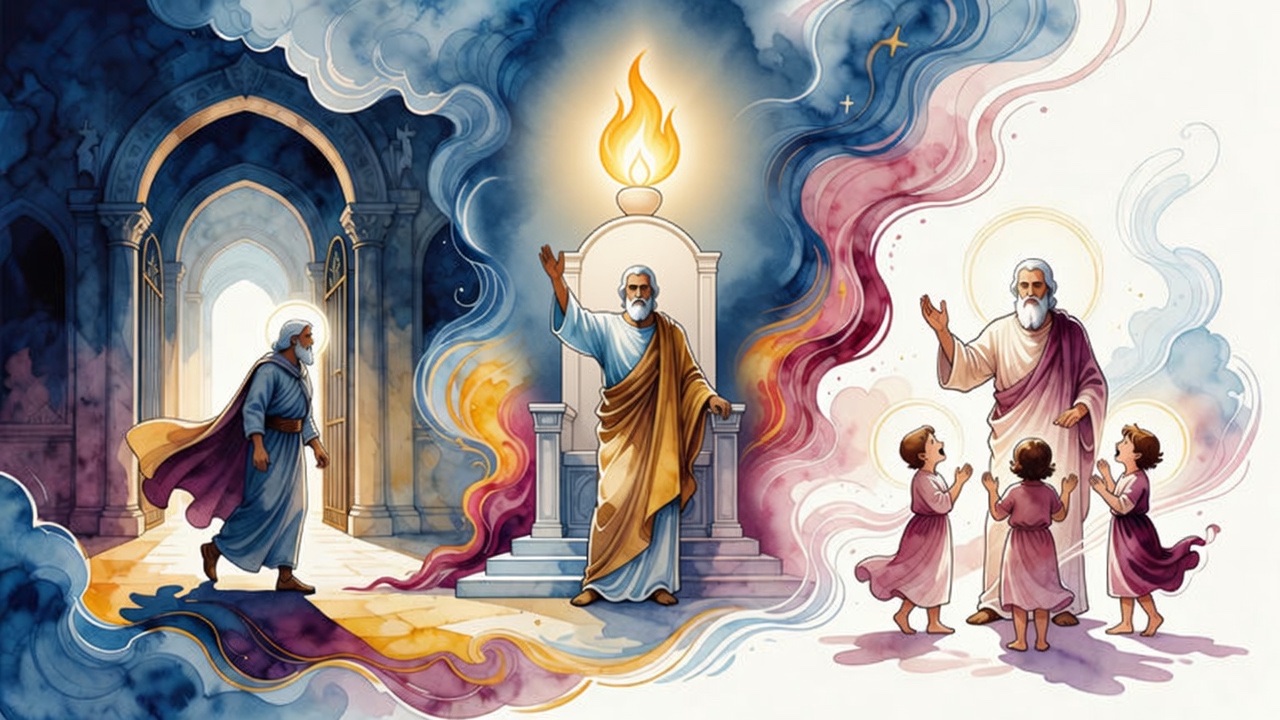
After Haman's decree, men in the market told Jews: wait until tomorrow, then I kill you and take your money. Mordecai left the court and met schoolchildren.
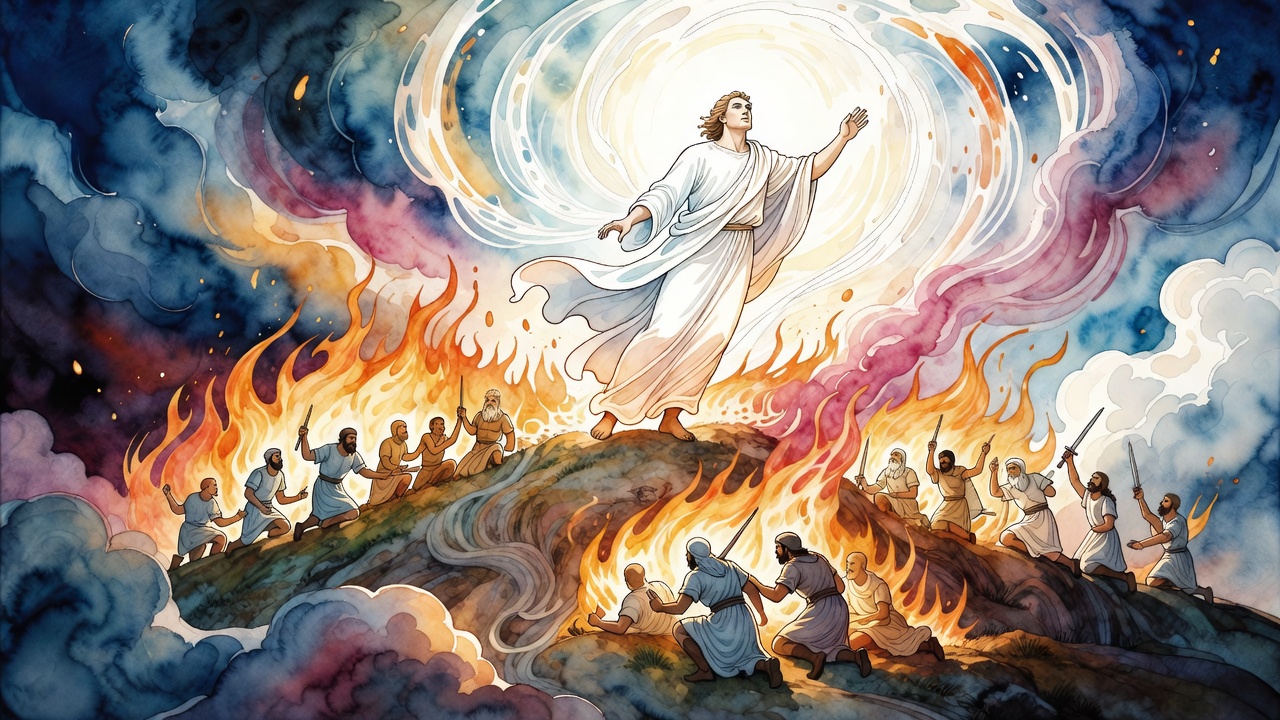
Ahaziah sent fifty men up a hill to drag the prophet down. Fire took them. The next fifty burned the same way, still on their feet.
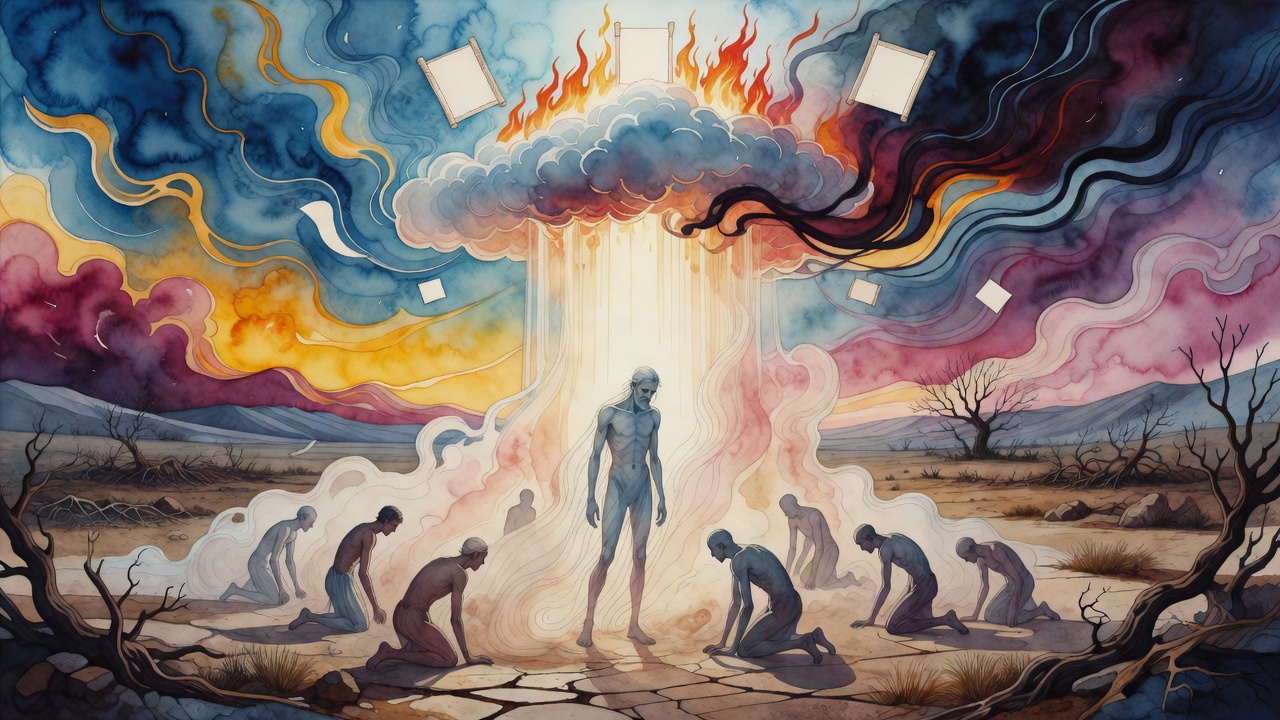
Thirty years after the first king fell, the rain stopped. David sent the people looking for idols. They came back with nothing in their hands.
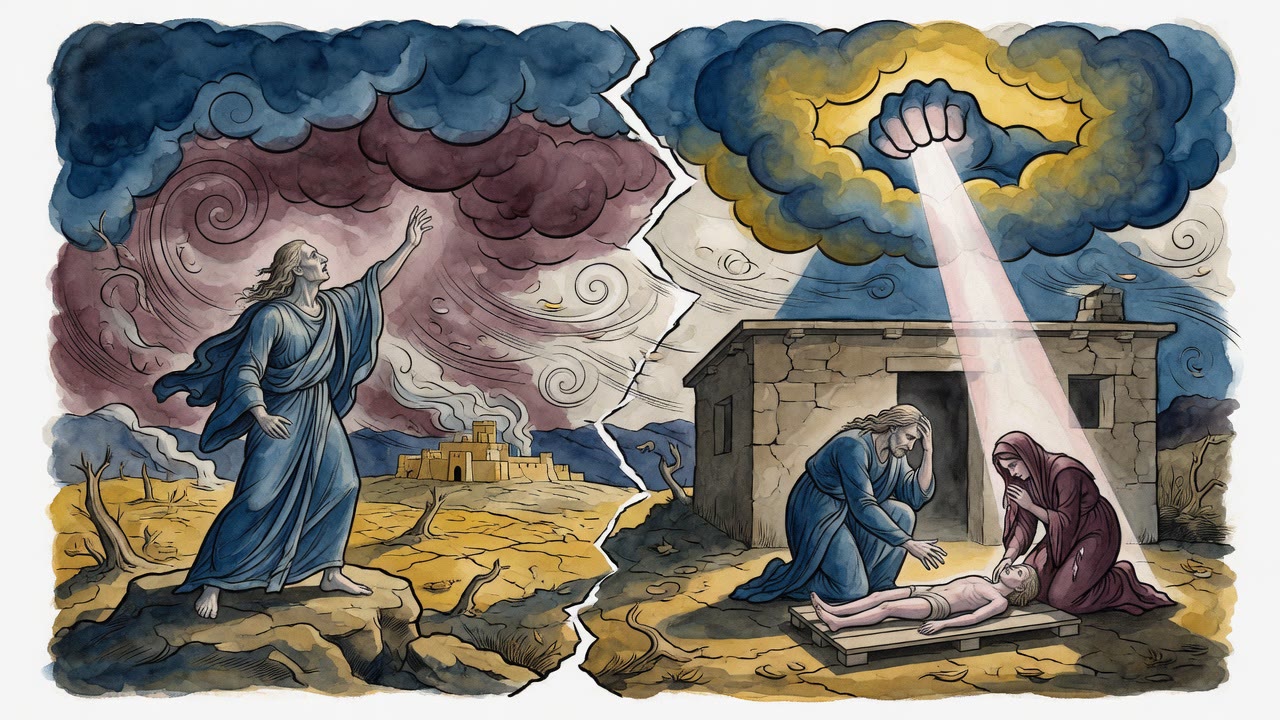
Ahab hunted the prophet through dry ravines. Elijah would not return while the king still stood unbent. Heaven answered with soil.
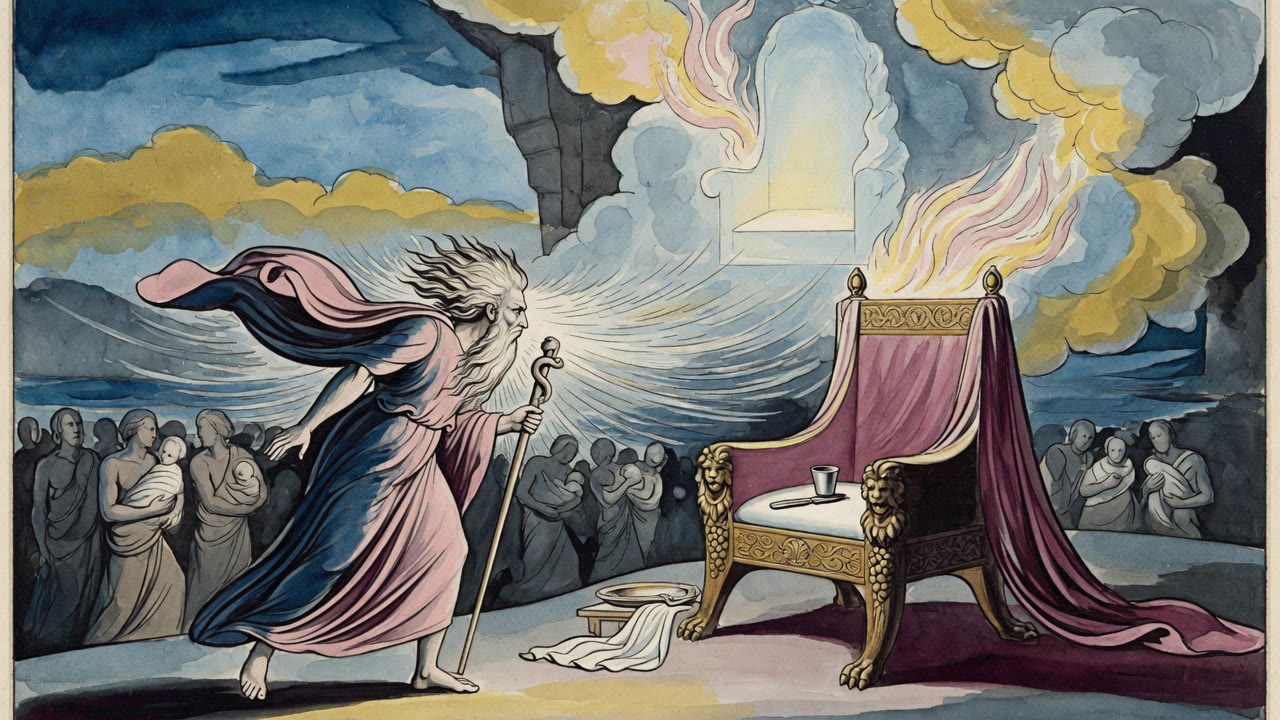
Jezebel's threat drove Elijah into the wilderness, where an angel fed him and God answered his zeal by sending him back.
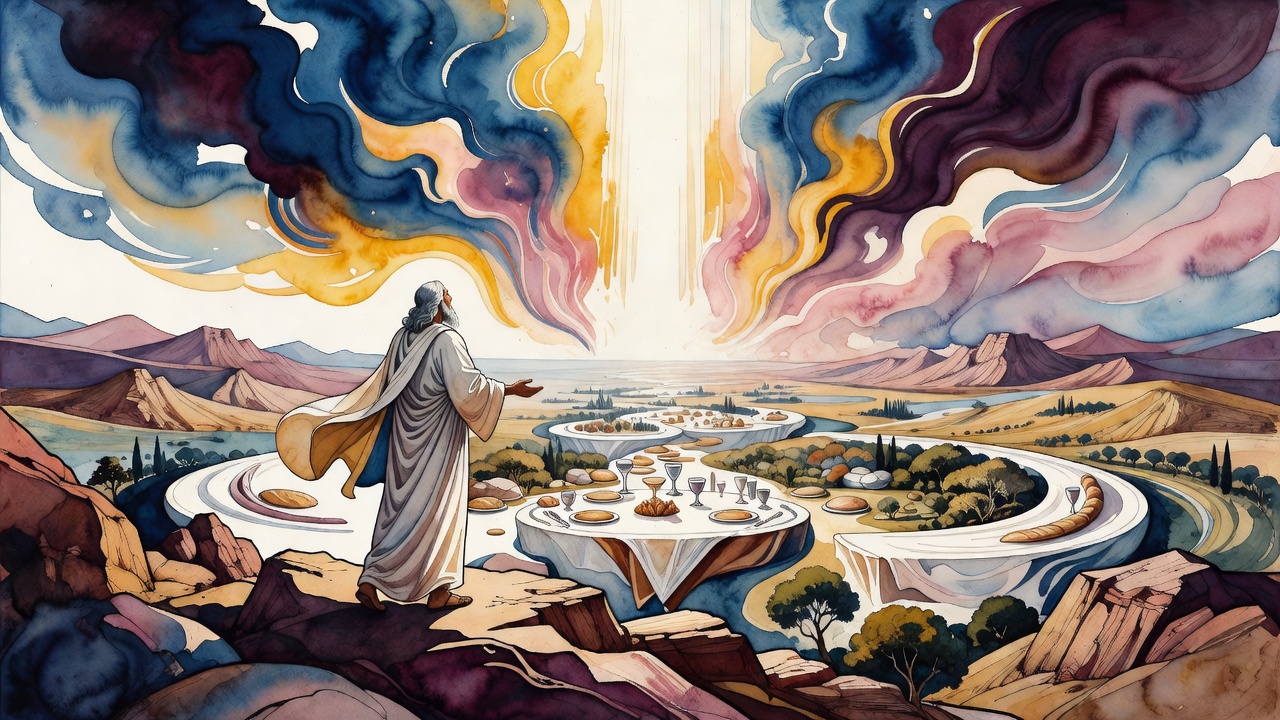
From Mount Nebo, God showed Moses every corner of the promised land like a set table. Moses's first question was who would lead after him.
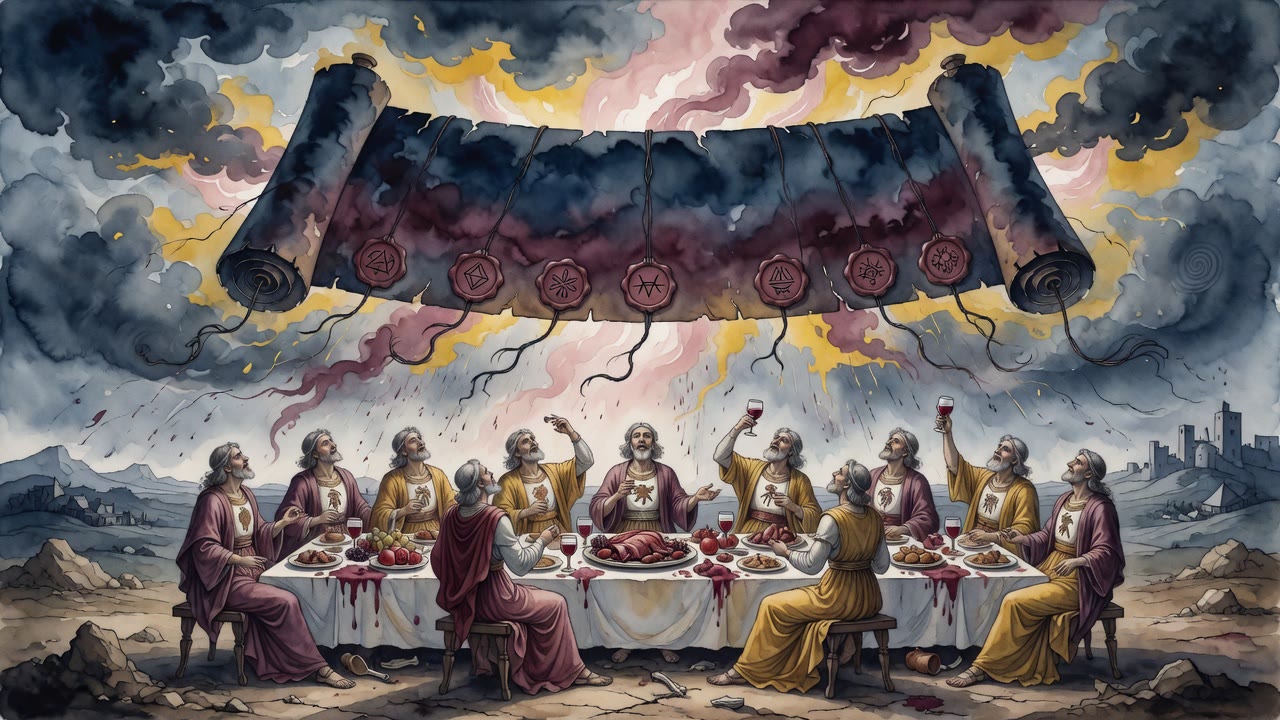
Each chief drank wine from his own hills until dawn. They ranked Samson over Goliath. Samaria still had its walls.
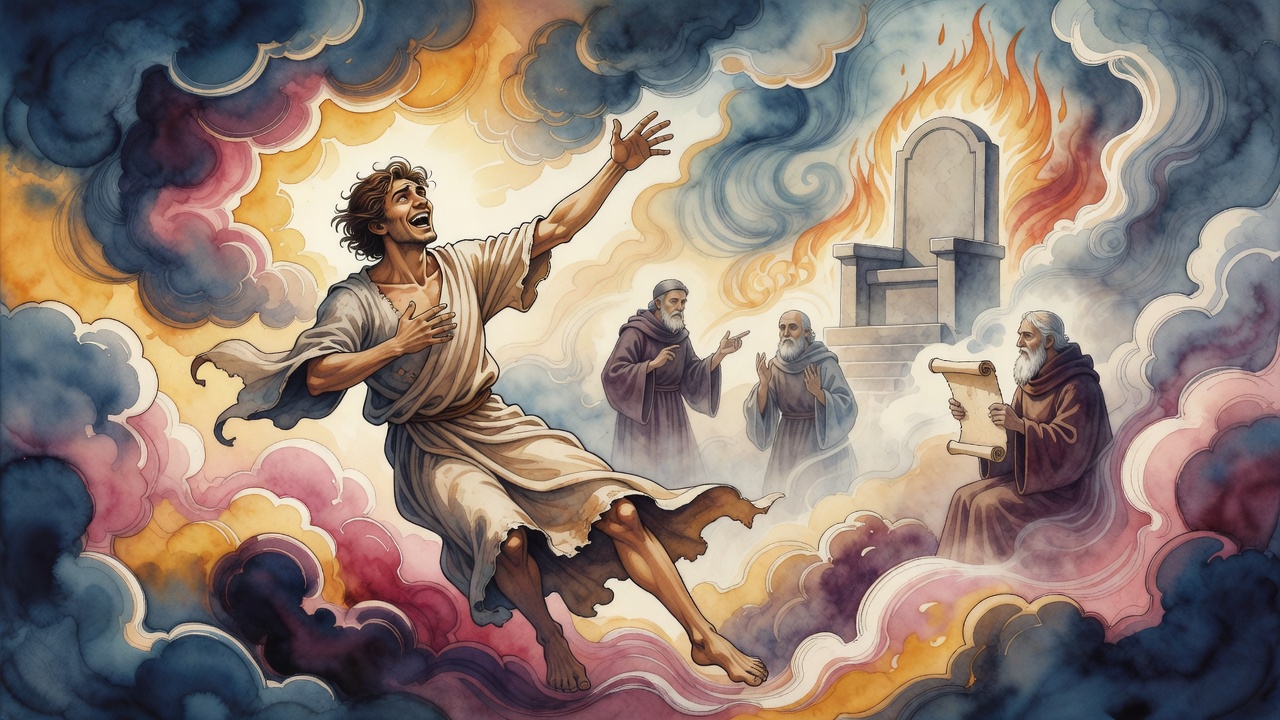
Sarah watched him in the yard with a bow. Then she told Abraham to send the boy and his mother out of the house for good.
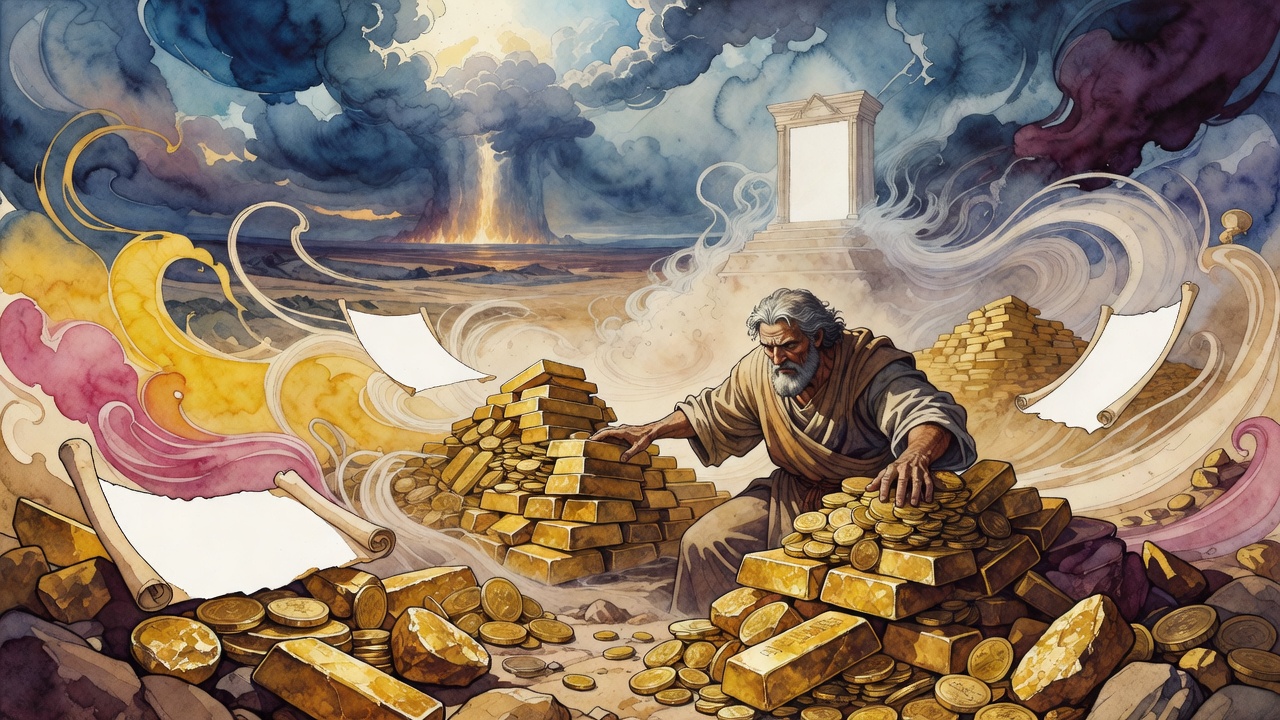
Jacob's mouth hit the dirt seven times. Esau's men watched with swords on their hips. The gold in the tents was already spoken for.
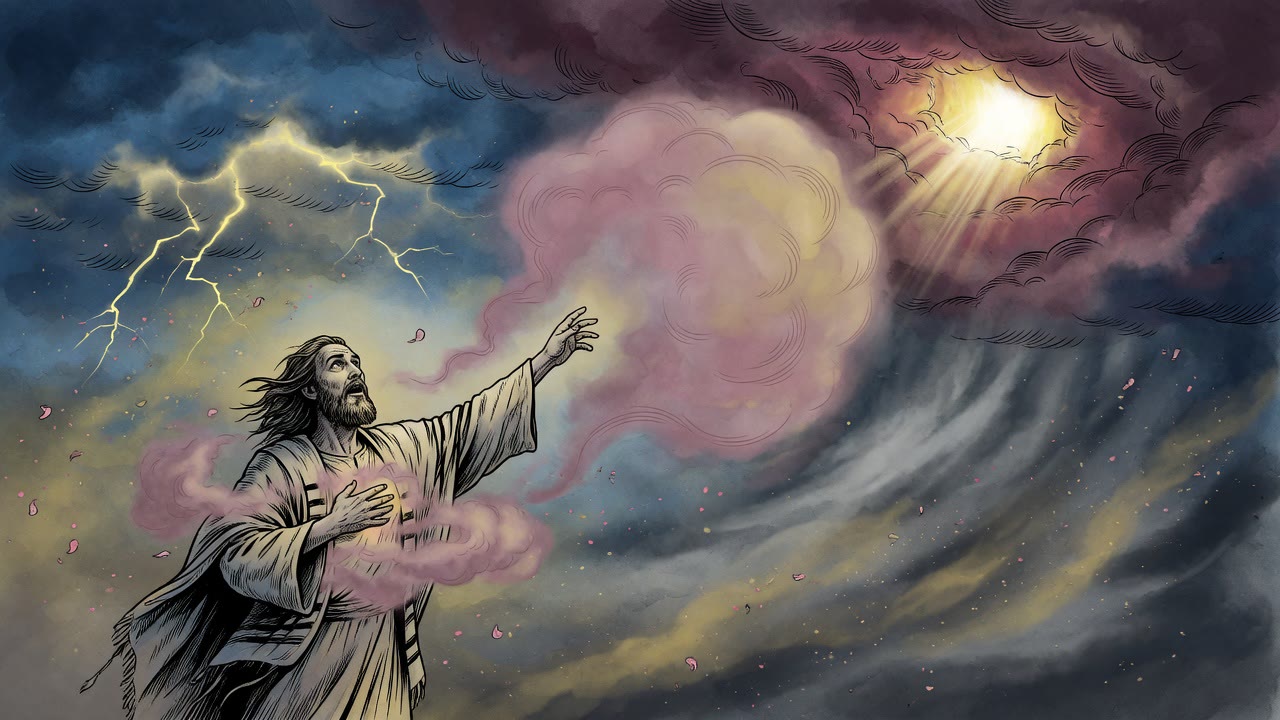
A carved god stands in the room, close enough to touch and dust. Heaven is five hundred years away on foot. Only one of the two answers when a man calls.
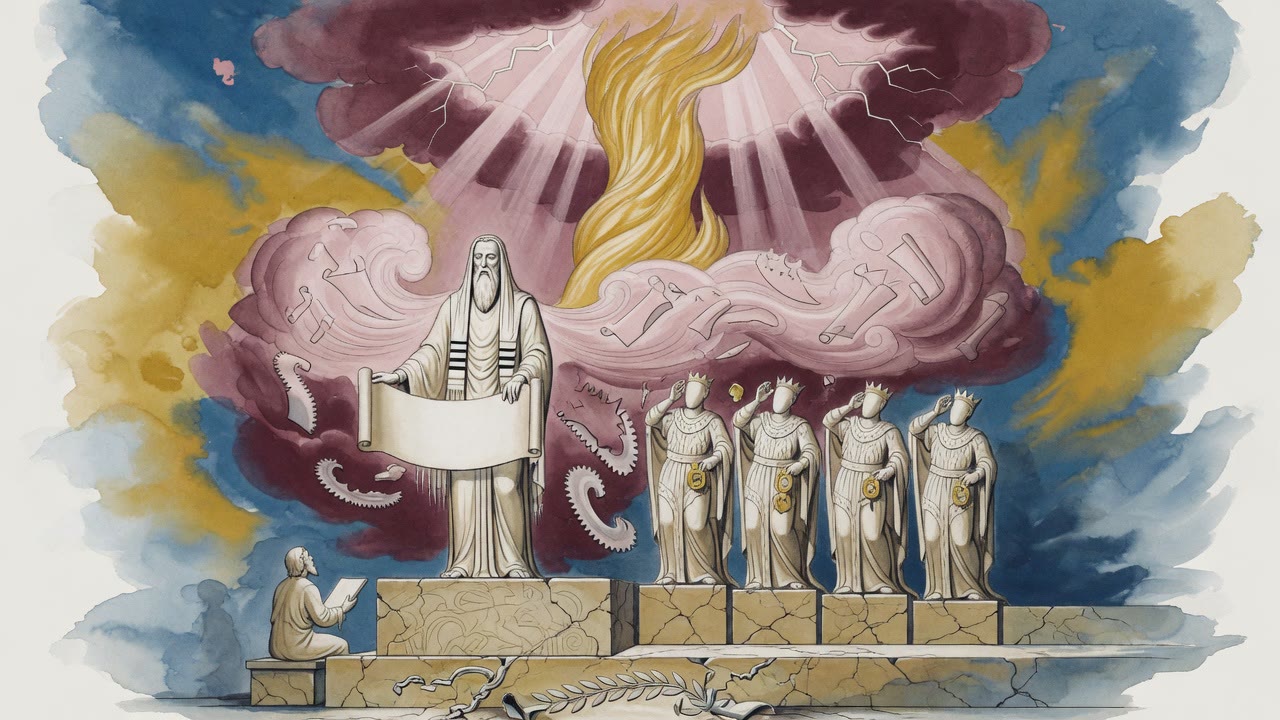
King Ahaz pulled a cloak over his face and took the long way around the court. He would rather go unseen than meet Isaiah's mouth.
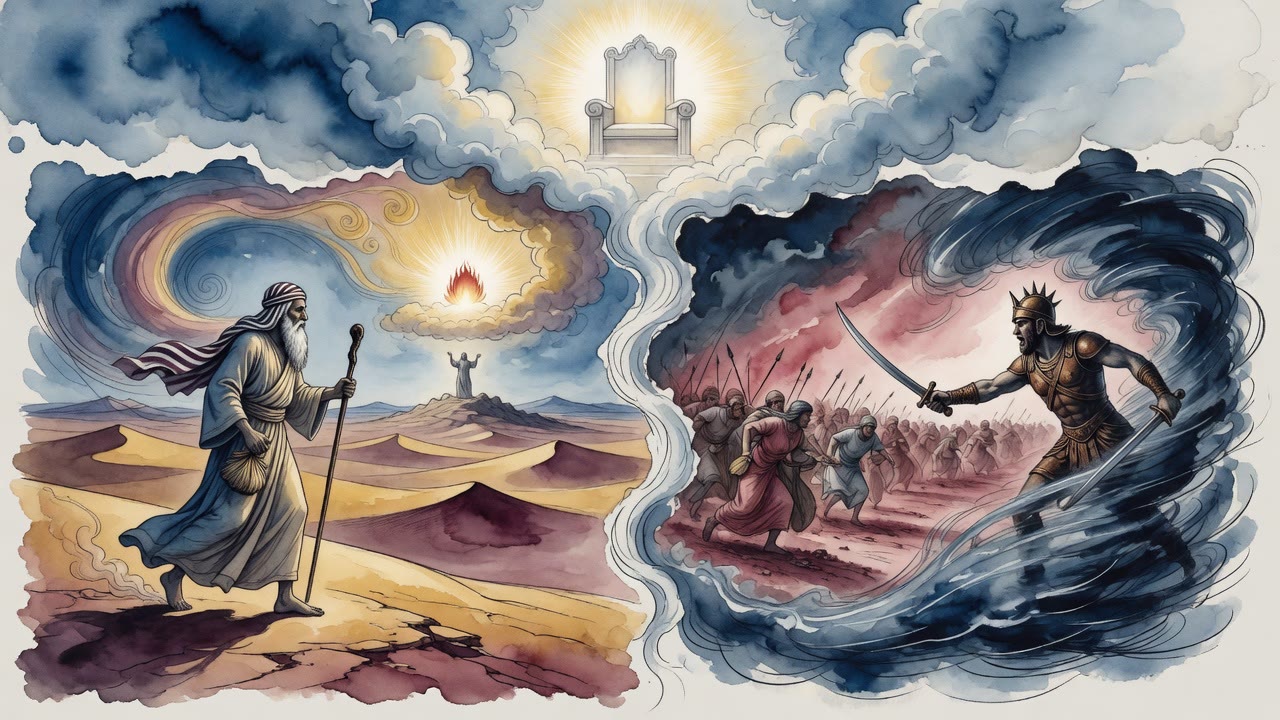
The cloud stopped at the tent door and would not come in. Moses said to Joshua the same words God had just spoken, then left him holding them.
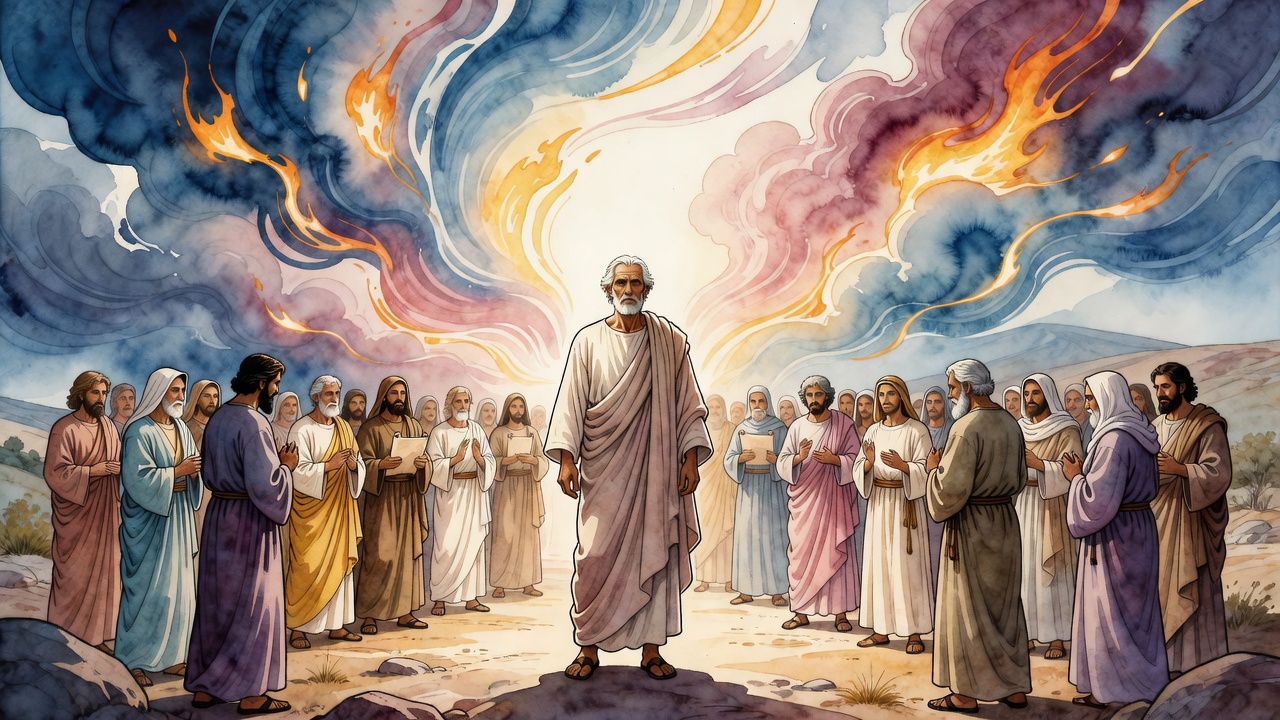
Samuel was old when he stood before Israel and asked whose ox he had taken. No one answered. Years later a dead man still told Saul the truth.
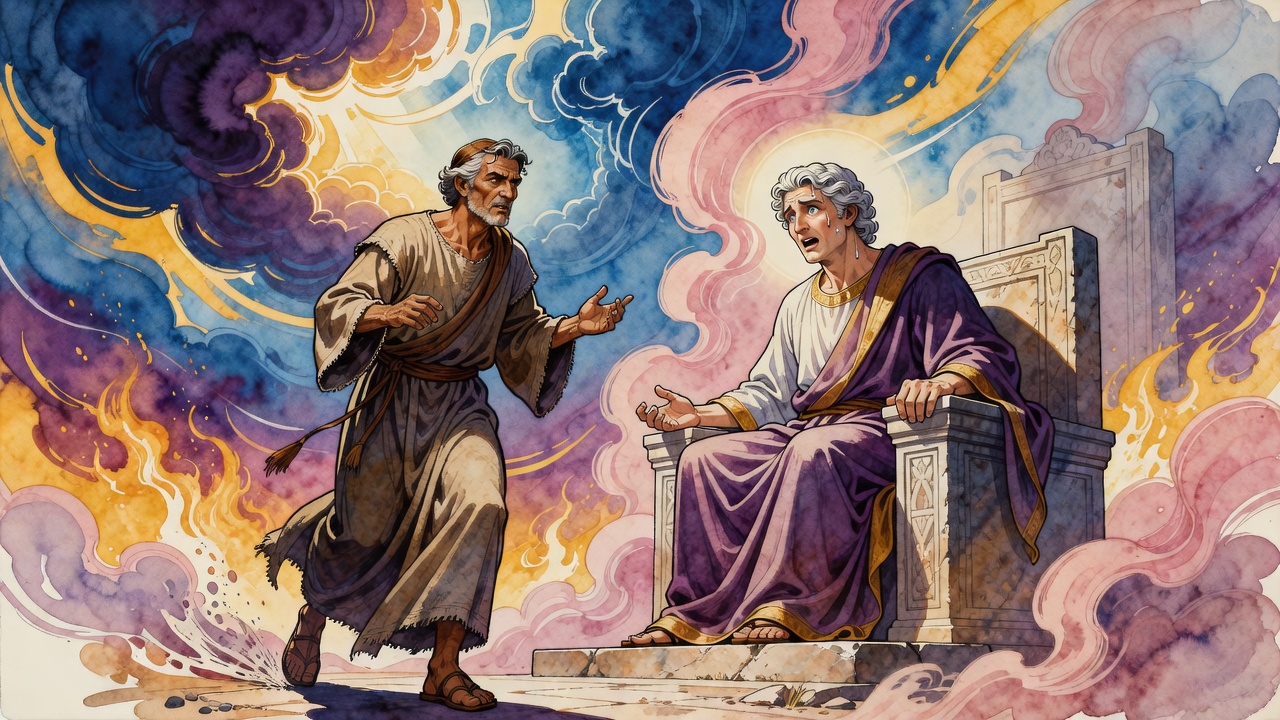
The prophet did not name the sin. He asked the king to judge a rich man who stole a poor neighbor's only lamb. David called for death.
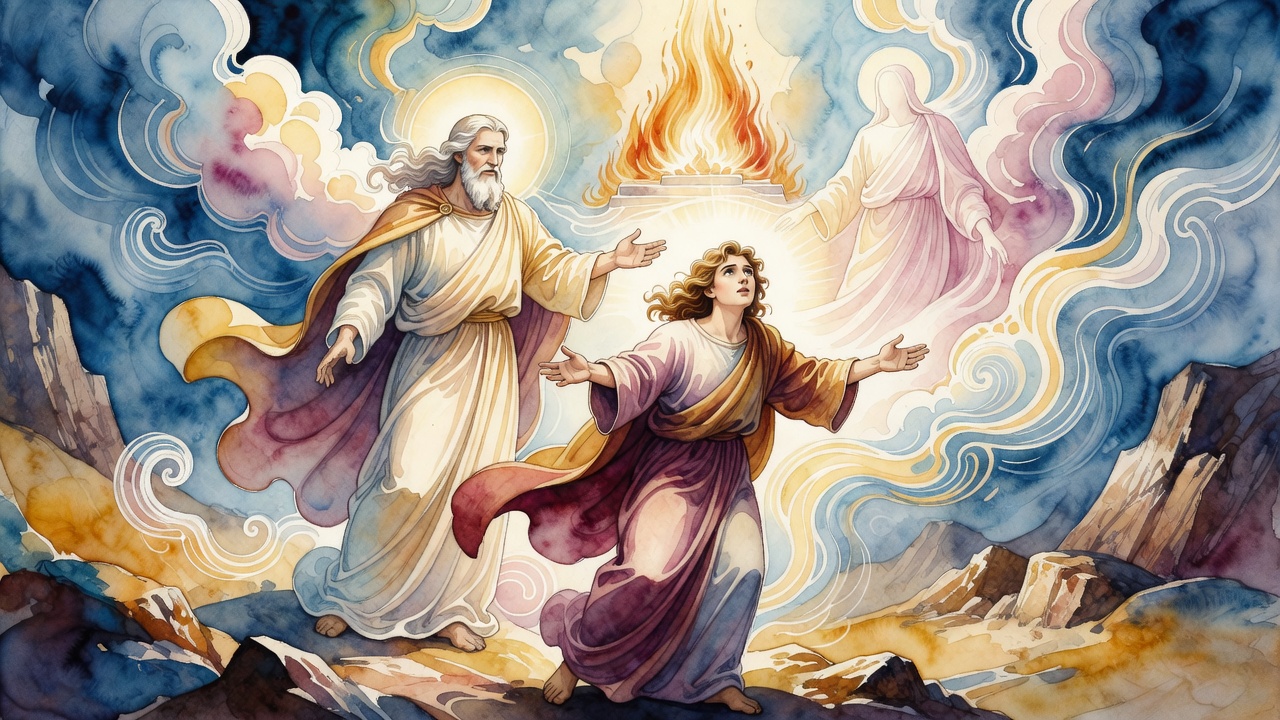
Elisha asked for a double portion of Elijah's spirit. Elijah called it a hard thing. Elisha watched and received it, and the count came out exactly right.
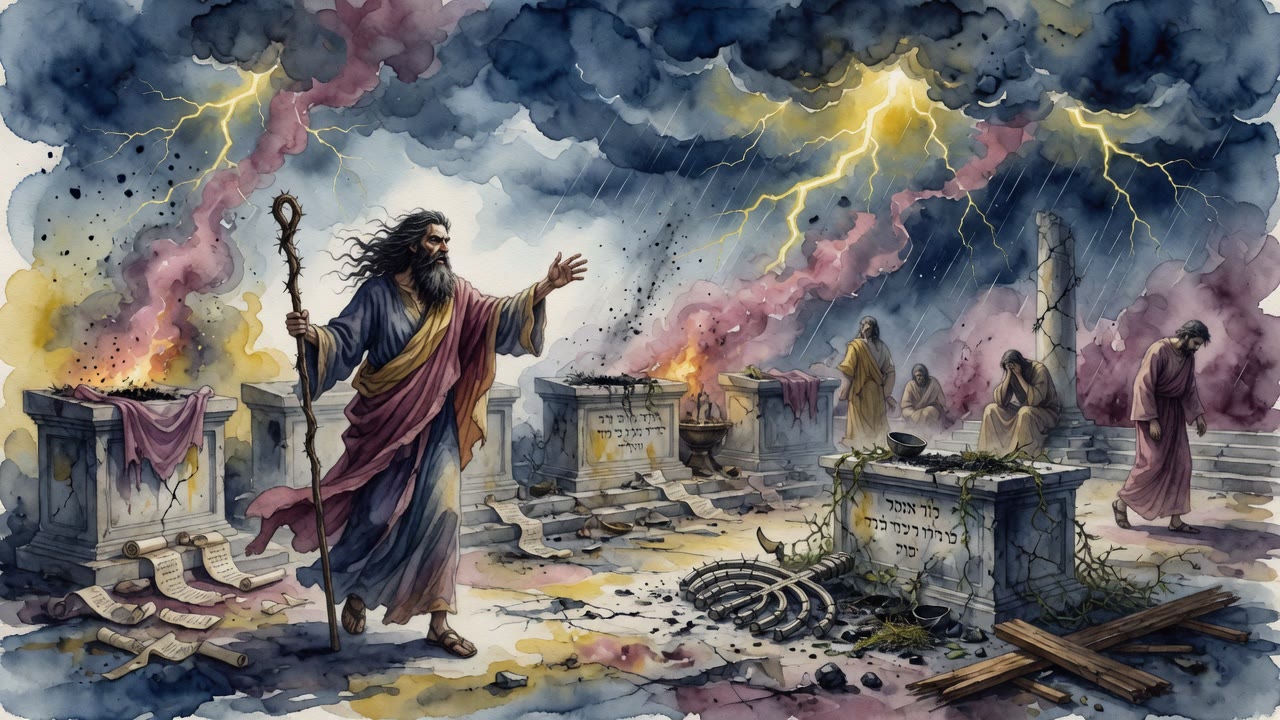
Every prophet went to comfort Zion after the destruction. Every one was turned away. Then the patriarchs tried. Then God came personally. Then Isaiah.
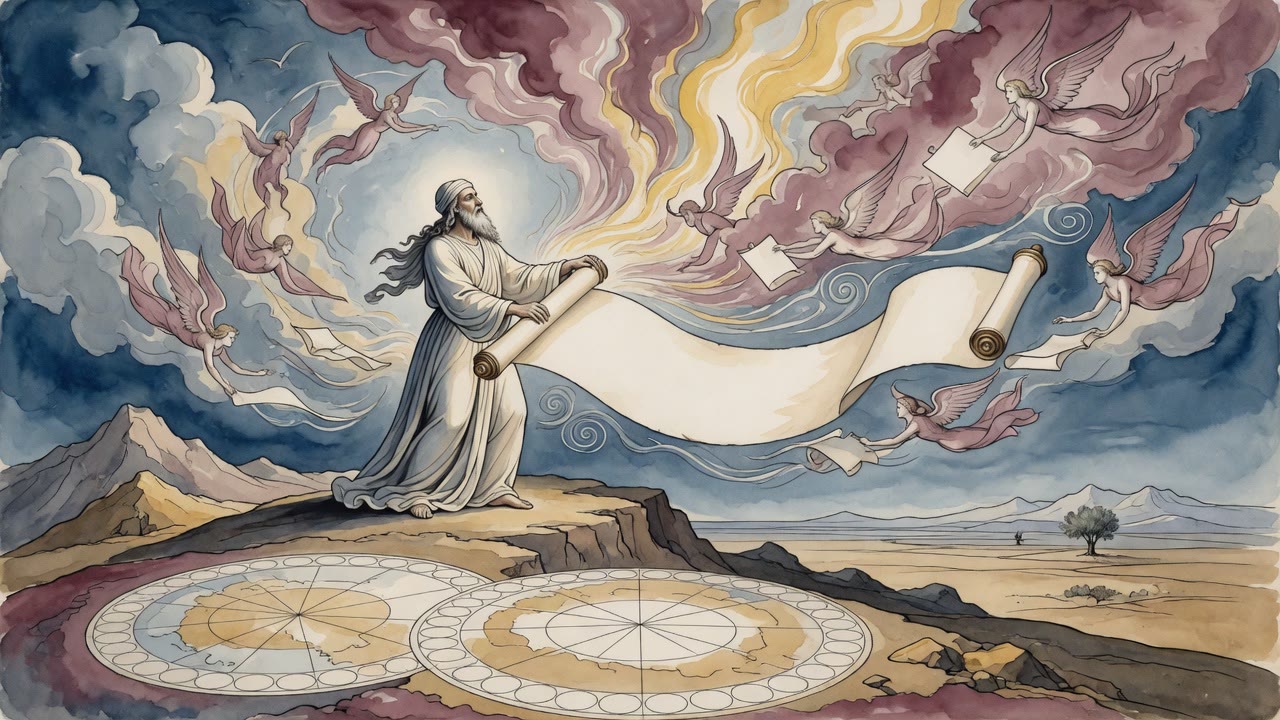
Enoch did not invent the calendar. He received it from the angels and wrote it down. He mapped every week and jubilee before a single nation existed to use it.
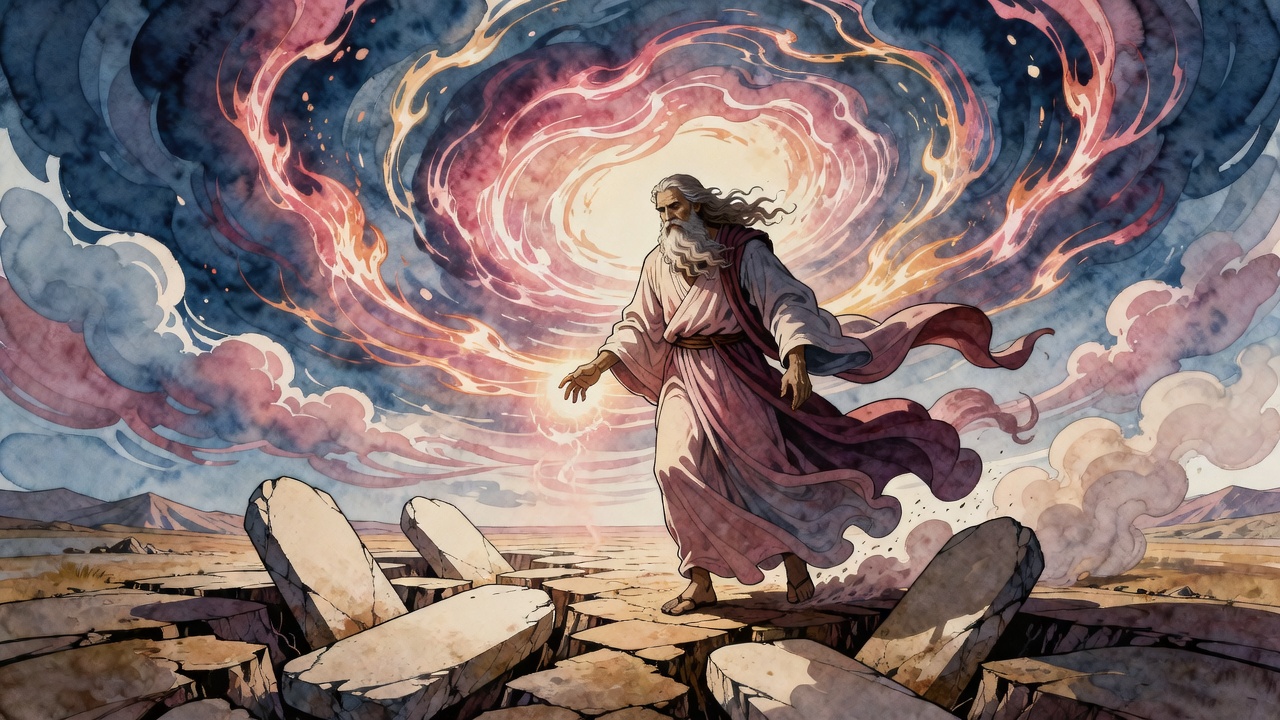
A horse paced in the air above the crowd. Enoch said it had come for him. Eight hundred thousand men followed him out of the city anyway.
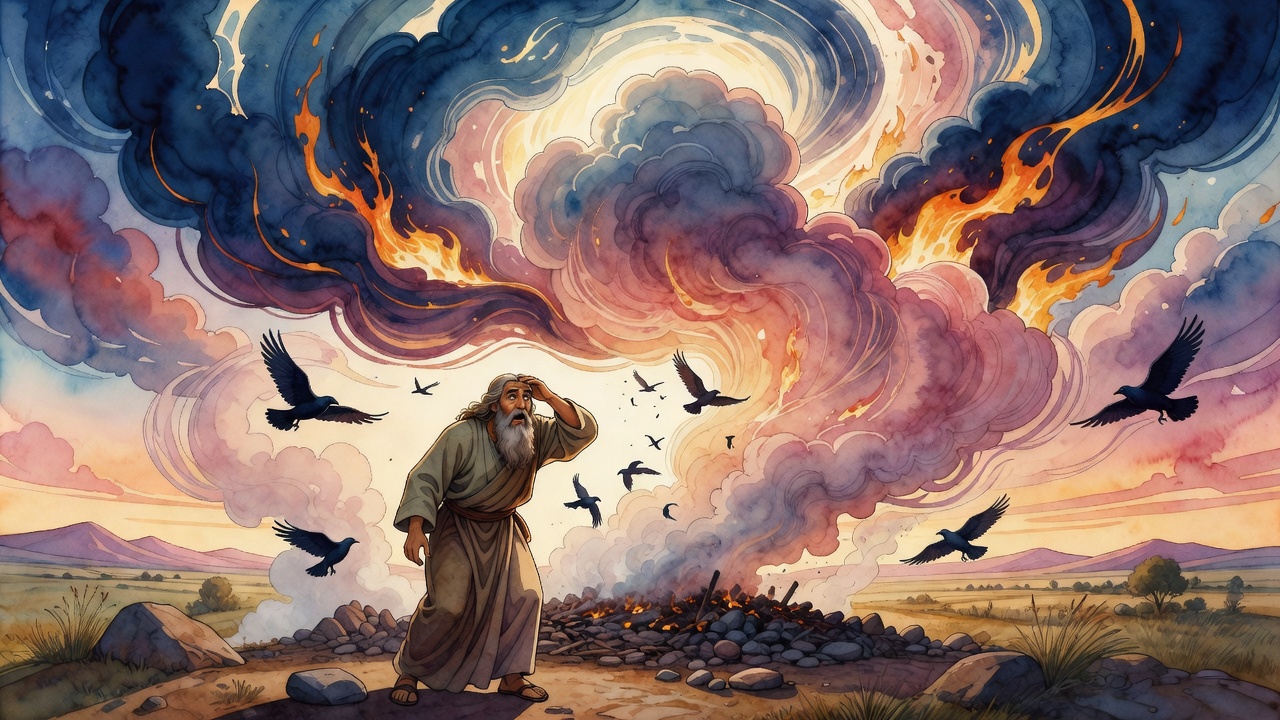
He spent the afternoon driving birds off the cut pieces. When the sun dropped, a darkness named Egypt and four hundred years of serving there.
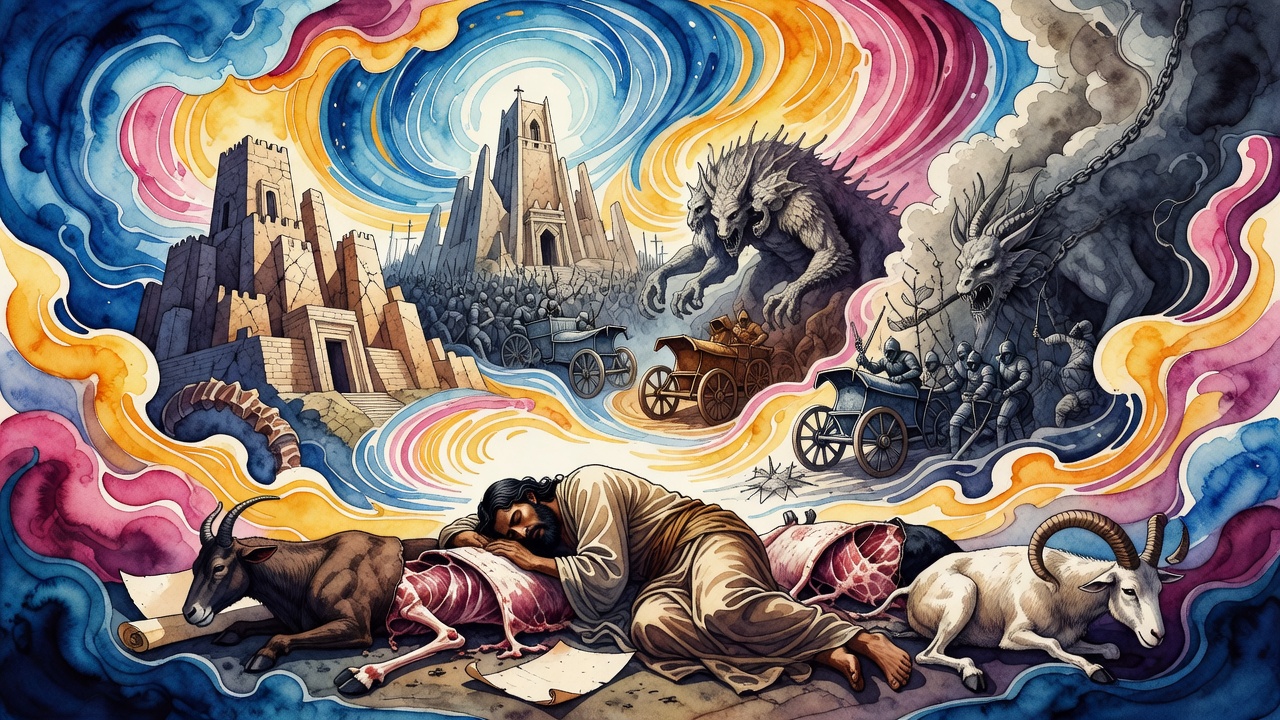
The furnace smoked. The torch burned. God asked Abram to choose Gehinnom or the stranger's rule for every child after him.
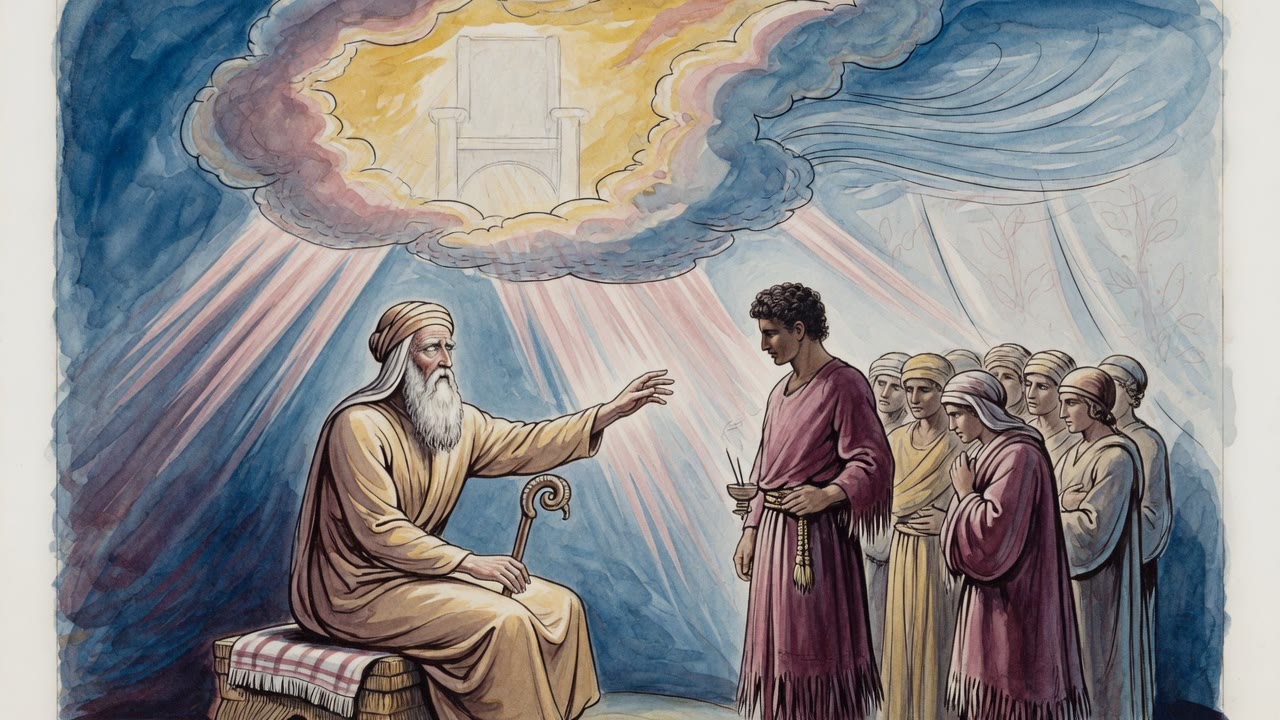
Isaac's eyes had been dark for years. Jacob kissed him, and the dimness lifted long enough to see two grandsons waiting.
Judah told the men to burn Tamar. She sent him the seal he had left on the road. He said she was more righteous than he was.
Esau came with four thousand men. Judah went out in front with fifty servants. The south side of the tower went quiet.
