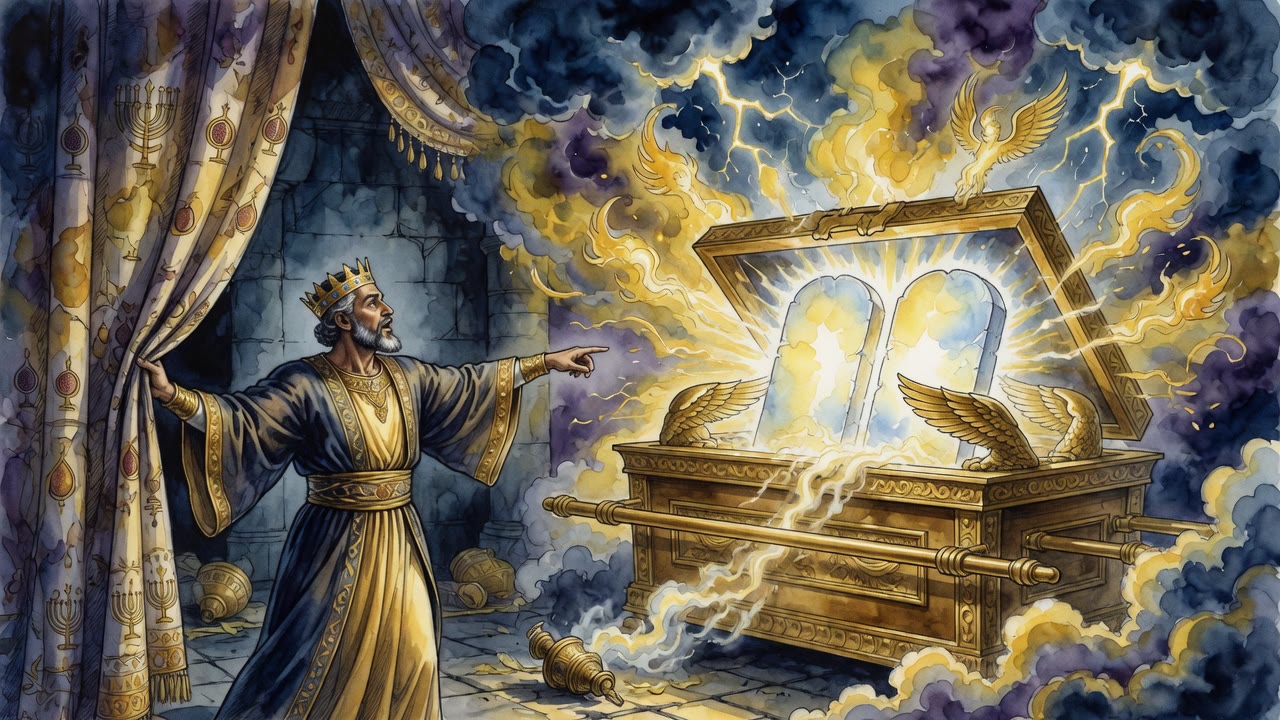
Moses Trembled Before He Spoke the Ninety-Eight Curses
In Deuteronomy's 98 curses, Moses trembled as he spoke. Synagogues still whisper them. The curses were aimed at Israel, not enemies.
Table of Contents
 Click for full size
The Count
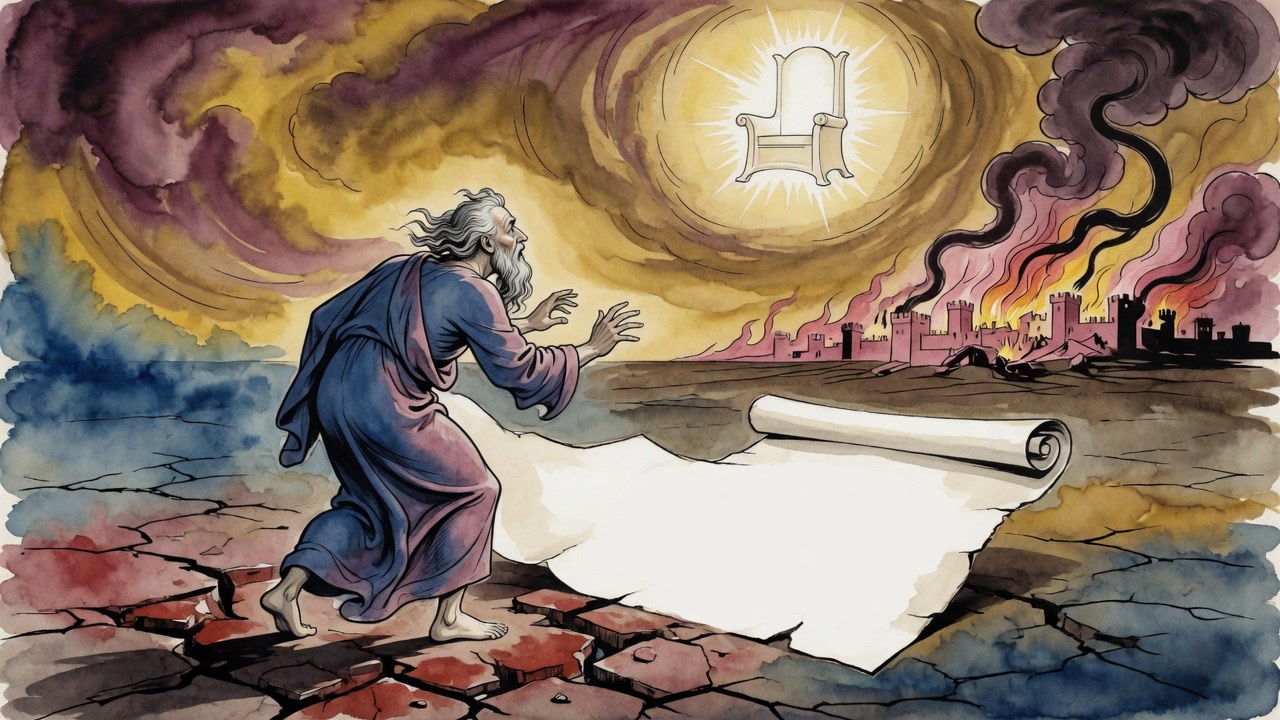
Moses had delivered curses before. In Leviticus 26, the Tochachah runs for thirty-two verses and threatens enough catastrophe to silence a room. Deuteronomy 28 begins the same way and does not stop. Disease. Drought. Military defeat. The sky turning to bronze, the earth to iron. Madness, blindness, confusion of heart. Siege so severe that the most tender woman in Israel, a woman so gentle she had never set her foot hard on the ground, would turn from her own children in the extremity of hunger and eat what she should not eat.
The count reaches ninety-eight before the passage ends. The rabbis noted that Leviticus had thirty-two curses and came with an explanation: Moses delivered those curses in the first person, as God's voice. Deuteronomy's ninety-eight he delivered in his own voice, and the greater number belongs to the greater intimacy of the threat. When Moses himself warned of what would come, he went further than God's formal pronouncement, because Moses knew his people, and he knew what they were capable of walking into.
Why Moses Trembled
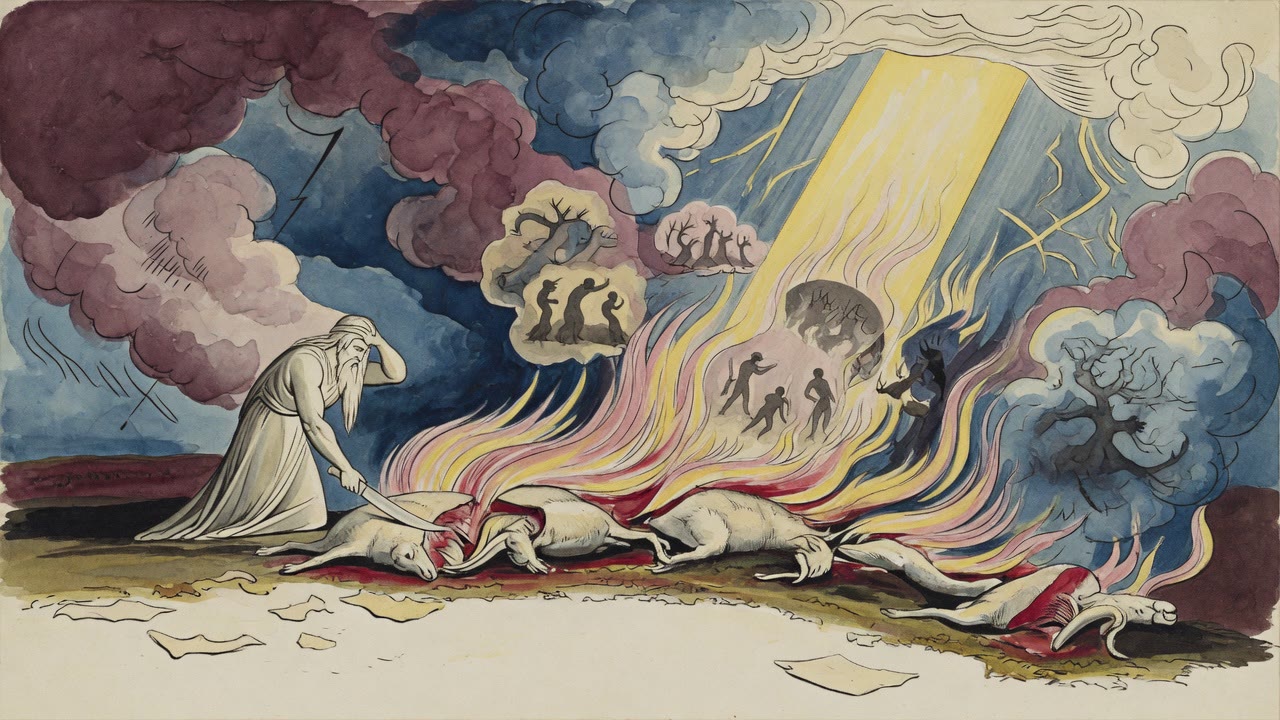
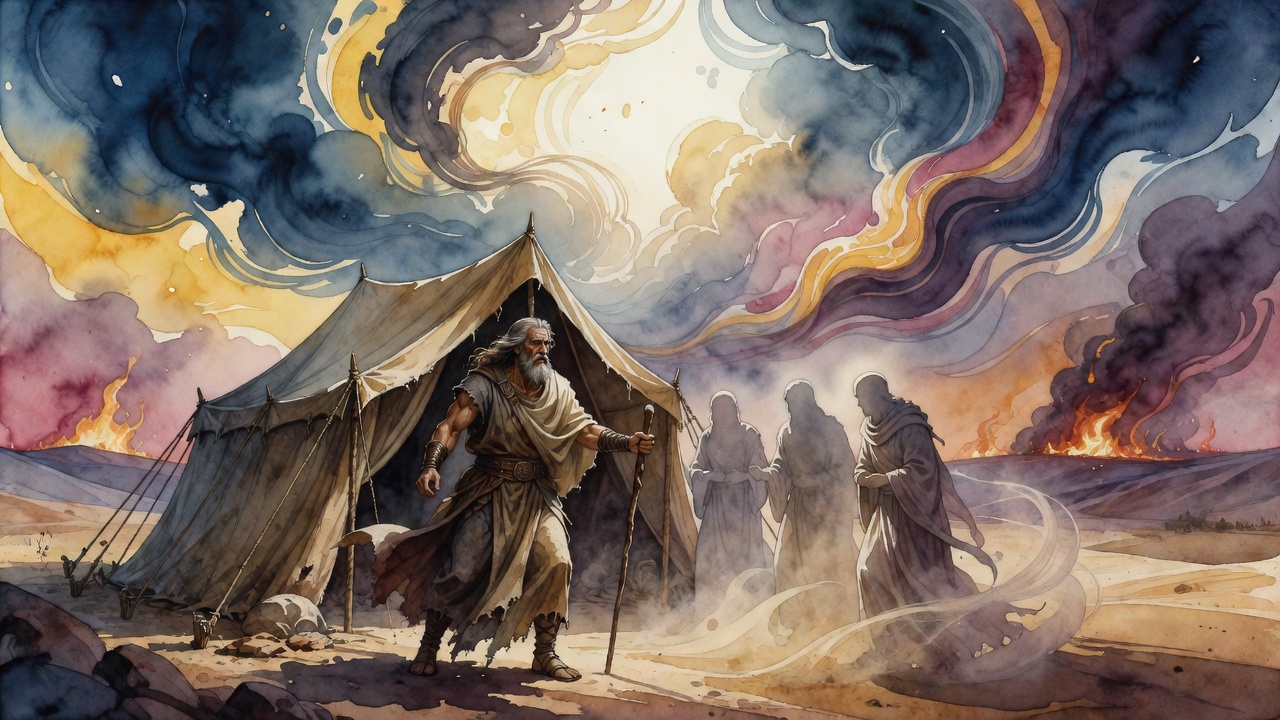
The tradition records that Moses shuddered as he began the Tochachah. He said to Israel: I am only one man. How can I speak all these curses? But Israel told him: our teacher, speak them. Whatever God has commanded, we will hear and we will do.
The midrash sees in this exchange the same structure as every covenant moment: God sets the terms, Israel accepts them, Moses mediates. But the Tochachah is the covenant's dark face, the list of what the agreement costs when it is broken. Moses was trembling not because the words were difficult to pronounce but because they described things he could see coming. He had led these people for forty years. He knew their tendency. The curses were not abstract predictions. They were specific and, to a man who had watched this people in action since Egypt, entirely plausible.
The Whisper in the Synagogue
In synagogues today the Torah reader does not announce the Tochachah with the usual call for an honoree to come forward. The passage is chanted rapidly and quietly. Communities vary in their practice, but the tradition of rushing through the curses, of not dwelling on them, of getting past them, is nearly universal. It is considered bad form to be called to the Torah for these verses. Many communities use the same reader for the whole section rather than honoring members with aliyot during the curses.
This is not embarrassment about the text. It is reverence for it combined with the recognition that the curses are still technically operative. They describe conditions that have been fulfilled more than once in Jewish history. The whisper is not denial. It is a kind of careful handling, the way you carry something that broke once before and might break again, not by holding it loosely but by holding it with both hands and moving slowly.
What the Curses Are For
The Tochachah is addressed to Israel, not to its enemies. This is the detail that makes the passage different from, say, the prophetic oracles against Babylon or Egypt. God did not threaten the nations with what they would suffer if they abandoned the covenant. God threatened Israel, specifically, because Israel had made the covenant. The curses are the other side of the election: to be chosen is to be held to a standard that others are not held to, and the consequences of failing that standard are proportionate to the weight of what was accepted at Sinai.
Midrash Tanchuma on the parashah Deuteronomy 26:16 places the commandments of this day alongside a call to bow and kneel before God, reading the Tochachah's backdrop as the full posture of covenant acceptance: not just the blessings but everything. Covenant is not a menu. It is a relationship with an accountability structure, and the ninety-eight curses are the accountability structure written out in detail so no one can claim they did not know what was at stake.
The Covenant That Held After the Curses
The Tochachah does not end with the last curse. Deuteronomy 28 gives way to Deuteronomy 29, which opens with Moses telling Israel: you have seen all that God did in Egypt and in the wilderness. Your eyes have seen the signs and the wonders. But God did not give you a heart to know or eyes to see or ears to hear until this day.
The curses were not the final word. They were the terms. The covenant continued past them, into the chapter about return, about God's remembering the covenant with the ancestors, about the circumcision of the heart that would come even after all the disasters had been completed. The covenant that held through the fulfilled curses was, the tradition insisted, stronger than the covenant that had never been tested. Knowing what you were bound to and remaining bound anyway, even after the consequences landed, was the shape of the relationship God had chosen for this people.
← All myths