448 myths · Page 6 of 15
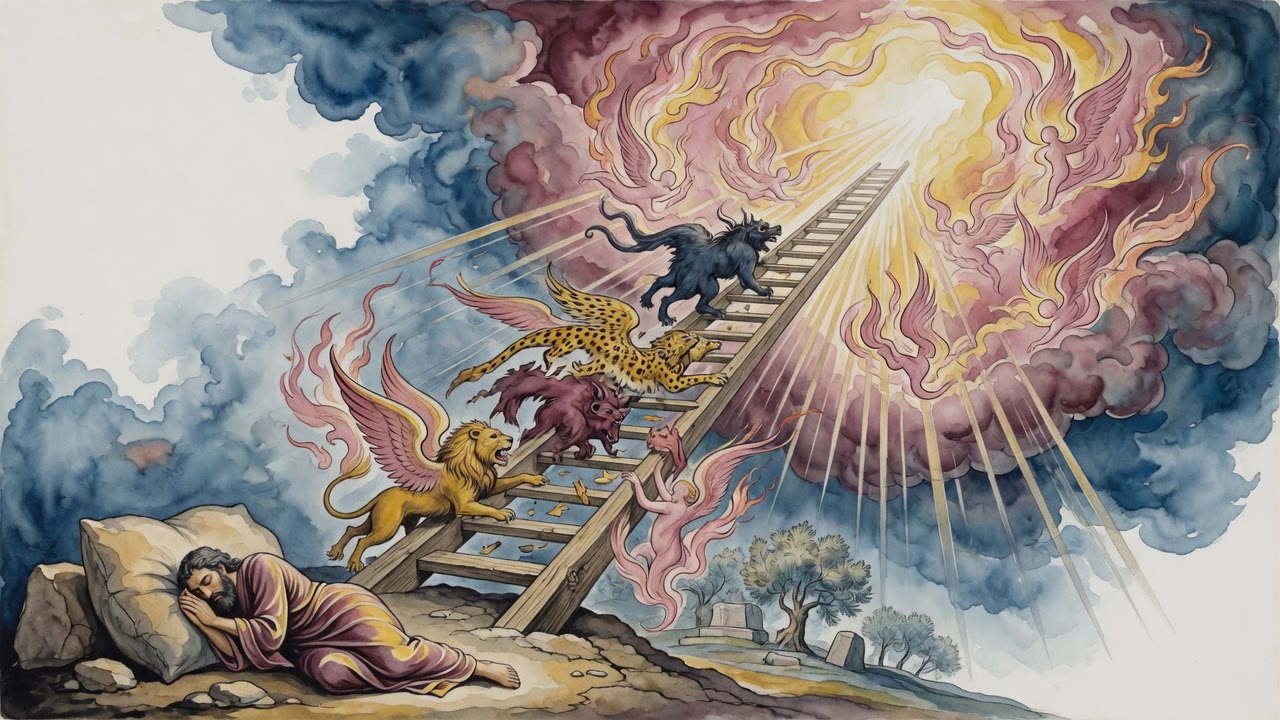
Jacob slept on a stone with Esau's threat behind him. The thing in the dream was gold, sixty cubits high, and three men would not bow.
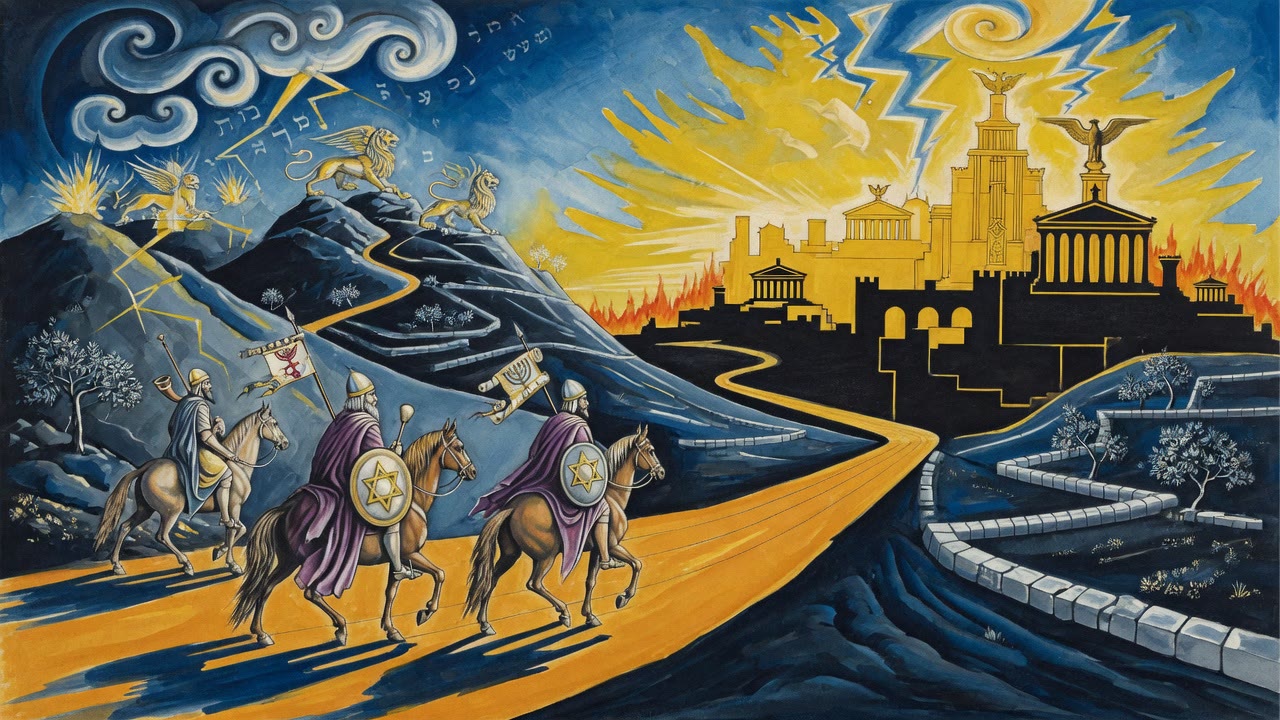
Ninus carved his dead father Bel in stone. Prayers to the statue earned royal pardon. That is how idol worship spread across the world.
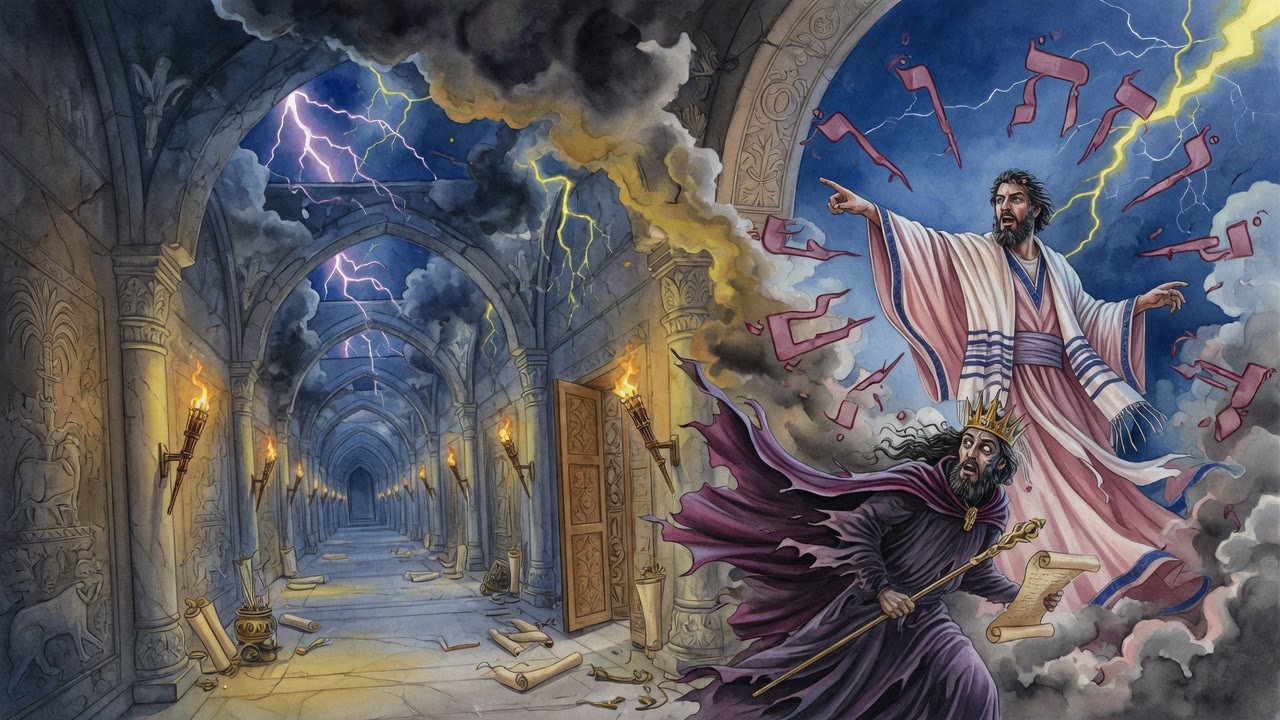
The angels at the gates called one word: Come. Isaiah walked in anyway. In the fifth chamber Pharaoh sat watching the other kings.
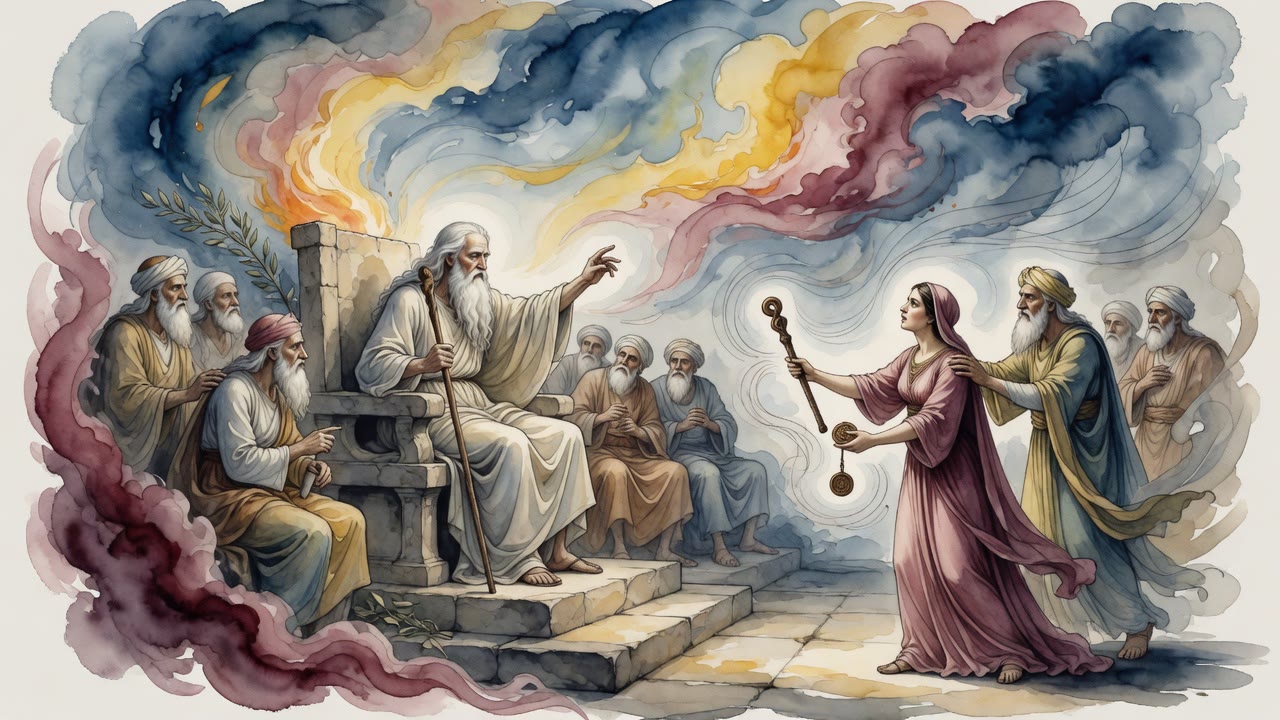
Judah walked past her on the road to Timnah. She asked heaven not to send her away empty. An angel of passion turned him back.
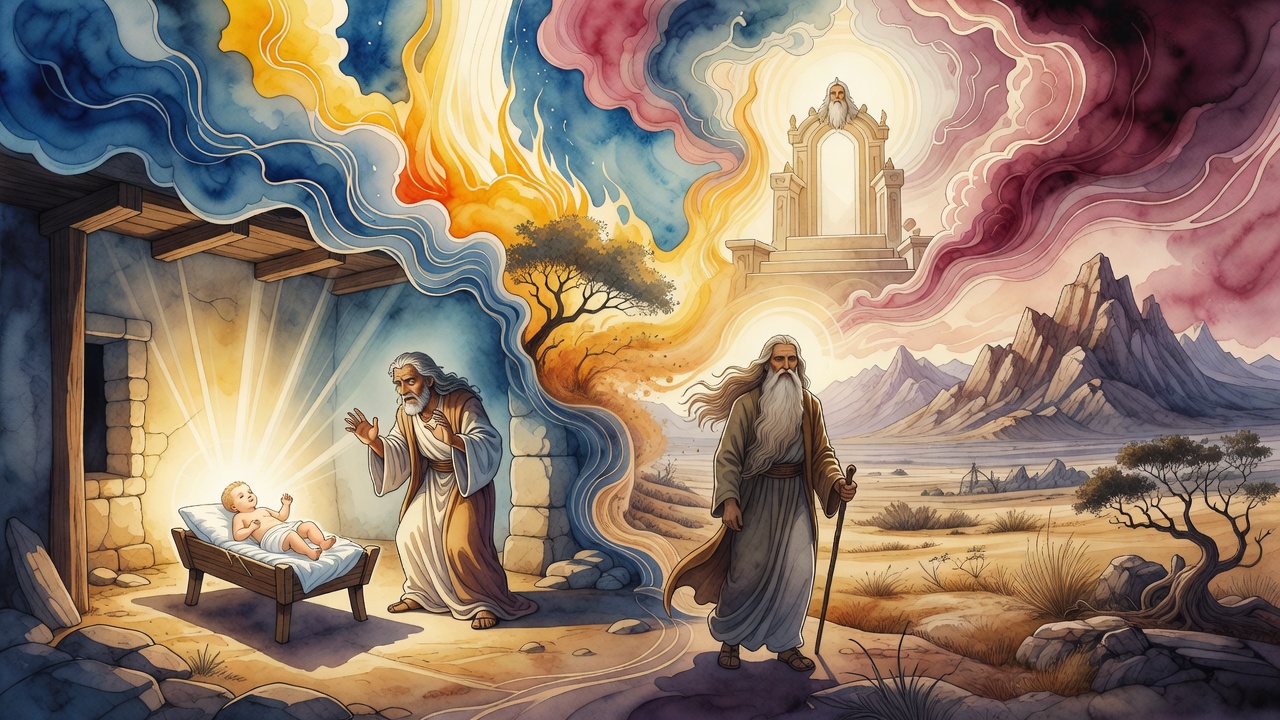
Lamech's son was born glowing with light that filled the house. Lamech feared the child was not his. Methuselah walked to the ends of the earth to ask Enoch.
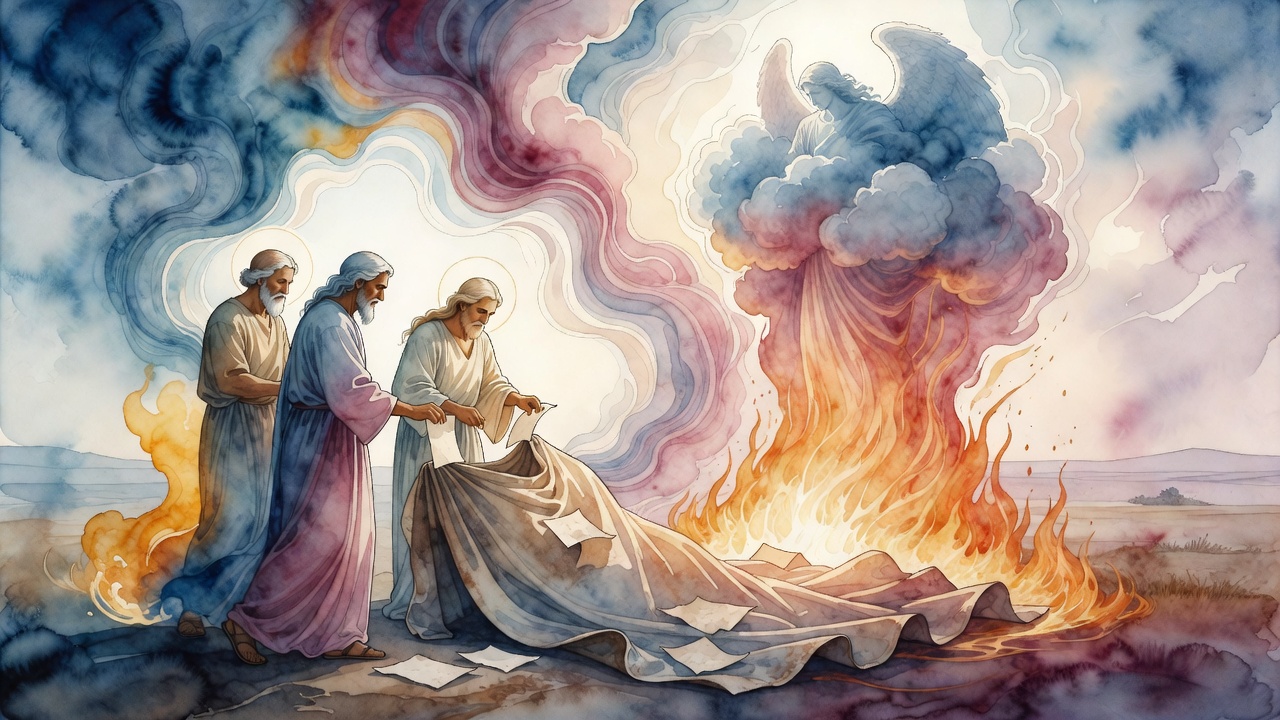
In year 1569 after creation, Noah's sons each drew a slip from their father's robe before an angel. The world was divided and given away forever.
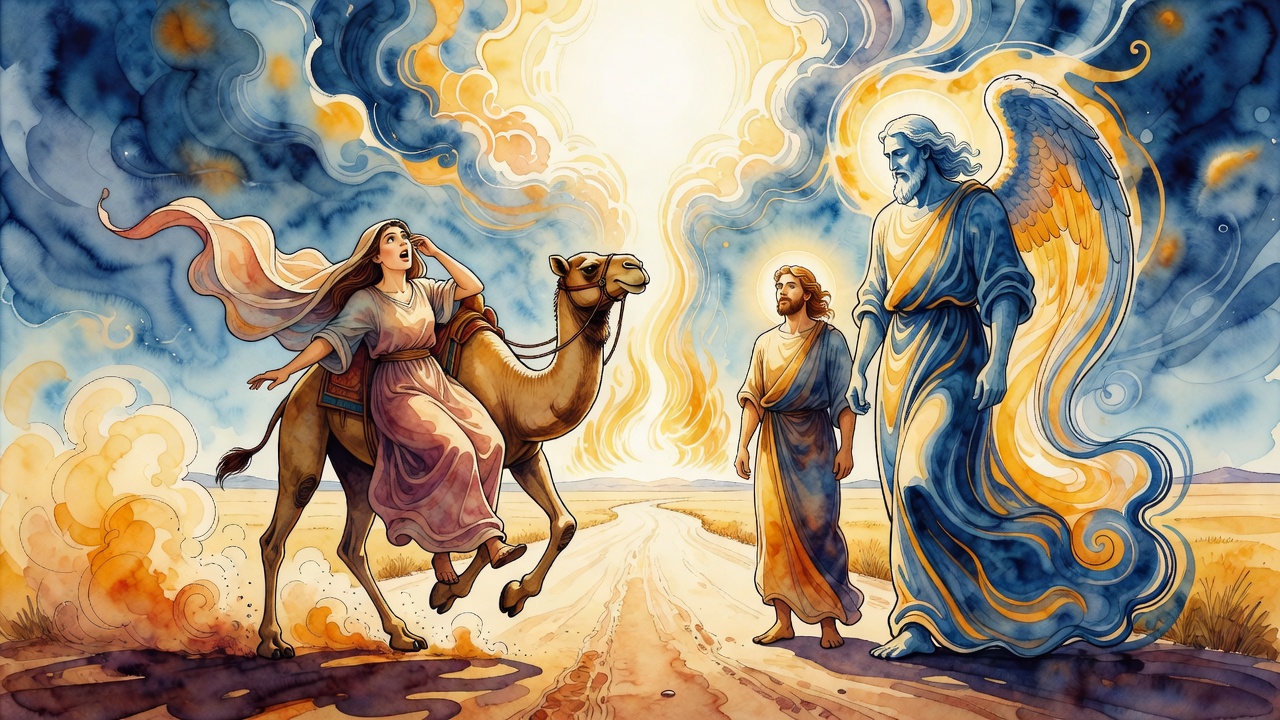
Rebekah looked up on the road to Canaan and saw an angel walking with Isaac. Then the holy spirit showed her the son she was going to bear.
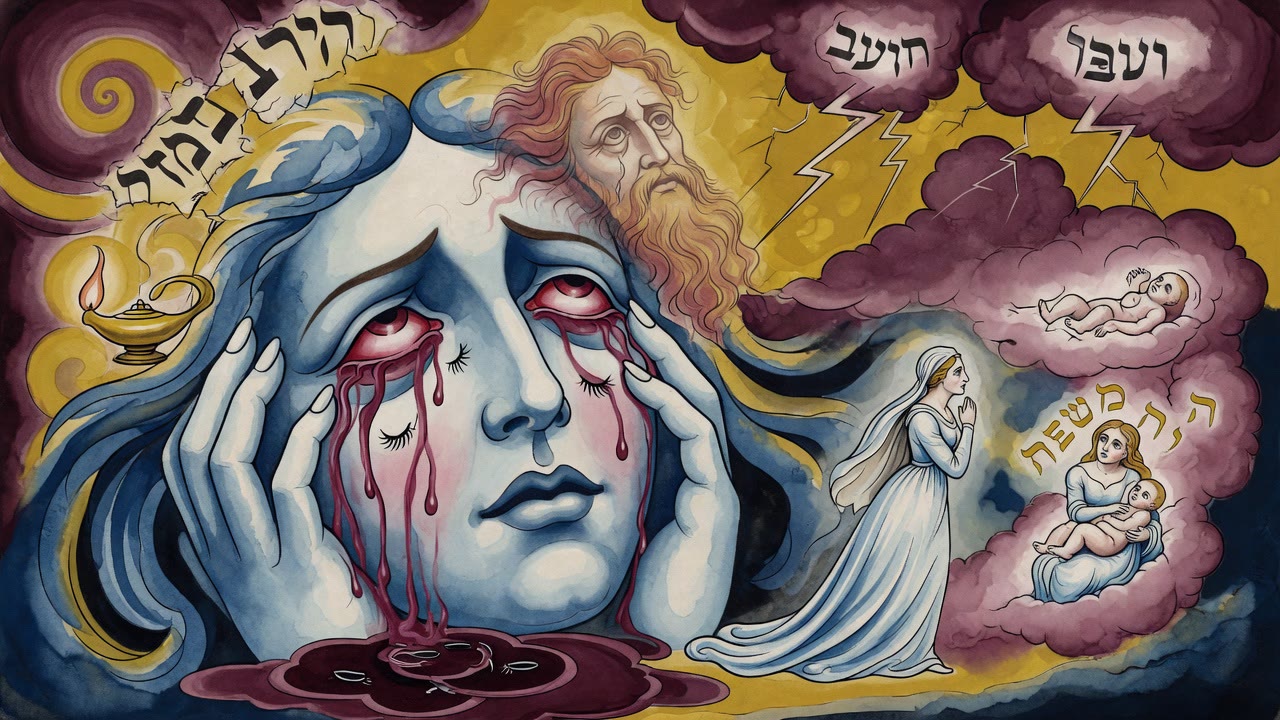
No other woman had suffered what Rebekah suffered. She climbs to the oldest living man she can find and demands to know what is inside her.
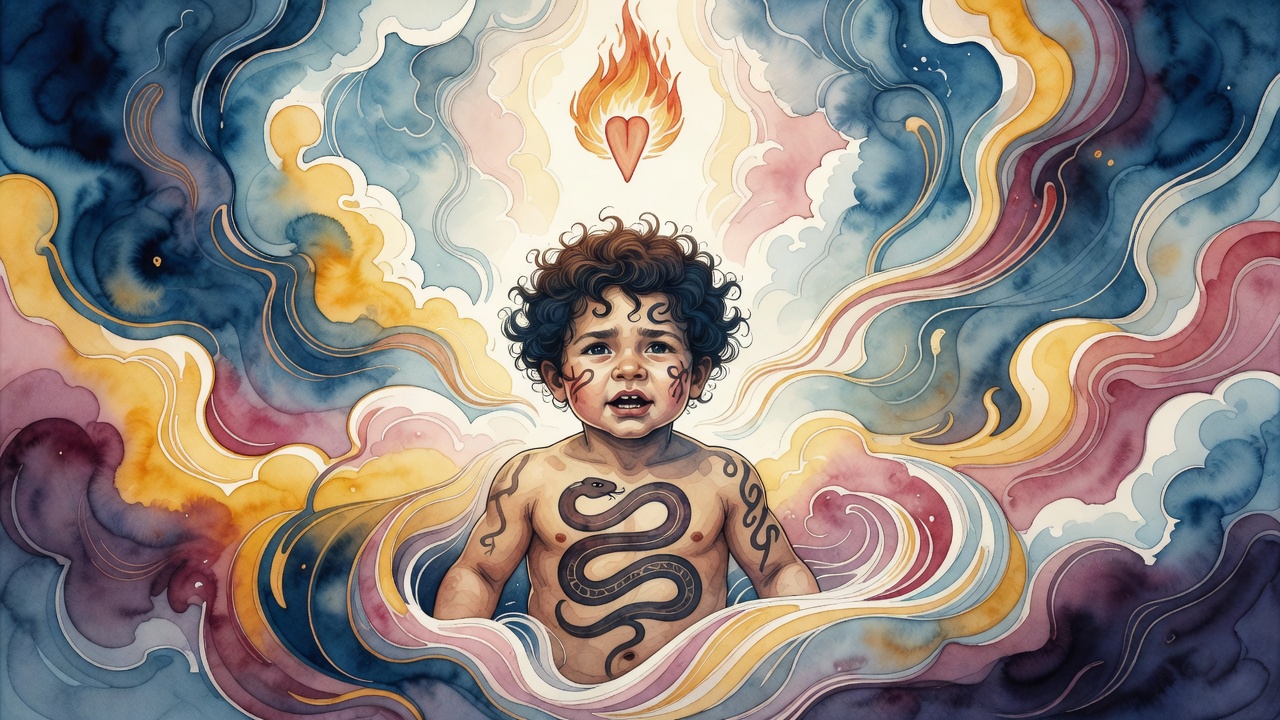
Esau was born with hair, teeth, and a serpent mark on his body. The signs on his skin read like a verdict before he had made a single choice.
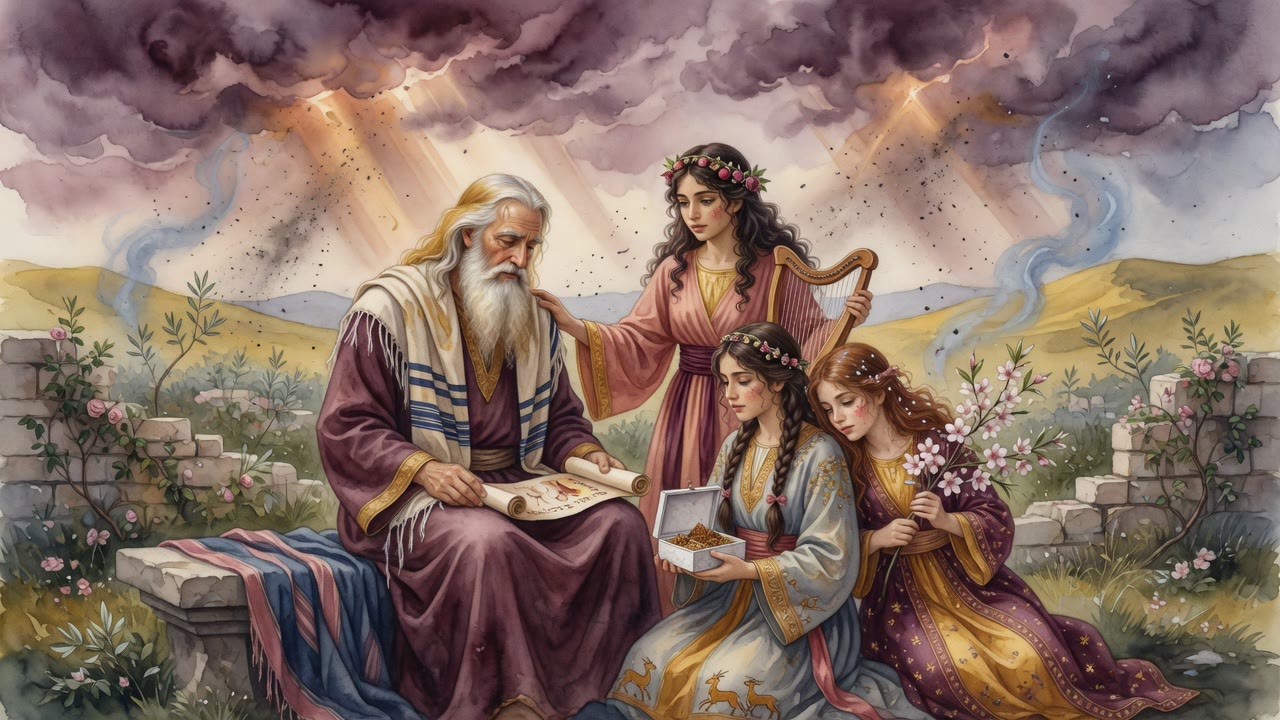
Job told Eliphaz to go look at his own father Esau. Eliphaz answered that a son does not carry his father's guilt, and heaven made him carry it anyway.
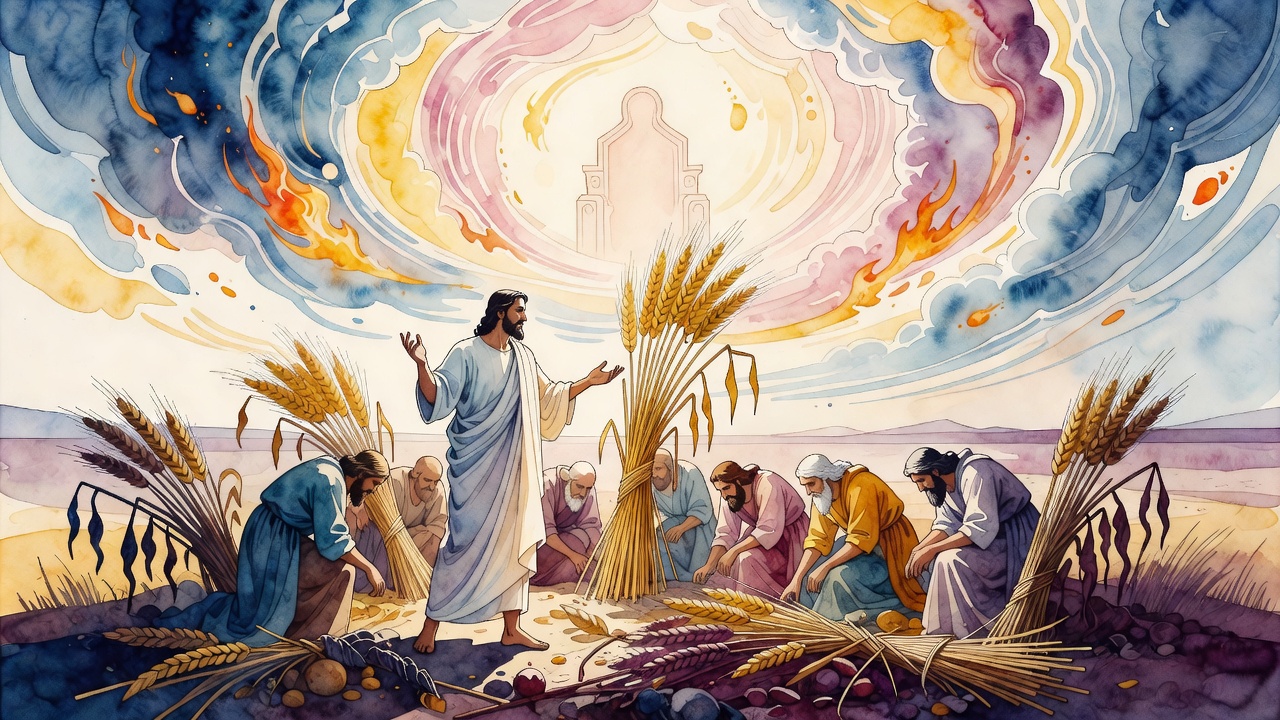
He warned them, before any of it happened, that they would keep the truth about him from his father. Then they sold him and soaked the coat in goat blood.
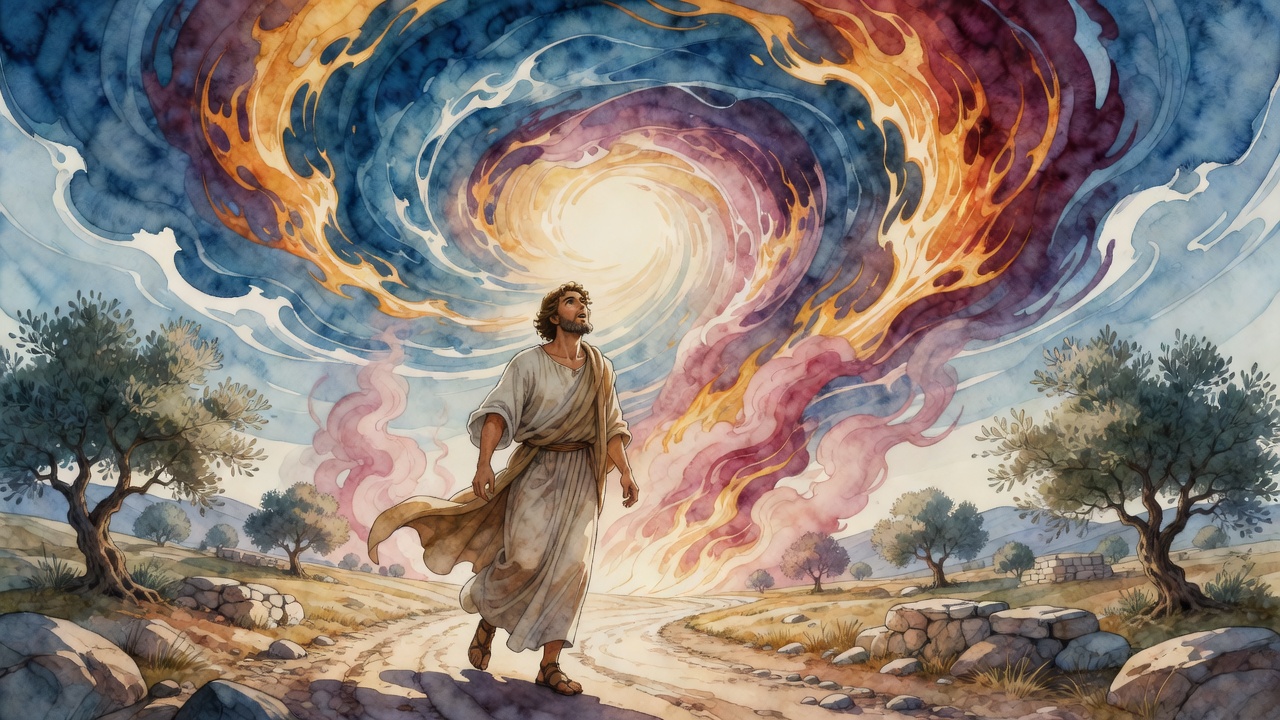
Jacob told him to walk by daylight and send word. He never said come home. In the empty fields near Shechem, a man was already waiting.
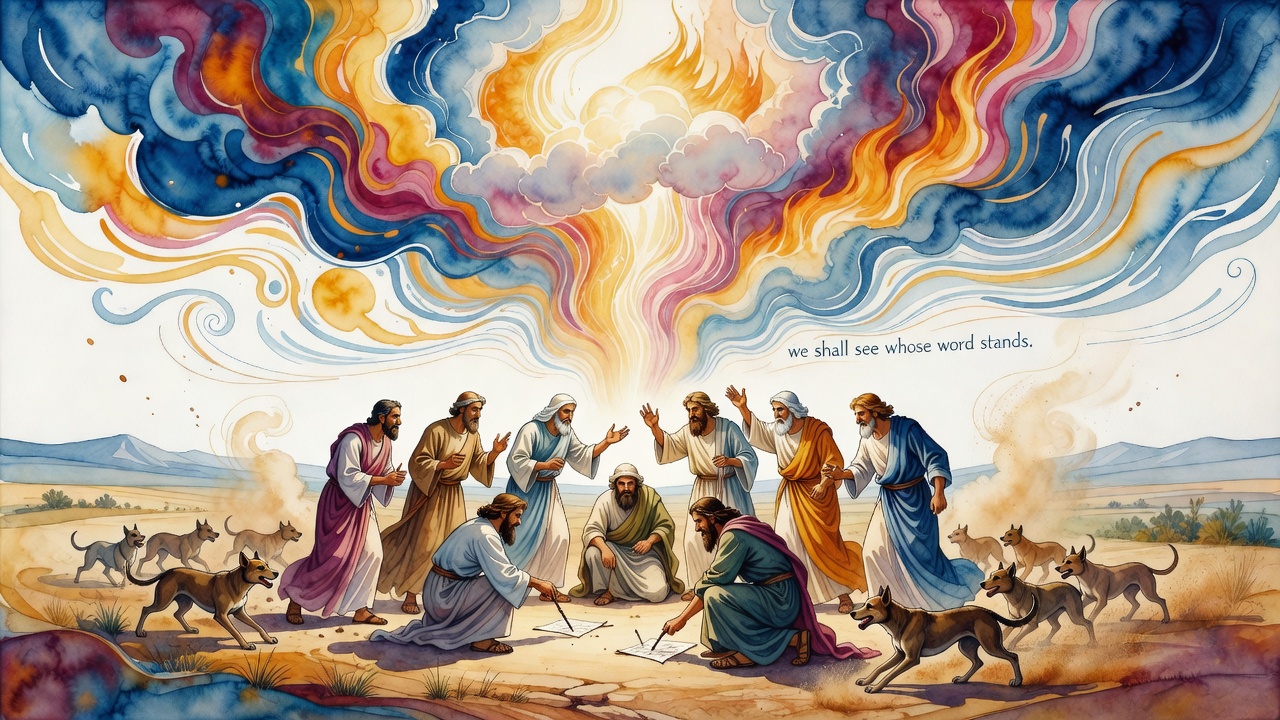
Before Joseph reached Dothan the brothers cycled through plans, including dogs. God heard every word and answered: we shall see whose word stands.
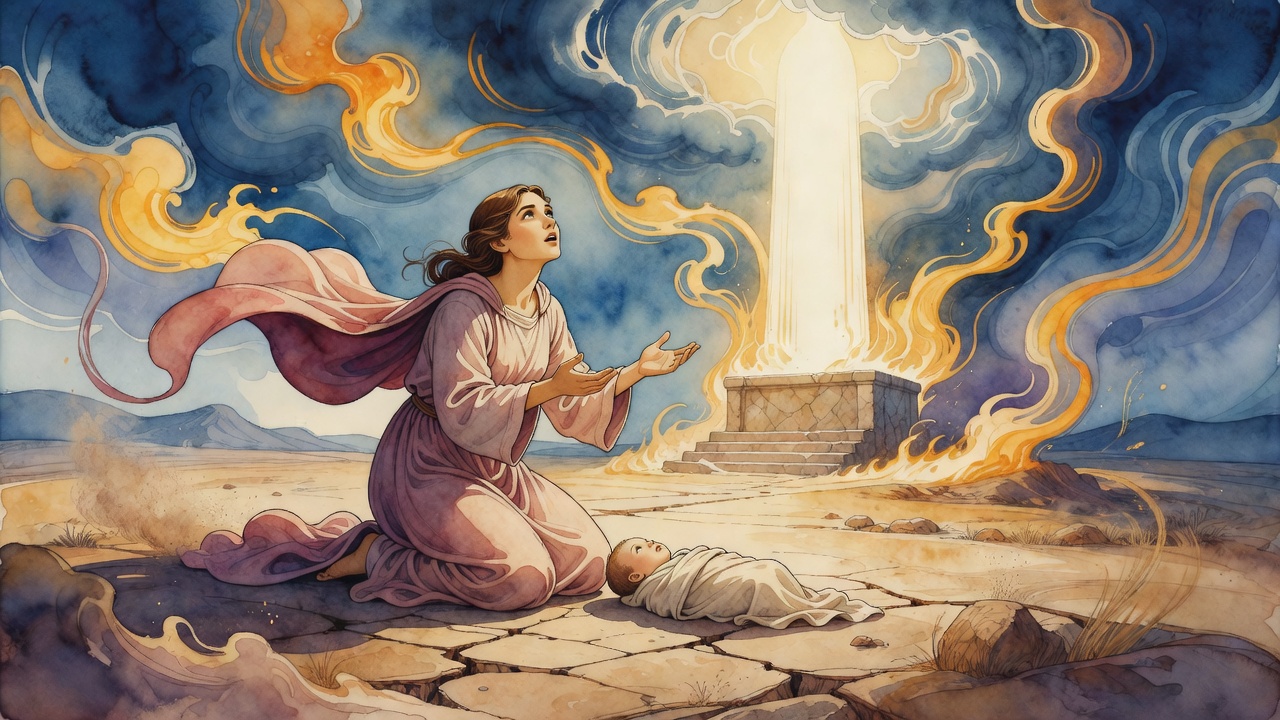
Jacob would have four wives and twelve sons. Three apiece was Leah's portion and she already had hers. Then a fourth boy came, and she counted.
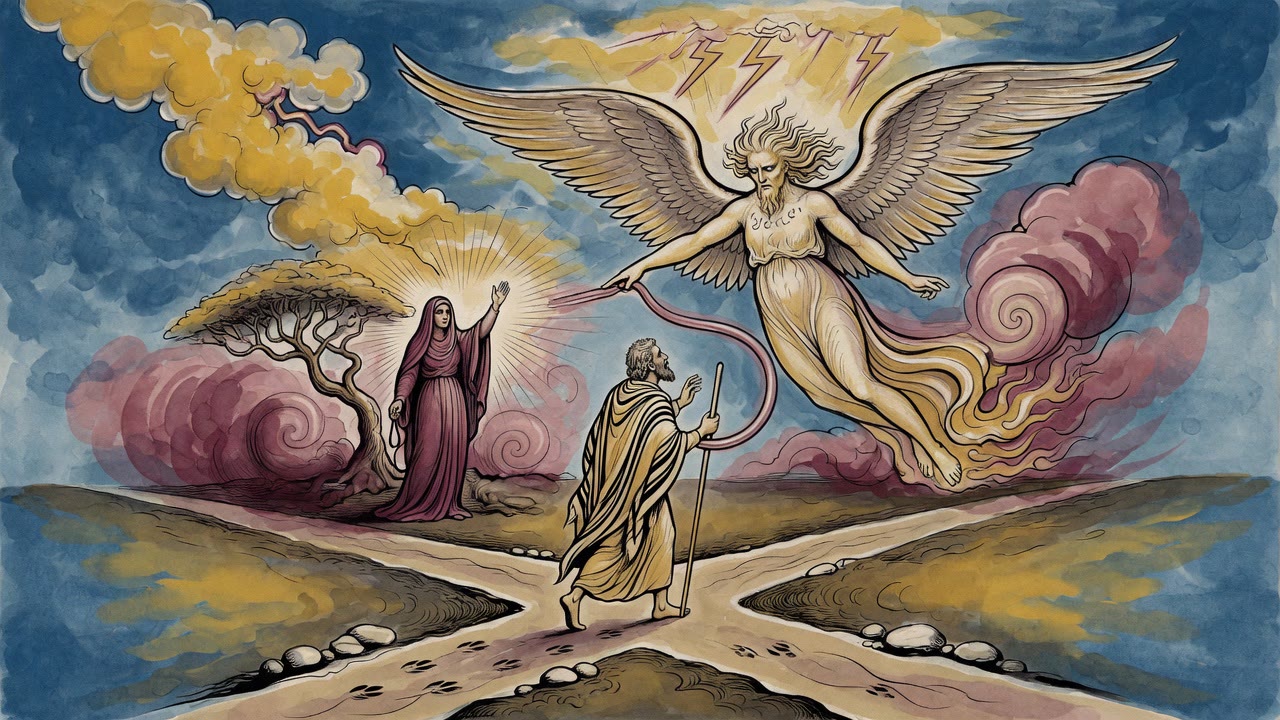
Judah looked at the covered woman sitting by the road, decided she was nothing to do with him, and walked on. Then Tamar lifted her eyes.
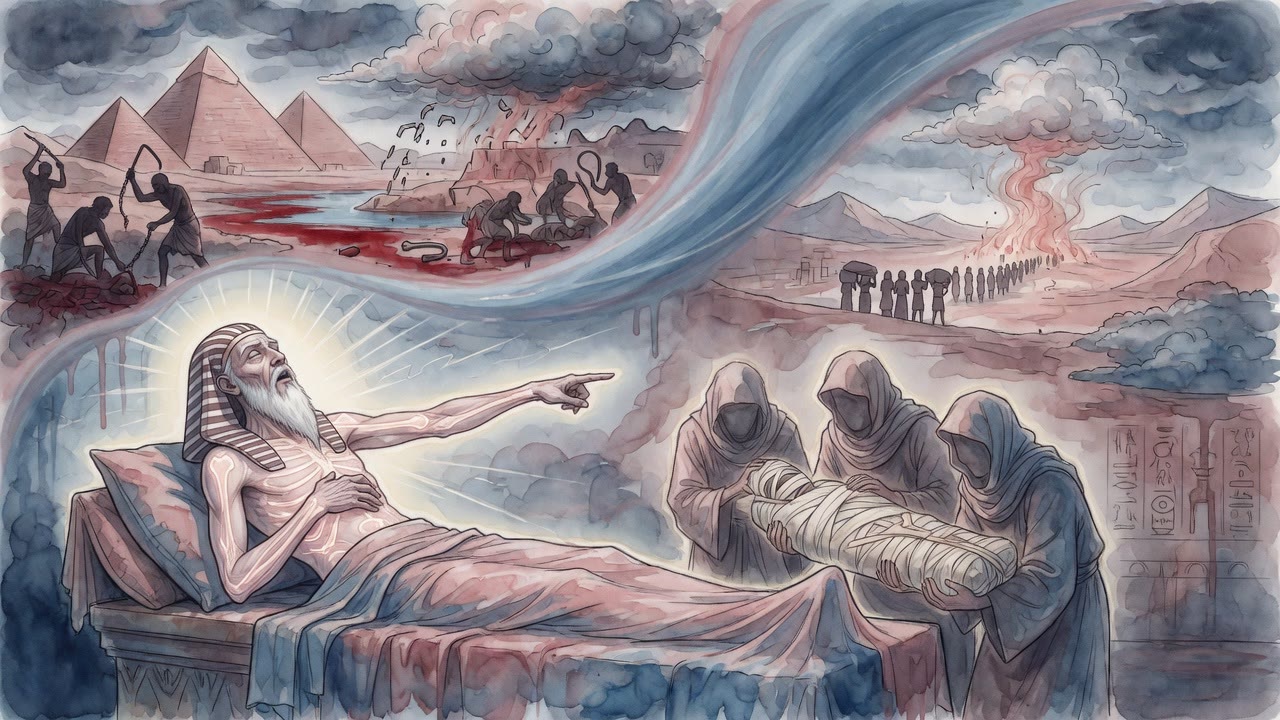
Joseph's last prophecy named the oppression ahead and the deliverance after it. His only condition was that his brothers carry his bones when they left Egypt.
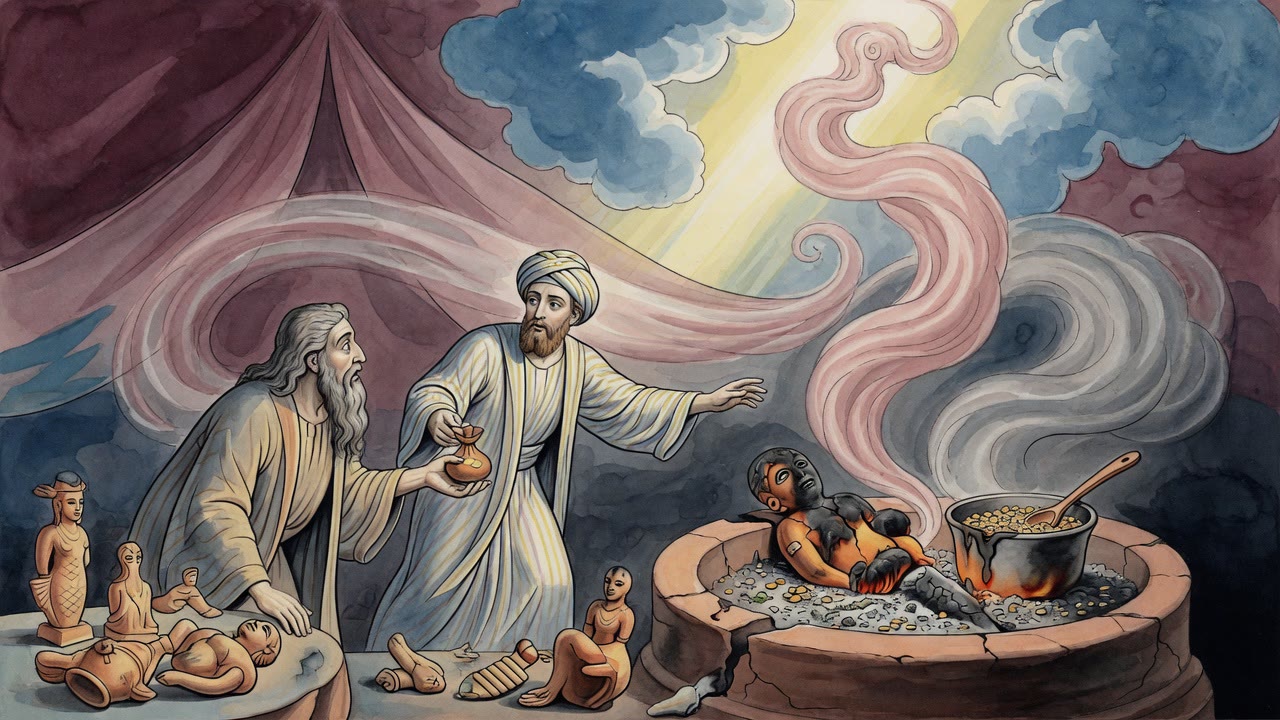
They would not believe he was dying. Naphtali told them Levi rode the sun, and a ship with no sailors ran onto a rock.
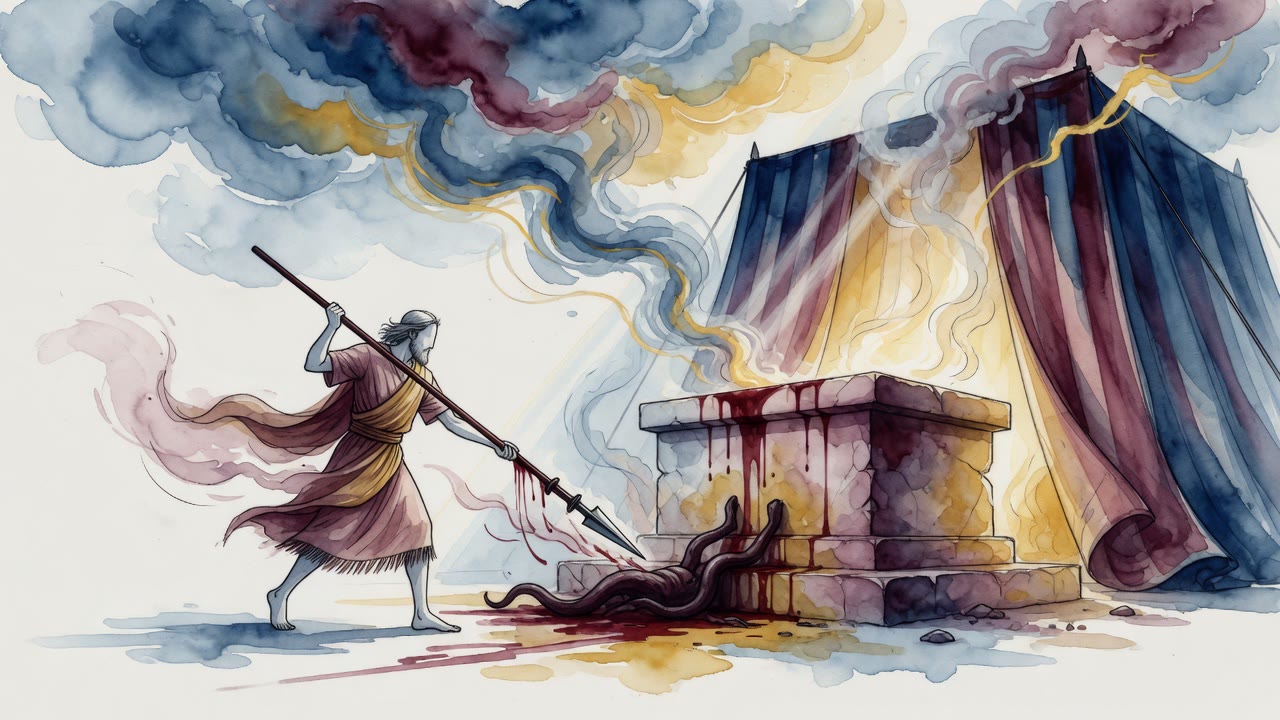
Levi asked the angel for a name he could cry on a bad day. He woke holding a sword, and found the brass shield lying in the road.
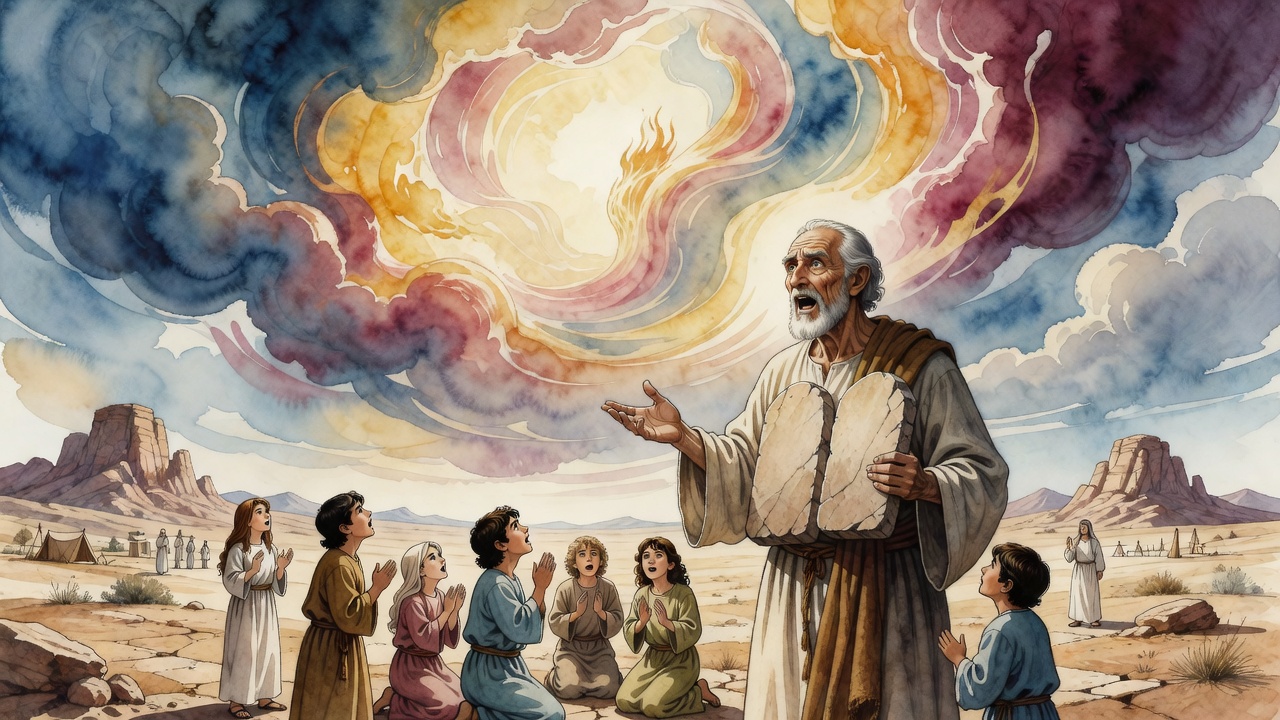
Centuries before the Temple was built, a patriarch warned his children: act like Sodom and your sanctuary will fall. He had read it in the tablets of heaven.
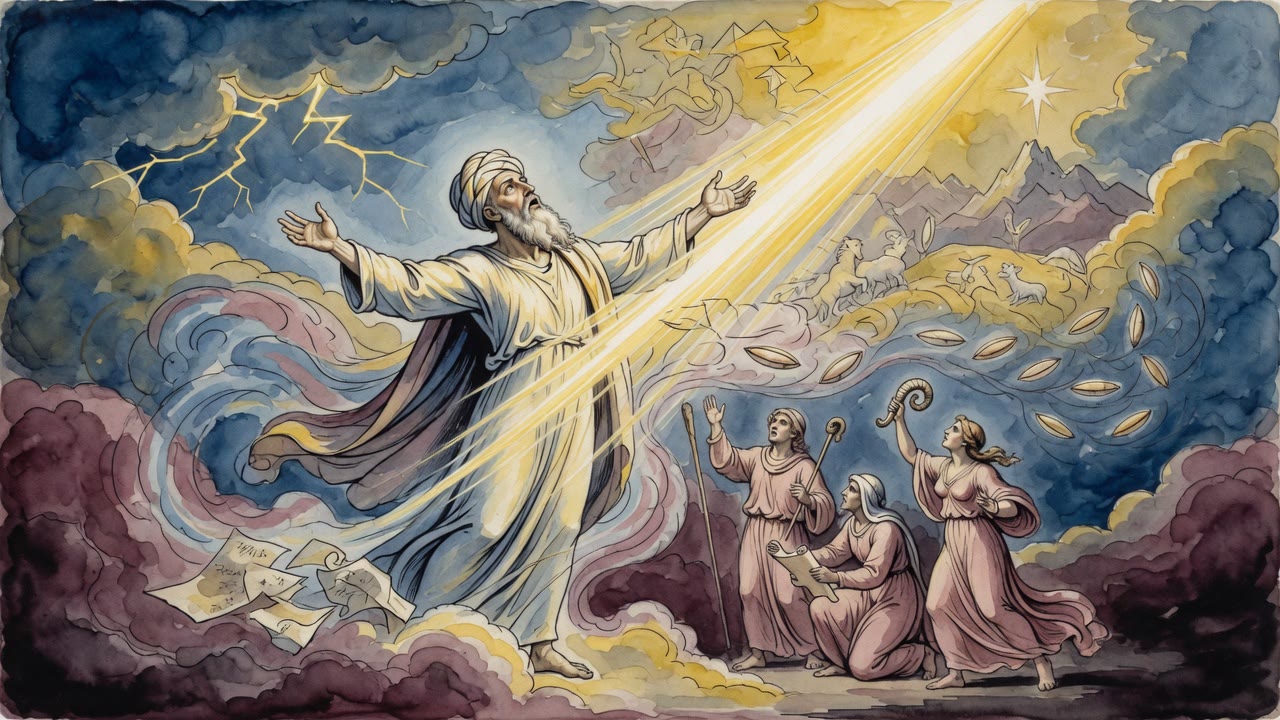
Before Moses was born, Balaam turned Pharaoh's nightmare into policy, changing fear of one child into a decree against a people.
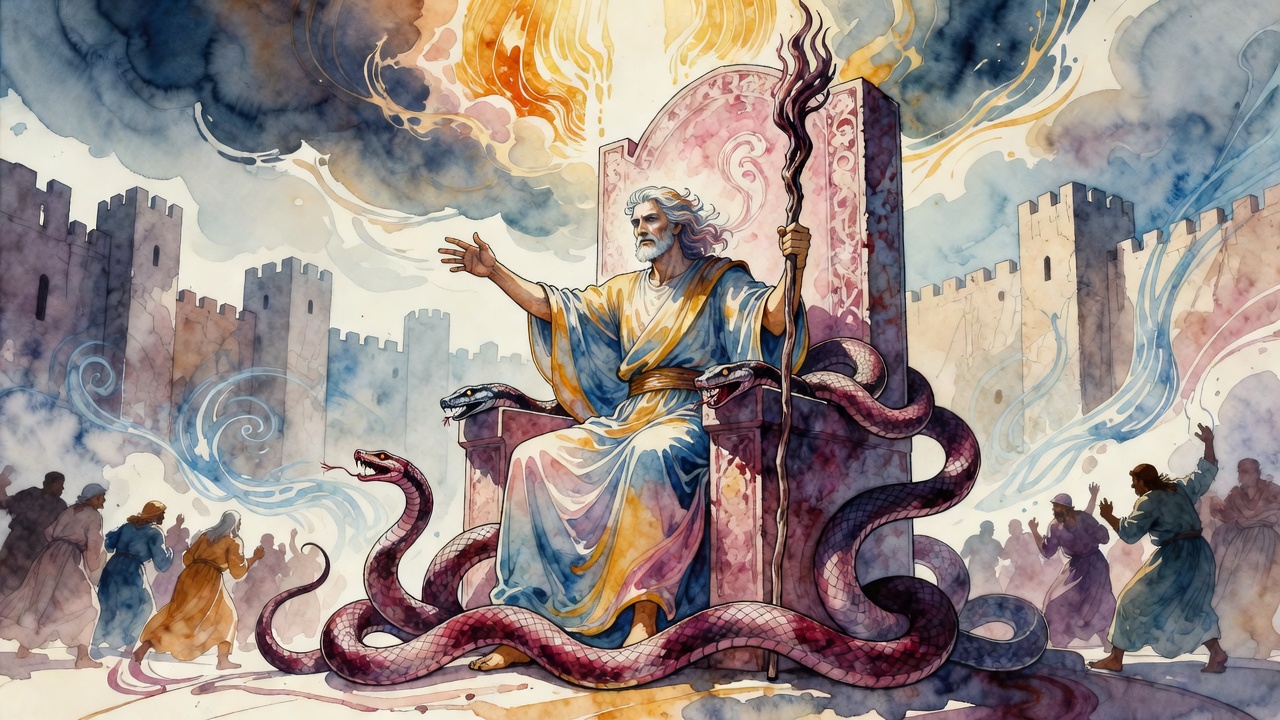
Kikanos came home from a war he had won and found his own gates shut. It took nine years, a king's death, and a flock of starving birds to open them.
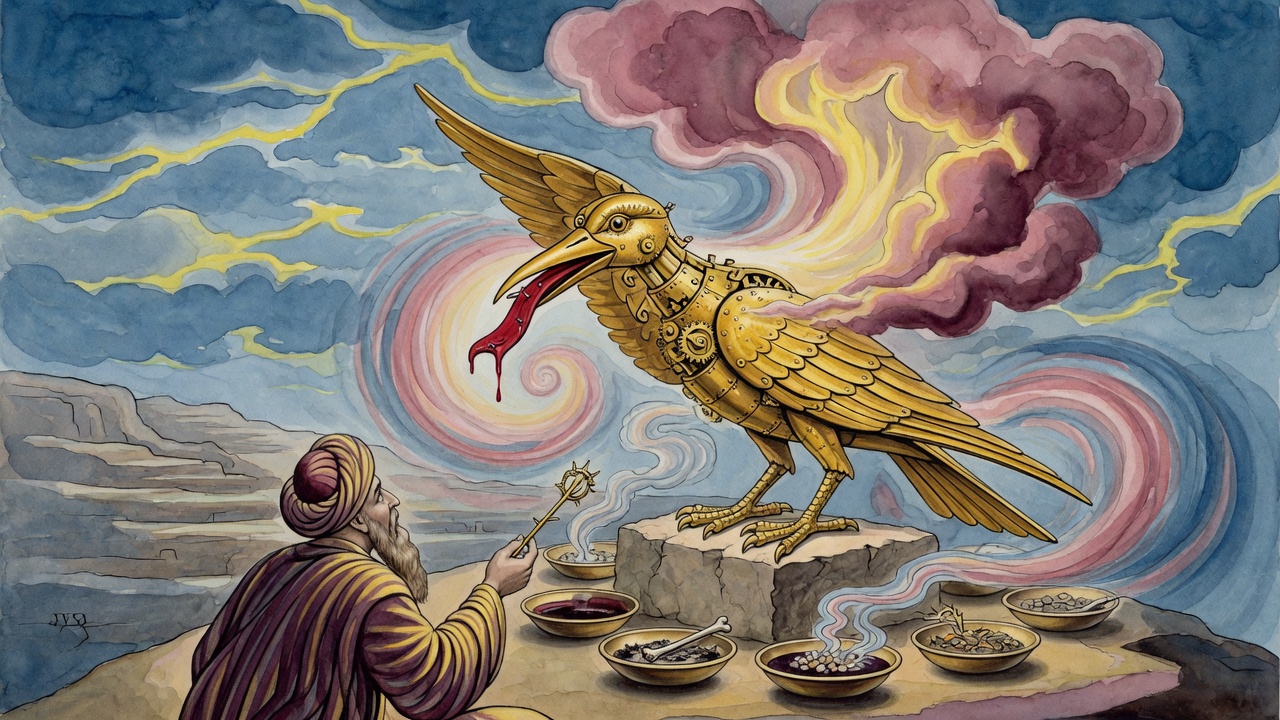
Before Balak hired Balaam he had his own oracle. A golden bird fitted with a rare tongue. Seven days of offerings, one prick, and it spoke.
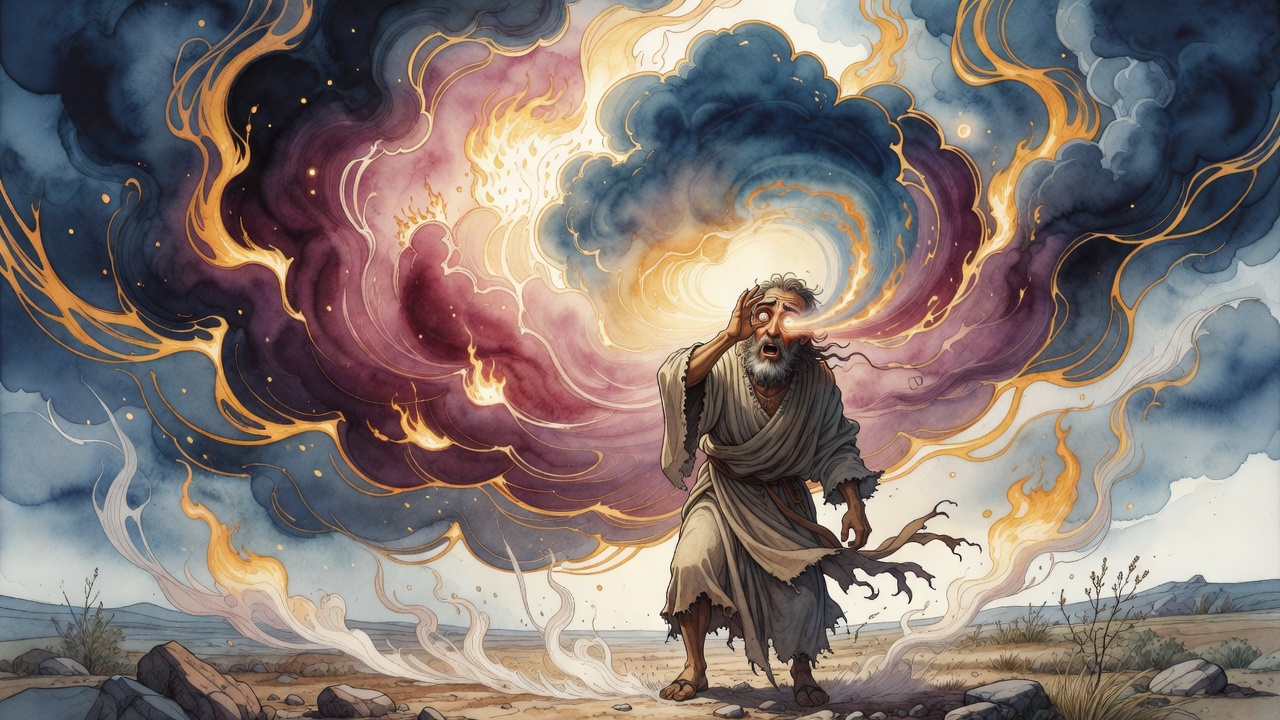
God asked Balaam a simple question. Balaam used it to boast. The reply cost him an eye and stripped his curse of force before it began.
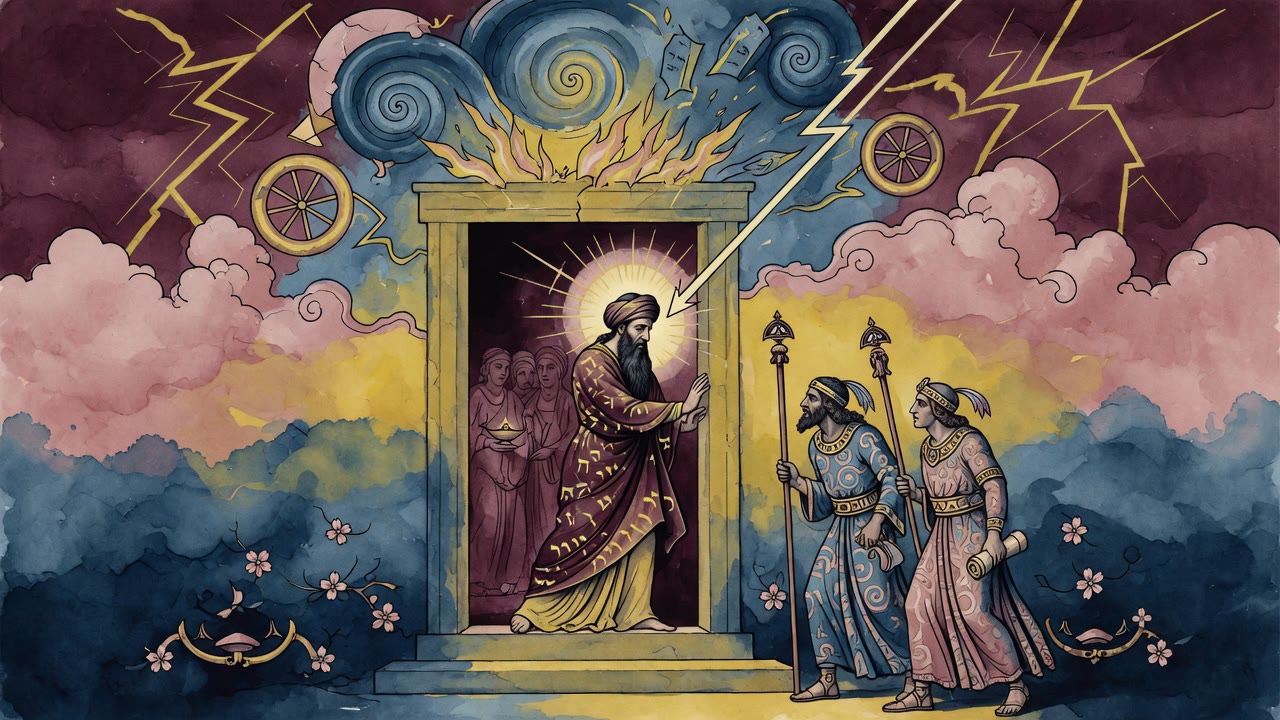
God told Balaam not to go. Balaam could not say that to the men in his house, so he told them it would be beneath his dignity to travel with men of their rank.
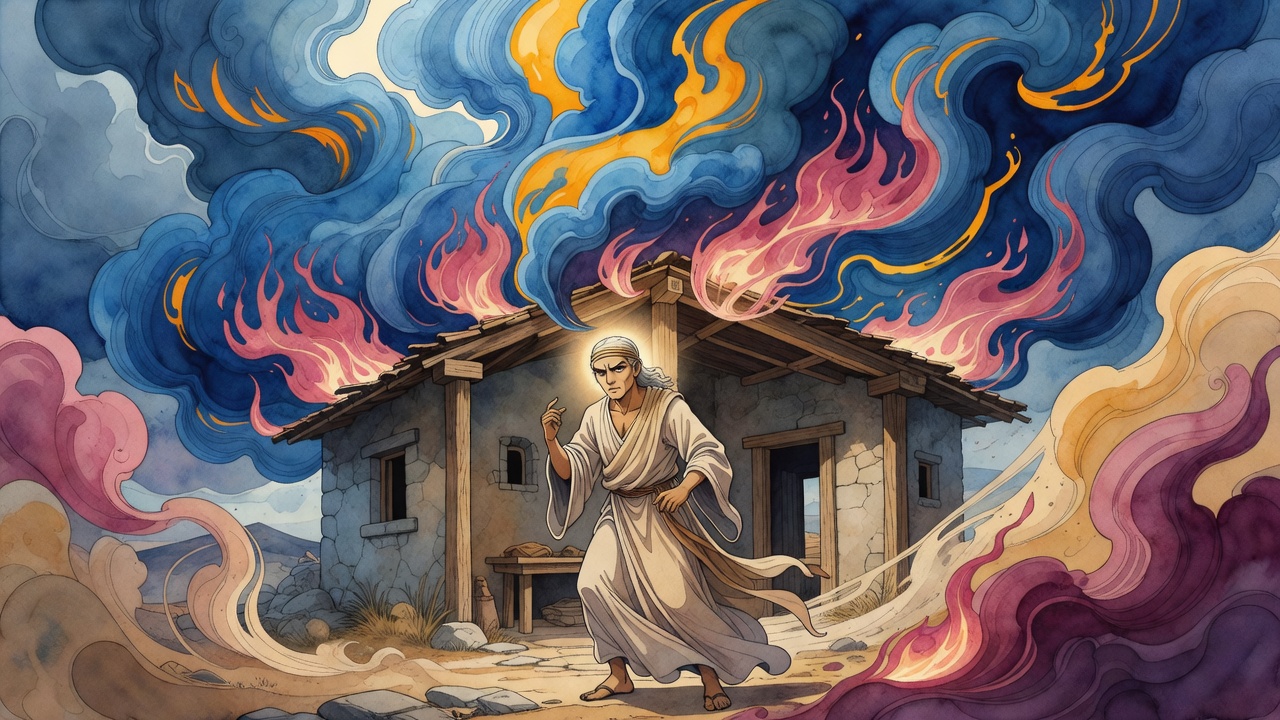
God asked who the men with him were. The question sounded like a neighbor catching up. Balaam filed it as a gap he could use.
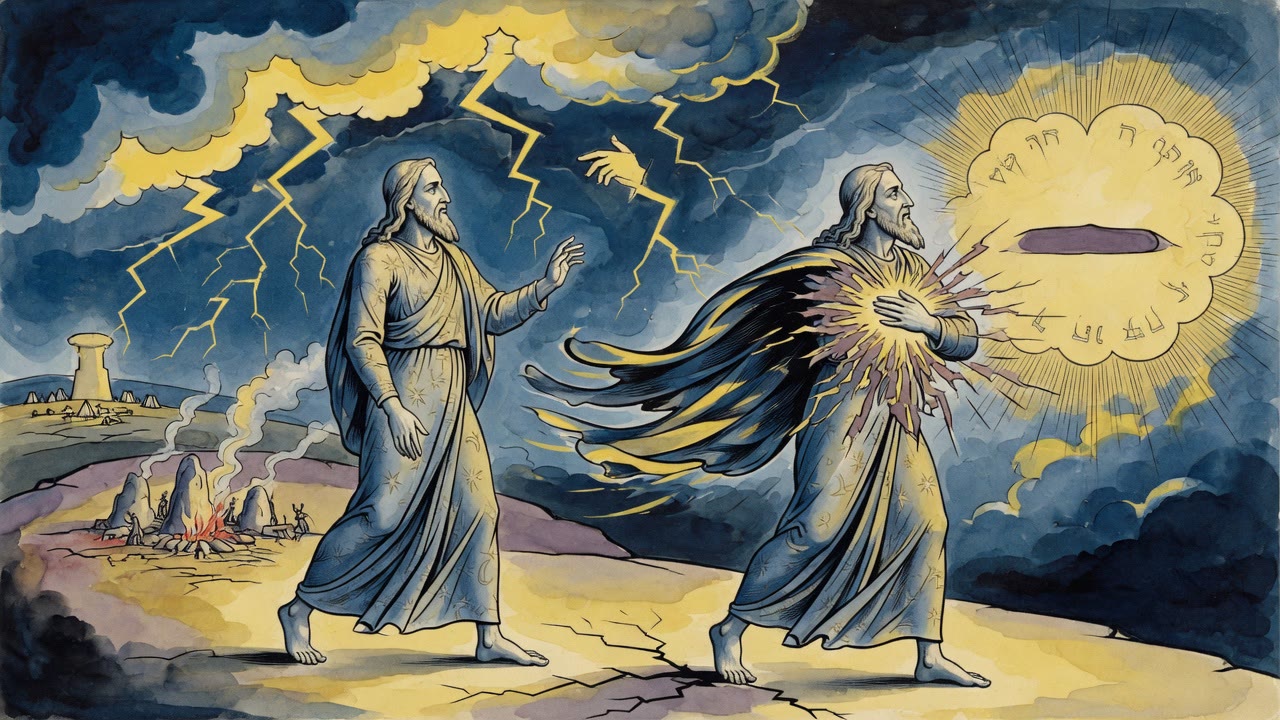
When God finally let Balaam see the angel blocking his road, Balaam fell on his face. He could not stand. His donkey remained upright.
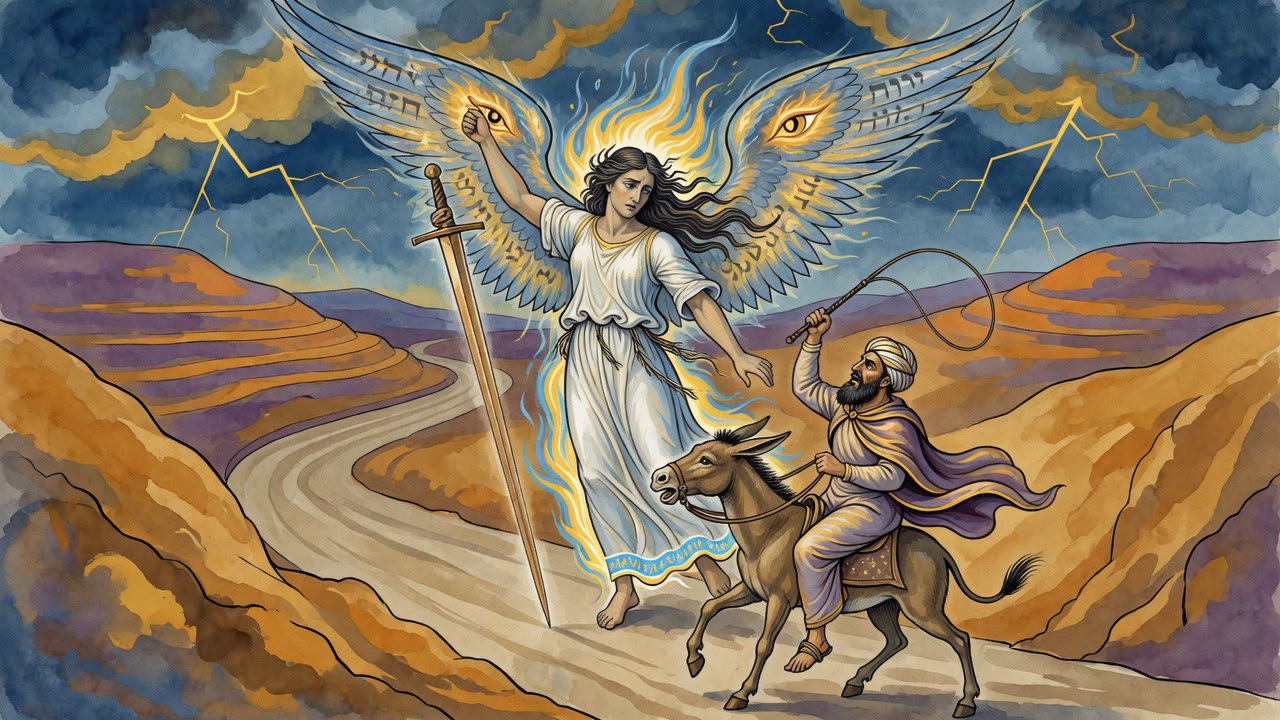
The angel blocking Balaam's road had not come to destroy him. It had come to protect him from himself. Then it said: go, if you must.
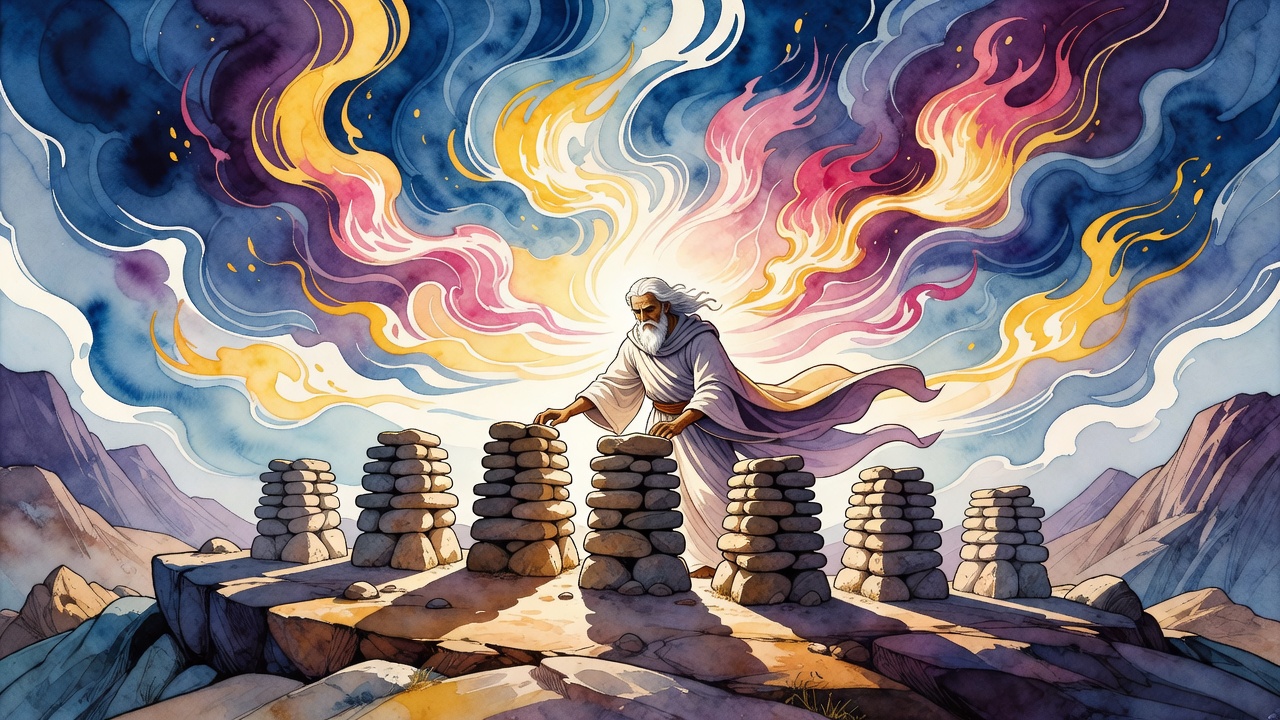
Balaam counted every altar the patriarchs had ever built, then built the same number to match their merit. God answered with a single verse about dry bread.
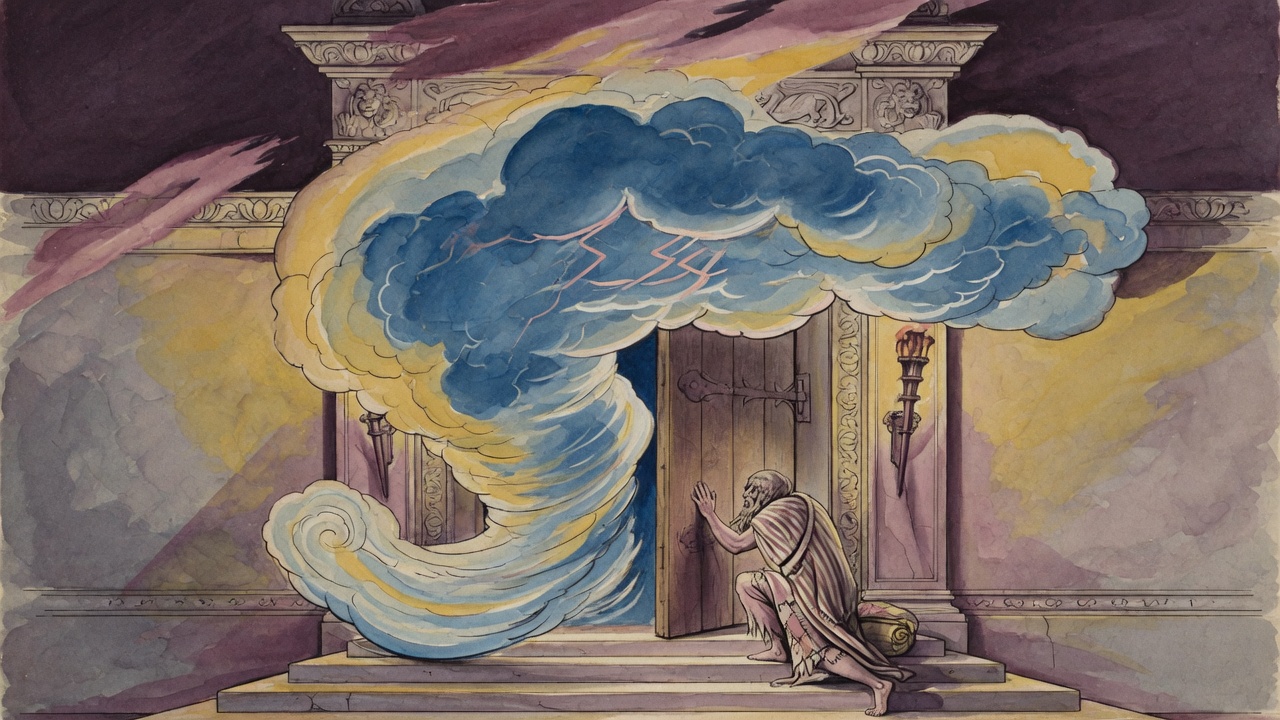
Moses walked into the Tent of Meeting when he needed a word. Balaam stood on the road. God came out to him the way a king sends coins to a beggar at the step.
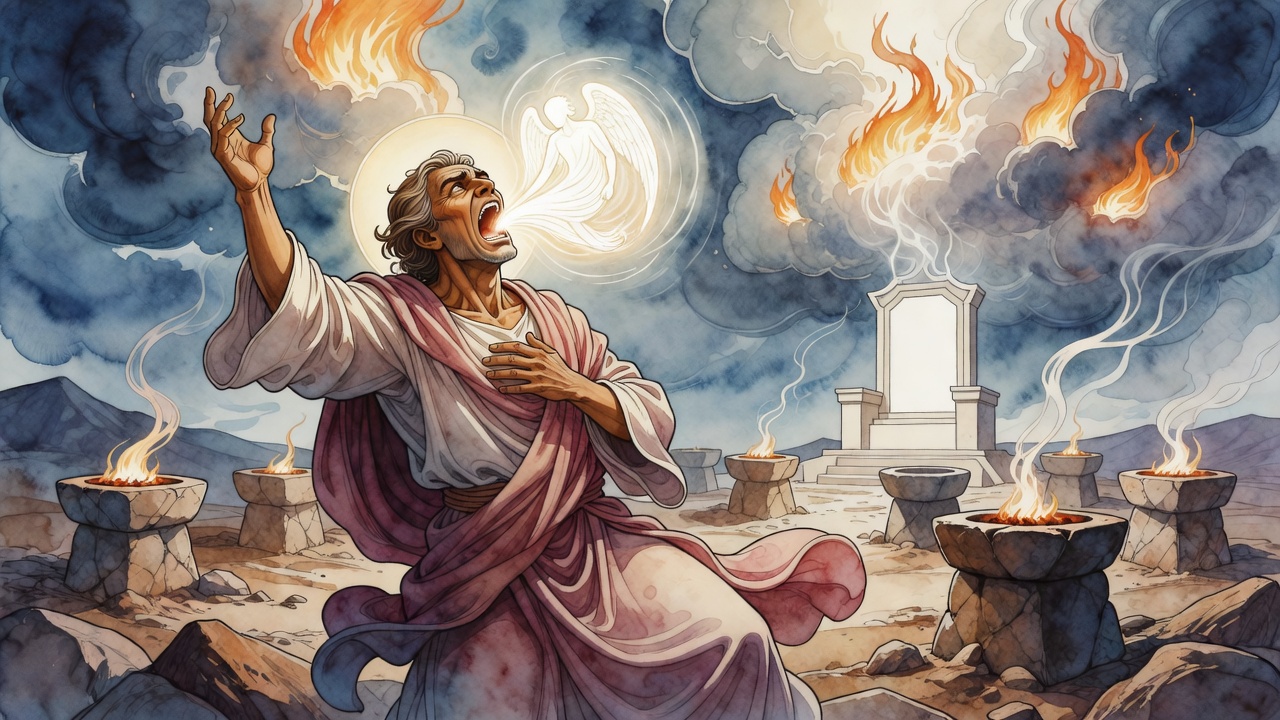
Balaam boasted before the heavenly host about his seven altars. God's response was to send an angel directly into his throat to seal his mouth from inside.
