Moses Heard the Call and Still Stayed Moses
Aaron had been prophesying in Egypt for eighty years when his younger brother was chosen. He felt no envy, and so he wore the breastplate over his heart.
Table of Contents
God called his name twice, and Moses remained exactly the man he had been.
 Click for full size
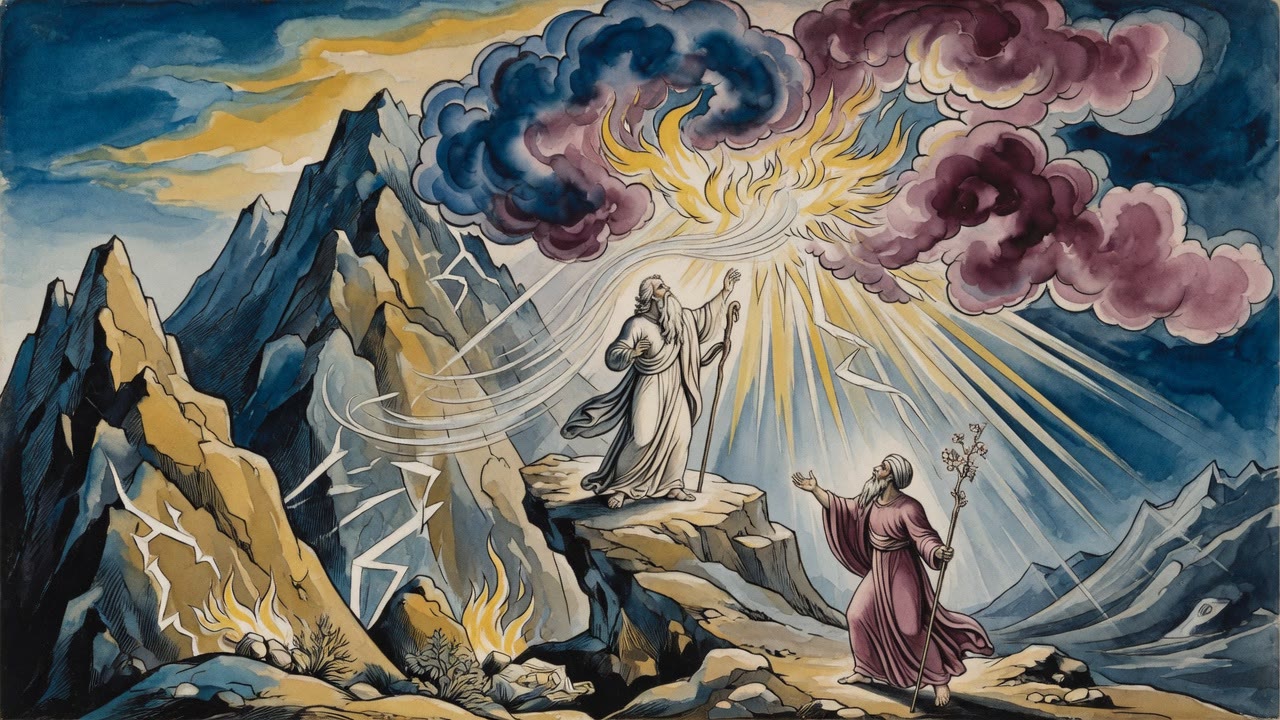
That steadiness is the whole of the teaching. At the burning bush, the divine voice called Moses, Moses, and the rabbis stopped at the repetition. He was Moses before God spoke with him, and he was the same Moses after. Prophecy did not swell his head. The closeness of the divine did not change his temperament or inflate his estimate of himself. The humble shepherd who had been tending Jethro's flocks a moment before returned to being that same shepherd after hearing the voice that breaks cedars.
The Doubled Name Did Not Make Him Larger
Rabbi Isaac taught that at every single utterance throughout his life, God called Moses, Moses, and Moses answered here I am. The bush was simply the first instance, and the first sets the pattern for everything that follows. The same availability, the same directness, the same lack of ceremony, repeated at every encounter. Prophecy entered through one end and came out without depositing pride.
Set this against Assyria. Its king conquered nations and boasted: by the strength of my hand I have done it. God answered with a sharp question through Isaiah: shall the axe boast over the one who hews with it? An axe is a tool. A king is a tool. Moses was a tool, and he knew it, and the knowledge made him useful in a way the boasting king could never be.
Aaron Had Been Prophesying for Eighty Years
When Moses pleaded at the bush, send by the hand of whoever You will send, the sages refused the reading that he was simply refusing the mission. He was protecting his brother. Aaron had been prophesying to Israel in Egypt for eighty years before Moses appeared. To arrive now as the chosen redeemer would be to step onto Aaron's ground and grieve him, and Moses could not bear the thought of his older brother's pain.
God reassured him. Aaron will feel no resentment at all. Quite the opposite: when he sees you he will rejoice in his heart. The rabbis pressed on the word heart. Aaron's joy will be in his heart, not only on his face or lips. The deepest organ confirmed what the surface expressed. And that deep, unenvious joy, the rabbis said, was the reason Aaron merited wearing the breastplate over his heart. The organ that had not envied its brother's promotion was the organ honored to carry the sacred stones forever.
The Voice That Only Moses Could Hear
Leviticus begins with a call before it gives a command: and He called to Moses. The rabbis noted that prophets can themselves be called angels, because they carry God's message the way a messenger carries a king's word. Phinehas is called an angel when the Holy Spirit makes his face burn. Haggai is called the messenger of the Lord because prophecy is itself a kind of mission.
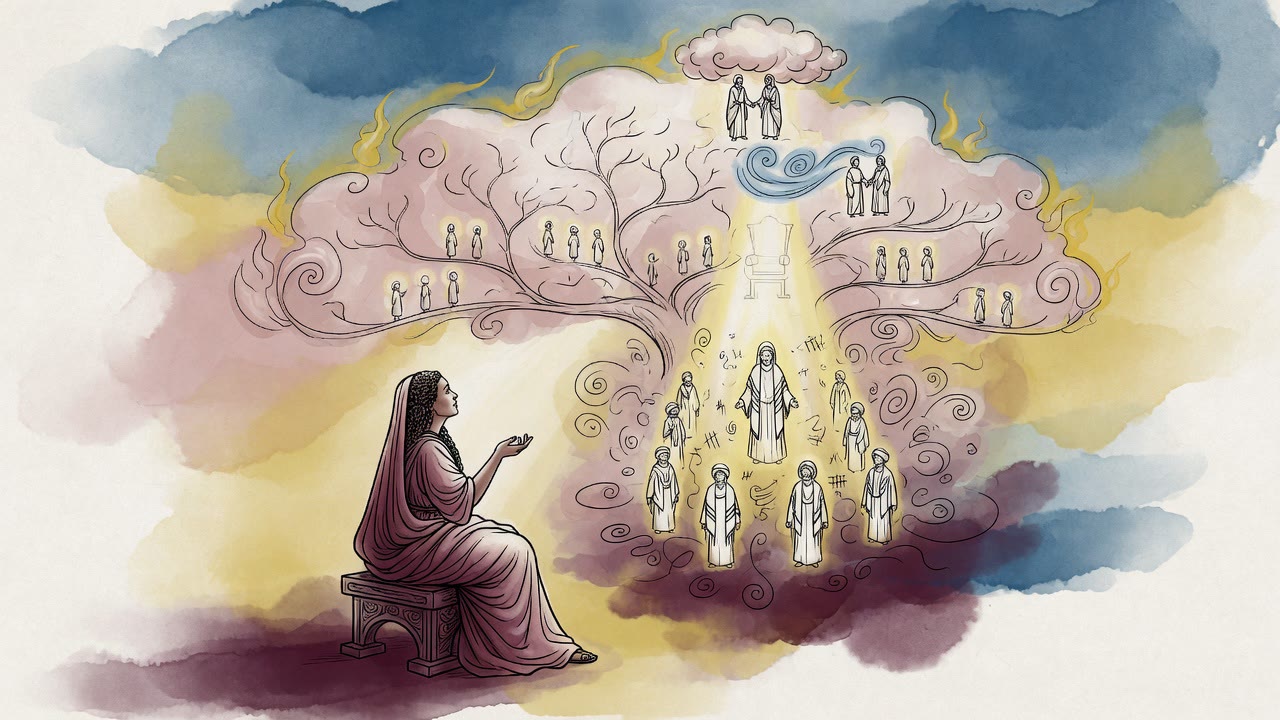
But then the teaching sharpens. At Sinai, all Israel said they would die if they heard God's voice again. Moses heard that voice alone and lived. The voice was not quieted for him. God made a path for the speech so it traveled directly to Moses and was not heard to either side. The call entered one man and did not pass through to those beside him. The same voice that the nation could not survive fell on Moses and left him standing, which was itself a kind of miracle separate from every other sign he performed.
Thirteen Places That Quietly Excluded Aaron
The opening verse of Leviticus says God spoke to him, and the sages turned that small word into a lesson about the privacy of revelation. Rabbi Judah son of Bathyra counted thirteen places in the Torah where a divine utterance seemed to address Moses and Aaron together, and thirteen matching phrases that quietly narrowed the address back to Moses alone.
This is not a slight against Aaron. It is a teaching about what made Moses singular. His closeness to the divine voice was not shared, not distributed, not ceremonial. It was a relationship of direct speech, one voice into one ear, which no other prophet in Israel matched. Aaron stood near. Aaron was beloved. Aaron served at the Tabernacle and carried the breastplate and spoke on his brother's behalf. But the call at the beginning of each utterance, Moses, Moses, belonged to Moses alone.
← All myths