8 myths
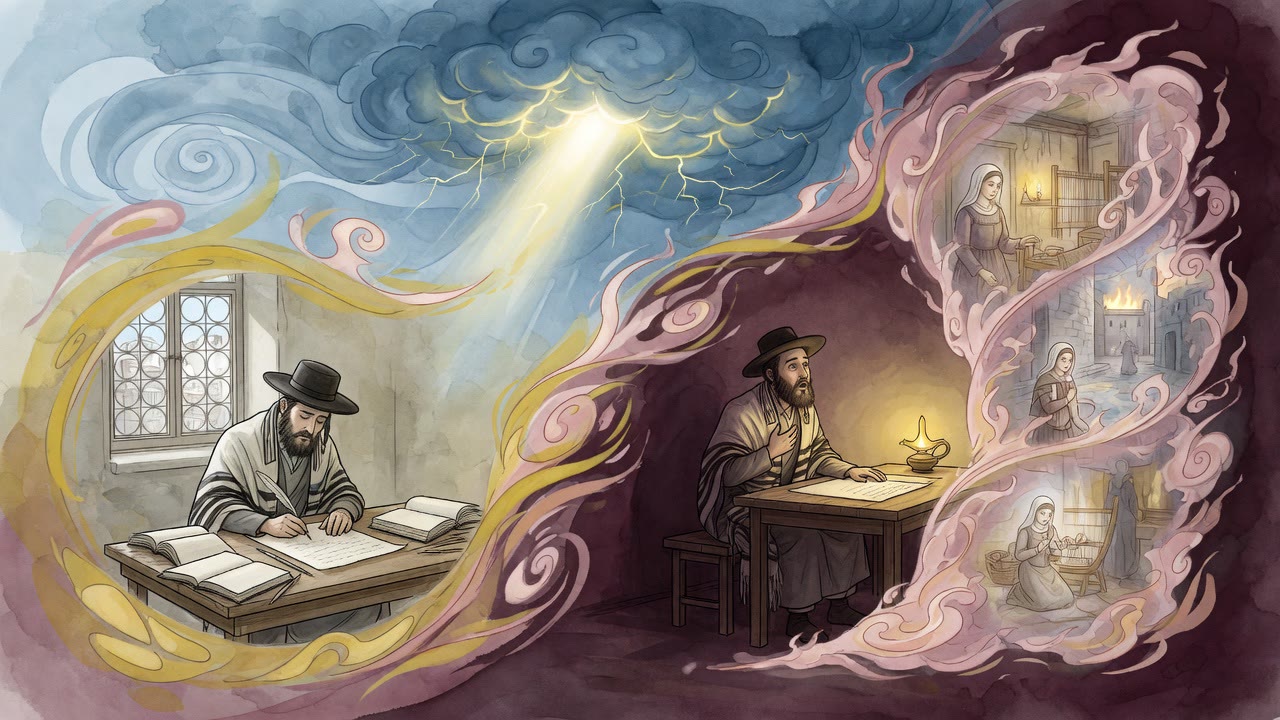
Rabbi Joseph Karo wrote the Shulchan Aruch by day and received a heavenly visitor by night. One night the maggid explained his wife's past life to him.
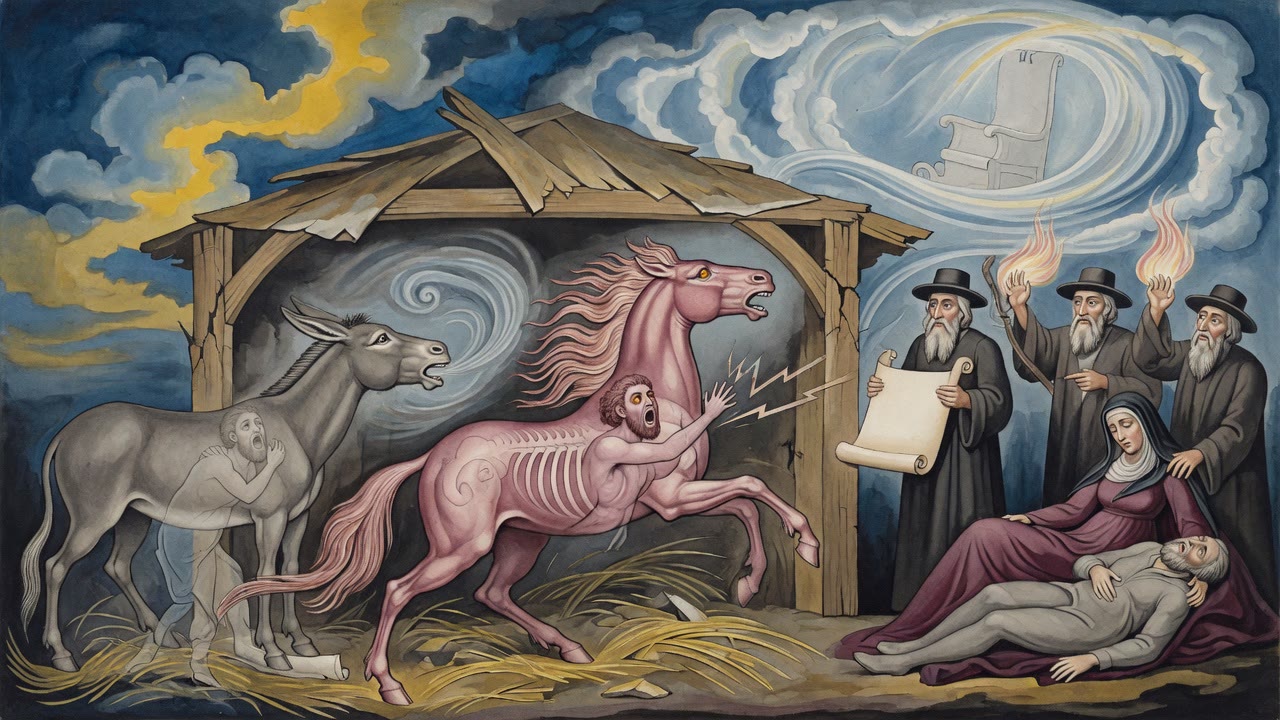
A sinner reborn as a killer filly, Ishmael's soul in a speaking donkey, a dead man in a widow. Gilgul, reincarnation made flesh, and the rabbis who set it free.
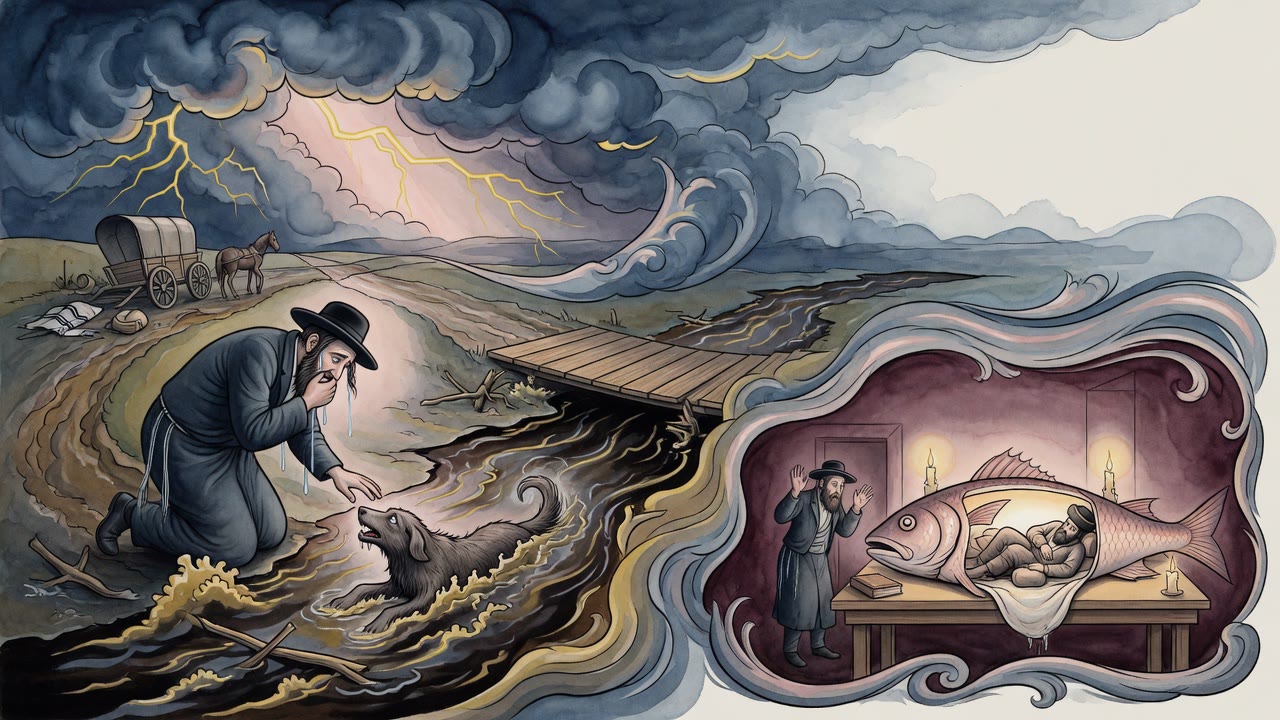
A righteous soul, loosed at death, does not rise. It slips in secret into a living man, lends him borrowed strength, and leaves when the work is done.
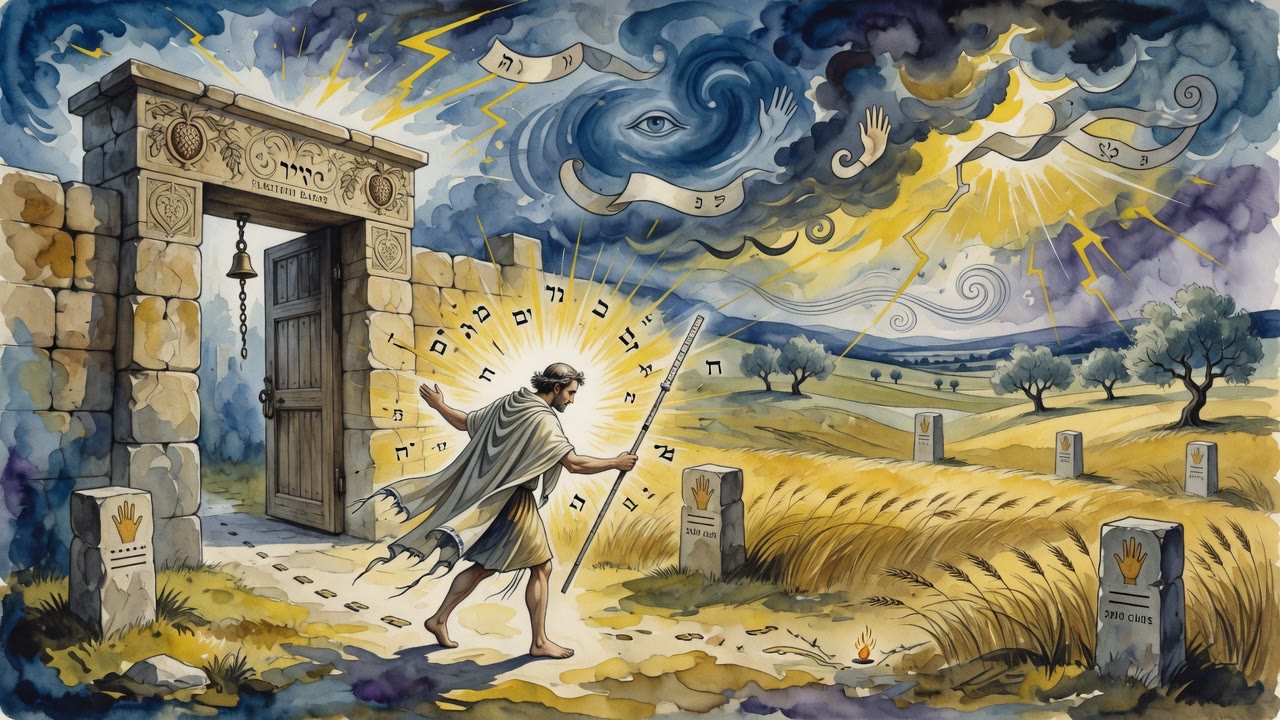
A woman carried a male soul and could not conceive until a feminine soul entered as a temporary guest. At birth the guest left her and stayed with the child.
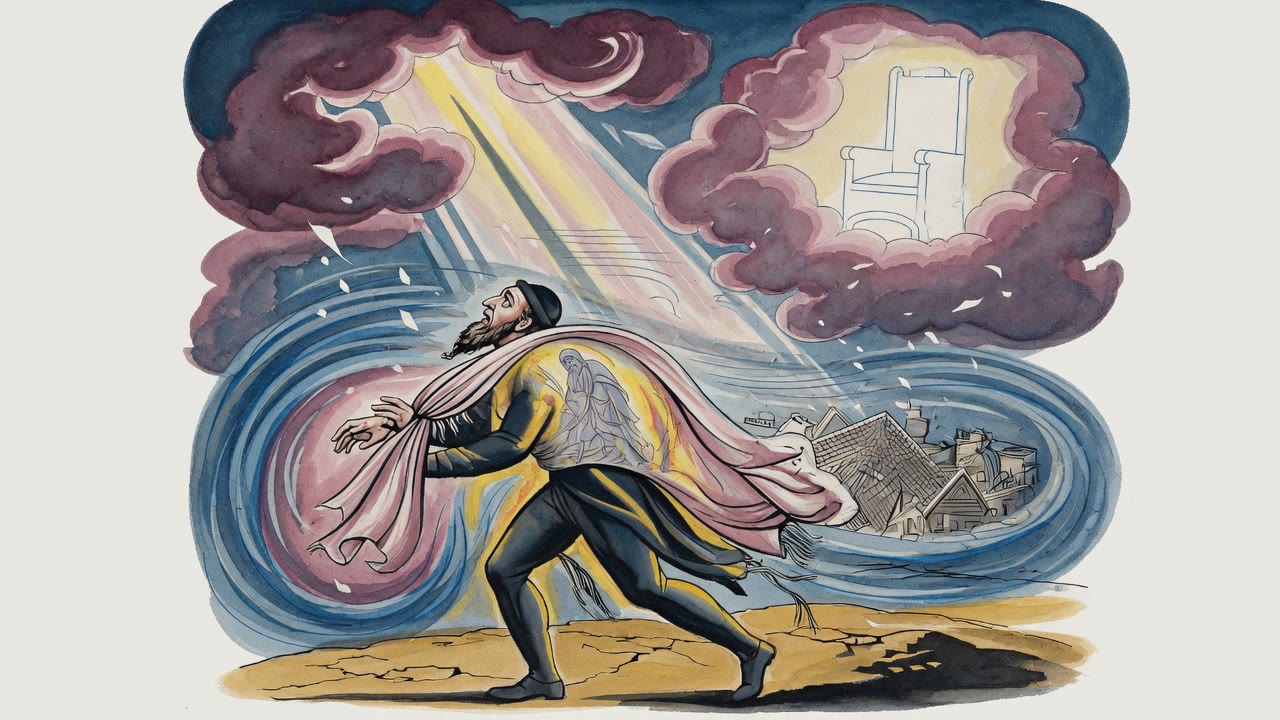
A surge of strength not his own moves through a living man. The mystics name it ibur: a dead tzaddik, a righteous soul, riding his body to finish a repair.
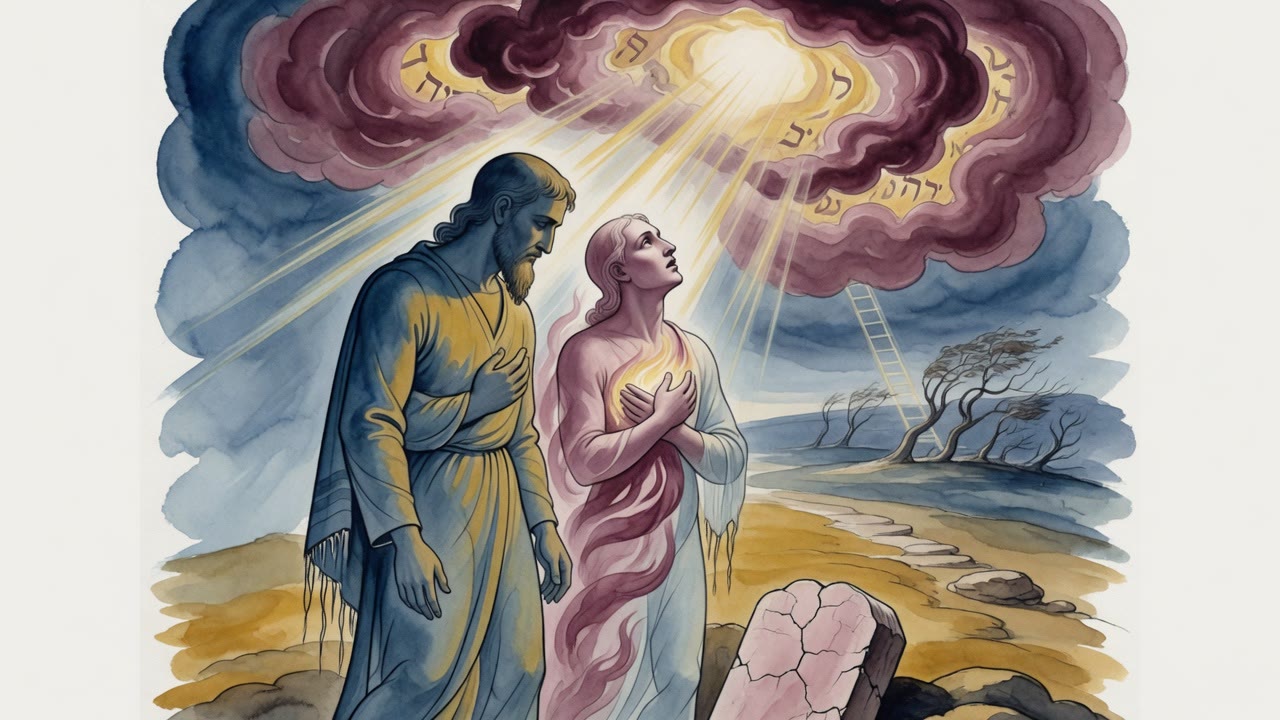
The robbers crossed the plank first. The Baal Shem Tov saw a flaming sword turning above the far bank and stepped back. A frog was standing in the mud.
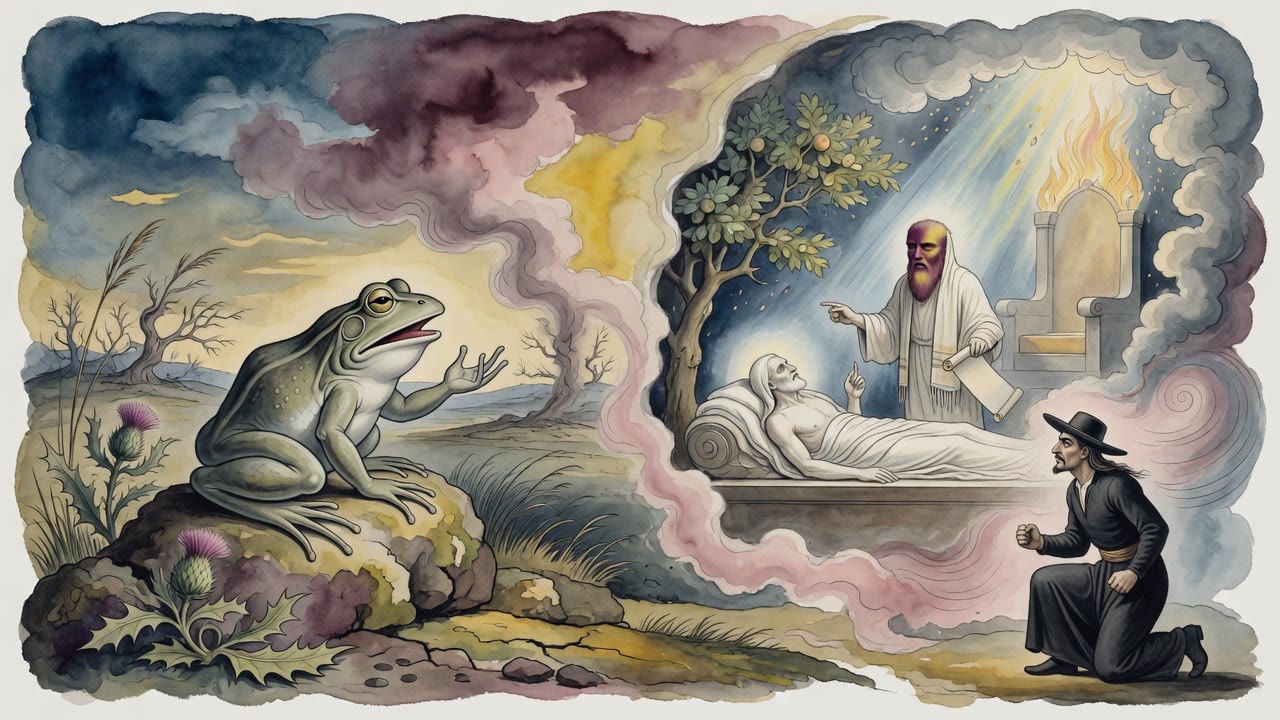
The Ari taught that a man who dies childless is sent back down, and that a second soul can ride inside a life that never learns its name.
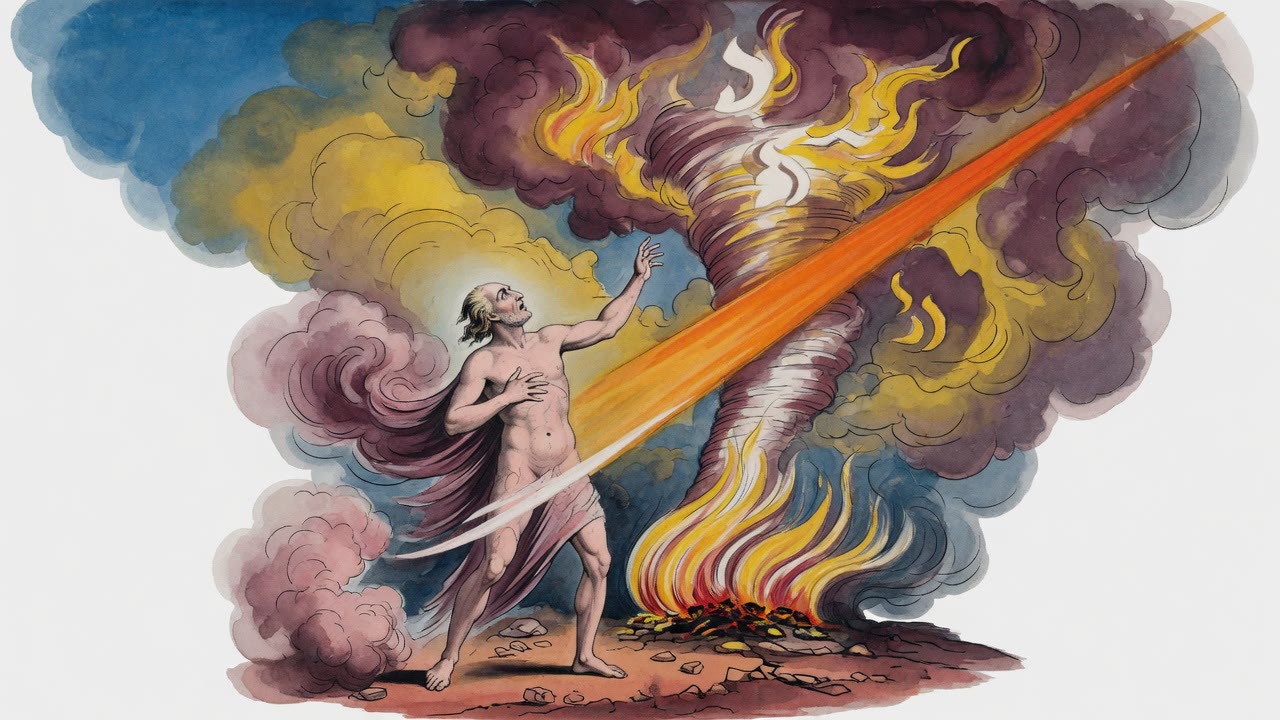
He asked for the fire. The ledger would not take him. They lifted two parts of him off like a coat and sent the rest into a new cry.
