773 texts · Page 7 of 17
It's more than just facial hair; it's a cosmic map! Think of it this way: we often talk about the attributes of God. Kindness, Judgment, Mercy... these aren't just abstract concept...
In Kabbalah, the ancient Jewish mystical tradition, we find a beautiful and intricate model for this process, personified by the figures of Abba and Imma – the Father and Mother. S...
Jewish mysticism, particularly the Kabbalah, offers a fascinating, intricate answer, one that involves divine archetypes and a cosmic dance of creation. Today, we’re going to peek ...
Kabbalah, Jewish mystical tradition, offers a pretty breathtaking answer. It all hinges on a cosmic dance, a series of divine couplings that ripple through the universe, bringing f...
In the mystical world of Kabbalah, that feeling has a name, and it's woven into the very fabric of creation. We're going to delve into some pretty profound concepts here, so take a...
Jewish mystical thought, particularly in the Kabbalah, wrestles with this idea constantly. It's about how creation itself unfolded, a process not always linear or straightforward. ...
One of the most fascinating, and perhaps most elusive, concepts is Daat (Knowledge). What exactly is Daat? It’s often translated as "knowledge," but it's so much more than just kno...
It’s called "growth towards completion." Think of it this way: A Partzuf, a divine configuration or "face" of God, isn't just static. It's dynamic. The Kalach Pitchei Chokhmah (Wis...
One such text, the Kalach Pitchei Chokhmah (Wisdom), explores this very idea. It's not exactly light bedtime reading, but trust me, the core concept is fascinating. The central ide...
Jewish mysticism often explores this very feeling, this yearning for completion, for the ultimate unity. And it's not just about individual perfection. It ripples outwards, affecti...
To one, shall we? This idea, found in the Kalach Pitchei Chokhmah (Wisdom) 138, speaks of "Couplings." Now, before your mind goes elsewhere, these aren't just any couplings. We’re ...
It’s a question that Kabbalists have wrestled with for centuries, and the Kalach Pitchei Chokhmah, a profound Kabbalistic text, offers a fascinating glimpse into this process. The ...
In Kabbalah, the ancient Jewish mystical tradition, there's a concept that speaks directly to this feeling. It’s all about preparation, alignment, and the exquisite dance between g...
Jewish mystical thought, particularly within the Kabbalah, grapples with this very question. It speaks of a profound cosmic dance, a constant interplay of energies, and the tragic ...
The Sefer Yetzirah (ספר יצירה), or "Book of Formation," is a foundational text of Jewish mysticism. It’s compact, enigmatic, and absolutely brimming with ideas about how the univer...
The Sefer Yetzirah, or "Book of Formation," is a foundational text of Jewish mysticism, attributed to the patriarch Abraham himself by some traditions! We’re going to be looking at...
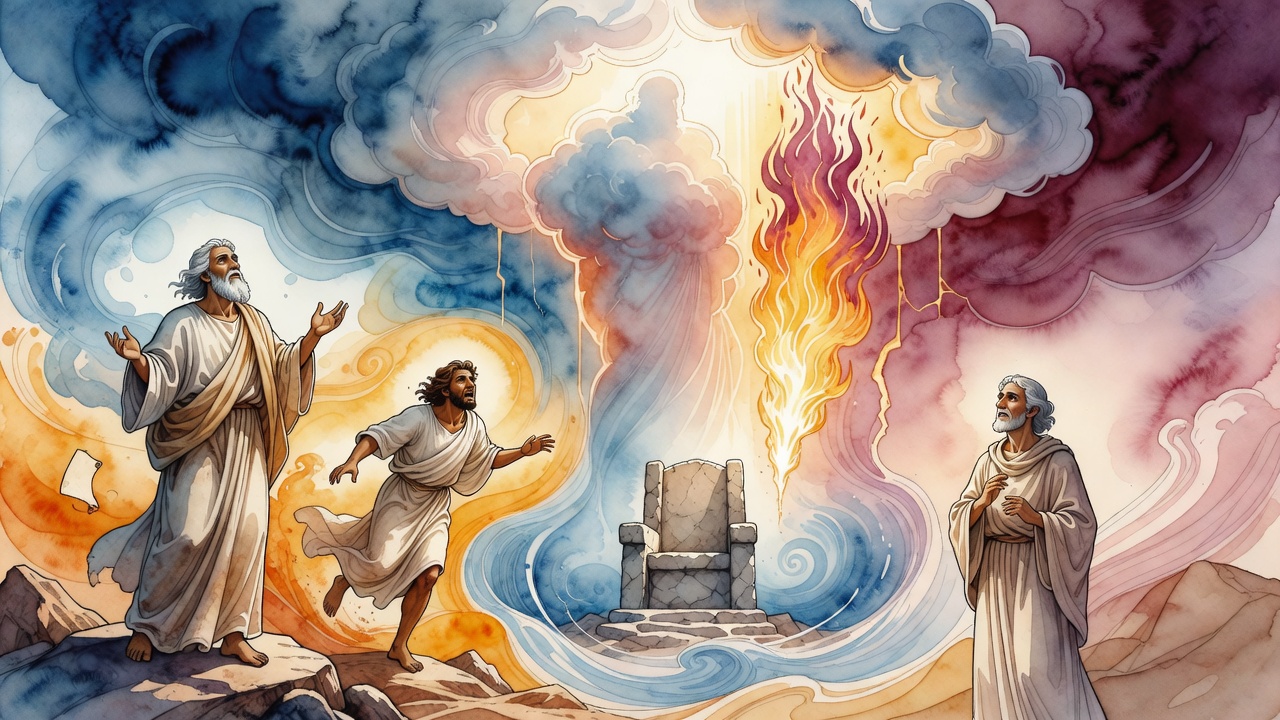
Surrounded by his closest disciples, he prepares to reveal the deepest secrets of the Kabbalah. This isn't just information; it's a transmission, a moment of intense spiritual ener...
It's more than just the physical act of sound waves entering our ears. According to the Idra Zuta, a central text of the Zohar, hearing, or rather, the capacity for hearing, is dee...
The Tikkunei (spiritual repair) Zohar, a central text of Kabbalah, explores the hidden dimensions of reality and the intricate connections between everything. And music? Music is f...
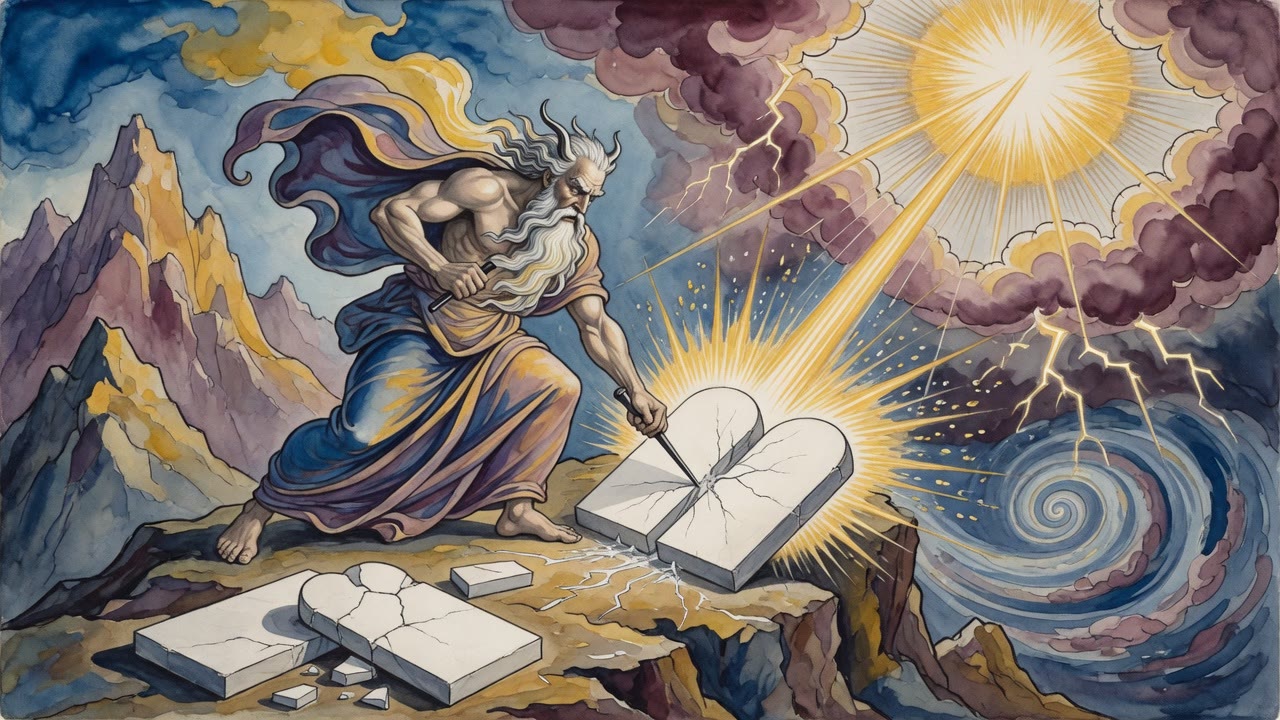
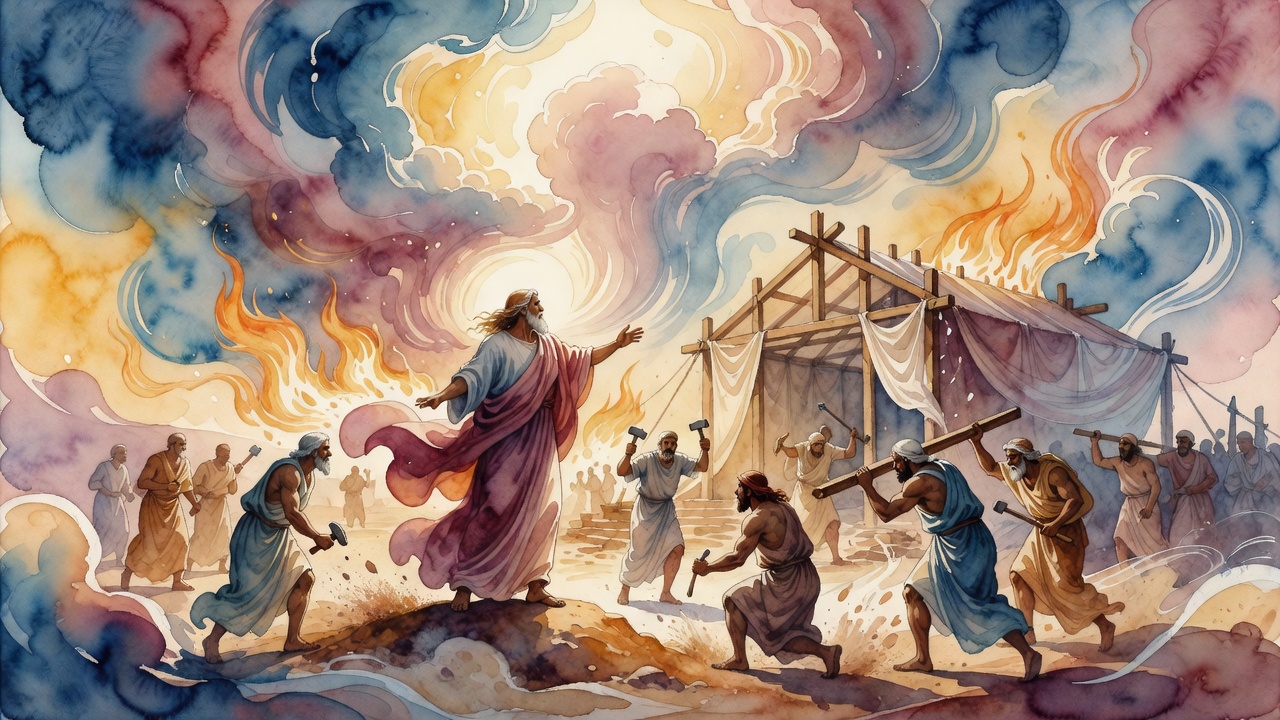
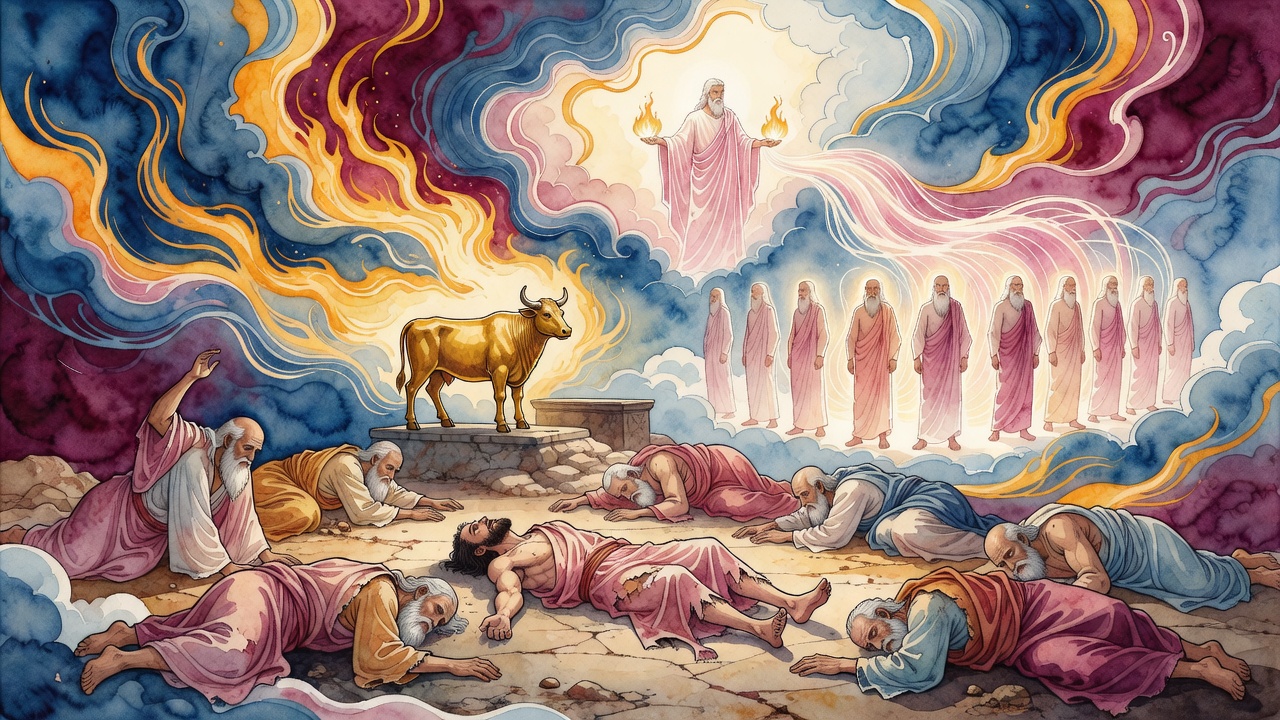
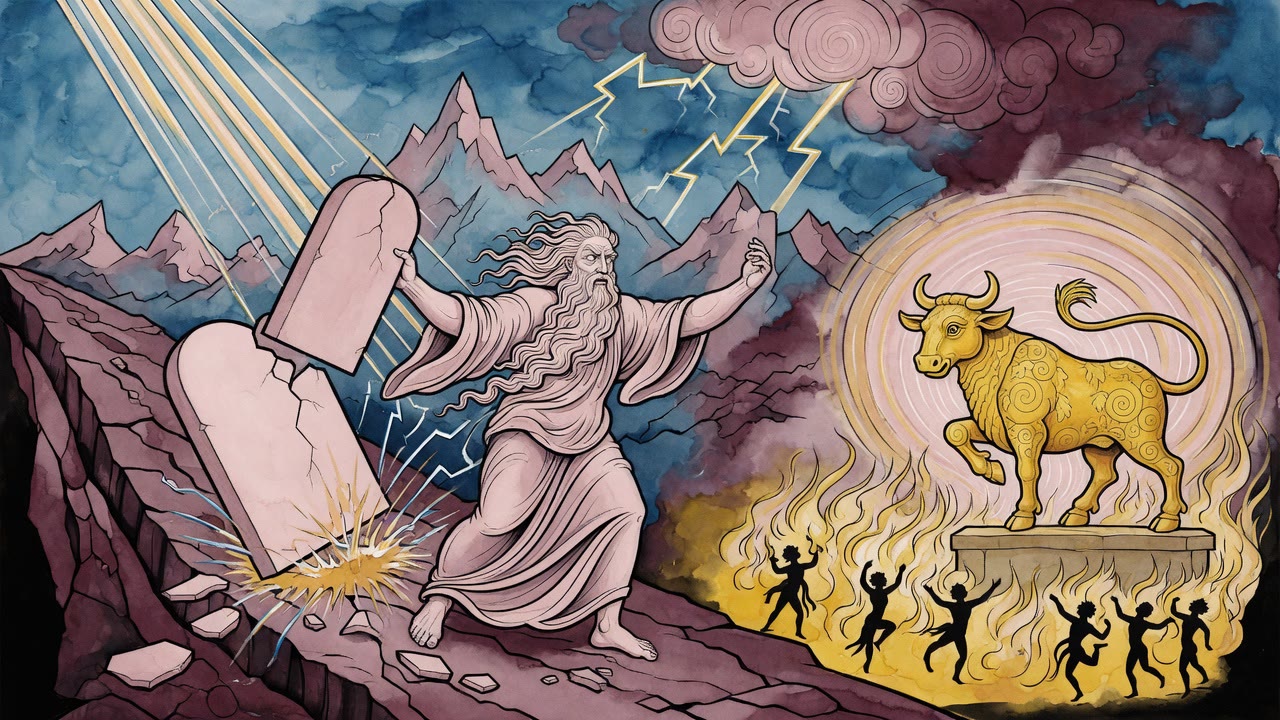
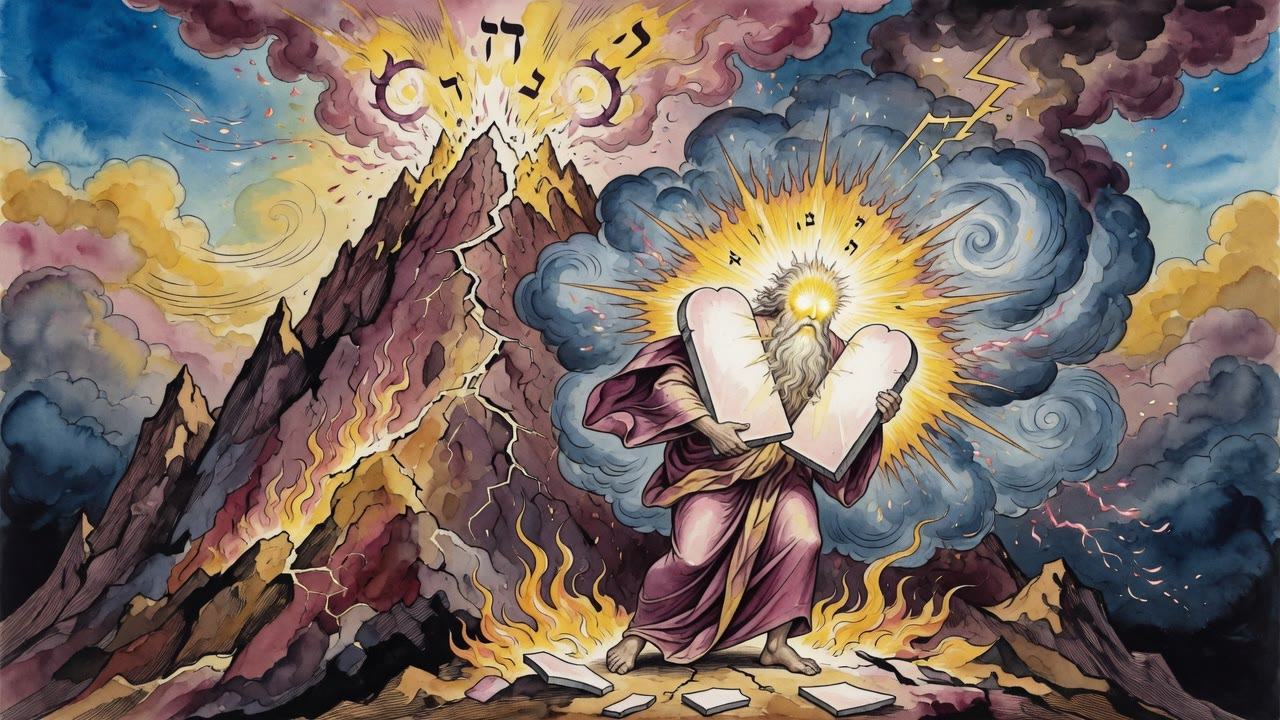
The passage in Tikkunei (spiritual repair) Zohar 56 dives deep into a pivotal moment: the sin of the Golden Calf. Remember that story? Moses is up on Mount Sinai receiving the Tora...
Sometimes, just sometimes, the mystical texts offer a glimpse, a fleeting impression of that cosmic perspective. The Tikkunei (spiritual repair) Zohar, a later, deeply esoteric exp...
Not in a literal sense, of course, but in a way that might just change how you think about connecting with the Divine. The Tikkunei (spiritual repair) Zohar, in section 89, dives d...
It’s a question that has captivated mystics and scholars for centuries. The Tikkunei (spiritual repair) Zohar, a central text of Kabbalah (Jewish mysticism), offers us some breatht...
Some say it's in ancient texts, hidden in plain sight for those with eyes to see. And of all the ancient texts, one stands out for its sheer density, its mind-bending complexity, a...
The mystics of the Kabbalah saw that same energy, that same divine voice, echoing throughout creation. And they sought to understand what it was saying. In the Tikkunei (spiritual ...
The tradition teaches that even the tiniest marks in the Torah, like the cantillation notes, the ta'amei ha-mikra, hold profound secrets. Let’s take a peek into Tikkunei (spiritual...
A future time, a moment of profound transformation linked to Shavuot, the Festival of Weeks, when we celebrate the giving of the Torah. The text tells us that on Shavuot, the peopl...
Shavuot, the Festival of Weeks. It's a holiday commemorating the giving of the Torah at Mount Sinai, a pivotal moment in Jewish history. But the Tikkunei (spiritual repair) Zohar, ...
The Tikkunei (spiritual repair) Zohar, a cornerstone of Kabbalistic literature, explores these secrets. And in Tikkun 111, we encounter a particularly intriguing idea: the Shekhina...
It seems straightforward enough, counting seven weeks from Passover until we receive the Torah. But as always with Jewish tradition, there's so much more shimmering beneath the sur...
To a fascinating passage from the Tikkunei (spiritual repair) Zohar, specifically Tikkun 289, where the human eye becomes a microcosm of the divine. The Tikkunei Zohar, a later exp...
Let’s look at one that’s always intrigued me: “Your neck is an ivory tower” from the Song of Songs (7:4). Sounds poetic, sure, but what does it mean? Well, the Tikkunei (spiritual ...
To a fascinating passage from Tikkunei (spiritual repair) Zohar 291 and see what secrets we can unlock. The passage begins with a seemingly simple phrase: "Your neck." But in the m...
"Yitro, the priest of Midian, heard all that God had done for Moses and His people Israel" (Exodus 18:1). What exactly did Yitro hear? Rabbi Levi Yitzchak of Berditchev says he hea...
"You will prostrate yourselves from a distance" (Exodus 24:1). Rabbi Levi Yitzchak of Berditchev reads this verse not as a physical instruction about how far to stand from Mount Si...
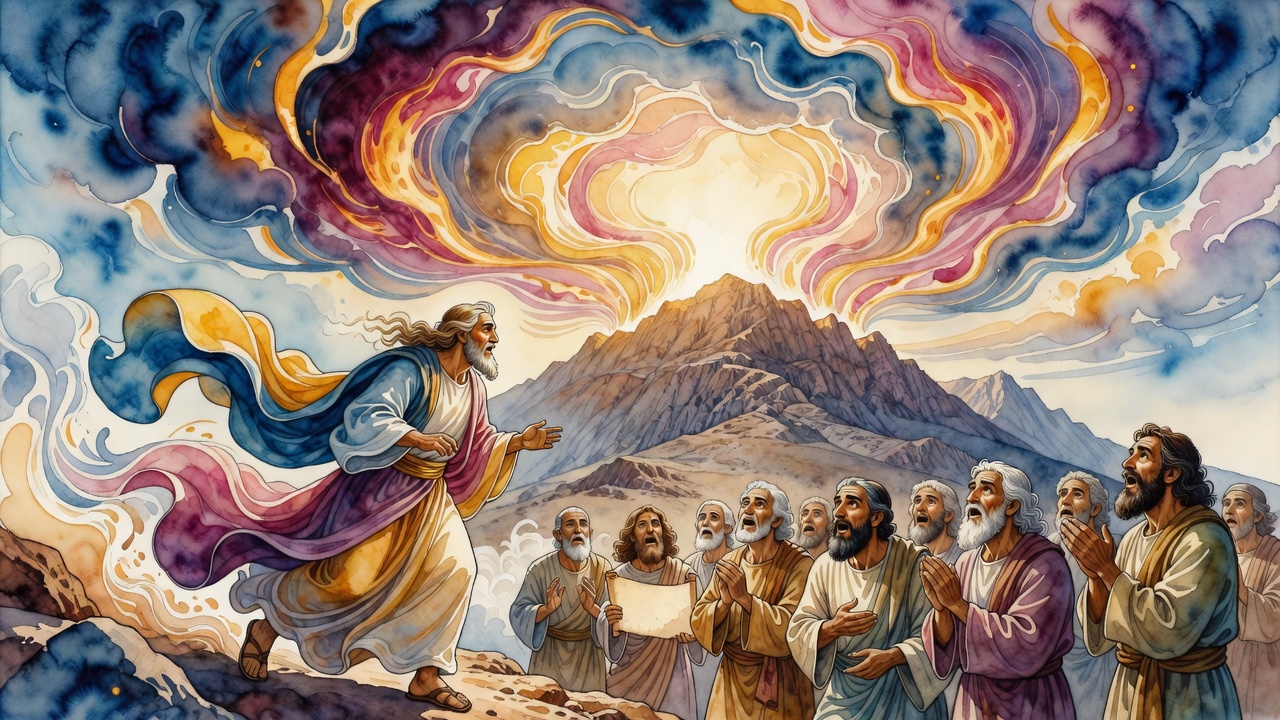
"And Moses went up to God" (Exodus 19:3). Rebbe Elimelech of Lizhensk, commenting on Parashat Yitro, draws a distinction between two kinds of righteous people—and explains why Mose...
When God offered the Torah to the Israelites at Mount Sinai, the entire nation responded with one of the most remarkable declarations in all of Scripture. As the Mekhilta explains,...
Rebbi (Rabbi Yehudah HaNasi) raises a fascinating question about the communication chain at Sinai. What exactly did God tell Moses to relay to Israel, and what did Israel say to Mo...
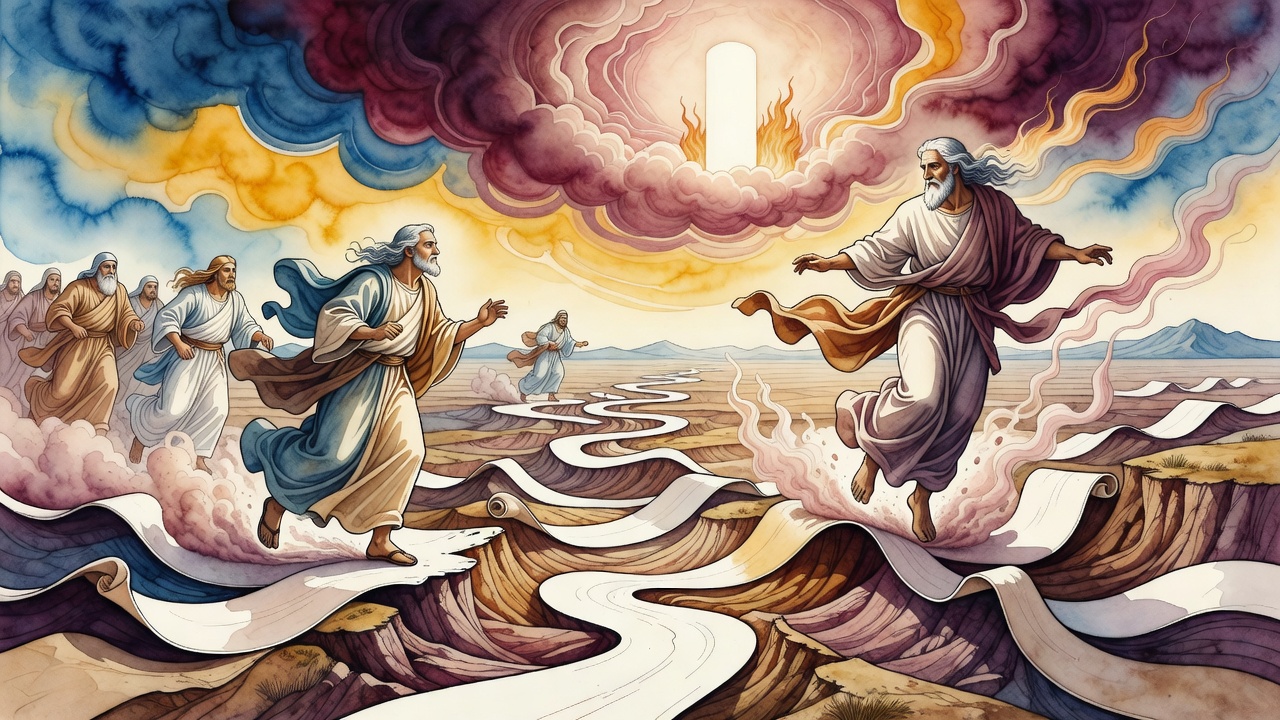
When God prepared to give the Torah at Sinai, Moses served as the intermediary, carrying messages between heaven and the people camped at the foot of the mountain. But according to...
God told Moses to have the people ready "for the third day" (Exodus 19:11), and the Mekhilta identifies this as the sixth day of the month of Sivan — the day on which the Torah was...
The Torah states that "when the ram's horn sounds" the people may ascend Mount Sinai (Exodus 19:13). The Mekhilta reads this literally: when the shofar "draws out" its sound — when...
The Mekhilta DeRabbi Yishmael draws a legal ruling from God's command to the Israelites before the revelation at Sinai: "Do not draw near to a woman" (Exodus 19:15). Moses delivere...
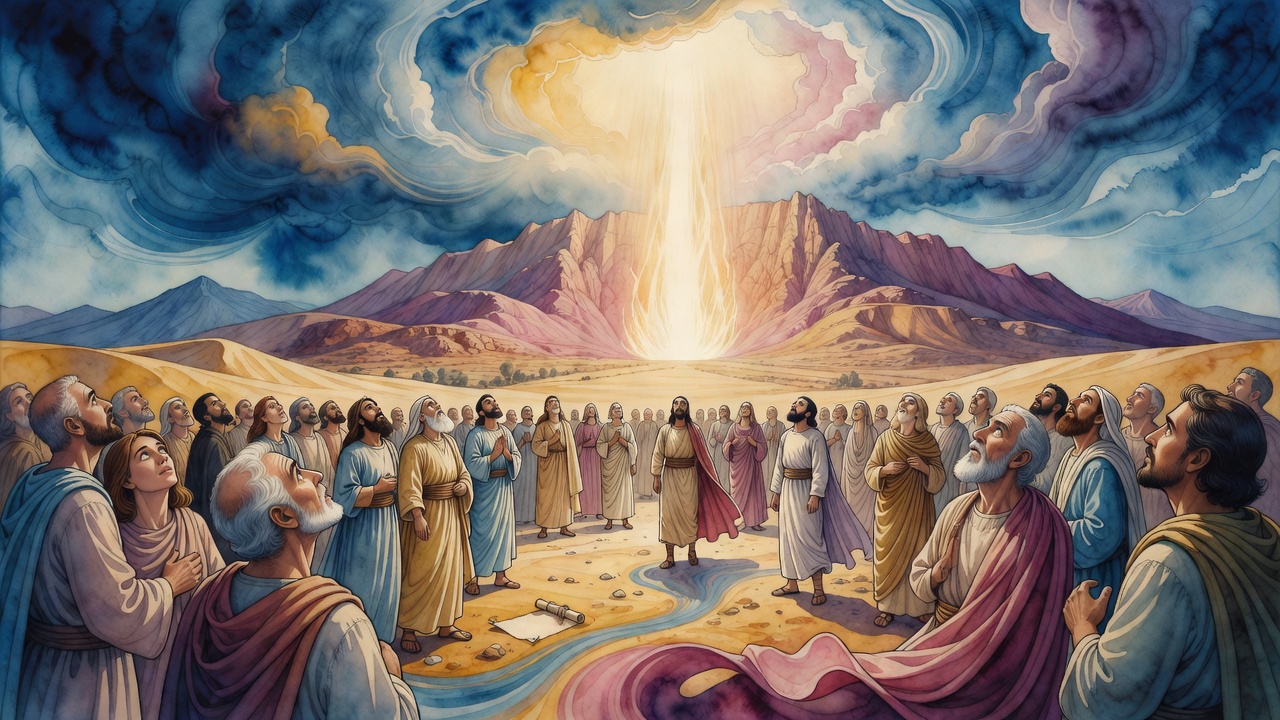
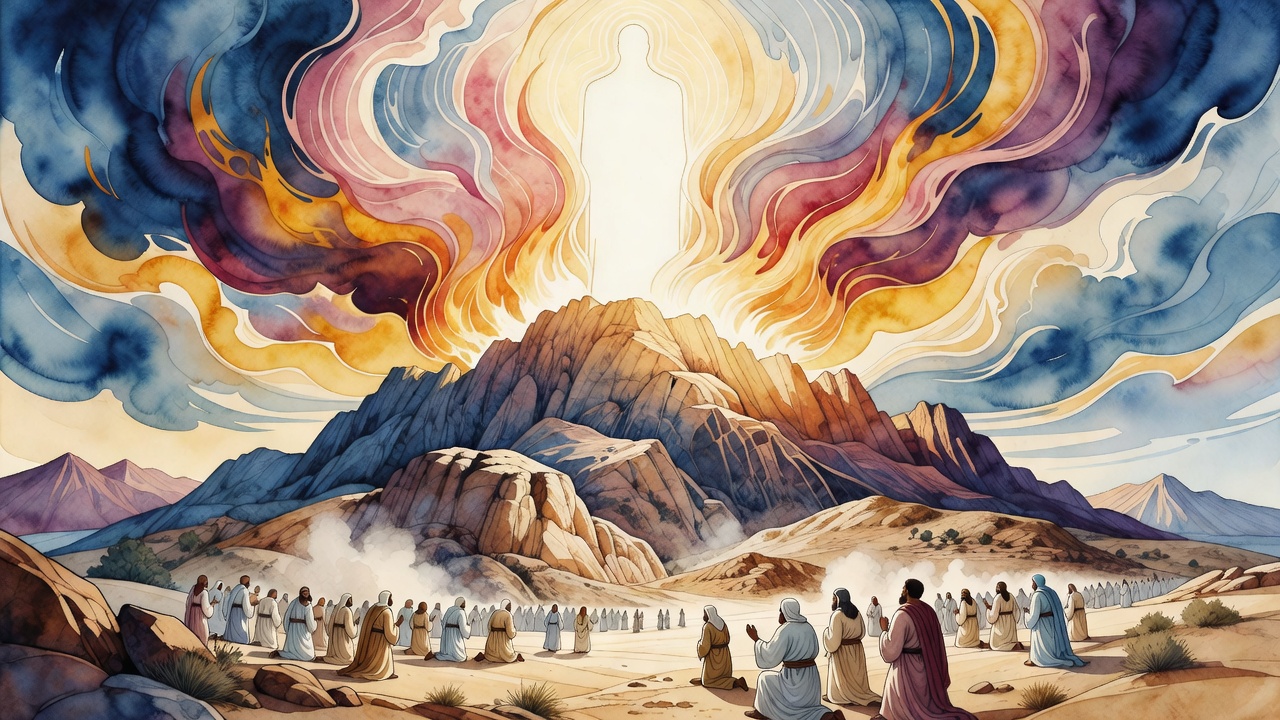
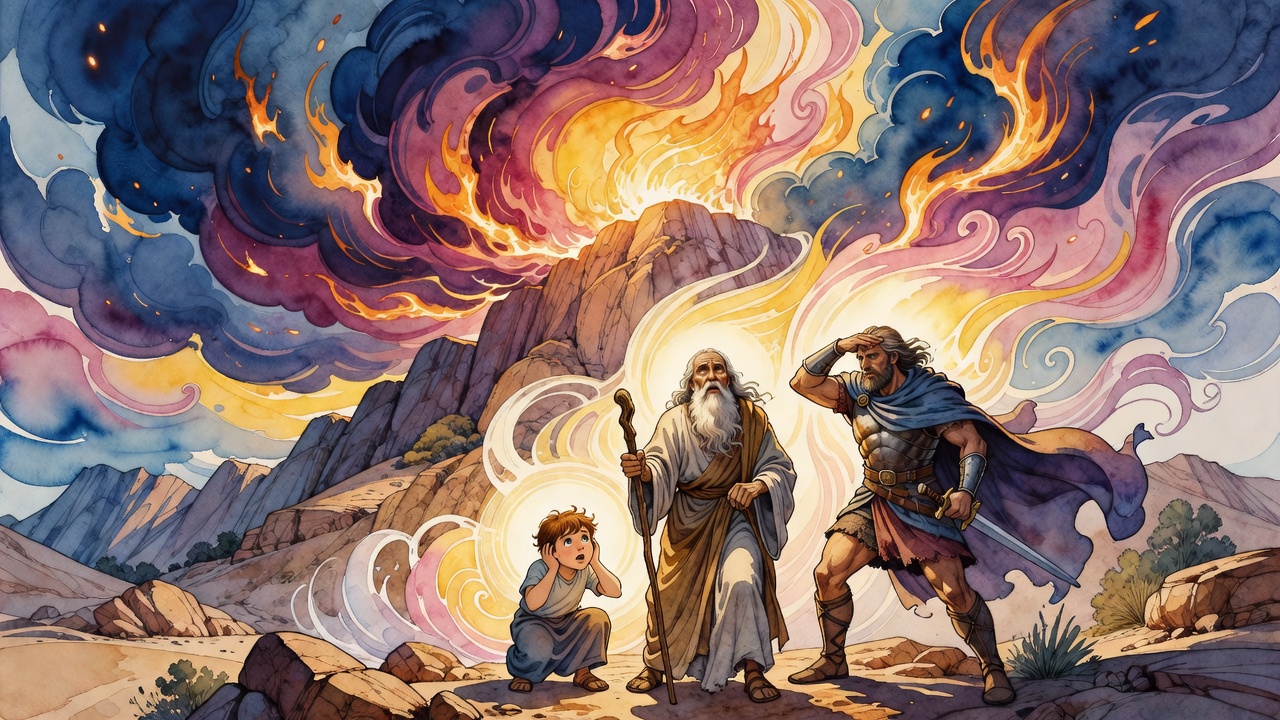
When God descended upon Mount Sinai to give the Torah, the mountain erupted with phenomena that defied nature. The Mekhilta de-Rabbi Ishmael pauses on the word "lightnings" in (Exo...
"And the sound of the shofar, very strong" (Exodus 19:16) — the Mekhilta connects this to a later verse (Exodus 19:19): "And the sound of the shofar grew exceedingly strong." Toget...
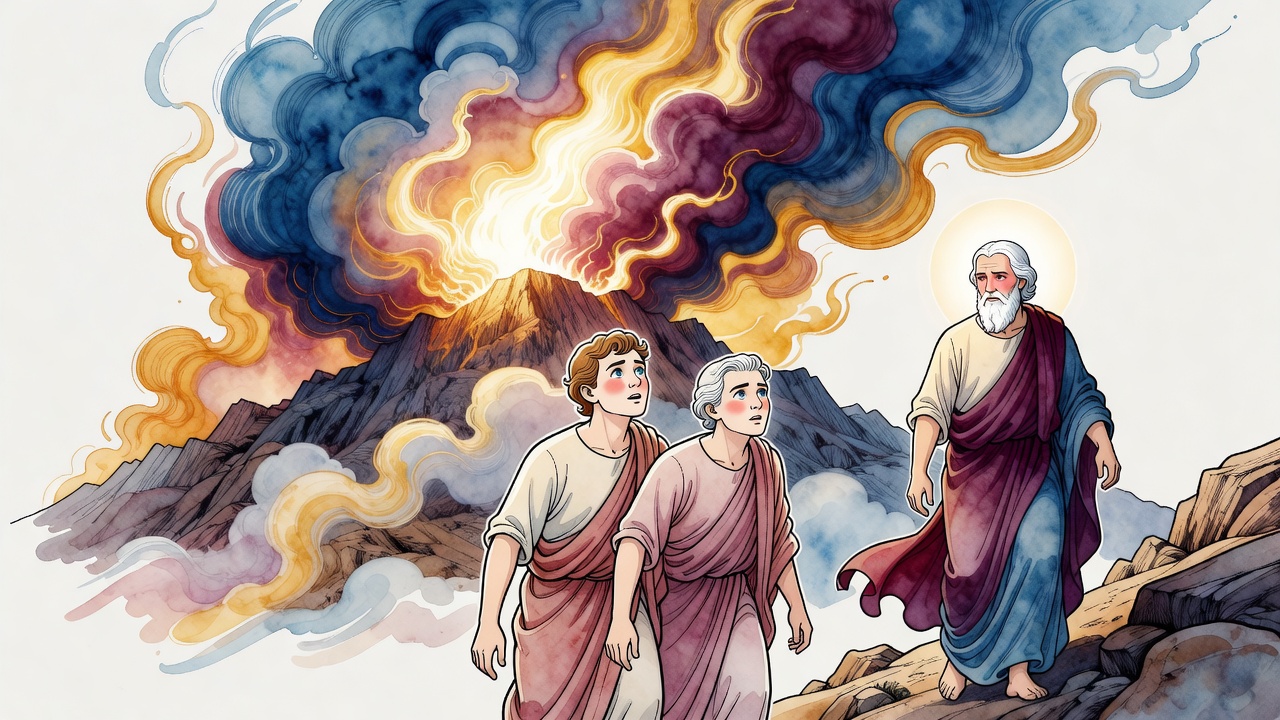
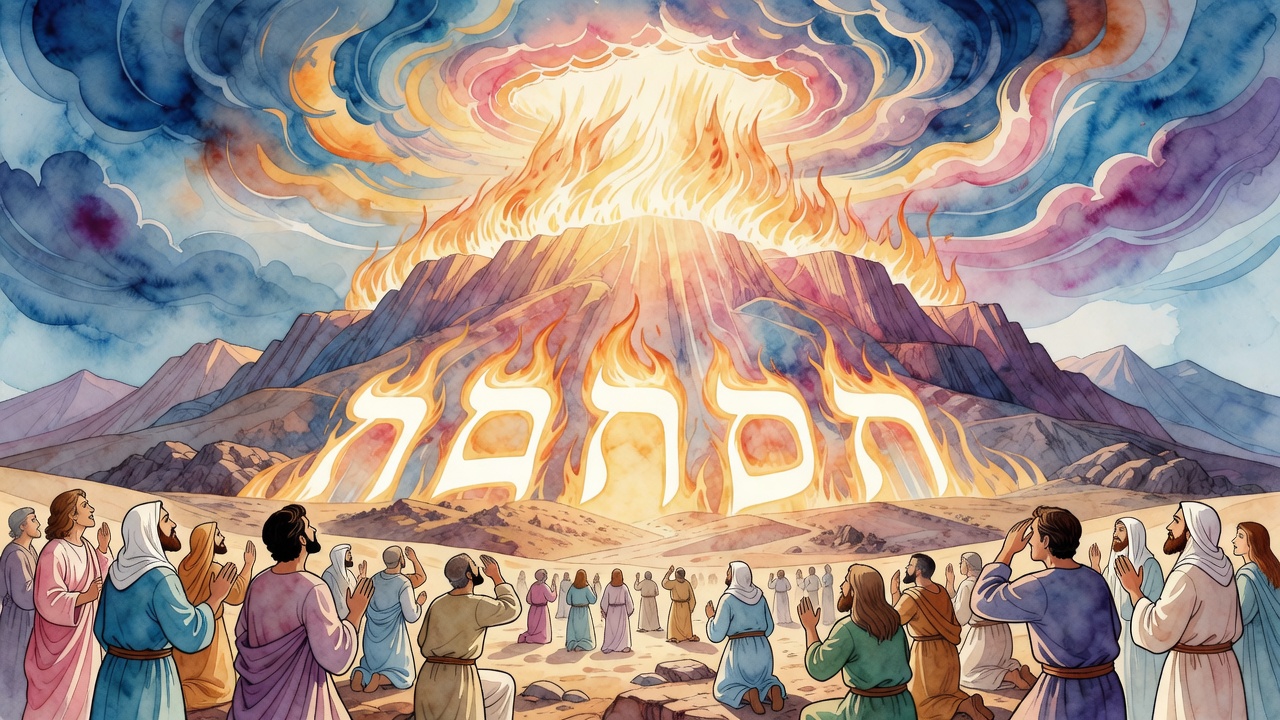
(Exodus 19:18) "And the whole of Mount Sinai smoked": I might think the place of the divine Presence alone; it is, therefore, written "the whole." "for the L–rd had come down upon ...
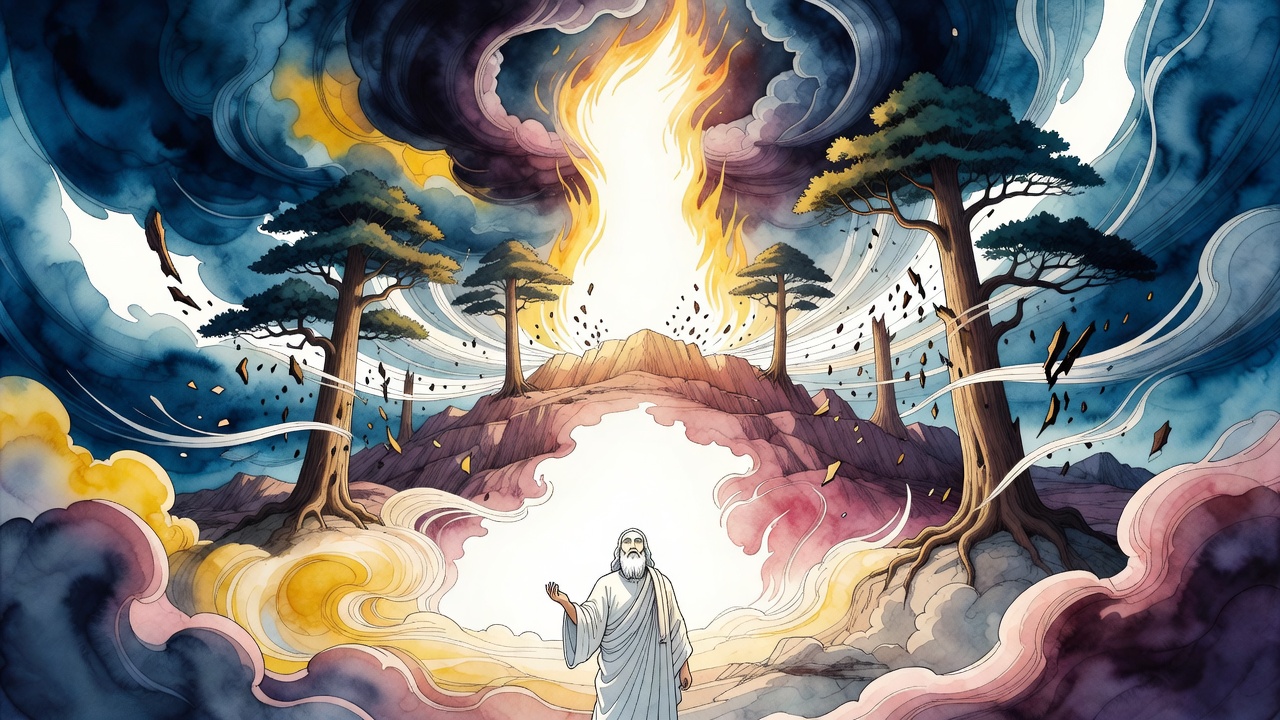
"And its smoke rose like the smoke of a lime kiln" (Exodus 19:18) — this is how the Torah describes Mount Sinai when God descended upon it. But the Mekhilta immediately senses a pr...
The Mekhilta DeRabbi Yishmael tackles a puzzling question about the Ten Commandments. If all ten were spoken individually, why does the Torah present them as a unified declaration ...
Before God gave a single commandment at Sinai, He made a remarkable statement that the Mekhilta preserves as a kind of divine negotiation. "I am the Lord your God," He declared. Th...