773 texts · Page 8 of 17
Rabbi Shimon ben Yochai reads the second commandment, "There shall not be unto you any other gods before My presence," as the conclusion of a divine dialogue that began long before...
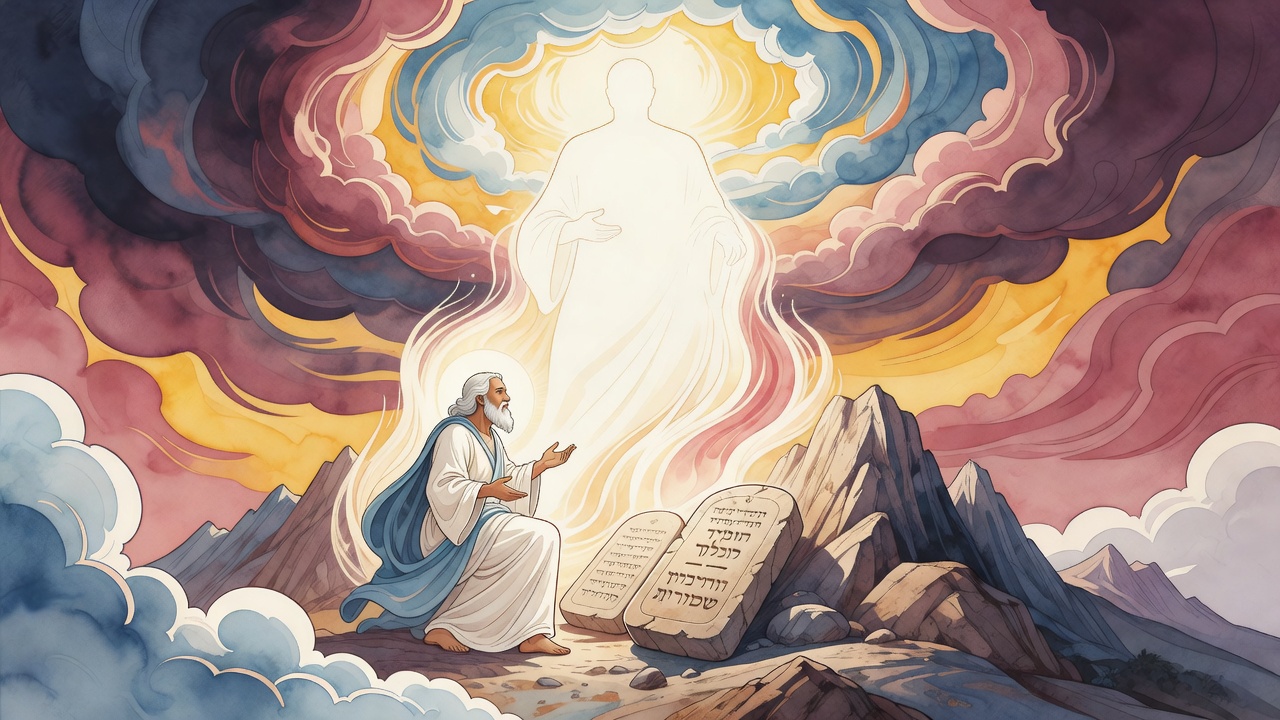
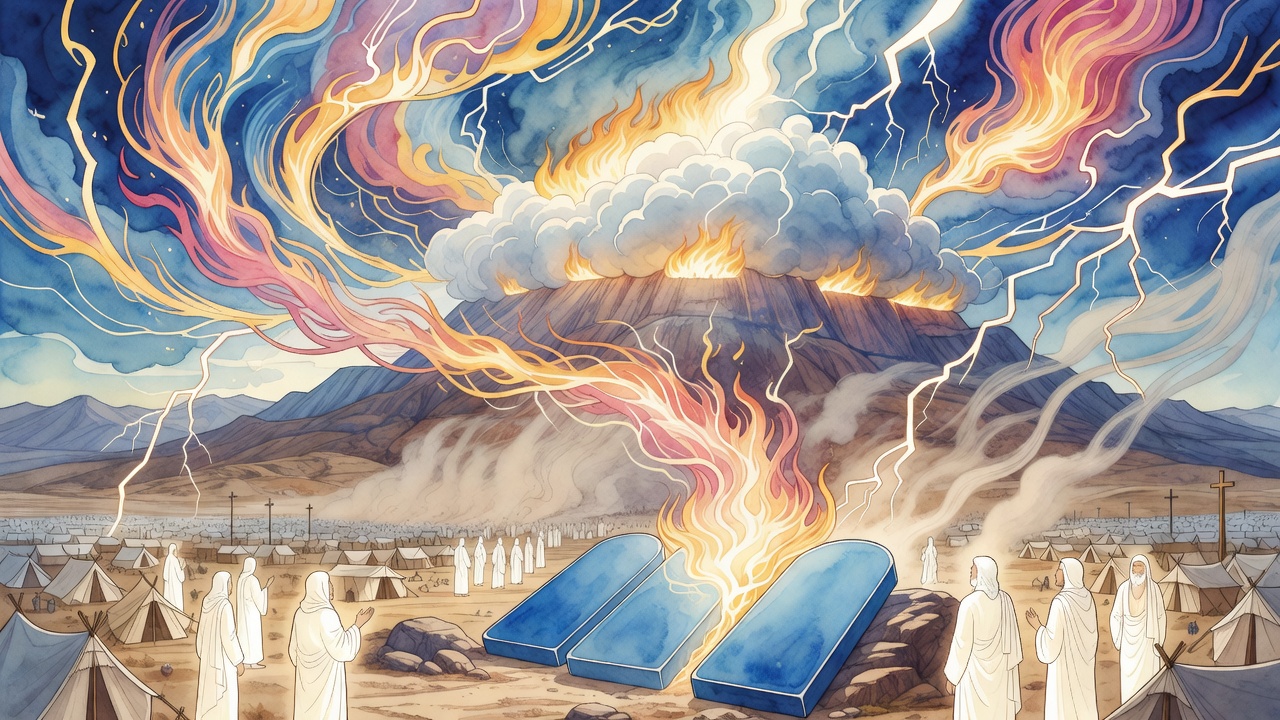
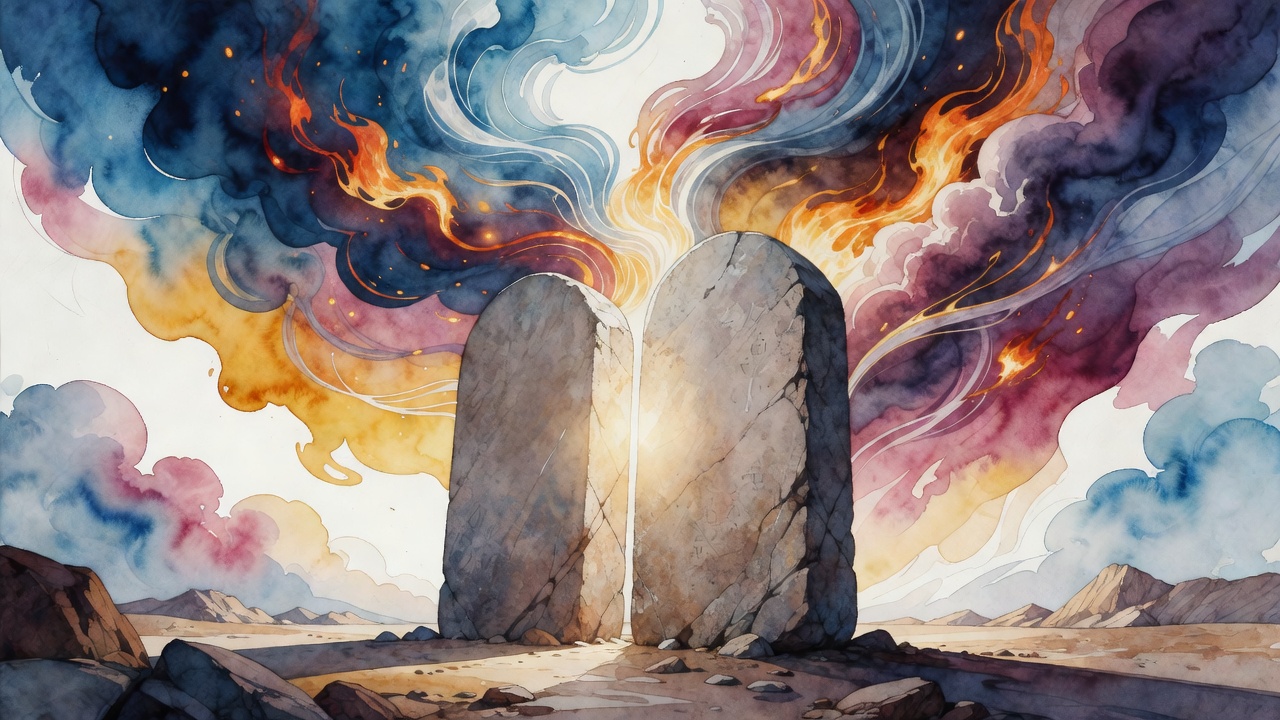
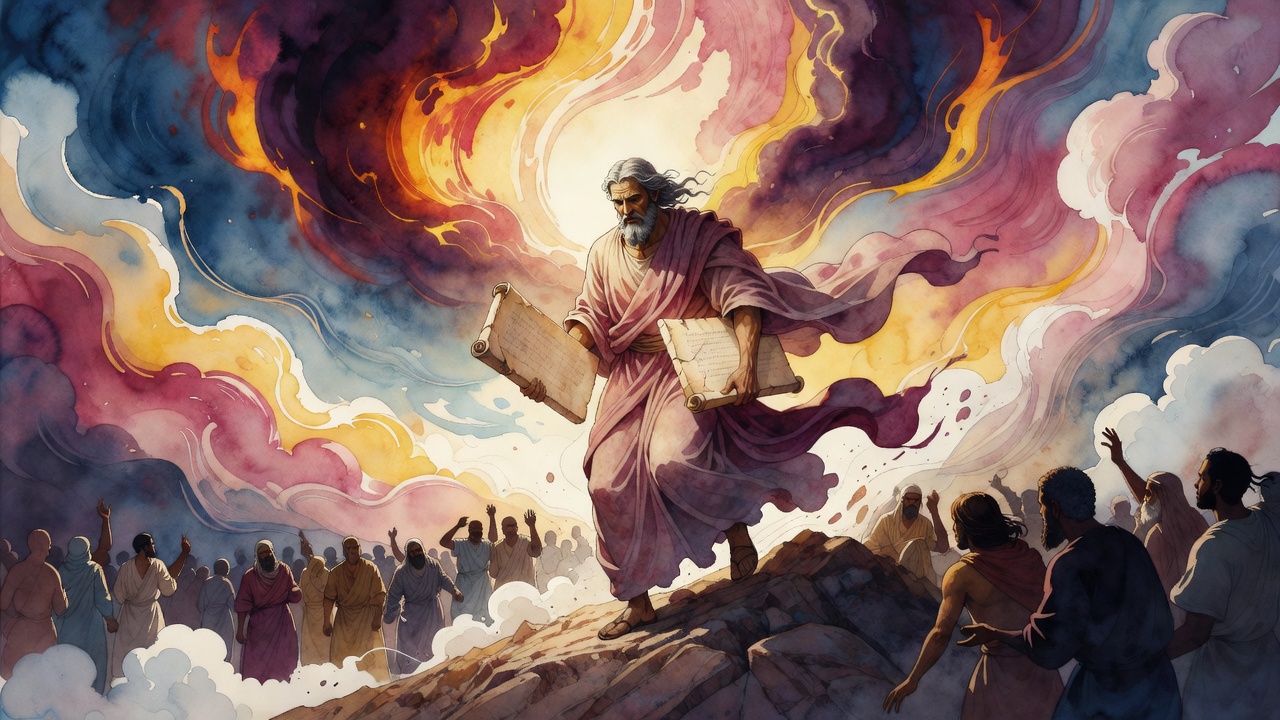
The Mekhilta DeRabbi Yishmael poses a deceptively simple question: how were the Ten Commandments arranged on the two tablets? The answer reveals a hidden moral architecture within ...
(Exodus 20:17) says that God came to Sinai "in order to exert you." The Mekhilta reinterprets this: "exert" actually means "to make you great." God's arrival at Sinai was not meant...
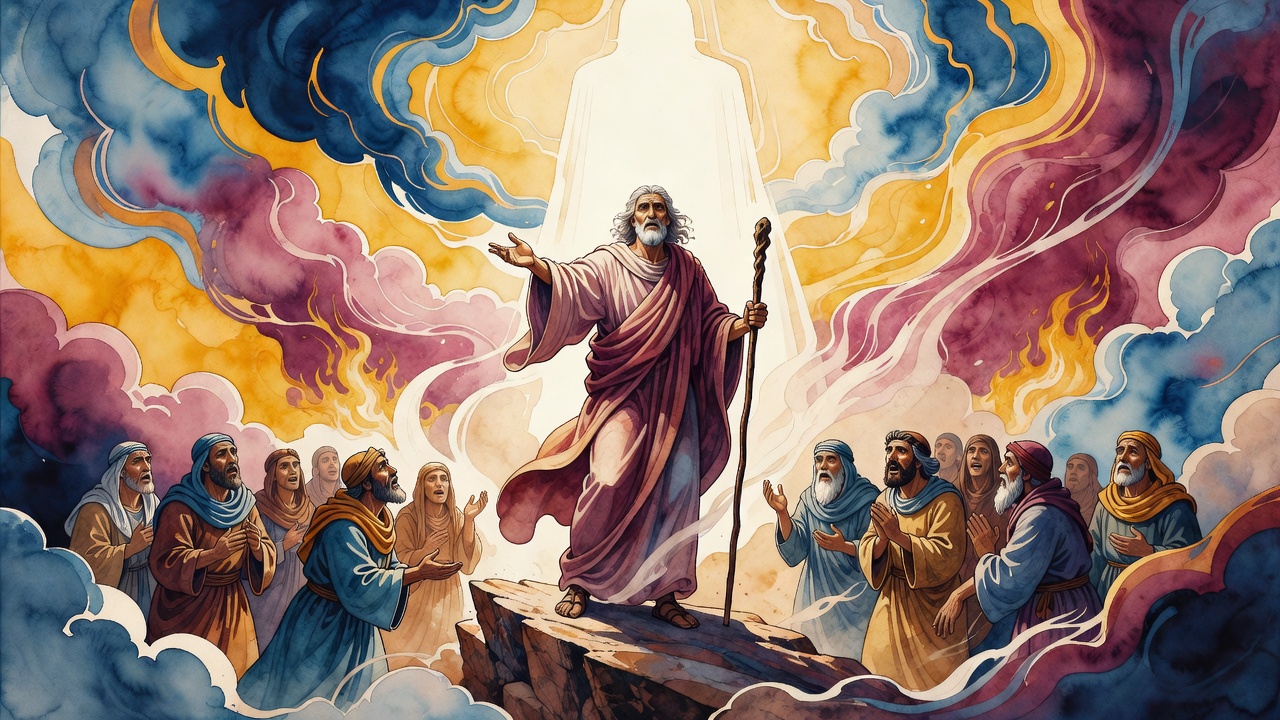
After the overwhelming experience of hearing God's voice at Sinai, the Israelites retreated. (Exodus 20:18) records: "And the people stood from afar." The Mekhilta specifies the di...
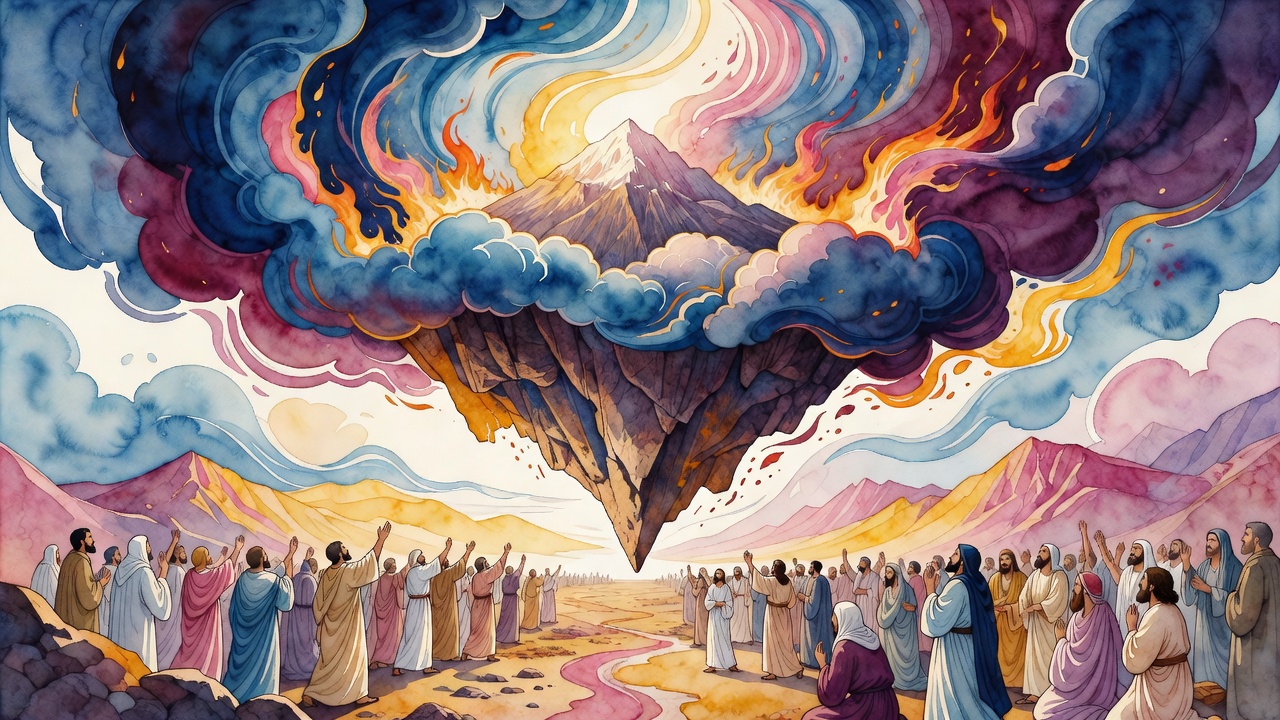
Two biblical verses about Sinai appear to contradict each other directly. (Exodus 20:19) says God spoke "from the heavens." But (Exodus 19:20) says "the Lord went down upon Mount S...
Rebbi — Rabbi Yehudah HaNasi — grappled with a verse that seems to describe God physically descending to Mount Sinai. (Exodus 19:20): "And the Lord went down upon Mount Sinai upon ...
Issi ben Akiva raises a profound moral question about the scope of the prohibition against murder. Before the Torah was given at Sinai, he argues, humanity was already warned again...
The Mekhilta raises a fascinating question about the relationship between laws that existed before the giving of the Torah at Sinai and those that were introduced at Sinai itself. ...
Midrash Mishlei, a collection of insightful teachings on the Book of Proverbs, begins to unpack this idea with a profound statement: “The fear of the LORD is the beginning of knowl...
The ancient texts grapple with this very idea, and there's perhaps no better example than the story of Joseph and his brothers. Midrash Mishlei, a collection of rabbinic teachings ...
The Midrash Tehillim, a collection of rabbinic teachings on the Book of Psalms, offers a fascinating glimpse into this very question. "But his delight is in the law of the Lord," s...
It draws a powerful parallel between water and Torah, showing how both are essential for life, growth, and well-being. The midrash (rabbinic interpretive commentary) begins by refe...
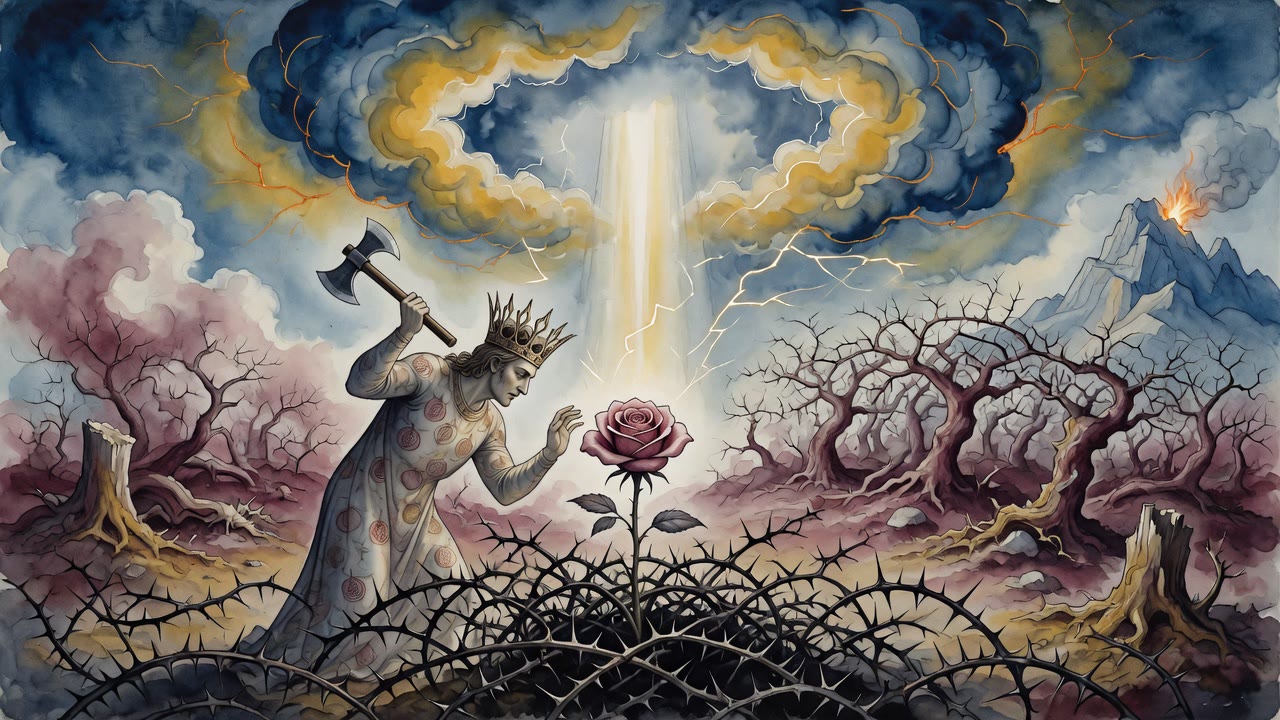
Midrash Tehillim, a collection of rabbinic interpretations on the Book of Psalms, opens up a fascinating window into this very question. It uses a beautiful image – the "rose of Sh...
In fact, it's a theme that echoes through Jewish tradition, especially when we talk about the relationship between God, Moshiach (the Messiah), and the enemies of Israel. The Midra...
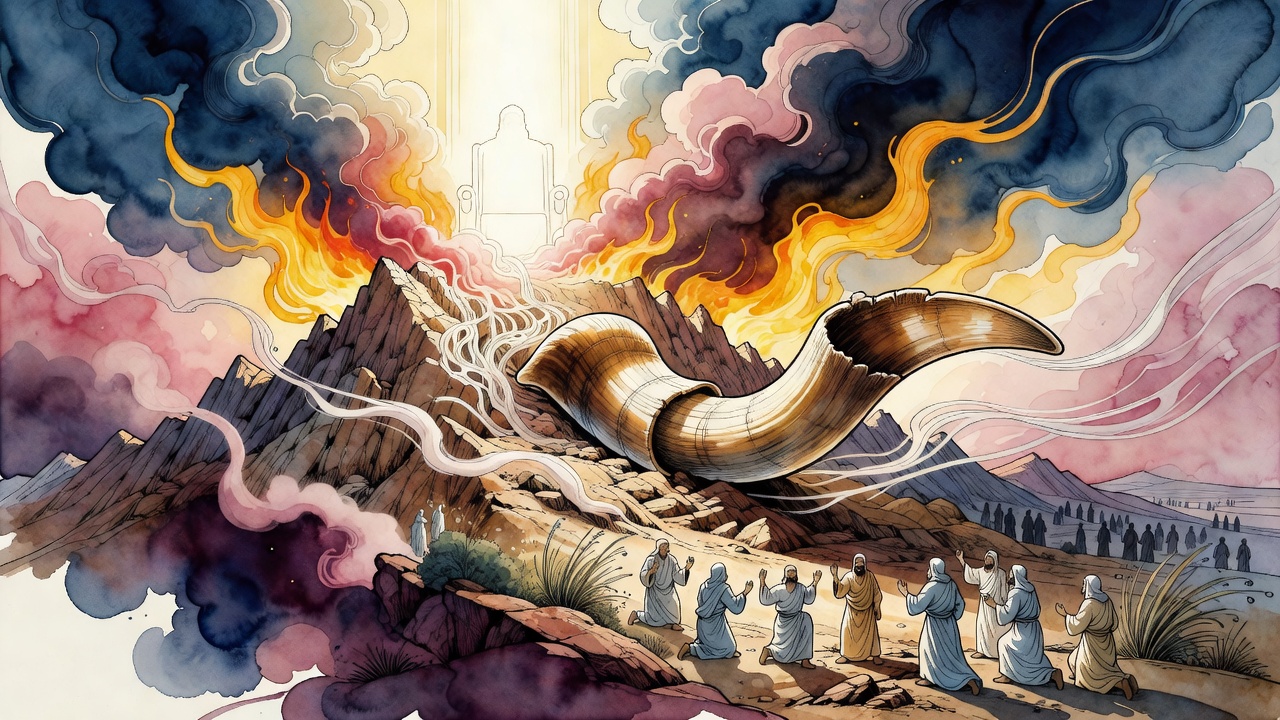
Sometimes, it takes a seemingly simple story to peel back the layers of ancient wisdom. Our tale begins with a shofar blower from the tribe of Barzel. Now, the shofar, a ram's horn...
King David knew that feeling well. Midrash Tehillim, a collection of rabbinic interpretations on the Book of Psalms, dives deep into the context and meaning behind David's songs. A...
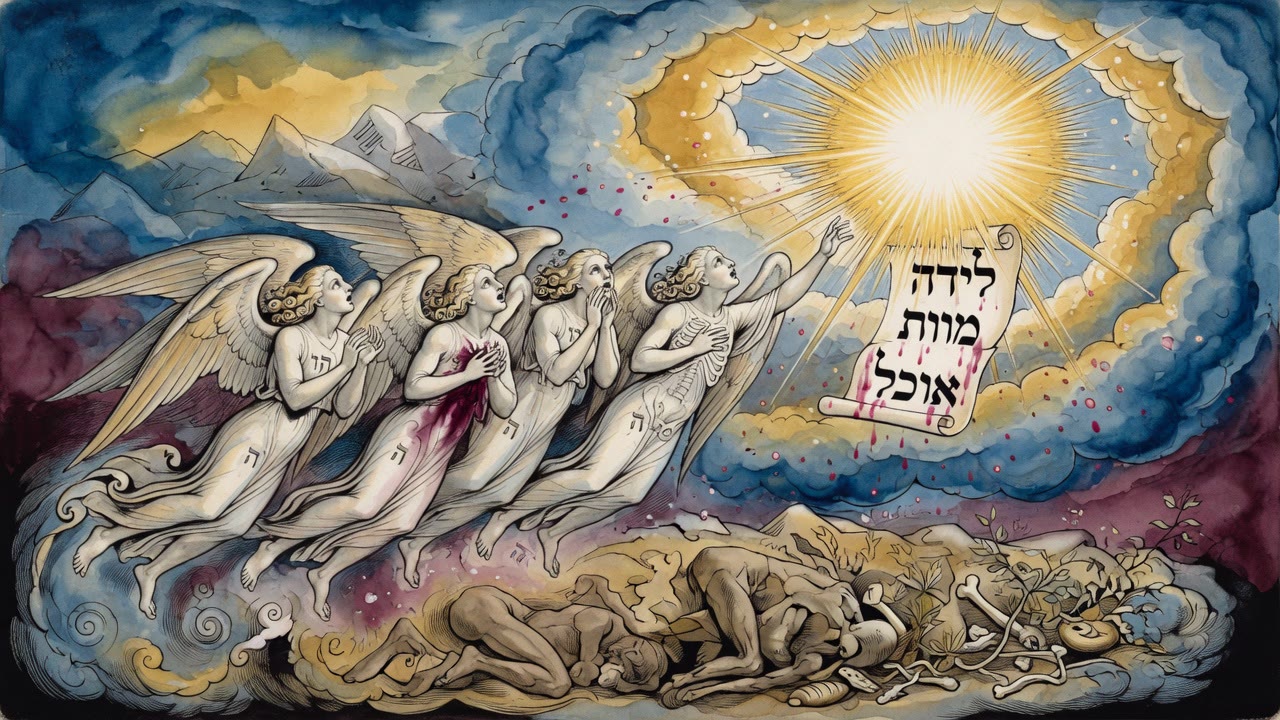
We often picture them as these serene, obedient beings, but some ancient texts paint a different picture. A picture where angels actually… argue with God. That's exactly what we fi...
The Talmudic sages definitely grappled with that question. to a fascinating, and perhaps a little unsettling, passage from Midrash Tehillim (Midrash on Psalms), specifically Psalm ...
Rabbi Judah bar Simon, in Midrash Tehillim, offers a fascinating perspective. He suggests that while we often loathe our professions, God doesn't hate His. Why? Because "the Lord i...
Midrash Tehillim, a collection of rabbinic commentaries on the Book of Psalms, offers a fascinating glimpse, particularly when it comes to (Psalm 11:7): "For the Lord is righteous,...
It's like that guest who overstays their welcome, only on a cosmic scale. But it gets even more interesting. The Midrash Tehillim then pivots to a powerful statement of faith, of u...
A discussion of "rana," which can be translated as a cry or supplication. But it's not just any cry; it's a cry of righteousness. The Midrash (rabbinic interpretive commentary) dra...
Midrash Tehillim, a collection of rabbinic interpretations on the Book of Psalms, offers a fascinating glimpse into this divine-human "battle" during the Exodus. It's not just abou...
We often talk about God's love, God's mercy... but what about God's thunder? Midrash Tehillim, a collection of interpretations on the Book of Psalms, dives headfirst into this very...
(Psalm 18:26) offers a fascinating, and perhaps unsettling, answer: "With a pious person, act piously; with an upright man, be upright; with a pure one, be pure; and with a crooked...
Yet, praise is central to Jewish tradition. Why? to a fascinating passage from Midrash Tehillim, a collection of homiletical interpretations on the Book of Psalms, and see what we ...
The story of how he approached God for forgiveness, as told in Midrash Tehillim 19, is both surprising and deeply human. The Midrash, a collection of rabbinic commentaries on the H...
They're thousands of years old, yet they speak to our struggles, our joys, our fears as if they were written yesterday. Today, we're diving into Midrash Tehillim 20, a fascinating ...
Midrash Tehillim, a collection of rabbinic teachings on the Book of Psalms, offers a fascinating perspective. It tells us, "The secret of the Lord is with those who fear Him." But ...
It’s a universal feeling, and even King David, the shepherd-turned-king, knew it well. That’s why he declared, "A lamp to my feet is Your word, a light to my path" (Psalm 119:105)....
It’s a question that’s been wrestled with for centuries, and the Midrash Tehillim, a collection of rabbinic teachings on the Book of Psalms, offers some truly fascinating, and at t...
The ancient rabbis certainly did. In fact, they put those feelings right into the mouth of the people of Israel, in a powerful passage from Midrash Tehillim, a collection of rabbin...
The ancient sages felt that way too. And they looked to the future, to a time when things would be set right. Midrash Tehillim, a collection of interpretations on the Book of Psalm...
It’s more than just nostalgia, more than just remembering the "good old days." It's about survival. Spiritual survival. And that's exactly what Midrash Tehillim, a collection of ra...
They turned to midrash, a method of interpreting scripture that fills in gaps, answers questions, and breathes life into the text. Today, we're diving into a fascinating passage fr...
Take (Psalm 81:2), for example: "Raise a song, strike the tambourine, the sweet lyre with the harp." But then it continues, "Sound the shofar at the New Moon, at the full moon for ...
The blast of the shofar, that ancient ram's horn, isn't just some ritualistic noise. It’s a call to action, a reminder, and, if we listen closely, a whisper from the Divine. Midras...
Psalm 87, a song attributed to the sons of Korah, begins to unpack this very question. "Its foundation is on the holy mountains," the psalm declares, suggesting that holiness is ro...
Guess what? It's not always what you'd expect. The Midrash Tehillim, a collection of interpretations on the Book of Psalms, offers a particularly intriguing take. It suggests that ...
Psalm 91 is all about that feeling, and Midrash Tehillim—an ancient collection of rabbinic interpretations on the Book of Psalms—dives deep into its meaning. The verse declares, "I...
It’s a question worth pondering. Especially when we’re talking about garments of majesty, strength, and even…vengeance. The book of Psalms (93:1) declares, “The Lord reigns, He is ...
We often think of ethereal beings, wings and halos and all that. But what if the term encompasses more than we initially imagine? Midrash Tehillim, a collection of interpretations ...
To a passage from Midrash Tehillim, a collection of interpretations on the Book of Psalms, to explore this very idea. The passage begins with a powerful statement: "I bless the Lor...
That’s the feeling I get when diving into the Midrash Tehillim, a collection of rabbinic interpretations on the Book of Psalms. And Psalm 104? It’s a trip. The verse we're looking ...
The ancient rabbis certainly did. They saw it playing out in the story of the Israelites in the desert, a story brimming with lessons for us today. Our jumping-off point is Psalm 1...
Midrash Tehillim, a collection of rabbinic teachings on the Book of Psalms, offers some fascinating perspectives on this very question. The Midrash (rabbinic interpretive commentar...
The Midrash Tehillim, a collection of rabbinic commentaries on the Book of Psalms, explores this very idea. It begins with the verse, "I will offer You a sacrifice of thanksgiving....
In fact, it teaches us that it's really not fitting to sing your own praises… unless someone else steps up to vouch for you. But then, who vouches for God? That's the question pose...